Attractions and Places To See in Namibia - Top 20
Attractions and places to see in Namibia include a diverse landscape of ancient deserts, dramatic canyons, and wildlife-rich national parks. The country features the world's oldest desert, the Namib, and significant geological formations like the Fish River Canyon. Namibia also offers culturally important sites and coastal towns with unique architecture.
Best attractions and places to see in Namibia
- The most popular attractions is Woermann House and Damara Tower, a historical site and man-made monument. The Damara Tower, built in…
Last updated: July 6, 2026
Deadvlei
Highlight • Natural Monument
Translated by Google •
Tip by

Swakopmund Lighthouse
Highlight • Monument
Translated by Google •
Tip by
Sign up now to discover places like this
Get recommendations on the best single tracks, peaks, & plenty of other exciting outdoor places.
Sign up for free
Big Daddy Dune, Namib-Naukluft National Park
Highlight • Natural Monument
Translated by Google •
Tip by

Woermann House and Damara Tower
Highlight • Historical Site
Translated by Google •
Tip by
Sesriem Canyon
Highlight • Canyon
Translated by Google •
Tip by

Christ Church, Windhoek
Highlight • Religious Site
Translated by Google •
Tip by

Gibeon Meteorite Fountain
Highlight • Monument
Translated by Google •
Tip by

Adler Pharmacy and Drugstore Emil Kiewitt
Highlight • Historical Site
Translated by Google •
Tip by
Hohenzollernhaus
Highlight • Historical Site
Translated by Google •
Tip by
Kolmanskop Ghost Town
Highlight • Historical Site
The city is true equipped with every imaginable luxury, …
Translated by Google •
Tip by

Sign up for free to discover even more attractions in Namibia.
Sign up for free
Already have an account?
Start today with a free account
Your next adventure awaits.
Login or Signup
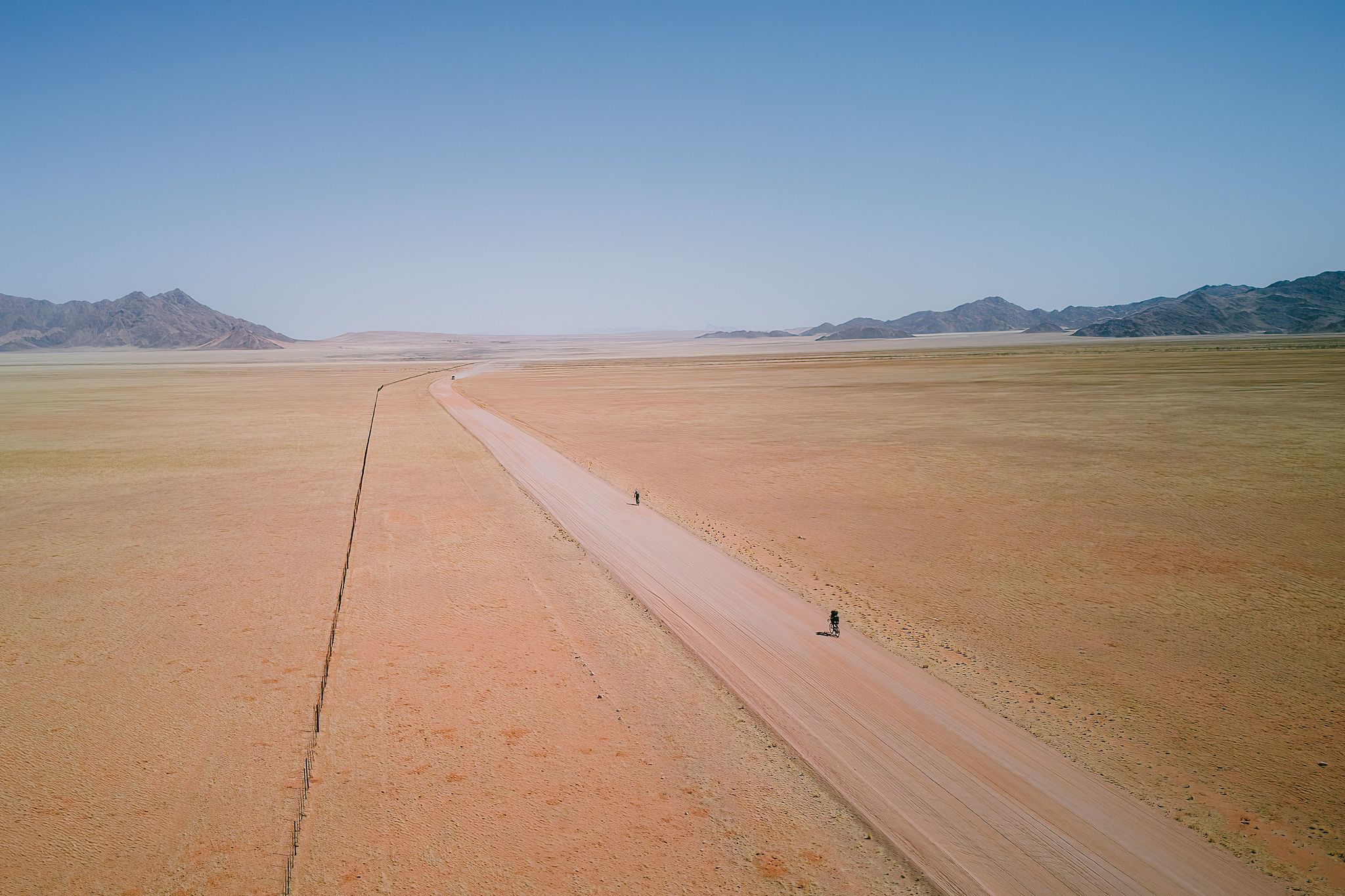
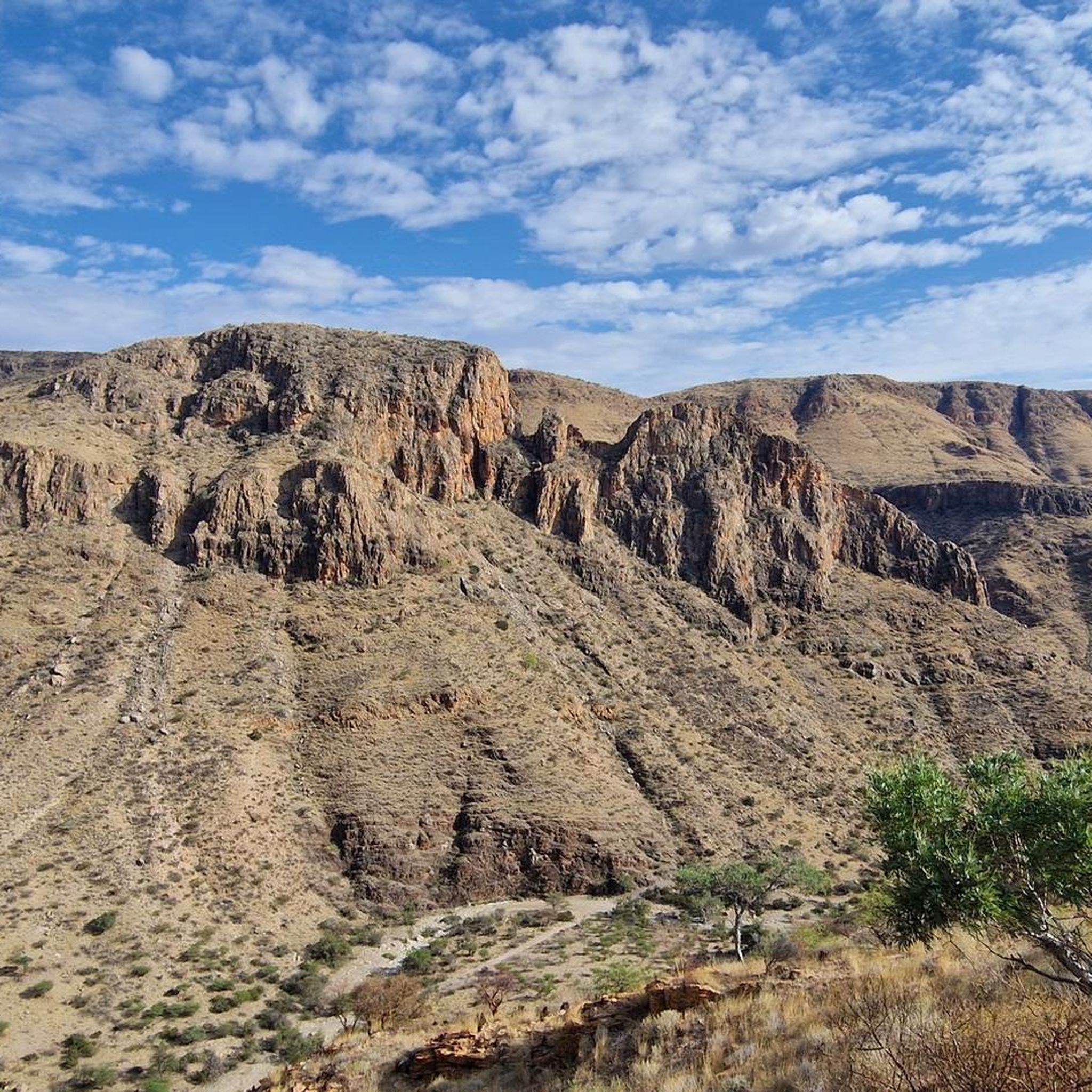
Other adventures in Namibia

Tips from the Community

A beautiful historical relic from the bygone German colonial era.
2
0
One of THE landmarks of Swakopmund.
2
0
Impressive building from the colonial era.
2
0
One of the most beautiful buildings from the German colonial era.
2
0

Sesriem Canyon also tells the story of the Tsauchab River: This river has carved the canyon into the rock over millions of years. It is the same river that flows into Sossusvlei, but there it disappears into the sand of the dunes. Thus, the canyon combines the power of water with the magic of the desert. Hiking through it reveals fascinating rock formations, while simultaneously enjoying cooler temperatures. What a relief after the heat of the morning and what a thrilling contrast to the endless expanse of the dune landscape! You can also take a circular hike: through Sesriem Canyon and up above, with views of the Naukluft Mountains, back to the parking lot.
2
0

Just below the Big Daddy Dune you have the best view and are a bit safer from the wind
0
0

A picture book lighthouse, very photogenic.
2
0
Imposing building that reminds of old times.
2
0
Frequently Asked Questions
What are some of Namibia's most impressive natural wonders?
Namibia is home to breathtaking natural wonders. You can explore the towering red sand dunes of Big Daddy Dune, Namib-Naukluft National Park, and the striking white clay pan of Deadvlei, both within the ancient Namib Desert. The Fish River Canyon, Africa's largest canyon, offers dramatic cliffs and rugged landscapes. Other notable sites include the granite peaks of Spitzkoppe, the vast Etosha National Park, and the dramatic Skeleton Coast.
Where can I explore Namibia's history and culture?
For a glimpse into Namibia's rich history and culture, visit Woermann House and Damara Tower, a historical site in Swakopmund. The capital, Windhoek, features the iconic Christ Church and the Alte Feste museum. The ghost town of Kolmanskop offers a unique look into a former diamond mining settlement, while Twyfelfontein is a UNESCO World Heritage Site renowned for its ancient San rock engravings.
Are there family-friendly attractions in Namibia?
Yes, Namibia offers several family-friendly attractions. The Swakopmund Lighthouse is a popular landmark in the coastal town. The Woermann House and Damara Tower in Swakopmund also welcomes families, offering panoramic views from the tower. Additionally, the Gibeon Meteorite Fountain is an interesting historical site suitable for all ages.
What outdoor activities and hiking opportunities are available near these attractions?
Namibia provides diverse outdoor activities. You can find numerous hiking opportunities, including trails in the Fish River Canyon, Waterberg Plateau Park, and the Namib-Naukluft National Park. For easier walks, consider routes like the 'Woermann House and Damara Tower – Swakopmund Lighthouse loop' or the 'Kalahari Anib Lodge loop'. You can find more details on various hiking trails in the Easy hikes in Namibia guide.
Where can I experience Namibia's iconic desert landscapes?
To experience Namibia's iconic desert landscapes, head to the Namib-Naukluft National Park. Here, you can explore the towering red dunes of Big Daddy Dune and the surreal landscape of Deadvlei with its ancient fossilized trees. The Sossusvlei Sand Dunes are a must-see, offering unique photographic opportunities, especially at sunrise or sunset. Don't forget to visit Sesriem Canyon nearby.
What are the best places for wildlife viewing in Namibia?
Etosha National Park is Namibia's premier destination for wildlife viewing, especially during the dry season when animals gather around waterholes. You can spot elephants, giraffes, lions, zebras, and various antelope species. The Okonjima Nature Reserve and AfriCat Foundation are dedicated to big cat conservation, offering opportunities to see leopards and cheetahs. For marine life, the Cape Cross Seal Colony hosts one of the world's largest Cape fur seal populations.
Which coastal towns offer unique experiences?
Swakopmund, often called the 'jewel of Namibia's coastline,' offers a unique blend of German colonial architecture and adventure activities where the desert meets the ocean. Nearby Walvis Bay is known for its large flamingo population and as a starting point for exploring Dune 7. Lüderitz is another coastal town recognized for its distinctive German colonial buildings and serves as a gateway to the ghost town of Kolmanskop.
Are there any unique geological formations to visit?
Namibia boasts several unique geological formations. Spitzkoppe, known as the 'Matterhorn of Namibia,' features impressive granite peaks and a natural rock arch. Vingerklip (Finger Rock) is a striking 35-meter-high rock formation in Damaraland. The Petrified Forest near Khorixas showcases 280-million-year-old fossilized tree trunks. The Bogenfels Arch, a 55-meter high lime rock arch, is another remarkable sight on the south Atlantic coast, accessible via specialized tours.
Are there any wheelchair-accessible attractions?
Yes, some attractions in Namibia are wheelchair-accessible. The Gibeon Meteorite Fountain is listed as wheelchair-accessible, as is the Adler Pharmacy and Drugstore Emil Kiewitt, a historical site. It's always advisable to check specific accessibility details for other sites before visiting.
When is the best time to visit Namibia's attractions?
The best time to visit Namibia generally depends on your interests. For wildlife viewing, the dry season (May to October) is ideal, as animals congregate around waterholes. For exploring the desert landscapes like Sossusvlei, the cooler months within this period can be more comfortable for activities like dune climbing. The coastal areas like Swakopmund have a milder climate year-round, but fog can be common. Always consider seasonal temperatures and potential rainfall for your specific itinerary.
Where can I see ancient rock art or historical ruins?
Twyfelfontein, a UNESCO World Heritage Site in Damaraland, is renowned for one of Africa's largest collections of ancient San rock engravings. Another significant site for ancient art is Brandberg Mountain, Namibia's highest peak, which features the famous 'White Lady' painting. The Ruins of Khami, remnants of a former city-state, provide insights into ancient African societies through their stone walls and terraces.
Which attractions are particularly good for photography?
Namibia offers incredible photographic opportunities. Deadvlei, with its stark trees against red dunes and a white clay pan, is a classic. The ghost town of Kolmanskop provides unique decaying architecture being reclaimed by the desert. The granite peaks of Spitzkoppe, especially at sunrise or sunset, are also highly photogenic. The Swakopmund Lighthouse and the colonial architecture of Swakopmund itself offer great urban and coastal shots.
Are there cycling routes near the attractions?
Yes, there are various cycling routes available in Namibia. You can find routes near Windhoek, such as the 'Parliament Gardens – Kudu Statue (Spirit of Hope) loop'. There are also cycling loops from locations like Kalahari Anib Lodge. For more detailed information on routes and their difficulty, you can consult the Cycling in Namibia guide.
Most popular attractions in Namibia

Get inspired with the komoot mobile app


Explore more
Still not found the Highlight you’re looking for? See guides of the top attractions in other regions:
