Top 20 Lakes in Montenegro
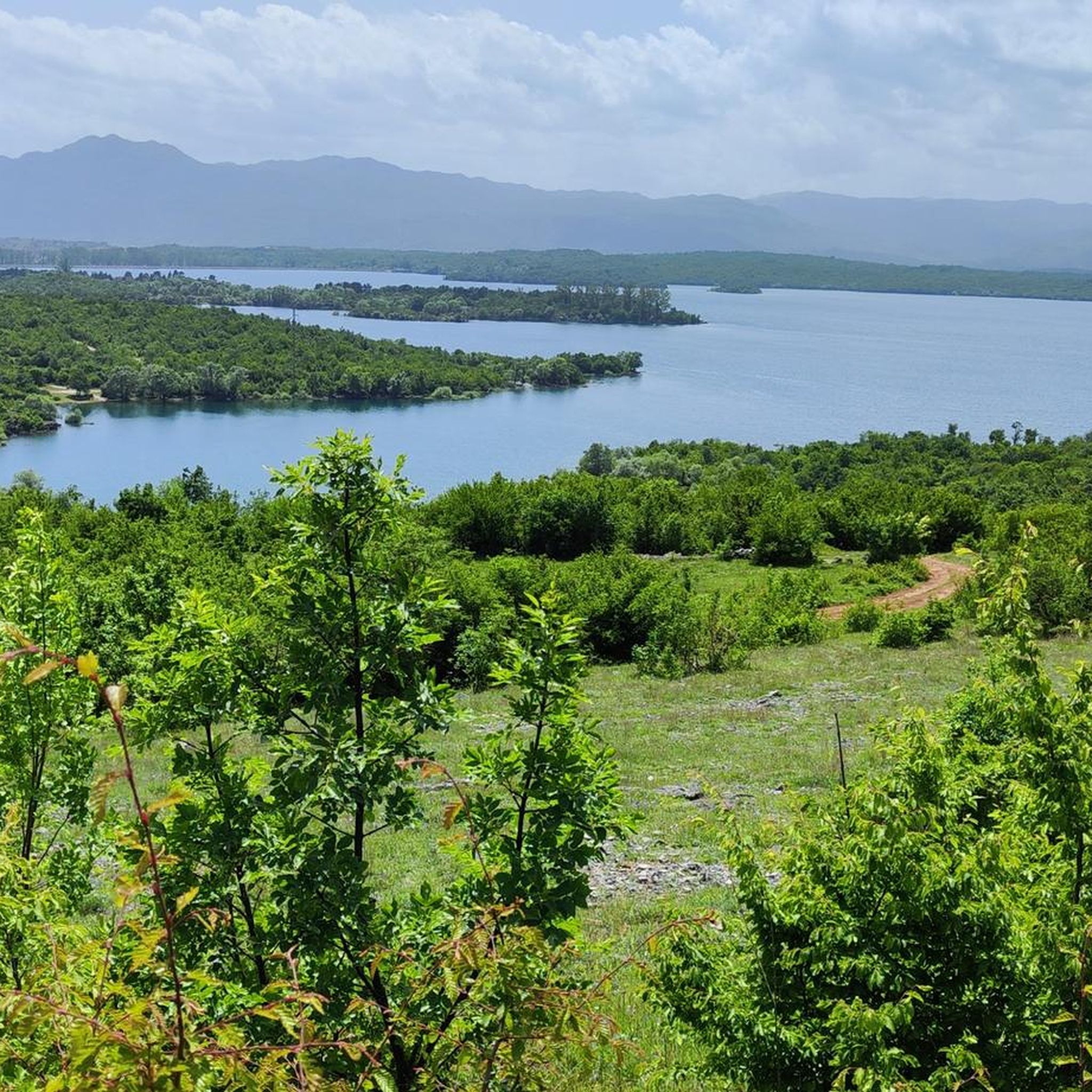
Lakes in Montenegro are a prominent feature of the country's diverse natural landscape, ranging from vast freshwater bodies to serene glacial waters. The region is characterized by its mountainous terrain, which cradles numerous lakes within national parks and protected areas. These aquatic environments contribute to Montenegro's rich biodiversity and offer various opportunities for outdoor activities.
Best lakes in Montenegro
- The most popular lakes is View of Black Lake (Crno Jezero), a viewpoint that offers panoramic views of the lake's…
Last updated: August 25, 2026
View of Black Lake (Crno Jezero)
Highlight • Viewpoint
Translated by Google •
Tip by

Biogradsko Lake
Highlight • Lake
Translated by Google •
Tip by

Sign up now to discover places like this
Get recommendations on the best single tracks, peaks, & plenty of other exciting outdoor places.
Sign up for free
Veliko Stabansko Lake
Highlight • Lake
Especially the upper one is very beautiful.
We started from Kamp Vrbnica. At first, unfortunately, only tarred road. Then then forest and …
Translated by Google •
Tip by

View of Kotor Bay from St. John's Fortress
Highlight • Viewpoint
Translated by Google •
Tip by

Ropojana Lake
Highlight • Lake
Tip by

Slano Lake
Highlight • Lake
Tip by

Blue Lagoon Waterfall
Highlight • Waterfall
Translated by Google •
Tip by

Lake Hridsko
Highlight • Lake
Translated by Google •
Tip by

Virpazar
Highlight • Settlement
Translated by Google •
Tip by

Valovito Lake
Highlight • Lake
Translated by Google •
Tip by

Sign up for free to discover even more lakes in Montenegro.
Sign up for free
Already have an account?
Start today with a free account
Your next adventure awaits.
Login or Signup
Popular around Montenegro
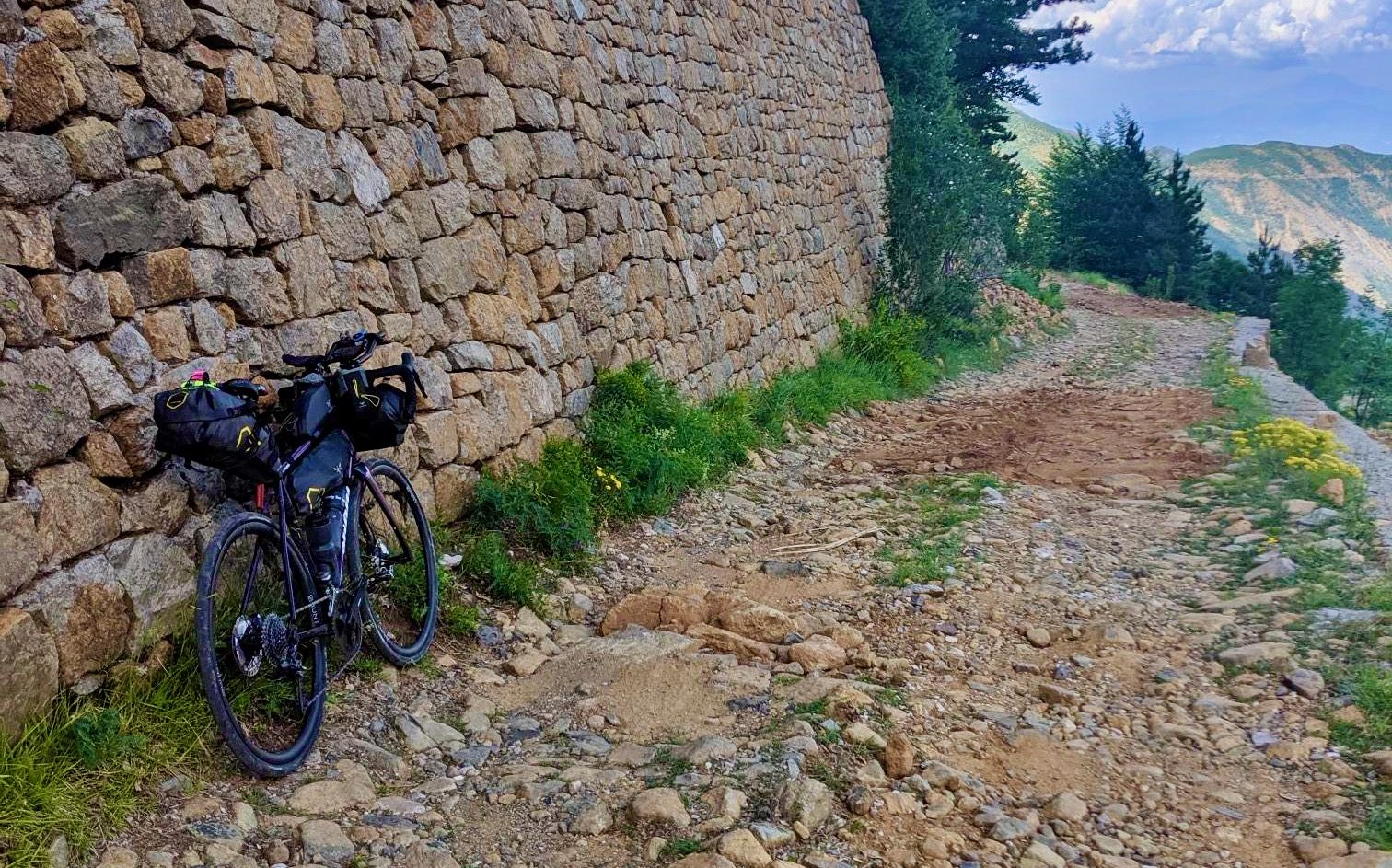
Traversing the Dinaric Alps — bikepacking from the mountains to the sea
Transcontinental Race No9 2023
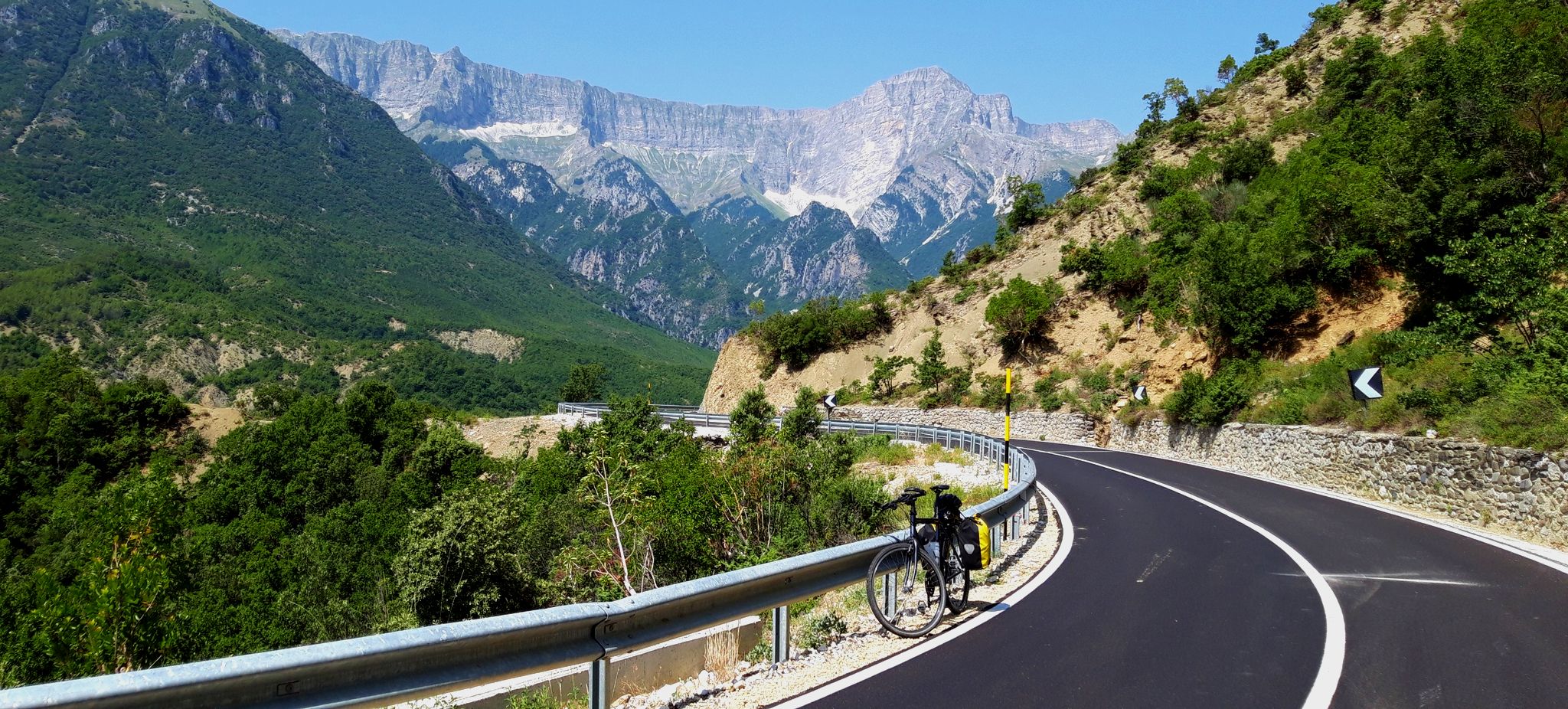
Balkan cycling adventure – Dubrovnik to Corfu
As we wrote history – the Transcontinental Race #TCRN06
Hiking in Montenegro
Cycling in Montenegro
Road Cycling Routes in Montenegro
Running Trails in Montenegro
MTB Trails in Montenegro

Mountain Hikes in Montenegro
Other adventures in Montenegro


Tips from the Community

Beautiful view of the lake. Simply put: breathtaking!
1
0


Fortress of Sveti Ivan, accessible via 1350 dangerous, very slippery stone steps. Costs 15€ to use
1
0

The ticket for Durmitor National Park is valid all day. We were able to enter 2 different parks with the same ticket. Same day, ticket is valid for 24 hours.
4
0
Frequently Asked Questions
Which lakes in Montenegro are best for family-friendly activities?
Several lakes in Montenegro offer great experiences for families. Black Lake (Crno Jezero) in Durmitor National Park has an easy 3.5 km circular trail perfect for walks and picnicking, with swimming possible in warmer months. Biogradsko Lake in Biogradska Gora National Park is ideal for leisurely walks around the lake and boat rides. Lake Skadar also provides opportunities for boat trips, swimming, and sunbathing, with the town of Virpazar serving as a popular starting point for excursions.
What kind of hiking trails can I find around Montenegro's lakes?
Montenegro's lakes offer a variety of hiking experiences. Around Black Lake (Crno Jezero), there's an easy 3.5 km circular trail. Biogradsko Lake also has a scenic path around its perimeter, and the surrounding virgin forest offers unique hiking opportunities. For more challenging routes, areas like Durmitor National Park (home to Black Lake) and Prokletije National Park (near Lake Plav and Lake Hridsko) provide trails ranging from intermediate to difficult, often leading to other glacial lakes or mountain peaks.
Are there opportunities for cycling or mountain biking near the lakes?
Yes, the mountainous terrain around Montenegro's lakes is excellent for cycling and mountain biking. You can find various routes, from moderate to difficult, that offer stunning views. For example, there are numerous cycling routes in Montenegro, including those that pass by lakes or offer views of them. You can explore options like those listed in the Cycling in Montenegro guide or the MTB Trails in Montenegro guide.
Which lakes are known for their natural beauty and unique features?
Montenegro boasts several lakes renowned for their natural splendor. Black Lake (Crno Jezero) is famous for its reflective waters and dense coniferous forests. Biogradsko Lake is nestled within one of Europe's last remaining virgin forests, offering a serene setting. Piva Lake, though artificial, is celebrated for its deep green to emerald-blue waters and dramatic canyon scenery. Lake Plav, the largest glacial lake, is known for its clear blue waters reflecting the Prokletije mountains.
What is the best time of year to visit Montenegro's lakes?
The best time to visit Montenegro's lakes largely depends on your desired activities. For swimming, boating, and hiking in warmer weather, the summer months (June to September) are ideal, with water temperatures in some lakes reaching 21-22 degrees Celsius. For those interested in winter activities like ice skating, Lake Plav can freeze over, offering a unique experience. Spring and autumn provide milder temperatures, perfect for hiking and enjoying the changing foliage, though seasonal weather patterns in the mountains can be variable.
Are there any historical or cultural sites near the lakes?
Yes, some lakes are rich in history and culture. Lake Skadar, for instance, is dotted with 20 monasteries, churches, villages, fortresses, and sacred monuments dating back to the 11th century. The town of Plav, near Lake Plav, offers cultural and historical landmarks like the Redžepagić Tower and the Holy Trinity Orthodox Monastery. Additionally, the historical Tito's Cave is located near Black Lake (Crno Jezero).
Where can I find amenities like cafes or restaurants near the lakes?
Amenities vary by lake. Near Black Lake (Crno Jezero), the town of Žabljak offers cafes and restaurants. The town of Virpazar is a hub for Lake Skadar, providing various services. For Biogradsko Lake, there are facilities within Biogradska Gora National Park, though it's advisable to check for specific restaurant or cafe availability. Some highlights, like the Blue Lagoon Waterfall, even have small cafes nearby.
Which lakes are good for birdwatching or observing wildlife?
Lake Skadar is a premier destination for birdwatching, being one of Europe's most important bird habitats with around 270 bird species, including rare curly pelicans. Lake Sas (Šasko jezero), the second-largest lake in Montenegro, is also known for its diverse bird species. The national parks surrounding lakes like Black Lake (Crno Jezero) and Biogradsko Lake are home to various alpine and subalpine flora and fauna, including rare plant species and birds like golden eagles and falcons.
Are there any hidden gem lakes for a quieter experience?
For a more secluded experience, consider lakes like Veliko Stabansko Lake or Valovito Lake, which are less frequented than the major attractions. Trnovačko Lake, known for its heart shape, is a popular hiking destination but offers stunning turquoise waters away from the main crowds. Vražje Lake (Devil's Lake) and Zminje Lake (Snake Lake) in Durmitor National Park also provide unique alpine landscapes and solitude for adventurous trekkers.
Can I go swimming in Montenegro's lakes?
Yes, swimming is possible in many of Montenegro's lakes, especially during the warmer months. Black Lake (Crno Jezero), Lake Skadar, Piva Lake, and Lake Plav are popular spots for swimming. Visitor tips for Black Lake (Crno Jezero) mention the water being cool but refreshing. Krupac Lake near Nikšić is also a popular recreational spot for swimming among locals.
What are the options for fishing in the lakes?
Fishing is a popular activity in several Montenegrin lakes. Lake Skadar is home to approximately 50 fish species, including ukljeva and carp. Piva Lake is rich in fish, such as trout and chub, making it a paradise for fishing enthusiasts. Lake Plav is particularly known for fly fishing, with species like Danube Salmon, Arctic Grayling, Brown Trout, and Northern Pike. Biogradsko Lake also offers opportunities for fishing.
How accessible are the lakes by car, and are there parking facilities?
Accessibility varies by lake. Black Lake (Crno Jezero) is easily accessible from Žabljak, and national parks generally have parking facilities, though they can be busy in peak season. Biogradsko Lake also has on-site parking, often for a fee. The scenic drive along the Piva Canyon to Piva Lake is well-developed. For more remote lakes, access might involve unpaved roads or require hiking after parking.
What makes Lake Skadar unique compared to other lakes in Montenegro?
Lake Skadar stands out as the largest lake in the Balkan Peninsula and a designated national park, spanning both Montenegro and Albania. It's unique as a crypto-depression, with parts of its bottom below sea level, and features sublacustrian springs. Its exceptional biodiversity, including around 270 bird species and 50 fish species, makes it a critical ecological site. The lake's rich history, with numerous monasteries and historical sites along its shores, also sets it apart. You can find more information at visit-montenegro.com.
Most popular routes in Montenegro
Most popular attractions in Montenegro

Get inspired with the komoot mobile app


Didn’t find what you were looking for?
Find the best lakes in Montenegro per region:
Explore more
Still not found your perfect lake in Montenegro? Check out the guides of these regions to see even more beautiful places.
