Top 20 Caves in Greece
Caves in Greece offer a diverse subterranean landscape, with over 8,500 formations across the country. These geological wonders, shaped by millennia of natural processes, have served as ancient sanctuaries, refuges, and sites of archaeological discovery. A select number of these caves are accessible to visitors, providing insight into Greece's natural and historical heritage.
Best caves in Greece
- The most popular caves is Matala Caves, a cave system known for its ancient dwellings. These caves are carved into the cliffs overlooking Matala Beach.
- Another must-see spot is Nestor's Cave below old Navarino Castle ⛰️🗿, a cave steeped in Greek mythology. Visitors can explore its spacious hall and observe stalactites and stalagmites.
- Visitors also love Matala Cave Dwellings, a historical site featuring man-made caves. These caves offer a glimpse into past human habitation.
- Greece is known for its lake caves, river caves, and caves with significant archaeological findings. These formations include impressive stalactites, stalagmites, and unique rock structures.
- The caves in Greece are appreciated by the komoot community. With more than 300 upvotes and over 200 photos, the community has shared their experiences.
Last updated: October 9, 2026
Marmara Beach
Highlight • Beach
In the tavern above the beach you can relax and unwind. Many reserve a table there.
Translated by Google •
Tip by

Matala Caves
Highlight • Beach
Translated by Google •
Tip by

Sign up now to discover places like this
Get recommendations on the best single tracks, peaks, & plenty of other exciting outdoor places.
Angelokastro Castle
Highlight • Castle
A well-developed, small country road leads to a tavern below the castle rock. The prices there are perfectly fine, the food is delicious and you can take a break with a beautiful view of the castle and steep down to the sea on the large terrace.
The parking facilities are quite limited, a small parking lot, which is also Wendemmöglichkeit, can be found in front of the tavern. Now and then the place is approached by small excursion buses. There is definitely no crowds there and the road is wide enough to park the car on the side of the road.
From the tavern leads a paved path with stairs in about 10 minutes up to the castle. At the beginning of the path there is a guard house, which is occupied from Tuesday to Sunday from 9 to 15 and where 2 € admission is due. Outside these times (or if the guard is not there at the moment) the castle is freely accessible. "Closed" here means that a chain hangs at knee height above the path over which you can easily get in or out again.
From the castle rock you have a great view over the west coast of the island and the open sea. Of course you can watch the sunset up here as well.
Translated by Google •
Tip by

Kourtaliotiko Gorge Waterfall
Highlight • Waterfall
Translated by Google •
Tip by

Nestor's Cave below old Navarino Castle ⛰️🗿
Highlight • Cave
Inside, you'll discover mesmerising stalactites and stalagmites while listening to the soothing sound of waves crashing nearby.
Tip by

Milona Waterfall
Highlight • Waterfall
The gravel road there is rather boring, the approximately 1 km long path through wild thyme on an old, bricked water pipe along is all the more beautiful.
The water was still cool and refreshing at the beginning of June. Take a bathing suit with you!
Translated by Google •
Tip by

Lissos archaeological site and the Asclepion (Temple of Asclepius)
Highlight • Historical Site
Translated by Google •
Tip by
New Monastery of the Philosopher
Highlight • Religious Site
During the Revolutionary War it played an important role as a hiding place. The Ottomans gouged out the eyes of many images in the chapel in revenge.
Translated by Google •
Tip by

Matala Cave Dwellings
Highlight • Cave
In the 1960s, hippies from around the world (including many young Americans who refused to take part in the Vietnam War) settled in the Neolithic cave dwellings and established a large commune there. Cat Stevens, Bob Dylan and Joni Mitchell also lived here at times.
Source: Wikipedia.
Translated by Google •
Tip by

Saint Dionysios Cave on Mount Olympus
Highlight • Cave
Translated by Google •
Tip by

Sign up for free to discover even more caves in Greece.
Already have an account?
Start today with a free account
Your next adventure awaits.
Popular around Greece
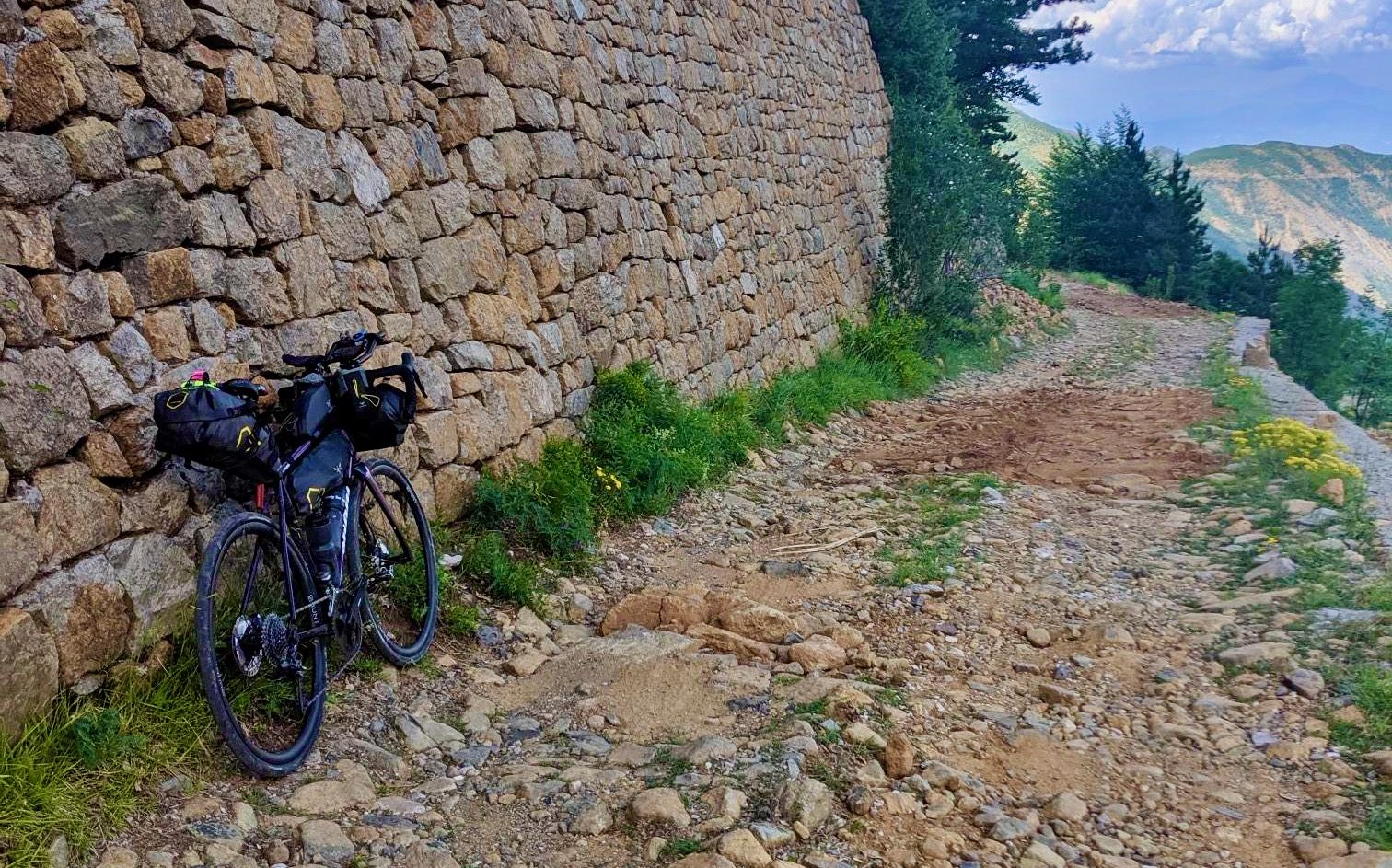
Traversing the Dinaric Alps — bikepacking from the mountains to the sea
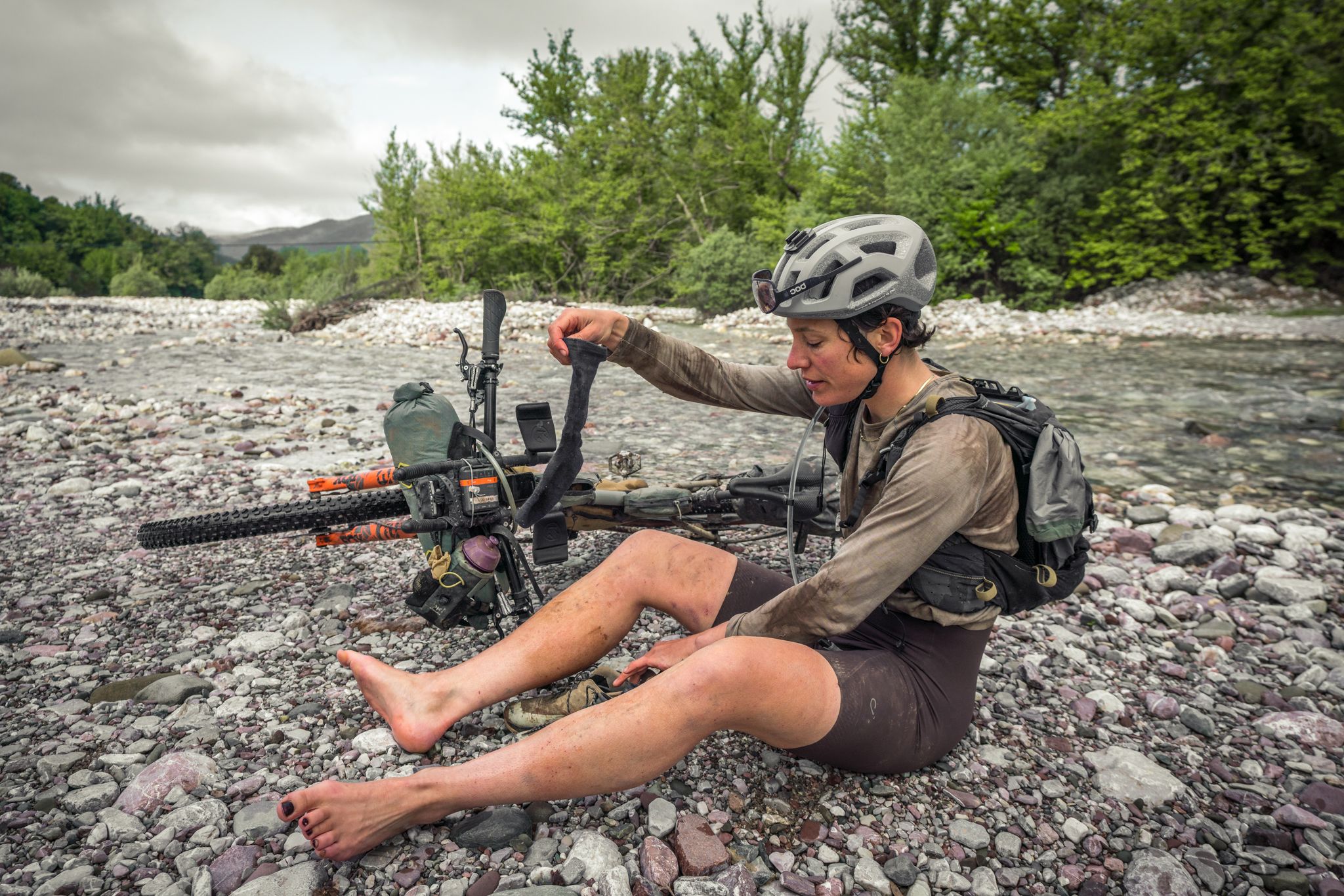
Hellenic Mountain Race — Bikepacking through the Greek mountains
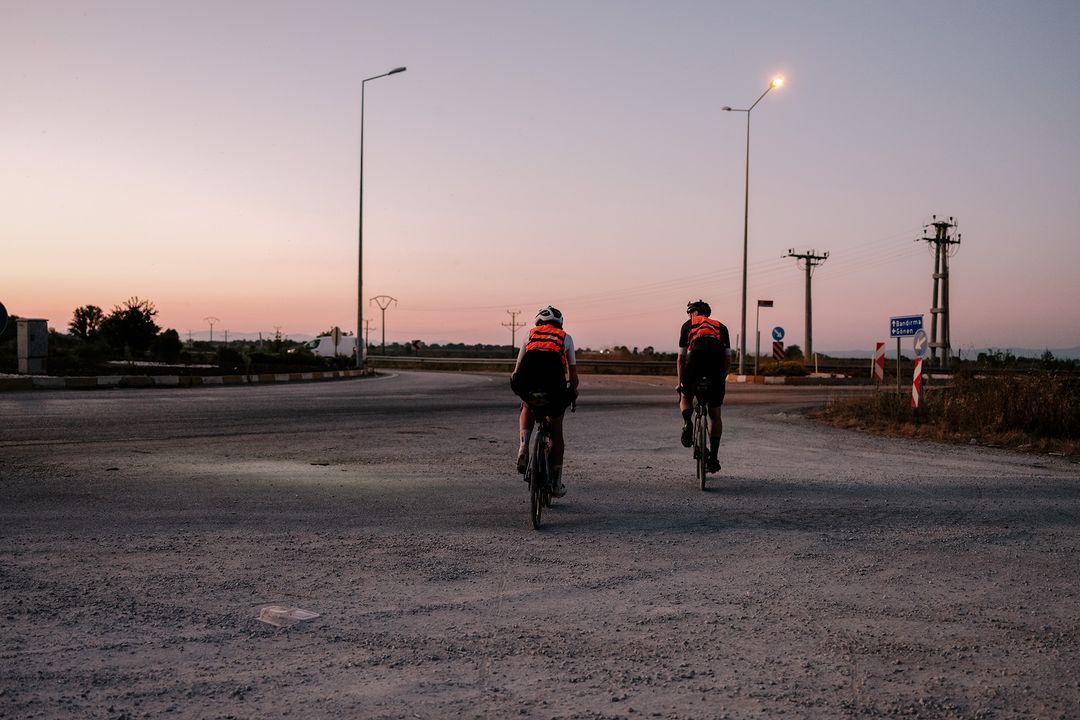
Transcontinental Race No10: crossing Europe from France to Turkey
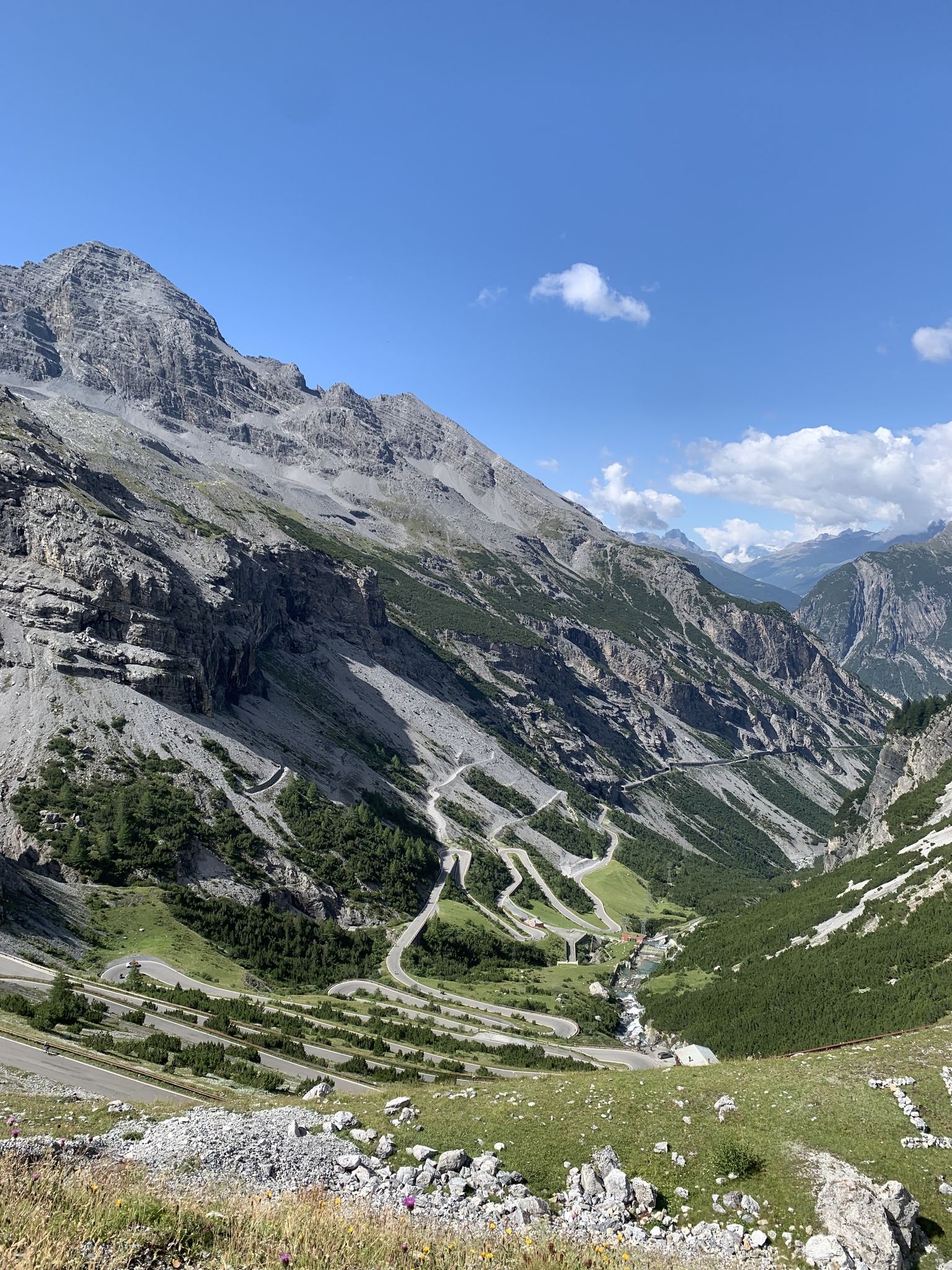
Transcontinental Race No9 2023
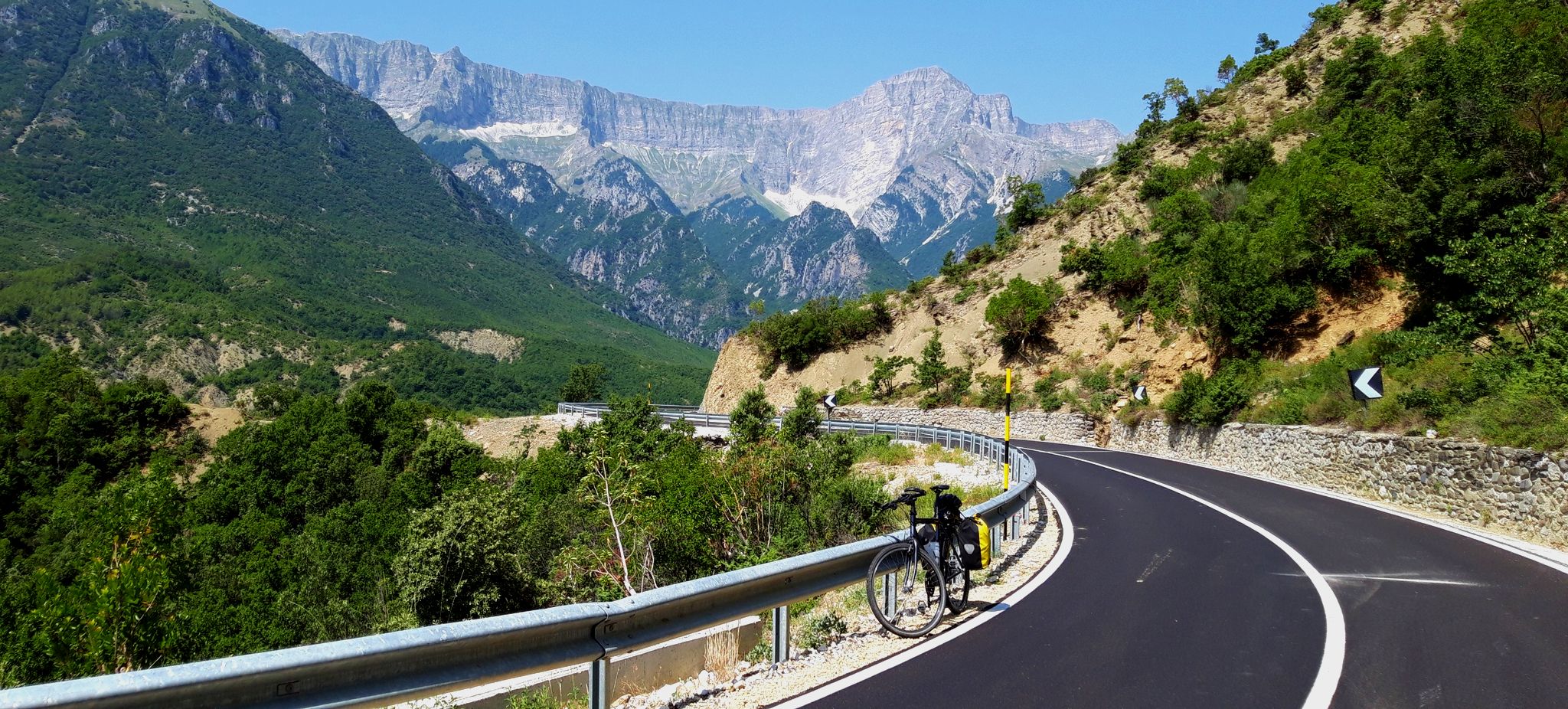
Balkan cycling adventure – Dubrovnik to Corfu
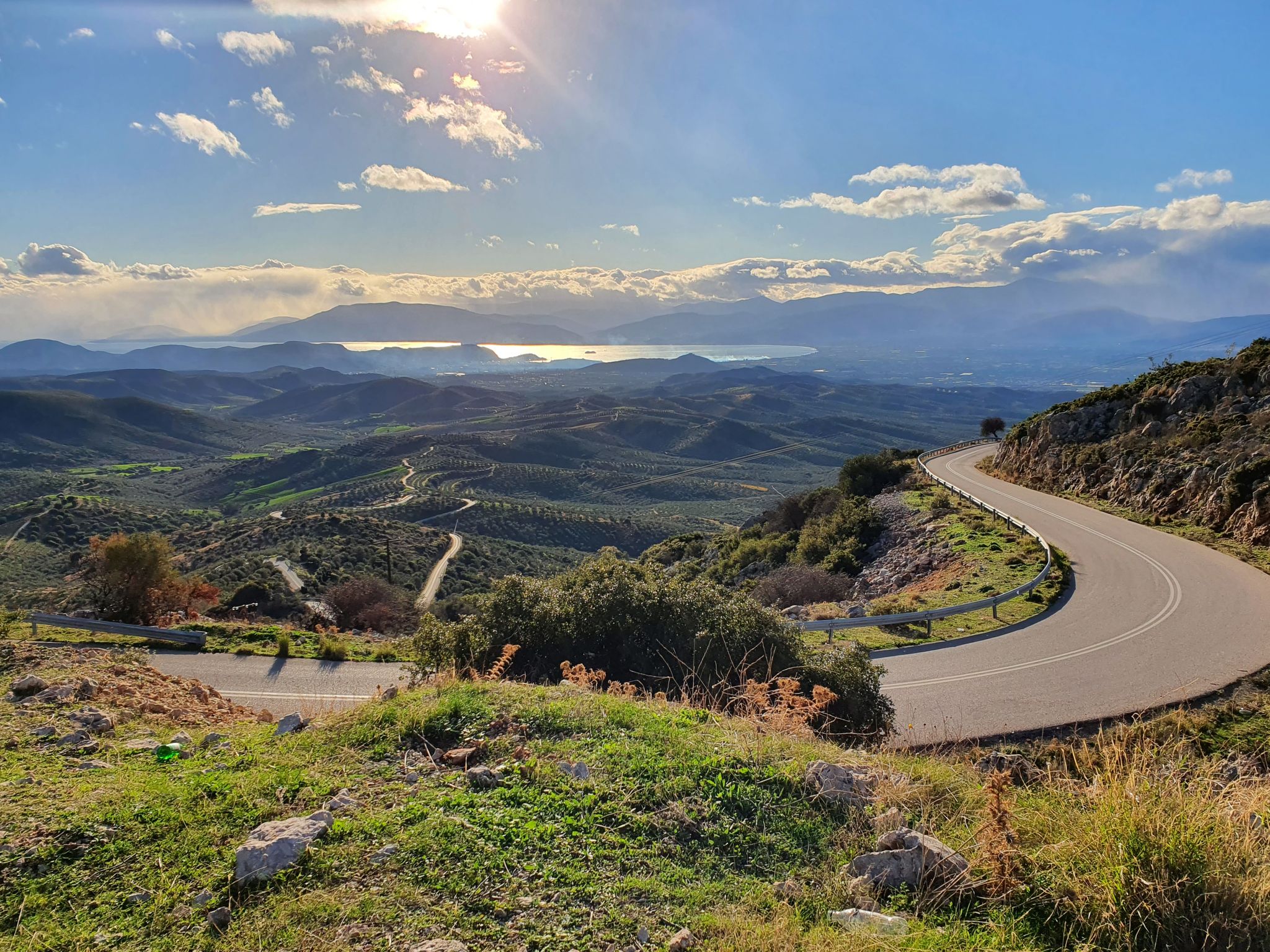
Road cycling in Greece — Athens and the Peloponnese
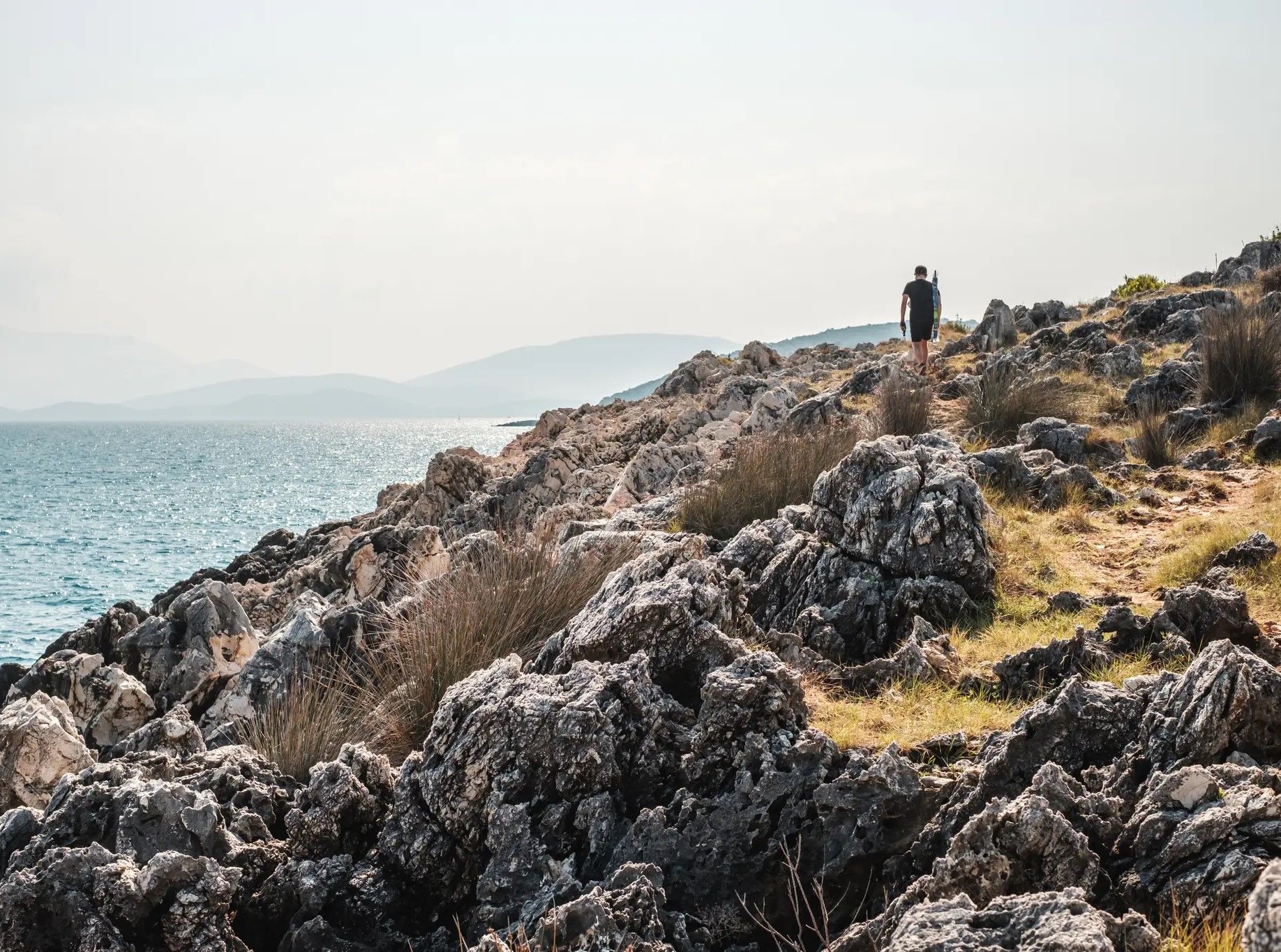
Olive groves and rocky coasts – hikes on Corfu
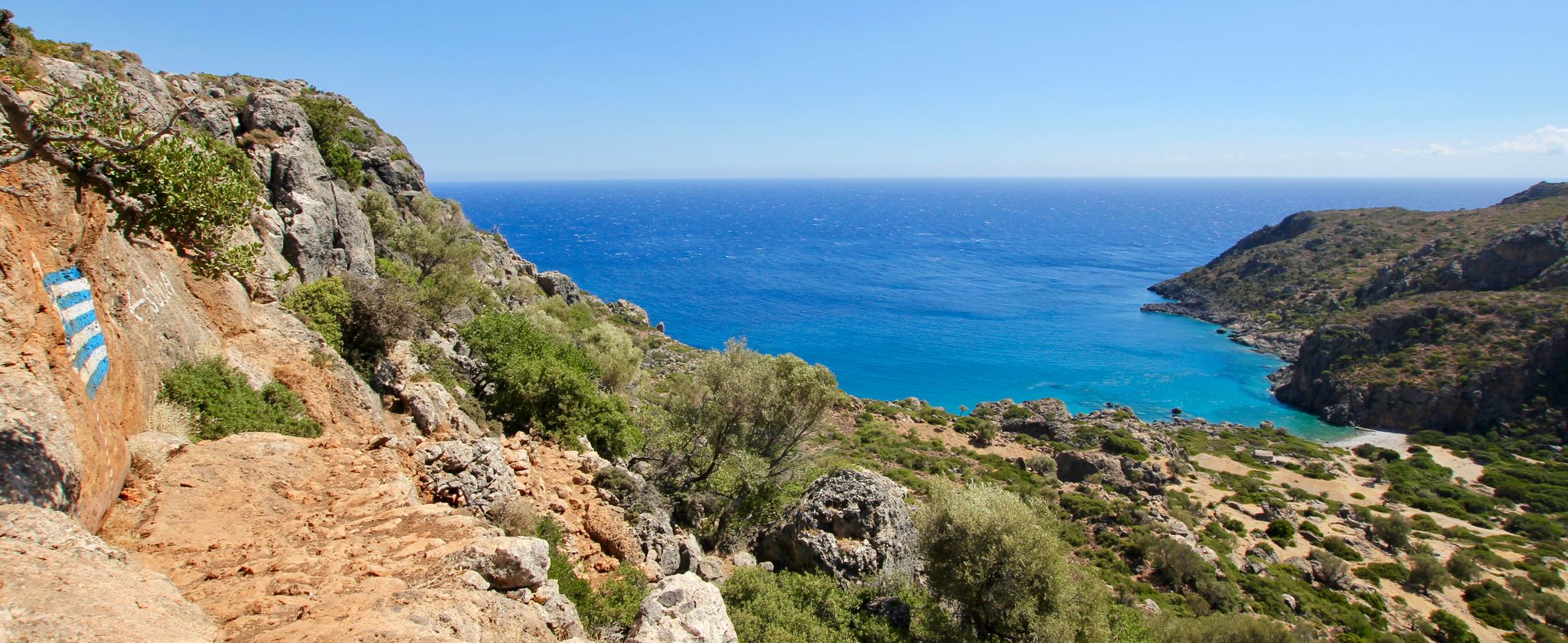
Lonely beaches & deep gorges — hiking in the south of Crete
Holy mountains and their stories
Bikepacking Griekenland: van berg tot zee
Other adventures in Greece


Tips from the Community

beautiful hiking trail through the gorge
0
1

Matala (Greek: Μάταλα) is a village located 75 km southwest of Heraklion, Crete, Greece. Matala belongs to the municipality of Pitsidia within the municipal unit of Tympaki, municipality of Faistos, Heraklion region.
2
0

The climb to the cave is easy and offers a magnificent view of the bay and the coastal landscape. Those wishing to continue up to the fortress ruins face a well-secured but nonetheless challenging, strenuous, and steep ascent. Komoot's "easy" rating is therefore misleading.
2
0

This is drinking water for a lot of people, don't swim in it.
0
0

Flower-filled monastery and friendly monks.
0
0

The journey there is worthwhile, always along the E4.....
2
0

The trail leads directly through the monastery grounds
0
0

impressive cave ...not easy to get there with the MTB
0
0
Frequently Asked Questions
What are some of the most impressive lake caves in Greece?
Greece is home to several stunning lake caves. The Diros Caves in the Southern Peloponnese are a complex of lake caves where much of the tour is conducted by boat through underground waterways, featuring multi-colored stalactites and stalagmites. On Kefalonia Island, Melissani Cave is known for its mesmerizing turquoise waters and a collapsed roof that allows sunlight to create vibrant hues. Another extraordinary example is the Cave of the Lakes in Kastria, Peloponnese, famous for its successive terraced lakes, a rare geological phenomenon.
Are there any caves in Greece with significant historical or mythological importance?
Yes, many Greek caves are rich in history and mythology. The Diros Caves, particularly Alepotripa and Vlychada, have yielded archaeological findings from the Neolithic era. The Diktaean Cave on Crete is mythologically significant as the supposed birthplace of Zeus and was an important ancient sanctuary. Additionally, Nestor's Cave below old Navarino Castle is steeped in Greek mythology, associated with King Nestor from Homer's epics.
Which caves in Greece are known for their unique geological formations?
Greece's caves showcase diverse geological wonders. Alistrati Cave in Serres is renowned for its spectacular array of formations, including majestic stalagmites, stalactites, delicate helictites, aragonite crystals, and cave corals. Perama Cave near Ioannina, the largest cave in Greece, features rich stone decoration with impressive stalactite and stalagmite formations. The Koutouki Cave of Paiania in Attica also boasts a variety of evocative stalactite formations.
Are there family-friendly caves to visit in Greece?
Many caves in Greece offer accessible experiences suitable for families. The Diros Caves provide boat tours that are generally suitable for all ages. Melissani Cave also offers small paddle boat tours, which can be a magical experience for children. The Matala Caves, known for their ancient dwellings, are also considered family-friendly and offer a unique historical perspective.
What is the best time of year to visit caves in Greece?
The best time to visit caves in Greece is generally during the spring (April-May) and autumn (September-October) when the weather is mild and tourist crowds are smaller. Summer (June-August) is also popular, especially for lake caves like Melissani, where the sunlight creates stunning effects. Caves like Koutouki maintain a comfortable ambient temperature of 17°C year-round, making them a good option even on hotter days.
What kind of clothing should I wear for cave tours in Greece?
Even in summer, caves maintain cooler temperatures. It's advisable to wear comfortable walking shoes with good grip, as paths can sometimes be damp or uneven. Bringing a light jacket or a long-sleeved shirt is recommended, especially for longer tours or deeper caves, to stay comfortable in the consistently cool environment.
Are there any river caves in Greece?
Yes, Greece is home to a unique river cave. The Aggitis (Maara) Cave in Drama, Eastern Macedonia and Thrace, is the country's sole river cave. The Aggitis River flows through it, making it Greece's longest and most voluminous cave. Visitors can explore approximately 2.5 kilometers of its passages, including a striking central chamber.
What outdoor activities can I do near the caves in Greece?
Many caves are located in regions offering diverse outdoor activities. For example, near several cave sites, you can find excellent hiking opportunities. You can explore various hiking trails in Greece, ranging from easy walks to more challenging routes. There are also mountain biking trails available in different regions, providing a different way to experience the natural landscapes surrounding the caves.
Are there any caves in Greece that are part of archaeological sites?
Yes, several caves in Greece are integral to archaeological sites. The Lissos archaeological site includes a cave, and the Diros Caves have yielded significant Neolithic findings. The Matala Cave Dwellings are a historical site featuring man-made caves that offer a glimpse into past human habitation.
Can I find caves near beaches in Greece?
Absolutely. Greece offers several locations where caves meet the sea. The Marmara Beach, for instance, features small caves you can swim into, and the water has an incredibly clear, turquoise color due to the marble rocks. The Matala Caves are carved into cliffs overlooking Matala Beach, offering a unique combination of historical caves and coastal beauty.
Are there any caves associated with monasteries or religious sites?
Yes, some caves in Greece have religious connections. The Angelokastro Castle, for example, has a small chapel beaten directly into the rock within its structure. Additionally, the New Monastery of the Philosopher, while not a cave itself, is situated in a landscape where caves and religious sites often intertwine, and the older monastery nearby was built into the cliffside.
What are some unique natural features I can expect to see in Greek caves?
Greek caves are known for a variety of unique natural features. You can expect to see impressive stalactites and stalagmites, delicate helictites, aragonite crystals, and cave corals. Many caves also feature underground lakes and rivers, creating stunning reflections and unique ecosystems. Some, like Melissani, even have collapsed roofs that allow natural light to illuminate the interior, creating spectacular visual effects.
Most popular routes in Greece
Most popular attractions in Greece

Get inspired with the komoot mobile app


Didn’t find what you were looking for?
Discover more caves in Greece region by region:
Explore more
Extend your search for the best caves by checking out these guides of the top ones in Greece:
