Top 20 Mountain Passes around Sankt Sigmund im Sellrain
Best mountain passes around Sankt Sigmund im Sellrain are located in a mountain village nestled in the rear Sellrain Valley. This area functions as a base for exploring the surrounding alpine landscape. The region features numerous steep passes integrated into challenging mountaineering routes and high-alpine crossings. It provides a variety of mountain experiences for different skill levels.
Best mountain passes around Sankt Sigmund im Sellrain
- The most popular mountain passes is Peiljoch, a mountain pass that is a narrow…
Last updated: July 10, 2026
Kühtai Pass
Highlight (Segment) • Mountain Pass
Translated by Google •
Tip by

Descent from Kühtai
Highlight (Segment) • Mountain Pass
Translated by Google •
Tip by

Sign up now to discover places like this
Get recommendations on the best single tracks, peaks, & plenty of other exciting outdoor places.
Sign up for free
Schrankogel Summit
Highlight • Summit
Translated by Google •
Tip by

Peiljoch
Highlight • Mountain Pass
Translated by Google •
Tip by

Zwieselbachjoch
Highlight • Mountain Pass
Translated by Google •
Tip by

Sign up for free to discover even more mountain passes around Sankt Sigmund im Sellrain.
Sign up for free
Already have an account?
Start today with a free account
Your next adventure awaits.
Login or Signup
Popular around Sankt Sigmund im Sellrain
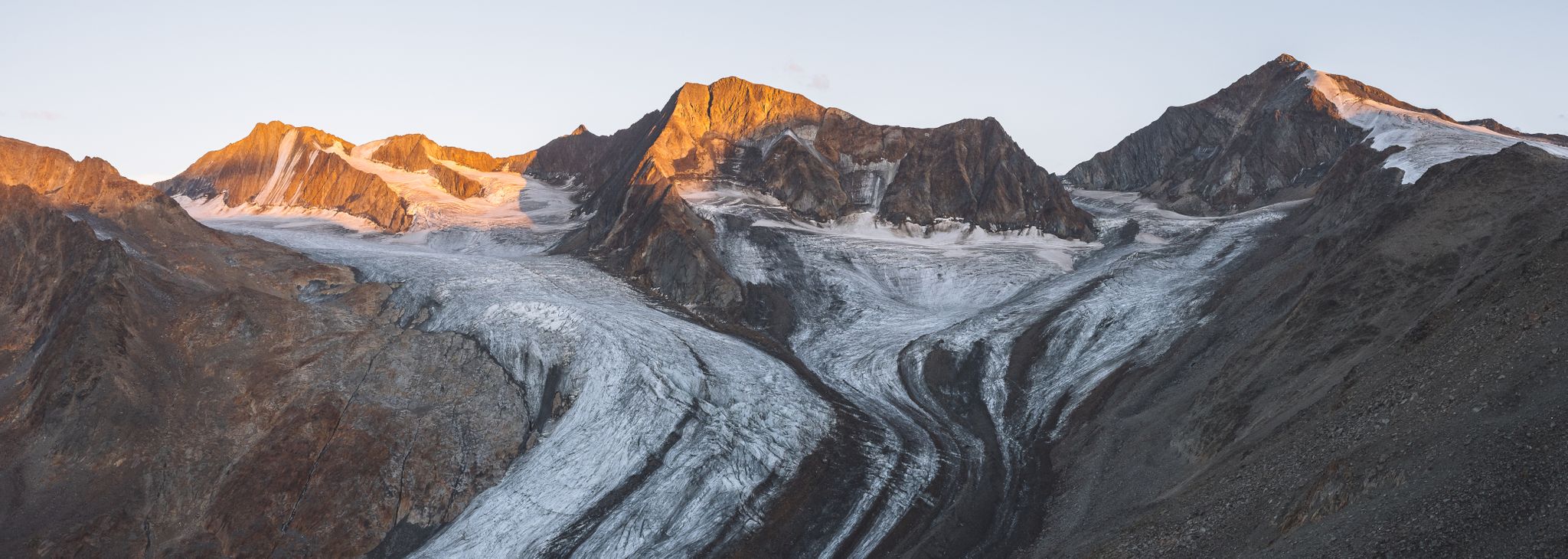
Hikes to the melting giants of the Alps – glaciers
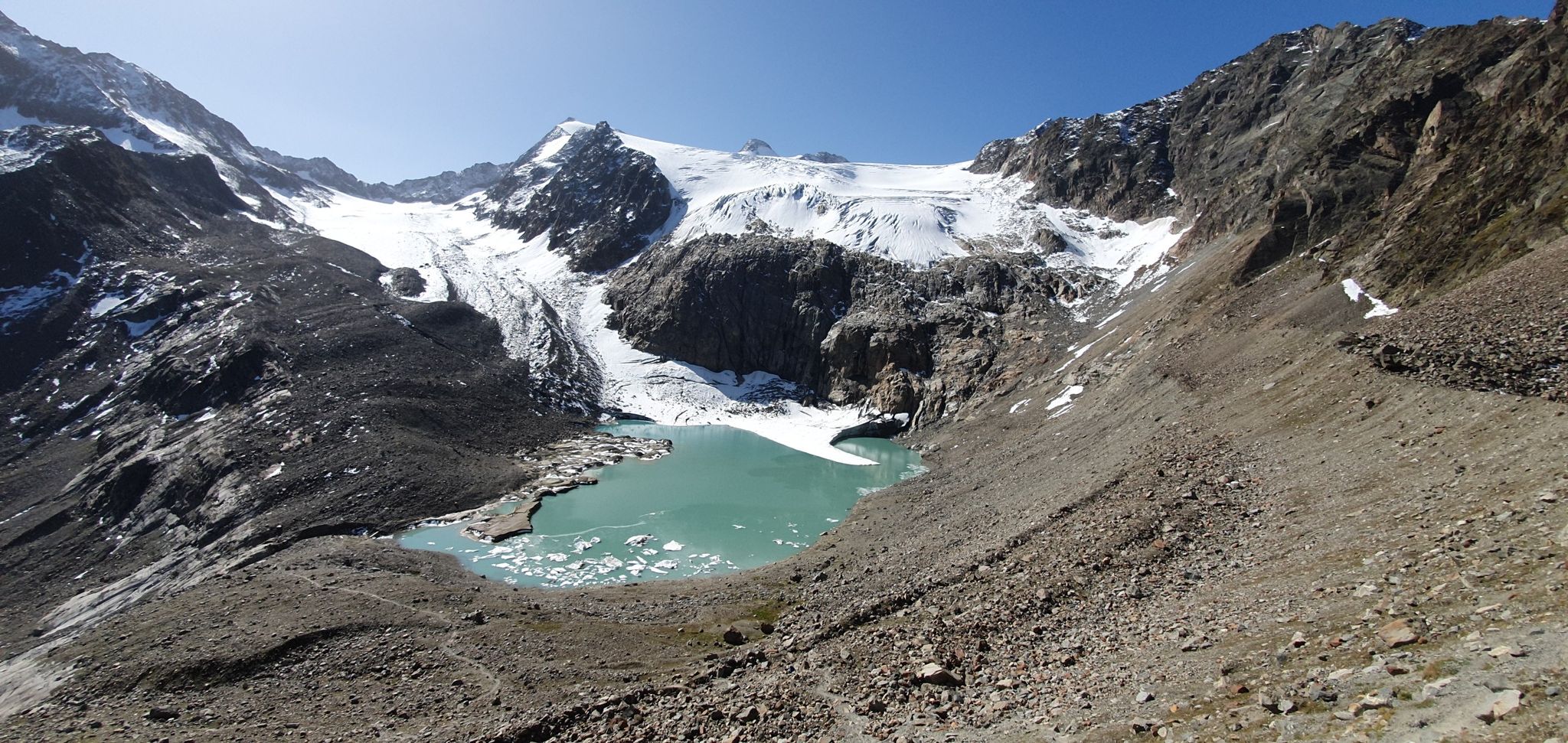
Stubai Alps Crossing – 10 days of pure adventure
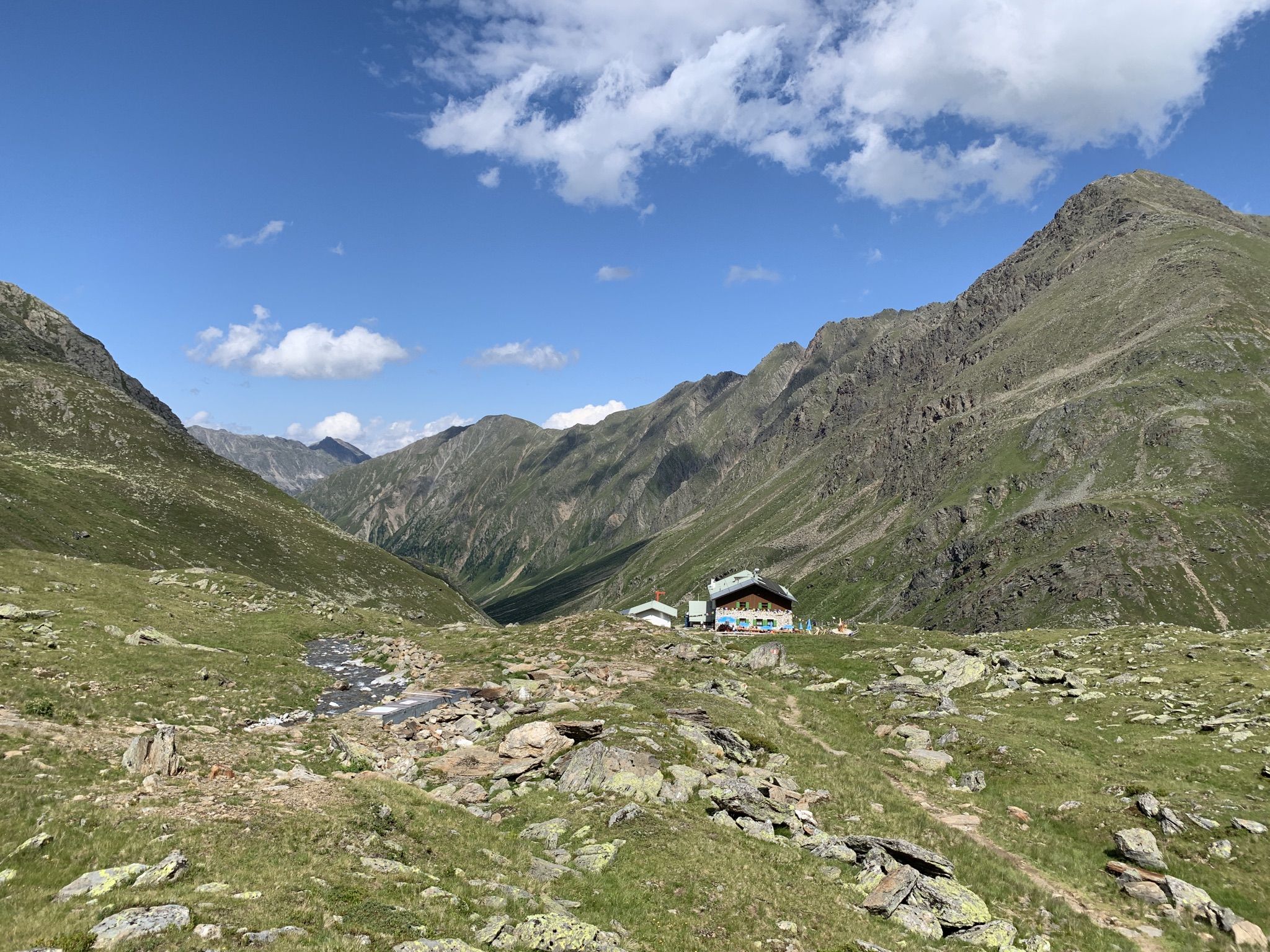
Through the Sellrain mountains – panoramic peaks and steep passes
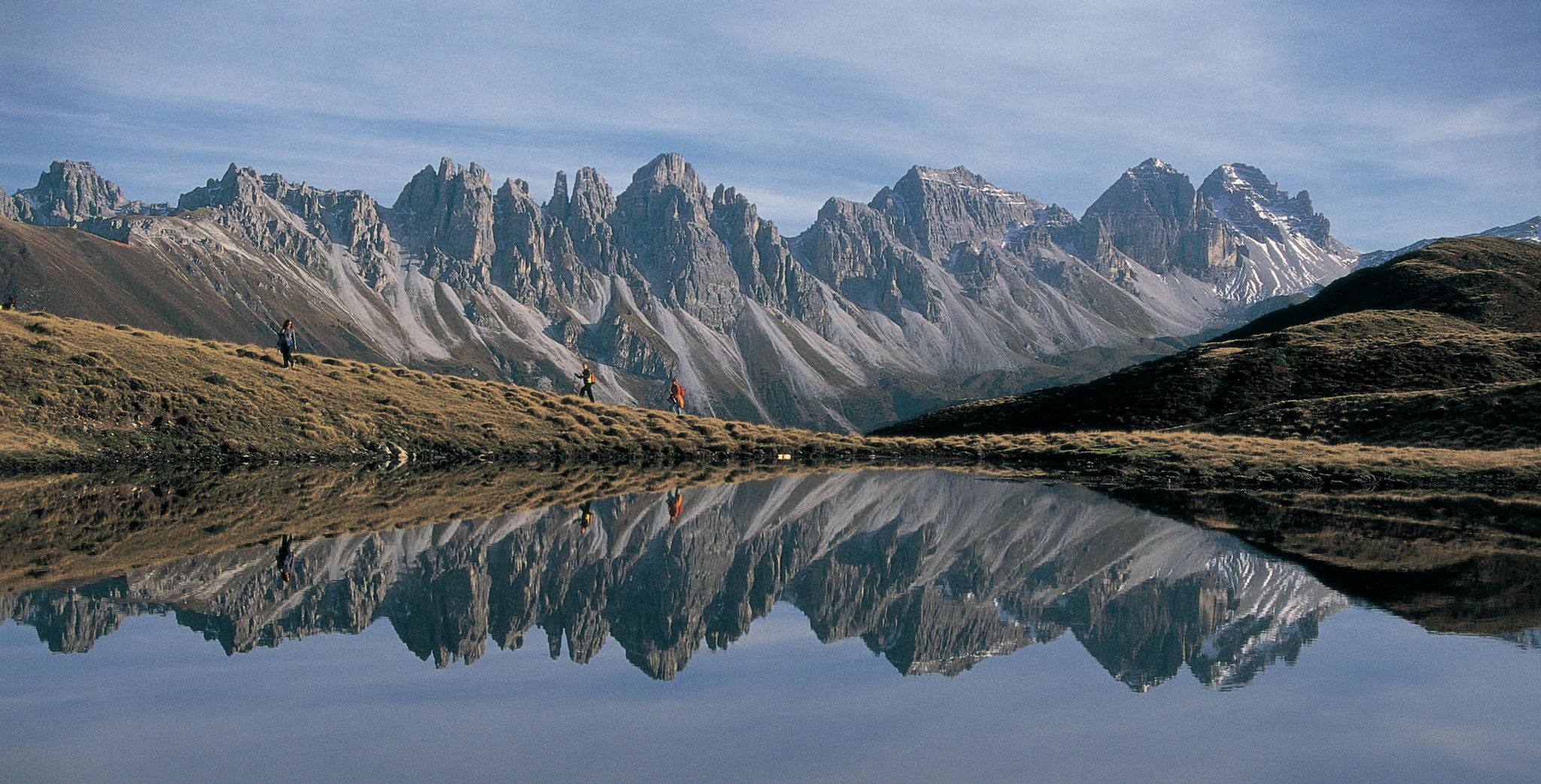
Leaving the city & up into the mountains – hiking around Innsbruck
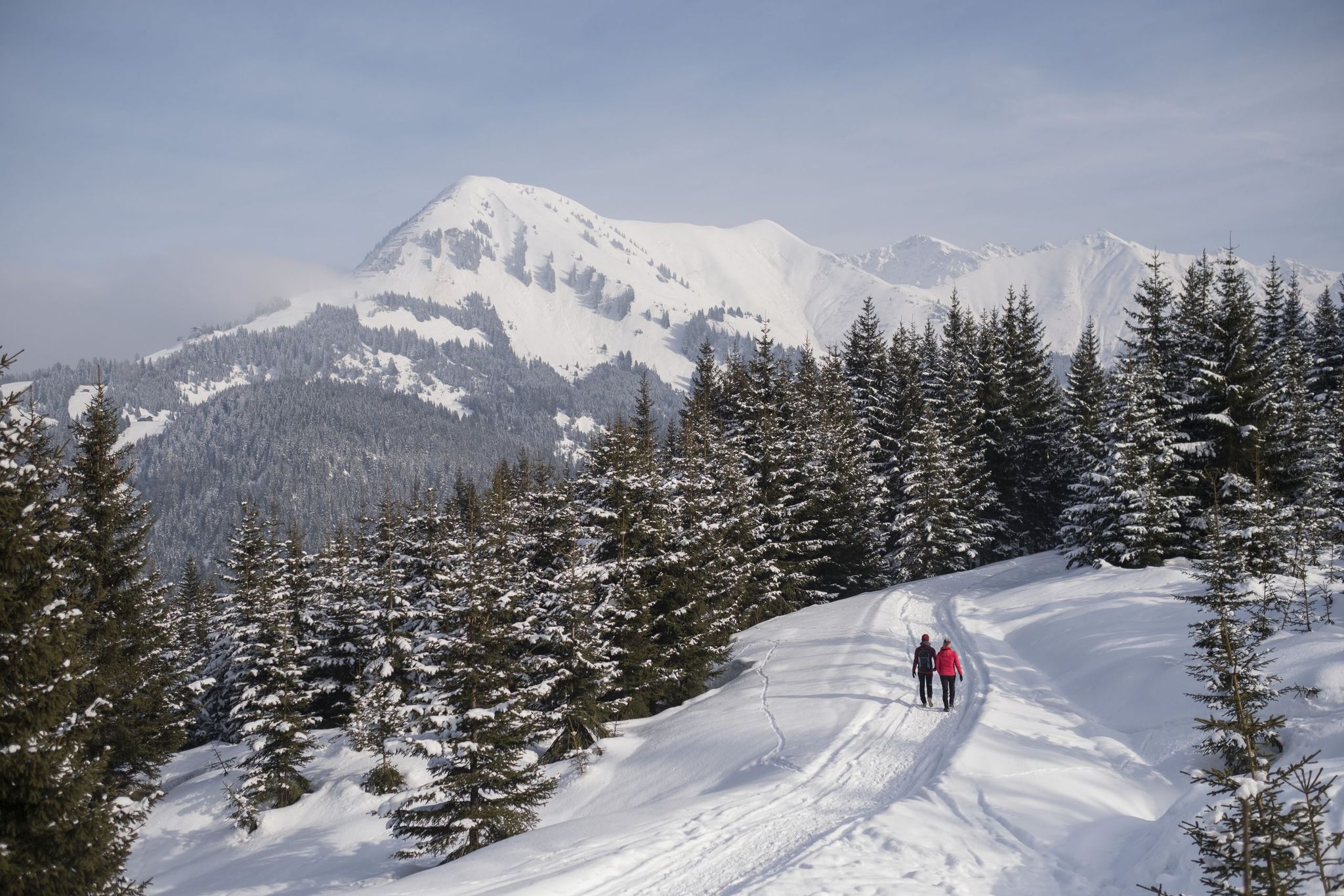
The 10 most beautiful winter hikes in Tyrol – snow guaranteed
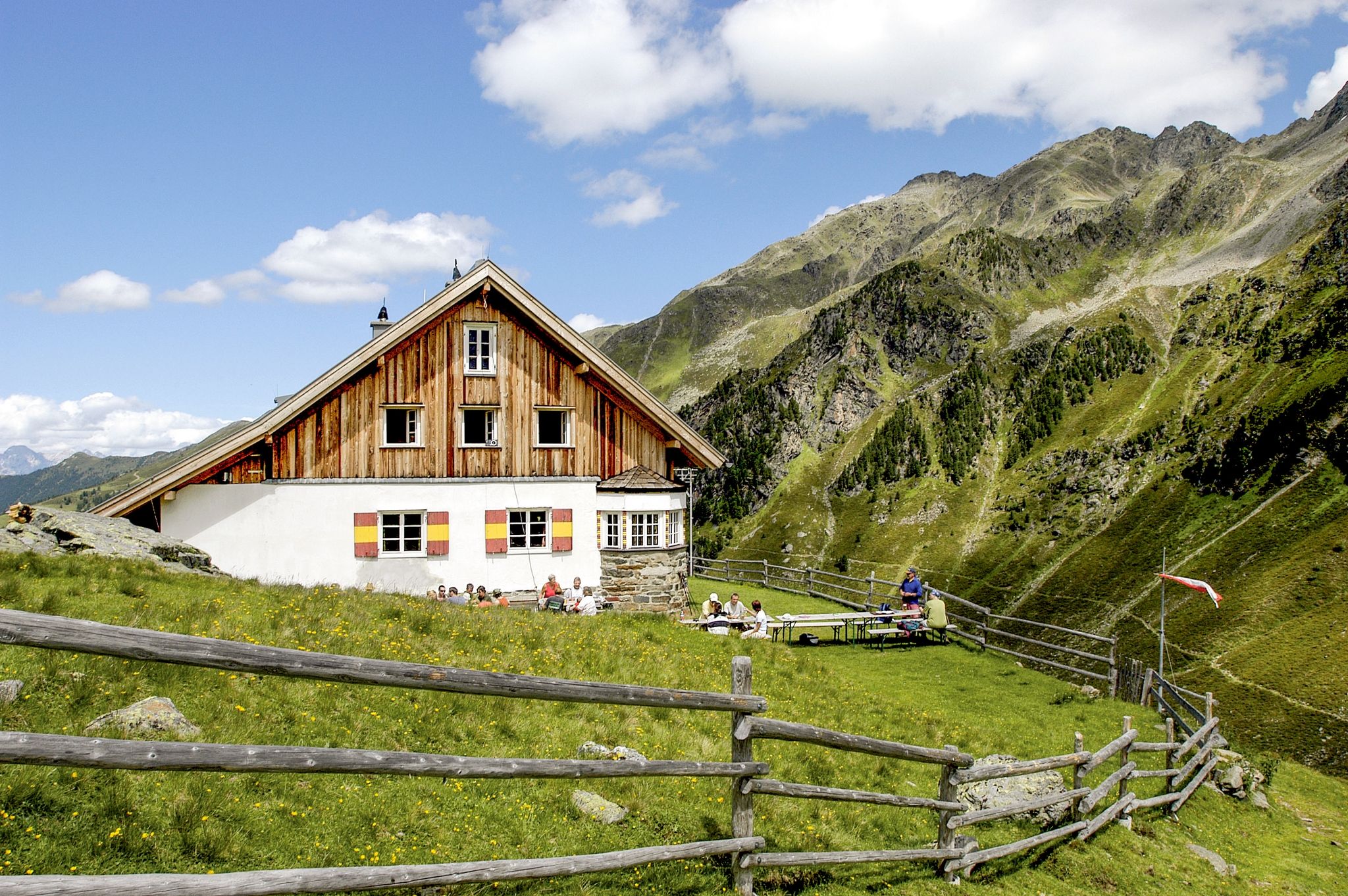
7 days through the Sellrain Alps – the Sellrainer Huettenrunde
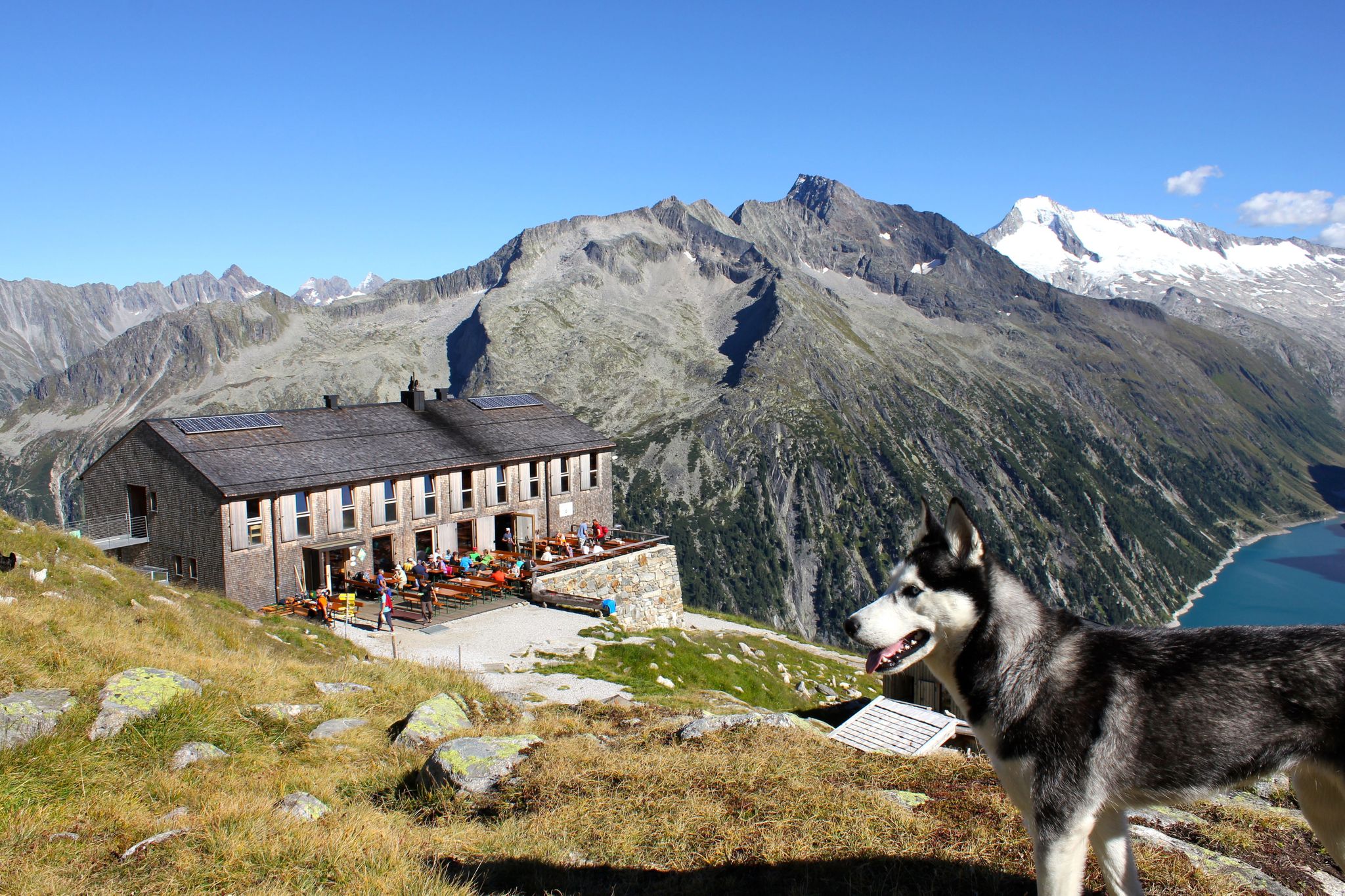
Alpine overnighters with kids
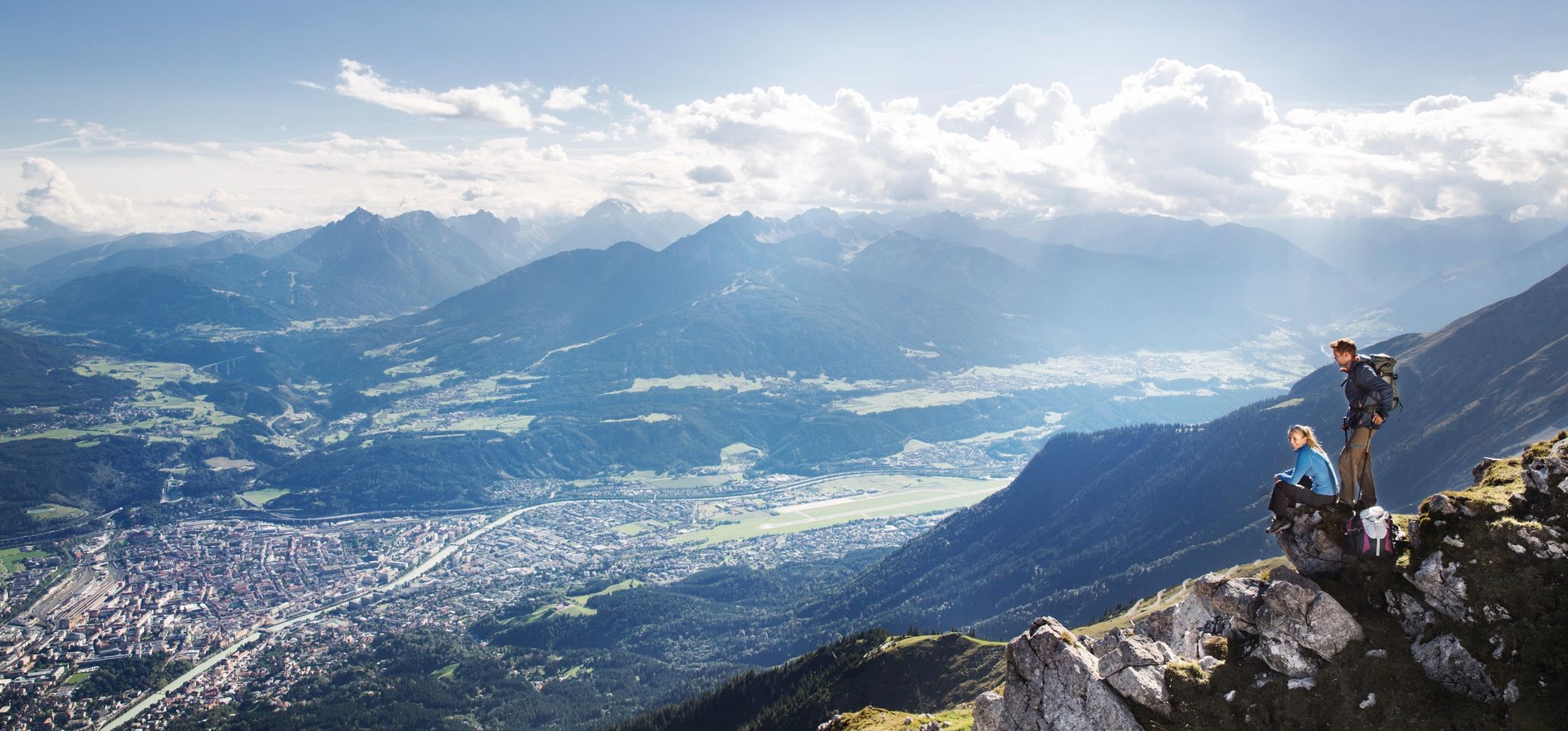
De stad uit, de bergen in – Wandelen rond Innsbruck
Hiking around Sankt Sigmund im Sellrain
Cycling around Sankt Sigmund im Sellrain
Other adventures around Sankt Sigmund im Sellrain


Tips from the Community

A relatively straightforward ascent via the Hohe Egg and the west ridge with occasional easy scrambling (I). The ascent or descent via the east ridge is prone to rockfall due to loose scree ⚠️ and is technically more demanding (II).
0
0


The Zwieselbachjoch, at 2,868 m, connects the Winnebachseehütte and the Schweinfurter Hütte. I was here on July 9, 1925, with about 30 cm of fresh snow. In good conditions, it's usually a pass that's easily accessible without any major difficulties, but for me this morning, the climb from the Winnebachseehütte was a strenuous one. I'm alone and the first one up.
1
0

The Beiljoch, also called Peiljoch, is a narrow alpine pass above the Dresdner Hütte. The approach to the pass is secured with wire ropes due to its partially exposed areas. Concentration and surefootedness are required on the climb! Once you reach the pass, you have a beautiful view of the Sulzenausee, which is the end of the Sulzenauferner. Ice floes are constantly floating in the deep blue water.
2
0

Very nice pass, I agree with the previous speakers here. If anyone is looking for a special challenge, you can try the Kühtai Rodeo. Here is the official link: https://www.kuehtai.info/kuehtai-rodeo
1
0

Beautiful 🤩 Pro-tip: if you are coming up the east side, bring your lights with for visibility as some of the passes which are cut into the mountain are a bit dark.
1
0

What is missing on the ascent to Kühtai - the serpentines - is an advantage on the descent. Here you can really let your hair down. Be careful with the pasture grates. It is a good idea to have lights in the tunnels.
4
0
Frequently Asked Questions
What are some of the most notable mountain passes around Sankt Sigmund im Sellrain?
The region offers a variety of impressive mountain passes. Among the most popular are Peiljoch, known for its stunning views of the Sulzenausee and glacier, and Kühtai Pass, which reaches an elevation of 2,017 meters and provides panoramic views of peaks like the Pirchkogel and Gaißkogel. Another significant high-alpine crossing is the Finstertal Scharte, a challenging route rewarding hikers with magnificent mountain panoramas.
What kind of views can I expect from the mountain passes in this region?
The mountain passes around Sankt Sigmund im Sellrain offer breathtaking alpine vistas. From Kühtai Pass, you can enjoy panoramic views of surrounding peaks such as the Pirchkogel and Gaißkogel. The Peiljoch provides a spectacular outlook over the Sulzenausee and glacier. High-alpine crossings like the Finstertal Scharte reward strenuous ascents with expansive mountain panoramas, often including views of the Finstertal reservoir.
Are there any particularly challenging mountain passes for experienced hikers?
Yes, the region is known for its challenging high-alpine crossings. The Finstertal Scharte, for instance, is a demanding ascent at 2,777 meters, requiring good fitness, sure-footedness, and alpine experience. Similarly, Peiljoch involves partially exposed areas and requires concentration and surefootedness. Schrankogel Summit is another unique panoramic mountain that is difficult in the upper area, requiring easy climbing, surefootedness, and a head for heights.
Can I cycle or motorbike on any of the mountain passes?
Absolutely. The Kühtai Pass is a classic and demanding route popular with cyclists and motorbikers. It's part of the challenging Ötztaler Radmarathon, featuring high gradients and steep passages. The Kühtai High Alpine Road is praised for its scenic beauty and enjoyable driving experience. You can also experience a long, scenic descent from Kühtai, allowing for high speeds on a route like Descent from Kühtai.
What is the best time of year to visit the mountain passes around Sankt Sigmund im Sellrain?
The best time to visit for hiking and cycling is generally from late spring to early autumn (June to September) when the passes are free of snow and weather conditions are most favorable. For winter sports, Kühtai is home to Austria's highest-located ski resort, offering guaranteed snow from early December to late April.
Are there options for winter activities on or near these passes?
Yes, the Kühtai area, accessible via Kühtai Pass, is a prime winter destination. It hosts Austria's highest-located ski resort with 90 kilometers of slopes, a unique ski touring area, cross-country ski runs, and opportunities for night skiing. The region offers guaranteed snow from early December to late April.
How accessible are the mountain passes from Sankt Sigmund im Sellrain?
Sankt Sigmund im Sellrain serves as an excellent base. The Kühtai High Alpine Road, which includes Kühtai Pass, is easily reachable from Innsbruck in about 30 minutes via Kematen and the Sellrain Valley. This road is toll and vignette-free, providing access to picturesque villages. Other high-alpine passes typically require hiking or mountaineering to reach.
Are there any family-friendly options among the mountain passes?
While many passes in the region are challenging, the area around Kühtai offers numerous hiking opportunities, from short walks to longer trails, some of which are suitable for families. The scenic drive over the Kühtai Pass itself provides stunning views accessible to everyone.
What other outdoor activities can I do near the mountain passes?
Beyond exploring the passes, the region around Sankt Sigmund im Sellrain is excellent for various outdoor activities. You can find numerous routes for hiking, including challenging multi-day hut tours that traverse pristine natural landscapes. There are also many options for cycling and running, with routes catering to different difficulty levels.
Are there specific hiking trails associated with these mountain passes?
Yes, many passes are integral parts of hiking routes. For example, Peiljoch is an alpine pass above the Dresdner Hütte, often included in longer treks. The Finstertal Scharte is typically part of multi-day hut tours connecting mountain huts like the Pforzheimer Hut and Schweinfurter Hut. Zwieselbachjoch is an ideal resting point on the route from Schweinfurter Hütte to Winnebachseehütte, offering a great panorama. You can find more hiking options in the hiking guide for Sankt Sigmund im Sellrain.
What makes the Kühtai Pass a popular destination?
The Kühtai Pass is highly recommended for its breathtaking mountain panoramas, challenging routes for various sports, and its accessibility as a scenic drive. It's a classic for cyclists, part of the Ötztaler Radmarathon, and offers impressive views of surrounding peaks. The area also transforms into Austria's highest-located ski resort in winter, making it a year-round attraction.
What should I know before attempting high-alpine crossings like the Finstertal Scharte or Peiljoch?
High-alpine crossings such as the Finstertal Scharte and Peiljoch are demanding and require good fitness, sure-footedness, sturdy shoes, and alpine experience. Some areas, like the approach to Peiljoch, may be partially exposed and secured with wire ropes. Always check weather conditions, carry appropriate gear, and consider going with an experienced guide if you are new to such challenging terrain.
Most popular routes around Sankt Sigmund im Sellrain
Most popular attractions around Sankt Sigmund im Sellrain

Get inspired with the komoot mobile app


Explore more
See even more epic mountain passes by checking out these guides around Sankt Sigmund im Sellrain:
