Top 6 Castles around Sankt Lorenz
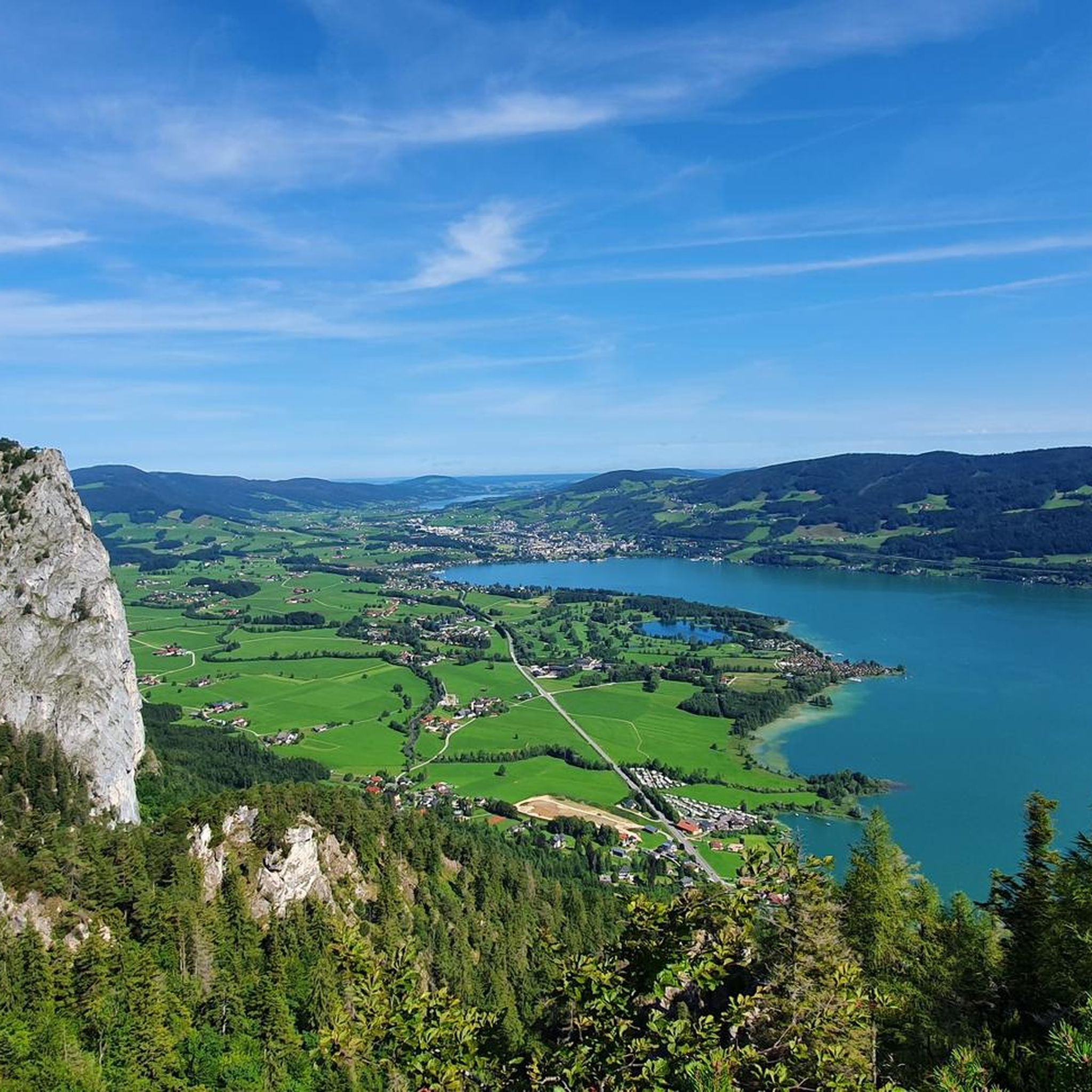
Best castles around Sankt Lorenz are found in a region characterized by Lake Mondsee and its surrounding historical sites. Sankt Lorenz, a village on the shores of Lake Mondsee, serves as a base for exploring the area's historical landmarks. The landscape features a mix of lakes, mountains, and forests, providing varied terrain for exploration. This area offers a blend of natural beauty and historical architecture.
Best castles around Sankt Lorenz
- The most popular castles is View of Schloss Fuschl on…
Last updated: November 21, 2026
View of Schloss Fuschl on Lake Fuschl
Highlight • Viewpoint
Translated by Google •
Tip by

Wartenfels Ruins
Highlight • Castle
Translated by Google •
Tip by

Sign up now to discover places like this
Get recommendations on the best single tracks, peaks, & plenty of other exciting outdoor places.
Hüttenstein Castle
Highlight • Castle
Translated by Google •
Tip by

Wildenegg Castle
Highlight • Castle
Showing Translation
Tip by

Lichtentann Castle Ruins
Highlight • Castle
Translated by Google •
Tip by

Sign up for free to discover even more castles around Sankt Lorenz.
Already have an account?
Start today with a free account
Your next adventure awaits.
Popular around Sankt Lorenz
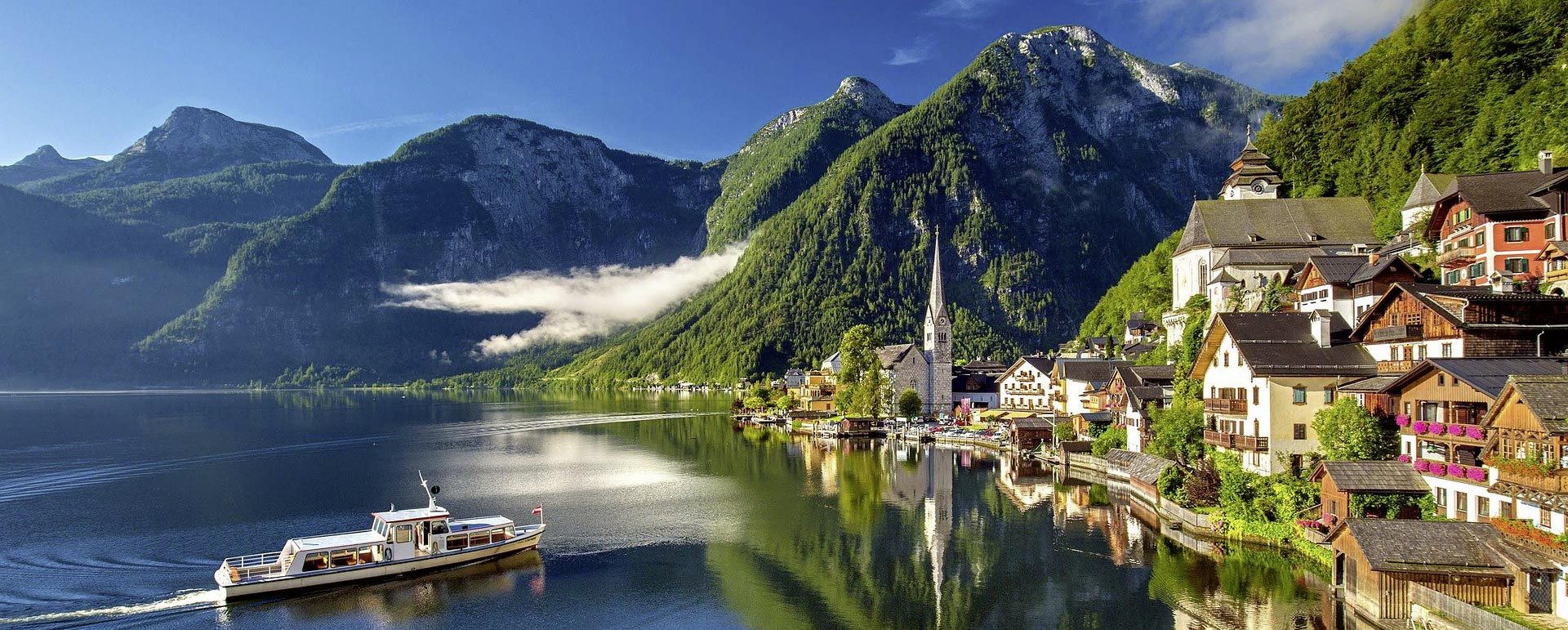
Cycling like a Kaiser – From lake to lake in Austria's Salzkammergut
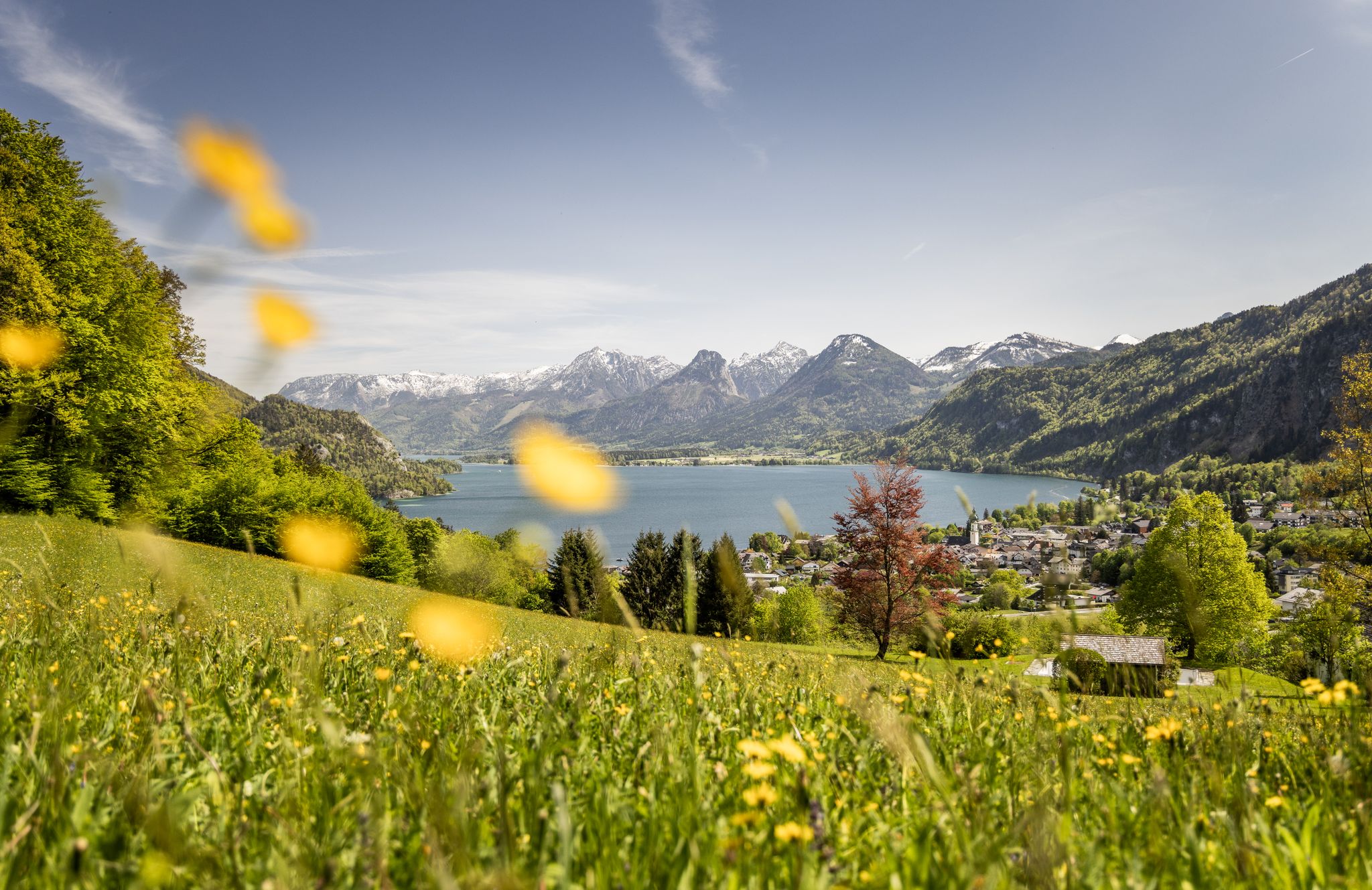
Between water and rock – hiking in Salzkammergut
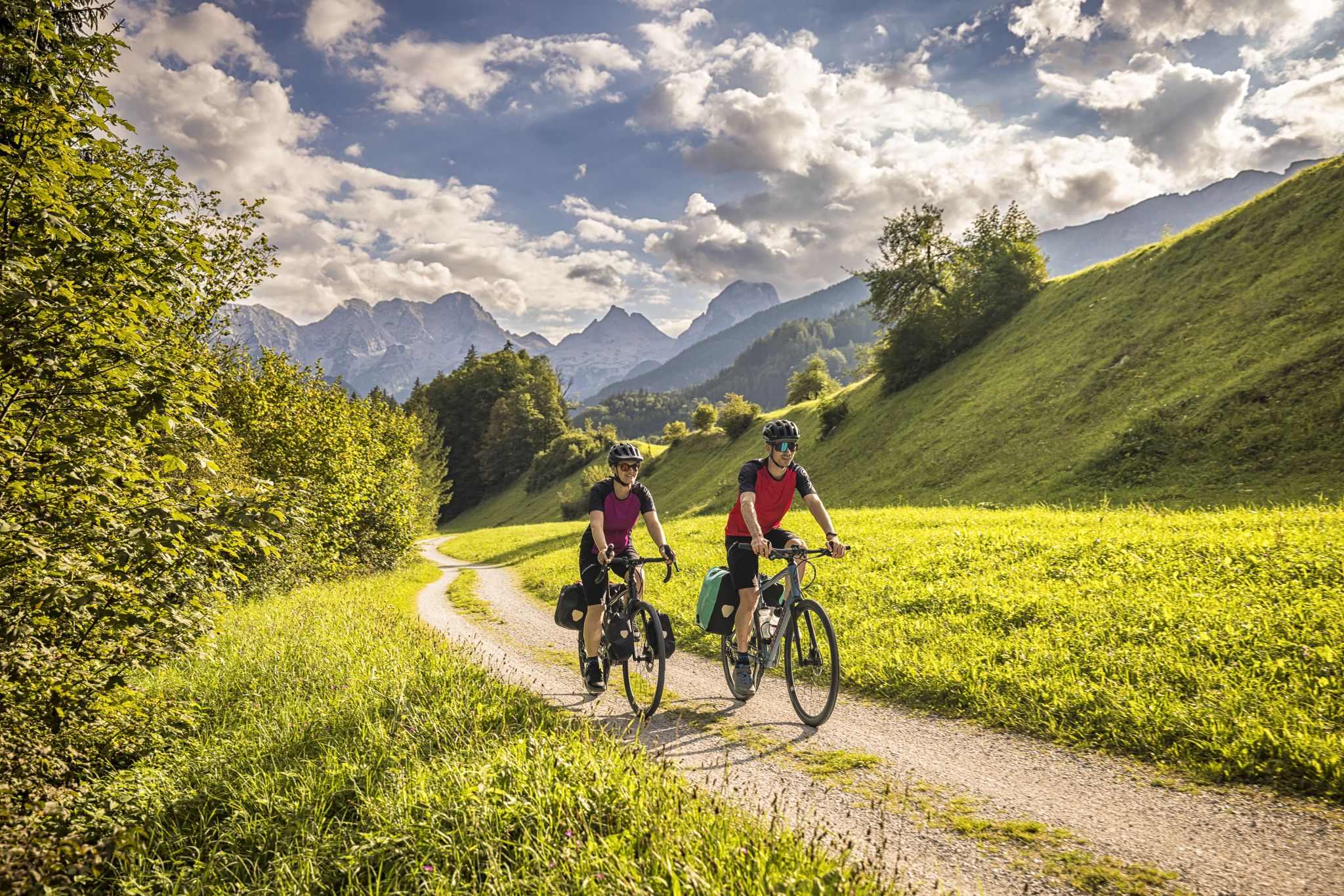
Classic and fantastic – Mozart Cycle Route
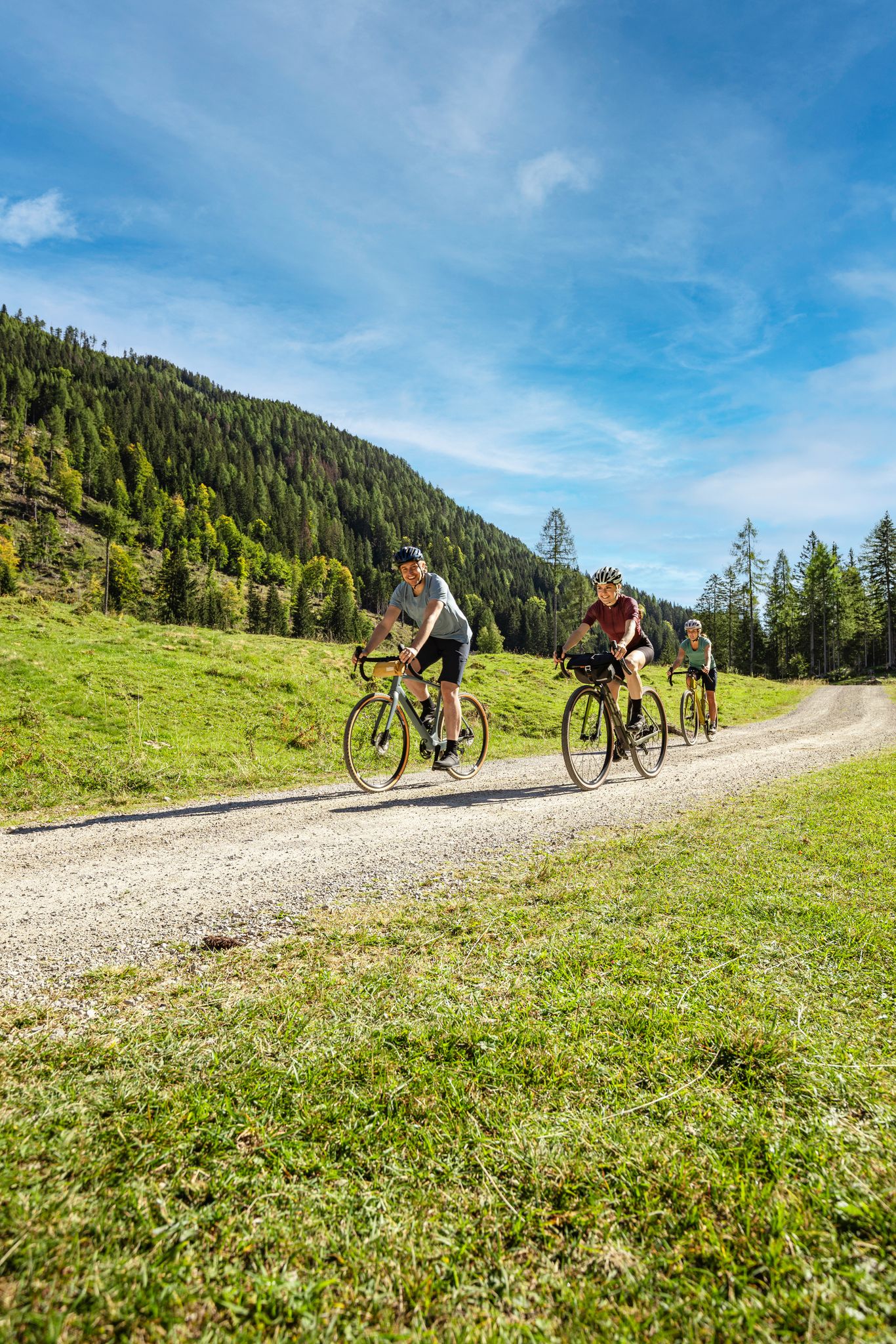
Lake Constance to Lake Neusiedl – explore Austria's federal states on gravel
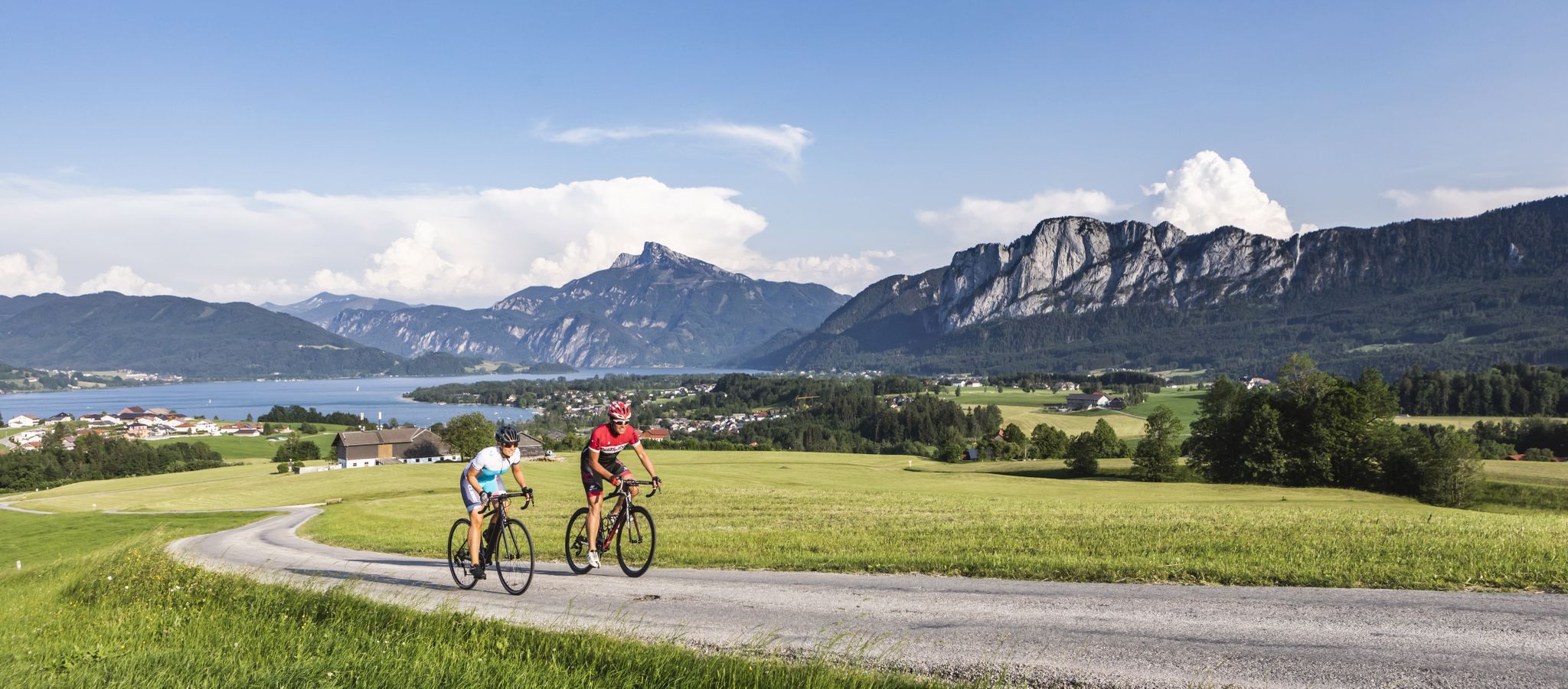
On slim tires through the SalzburgerLand & Salzkammergut
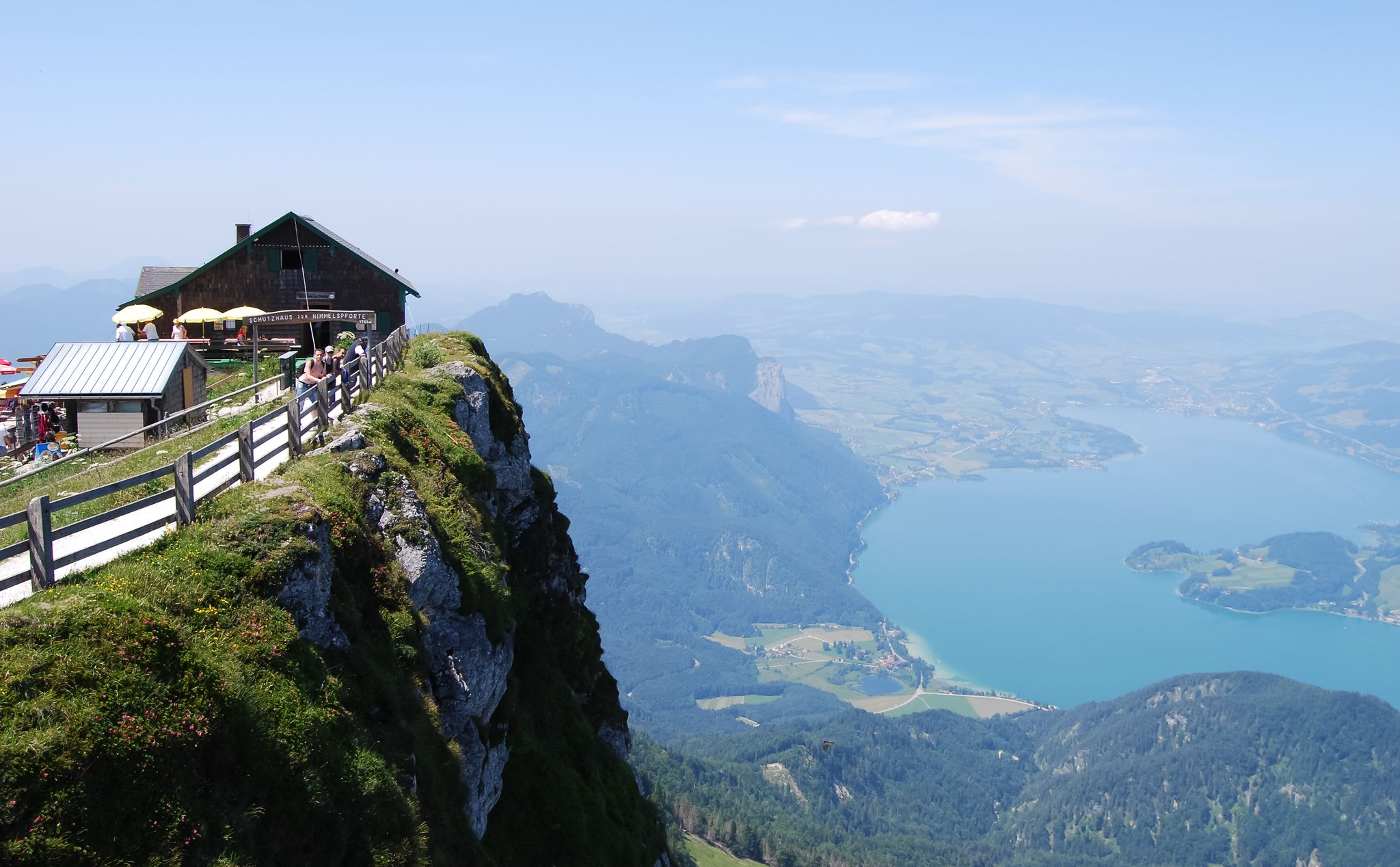
Fantastic hiking trails between Mondsee and Irrsee

Gravel biking around Sankt Lorenz
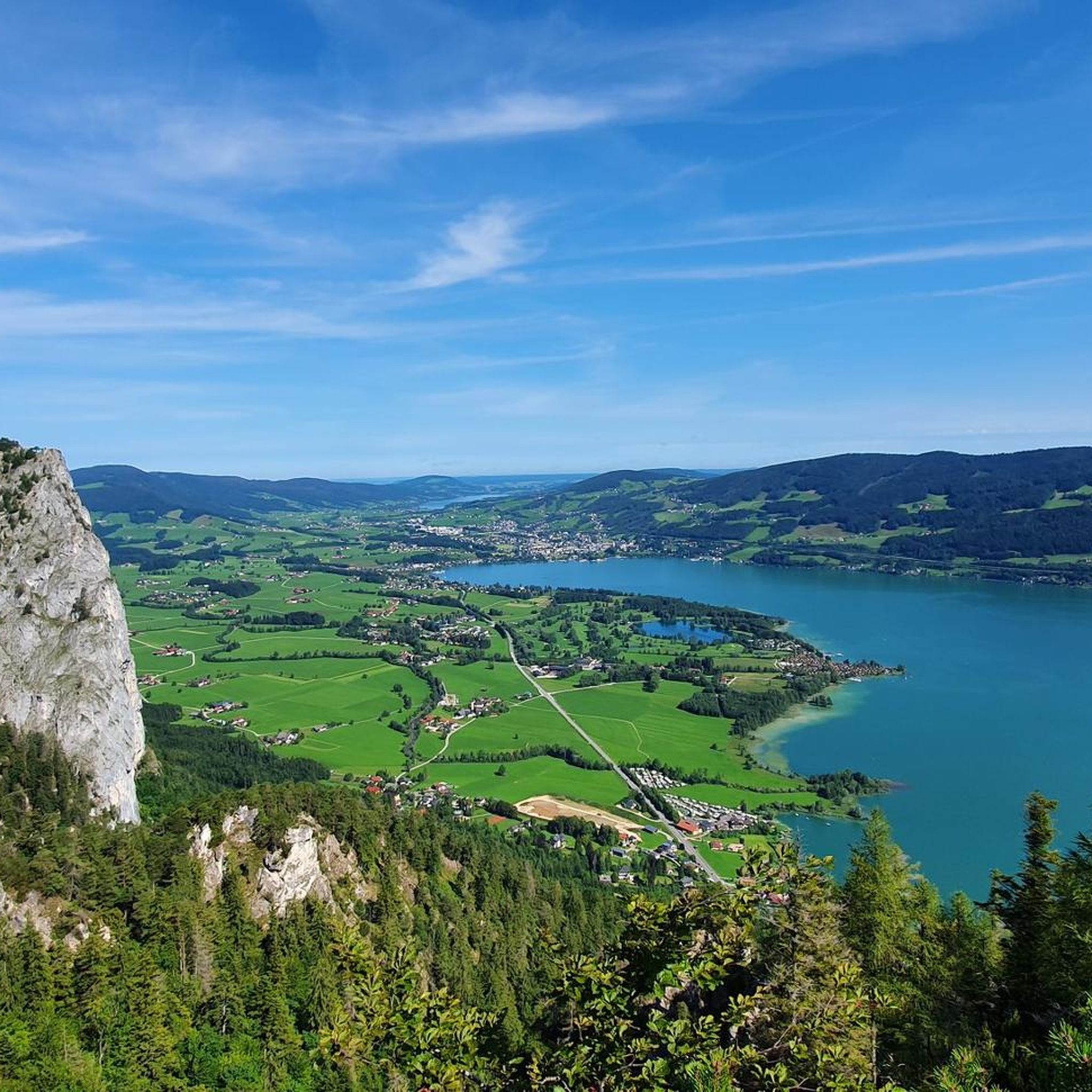
Cycling around Sankt Lorenz
Hiking around Sankt Lorenz
Road Cycling Routes around Sankt Lorenz
Other adventures around Sankt Lorenz


Tips from the Community

Coming from Lengroid, the route towards Irrsee from the Wildenegg ruin is no longer suitable for riding with an MTB due to steps. Currently, the path is also made more difficult by a fallen tree (the bike has to be lifted over it - as of June 2026).
0
0


The castle's origins date back to a medieval fortress, first documented in 1323. Around 1565, it was converted into a court of law, but over time, its importance declined and it was already uninhabited by 1608. After the court's seat was relocated to St. Gilgen in 1703, the complex gradually fell into disrepair, and by 1811, large parts had been demolished or used as building material. In 1817, Field Marshal Carl Philipp von Wrede acquired the remains of the castle, and his son, Karl Theodor von Wrede, had a neo-Gothic palace built starting in 1843. Four octagonal towers, pointed arch windows, and a crenellated parapet were added, giving the current building its characteristic appearance. From 1880 onward, the castle changed hands several times, including Princess Franziska von Liechtenstein and later Demeter von Frank. Today, Hüttenstein Castle is owned by a private foundation and is not open to the public. The entire grounds, including the adjacent Krottensee lake, are used for private purposes. Visitors can only view the castle from the outside as part of cycling tours in the region.
0
0

A detour to the ruins is definitely worth it. :)
2
0

The ruins of the hilltop castle are located at 736 m above sea level east of Henndorf near the ascent to the "Heimkehrerkreuz" and the Große Plaike (1031 m). The path is part of the "Eiszeitrundweg" (Ice Age circular path). The ruins are very hidden and cannot be seen from a distance. You will also only find information signs shortly before them. Note! Riding a bike is prohibited!!!
1
0

The area originally belonged to the rule of Hüttenstein Castle, not far north on the Schaflingerhöhe. In the course of the 16th century, a separate nursing court was set up in Hüttenstein and in 1565 a separate building was built for the nursing judge. This nursing court included today's communities of St. Gilgen and Strobl, as well as Fuschl am See. As early as a report from 1577 it was mentioned that poorly installed eaves had caused damage and could endanger the roof. In 1608 it was said that the castle was uninhabited. In 1614, a cost estimate for repairing the damage was drawn up, which was then doubled when implemented. In 1657, too, damage had to be repaired after a severe flood. An archive was set up in 1672. The nurses lived here until 1703, when the nursing court was moved to St. Gilgen. In 1747 the castle was a brick house with four rooms, two chambers, a kitchen, a cellar and the prison. At that time the castle was inhabited by a woodworker. In 1747, Johann Elias Geyer suggested that the castle, which was useless for defensive purposes, be left to the court chamber, which is what happened. In 1794 the Court Chamber asked to be allowed to tear down the castle and use the stones for a new hammer mill in Abersee, which is what happened. The rest of the building was auctioned off in 1811 to the woodmaster Johann Radauer. In 1817, the Bavarian field marshal Prince Carl Philipp von Wrede (1767–1838) bought Hüttenstein, followed in 1838 by Karl Theodor von Wrede, who began remodeling and rebuilding Hüttenstein in the neo-Gothic style in 1843, giving it its current shape. In 1880, Princess Franziska Liechtenstein, née Chalupetzky, bought the castle. She was followed in 1884 by Demeter Ritter von Frank, general director of the Romanian National Bank. Other owners were Dr. Edmund von Frank (1908), Thea Urban-Emmerich, née Morawitz (1917), Huogo Carl and Hans Edgar Urban-Emmerich (1938), Hugo Carl Urban-Emmerich (1948), Katharina Wunschek-Dreher (1951) and Robert Wimmer ( 1982) (Wikipedia).
3
0

This little castle is enthroned very dominantly over the Krotensee.
3
0
Frequently Asked Questions
What types of castles and historical sites can I explore around Sankt Lorenz?
The region around Sankt Lorenz offers a diverse range of historical sites, from ancient ruins to former hunting lodges and even a hotel with a thousand-year history. You can find well-preserved structures, castle ruins, and viewpoints overlooking historical castles. Examples include the Wartenfels Ruins, Hüttenstein Castle, and the Lichtentann Castle Ruins.
What is the historical significance of castles in the Mondsee region near Sankt Lorenz?
The castles and historical sites in the Mondsee region, including those near Sankt Lorenz, boast a rich history. For instance, the Schlosshotel Mondsee originated as Austria's oldest Benedictine monastery, founded in 739 AD, and reflects centuries of architectural development. Burgruine Wildeneck, built around 1140, played a role in regional power dynamics and served as a secular seat of power.
Are there any family-friendly castles or castle ruins to visit near Sankt Lorenz?
Yes, several sites are suitable for families. The Wartenfels Ruins offer an opportunity to explore historical remains and enjoy views, which can be an engaging activity for children. The View of Schloss Fuschl on Lake Fuschl is also categorized as family-friendly, providing a scenic spot to admire a historic castle from a distance.
Can I combine a castle visit with hiking or other outdoor activities?
Absolutely! Many castles and ruins in the area are integrated into or accessible via hiking trails. For example, the Wartenfels Ruins are a popular stop on hikes, offering great views. The Lichtentann Castle Ruins are part of the 'Eiszeitrundweg' (Ice Age circular path). You can find various mountain hikes and running trails around Sankt Lorenz that pass by or lead to historical landmarks.
What natural features can I enjoy while visiting castles in this region?
The castles around Sankt Lorenz are set amidst stunning natural beauty. You can enjoy picturesque views of Lake Mondsee, Lake Fuschl, and the Irrsee. Many castle sites, like the View of Schloss Fuschl on Lake Fuschl, offer panoramic vistas of lakes, mountains, and forests. The Wartenfels Ruins provide views of the surrounding landscape, while Hüttenstein Castle is prominently situated over the Krotensee.
Are there any specific trails that lead to or past castle ruins?
Yes, for instance, the Lichtentann Castle Ruins are located along the 'Eiszeitrundweg'. To reach Burgruine Wildeneck, you can use the Wildenegg Erlebnisweg (adventure path), though it's advisable to check its current passability. Many other castle ruins, like Wartenfels Ruins, are popular destinations for hikers.
What is the best time of year to visit castles around Sankt Lorenz?
The region is beautiful year-round. Spring and autumn offer pleasant temperatures for hiking and exploring ruins. Summer allows for combining castle visits with lake activities. During winter, some areas, like the courtyard of Schlosshotel Mondsee, transform into a 'Winter Wonderland', offering a unique festive atmosphere. Always check accessibility for specific ruins during snowy conditions.
Are there any castles or historical sites that offer accommodation?
Yes, the Schlosshotel Mondsee, located in the adjacent town of Mondsee, offers a unique opportunity to stay in a historical setting. It operates as a 4-star hotel within a former Benedictine monastery with a thousand-year history, providing guests with a blend of historical ambiance and modern comfort.
What are some popular viewpoints to see castles or their surroundings?
The View of Schloss Fuschl on Lake Fuschl is a highly popular viewpoint, offering iconic photo opportunities of the castle against the backdrop of the lake and mountains. Many castle ruins, such as Wartenfels Ruins and Lichtentann Castle Ruins, also provide excellent views of the surrounding landscape.
Are there opportunities for cycling near the castles in the Sankt Lorenz area?
Yes, the region offers various cycling routes. For example, Hüttenstein Castle has a beautiful bike path through its park. You can find several road cycling routes around Sankt Lorenz that allow you to explore the scenic landscapes and potentially pass by historical sites.
What do visitors appreciate most about the castles and historical sites around Sankt Lorenz?
Visitors frequently appreciate the blend of natural beauty and historical architecture. The opportunity to explore ancient ruins, enjoy stunning lake and mountain views, and experience the rich history of the region, often combined with outdoor activities like hiking, is highly valued. The scenic beauty of places like the View of Schloss Fuschl on Lake Fuschl and the historical atmosphere of ruins like Wartenfels Ruins are often highlighted.
Are there any hidden gem castles or lesser-known historical sites to discover?
While not entirely 'hidden,' the Lichtentann Castle Ruins are noted for being very hidden and not visible from a distance, offering a sense of discovery. Burgruine Wildeneck, though consisting of only wall remains, provides a contemplative atmosphere for those interested in medieval history off the main tourist paths.
Most popular routes around Sankt Lorenz
Most popular attractions around Sankt Lorenz

Get inspired with the komoot mobile app


Explore more
Looking for the best castles somewhere else? Discover other guides around Sankt Lorenz:
