Top 6 Mountain Passes in Yosemite Wilderness
Mountain passes in Yosemite Wilderness offer access to the High Sierra, characterized by dramatic landscapes and remote backcountry. This region features diverse terrain and notable landmarks, including high-elevation passes and alpine lakes. The passes provide routes for exploring the park's wilderness areas. Many of these routes are primarily traversed by foot, revealing expansive vistas and natural features.
Best mountain passes in Yosemite Wilderness
- The most popular mountain passes is Donohue Pass, a mountain_pass that stands at an elevation of over 11,000 feet and marks the boundary between Yosemite National Park and the Ansel Adams Wilderness. It is a critical juncture where both the John Muir Trail and the Pacific Crest Trail merge.
- Another must-see spot is Tioga Pass, a mountain_pass. This pass is the highest highway pass in California, reaching over 9,900 feet, and serves as the eastern entrance to Yosemite National Park.
- Visitors also love Benson Pass, a mountain_pass located in the northeastern part of Yosemite at over 10,900 feet. The pass is known for its views and is often part of longer loop trails.
- Yosemite Wilderness is known for high-elevation passes, challenging trails, and scenic viewpoints. Visitors can explore a variety of mountain passes, from those accessible by road to remote backcountry routes.
- The mountain passes in Yosemite Wilderness are appreciated by the komoot community, with 8 upvotes and 2 photos contributed by users.
Last updated: October 13, 2026
Tioga Pass
Highlight • Mountain Pass
Tip by

Donohue Pass
Highlight • Mountain Pass
Tip by
Sign up now to discover places like this
Get recommendations on the best single tracks, peaks, & plenty of other exciting outdoor places.
Mono Pass
Highlight • Mountain Pass
Tip by

Tioga Pass Climb
Highlight (Segment) • Climb
Tip by

Benson Pass
Highlight • Mountain Pass
Tip by
Sign up for free to discover even more mountain passes in Yosemite Wilderness.
Already have an account?
Start today with a free account
Your next adventure awaits.
Popular around Yosemite Wilderness
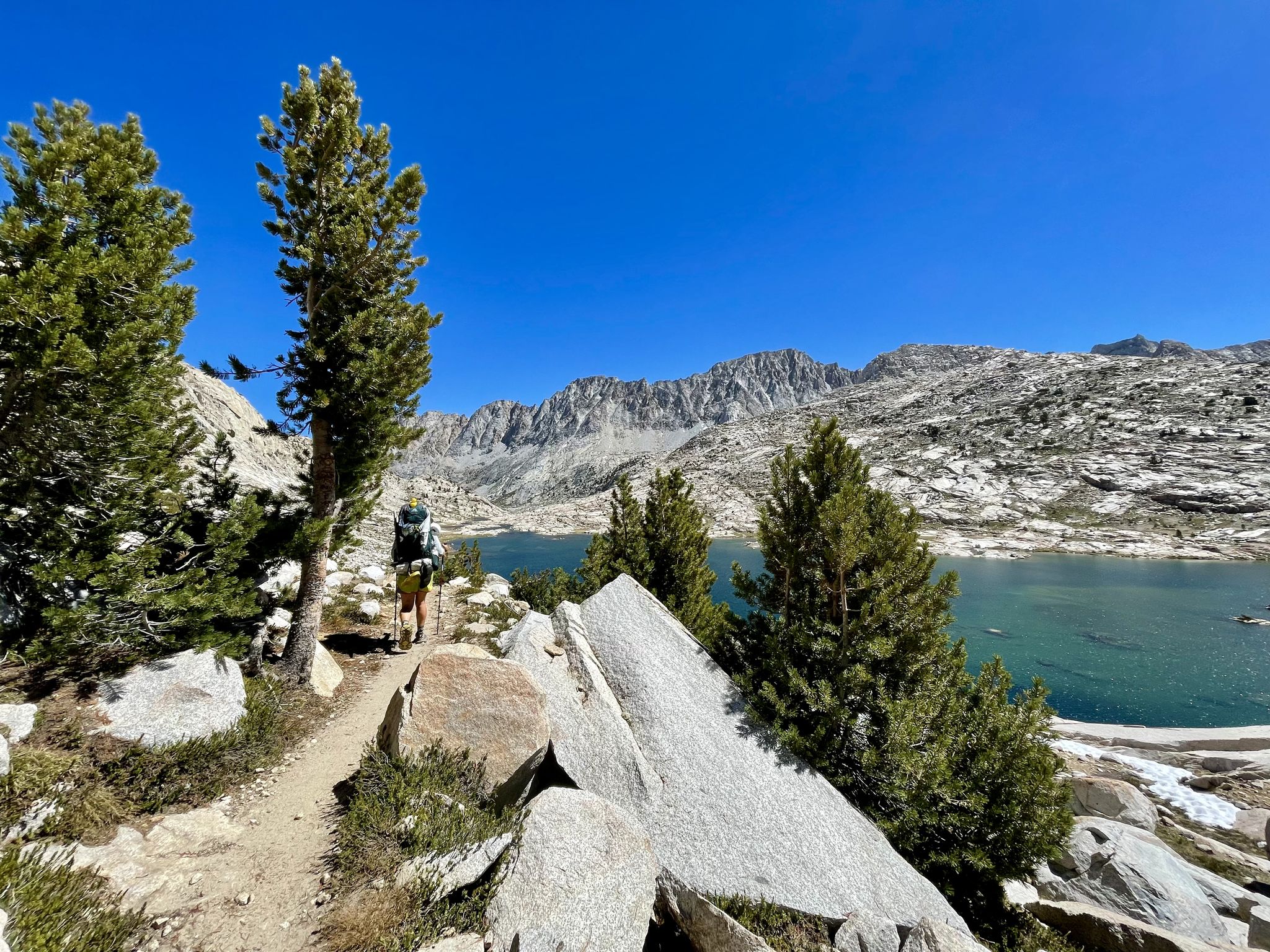
John Muir Trail – Along the legendary trail through the magical Sierra Nevada
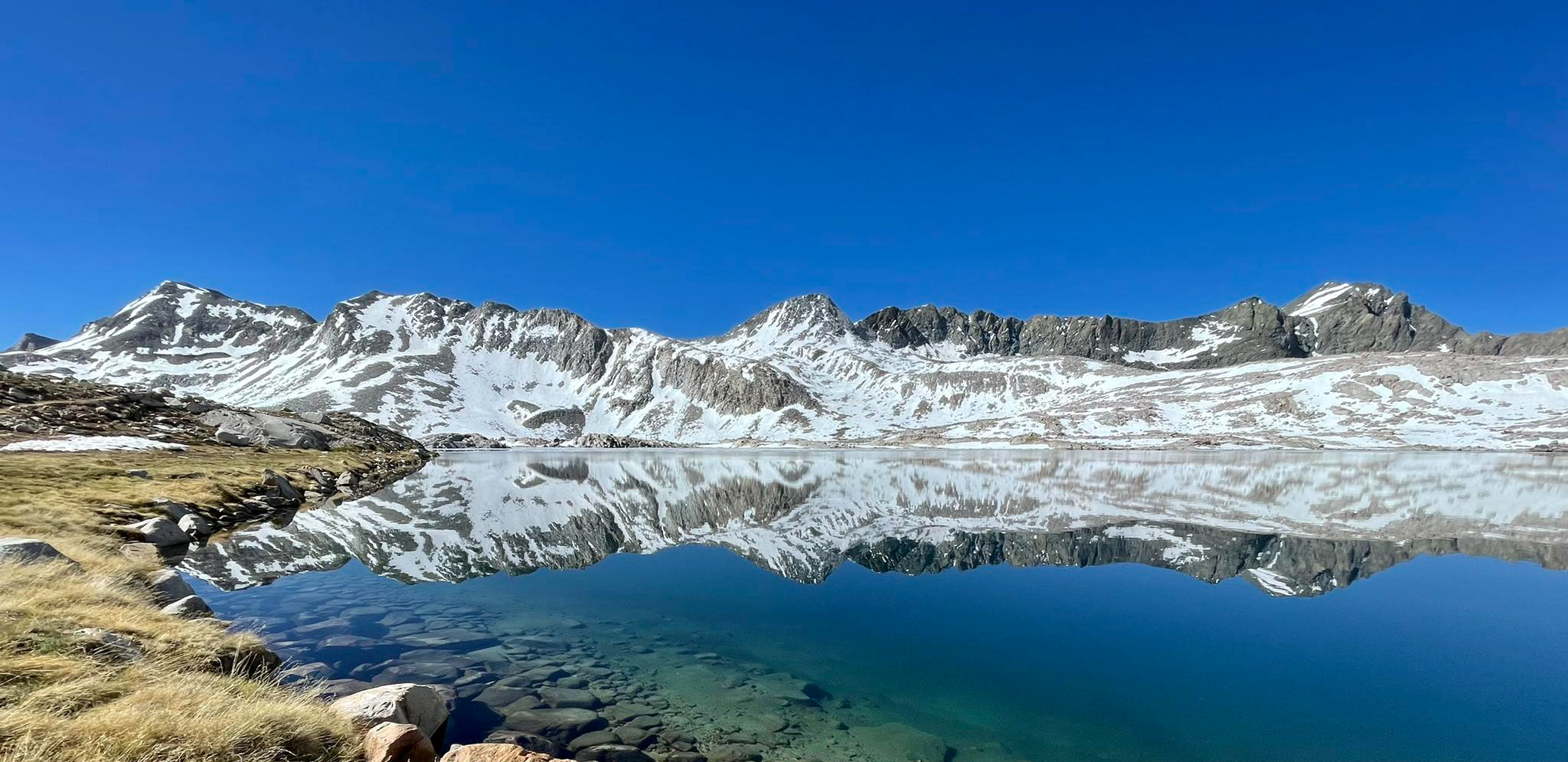
The Sierra High Route — Solitude in California's alpine country
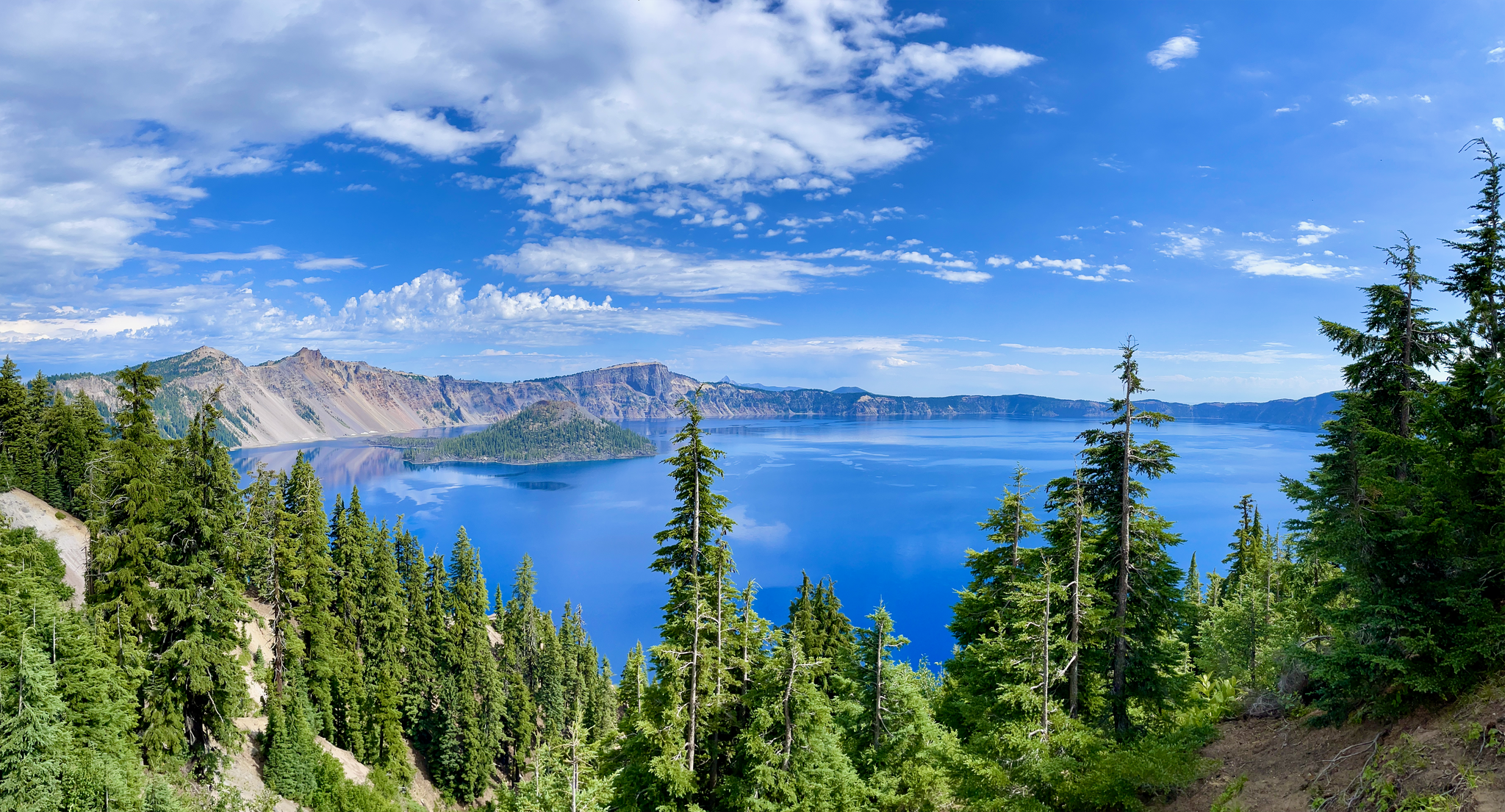
The pristine beauty of the US National Parks
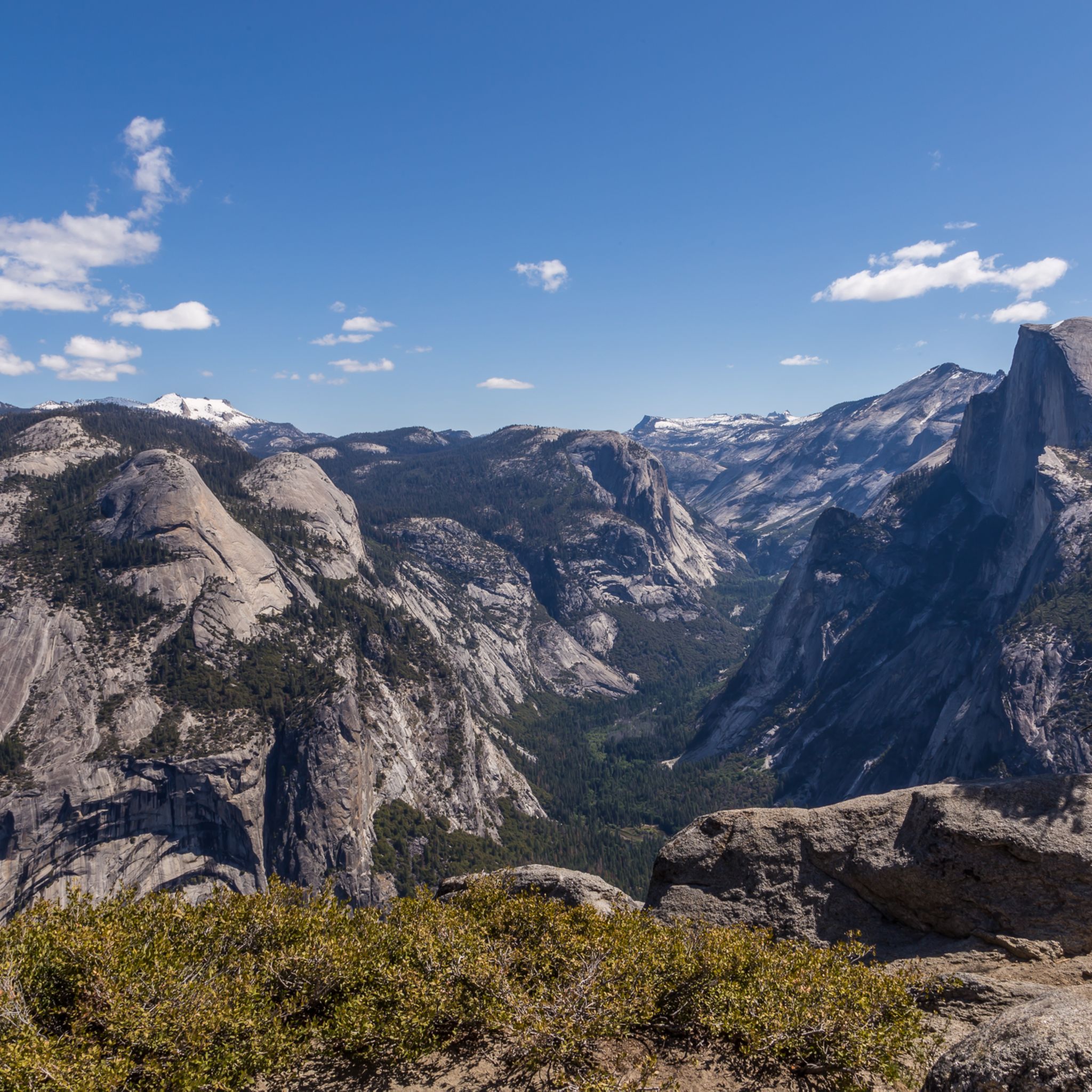
Hiking in Yosemite Wilderness
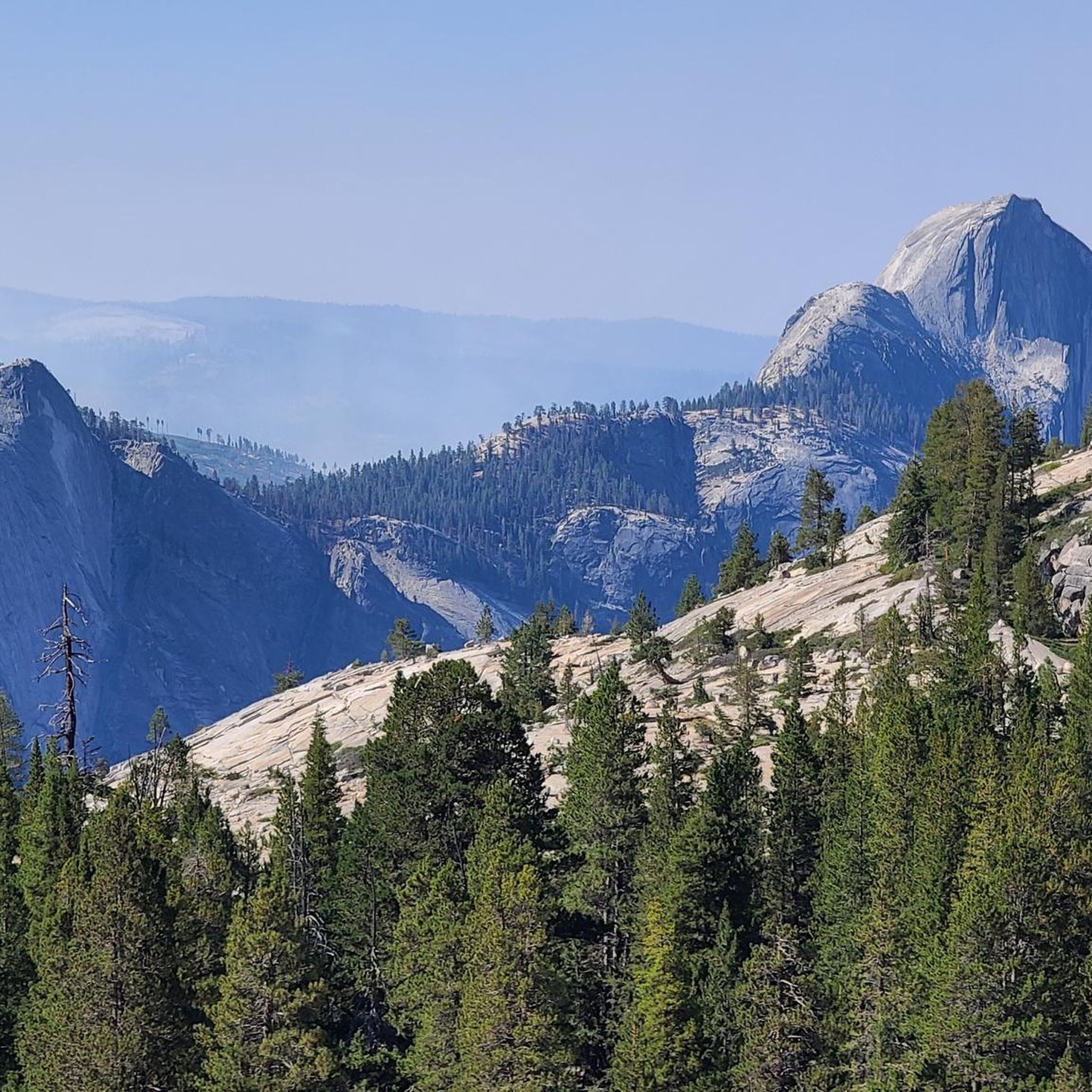
Cycling in Yosemite Wilderness
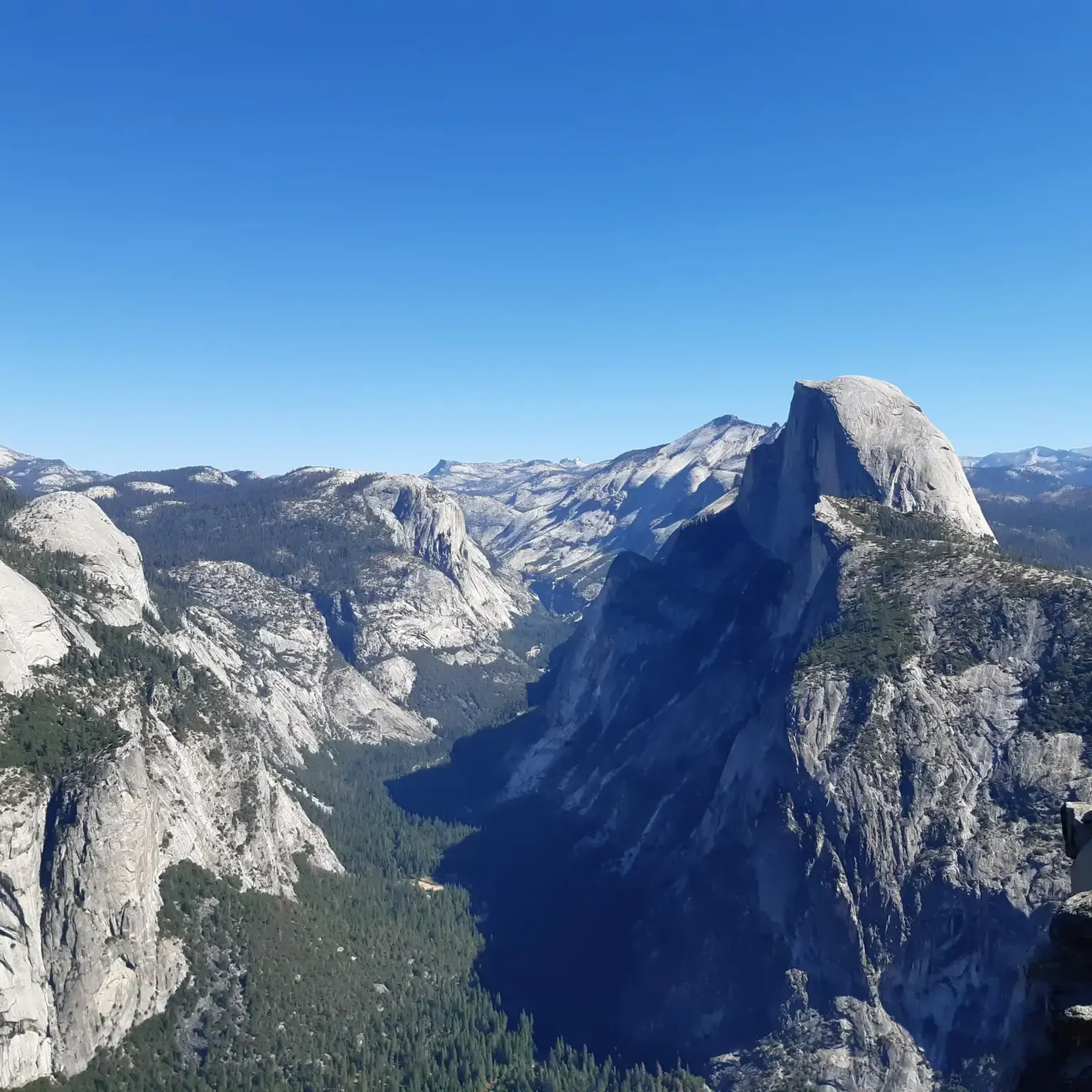
Road Cycling Routes in Yosemite Wilderness
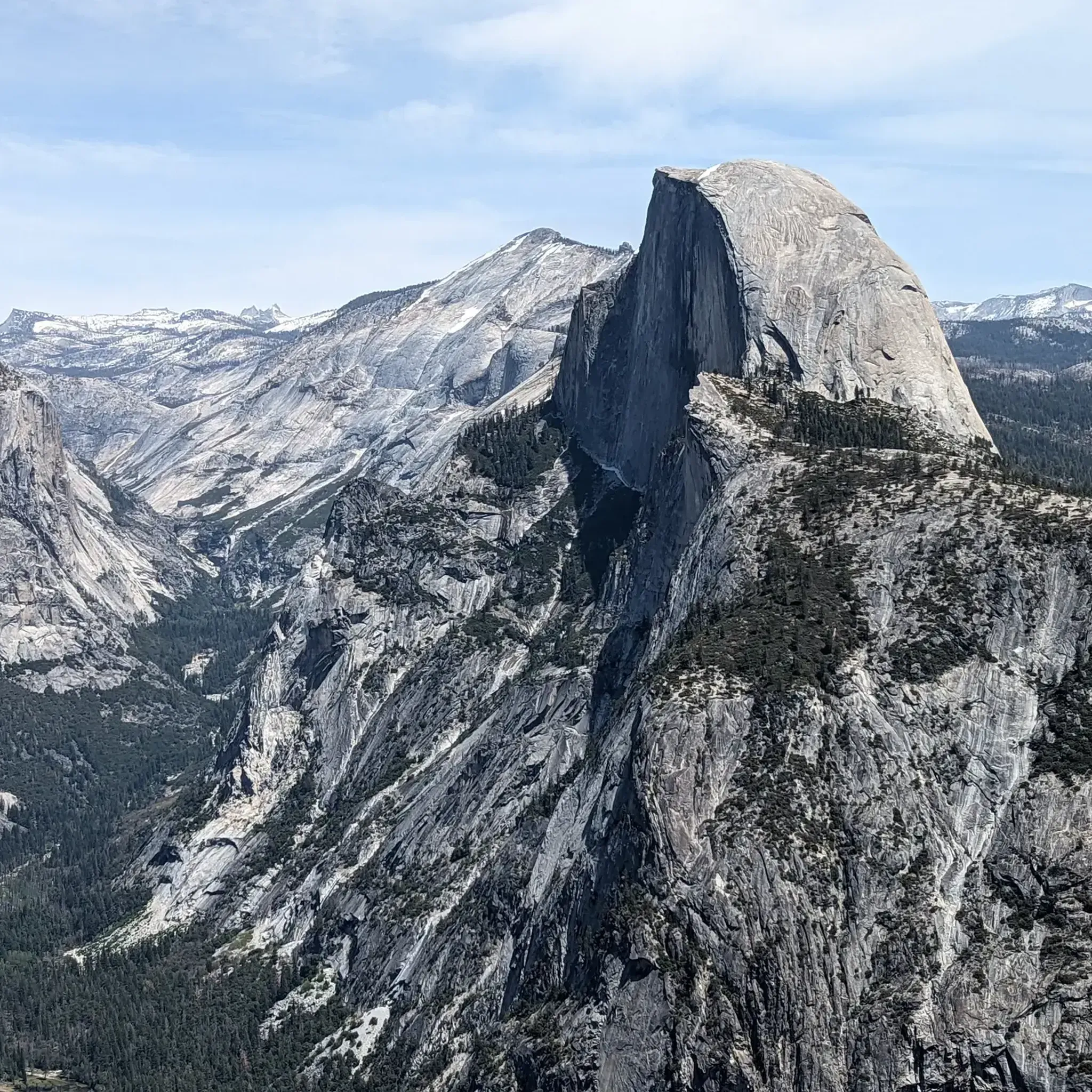
MTB Trails in Yosemite Wilderness
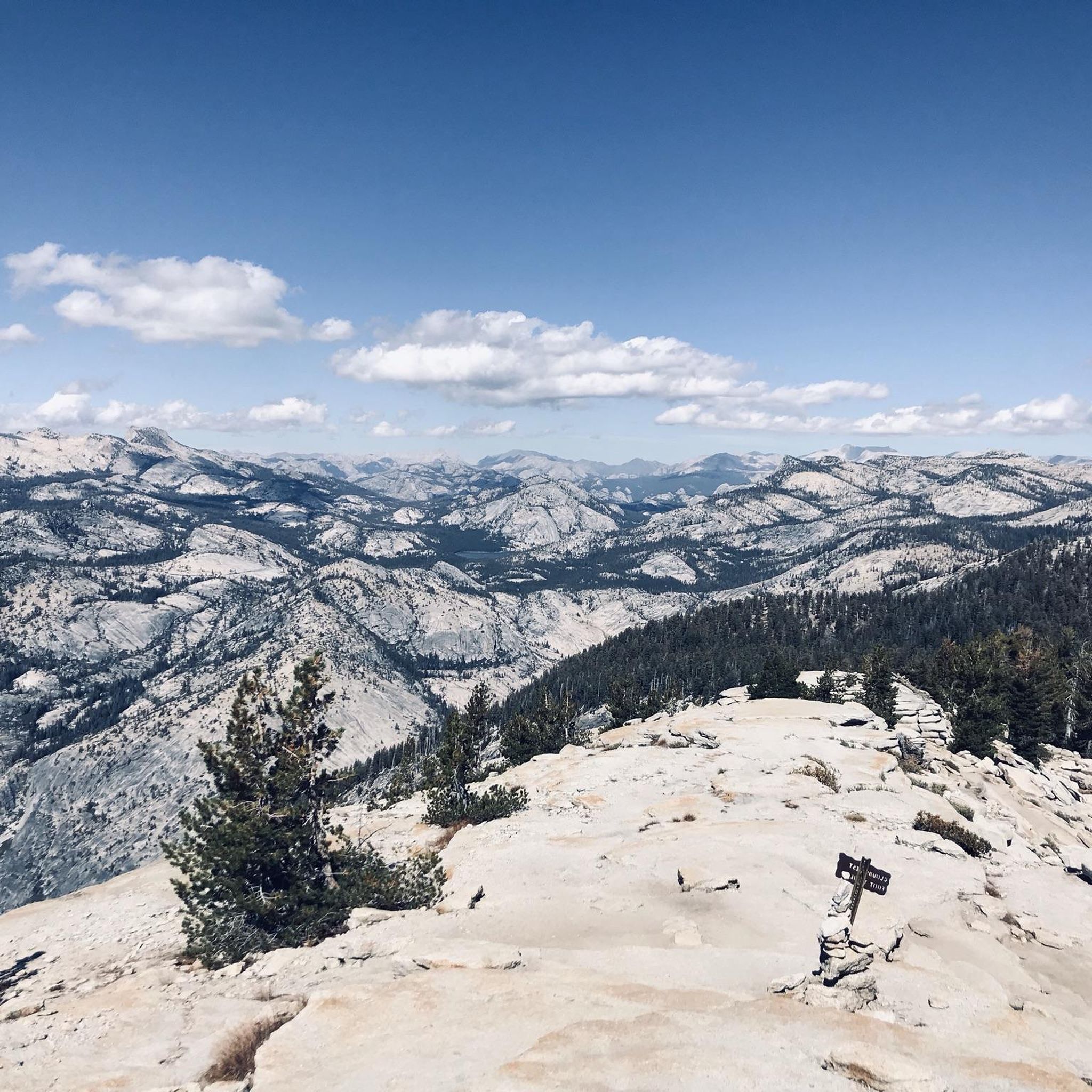
Running Trails in Yosemite Wilderness
Other adventures in Yosemite Wilderness


Tips from the Community

The Tioga Pass climb from Lee Vining is an absolutely spectacular and challenging road biking ascent on Highway 120, leading you to the highest mountain pass in the Sierra Nevada and into the eastern entrance of Yosemite National Park. Starting around 6,784 feet in Lee Vining, you'll climb approximately 12 to 12.5 miles, gaining about 3,160 to 3,170 feet to reach the 9,943-foot summit, with a moderate average gradient around 4.4-5.1% that becomes more sustained in the middle section. The scenery is breathtaking, transitioning from views of Mono Lake to alpine lakes, granite domes, and stunning mountain vistas as you ascend through forests into the high alpine environment.
0
0


The climb up to Benson Pass is long and kind of strenuous. It might be windy at the pass, but the views are stunning.
3
0
Donohue Pass is the last major pass along the PCT if you hike northbound. It is snow covered until early summer or late spring. The view into the valley with blue shimmering lakes is stunning. The climb from the north side (hiking southbound) is much steeper than from the south side.
5
0
In the summer months, Highway 120 is the access gateway into Yosemite National Park if you are coming from the Eastern Sierra side. It is closed until late spring and sometimes early summer. In late June 2019, the pass was opened for only one hour each morning and afternoon. So showing up on time is important. Here you can find more about the current opening hours of the pass: https://www.nps.gov/yose/planyourvisit/tiogaopen.htm
1
0

Clearing of the Tioga Road normally begins on April 15 each year and usually takes between one and two months. Typically, it closes around mid November, although this varies.
1
1

Here they reach with 3031m height, the highest point of Tioga Road. A toll booth also serves as the entrance or exit of the Yosemite National Park.
2
2

John Muir Trail crosses Donohue Pass at the top of Lyell Canyon dropping north toward Tuolumne Meadows, and South-east toward Island Pass and Thousand Island Lake, with spectacular views in both directions: https://www.komoot.com/tour/14724880
1
0
Frequently Asked Questions
What are some of the most challenging mountain passes in Yosemite Wilderness?
For experienced hikers seeking a challenge, Donohue Pass, at 11,066 feet, offers a rewarding climb and is a critical juncture for the John Muir Trail and Pacific Crest Trail. Red Peak Pass, the highest Class 1 trail point in Yosemite at over 11,000 feet, provides a rugged backcountry experience. Koip Peak Pass, at approximately 12,200 feet, is known for its challenging ascent through loose scree and expansive alpine tundra.
Which mountain passes offer the best panoramic views?
Donohue Pass rewards hikers with stunning views into valleys dotted with shimmering blue lakes. From Koip Peak Pass, you can enjoy incredible vistas of Mono Lake to the east and the rugged Kuna crest. Benson Pass is also known for its stunning views, despite potentially windy conditions.
When is the best time to visit the mountain passes in Yosemite Wilderness?
Most high-elevation mountain passes in Yosemite Wilderness are typically snow-covered until early summer. For passes like Donohue Pass, late spring to early fall is generally the best time to visit. Tioga Pass, a major access point, is usually open only from late spring to early fall due to snow. Always check current conditions before planning your trip.
Are there multi-day backpacking routes that include these mountain passes?
Yes, many mountain passes in Yosemite Wilderness are integral parts of multi-day backpacking trips. The Red Peak Pass Loop, for instance, is a customizable backpacking trip ranging from 4 to 8 days, allowing exploration of secluded areas. Benson Pass is often included in longer loop trails, such as the Northeast Yosemite Grand Tour. Vogelsang Pass is also a key part of multi-day traverses.
Which mountain passes are less crowded for a more secluded experience?
Red Peak Pass is known for offering a true backcountry experience with a notable lack of crowds, making it ideal for those seeking solitude. Its rugged terrain and pristine alpine lakes provide a remote feel away from more frequented areas.
What unique natural features can be observed around these passes?
The passes offer diverse natural features. Donohue Pass provides views of valleys dotted with blue shimmering lakes. Mono Pass acts as a divide, showcasing lush alpine environments on its western slope and views of the more arid Mono Valley and Mono Lake to the east. Isberg Pass features a trail that meanders through montane forests and meadows before ascending into massive granite fields.
What are the permit requirements for hiking mountain passes in Yosemite Wilderness?
Hiking in the Yosemite Wilderness, especially for overnight trips through mountain passes, typically requires a wilderness permit. These permits are crucial for managing visitor impact and preserving the wilderness. It's advisable to check the official Yosemite National Park website for the most current information on permit application processes, quotas, and regulations, as they can vary by season and specific entry points.
How can I access the high country passes like Vogelsang Pass?
Vogelsang Pass, situated at 10,670 feet, is typically best accessed via the Rafferty Creek trail from Tuolumne Meadows. This route provides access to multiple backcountry lakes and the picturesque Clark Range region of Yosemite, making it a popular starting point for multi-day traverses.
Are there any mountain passes that serve as important historical or geographical markers?
Donohue Pass is a significant geographical marker, standing at 11,066 feet and marking the boundary between Yosemite National Park and the Ansel Adams Wilderness. It's also a critical juncture where both the John Muir Trail (JMT) and the Pacific Crest Trail (PCT) merge, making it historically important for long-distance hikers.
What outdoor activities can I do near the mountain passes in Yosemite Wilderness?
The Yosemite Wilderness offers a wide range of outdoor activities near its mountain passes. You can find numerous opportunities for hiking, including trails like the Mist Trail or the Upper Yosemite Fall Trail. For those interested in running, options like the North Dome Trail or the Half Dome Loop are available. While mountain biking is restricted in wilderness areas, you can find MTB trails in other parts of Yosemite, such as the Yosemite Valley Loop Trail.
What is the significance of <a href="https://en.wikipedia.org/wiki/Donohue_Pass" target="_blank" rel="noopener">Donohue Pass</a> for long-distance hikers?
Donohue Pass is a highly significant landmark for long-distance hikers, particularly those on the John Muir Trail (JMT) and the Pacific Crest Trail (PCT). It marks a critical juncture where these two iconic trails merge and is often considered the last major pass along the PCT if hiking northbound. The pass offers stunning views and a challenging, yet rewarding, climb.
Where can I find information about the opening hours for <a href="https://www.komoot.com/highlight/651352" target="_blank" rel="noopener">Tioga Pass</a>?
Tioga Pass, which serves as the eastern entrance to Yosemite National Park, has seasonal opening hours due to snow. Clearing of the Tioga Road normally begins on April 15 each year and typically takes one to two months, with closure usually around mid-November. For the most current opening hours and conditions, it is best to check the official National Park Service website for Yosemite.
Most popular routes in Yosemite Wilderness
Most popular attractions in Yosemite Wilderness

Get inspired with the komoot mobile app


Explore more
See even more epic mountain passes by checking out these guides in Yosemite Wilderness:
