The best running trails in Hoover Wilderness
24
runners
10
runs
Jogging in Hoover Wilderness offers a diverse landscape for runners, characterized by high alpine terrain, granite peaks, and numerous glacial lakes. The region features a mix of forested areas and open meadows, providing varied running surfaces. Elevation changes are common, ranging from gentle slopes around lakes to more challenging ascents into the mountains.
Best jogging routes in Hoover Wilderness
- The most popular jogging route is Lakes Basin Loop Trail, a 7.2 miles (11.6 km) moderate trail that takes about…
Last updated: July 8, 2026
3
runners
11.6km
01:28
190m
190m
The Lakes Basin Loop Trail offers a delightful jogging experience through the scenic Hoover Wilderness, where you'll navigate natural paths alongside stunning water views. This route guides you past several…
1
runners
9.62km
01:39
630m
630m
The Lundy Canyon Trail offers a truly immersive experience into the Eastern Sierra's wild beauty, especially during the fall when aspens ignite the canyon with brilliant yellow and gold. You'll…

Sign up for free
1
runners
6.51km
00:49
100m
100m
The Saddlebag Lake Loop Trail offers a captivating journey through the high Sierra Nevada, circling the beautiful Saddlebag Lake. As you jog, you'll pass through varied terrain, from rocky shores…
1
runners
5.13km
00:42
170m
170m
The Green Creek Trail in Mono County, California, offers a fantastic jogging experience through diverse and picturesque landscapes. You'll navigate paths of decomposed granite and dirt, encountering granite steps and…
10.8km
01:38
550m
550m
The Lakes Canyon Trail offers a rugged, immersive experience into the Sierra Nevada, winding through a narrow canyon that feels both wild and historic. You'll jog past enormous beaver ponds…
Get access to more routes and recommendations from other explorers.
Sign up for free
Already have an account?
Our route recommendations are based on thousands of hikes, rides, and runs completed by other people on komoot.
Start today with a free account
Your next adventure awaits.
Login or Signup
Popular around Hoover Wilderness
Tips from the Community

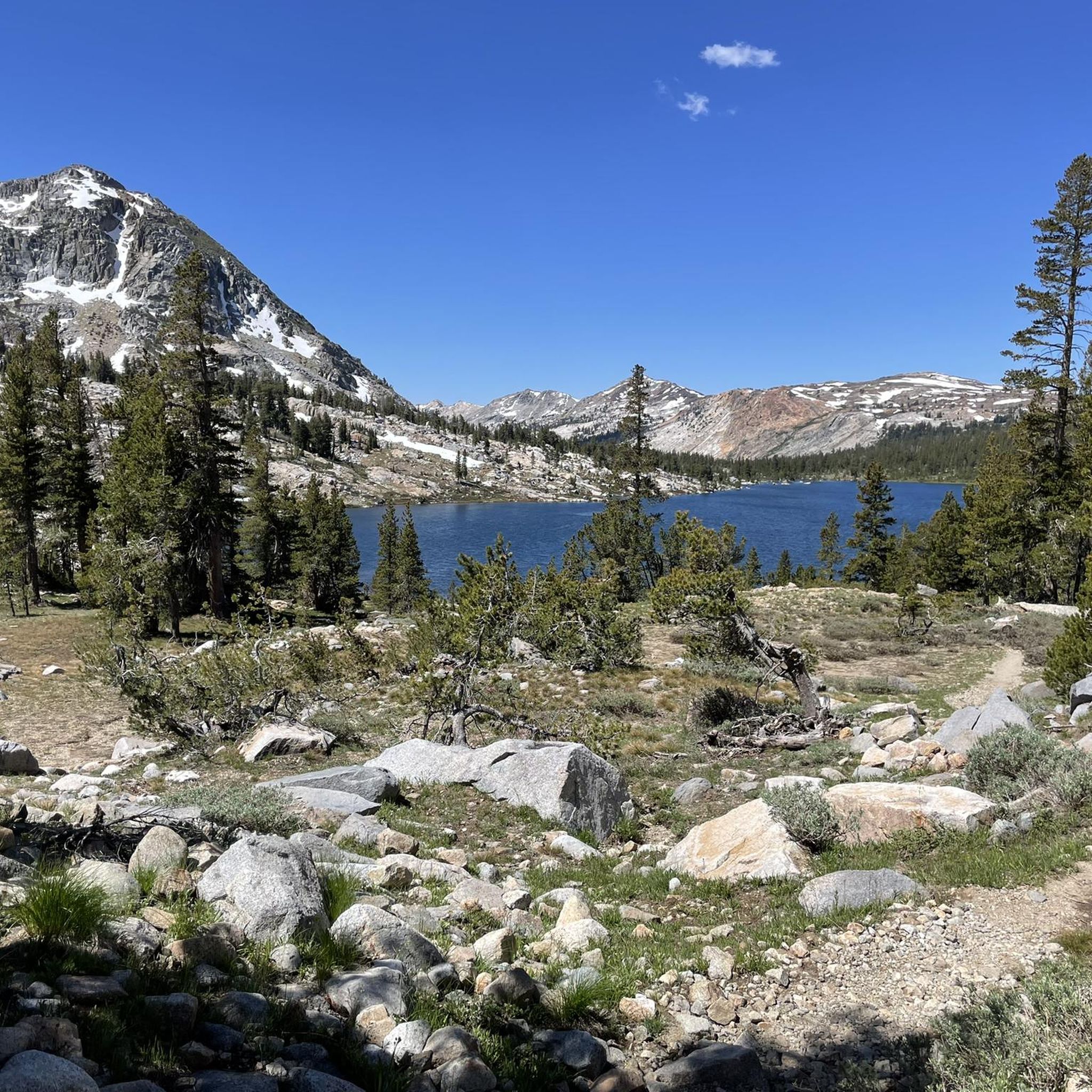
Blue Lake is the first lake along the Green Creek Trail. It is set in a beautiful wooded area and gives you a great view of Black Mountain. The banks of the lake are a great spot for a break to soak up the beauty of the area.
0
0

Large blue alpine lake in the 20-Lakes-Basin. The Saddlebag Lake Resort offers regular trips from the General Store with boat taxi to the back of the lake. You can also rent boats for fishing. Saddlebag Lake is one of the few fishing areas where you can catch a High Sierra Fishing Slam: Rainbow, Brown, Brooke and Golden Trout.
0
0
Lightly trafficked out and back trail located near Lee Vining. You pass at least one lake, but you can hike on to several beautiful Sierra Lakes. The trail is difficult and best used between April and October.
0
0

To get to Oneida Lake, take the Lakes Canyon trail. The trail climbs the canyon between two peaks: Gilcrest Peak and Scowden Peak. On the Lakes Canyon Trail it is 3.3 miles to reach Oneida Lake with Blue Lake close by.
0
0
To reach Oneida Lake, take the Lakes Canyon Trail. The trail climbs the canyon between two peaks: Gilcrest Peak and Scowden Peak. On the Lakes Canyon Trail, it is 3.3 miles to reach Oneida Lake with Blue Lake close by.
0
0

Here is the Frog Lake. This high altitude valley has so many lakes that it has been nicknamed "Big Valley Lakes". The valley is part of the Tolyabe National Forest.
0
0
The Blue Lake is the first of a series of three that you will see during this easy hike.
0
0
Cystal clear alpine lake in the 20-Lakes-Basin with some fish and just a quarter mile from the water taxi to Saddlebag Lake Resort.
4
0
Frequently Asked Questions
How many running routes are available in Hoover Wilderness?
Komoot features 9 dedicated running routes in Hoover Wilderness. These include a mix of moderate and challenging trails, offering diverse experiences for runners.
Are there any easy running trails suitable for beginners in Hoover Wilderness?
While Hoover Wilderness is known for its high alpine terrain and elevation changes, there are no routes currently classified as 'easy' on komoot. However, routes like the Saddlebag Lake Loop Trail are moderate and shorter, making them a good option for those looking for a less strenuous run around scenic alpine lakes.
What are some challenging running routes in Hoover Wilderness?
For experienced runners seeking a challenge, the Hoover Wilderness offers several demanding trails. The Lundy Canyon Trail is a difficult 6.0-mile path with significant elevation gain, leading through a dramatic canyon. Another difficult option is the Lakes Canyon Trail, which covers over 10 km with substantial climbing.
Are there any loop running trails in Hoover Wilderness?
Yes, Hoover Wilderness features several beautiful loop trails perfect for running. The Lakes Basin Loop Trail is a popular 7.2-mile moderate route offering scenic views of alpine lakes. Another excellent choice is the Saddlebag Lake Loop Trail, a 4.0-mile loop through high alpine scenery.
What kind of natural attractions can I see along the running routes?
Hoover Wilderness is rich in natural beauty. Along the running routes, you can encounter stunning alpine lakes such as Lake Helen, Ellery Lake, and Blue Lake. You might also pass through impressive mountain passes like Dorothy Pass and witness the dramatic landscapes of canyons like Lundy Canyon.
Is Hoover Wilderness suitable for running with dogs?
Hoover Wilderness is part of the National Wilderness Preservation System, which generally allows dogs on trails. However, regulations can vary, and dogs must typically be kept on a leash to protect wildlife and ensure a pleasant experience for all visitors. Always check specific trail regulations before heading out with your dog.
What is the best time of year for running in Hoover Wilderness?
The best time for running in Hoover Wilderness is typically from late spring through early fall (June to October). During these months, trails are generally free of snow, and the weather is more favorable. Always check current conditions, especially in early season, as higher elevations can retain snow longer.
Are there any specific permits required for jogging in Hoover Wilderness?
While day-use permits are generally not required for jogging in Hoover Wilderness, overnight wilderness permits are mandatory for any overnight stays. It's always advisable to check with the local ranger station or the Inyo National Forest website for the most current regulations regarding permits and any fire restrictions before your visit.
What are the typical trail conditions like for running in Hoover Wilderness?
Running trails in Hoover Wilderness vary from well-trodden paths to more rugged, rocky terrain, especially at higher elevations. You can expect a mix of forested areas, open meadows, and granite formations. Elevation changes are common, so be prepared for ascents and descents. Conditions can change rapidly, so checking the weather and recent trail reports is recommended.
Are there options for winter running in Hoover Wilderness?
Winter running in Hoover Wilderness can be challenging due to heavy snowfall, making many trails inaccessible or requiring specialized gear like snowshoes or skis. Some lower elevation areas might be runnable after light snow, but generally, the region is best for running during the snow-free months. Always prioritize safety and check conditions before attempting winter runs.
Where can I find parking at trailheads for running in Hoover Wilderness?
Parking is typically available at designated trailheads throughout the Hoover Wilderness. Popular starting points often have established parking lots, though they can fill up quickly during peak season. It's recommended to arrive early, especially for well-known trails, and always park in designated areas to avoid fines or blocking access.
Most popular attractions in Hoover Wilderness

Get inspired with the komoot mobile app


Explore more
Browse the best Running Trails & Routes in other regions.
