The best road cycling routes in Hoover Wilderness
5.0
(2)
110
riders
8
rides
Road cycling in Hoover Wilderness is not permitted within the designated wilderness boundaries. However, the surrounding region, located in California's Sierra Nevada Range, offers diverse terrain for road cycling. This area is characterized by rugged Sierra Nevada terrain with elevations ranging from approximately 7,000 to over 12,000 feet. The landscape features steep slopes and scattered stands of pine, hemlock, and aspen, providing challenging ascents and descents on roads bordering the wilderness.
Best road cycling routes in Hoover Wilderness
- The most…
Last updated: September 27, 2026
9
riders
58.3km
02:57
880m
880m
Embark on a memorable road cycling journey through Yosemite's high-alpine terrain, tracing the iconic Tioga Road from Tioga Pass to Olmsted Point and back. This route immerses you in a…
20
riders
95.6km
05:25
1,820m
1,820m
Cycle 59.4 miles from Lee Vining to Olmsted Point via Tioga Pass Road, gaining 5967 feet through Yosemite's stunning high country.

1
riders
152km
06:55
1,730m
1,730m
This difficult 94.2-mile road cycling route from Lee Vining to Benton Hot Springs offers stunning high desert scenery and hot springs.
5.0
(2)
49
riders
189km
10:17
3,530m
3,530m
Hard road ride. Very good fitness required. Mostly well-paved surfaces and easy to ride.
14
riders
38.9km
02:44
950m
950m
Hard road ride. Very good fitness required. Mostly well-paved surfaces and easy to ride.
Get access to more routes and recommendations from other explorers.
Already have an account?
Our route recommendations are based on thousands of hikes, rides, and runs completed by other people on komoot.
Start today with a free account
Your next adventure awaits.
Popular around Hoover Wilderness
Tips from the Community

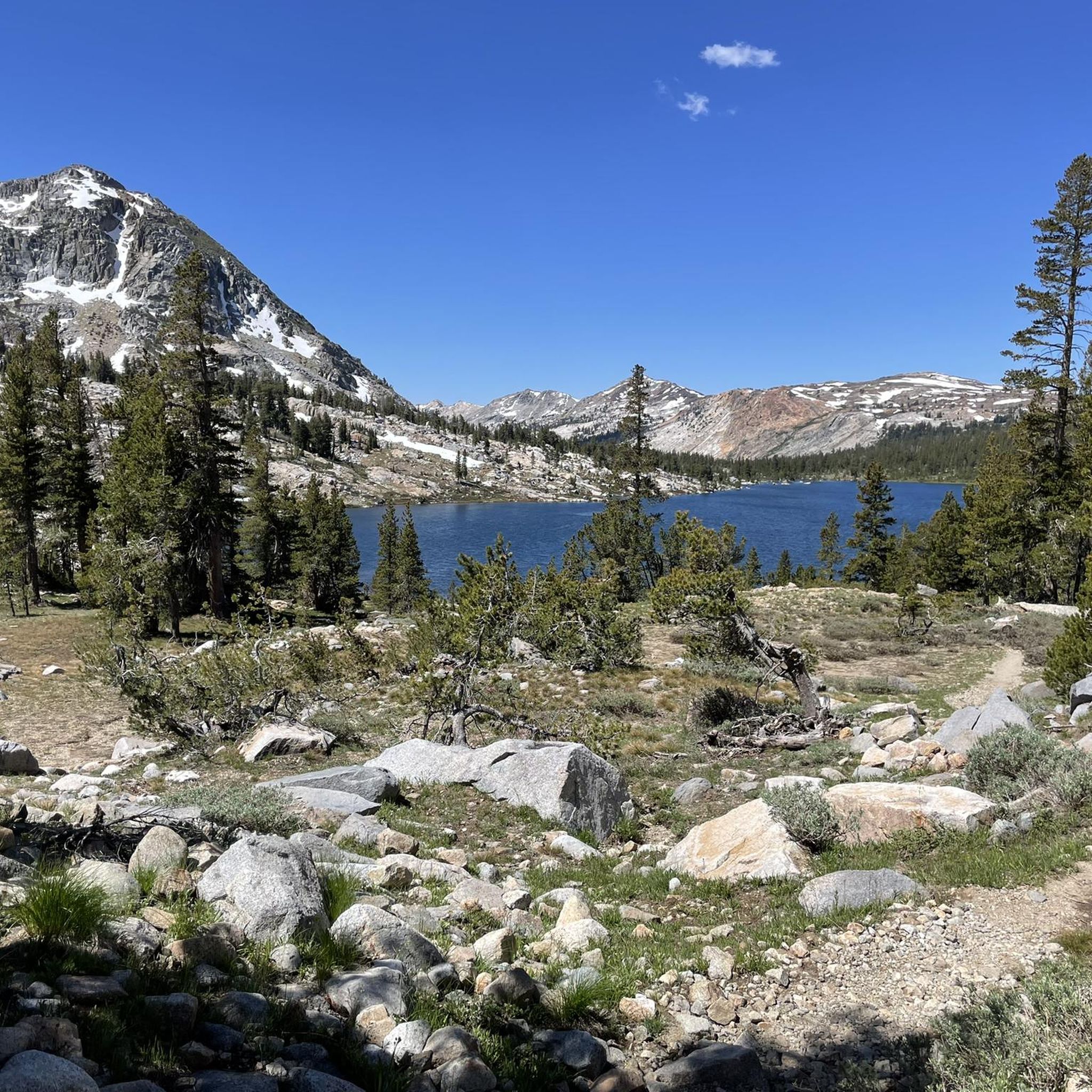
Located just outside of the East Entrance of Yosemite National Park, Ellery Lake is just a beautiful as any scenery you'll find inside the park. In addition to the amazing views there's also a campground with 12 sites and potable water.
0
0
Crane Flat is at the intersection of Tioga Road and Big Flat Road. The little store attached to the gas station is well stocked and is a good place to fill up on any drinks or snacks you might need for the ride. The Yosemite branded trail mix is a personal favorite.
0
0
Tuolumne Meadows is one of the crown jewels of Yosemite National Park. The picturesque meadows are surrounded by the iconic granite domes that Yosemite is known for. The most notable being Lembert Dome that looms over the eastern edge of the meadows.
0
0

Crane Flat in Yosemite is a scenic road cycling route offering steady climbs and breathtaking views of the surrounding forest and peaks. The ride is ideal for intermediate to advanced cyclists looking for a workout with rewarding descents. Start early to enjoy quieter roads and cool mountain air.
0
0

Olmsted Point is a famous viewpoint of the north side of Half Dome, Tenaya Canyon, and Tenaya Lake to the east from Tioga Pass off State Highway 120 in Mariposa County. Olmsted Point is a must-see on the way over Tioga Pass. We admire the "erratic" boulders staggered around the granite slopes. These huge boulders were left behind when the last glacier broke through. Olmsted Point is named after landscape architects Frederick Law Olmsted and Frederick Law Olmsted, Jr. Olmsted was instrumental in protecting Yosemite National Park in the 1860s when he worked with Senator John Conness of California to declare Yosemite Valley and the Mariposa Big Tree Grove as public land under state protection. This was the first land set aside by Congress for public use and laid the foundation for what would become the National Parks.
4
0
Nestled between giant granite domes and the clear skies of the Sierra Nevada, Tenaya Lake is the largest lake in Yosemite's frontcountry. Due to its remarkable scenic qualities, inviting blue waters, and proximity to Tioga Road, Tenaya Lake is one of the most popular destinations for summer visitors to Yosemite. It is very popular for picnicking, swimming, and canoeing. Tenaya Lake was named after Chief Tenaya, the last chief of the Yosemite Indians.
3
0

Frequently Asked Questions
Can I road cycle directly within the Hoover Wilderness boundaries?
No, road cycling is strictly prohibited within the designated Hoover Wilderness boundaries. The use of bicycles or other vehicles is illegal in this protected wilderness area. However, the surrounding region offers diverse and challenging road cycling opportunities.
What kind of terrain can I expect when road cycling near the Hoover Wilderness?
The region surrounding the Hoover Wilderness features rugged Sierra Nevada terrain with significant elevation changes, ranging from approximately 7,000 to over 12,000 feet. You'll encounter steep slopes and scattered stands of pine, hemlock, and aspen, providing challenging ascents and descents on roads bordering the wilderness.
How challenging are the road cycling routes around the Hoover Wilderness?
The road cycling routes in this area are generally quite challenging. Out of the 8 available routes, 7 are classified as difficult, and 1 is moderate. They are characterized by high-altitude mountain passes and demanding climbs, suitable for experienced cyclists.
Are there any easier road cycling options available near the Hoover Wilderness?
While most routes are difficult, there is one moderate option available: From Tioga Pass to Olmsted Point and back. This route is 36.2 miles (58.3 km) long and still features significant elevation gain, so it's best suited for cyclists with some experience.
What scenic viewpoints or landmarks can I expect to see on road cycling routes near the Hoover Wilderness?
While cycling on roads bordering the wilderness, you can expect breathtaking views of the high Sierra landscape. Notable natural features include numerous alpine lakes and soaring peaks. You might pass by areas offering glimpses of Ellery Lake or the scenic Dorothy Pass.
What do other road cyclists enjoy most about cycling in the Hoover Wilderness region?
The area is highly rated by the komoot community, with an average score of 5.0 stars. Cyclists frequently praise the challenging high-altitude mountain passes, the extensive climbing opportunities, and the unparalleled views of the Sierra Nevada landscape.
What is the best time of year for road cycling in the Hoover Wilderness region?
The best time for road cycling in this high-altitude region is typically during the warmer months, from late spring through early autumn, when mountain passes like Tioga Pass are open and free of snow. Always check local road conditions and weather forecasts before planning your ride.
Are there any circular road cycling routes available?
Yes, there are circular routes available. For example, the Tuolumne Meadow – Tenaya Lake Beach loop from Lee Vining offers a challenging 188.7 km ride, and the Tioga Lake North overlook – Tioga Pass loop from Lee Vining is a shorter 38.6 km option.
Are there any long-distance road cycling routes for advanced riders?
Absolutely. For advanced riders seeking a significant challenge, routes like Lee Vining, California to Benton Hot Springs via Highway 120 cover 94.2 miles (151.6 km) through varied high desert and mountain landscapes, often taking nearly 7 hours to complete.
Are there any specific roads or passes known for road cycling near the Hoover Wilderness?
Yes, roads like Tioga Pass and Sonora Pass are key access points and feature prominently in the road cycling routes in the region. These roads offer the challenging ascents and descents characteristic of the Sierra Nevada terrain.
Can I find information on parking or public transport for accessing these road cycling routes?
While specific parking details for each trailhead are not provided here, routes often start from towns like Lee Vining, which serve as common access points for the region. Public transport options are limited in this remote area, so planning for vehicle access is generally recommended.
Are there any family-friendly road cycling routes in the Hoover Wilderness region?
Given the predominantly difficult and high-elevation terrain, most road cycling routes in this region are not typically considered family-friendly, especially for young children or beginner cyclists. The routes are geared towards experienced riders comfortable with significant climbs and distances.
Most popular attractions in Hoover Wilderness

Get inspired with the komoot mobile app


Explore more
Browse the best Road cycling routes in other regions.
