Devils Postpile National Monument
Devils Postpile National Monument
Attractions and Places To See in Devils Postpile National Monument - Top 7
Best attractions and places to see in Devils Postpile National Monument include unique geological formations and significant natural features. Located near Mammoth Mountain in Eastern California, this monument is known for its columnar basalt formations, such as the Devils Postpile, and spectacular waterfalls. The area also holds cultural significance as a historical trade route for American Indian inhabitants and provides access to vast wilderness areas. Visitors can explore a diverse landscape of rivers, meadows, and trails.
Best attractions and places…
Last updated: October 2, 2026
Rainbow Falls
Highlight • Waterfall
Tip by

Devils Postpile
Highlight • Natural Monument
Tip by

Sign up now to discover places like this
Get recommendations on the best single tracks, peaks, & plenty of other exciting outdoor places.
Iva Bell Hot Springs ⛲ backpacking hike from Devil's Postpile National Monument, via Rainbow Falls and Fish Creek Trail
Highlight (Segment) • Natural Monument
Tip by
Middle Fork San Joaquin River
Highlight • River
Tip by
View of Devils Postpile
Highlight • Viewpoint
Tip by

Start today with a free account
Your next adventure awaits.
Popular around Devils Postpile National Monument
Tips from the Community

Devils Postpile National Monument is a United States national monument located near Mammoth Mountain in eastern California. The monument protects Devils Postpile, an unusual rock formation of columnar basalt, "all tightly and perfectly fitted together like a vast mosaic."
0
0

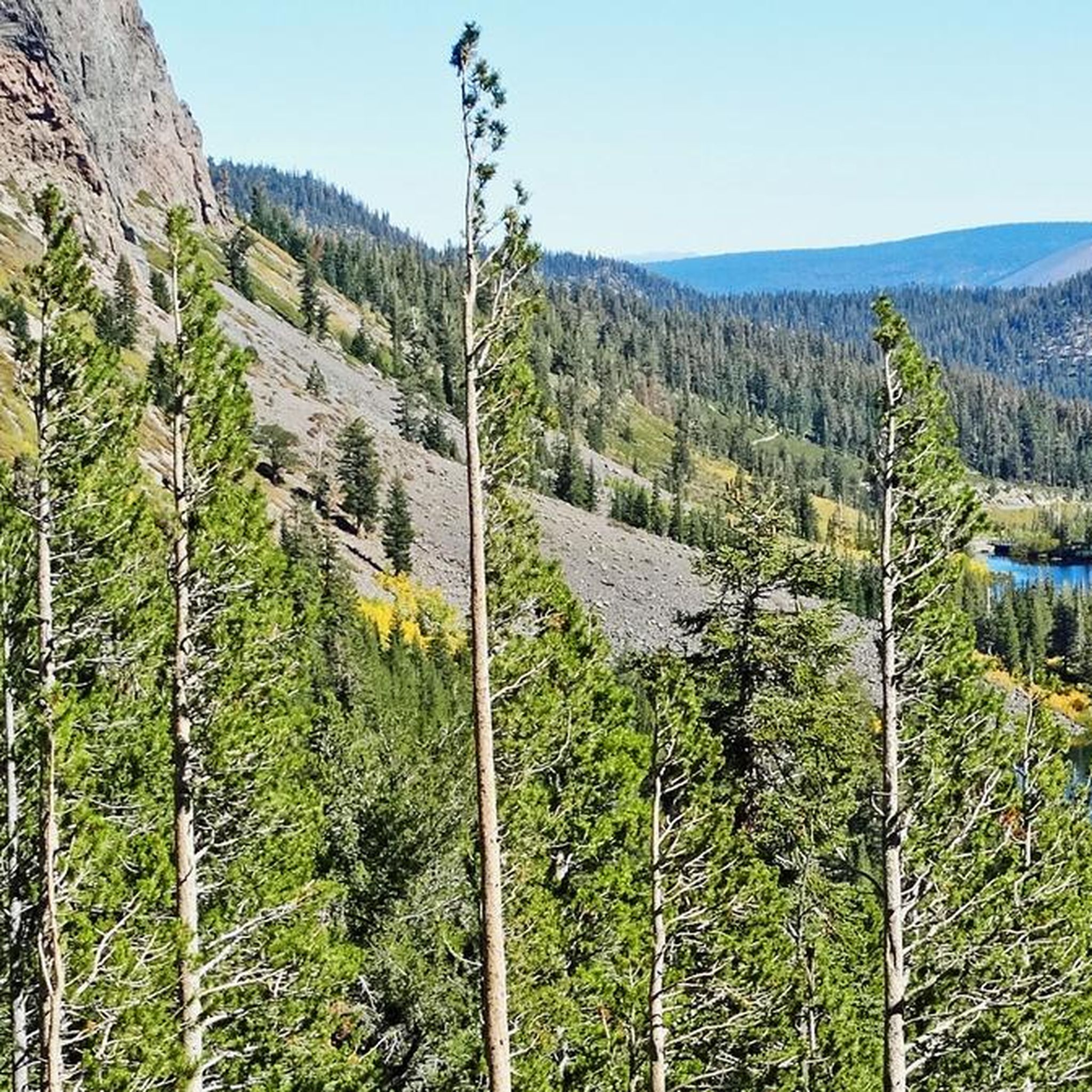
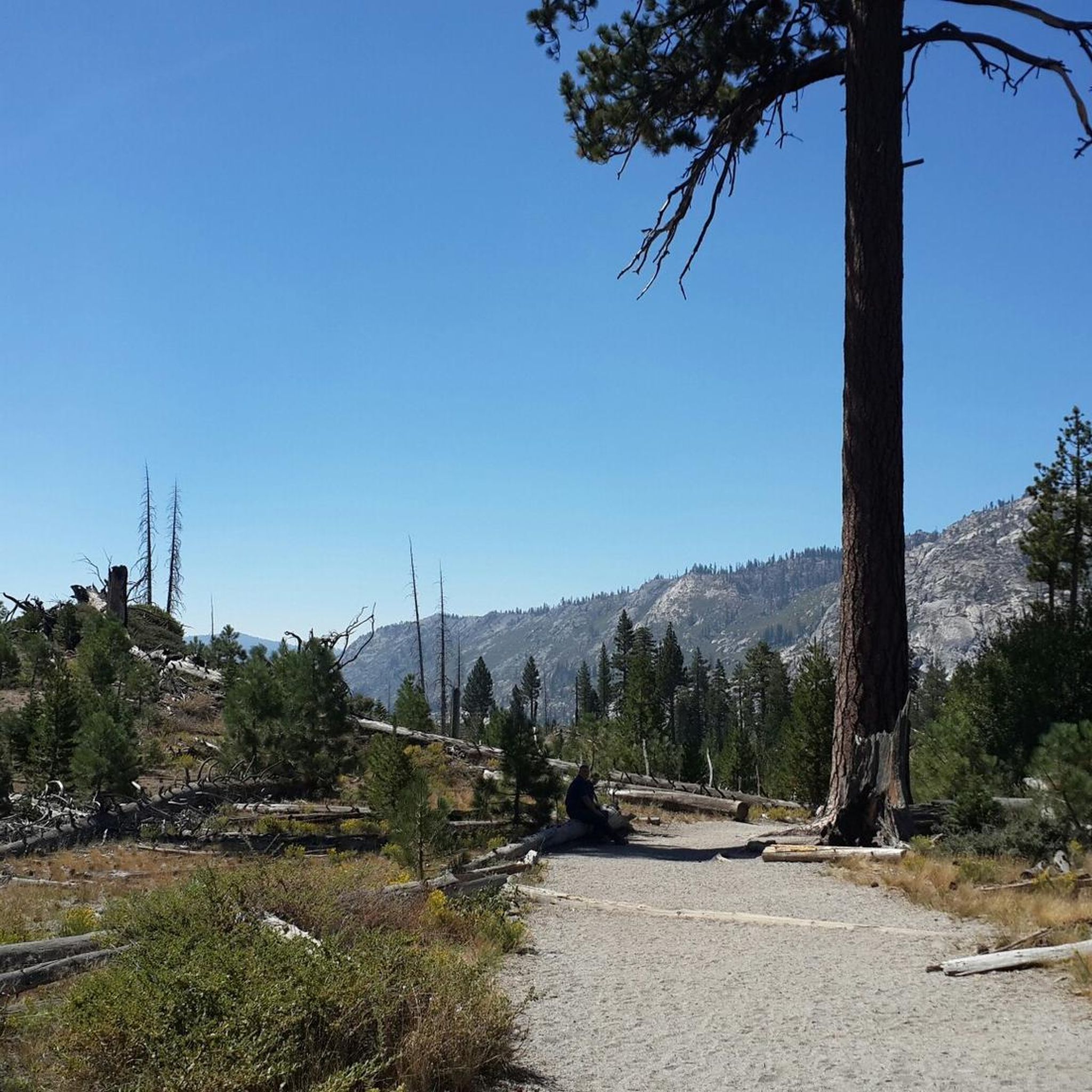
High up on the Pacific Crest Trail you will enjoy a nice view of the Devils Postpile. There is also a side trail leading to it.
0
0

The Devil's Postpile is a large cliff made of volcanic basalt columns. It is a very popular site, so there is a good possibility there will be others enjoying the site.
0
0
Rainbow Falls is a 101-foot waterfall, which is the largest falls on the San Joaquin River. The falls are located a short distance off the Pacific Crest Trail.
0
0
High up on the Pacific Crest Trail you will enjoy a nice view of the Devils Postpile. There is also side trail leading to it.
2
0

The Devils Postpile National Monument, which is only open from mid-June to mid-October, was once part of the Yosemite National Park and was only placed under protection as an independent park in 1911. The main attraction of the park is Devils Postpile, an approximately 100 meters wide and 30 meters high cliff of vertical, volcanic basalt columns, which have a very symmetrical, hexagonal shape.
6
0

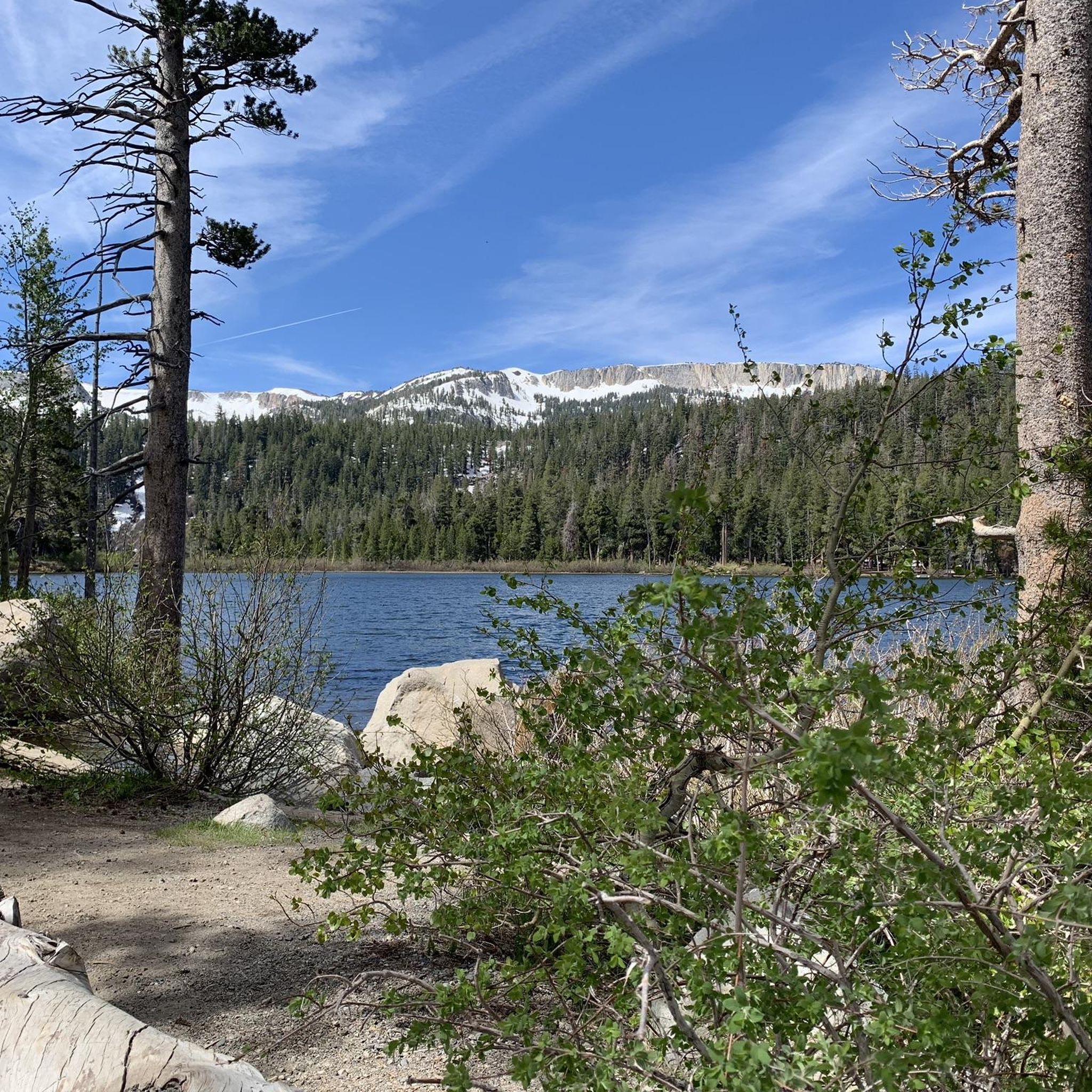
The short connector trail to get from the actual location of the Devil's Postpile basalt columns back on the PCT/JMT crosses the river at a perfect fishing spot with an awesome view across the lush valley and the peaks beyond.
2
0
Frequently Asked Questions
What are the most iconic natural landmarks to visit in Devils Postpile National Monument?
The monument is famous for its unique geological formations and stunning waterfalls. You absolutely must see Devils Postpile, a cliff of vertical, volcanic basalt columns up to 60 feet high, formed by ancient lava flows and glacial activity. Another spectacular sight is Rainbow Falls, a 101-foot waterfall on the Middle Fork of the San Joaquin River, known for the vibrant rainbows that frequently appear in its mist on sunny days.
What is the best time of year to visit Devils Postpile National Monument?
The monument is typically open from mid-June to mid-October. During this period, you can access the main attractions and enjoy hiking. Winter access is limited to skis or snowshoes due to road closures.
Are there family-friendly activities or trails suitable for all ages?
Yes, Devils Postpile National Monument offers several options suitable for families. The trail to Rainbow Falls is a popular and rewarding hike. Many of the trails within the monument, including those leading to the Devils Postpile itself, are considered easy to moderate, making them accessible for families. During peak season, a mandatory shuttle bus operates, making access to the main sites convenient.
What historical or cultural sites can be found in the area?
Devils Postpile sits at a significant cultural crossroads, historically used as a trade route and for intercultural exchange by American Indian inhabitants for thousands of years. While many historic places are on the adjacent Inyo National Forest, the broader area includes sites like the Minaret Mine, Reds Meadow Guard Station, and the Devils Postpile Ranger Station, reflecting the region's economic and administrative history. Archaeological evidence of human crossings of the Sierra Crest dates back at least 7,500 years.
What outdoor activities can I do near these attractions?
Beyond exploring the main attractions, the area offers excellent opportunities for hiking and cycling. You can find various routes, such as the easy 'Rainbow Falls via Devils Postpile Trail' for hiking or the 'Mammoth Scenic Ride' for cycling. For more detailed route information, explore the hiking guide or the cycling guide for Devils Postpile National Monument.
What is the shuttle bus and parking situation at Devils Postpile National Monument?
During the peak season (typically mid-June to mid-October), a mandatory shuttle bus operates to access the monument and its attractions. Visitors must park at the Adventure Center and take the paid shuttle. This system helps manage traffic and preserve the natural environment within the monument.
Can I go fishing in the monument?
Yes, the Middle Fork San Joaquin River, which flows through the monument, provides opportunities for fishing. Its lush meadows and diverse scenery make it a pleasant spot to enjoy the natural environment while fishing. Always check local regulations for fishing permits and seasons.
Are there any long-distance hiking trails that pass through the monument?
Yes, both the renowned John Muir Trail and the Pacific Crest Trail merge and pass directly through Devils Postpile National Monument. This offers access to the surrounding Ansel Adams Wilderness and High Sierra scenery, making the monument a popular starting point for many wilderness trips into the backcountry.
What unique geological features, besides the Postpile, can I observe?
Beyond the iconic columnar basalt of the Devils Postpile, you can observe the effects of glacial activity that exposed and polished the tops of these columns, revealing intricate mosaic-like patterns. The area also features the Middle Fork of the San Joaquin River, which showcases diverse scenery including meanders, rapids, cascades, and the seasonal changes in Soda Springs Meadow, where gravel bars and soda springs become visible as summer progresses.
What do visitors enjoy most about Devils Postpile National Monument?
Visitors particularly appreciate the unique geological formations like the Devils Postpile and the stunning Rainbow Falls. The opportunity to hike through diverse landscapes, enjoy the sounds of nature along the Middle Fork San Joaquin River, and experience the serene wilderness are frequently highlighted. The monument's natural beauty and accessible trails receive high praise from the komoot community.
Are there viewpoints to see the Devils Postpile from above?
Yes, there are spots along the Pacific Crest Trail that offer a nice view of the Devils Postpile from a higher vantage point. There is also a side trail that can lead you to these viewpoints, providing a different perspective of the unique basalt columns.
What should I know about wildlife viewing in the monument?
Devils Postpile National Monument is home to diverse flora and fauna. The Middle Fork of the San Joaquin River and Soda Springs Meadow provide valuable habitat. Visitors often have opportunities for wildlife watching, so keep an eye out for local species. Remember to observe wildlife from a distance and never feed animals.
Most popular routes in Devils Postpile National Monument
Most popular attractions in Devils Postpile National Monument

Get inspired with the komoot mobile app


Explore more
Still not found the Highlight you’re looking for? See guides of the top attractions in other regions:
