Attractions and Places To See in Sangre De Cristo Wilderness - Top 11
Best attractions and places to see in Sangre De Cristo Wilderness include dramatic mountain peaks, alpine lakes, and waterfalls within a rugged, expansive protected area. This region is known for its "fourteeners," peaks exceeding 14,000 feet, and its diverse natural features. The wilderness also holds cultural significance, with its name reflecting historical Spanish influence and the broader area preserving a rich heritage. It offers challenging terrain and natural solitude for outdoor enthusiasts.
Best attractions and places to see in Sangre De Cristo Wilderness
- The most popular attractions is Humboldt Peak, a summit offering panoramic views. From its 14056 ft elevation, visitors can see the North and South Colony Valleys, Crestone Needle, and Obstruction Peak.
- Another must-see spot is Ellingwood Point, a 14048 ft summit reached by a challenging hike in rocky terrain. The ridge to Ellingwood Point is considered one of the more challenging parts of the traverse to Ellingwood and Blanca Peak.
- Visitors also love Willow Lake, a lake formed by crystal clear water from the glacier in Obstruction Peak. It offers views of blue water contrasting with rocky mountain formations, surrounded by pine trees and a waterfall.
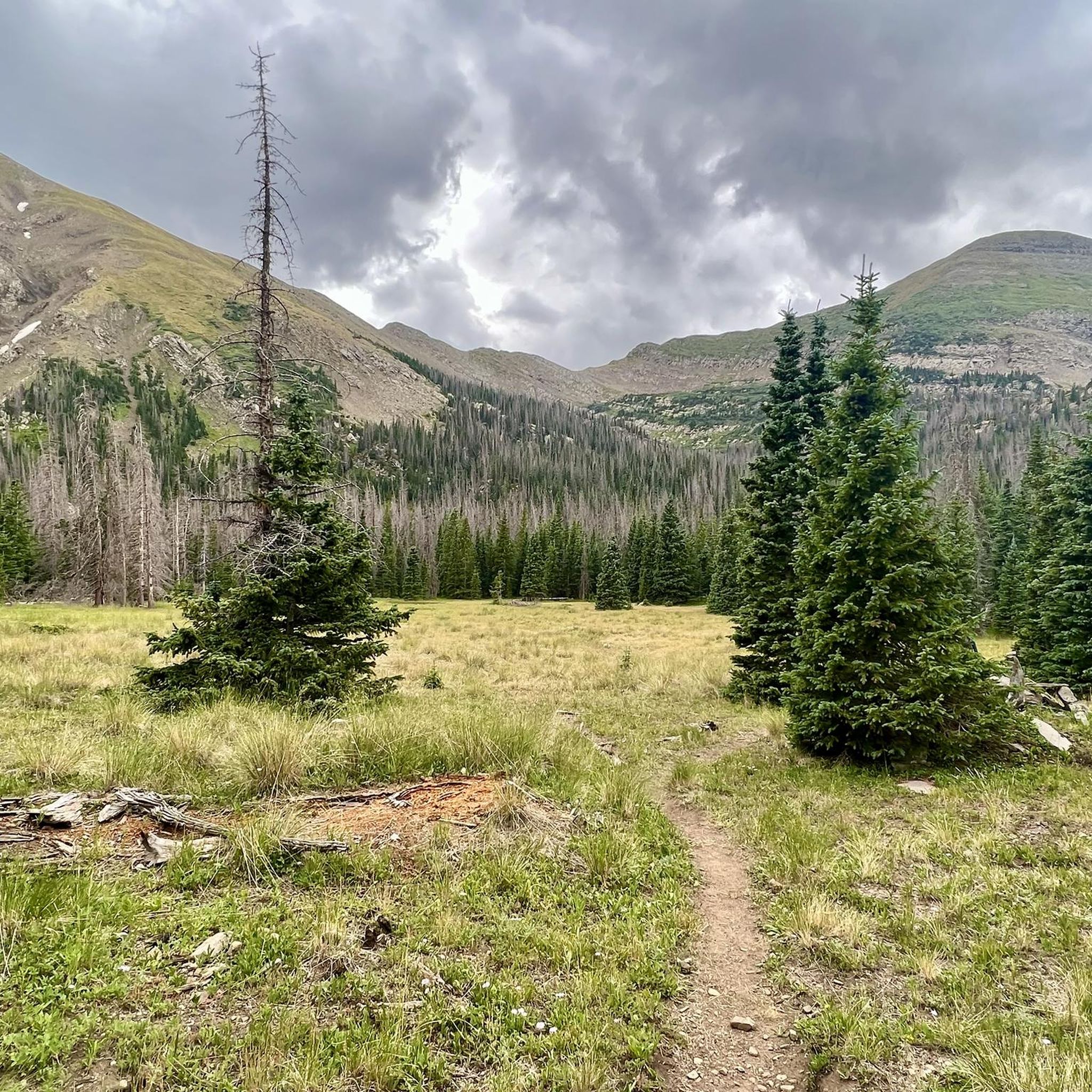
- Sangre De Cristo Wilderness is known for its high-altitude summits, alpine lakes, and waterfalls. The region offers a variety of natural features to explore, from challenging mountain climbs to serene lakeside trails.
- The attractions in Sangre De Cristo Wilderness are appreciated by the komoot community, with 2 upvotes and 2 photos contributed by users.
Last updated: July 12, 2026
Comanche Lake
Highlight • Lake
Tip by

Venable Falls
Highlight • Waterfall
Tip by
Sign up now to discover places like this
Get recommendations on the best single tracks, peaks, & plenty of other exciting outdoor places.
Sign up for free
Humboldt Peak
Highlight • Summit
Tip by
Ellingwood Point
Highlight • Summit
Tip by
Lake Como
Highlight • Lake
Tip by
Sign up for free to discover even more attractions in Sangre De Cristo Wilderness.
Sign up for free
Already have an account?
Start today with a free account
Your next adventure awaits.
Login or Signup

Tips from the Community

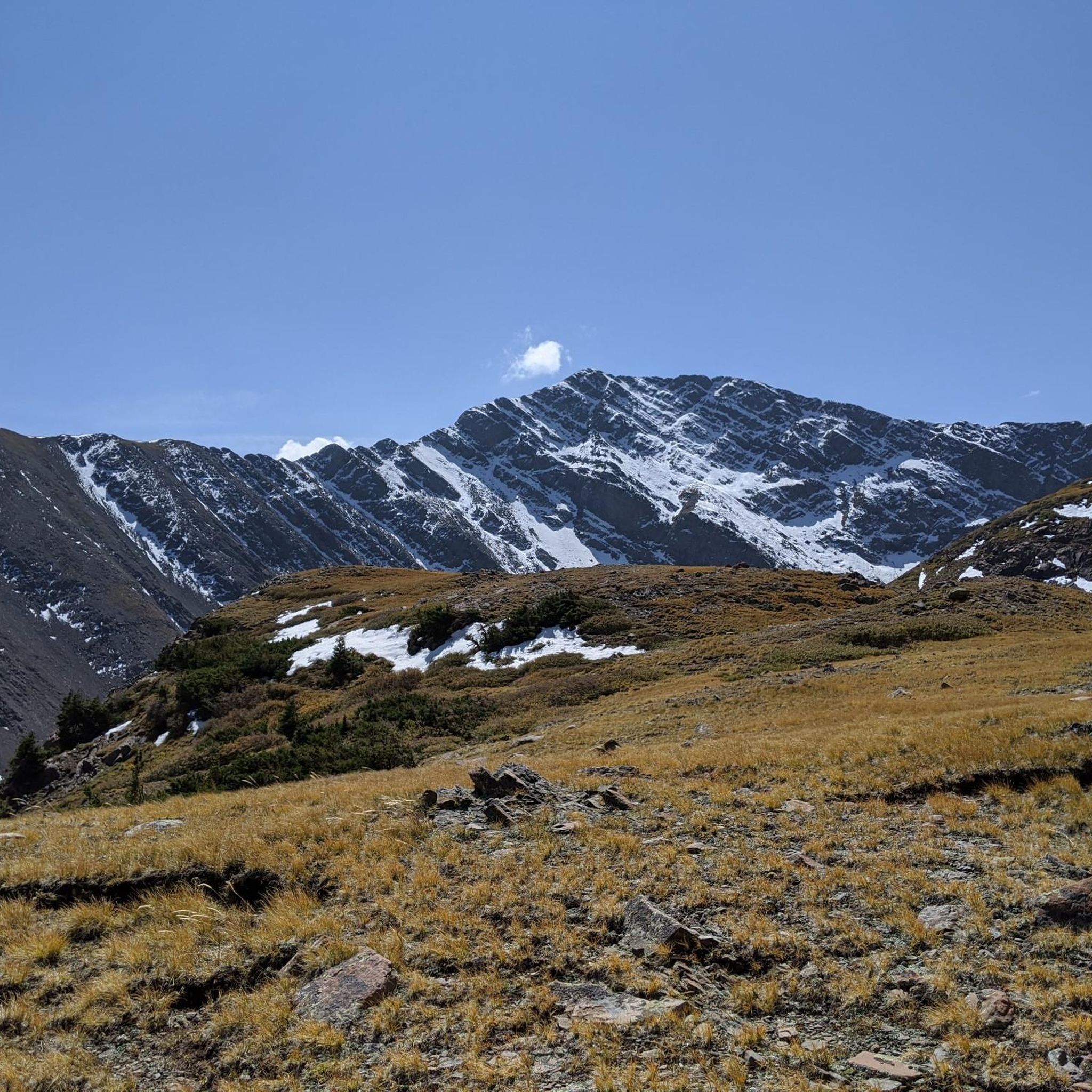
The fantastic views from Humboldt Peak (14056 ft) make this run totally worth it. From Humboldt Peak, there's a panoramic view of the North and South Colony Valleys, Crestone Needle, and Obstruction Peak. This summit is not as challenging as the neighbor Crestone Needle.
0
0
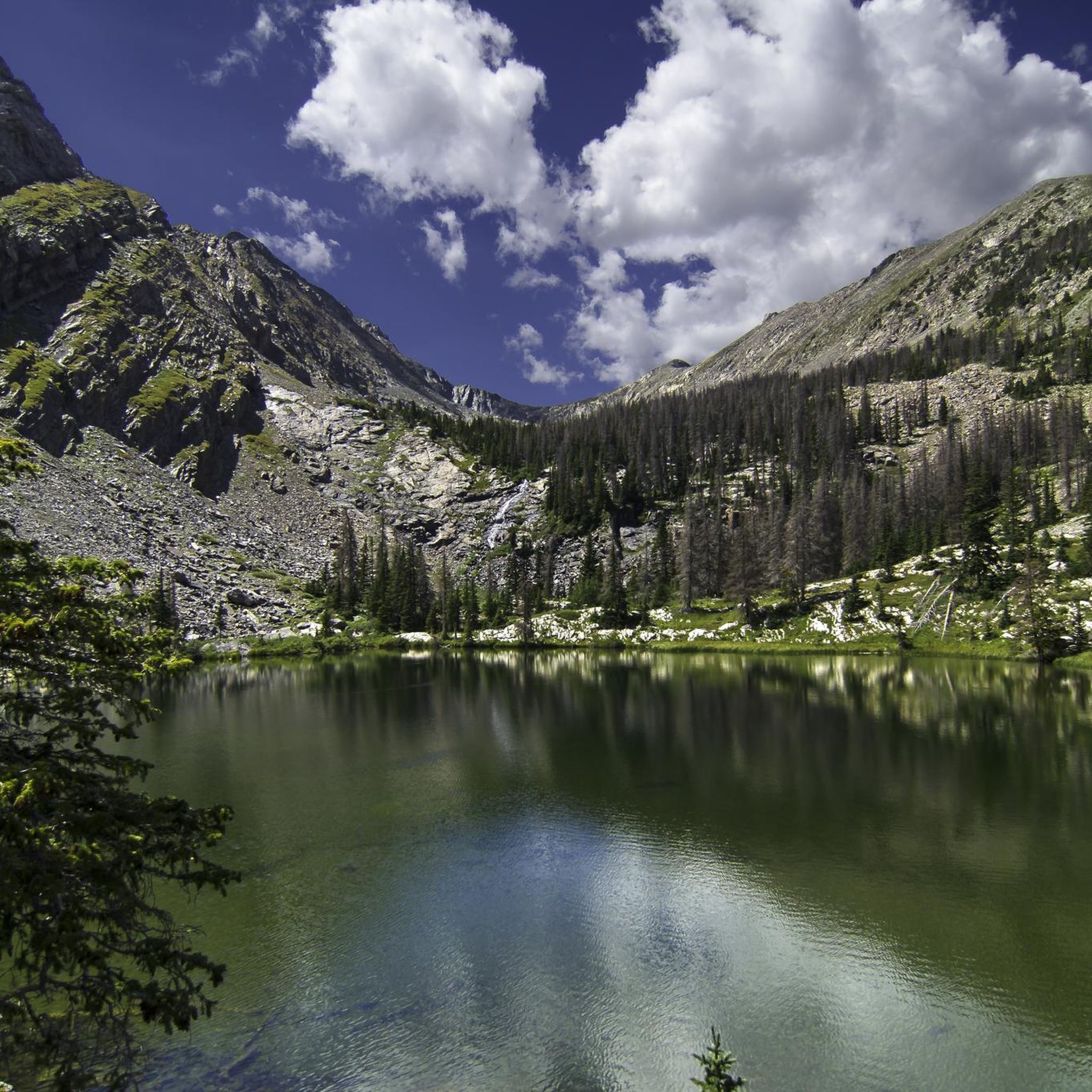
Comanche Lake is a beautiful alpine lake in San Isabel National Forest. The trail to the lake is short, but can be rocky and steep; hiking poles are recommended to get down from the lake. Coming from Venable trail, you need to cross Phantom Terrace, a small ledge that connects the Comanche trail to Venable trail, this part seems to be more sketchy than it really is, you just need to have caution. The trail is better experienced between May and October due to snow and muddy conditions.
0
0
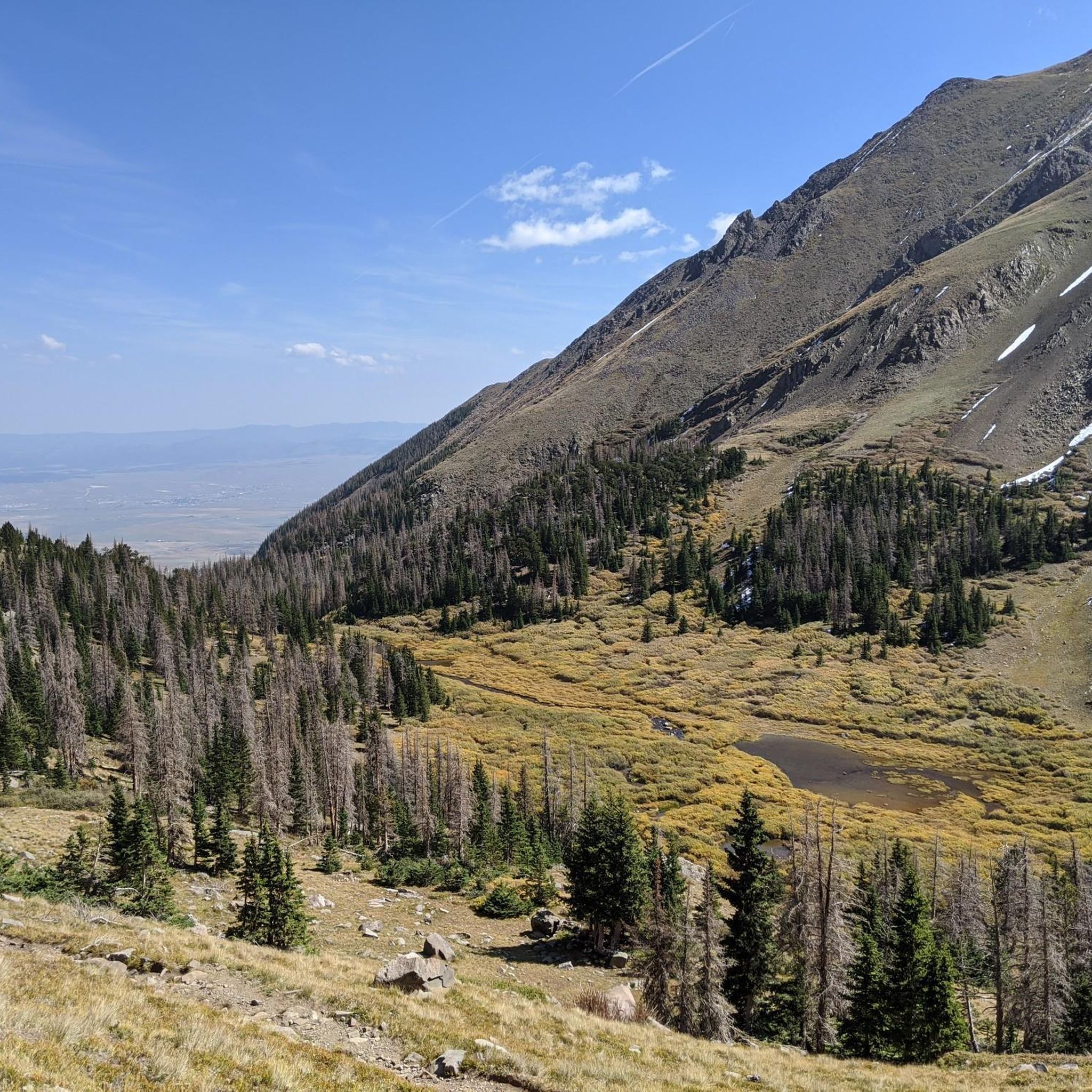
Venable Falls is a 30 ft waterfall tumbling down at least three tiers, the river flowing between ferns and pines. An amazing place to have some quiet time while enjoying the surroundings. While walking to Venable Trail, you can see how the valley was eroded due to intense power of water over time.
0
0
The fantastic views from Humboldt Peak (14056 ft) make this hike totally worth it. From Humboldt Peak, there's a panoramic view of the North and South Colony Valleys, Crestone Needle, and Obstruction Peak. This summit is not as challenging as the neighbor Crestone Needle.
0
0
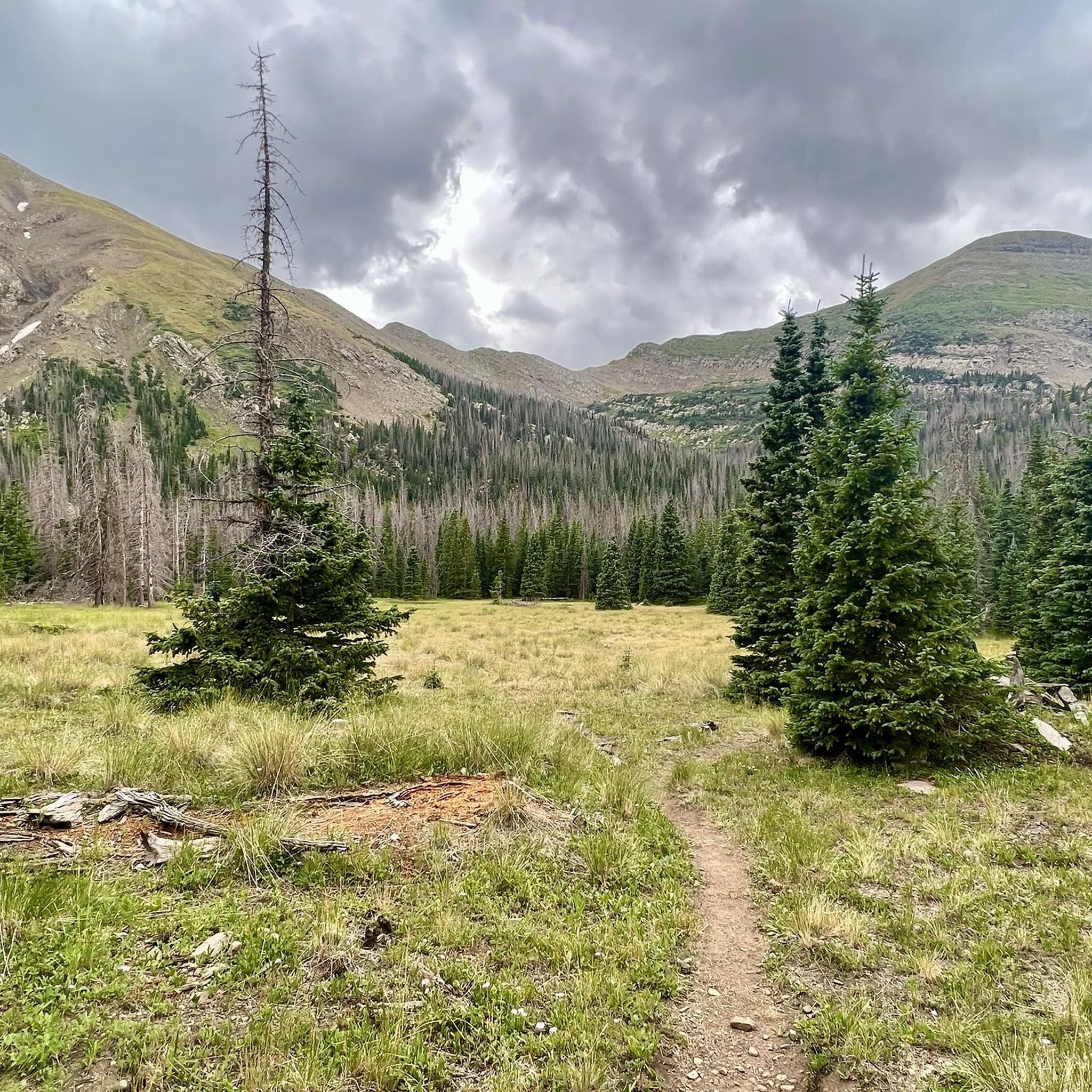
Ellingwood Point is a 14048ft summit, reached only by a challenging hike in mostly rocky terrain. The ridge to the Ellingwood Point is one of the most challenging parts of the traverse to Ellingwood and Blanca Peak. Part of the terrain is class 3 climbing, but there’s no need for special gear to do it. However, for your safety, it’s better to have some experience with alpine hiking and is also recommended to check if the weather is stable before you go.
0
0
Lake Como sits at 11745 ft, at the base of Little Bear Peak and Blanca Peak. It's a green water lake surrounded by forest, with scenic alpine views. The road leading to the trailhead, Mount Blanca Road, is risky to access by regular vehicle, it's recommended to go with a 4x4.
0
0
Frequently Asked Questions
What are some prominent natural features to explore in the Sangre De Cristo Wilderness?
The Sangre De Cristo Wilderness is renowned for its dramatic "fourteeners" (peaks over 14,000 feet), numerous high-altitude alpine lakes, and picturesque waterfalls. You can visit Venable Falls, a 30-foot waterfall, or explore serene spots like Willow Lake, known for its crystal-clear water and surrounding pine trees.
What challenging mountain peaks can I explore in the Sangre De Cristo Wilderness?
The wilderness offers several challenging peaks for experienced climbers. Notable fourteeners include Humboldt Peak (14,056 ft), which offers panoramic views of the North and South Colony Valleys, and Ellingwood Point (14,048 ft), which involves a challenging hike over rocky terrain and class 3 climbing sections.
Are there any notable alpine lakes to visit in the wilderness?
Yes, the wilderness is dotted with stunning alpine lakes. Willow Lake is a beautiful example, fed by the glacier in Obstruction Peak. Another option is Stout Lakes, a trio of interconnected lakes in San Isabel National Forest, accessible via a rocky and steep trail.
What is the historical significance of the Sangre De Cristo Wilderness?
The name "Sangre de Cristo," meaning "Blood of Christ," reflects the region's Spanish colonial influence, with legends attributing it to the reddish glow of the mountains at sunset. The broader Sangre de Cristo National Heritage Area, which includes the wilderness, has a rich history spanning 11,000 years, preserving Native American, Hispano, and Anglo influences. You can learn more about this heritage at sangreheritage.org.
Are there opportunities for wildlife viewing in the Sangre De Cristo Wilderness?
Yes, the Sangre De Cristo Wilderness is home to diverse wildlife. Visitors often have the chance to spot bighorn sheep, elk, mule deer, black bears, and mountain lions in their natural habitats.
What kind of outdoor activities can I do near the attractions in Sangre De Cristo Wilderness?
Beyond exploring the attractions, the region offers a variety of outdoor activities. You can find numerous trails for mountain biking, road cycling, and running. For example, there are challenging running routes like the Venable-Comanche Trail loop or the Rito Alto four pass loop. You can find more details on these activities and routes in the dedicated guides for MTB Trails, Road Cycling Routes, and Running Trails in the Sangre De Cristo Wilderness.
What is the best time of year to visit the Sangre De Cristo Wilderness?
The best time to visit largely depends on your planned activities. Summer (June to September) offers the most favorable conditions for hiking and climbing high peaks, with warmer temperatures and less snow. However, afternoon thunderstorms are common. Fall brings stunning foliage, while spring can still have significant snowpack at higher elevations. Winter is suitable for experienced winter sports enthusiasts.
What makes the terrain in the Sangre De Cristo Wilderness challenging?
The Sangre De Cristo Wilderness is characterized by its "ferocious topography," featuring dramatically uplifted mountains and steep, challenging terrain. Many trails involve significant altitude gain, rocky paths, and exposure, making them suitable for experienced hikers and climbers. For instance, the trail to Stout Lakes has a considerable altitude gain of 3600 ft.
What do visitors particularly enjoy about the Sangre De Cristo Wilderness?
Visitors frequently praise the stunning panoramic views from summits like Humboldt Peak, the serene beauty of alpine lakes such as Willow Lake, and the overall sense of natural solitude. The challenging yet rewarding trails, like those leading to Stout Lakes, are also highly appreciated for their lush forests and beautiful destinations.
Are there any permits required for hiking or camping in the Sangre De Cristo Wilderness?
Yes, permits are generally required for overnight backpacking in designated wilderness areas, and specific regulations may apply to certain trailheads or activities. It's always recommended to check with the local Forest Service office (e.g., San Isabel National Forest) or the Bureau of Land Management for the most current information on permits, fees, and regulations before your visit.
Are there dog-friendly trails in the Sangre De Cristo Wilderness?
Many trails within the Sangre De Cristo Wilderness are dog-friendly, but it's crucial to keep dogs on a leash to protect wildlife and ensure a pleasant experience for all visitors. Always practice Leave No Trace principles, including packing out all pet waste. Specific regulations can vary, so checking with the managing agency before your trip is advisable.
Most popular routes in Sangre De Cristo Wilderness
Most popular attractions in Sangre De Cristo Wilderness

Get inspired with the komoot mobile app


Explore more
Still not found the Highlight you’re looking for? See guides of the top attractions in other regions:
