The best running trails in Buffalo Peaks Wilderness
5.0
(2)
72
runners
20
runs
Jogging in Buffalo Peaks Wilderness offers routes through a diverse landscape characterized by ancient volcanic summits, high-elevation beaver ponds, and expansive alpine meadows. The region features serene forests of Engelmann spruce, Douglas fir, lodgepole and limber pine, and aspens, with some south-facing slopes hosting bristlecone pines. This varied terrain provides a range of running experiences, from gradual paths through meadows to challenging climbs. The wilderness is known for its potential for solitude, allowing runners to experience nature peacefully.
Best jogging…
Last updated: July 7, 2026
5.0
(1)
3
runners
18.8km
03:01
590m
580m
If you are looking for a challenging jogging experience, the Rich Creek and Tumble Creek Loop Trail delivers a difficult 11.7 miles (18.8 km) with a significant 1924 feet (586…
19.0km
02:34
590m
590m
If you are looking for a challenging jogging experience, the Weston Pass from Fairplay route offers a difficult 11.8 miles (19.0 km) journey through high alpine scenery and dense forests.…

Sign up for free
9.98km
01:44
430m
430m
Prepare for a challenging jogging experience on the Tumble Creek Trail, a difficult 6.2 miles (10.0 km) route that demands a strenuous workout. You will ascend 1421 feet (433 metres)…
3
runners
13.7km
01:53
480m
480m
Prepare for a challenging jogging experience on the Pine Creek Trail, a difficult route spanning 8.5 miles (13.7 km) within the scenic Lower Pine Creek drainage. You will ascend 1565…
17.8km
04:39
950m
950m
Embark on the East & West Buffalo Peaks loop, a challenging jogging route that spans 11.0 miles (17.8 km) and demands a significant 3119 feet (951 metres) of elevation gain.…
Get access to more routes and recommendations from other explorers.
Sign up for free
Already have an account?
Our route recommendations are based on thousands of hikes, rides, and runs completed by other people on komoot.
Start today with a free account
Your next adventure awaits.
Login or Signup
Popular around Buffalo Peaks Wilderness
Tips from the Community

One thing that sets the Buffalo Peaks Wilderness apart from other wilderness areas is how high some of its riparian environments climb. At elevations of 10,000 feet and above, there is a multitude of streams, beaver ponds, and herds of animals. This spot on Tumble Creek Trail is known for constantly having ponds and seasonal pools. This is also a good place to refill your water if you are running with a filter bottle.
0
0
At 11,938 feet, Weston Pass is the high point on the mountain road connecting the towns of Fairplay and Leadville. The road really isn't too rough until the final mile or so on both sides. There is plenty of parking along the road and from different trailheads to make a run up to the pass as far as you want it to be. Don't forget to visit the alpine pond below Weston Peak just a short distance off the main road.
0
0
The Buffalo Peaks Wilderness encompasses over 40,000 acres and has a different "feel" from the other wilderness areas around the Sawatch and Mosquito mountain ranges. This wilderness area is much less visited than others (probably due to accessibility and proximity to larger cities), which means it offers more solitude than a lot of other outdoor spaces. Wilderness areas have different rules than other outdoor spaces (such as state parks and national forests) so it's best to be prepared for backcountry travel, and make sure to always follow LNT principles in these more fragile environments. If you want to experience the alpine wilderness without too many crowds, the Buffalo Peaks could be what you're looking for.
0
0
Rich Creek Trail is the epitome of the Buffalo Peaks Wilderness. Much of the trail travels through a high alpine meadow and holds water much of the year (welcoming late season wildflowers and wildlife). It's likely you will encounter others out using this trail, and it is in an easily affected area so please keep on established trails or spread out as a group when having to travel off trail. It is a climb up to the meadow, but the running is relatively flat and gradual in the meadows.
0
0
One thing that sets the Buffalo Peaks Wilderness apart from other wilderness areas is how high some of its riparian environments climb. At elevations of 10,000 feet and above, there is a multitude of streams, beaver ponds, and herds of animals. This spot on Tumble Creek Trail is known for constantly having ponds and seasonal pools. This is also a good place to refill your water if you are running with a filter bottle.
0
0
Of the two Buffalo Peaks, East Buffalo is the shortest at 13,300 feet. That being said, it also has the tougher slopes. Both peaks require some alpine route finding and class 2 scrambling, but the ascent/descent for East Buffalo is a little rockier. This is why a proposed loop for both peaks goes up East Buffalo and down West Buffalo.
0
0
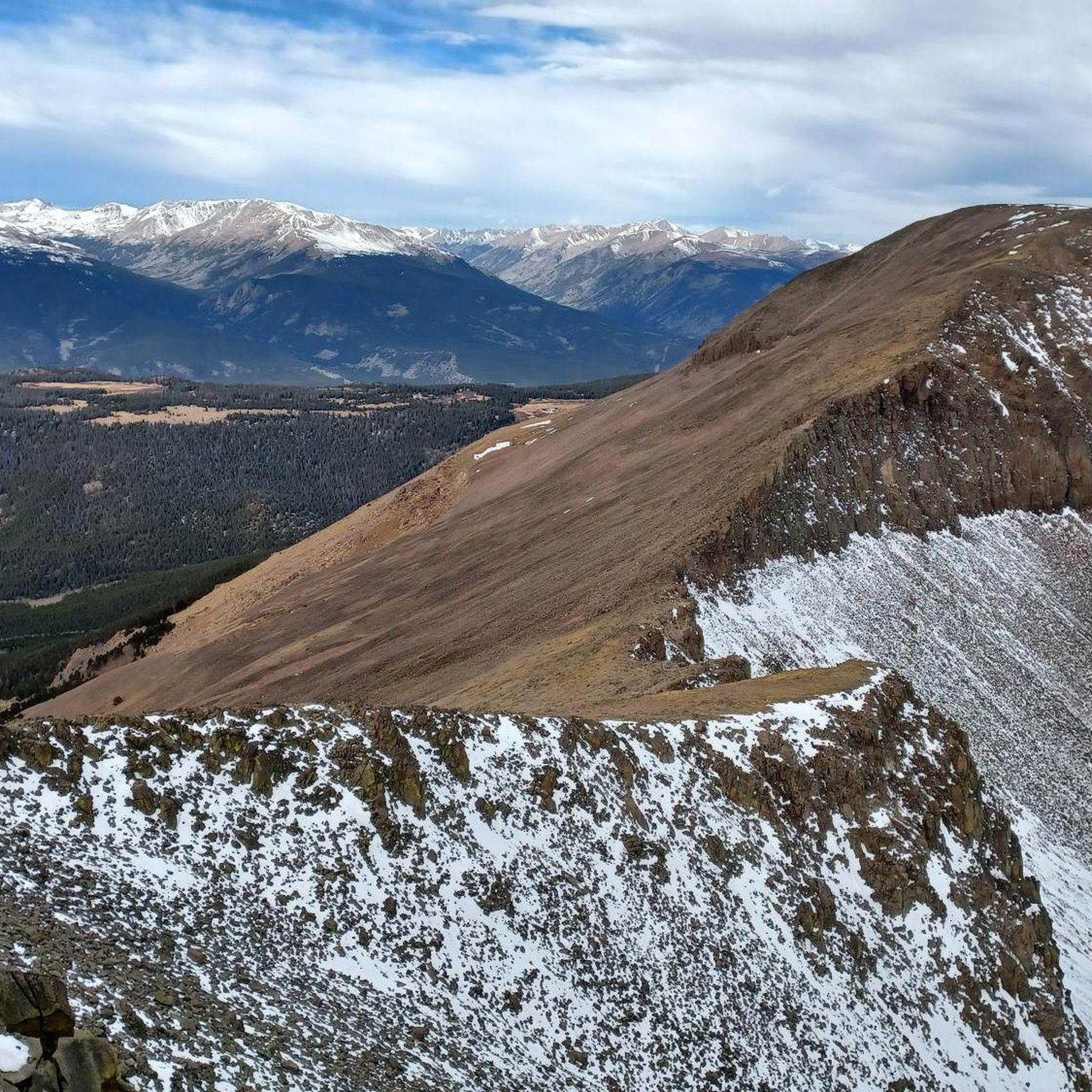
At 13,326 feet, West Buffalo is just barely the highest of the two peaks. The ridge walk between the two summits is never more intricate than class 2 moves but does require some route finding and boulder hopping. Not a lot of running happens on the peaks or the ridge, but the lower trails offer awesome singletrack. The views from the top of West Buffalo Peak gives you the eagle's eye over all the land nearby. Across the valley you will be able to see a number of 14ers in the Collegiate Peaks Wilderness, and to the east you can see Pikes Peak (on a clear day).
0
1
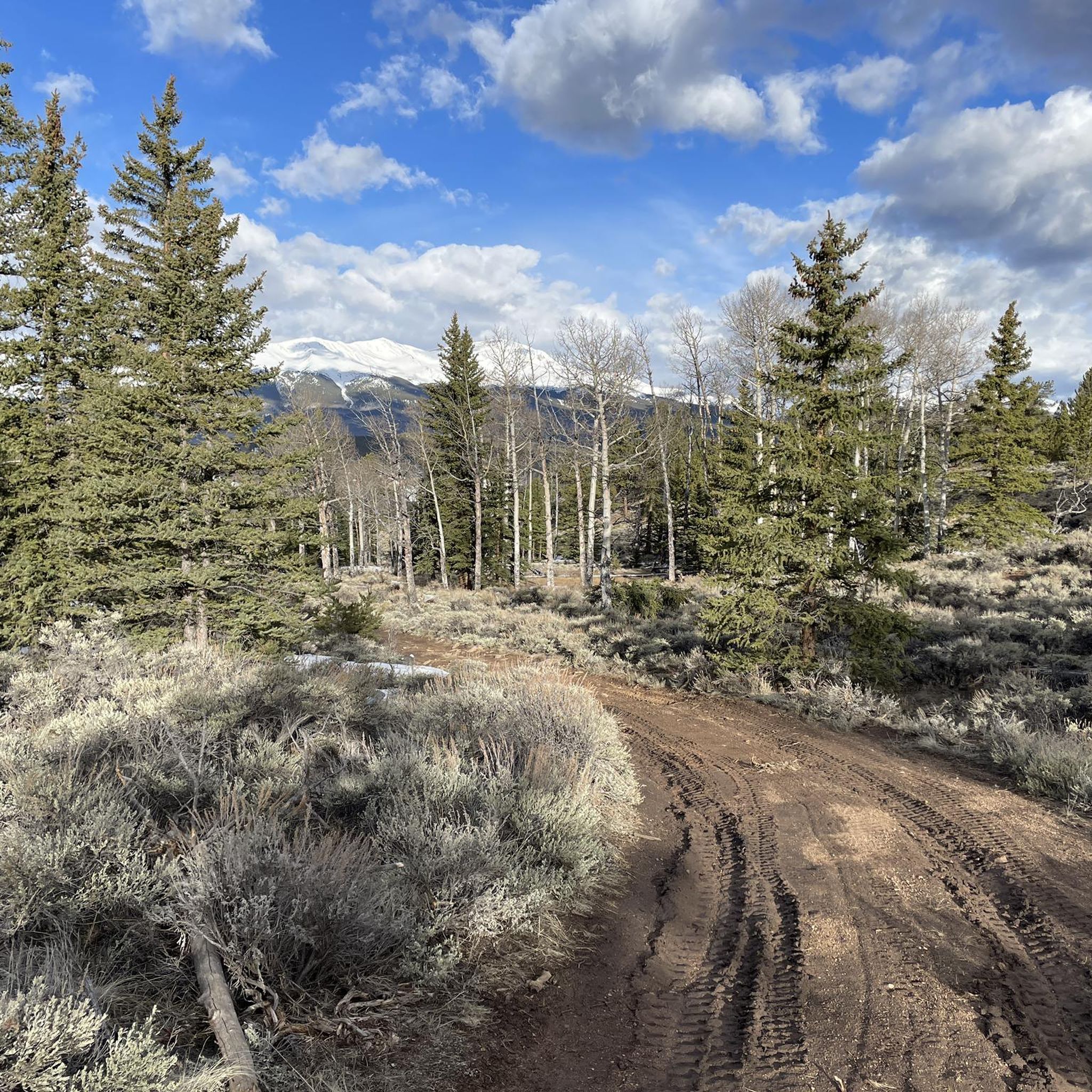
Tumble Creek Trail is a wilderness trail just outside of Buena Vista, Colorado, that spends the majority of its time in the trees as it winds between 12,000 and 13,000 foot peaks. At this spot (a little over 11,000 feet elevation), the trail breaks into an open meadow with views of the Buffalo Peaks and the Collegiate Peaks Wilderness areas. The running is spectacular through the meadows, and you can easily tie into other wilderness trails using this trail.
0
0
Frequently Asked Questions
How many running routes are available in Buffalo Peaks Wilderness?
Buffalo Peaks Wilderness offers a selection of over 20 running routes. These trails cater to various fitness levels, though most are rated as difficult, providing a challenging and rewarding experience.
What kind of terrain can I expect on the jogging trails in Buffalo Peaks Wilderness?
You'll encounter diverse terrain, from expansive alpine meadows like Buffalo Meadows to serene forests of Engelmann spruce, Douglas fir, and aspens. Some routes feature significant elevation changes, while others offer more gradual paths through high-elevation riparian environments with beaver ponds. The wilderness is named for its prominent twin volcanic summits, the East and West Buffalo Peaks, which contribute to the rugged landscape.
What do other runners say about the jogging experience in Buffalo Peaks Wilderness?
The routes in Buffalo Peaks Wilderness are highly rated by the komoot community, with an average score of 5.0 stars from over 2 reviews. More than 90 runners have used komoot to explore the varied terrain, often praising the potential for solitude and the stunning natural features.
Are there running routes suitable for beginners in Buffalo Peaks Wilderness?
While most routes in Buffalo Peaks Wilderness are rated as difficult, there are a few moderate options available. For example, the Rich Creek and Tumble Creek Loop Trail has sections through high alpine meadows that offer relatively flat and gradual running once past the initial climb, making it a good option for those looking for a less intense experience within a longer route.
What are some challenging long-distance running options in the wilderness?
For a challenging long-distance run, consider the Weston Pass from Fairplay, an 11.8-mile (19.0 km) path offering high alpine views and historical sites. Another excellent option is the East & West Buffalo Peaks loop, which is 17.7 miles (28.5 km) and features significant elevation gain, providing a strenuous workout with incredible scenery.
Are there any loop running routes in Buffalo Peaks Wilderness?
Yes, there are loop options available. A popular choice is the Rich Creek and Tumble Creek Loop Trail, an 11.7-mile (18.8 km) route that offers diverse scenery, including a high alpine meadow. Another challenging loop is the East & West Buffalo Peaks loop.
What natural features or landmarks can I see while jogging?
While jogging, you can experience the prominent twin volcanic summits of West Buffalo Peak and East Buffalo Peak. You'll also encounter high-elevation beaver ponds, sprawling alpine meadows like Rich Creek meadow, and dense forests. The Salt Creek Trail is another picturesque feature within the wilderness.
Can I spot wildlife on the trails?
Yes, Buffalo Peaks Wilderness is home to diverse wildlife. You might spot one of Colorado's largest herds of bighorn sheep, as well as elk, mule deer, black bears, and mountain lions. Keep an eye out, especially in the early morning or late evening.
When is the best time of year to go jogging in Buffalo Peaks Wilderness?
Buffalo Peaks Wilderness often experiences less snow and dries out earlier in the season compared to some other high-elevation areas in Colorado, making it a favorable option for early summer trail running. The alpine meadows are also vibrant with wildflowers during the warmer months.
Are the trails dog-friendly?
As a wilderness area, Buffalo Peaks generally allows dogs, but they must be kept on a leash to protect wildlife and ensure a peaceful experience for all visitors. Always practice Leave No Trace principles, including packing out all pet waste.
Are there family-friendly jogging routes?
While many routes are difficult, some sections, particularly through alpine meadows, offer more gradual and easier running. For families, look for shorter, less strenuous portions of trails or consider routes with minimal elevation gain. Always check the specific route details for distance and elevation before heading out with children.
Is parking available at the trailheads?
Generally, trailheads in wilderness areas like Buffalo Peaks have designated parking areas. However, specific parking availability can vary by trailhead. It's advisable to research the starting point of your chosen route beforehand to confirm parking options.
Do I need a permit to jog in Buffalo Peaks Wilderness?
Buffalo Peaks Wilderness is managed by the U.S. Forest Service. While a specific permit for day jogging is typically not required, it's always a good idea to check the latest regulations from the Pike and San Isabel National Forests before your visit, especially for group sizes or overnight stays.
Most popular routes in Buffalo Peaks Wilderness
Most popular attractions in Buffalo Peaks Wilderness

Get inspired with the komoot mobile app


Explore more
Browse the best Running Trails & Routes in other regions.
