Attractions and Places To See in Four Peaks Wilderness - Top 6
Best attractions and places to see in Four Peaks Wilderness include its iconic Four Peaks Massif, a prominent feature of the Tonto National Forest. This wilderness area is characterized by significant elevation changes, ranging from approximately 1,900 feet to 7,657 feet at Brown's Peak, the highest point. It offers diverse ecosystems, from Sonoran Desert flora at lower elevations to Ponderosa pine forests at higher altitudes. The region provides a variety of natural landscapes and viewpoints for outdoor exploration.
Best attractions…
Last updated: October 2, 2026
Shake Spring
Highlight • Natural
Tip by

View of the Four Peaks
Highlight • Viewpoint
Tip by
Sign up now to discover places like this
Get recommendations on the best single tracks, peaks, & plenty of other exciting outdoor places.
Huge flat campsite
Highlight • Rest Area
Tip by
View from Browns Peak
Highlight • Summit
Tip by

Start today with a free account
Your next adventure awaits.
Popular around Four Peaks Wilderness
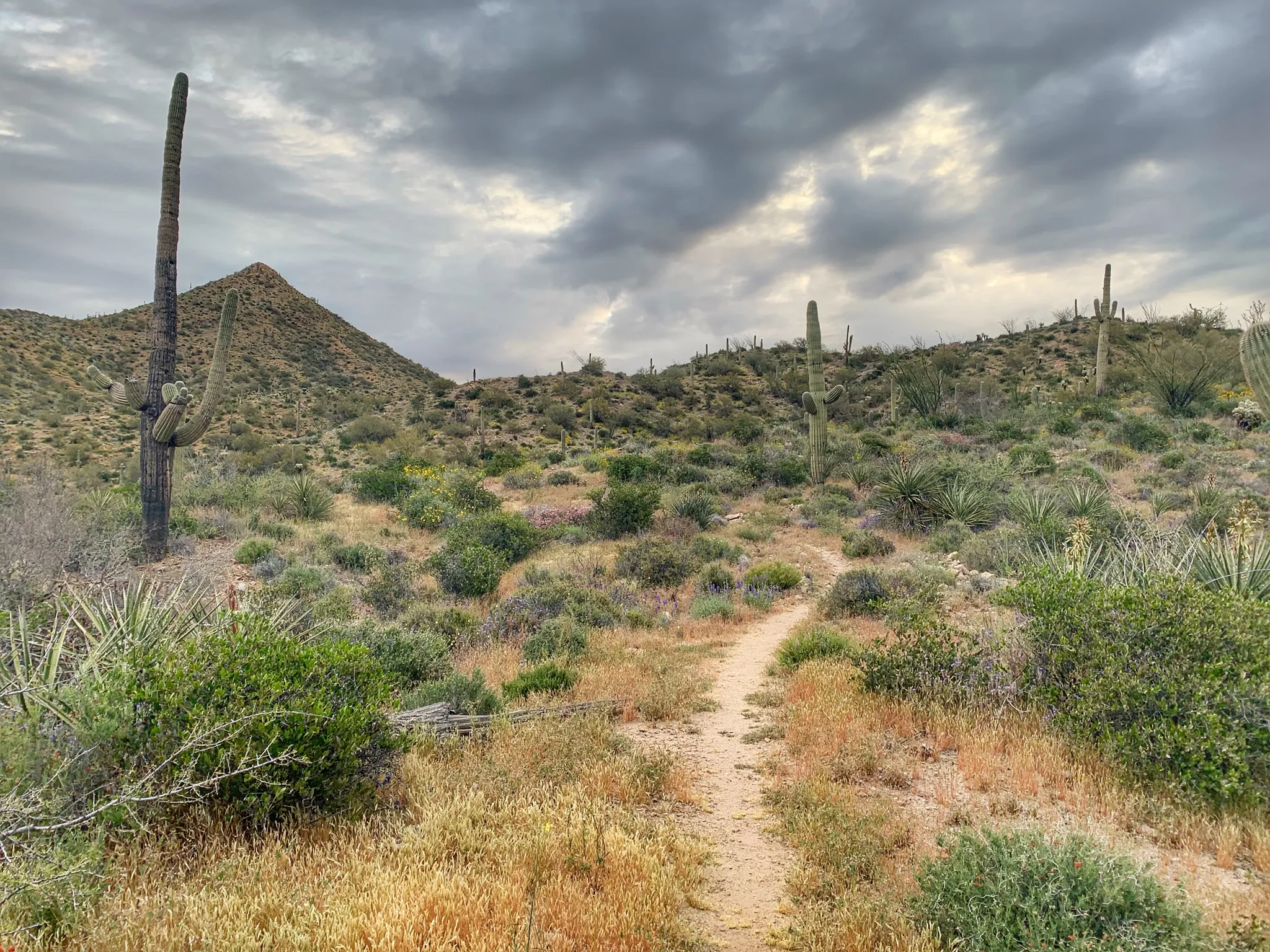
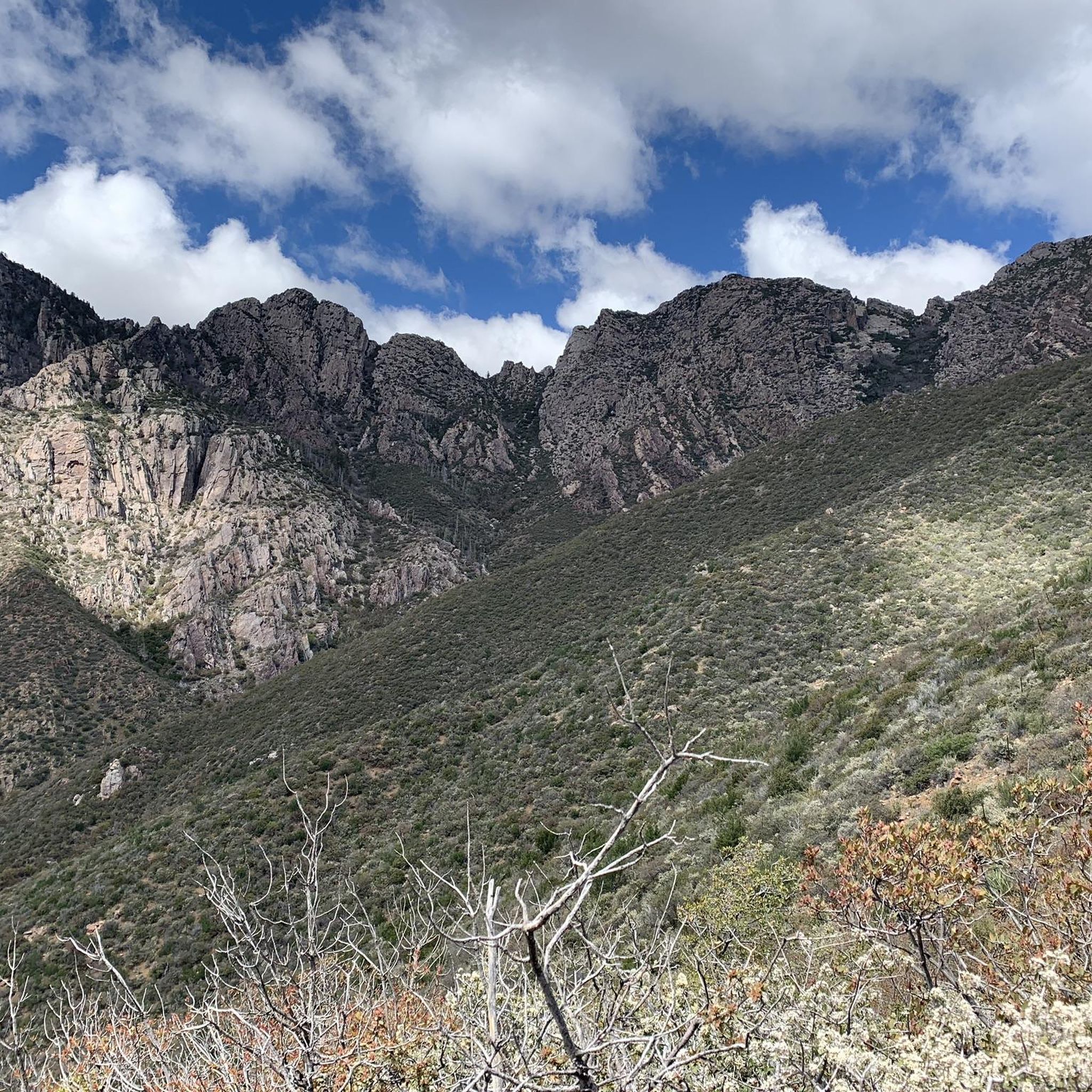
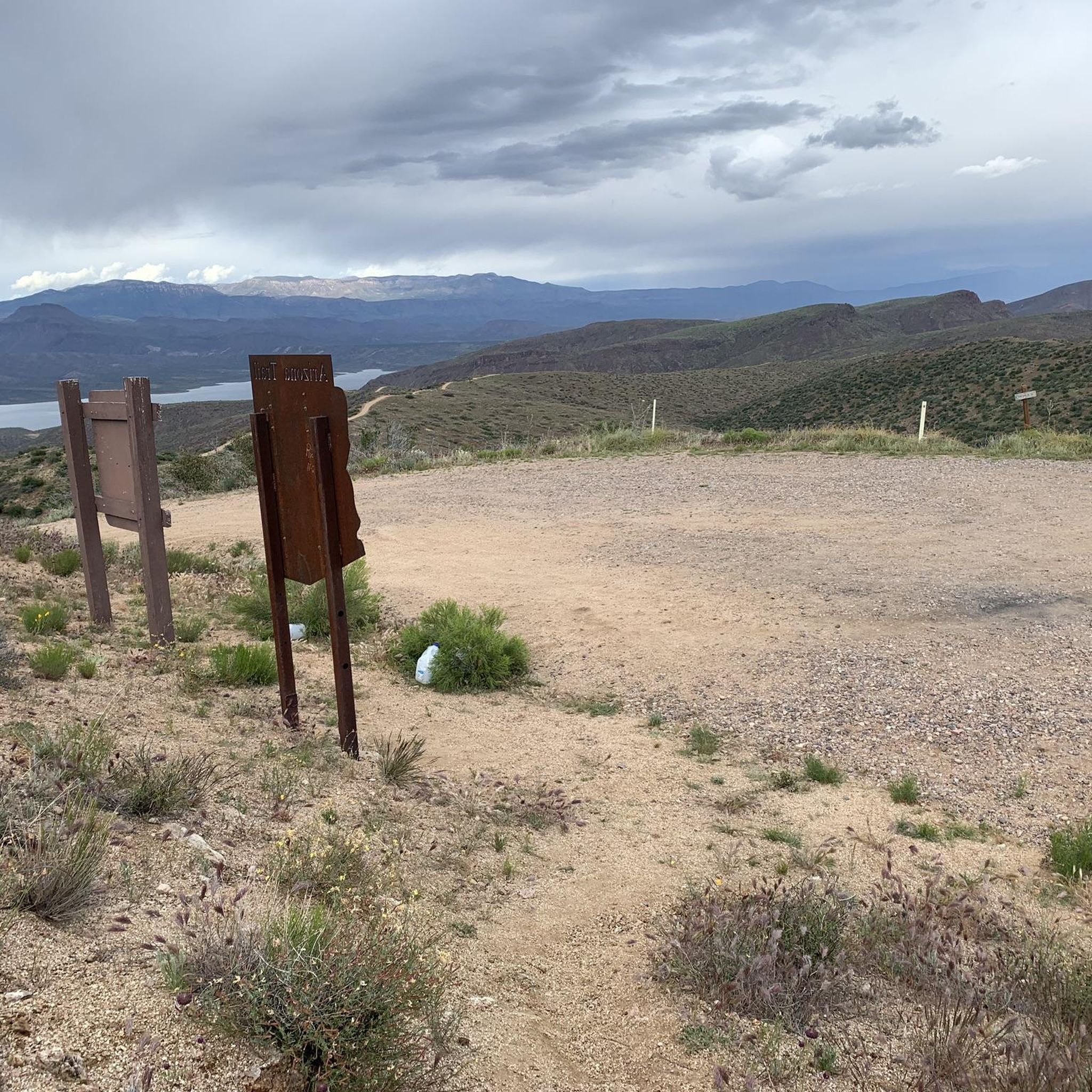
Other adventures in Four Peaks Wilderness

Tips from the Community

The top of Browns Peak reaches up to 7,657 feet and is the tallest of the Four Peaks. It is also the northernmost peak in the Four Peaks grouping and the only summit with an actual trail that goes to the top. The hiking near the summit can be rocky and tough, but a lot of the approach trails are well-kept and great mountain trails.
0
0

From this point on the trail you have the best view of the four peaks that give the Four Peaks Wilderness its name. There are a few, but not too many places to rest as the trail is pretty narrow.
1
0
The top of Browns Peak reaches up to 7,657 feet and is the tallest of the Four Peaks. It is also the northernmost peak in the Four Peaks grouping and the only summit with an actual trail that goes to the top. The running near the summit can be rocky and tough, but a lot of the approach trails are well-kept and great mountain running trails.
0
0
There are a couple spots along this section of the Arizona Trail from which you can see the Four Peaks, which is what the Wilderness Area is named after. There are a lot of backcountry campsites on this section of the Arizona Trail, but it's also a pretty remote section so you likely won't see that many people.
0
1
From this point on the Arizona Trail, you have the best view of the four peaks that give the Four Peaks Wilderness its name.
5
2
Idyllic campsite for one to two tents right next to the reliable Shake Spring. A nice place even just for a break.
4
1
This place is excellent for at least 10 to 15 tents. However, the nearby water source is usually dry.
4
1
Frequently Asked Questions
What are the most iconic natural landmarks in Four Peaks Wilderness?
The most iconic feature is the Four Peaks Massif itself, visible from miles away. Brown's Peak, at 7,657 feet, is the tallest of the four and offers breathtaking panoramic views. You can experience these views from View of the Four Peaks and View from Browns Peak. Other notable geological features include Buckhorn Ridge with its ancient rock formations and the layered ash flows of the Painted Cliffs.
What types of ecosystems and vegetation can I find in Four Peaks Wilderness?
Due to significant elevation changes, the wilderness boasts diverse ecosystems. Lower elevations feature Sonoran Desert flora like saguaro cacti, ocotillo, and palo verde. As you ascend, you'll find manzanita, Gambel oak, and pinyon pine, transitioning to Ponderosa pine, Douglas fir, and even aspen stands at higher altitudes, particularly on the north side of Brown's Peak.
Are there challenging hiking trails in Four Peaks Wilderness?
Yes, the wilderness offers several challenging trails. The Brown's Peak Trail (Trail #133) leads to the summit of Brown's Peak and is considered a rewarding but difficult climb, involving a scree chute near the top. A section of the 800-mile Arizona Trail also passes through, noted as one of the more difficult passages due to infrequent maintenance. For more options, explore the Hiking in Four Peaks Wilderness guide.
What kind of wildlife might I encounter in Four Peaks Wilderness?
The Four Peaks Wilderness is home to a dense black bear population. Other common residents include ring-tailed cats, skunks, coyotes, deer, javelinas, and mountain lions. Visitors should also be aware of rattlesnakes, scorpions, and black widow spiders, especially in warmer months.
What is the best time of year to visit Four Peaks Wilderness?
The best time to visit depends on your activity. Higher elevations are significantly cooler than the desert below, with snow accumulating in winter. The desert monsoon season (July and August) brings lightning storms and flash floods. Spring and fall generally offer more moderate temperatures for hiking and exploring, though water sources can be seasonal.
Are there any unique geological or mineral attractions in the area?
Yes, the Four Peaks area is known for an amethyst mine that produces top-grade amethyst, attracting geology enthusiasts. Additionally, Buckhorn Ridge features exposed Precambrian quartzite and shale, while Cottonwood and Boulder Canyons offer clear views of Precambrian granite and schists.
Can I go camping in Four Peaks Wilderness?
Dispersed camping is allowed throughout the wilderness, offering opportunities for solitude and immersion in nature. You can find spots like Shake Spring, which is noted as an idyllic campsite, or a Huge flat campsite suitable for multiple tents, though nearby water sources can be seasonal.
What are some popular outdoor activities besides hiking in Four Peaks Wilderness?
Beyond hiking, the area is popular for off-roading, particularly along Forest Road 143 (Four Peaks Road or El Oso Road), a 28-mile scenic dirt road. You can also find opportunities for trail running; check out the Running Trails in Four Peaks Wilderness guide for routes like the challenging Brown's Peak Trail.
Are there any cultural or historical sites near Four Peaks Wilderness?
While the wilderness itself is primarily natural, the wider Tonto National Forest area is rich in history. Nearby, though outside the direct wilderness boundaries, Tonto National Monument preserves two Salado cliff dwellings dating back to A.D. 1250-1450, offering a glimpse into ancient inhabitants.
What should I know about accessing Four Peaks Wilderness by vehicle?
Many access roads and some trails require a high-clearance vehicle. Forest Road 143, also known as Four Peaks Road, is a popular scenic dirt road for off-roading. Be prepared for unpaved and potentially rough conditions, especially after rain.
What do visitors enjoy most about the Four Peaks Wilderness?
Visitors frequently highlight the stunning panoramic views, especially from viewpoints like View of the Four Peaks and View from Browns Peak. The diverse ecosystems and the sense of solitude offered by the extensive trail system and dispersed camping opportunities are also highly appreciated.
Most popular routes in Four Peaks Wilderness

Get inspired with the komoot mobile app


Explore more
Still not found the Highlight you’re looking for? See guides of the top attractions in other regions:
