The best running trails in Lone Peak Wilderness
4.5
(4)
1,351
runners
126
runs
Jogging in Lone Peak Wilderness offers a diverse range of running experiences across its rugged mountain terrain, deep canyons, and alpine lakes. The region is characterized by significant elevation changes and varied surfaces, from forested paths to more exposed high-elevation trails. With over 100 running routes, the area provides options for various skill levels, including moderate paths and challenging ascents. This makes Lone Peak Wilderness jogging route difficulty and distance suitable for a wide range of runners.
Best jogging routes…
Last updated: July 7, 2026
14
runners
8.41km
01:28
420m
420m
Hard run. Very good fitness required. Sure-footedness, sturdy shoes and alpine experience required.
8
runners
29.9km
04:01
850m
850m
Hard run. Very good fitness required. Sure-footedness, sturdy shoes and alpine experience required.

Sign up for free
58
runners
12.4km
02:08
630m
630m
Hard run. Very good fitness required. Sure-footedness, sturdy shoes and alpine experience required.
42
runners
8.52km
01:28
450m
450m
Hard run. Very good fitness required. Sure-footedness, sturdy shoes and alpine experience required.
26
runners
16.6km
02:51
820m
820m
Hard run. Very good fitness required. Sure-footedness, sturdy shoes and alpine experience required.
Get access to more routes and recommendations from other explorers.
Sign up for free
Already have an account?
Our route recommendations are based on thousands of hikes, rides, and runs completed by other people on komoot.
Start today with a free account
Your next adventure awaits.
Login or Signup
Popular around Lone Peak Wilderness
Tips from the Community

Few hikes from this Trailhead. The most popular one is the Lower Bells canyon
0
0

This suspension bridge spans about 185 feet across a draw in the Bonneville Shoreline Trail. Dogs are allowed on leash, and you might see bikers on the trail as well.
1
0
Not quite a literal tunnel, but it'll feel that way as you squeeze through the fairly low gap between huge boulders.
0
0
As far as alpine trail runs go, the trail to White Pine Lake isn't too bad. Most of the run is on wide track with relatively gradual elevation gain and some shade.
0
0
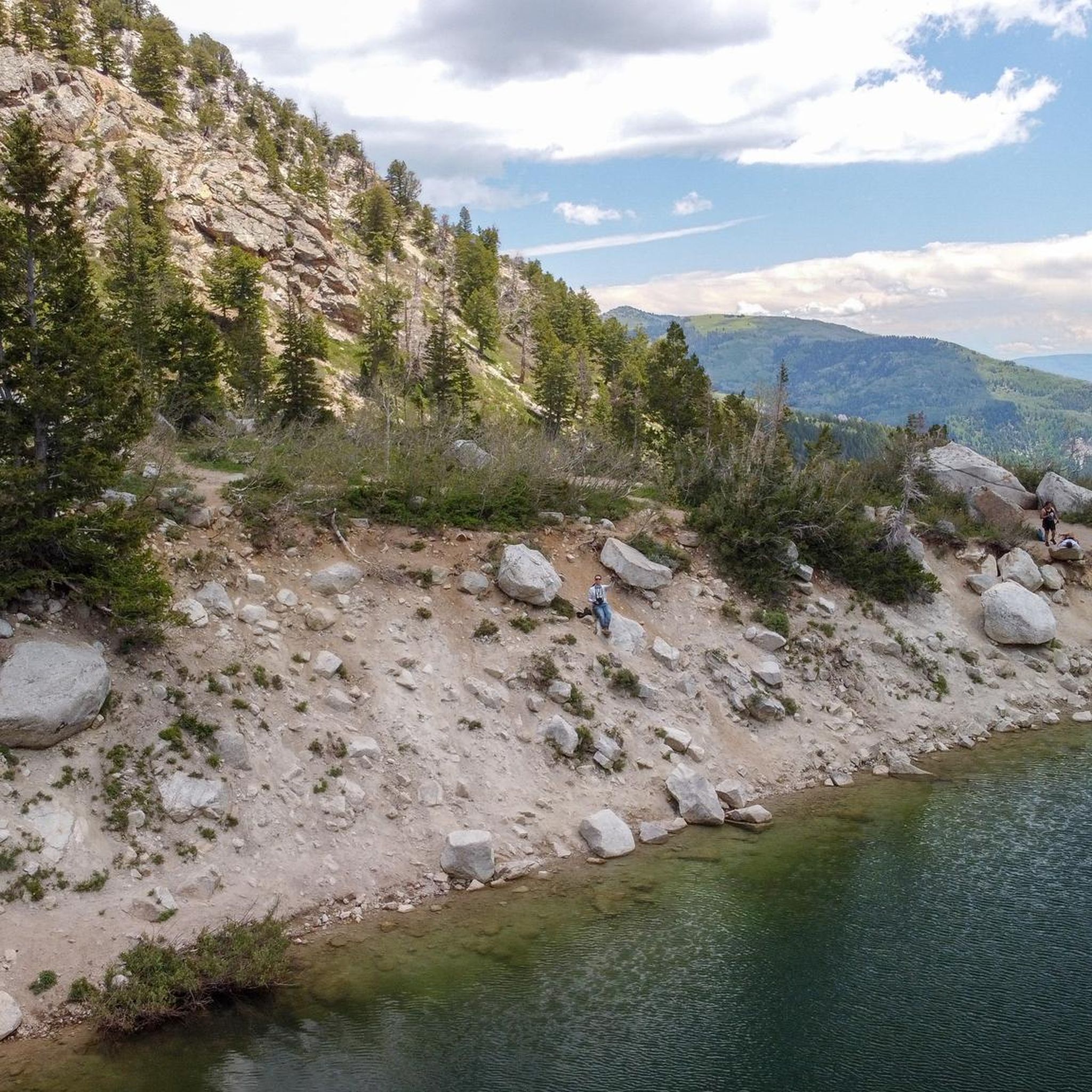
This pretty reservoir is, understandably, a very popular destination for families — and the views out over Salt Lake City aren't bad, either. You'll have a better chance at an uninterrupted run if you come early in the morning or during the week, and there are enough rocks in places along the trail to make it technical and interesting.
1
0
This is the most impressive waterfall along the Dry Creek, but it can get pretty crowded. Coming early or during the week will help you avoid having to weave in and out of too many hikers.
1
0

Lower Bells Canyon Reservoir in Utah offers cyclists a glimpse of diverse flora and fauna amidst breathtaking vistas. Cyclists may encounter native plants such as sagebrush and scrub oak, while wildlife sightings may include mule deer, mountain goats, and various bird species. The reservoir's tranquil waters reflect the surrounding rugged peaks, creating a picturesque backdrop for a memorable cycling adventure.
0
0

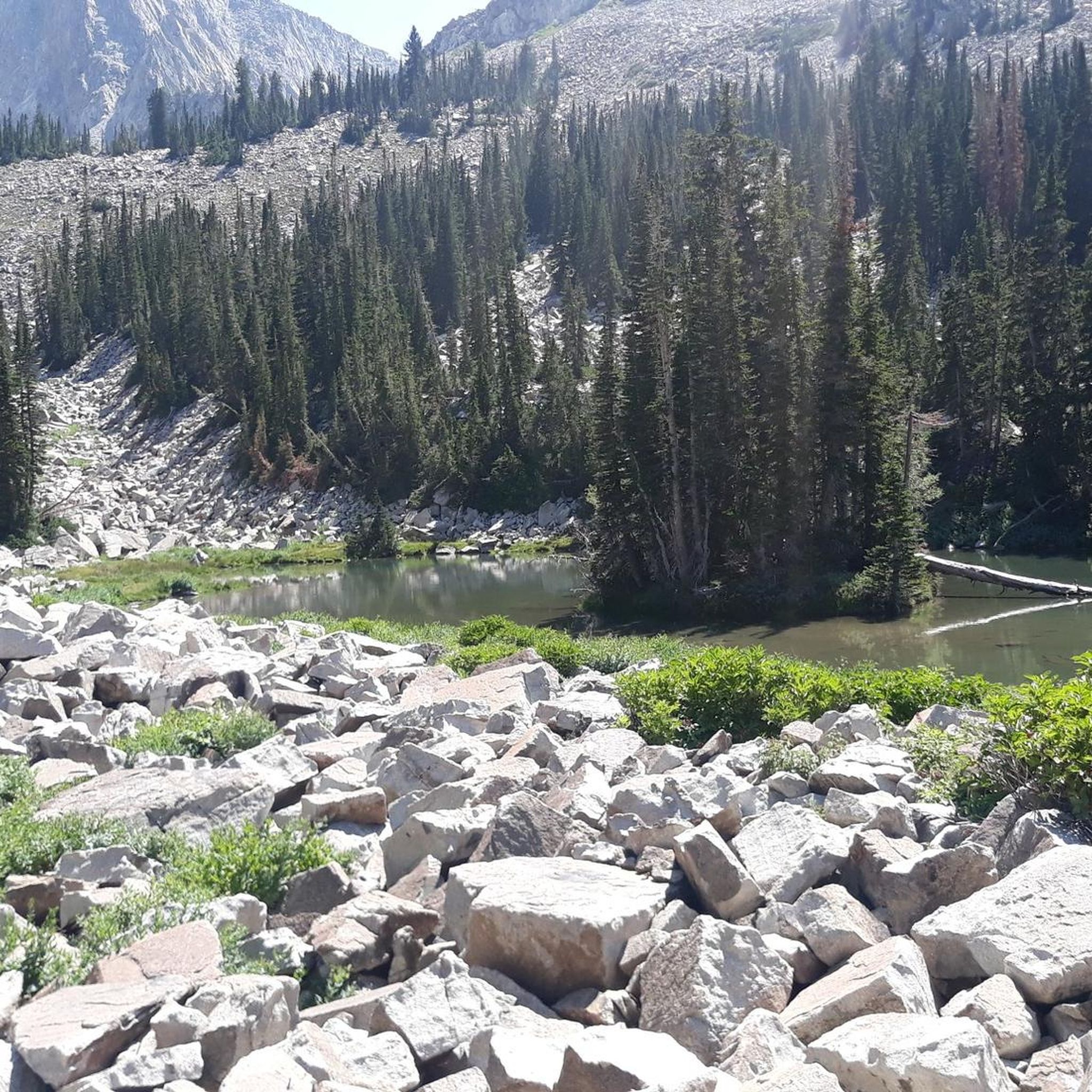
Red Pine Trail in the Lone Peak Wilderness is the epitome of wild, rugged nature. Enjoy lush forests, mountain views, and colorful fall foliage in the fall months.
0
0
Frequently Asked Questions
What is the range of difficulty and distance for running routes in Lone Peak Wilderness?
Lone Peak Wilderness offers a wide range of running experiences. You'll find routes from moderate paths, like the Dimple Dell East Trail – Sunrise Point loop, to challenging ascents such as the Silver Lake Trail. Distances vary significantly, with options ranging from shorter loops to longer, more demanding runs like the Iron bridge – Bear Canyon suspension bridge loop, which is nearly 19 miles.
How many running routes are available in Lone Peak Wilderness?
There are over 100 running routes available in Lone Peak Wilderness, providing a diverse selection for various skill levels and preferences. Approximately 51 of these are moderate, and 48 are difficult, with a few easier options as well.
Are there family-friendly running routes in Lone Peak Wilderness?
While many routes in Lone Peak Wilderness feature significant elevation changes and rugged terrain, there are some more accessible options. The Dimple Dell East Trail – Sunrise Point loop is a moderate route with less elevation gain, making it suitable for families looking for a steady pace without extreme challenges.
Can I bring my dog on the running trails in Lone Peak Wilderness?
Lone Peak Wilderness is generally dog-friendly, but regulations can vary by specific trail or season. It's always best to check local signage or the U.S. Forest Service guidelines for the specific trail you plan to run to ensure dogs are permitted and if they need to be on a leash.
When is the best time of year to go running in Lone Peak Wilderness?
The best time for running in Lone Peak Wilderness is typically from late spring through early autumn (May to October). During these months, trails are generally free of snow, and the weather is more favorable. High-elevation trails may still have snow patches earlier in the season.
What are the conditions like for winter running in Lone Peak Wilderness?
Winter running in Lone Peak Wilderness can be challenging due to snow and ice, especially at higher elevations. Many trails may require snowshoes or microspikes. Lower elevation trails might be runnable, but conditions can change rapidly. Always check weather forecasts and trail reports before heading out.
What essential gear should I bring for trail running in Lone Peak Wilderness?
Given the rugged mountain terrain and varied surfaces, essential gear includes appropriate trail running shoes with good grip, layers of clothing for changing weather, sufficient water and snacks, a map or GPS device (like komoot's app), and sun protection. For longer or more remote runs, consider a first-aid kit and a headlamp.
Which running routes offer the most scenic views in Lone Peak Wilderness?
Many routes in Lone Peak Wilderness boast stunning scenery. Trails leading to alpine lakes, such as the Red Pine Lake Trail, offer spectacular mountain and water views. The Bells Canyon Trail to Lower Falls also provides beautiful canyon vistas and a waterfall reward.
Are there circular running routes available in Lone Peak Wilderness?
Yes, Lone Peak Wilderness features several circular running routes. Examples include the Dimple Dell East Trail – Sunrise Point loop and the longer Iron bridge – Bear Canyon suspension bridge loop, allowing runners to experience diverse terrain without retracing their steps.
Where can I find parking for running trails in Lone Peak Wilderness?
Parking is typically available at designated trailheads around the Lone Peak Wilderness area. For instance, the Dimple Dell East Trail – Sunrise Point loop starts from Mount Jordan Trailhead Parking, and the Iron bridge – Bear Canyon suspension bridge loop begins near Hidden Valley Park. Always check specific route details for trailhead parking information.
What do other runners enjoy the most about jogging in Lone Peak Wilderness?
The area is highly rated by the komoot community, with an average score of 4.0 stars. Reviewers often praise the diverse terrain, from forested paths to high-elevation trails, and the stunning mountain and alpine lake views. The variety of routes catering to different ability levels is also frequently highlighted.
Are there any less crowded running trails in Lone Peak Wilderness?
While popular routes can see significant traffic, especially on weekends, exploring some of the longer or more challenging trails, or visiting during off-peak hours (early mornings or weekdays), can lead to a more solitary running experience. Researching less-known trailheads or routes further into the wilderness can also help avoid crowds.
Most popular routes in Lone Peak Wilderness

Get inspired with the komoot mobile app


Explore more
Browse the best Running Trails & Routes in other regions.
