Attractions and Places To See in Lee Metcalf Wilderness - Top 7
Best attractions and places to see in Lee Metcalf Wilderness include a rugged alpine landscape spanning approximately 259,000 acres in Southwest Montana. Designated in 1983, this wilderness is divided into four units: Bear Trap Canyon, Spanish Peaks, Taylor-Hilgard, and Monument Mountain. It features diverse landscapes, with elevations ranging from 4,500 to 11,300 feet, and is characterized by alpine lakes, meadows, and prominent peaks like Hilgard Peak. The area offers numerous natural features for exploration, reflecting its role as a vital part of the Greater Yellowstone Ecosystem.
Best attractions and places to see in Lee Metcalf Wilderness
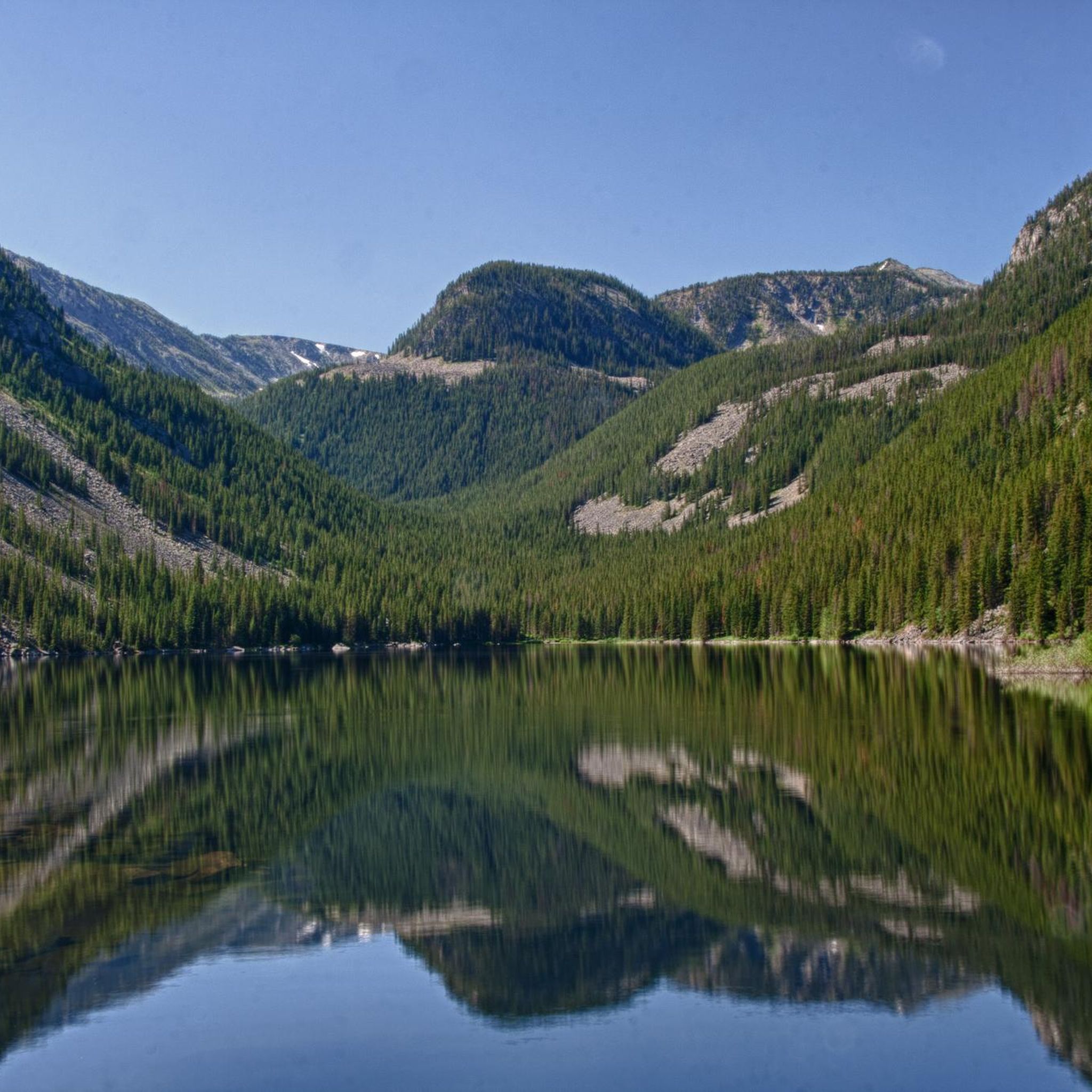
- The most popular attractions is Beehive Basin Lake, a lake that offers impressive views of a glacial cirque. It is a popular destination accessible via the Beehive Basin Trail.
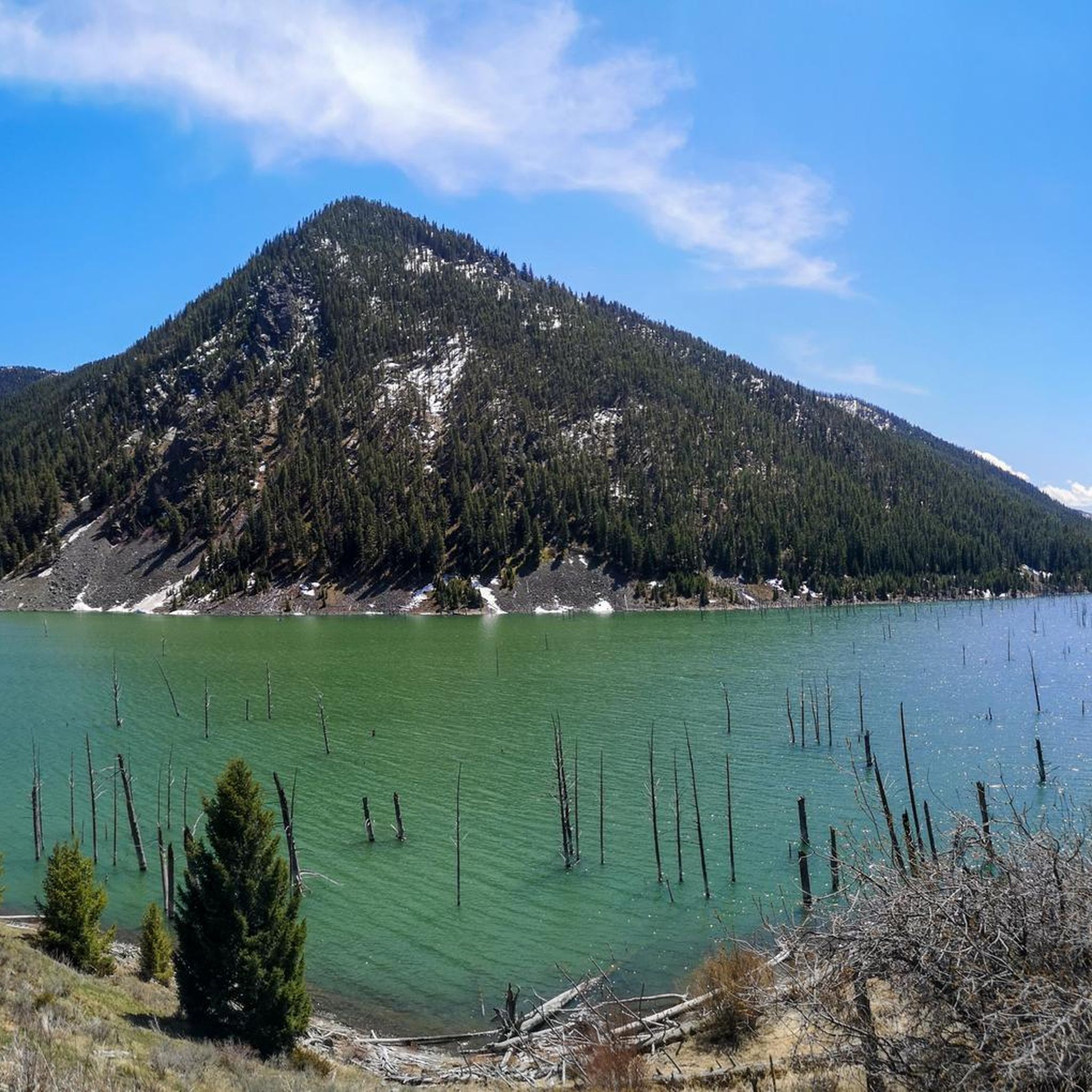
- Another must-see spot is Lava Lake, a lake accessible via an easy hike along Cascade Creek. This location provides expansive scenery of the Spanish Peaks.
- Visitors also love Bear Basin Trail, a trail that leads into the remote landscape of the Spanish Peaks. This area is known for wildflowers beneath towering mountains and connects towards Gallatin Peak.
- Lee Metcalf Wilderness is known for its lakes, trails, and natural monuments. Visitors can explore a variety of attractions, from high alpine views to river canyons.
- The attractions in Lee Metcalf Wilderness are appreciated by the komoot community, with 5 upvotes and 3 photos shared.
Last updated: July 12, 2026
Beehive Basin Lake
Highlight (Segment) • Lake
Tip by

Sentinel Creek
Highlight • River
Tip by

Sign up now to discover places like this
Get recommendations on the best single tracks, peaks, & plenty of other exciting outdoor places.
Sign up for free
Bear Basin Trail
Highlight (Segment) • Trail
Tip by
Hilgard Basin
Highlight • Natural
Tip by
Lava Lake
Highlight • Lake
Tip by
Sign up for free to discover even more attractions in Lee Metcalf Wilderness.
Sign up for free
Already have an account?
Start today with a free account
Your next adventure awaits.
Login or Signup
Popular around Lee Metcalf Wilderness

Tips from the Community

This is a spectacular area of the Lee Metcalf Wilderness in the Madison Range. There are several gorgeous mountain pools, perfect foreground to the impressive peaks that rise to the west, including Echo Peak, Dutchman Peak and Hilgard Peak. You can access the area by following the Sentinel Creek Trail from its trailhead on Beaver Creek Road.
0
0
Sentinel Creek is a gorgeous mountain stream that forms just below Expedition Pass in the Lee Metcalf Wilderness region of Montana's Madison Range. The Sentinel Creek Trail follows much of its course and begins at the trailhead on Beaver Creek Road. The mountain views towards the top of the trail towards the likes of Echo Peak and Dutchman Peak are spectacular,
0
0
The Bear Basin Trail takes you into the spectacular and remote landscape of the Spanish Peaks. In the warmer months, wild flowers thrive beneath the towering mountains. The trail takes you beneath Mount Chipperfield towards Gallatin Peak, before joining up with the South Fork Spanish Creek trail.
0
0

Beehive Basin Trail is one of the most popular hikes from Big Sky. The trail offers amazing views until the glacial cirque of Beehive Basin!
1
1
Frequently Asked Questions
What kind of terrain and elevation can I expect in Lee Metcalf Wilderness?
The Lee Metcalf Wilderness is characterized by rugged alpine terrain, with elevations ranging from approximately 4,500 to 11,300 feet. You'll find diverse landscapes including jagged pinnacles, U-shaped valleys, alpine cirques, and high plateau-like mountains. Prominent features include Hilgard Peak, the highest point in Montana outside of the Beartooth Range, and the Spanish Peaks with 25 peaks soaring above 10,000 feet.
What are some prominent natural features and landmarks to see?
The wilderness boasts several impressive natural features. You can explore the glacial cirque at Beehive Basin Lake, enjoy expansive views of the Spanish Peaks from Lava Lake, or discover the remote beauty of the Spanish Peaks via the Bear Basin Trail. The Hilgard Basin is also notable for its mountain pools and impressive peaks like Echo Peak and Hilgard Peak.
Are there any family-friendly activities or trails in the wilderness?
Yes, several attractions are considered family-friendly. Beehive Basin Lake and Lava Lake are both accessible via trails suitable for families. The Bear Basin Trail is also listed as family-friendly, offering a chance to see wildflowers in warmer months. Always check trail difficulty and conditions before heading out with children.
Can I bring my dog on trails in Lee Metcalf Wilderness?
Yes, several trails within the Lee Metcalf Wilderness are dog-friendly. For example, the Beehive Basin Lake trail and the Bear Basin Trail are listed as dog-friendly. Always ensure your dog is on a leash and follow Leave No Trace principles to protect wildlife and the natural environment.
What is the best time of year to visit Lee Metcalf Wilderness?
The best time to visit largely depends on your desired activities. Warmer months (late spring to early fall) are ideal for hiking, backpacking, and enjoying wildflowers. During these months, trails are generally clear of snow. Winter offers opportunities for cross-country skiing and backcountry skiing, but requires appropriate gear and experience due to challenging conditions.
What kind of wildlife can I expect to see?
The Lee Metcalf Wilderness is a critical wildlife refuge, home to a diverse array of animals. You might spot grizzly bears, black bears, moose, elk, cougars, wolves, mountain goats, and bighorn sheep. Bald eagles are also present, and trout populations thrive in the many streams and lakes. It's known for having one of the highest population densities of grizzly bears in the contiguous United States.
Are there options for hiking or backpacking in the area?
Absolutely. The wilderness offers approximately 300 miles of trails accessible via 28 trailheads, catering to various skill levels. Popular options include the Beehive Basin Trail, the Bear Basin Trail, and the Sentinel Creek Trail. For more extensive trips, backpacking is a popular way to explore the remote areas and alpine lakes. You can find more hiking routes in the region on the Hiking in Lee Metcalf Wilderness guide.
What are some easy hiking trails suitable for beginners?
For those seeking less strenuous options, the Lava Lake Trail in the Spanish Peaks unit is considered an easy hike along Cascade Creek, offering expansive scenery. While many trails can be challenging, this one provides a more accessible experience for beginners or families.
What outdoor activities are available besides hiking?
Beyond hiking and backpacking, the Lee Metcalf Wilderness offers a range of human-powered recreational activities. These include camping, kayaking and whitewater rafting (especially in Bear Trap Canyon), hunting and fishing (with appropriate licenses), horseback riding, and wildlife viewing. In winter, cross-country skiing and backcountry skiing are popular. You can also find mountain biking routes in the area, such as those listed in the MTB Trails in Lee Metcalf Wilderness guide.
What do visitors enjoy most about the Lee Metcalf Wilderness?
Visitors frequently appreciate the stunning natural beauty and the sense of untouched wilderness. The impressive views of glacial cirques, like those found at Beehive Basin Lake, and the remote, wildflower-filled landscapes of the Spanish Peaks accessed via the Bear Basin Trail are often highlighted. The opportunity for solitude and wildlife viewing in a truly wild setting is a major draw.
Are there any historical or cultural sites within or near the wilderness?
The Lee Metcalf Wilderness itself is preserved as a natural area, reflecting the concept of lands 'untrammeled by man.' It is named in honor of Senator Lee Metcalf, a dedicated conservationist. While the wilderness primarily focuses on natural features, the separate Lee Metcalf National Wildlife Refuge (near Stevensville, Montana) does contain specific cultural sites like the Whaley Homestead, an 1885 log home listed on the National Register of Historic Places, and highlights the history of native peoples in the Bitterroot Valley.
What winter activities are possible in Lee Metcalf Wilderness?
During the winter months, the Lee Metcalf Wilderness transforms into a snowy playground for those prepared for cold conditions. Popular activities include cross-country skiing and backcountry skiing. These activities offer a unique way to experience the serene, snow-covered landscapes, though they require proper gear, avalanche awareness, and experience with winter wilderness travel.
Where can I find amenities or accommodation near the wilderness?
While the wilderness itself is undeveloped, towns like Big Sky are located nearby and offer amenities such as accommodation, cafes, and pubs. Popular trailheads like Beehive Basin, Taylor Fork, and Spanish Creek are accessible from areas with services, making it convenient to plan your wilderness adventures.

Get inspired with the komoot mobile app


Explore more
Still not found the Highlight you’re looking for? See guides of the top attractions in other regions:
