Top 20 Mountain Passes around Sankt Jakob in Defereggen
Mountain passes around Sankt Jakob in Defereggen provide access to the High Tauern range in East Tyrol, Austria. This region features high alpine crossings that connect valleys in Austria and Italy. The passes offer routes through diverse landscapes, separating mountain groups such as the Villgraten Mountains and the Rieserferner Group. The area is characterized by its mountainous terrain and serves as a gateway to cross-border routes.
Best mountain passes around Sankt Jakob in Defereggen
- The most popular mountain passes is…
Last updated: September 29, 2026
Uwaldalm
Highlight • Mountain Hut
Translated by Google •
Tip by

Klammljoch Pass
Highlight • Mountain Pass
Translated by Google •
Tip by

Sign up now to discover places like this
Get recommendations on the best single tracks, peaks, & plenty of other exciting outdoor places.
Gsieser Gorge
Highlight • Mountain Pass
Translated by Google •
Tip by

Austria–Italy Border Monument at Staller Sattel
Highlight • Monument
Translated by Google •
Tip by

Krimmler Tauern Pass
Highlight • Mountain Pass
Translated by Google •
Tip by

Sign up for free to discover even more mountain passes around Sankt Jakob in Defereggen.
Already have an account?
Start today with a free account
Your next adventure awaits.
Popular around Sankt Jakob in Defereggen
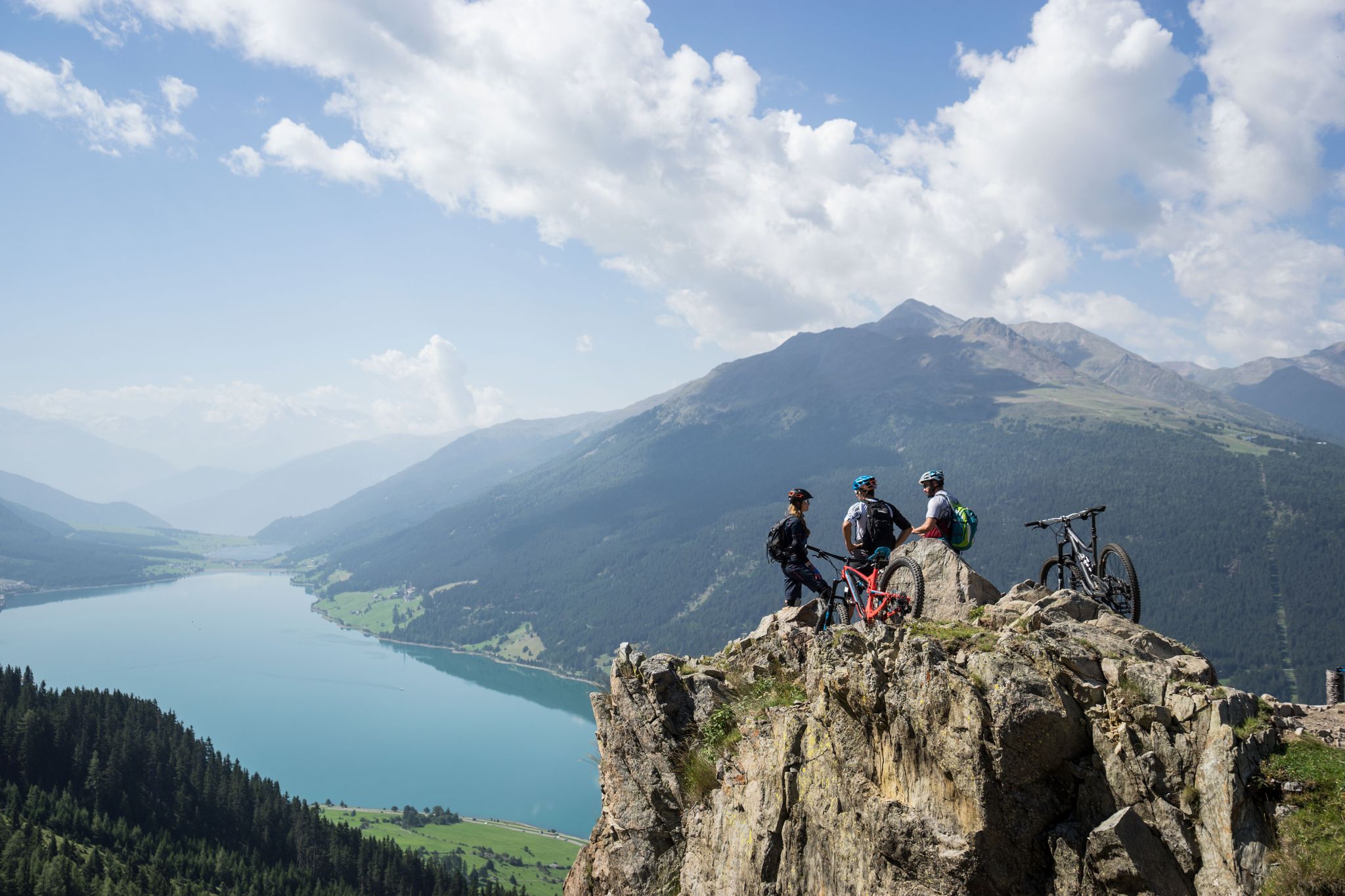
High into the Tyrolean mountain world – mountain biking in Tyrol
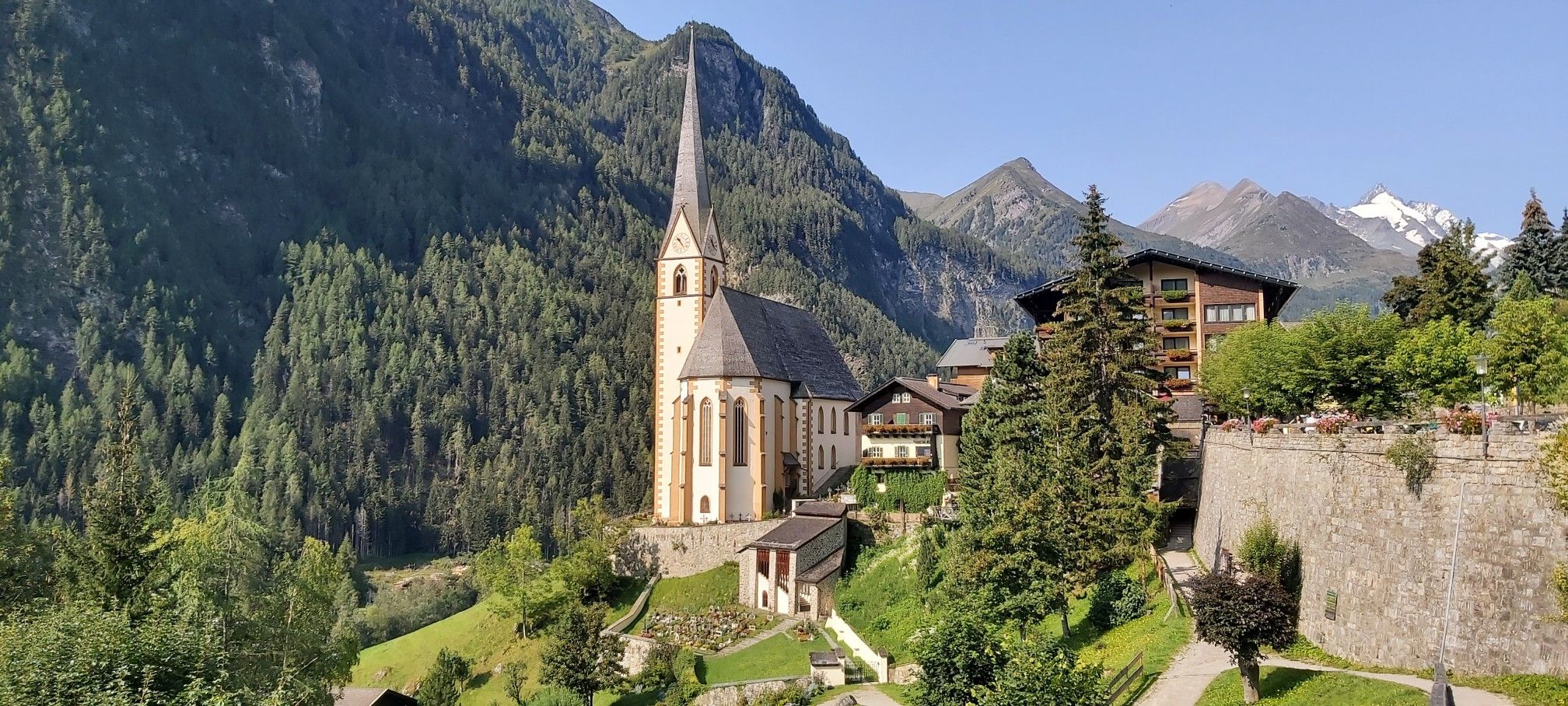
Austria's High & Holy Pilgrimage Trail – Walking across mountains and borders
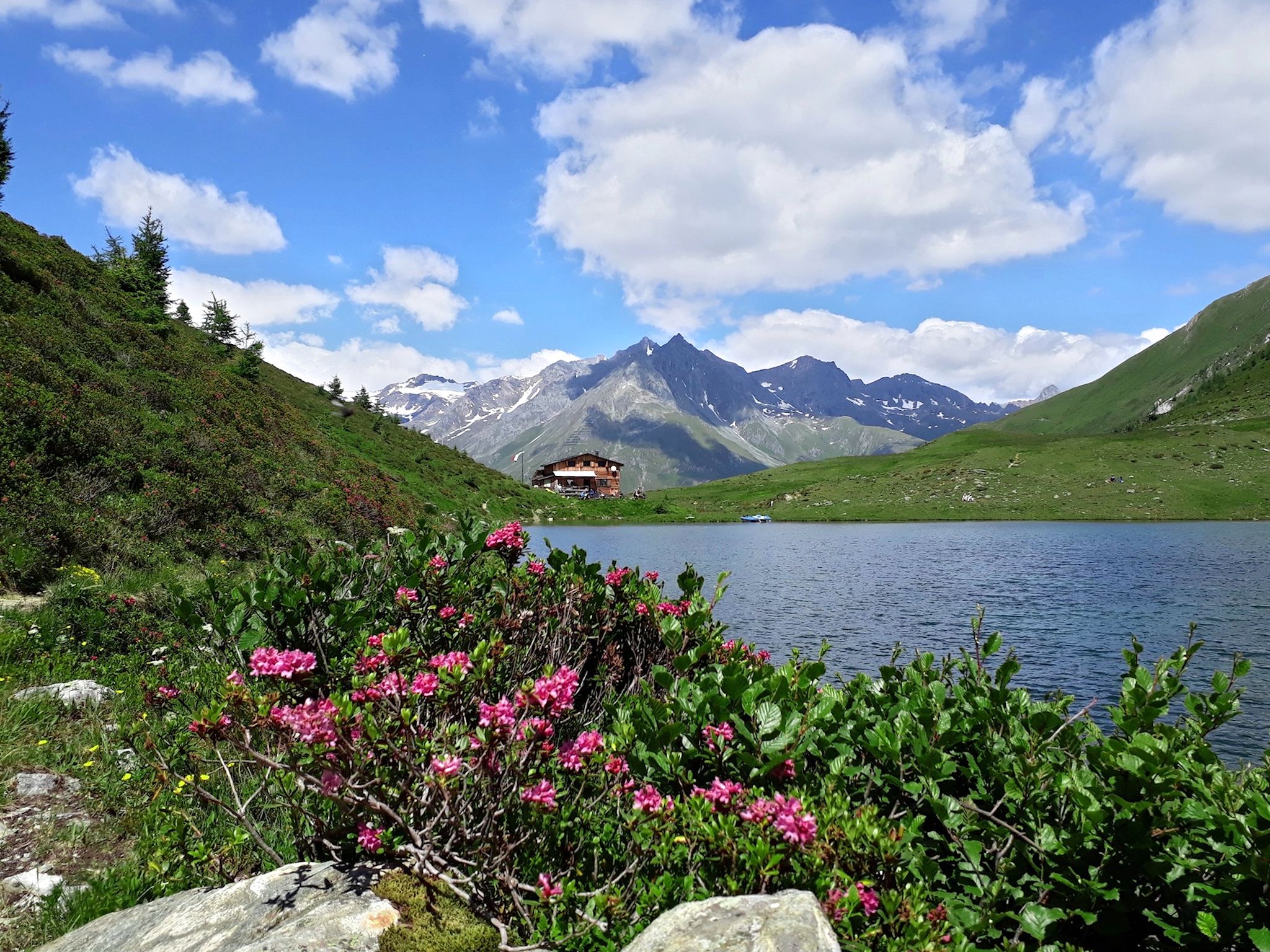
Lasörling High Altitude Trail in Austria – Alpine huts and glacial views
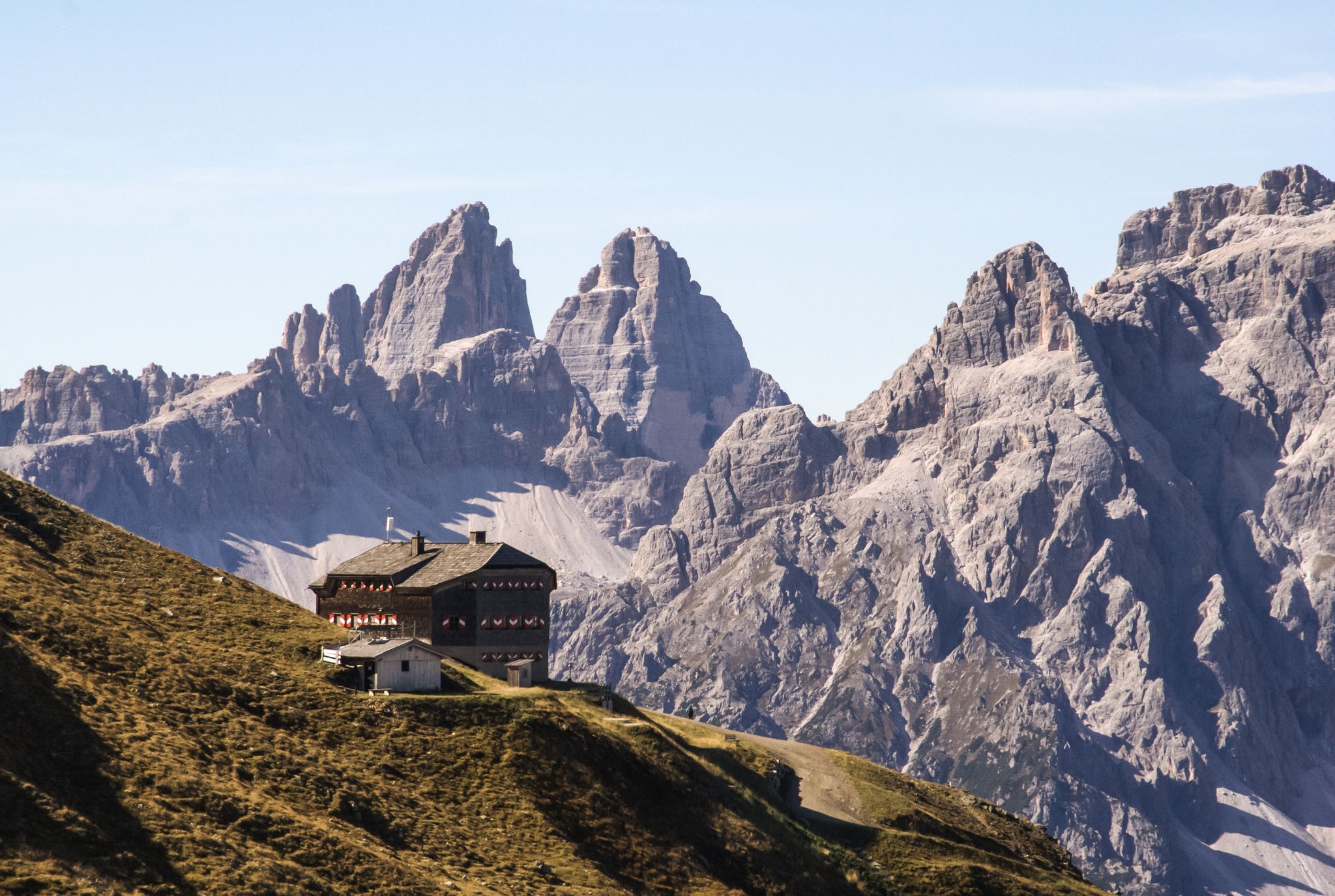
Alpine bliss on the long-distance hiking trails in East Tyrol
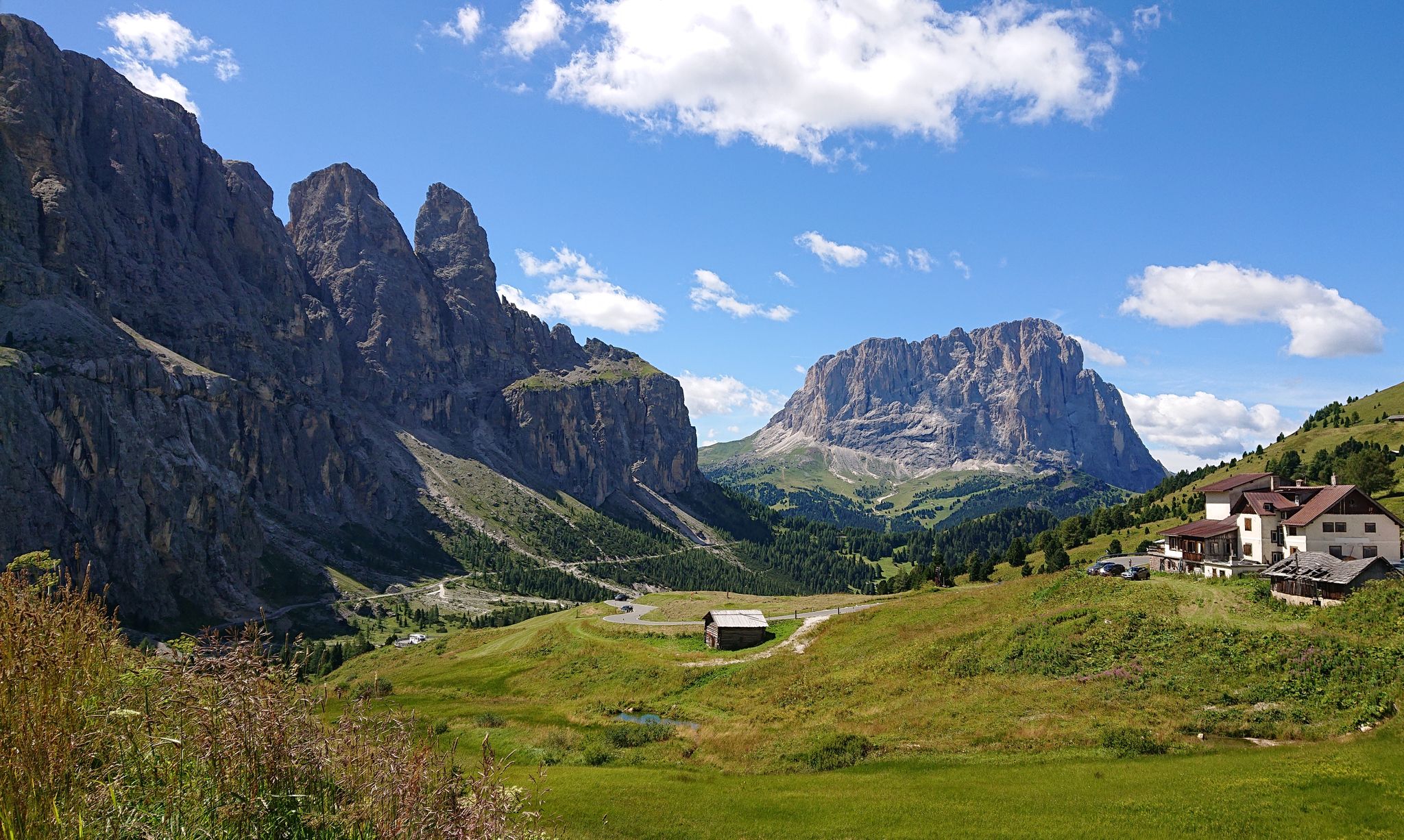
Transalp adventure – by gravel bike from Salzburg to Bolzano
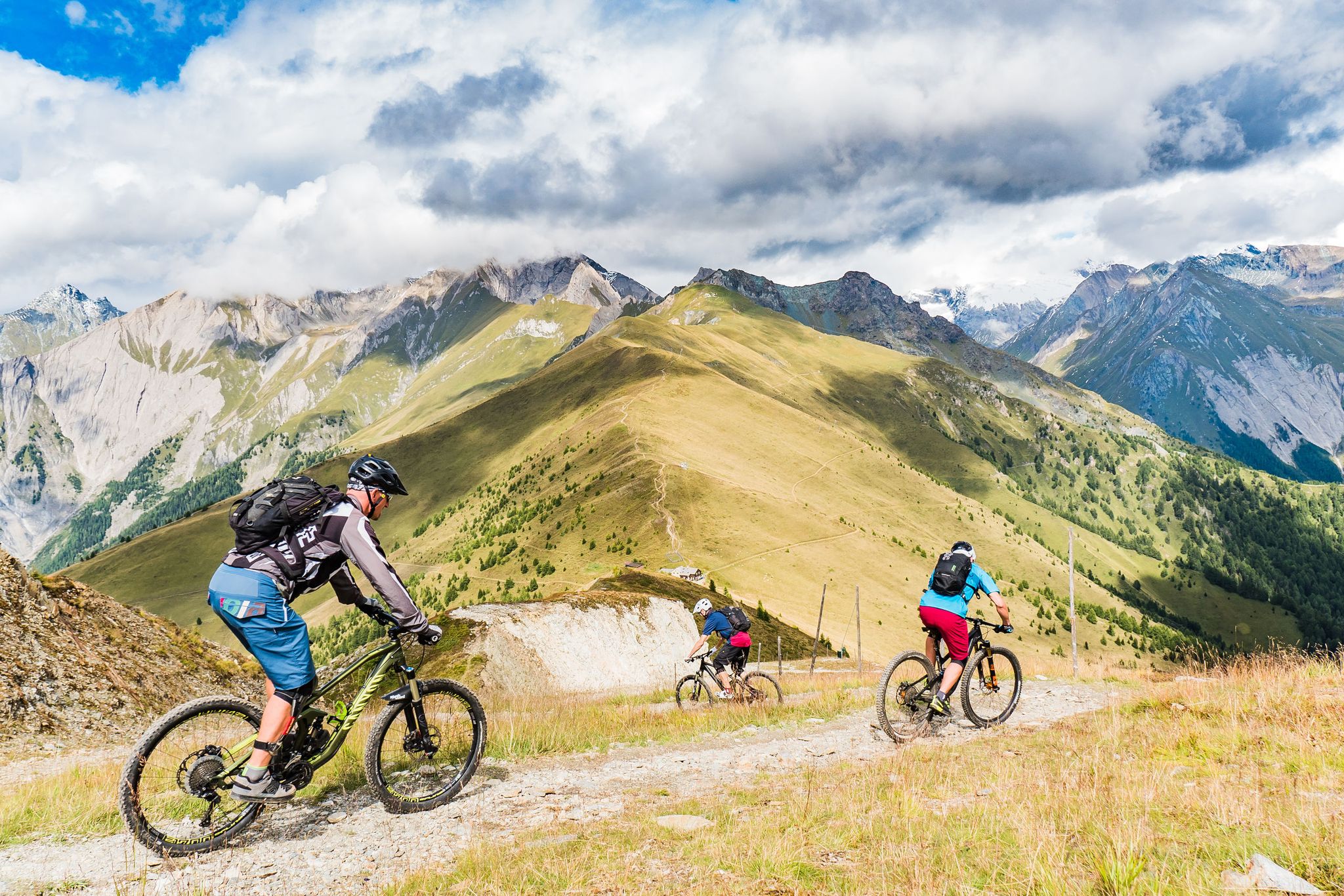
Unlimited mountain bike fun – singletrack paradise in East Tyrol
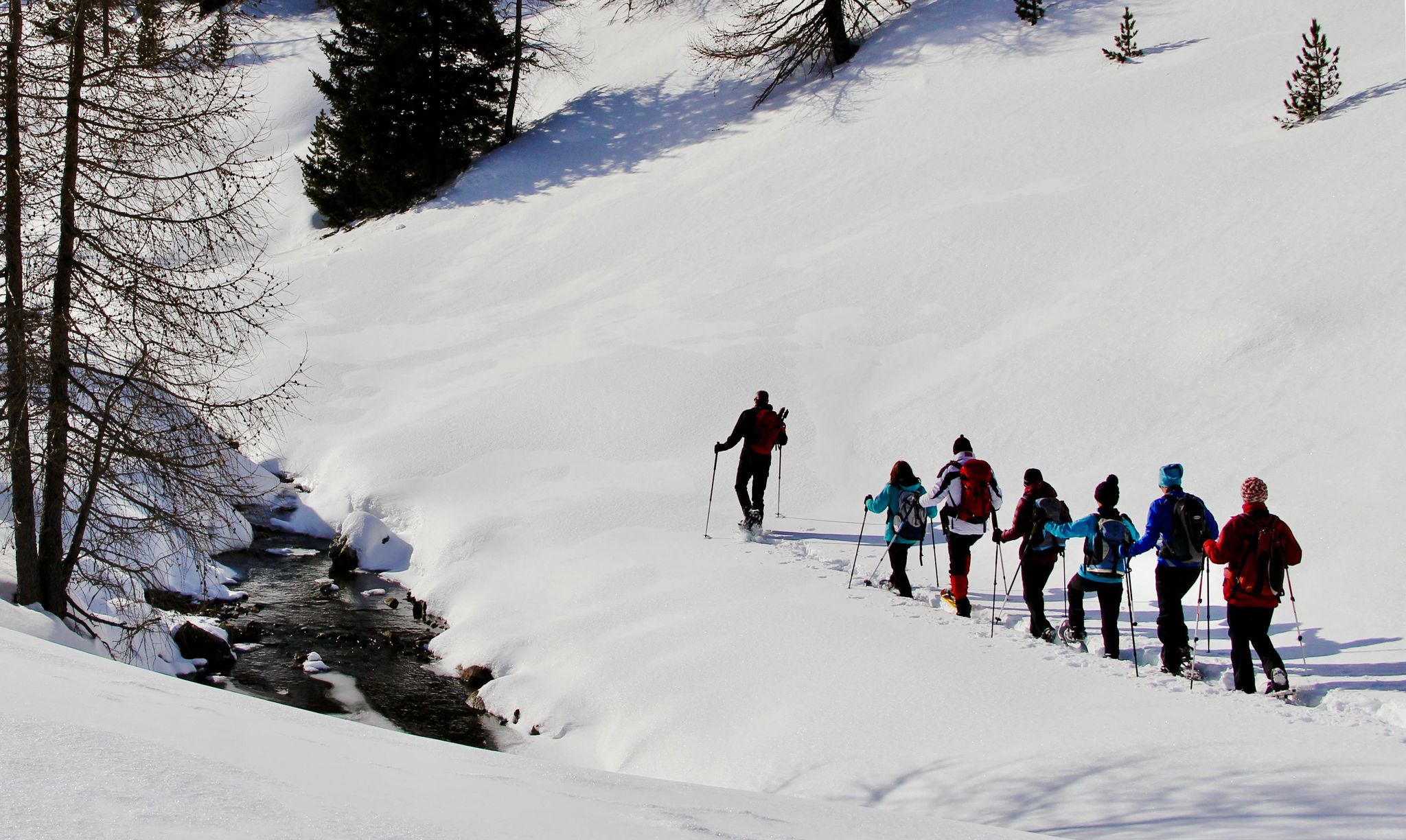
Snowshoe magic in East Tyrol
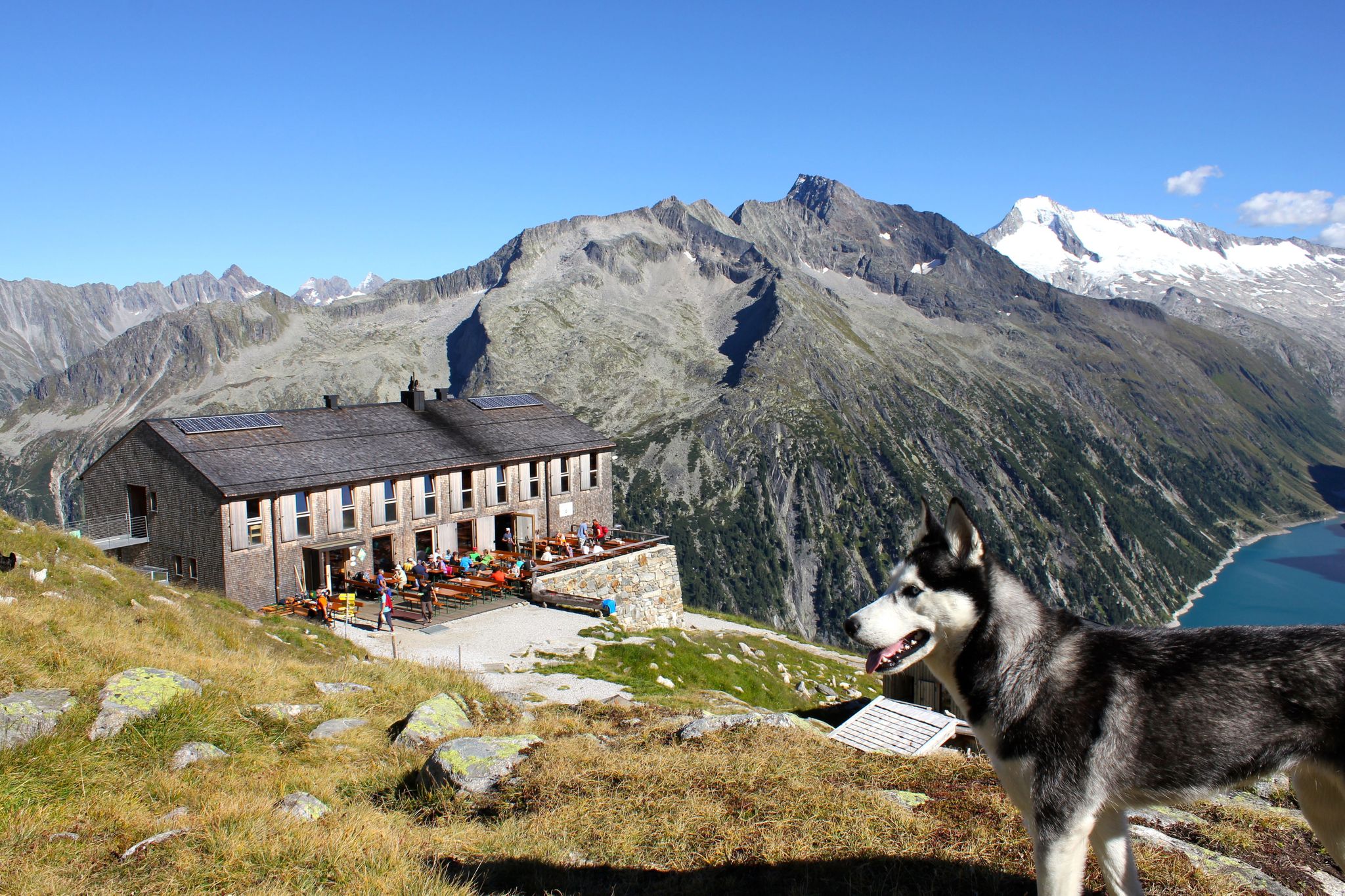
Alpine overnighters with kids
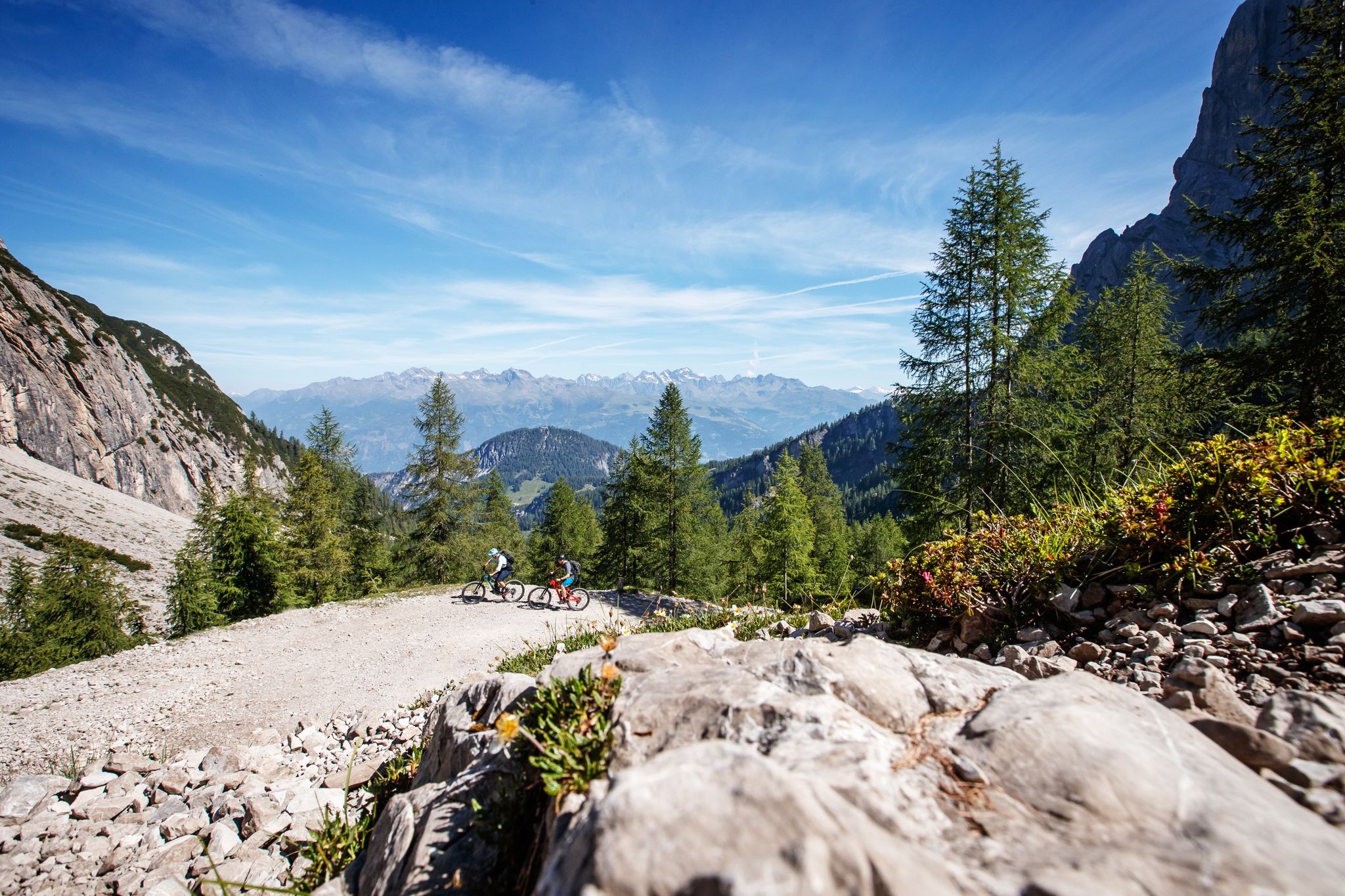
Zehn fantastische Touren durch das Mountainbike-Paradies Osttirol
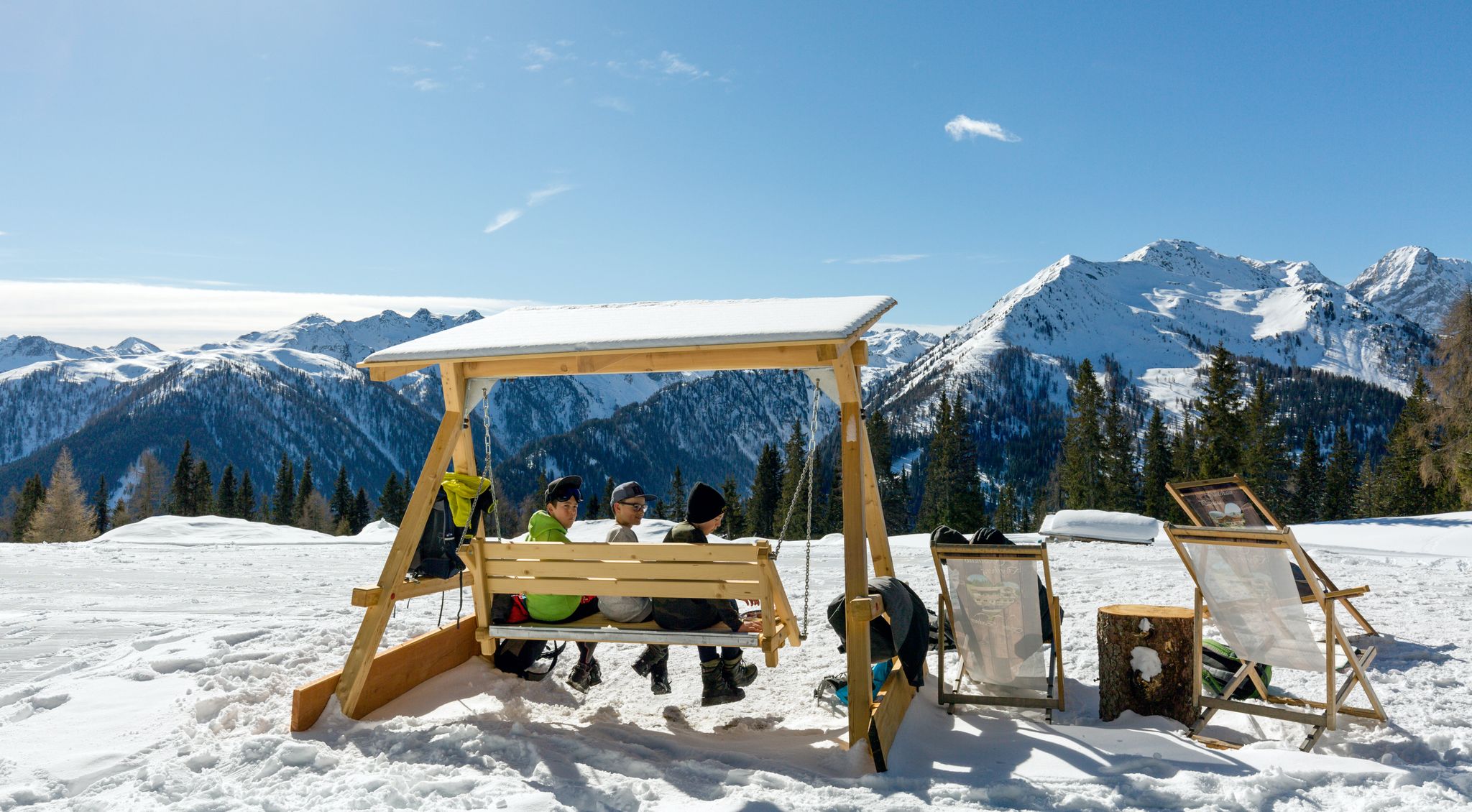
Herzliche Gastlichkeit & traditionelle Kulinarik – Winterwandern in Osttirol
Other adventures around Sankt Jakob in Defereggen


Tips from the Community

Not recommended with E-MTB due to the long pushing sections in difficult, steep, winding and blocked terrain (path) on the north side below Krimmler Tauern (pass)! Snowfields are difficult to pass with E-MTB on the uphill. The physics quickly show that the pushing-assist torque (due to weight distribution and obstacles on the path uphill) reaches the limits of tire friction, almost regardless of how knobby the tread is or how soft the rubber compound is. Because on loose ground, traction limits power transfer, not the motor. In addition, the low base speed with pushing assist means that obstacles uphill cannot be rolled over. Feasible with MTB. Mid-July to mid-September is the optimal time. Author's tip Weather must be good before and after the Tauern pass. On the pass on the Italian side, there is an open shelter with a bench. Bivy bag and thin down sleeping bag for emergencies. Possibility of emergency call via satellite phone is a prerequisite. If you actually want to go up from Krimmler Tauernhaus to the Tauern pass (Krimmler Tauern) with an MTB, you have to be prepared for long pushing and carrying sections. This requires extremely good fitness and the will to get there. On the other side down into the Ahrntal, there are only shorter pushing sections, but those with stones blocked paths (water channels) are not particularly pleasant to ride. After the Tauernalm, hairpin turns with lifting the rear wheel.
0
0
Not recommended with E-MTB!!! Due to the long pushing sections on difficult, steep, winding, and blocked terrain (path) north of Krimmler Tauern (pass), physics quickly shows that the pushing assistance torque (due to weight distribution and obstacles on the uphill path) reaches the limits of tire friction, almost regardless of how aggressive the tread is or how soft the rubber compound is. Because on loose ground, traction limits power transfer and not the motor. Furthermore, the low base speed with pushing assistance ensures that obstacles on the uphill cannot be rolled over.
0
0
The weather must be good before and after Tauernpass. On the pass on the Italian side, an open shelter with a bench. Bivy bag and a thin down sleeping bag for emergencies. Possibility of using a satellite emergency phone is a prerequisite. If you actually want to go up to the Tauernpass (Krimmler Tauern) with an MTB from the Krimmler Tauernhaus, you have to expect long pushing and carrying sections. This requires extremely good fitness and the will to get there. On the other side down into the Ahrntal valley, there are only shorter pushing sections, but the paths blocked by stones (water channels) are not particularly pleasant to ride. After the Tauernalm, hairpin bends require lifting the rear wheel.
0
0

interesting transition from South Tyrol to North Tyrol and a great ski tour to the Schüttalkopf
0
0

If you're riding a mountain bike, you'll have to carry it a lot if you want to get here from Maria Hilf//St. Jakob.
1
0

From May 16, 2025 (12 noon), the Staller Sattel will be open to all vehicles again. During the summer months, the pass is accessible 24 hours a day with traffic lights. The crossing from the Defreggental to the Antholzertal is possible every hour from 1 to 15 minutes. The crossing from the Antholzertal to the Defreggental is possible every hour from 30 to 45 minutes.
0
0

@Markus: I agree 100%. It's great that the open border is possible. Even if the cars always seem to have to wait a long time at the border, but in reality they have to wait at the red light before leaving the pass.
1
0

It's simply something special - crossing the national border by bike.
0
0
Frequently Asked Questions
What are the most notable mountain passes around Sankt Jakob in Defereggen?
The region around Sankt Jakob in Defereggen is home to several significant mountain passes. Among them, the Staller Pass (Staller Saddle) is a prominent high mountain pass connecting the Defereggen Valley in Austria with the Antholz Valley in Italy. Another key pass is the Klammljoch Pass, an alpine crossing between the Rieserfernergruppe and the Venediger group. The Gsieser Gorge (Gsieser Törl) also serves as an important transition from the Gsieser valley in South Tyrol to Defereggental in East Tyrol.
What unique features do the mountain passes in this region offer?
The mountain passes around Sankt Jakob in Defereggen are unique for their role as cross-border connections between Austria and Italy, often featuring historical significance as former smuggler routes. For example, the Staller Pass is known for the idyllic Lake Obersee just past the Austrian border and its specific traffic regulations. The Gsieser Gorge also holds a rich history as a smuggler's path.
When is the best time to visit the mountain passes?
The best time to visit the mountain passes for driving, cycling, and hiking is generally from mid-May to the end of October, when the pass roads are typically open. During winter, some passes like the Staller Pass close to vehicular traffic but transform into a winter wonderland, ideal for groomed winter hiking, sledding, snowshoeing, and ski tours.
Are there any specific traffic regulations I should be aware of?
Yes, particularly on the Staller Pass. Due to narrow sections on the Italian side, traffic is regulated by traffic lights. Vehicles from Austria can pass from the start of the hour to 15 minutes past, while traffic from Italy towards Austria is permitted from 30 to 45 minutes past the hour. It's always advisable to check current conditions before your trip.
What kind of views can I expect from these mountain passes?
From the mountain passes, you can expect breathtaking panoramic views of the surrounding alpine landscapes. For instance, from the top of the Staller Pass, you'll see the beautiful Lake Obersee to the east and Lake Antholz to the west. The passes separate impressive mountain ranges like the Villgraten Mountains, the Rieserferner Group, and the Venediger group, offering expansive vistas of East and South Tyrol.
Are there family-friendly activities or walks near the mountain passes?
Yes, the Staller Pass area offers family-friendly options, such as a pram-friendly walk around Lake Obersee. Many mountain huts, like the Uwaldalm, are also accessible and provide a welcoming stop for families. For more general easy walks in the area, you can explore easy hikes around Sankt Jakob in Defereggen.
What outdoor activities can I do near the mountain passes?
The mountain passes serve as excellent starting points for a variety of outdoor activities. In summer, you can enjoy cross-border hikes, summit tours, cycling, and motorcycling. In winter, when the roads close, activities include winter hiking, sledding, snowshoeing, and ski tours. For more detailed options, consider exploring hiking around Sankt Jakob in Defereggen or gravel biking around Sankt Jakob in Defereggen.
Are there historical sites or monuments on the mountain passes?
Yes, the mountain passes are rich in history. The Staller Pass, for example, is a border crossing with historical significance, where a 1,000-year-old dugout canoe was discovered. The Gsieser Gorge was also a well-known smuggler's route. You can also find the Austria–Italy Border Monument at Staller Sattel, which is a popular spot for visitors.
What do visitors enjoy most about the mountain passes in this area?
Visitors frequently highlight the stunning panoramic views, the unique experience of crossing between Austria and Italy, and the diverse recreational opportunities. The serene beauty of places like Lake Obersee near the Staller Pass, and the sense of achievement from reaching high alpine crossings like the Klammljoch Pass, are often praised. The well-maintained mountain huts and the chance to explore historical routes also add to the appeal.
Can I find places to eat or rest near the mountain passes?
Yes, there are options for refreshments and rest. For instance, there is a small snack bar at the top of the Staller Pass. Mountain huts like the Uwaldalm offer food and drinks with great views. Many hiking routes in the area also pass by various alms and huts where you can take a break.
Are there any specific natural landmarks to look out for?
Absolutely. The most prominent natural landmark is Lake Obersee, located just 200 meters past the Austrian border on the Staller Pass. This picturesque lake is a significant draw. The passes themselves offer views of the surrounding High Tauern range, including the Rieserferner Group and the Venediger group, providing stunning natural backdrops.
Most popular routes around Sankt Jakob in Defereggen
Most popular attractions around Sankt Jakob in Defereggen

Get inspired with the komoot mobile app


Explore more
See even more epic mountain passes by checking out these guides around Sankt Jakob in Defereggen:
