Attractions and Places To See around Ucanha - Top 12
Best attractions and places to see around Ucanha include historical landmarks and natural features within the Douro region. Ucanha is a Douro Wine Village, known for its medieval past and connection to the Varosa River valley. The area offers a blend of historical sites and scenic landscapes, including vineyards. Visitors can explore various points of interest that reflect the region's heritage and natural setting.
Best attractions and places to see around Ucanha
- The most popular attractions is View of Lamego and the Sanctuary of Nossa Senhora dos Remédios (Our Lady of Remedies), a viewpoint that offers panoramic views of Lamego. Visitors can reach it via stairs or hiking trails, with options to drive partway up.
- Another must-see spot is Lamego Cathedral, a religious building known for its art elements from the 12th century. The cathedral features colorful vaults and a Renaissance cloister with a rose garden.
- Visitors also love Lamego Castle, a historical castle constructed during the 12th century. The castle, mostly in ruins, provides panoramic views of the surrounding landscape from its hilltop location.
- Ucanha is known for historical sites, religious buildings, and viewpoints. The region offers a variety of attractions to see and explore, including medieval structures and scenic vistas.
- The attractions around Ucanha are appreciated by the komoot community, with 17 upvotes and 21 photos shared by visitors.
Last updated: May 4, 2026
Lamego Castle
Highlight • Castle
Translated by Google •
Tip by

Translated by Google •
Tip by
Sign up now to discover places like this
Get recommendations on the best single tracks, peaks, & plenty of other exciting outdoor places.
Sign up for free
Lamego Cathedral
Highlight • Religious Site
Translated by Google •
Tip by
Ucanha Tower and Bridge
Highlight • Bridge
Translated by Google •
Tip by

Chapel of Saint Anthony
Highlight • Religious Site
Translated by Google •
Tip by

Sign up for free to discover even more attractions around Ucanha.
Sign up for free
Already have an account?
Start today with a free account
Your next adventure awaits.
Login or Signup

Tips from the Community

This beautiful chapel, dedicated to the Holy Spirit, is located next to the fountain of the same name. Although small, the chapel's interior is very interesting, with its Baroque altar, gilded carved pulpit, and tiles covering the walls.
0
0

A beautiful church, both inside and out. The courtyard is also worth seeing 😃
2
0
The somewhat arduous path up the stairs is rewarded with a fantastic view and a church worth seeing.
1
1

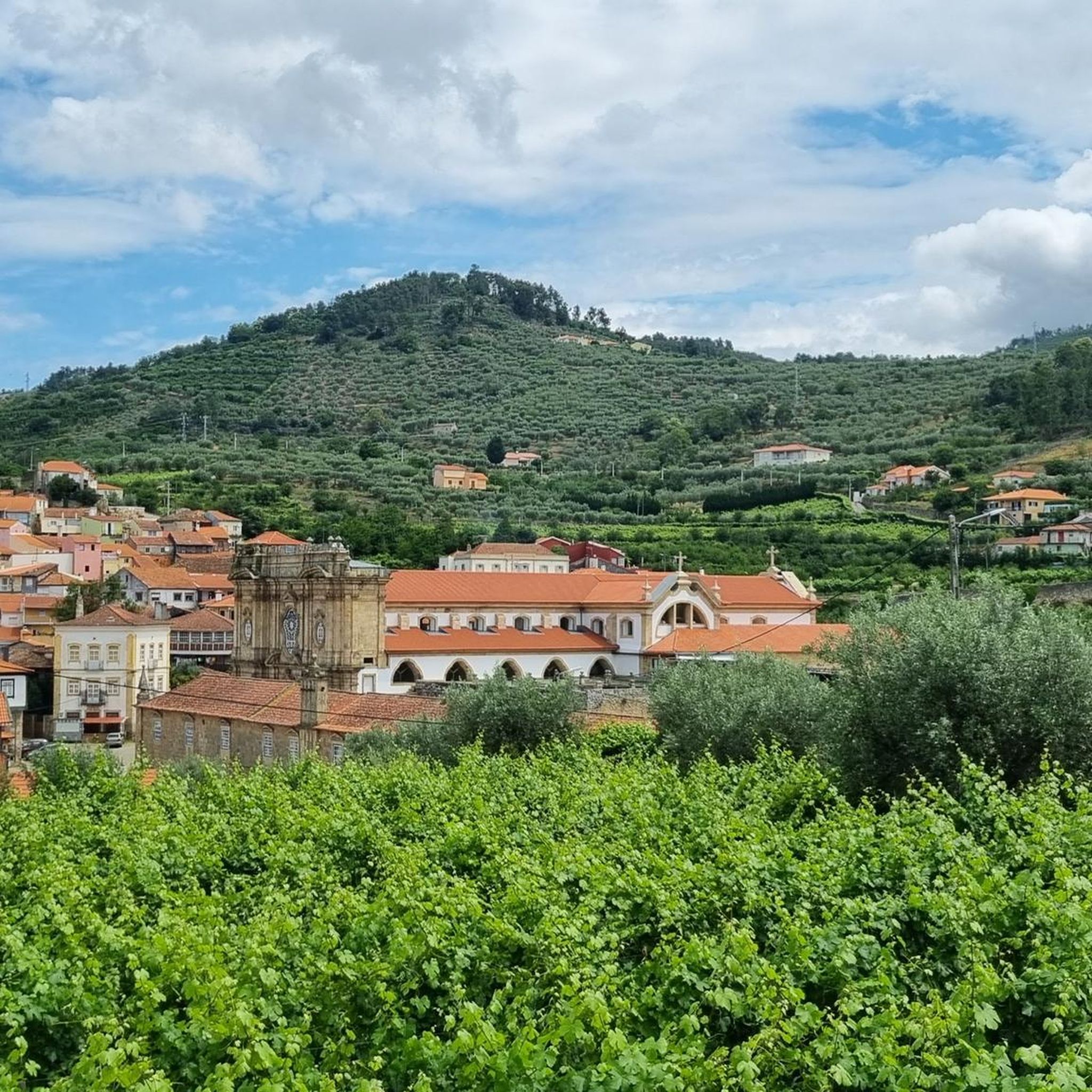
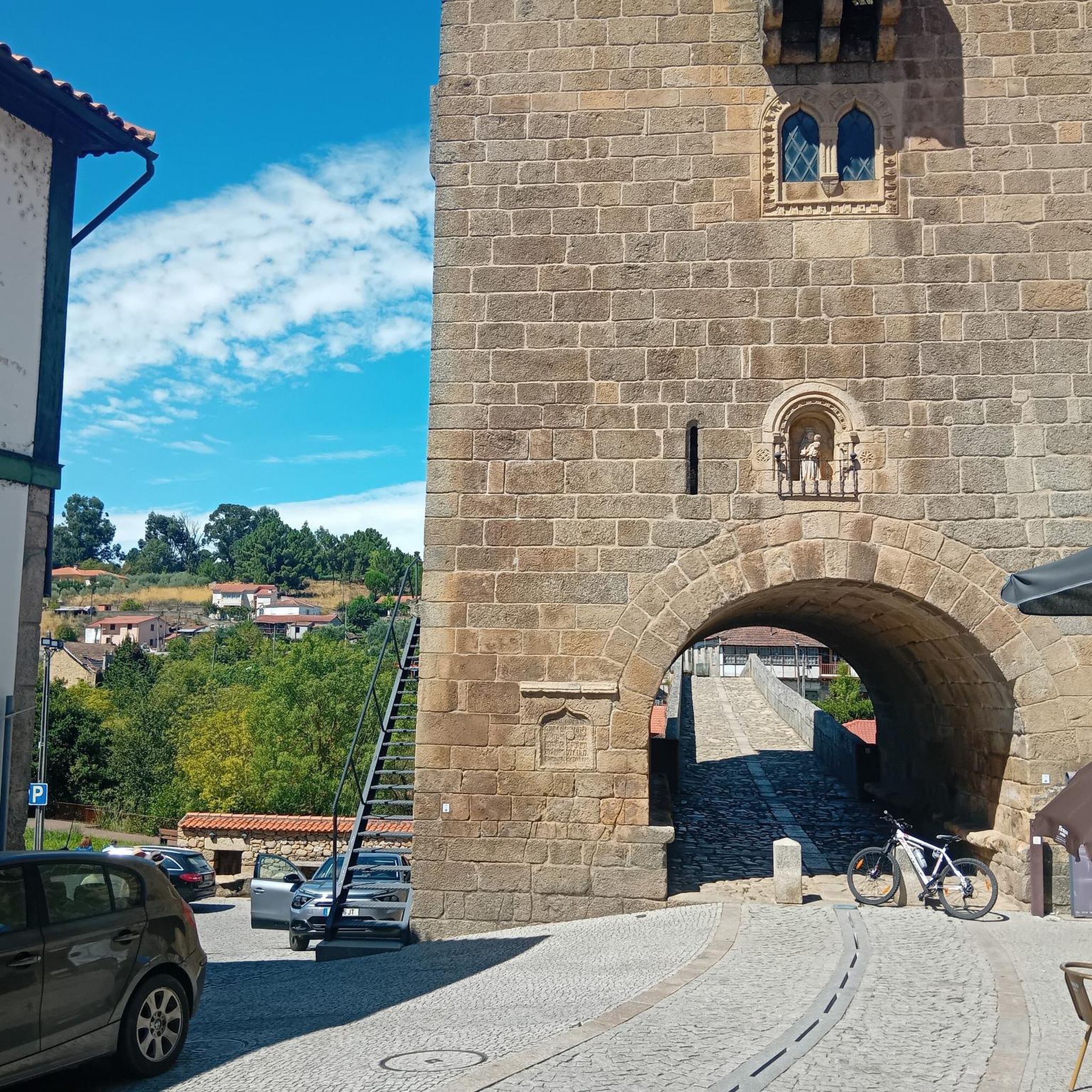
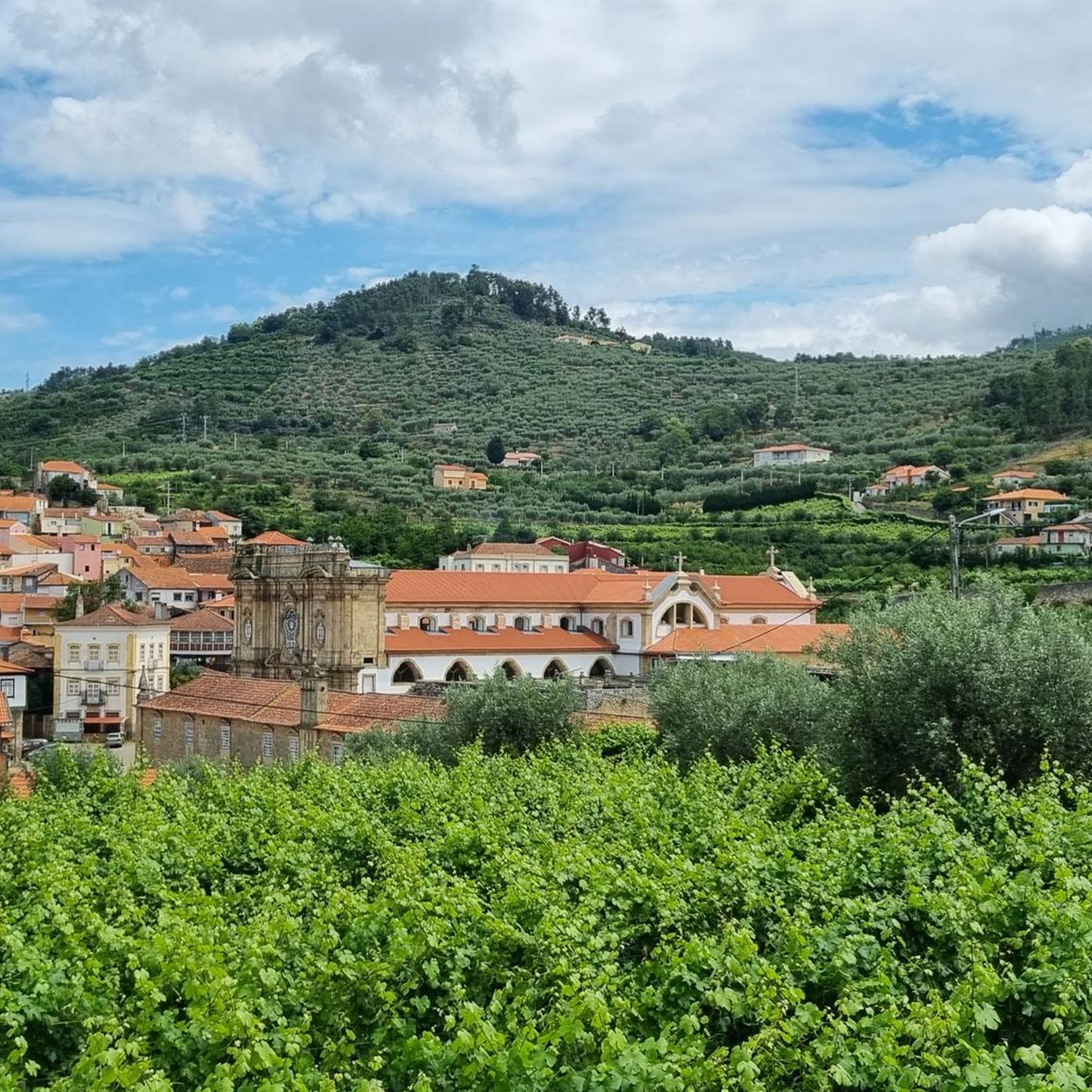
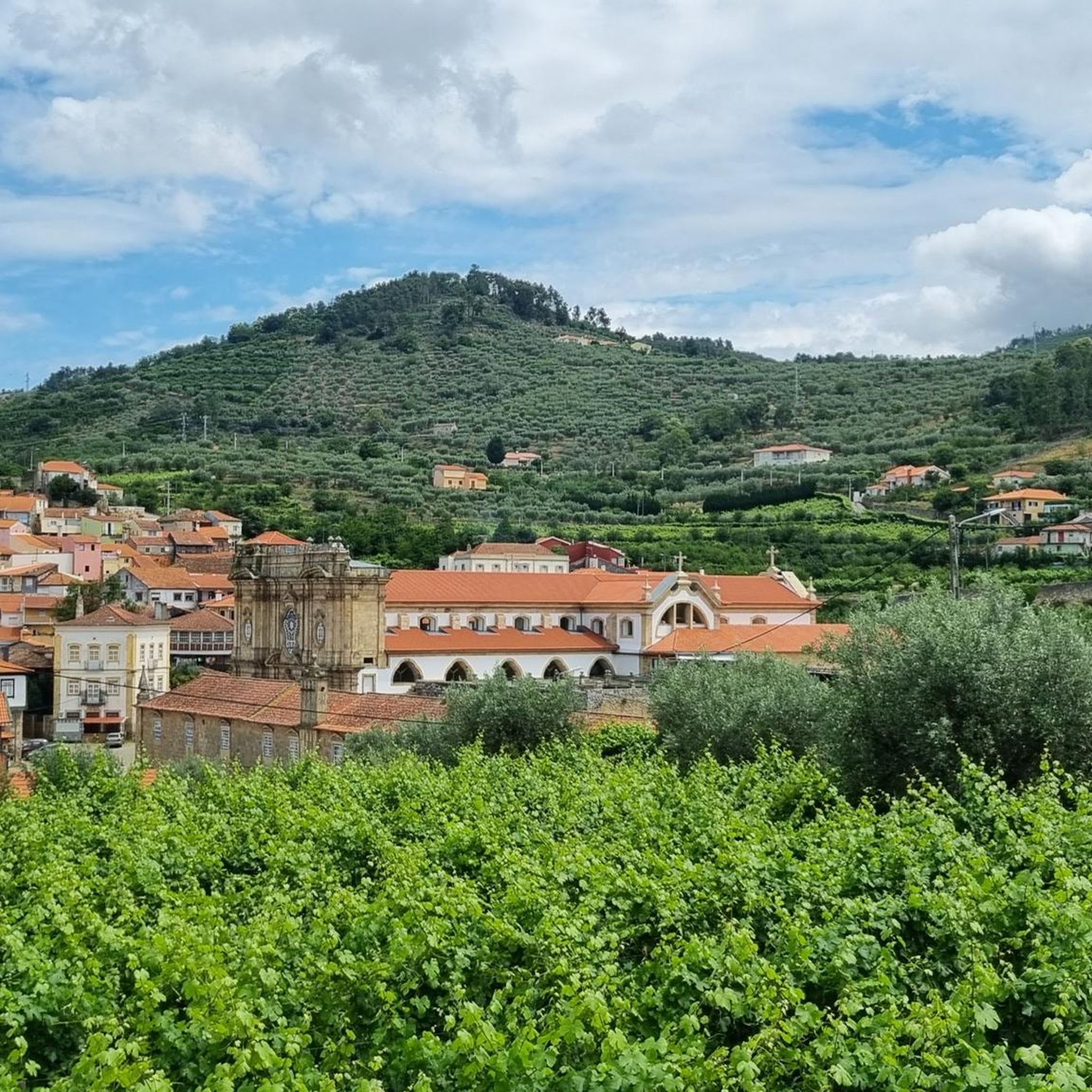
A charming village with a typically medieval feel, the town still consists of a small, romantic line of houses stretching along a narrow path, Rua Principal, Rua Direita, or simply Rua, since it is the only street in the village. Winemaking, particularly elderberry, a strong presence in the village, continues to be the main source of livelihood. The village's two landmarks stand proudly at the entrance to the old Couto de Salzedas. They are the Tower and the Ucanha Bridge, two rare gems of the Douro Heritage. Some scholars suggest that the Ucanha Bridge, a National Monument, was built on an earlier Roman structure, while others suggest that it already existed in the 12th century. In any case, the current structure, in Gothic style, was built in the 15th century. Next to it stands a robust, square-shaped tower, formerly intended not only to guard the entrance to Couto de Salzedas, but also to allow the collection of tolls to which the Monastery was entitled.
1
0

Spiral staircase, bell tower, view. Great!
1
1
Castelo de Lamego was constructed during the 12th century and was an important defensive structure during the Middle Ages. The castle underwent various renovations over the centuries, with the addition of Gothic and Manueline elements in the 15th and 16th centuries. Today, the castle is mostly in ruins, but visitors can still see the remaining walls, towers, and gates that once surrounded the fortress. The castle is situated on a hill overlooking the city and offers panoramic views of the surrounding landscape.
2
0

You can walk up stairs 🏃🏻♂️ but there are also hiking trails to the left and right
4
2

The medieval bridge over the Varosa River with its tower is a rare example of civil Gothic architecture in Portugal.
1
0
Frequently Asked Questions
What historical landmarks can I explore in Ucanha?
Ucanha is rich in history, most notably featuring the iconic Ucanha Tower and Bridge. This medieval bridge, considered one of Portugal's most beautiful, and its adjacent tower, a national monument, once controlled passage and collected tolls. You can also visit the historical Parish Church of Ucanha and see the birthplace of José Leite de Vasconcelos, a celebrated Portuguese ethnologist.
Are there any family-friendly attractions around Ucanha?
Yes, the Lamego Cathedral is noted as a family-friendly historical site, offering a chance to appreciate its 12th-century art elements, colorful vaults, and a Renaissance cloister with a rose garden. Exploring the traditional streets of Ucanha village and the river beach along the Varosa River can also be enjoyable for families.
What natural features can I enjoy near Ucanha?
Ucanha is nestled in the Varosa River valley, offering beautiful landscapes. The Varosa River itself has a river beach located between the old and new bridges, perfect for relaxation or even swimming. The surrounding Douro Wine Region landscape, with its terraced vineyards, provides scenic views and opportunities for leisurely strolls.
What kind of outdoor activities can I do around Ucanha?
The region around Ucanha is excellent for outdoor enthusiasts. You can find various hiking opportunities, from easy walks to more challenging trails. For specific routes, check out the easy hikes around Ucanha or the broader hiking guide for Ucanha. Road cycling is also popular, with several routes available, including those detailed in the Road Cycling Routes around Ucanha guide.
Where can I find panoramic views of the area?
For breathtaking panoramic views, head to the View of Lamego and the Sanctuary of Nossa Senhora dos Remédios. This viewpoint offers expansive vistas of Lamego and its surroundings. Additionally, the ruins of Lamego Castle, situated on a hilltop, also provide excellent views of the landscape.
Are there any religious sites worth visiting?
Yes, the region has several significant religious sites. The magnificent Lamego Cathedral is a must-see, known for its 12th-century art and beautiful interior. In Ucanha itself, you can visit the historical Parish Church and the charming Chapel of Saint Anthony, which features a Baroque altar and gilded carved pulpit.
What is the best way to explore Ucanha village?
Ucanha village is best explored on foot. Its older section features charming, uneven, narrow, cobbled streets and traditional houses with granite facades and wooden balconies. Walking allows you to fully appreciate its tranquility, medieval feel, and historical atmosphere.
What are the Murganheira Caves and are they nearby?
The Murganheira Caves are located nearby Ucanha and house one of Portugal's most prestigious sparkling wine producers. Visitors can explore the traditional production methods of sparkling wine and enjoy tastings. This offers a unique cultural insight into the region's viticulture.
What is the significance of Ucanha being a 'Douro Wine Village'?
Ucanha has been classified as a Douro Wine Village since 2001, signifying its deep connection to the renowned Douro wine region. This means the village is surrounded by vineyards, and winemaking, particularly elderberry, is a significant part of its livelihood and cultural heritage. It's also part of the Cistercian Route, highlighting the historical influence of Cistercian monks on local viticulture.
What do visitors enjoy most about the Ucanha Tower and Bridge?
Visitors are captivated by the unique civil Gothic architecture of the Ucanha Tower and Bridge. They appreciate its historical significance as a former toll collection point and defensive structure. The medieval charm of the village, with its single main street and traditional houses, also leaves a lasting impression, making it feel like a step back in time.
Are there any ancient ruins to visit near Ucanha?
While technically closer to Salzedas, the Roman Ruins of Salzedas, also known as the Old Abbey Ruins, are associated with Ucanha. These ruins represent the primitive foundation of the Monastery of Salzedas and offer a glimpse into the region's ancient history, providing a deeper understanding of its past.

Get inspired with the komoot mobile app


Explore more
Still not found the Highlight you’re looking for? See guides of the top attractions in other regions:
