Attractions and Places To See around Riba De Âncora - Top 20
Best attractions and places to see around Riba De Âncora, a civil parish in Caminha, Portugal, offers a blend of historical, cultural, and natural attractions. This region features ancient sites, religious landmarks, and a picturesque natural landscape. Visitors can explore a variety of places, from Roman roads to traditional mills. The area provides opportunities to experience both its rich history and scenic outdoor environments.
Best attractions and places to see around Riba De Âncora
- The most popular attractions is Ecovia do Atlântico, Caminho das Camboas, Caminho Portugues, a trail that is a must-have for those walking the Camino and offers a good way to explore. It is part of the Portuguese Coastal Way, ideal for hiking and cycling, and features coastal landscapes.
- Another must-see spot is Praça Conselheiro Silva Torres and Historic Center of Caminha, a historical site characterized by narrow streets with historical buildings. Its central square, Praça Concelheiro Silva Torres, features a neo-Manueline fountain and street cafes.
- Visitors also love View over the mouth of the Minho River, a viewpoint where the Minho River flows into the Atlantic Ocean. This location forms a natural border between Portugal and Spain, creating a unique ecosystem.
- Riba De Âncora is known for its trails, historical sites, and viewpoints. The region offers a variety of attractions to see and explore, including ancient forts, traditional mills, and religious landmarks.
- The attractions around Riba De Âncora are appreciated by the komoot community, with more than 400 upvotes and over 80 photos shared.
Last updated: July 15, 2026
Ecovia do Atlântico, Caminho das Camboas, Caminho Portugues
Highlight • Trail
Translated by Google •
Tip by

Praça Conselheiro Silva Torres and Historic Center of Caminha
Highlight • Historical Site
Translated by Google •
Tip by

Sign up now to discover places like this
Get recommendations on the best single tracks, peaks, & plenty of other exciting outdoor places.
Sign up for free
View over the mouth of the Minho River
Highlight • Viewpoint
Translated by Google •
Tip by

Caminha Clock Tower
Highlight • Historical Site
Translated by Google •
Tip by

Caminha Town Centre
Highlight • Settlement
Translated by Google •
Tip by

Sign up for free to discover even more attractions around Riba De Âncora.
Sign up for free
Already have an account?
Start today with a free account
Your next adventure awaits.
Login or Signup
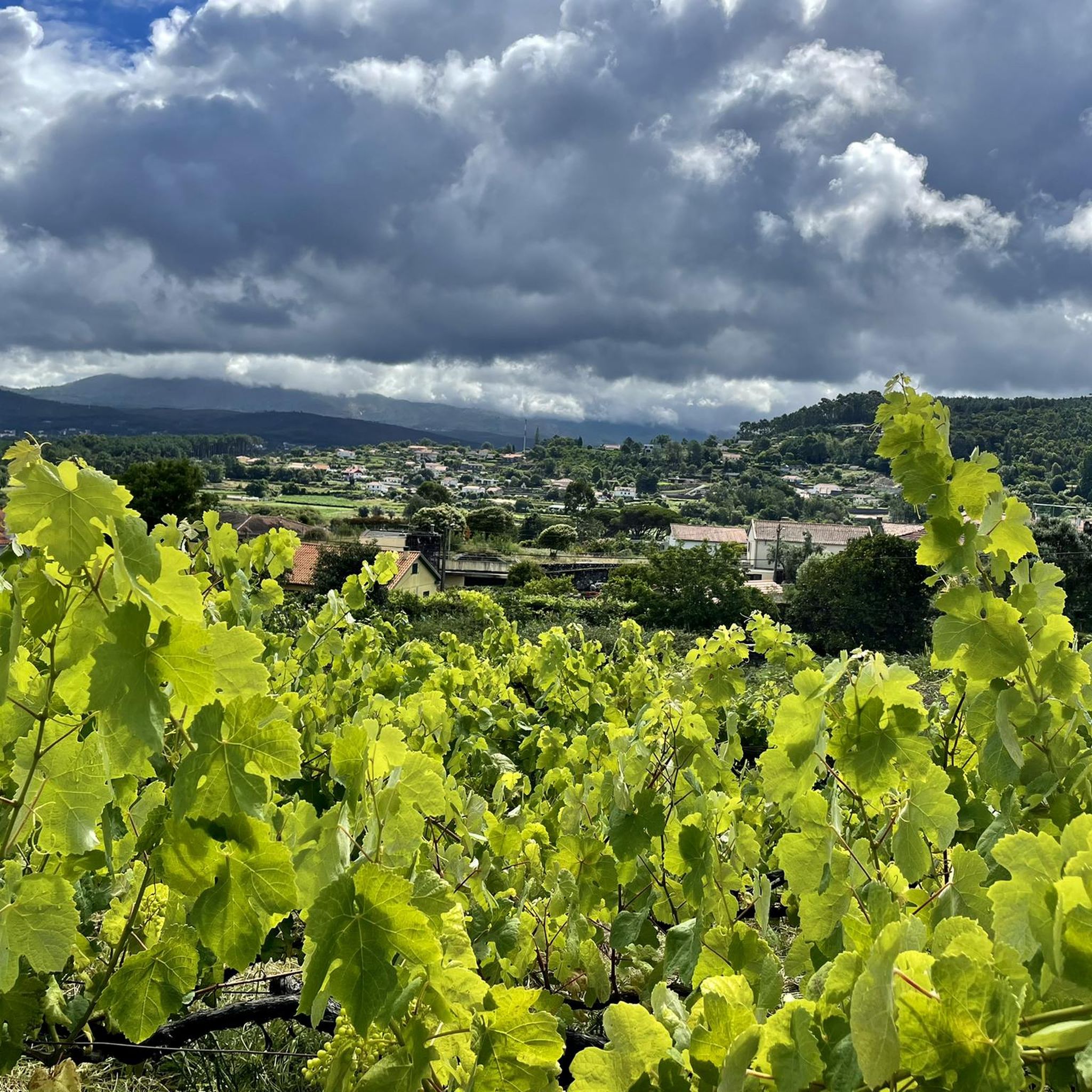
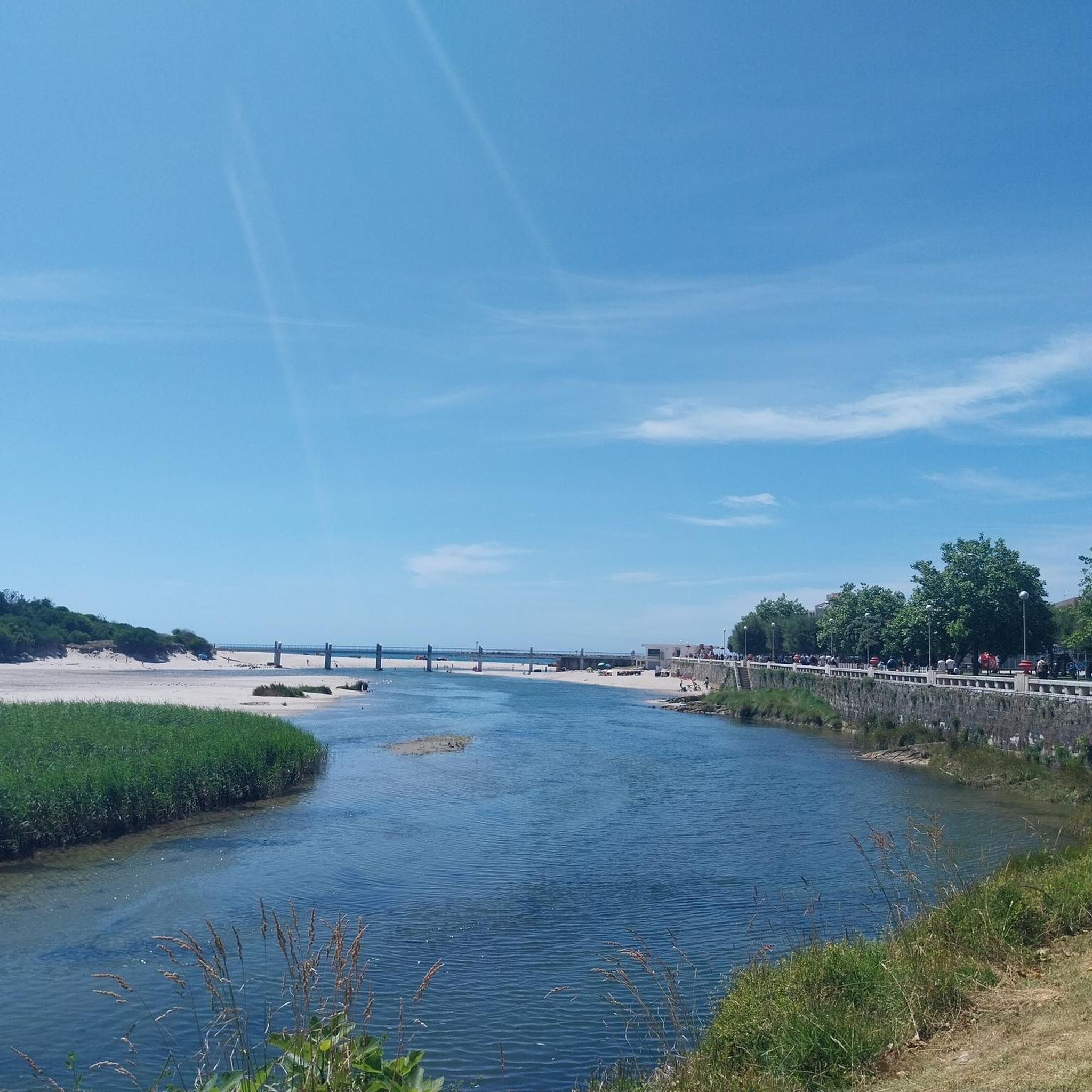
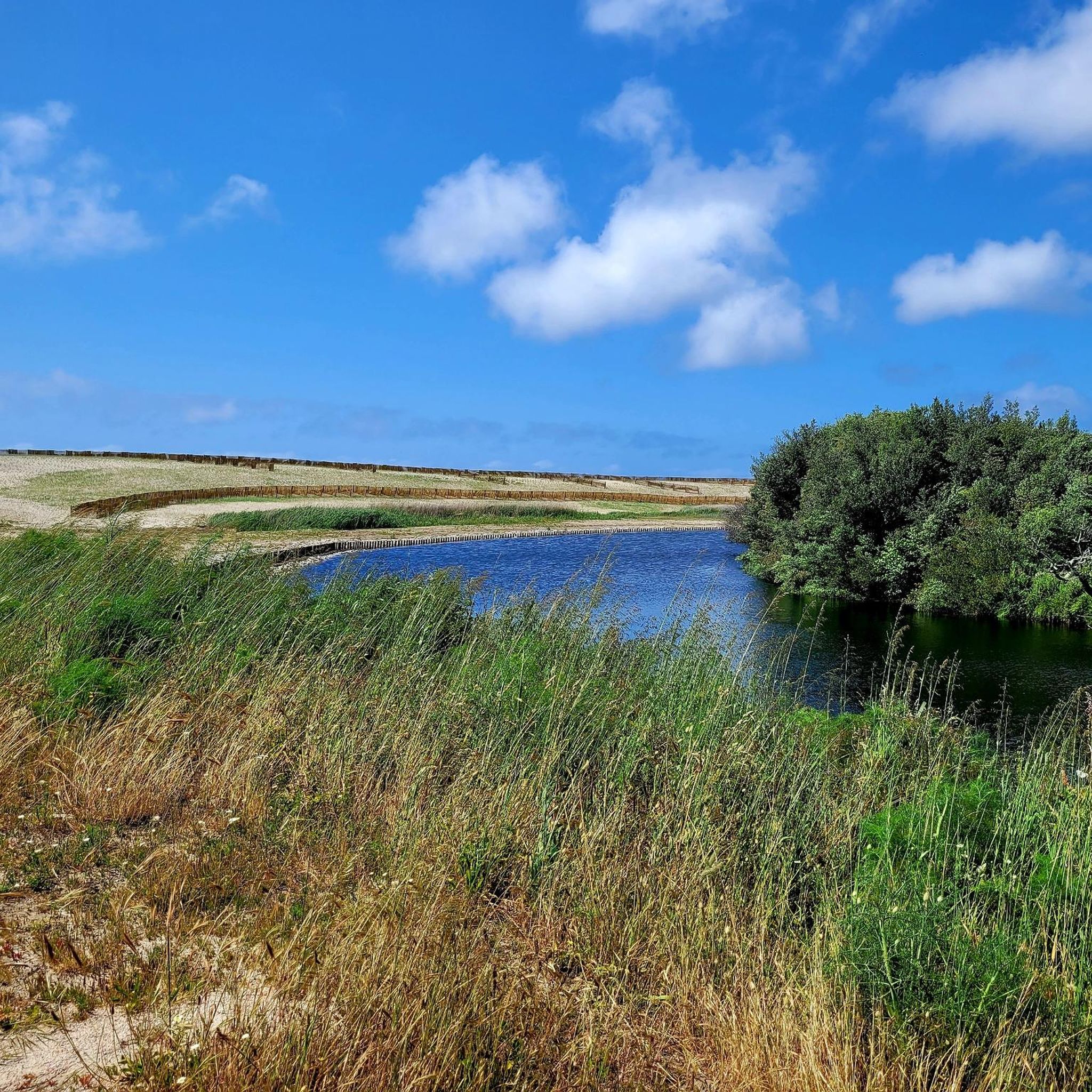
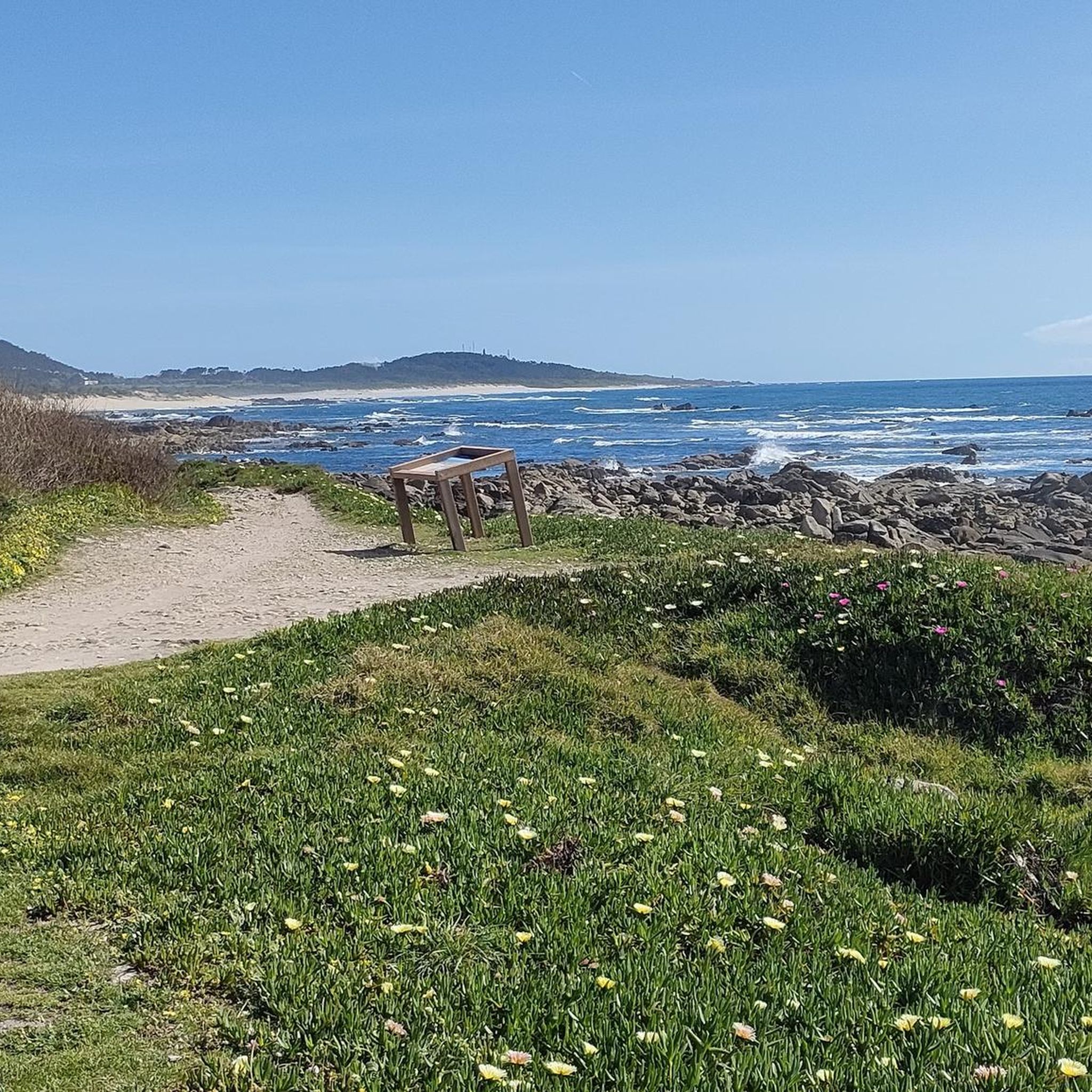

Tips from the Community

In Spain (Galicia) Muíños do Picón and do Folón: On the Spanish side, in O Rosal, the area offers hiking trails with views of Portugal and the river mouth from elevated points. A Guarda: The Spanish city on the other side of the river also offers direct views of the Portuguese beach and the dynamic river mouth.
1
0
In Portugal (Caminha and Vila Nova de Cerveira) Foz do Minho Beach: Located in the town of Caminha, this river beach offers a fantastic and direct view of the river mouth, with Spain (A Guarda) on the other side of the river. It is a popular spot for walking and watching the sunset. Deer Viewpoint and Swing: Situated in Vila Nova de Cerveira (just before reaching the actual river mouth, but overlooking the valley), it is often described as having "the best view of the Minho," crossing the entire river valley from Valença to the mouth. It offers a stunning panoramic view and easy access. Foz do Minho Restaurant: This restaurant in Vilarelho, Caminha, is known for having an excellent view of the river mouth from its windows, combining gastronomy with scenery.
1
0
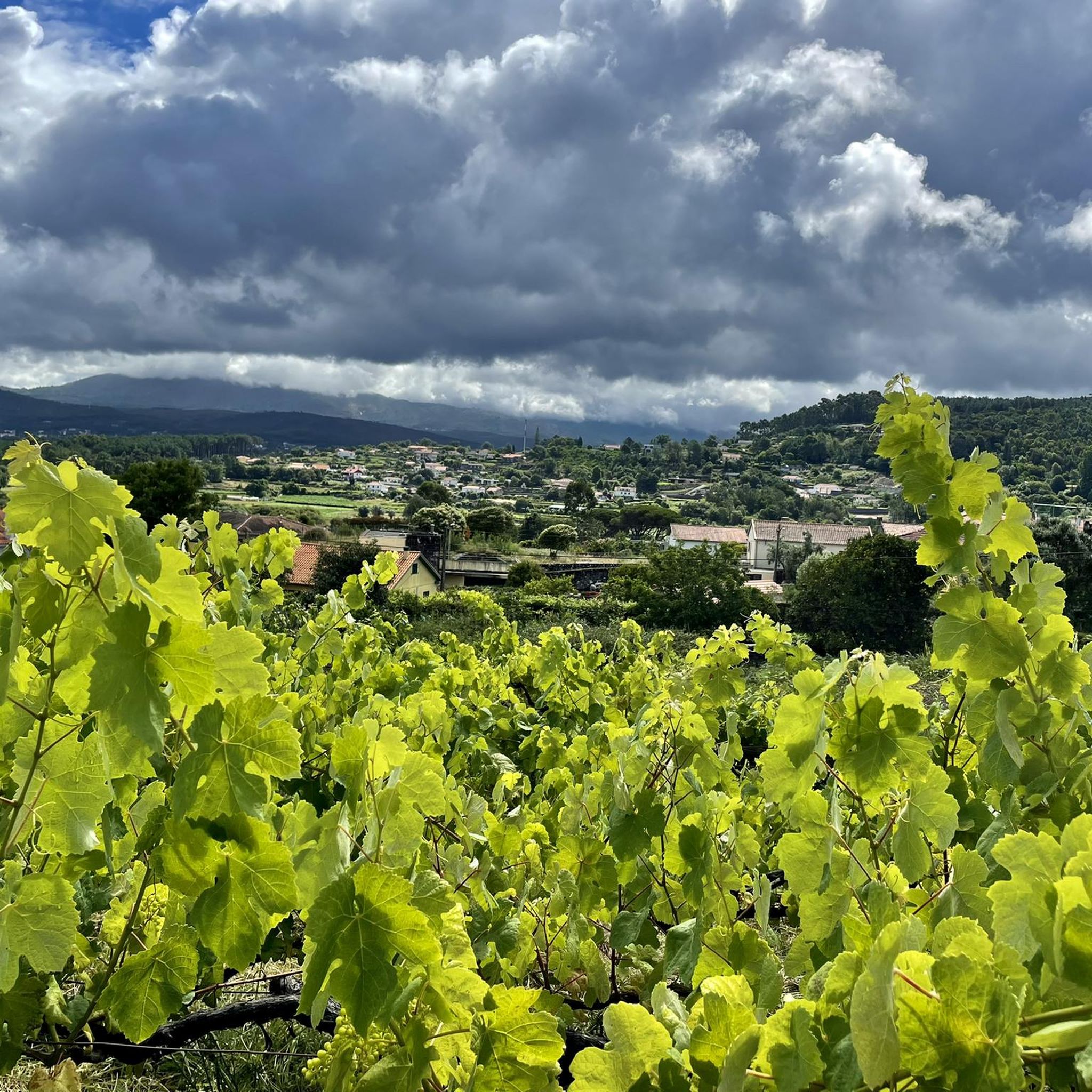
The view of the mouth of the Minho River, where the river flows into the Atlantic Ocean and forms the natural border between Portugal and Spain, is one of the most beautiful landscapes in Northern Portugal. There are several viewpoints from which this stunning view can be appreciated. The landscape is marked by the meeting of the river's fresh water with the sea, creating a unique ecosystem and a visibly impressive border line.
1
0
The Portuguese Coastal Way Vila Praia de Âncora is one of the important stops on the coastal route that connects Porto Cathedral to Santiago de Compostela Cathedral. The route is known for its beautiful coastal landscapes and good signage with yellow arrows and scallop shells.
1
0
Location and Meaning Location: The sculpture is situated on a point along the Portuguese Coastal Way, being a highlight or point of interest (POI) listed in trail guides and apps like Komoot. The exact location is near Vila Praia de Âncora Beach. Symbolism: The sculpture, along with a metal sign with the silhouette of a pilgrim and the inscription "Buen Camino" (Good Way), symbolizes the journey, perseverance, and faith that move pilgrims towards Santiago de Compostela. It is a popular spot for photos and reflection during the walk.
1
0
The Good Way Pilgrim Sculpture is a landmark and monument located in Vila Praia de Âncora, Portugal, along the Portuguese Coastal Way to Santiago de Compostela. The sculpture is part of a broader cultural project to promote the ancient route and serves as a point of reference and highlight for pilgrims passing through the region.
1
0

Square where you can rest and have coffee.
1
0

Frequently Asked Questions
What are the best outdoor activities to do around Riba De Âncora?
The region offers a variety of outdoor activities. You can explore numerous hiking trails, including the popular Ecovia do Atlântico, Caminho das Camboas, Caminho Portugues, which is part of the Portuguese Coastal Way. For cyclists, there are dedicated road cycling routes and MTB trails. The nearby Serra D'arga mountain range is also excellent for nature lovers, offering lagoons and waterfalls.
Are there any historical sites or cultural landmarks to explore in the area?
Yes, Riba De Âncora and its surroundings are rich in history. You can visit the Praça Conselheiro Silva Torres and Historic Center of Caminha, known for its narrow streets and historical buildings. Don't miss the Caminha Clock Tower, a 13th-century monument that now houses the Old Town Museum. Other notable sites include the ancient Castro de Santo Amaro, Roman roads at Caminhos Romanos da Picada, and the well-preserved 17th-century Forte da Lagarteira.
What natural features can I see around Riba De Âncora?
Nature lovers will appreciate the diverse landscapes. A must-see is the View over the mouth of the Minho River, where the river meets the Atlantic, forming a natural border and unique ecosystem. The Praia de Vila Praia de Âncora offers a large sandy beach with protected dunes, ideal for surfing. You can also find scenic waterfalls like Cascata do Pincho and explore the natural beauty of the Serra D'arga mountain range.
Are there family-friendly attractions in Riba De Âncora?
Many attractions in the region are suitable for families. The Ecovia do Atlântico, Caminho das Camboas, Caminho Portugues offers easy sections for walks or bike rides. The historic centers of Caminha, including Praça Conselheiro Silva Torres and Caminha Town Centre, provide pleasant strolls with street cafes. The beaches, such as Praia de Vila Praia de Âncora, are also great for family outings.
What is the best time to visit Riba De Âncora for outdoor activities?
The best time to visit Riba De Âncora for outdoor activities is generally during the spring (April to June) and early autumn (September to October). During these months, the weather is pleasant for hiking, cycling, and exploring historical sites, avoiding the peak summer heat and crowds. Summer is ideal for beach activities and water sports due to the strong Atlantic swell.
Where can I find traditional mills or insights into local heritage?
To experience local heritage, visit the Moinhos de Apardal e Forno Comunitário in Vila Verde, which are communal mills and an oven providing insight into traditional ways of life. The Museu da Memória, Artes e Ofícios de Riba de Âncora also showcases tools and artifacts used by local artisans, offering a glimpse into the region's past.
Are there any religious sites of interest in Riba De Âncora?
Yes, the area features several religious sites. The Igreja e Cruzeiro paroquial (parish church and stone cross) in Lugar de Juía is a central point. You can also find numerous chapels, including Capela da Senhora de Guadalupe, Capela de S. Bartolomeu, Capela do Espírito Santo, and Capela de Santo Amaro, each contributing to the region's spiritual heritage.
What is the significance of the Pilgrim Sculpture near Vila Praia de Âncora?
The Pilgrim Sculpture "The Good Way," located near the beach of Vila Praia de Âncora, is a significant landmark on the Portuguese Coastal Way. It symbolizes the journey and perseverance of pilgrims heading to Santiago de Compostela and is a popular spot for reflection and photographs.
Can I find ancient monuments from the Neolithic period in the area?
Yes, you can visit the Anta da Barrosa, also known as Dolmen da Barrosa or Lapa dos Mouros. This megalithic monument dates back to the Neolithic period and is classified as a National Monument, offering a fascinating look into prehistoric times.
Is there a viewpoint where I can see the border between Portugal and Spain?
Absolutely. The View over the mouth of the Minho River provides an impressive panorama where the Minho River flows into the Atlantic Ocean. This location naturally forms the border between Portugal and Spain, offering a unique geographical perspective.
What kind of beaches can I expect around Riba De Âncora?
The main beach is Praia de Vila Praia de Âncora, a large sandy beach stretching from the fishing port to the Âncora River mouth. It's known for its strong Atlantic swell, making it popular for surfing. The southern part features protected dunes, Dunas do Caldeirão, accessible via a wooden walkway, offering a blend of natural beauty and recreational opportunities.
Are there any attractions that are wheelchair accessible?
The Caminha Clock Tower is noted as wheelchair accessible. While specific accessibility details for all sites are not available, many town centers and coastal promenades may offer easier access. It's always recommended to check specific venue details for the most up-to-date information.
Most popular attractions around Riba De Âncora

Get inspired with the komoot mobile app


Explore more
Still not found the Highlight you’re looking for? See guides of the top attractions in other regions:
