Azeitão (Azeitão (Azeitão (São Lourenço e São Simão) e São Simão) e São Simão)
Azeitão (Azeitão (Azeitão (São Lourenço e São Simão) e São Simão) e São Simão)
Attractions and Places To See around Azeitão (Azeitão (Azeitão (São Lourenço e São Simão) e São Simão) e São Simão) - Top 20
Best attractions and places to see around Azeitão (Azeitão (Azeitão (São Lourenço e São Simão) e São Simão) e São Simão) offers a blend of historical grandeur, natural beauty, and cultural experiences. Situated at the edge of the Serra da Arrábida Natural Park and near the Sado River Estuary, this civil parish in Setúbal, Portugal, is known for its diverse landscape. The area encompasses picturesque villages and is recognized for its rich history, traditional tile manufacturing, and local gastronomy, including…
Last updated: May 20, 2026
Windmills of Serra do Louro
Highlight (Segment) • Monument
Tip by

Fort of São Filipe, Setúbal
Highlight • Castle
Tip by

Sign up now to discover places like this
Get recommendations on the best single tracks, peaks, & plenty of other exciting outdoor places.
Sign up for free
Ribeiro do Cavalo Beach
Highlight • Beach
Tip by
Formosinho Peak
Highlight • Summit
A very tough climb, an even tougher descent... Not accessible to everyone...
Translated by Google •
Tip by
The Cat and the Wind – Casa do Turismo de Setúbal
Highlight • Monument
Translated by Google •
Tip by
Sign up for free to discover even more attractions around Azeitão (Azeitão (Azeitão (São Lourenço e São Simão) e São Simão) e São Simão).
Sign up for free
Already have an account?
Start today with a free account
Your next adventure awaits.
Login or Signup
Popular around Azeitão (Azeitão (Azeitão (São Lourenço e São Simão) e São Simão) e São Simão)
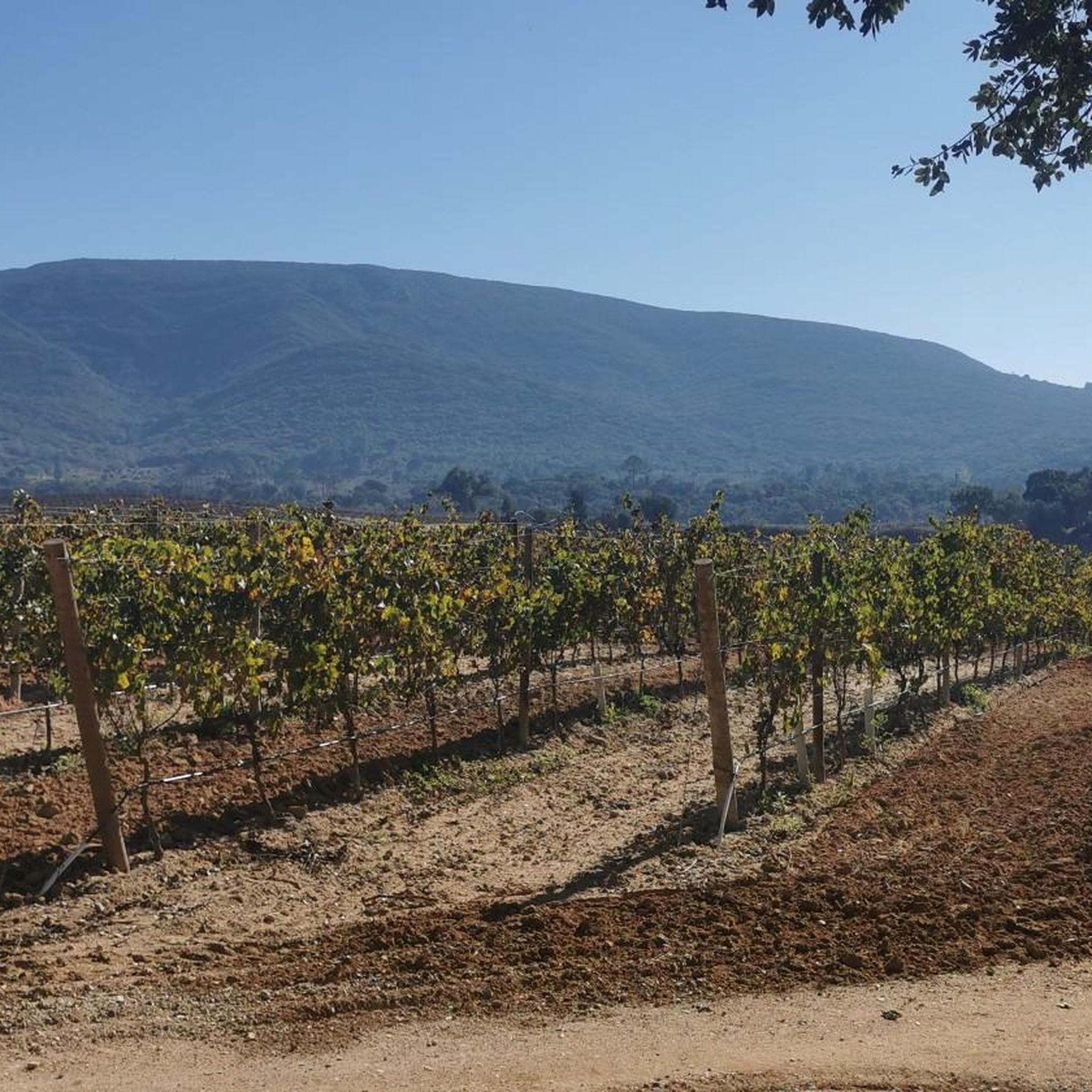
Hiking around Azeitão (Azeitão (Azeitão (São Lourenço e São Simão) e São Simão) e São Simão)
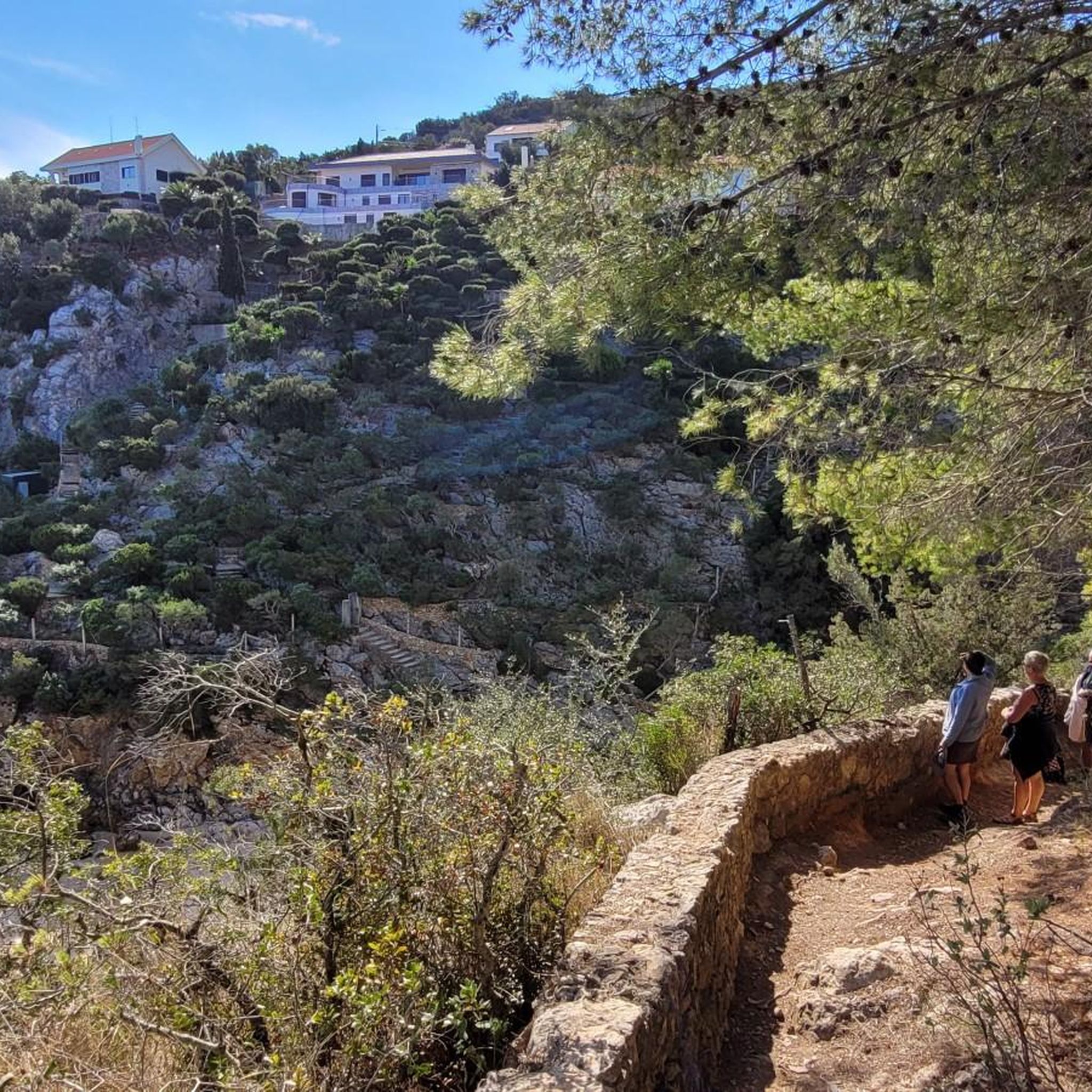
Road Cycling Routes around Azeitão (Azeitão (Azeitão (São Lourenço e São Simão) e São Simão) e São Simão)
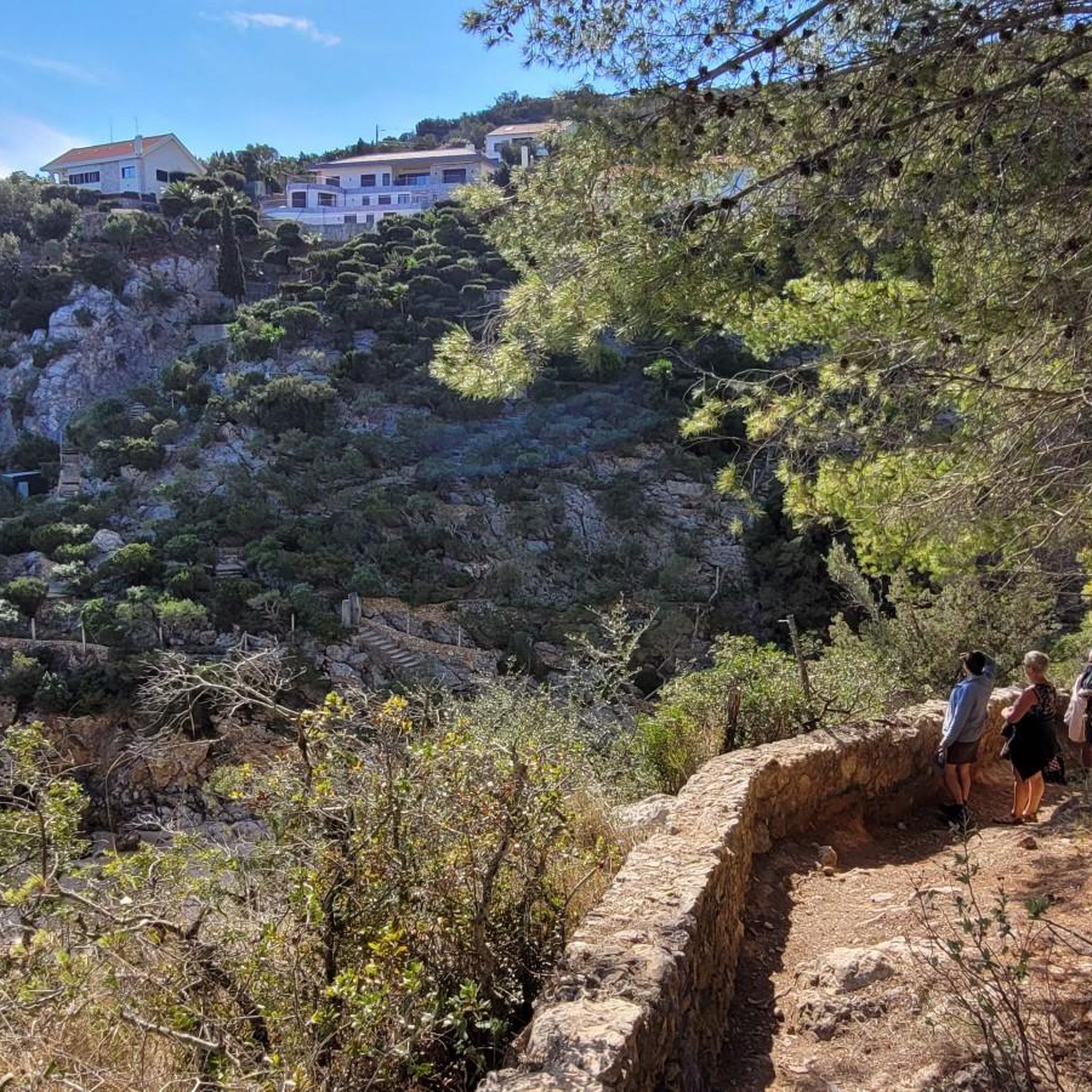
MTB Trails around Azeitão (Azeitão (Azeitão (São Lourenço e São Simão) e São Simão) e São Simão)
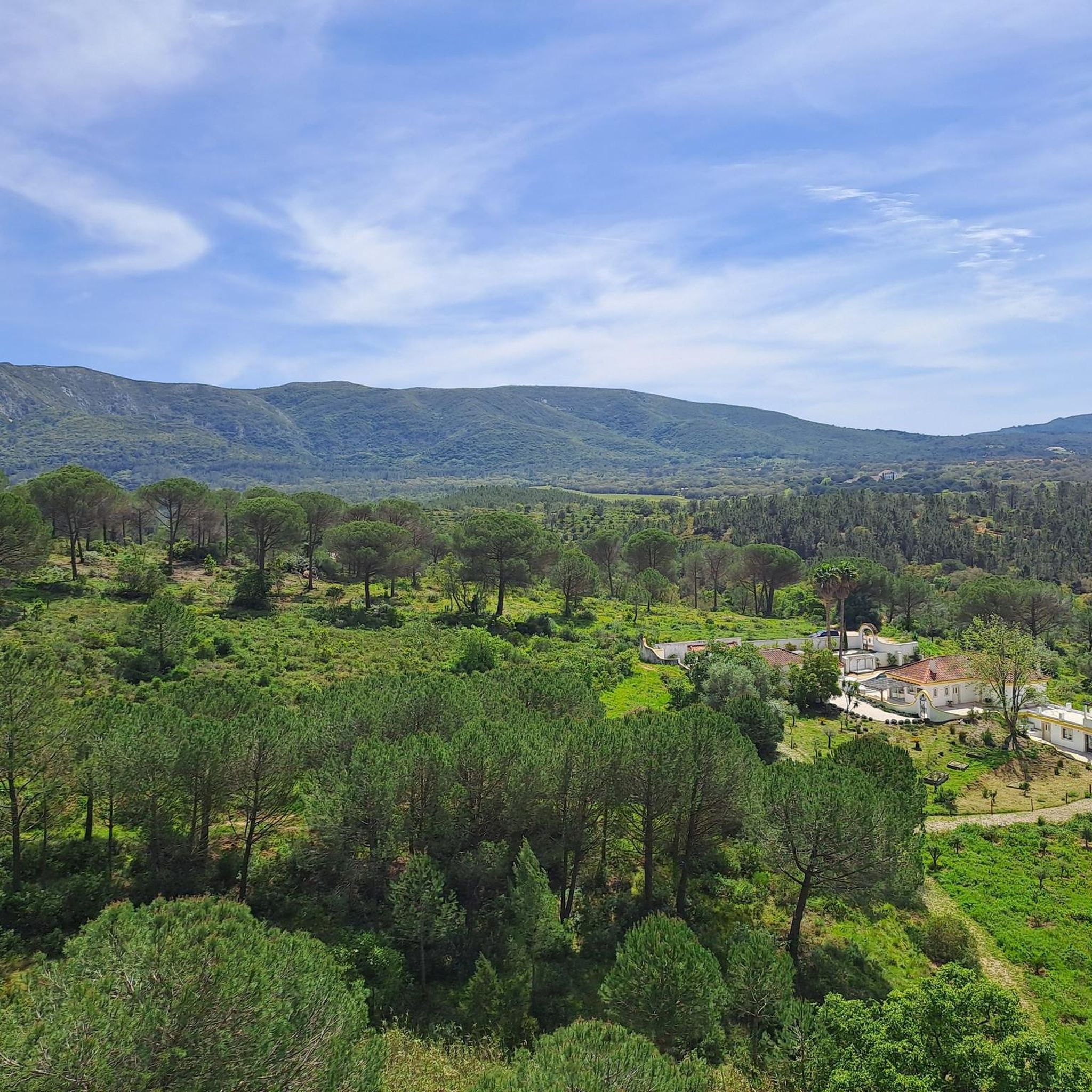
Cycling around Azeitão (Azeitão (Azeitão (São Lourenço e São Simão) e São Simão) e São Simão)
Running Trails around Azeitão (Azeitão (Azeitão (São Lourenço e São Simão) e São Simão) e São Simão)
Gravel biking around Azeitão (Azeitão (Azeitão (São Lourenço e São Simão) e São Simão) e São Simão)
Tips from the Community

These were the "mills" of old, moved by the wind, heavy granite millstones, transformed wheat seeds into flour from which delicious bread was made, which "satisfied" the hunger of those who had little to eat.
1
0
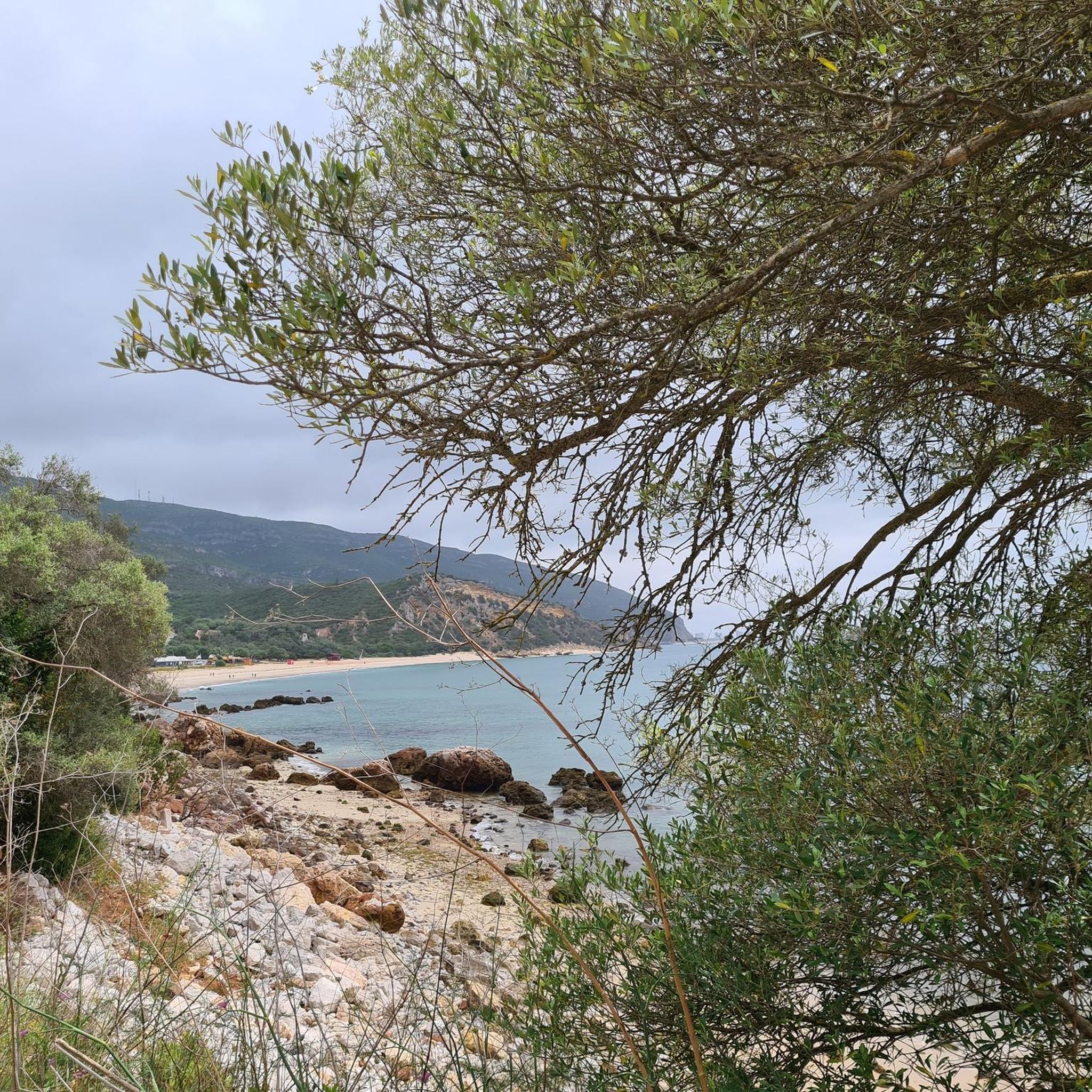
An excellent beach, although lacking in infrastructure and difficult to access, it's a super pleasant place, ideal for relaxing and recharging. Nearby, I also visited Mijona Beach and Hell Beach, which offer more challenging access but always boast immense natural beauty. I recommend it for those who don't have mobility issues and appreciate nature. 👍🥾🦯
1
0

Don't miss the opportunity to sign the summit book. The summit book is located in the small plastic container with the green lid, covered with a stone.
2
0


As it is a wild beach and difficult to access, there is no support equipment of any kind or lifeguards. Don't forget to bring water and food, and on the way back make sure to take all your rubbish with you (there are bins near the car park, at the start of the trail)! If you prefer to stay in the shade, you will need to bring a parasol. Also note that the name of the beach is Praia do Ribeiro do Cavalo and not Praia da Ribeira do Cavalo, as it is often called.
4
0
At the top of the Serra do Louro stand the windmills which, in the not so distant past, were an important industry for processing cereals. The force of the wind hits the open sails, turning an axle, which in turn transmits the rotation to a limestone stone that rotates on another fixed one. These stones, called "millstones", receive the cereal grains between them, transforming them into flour.
6
0
The piece is called “The Cat and the Wind” and is by the artist Ricardo Romero. It is located on top of the Casa do Turismo de Setúbal. If you have ever been for a walk in the Baixa district, you must have noticed the enormous black cat installed on the roof of the Casa do Turismo de Setúbal, in Praça do Bocage. As soon as the sculpture was installed in 2021, several images of the piece began to be shared on social media, accompanied by some questions related to the artist. After a few days of secrecy, the local authority revealed that the acrylic resin sculpture, measuring 3.80 metres long and 2.30 metres high, is by the artist Ricardo Romero, from the Matilha Studio project, known for developing works that combine urban art with social and animal causes. The piece is called “The Cat and the Wind” and, according to the artist, aims to draw attention to the hustle and bustle of everyday life and the lack of contemplation of art. “People are very used to classical statuary in cities. They look at things and don’t see them, they don’t appreciate them. Life can be lived if we contemplate it at the same time”, explained Ricardo in the same note. Despite having several possible interpretations, the work, adds Carla Tavares, Ricardo Romero’s project manager, invites the population to stop and reflect on the rush that is life today. Text copied from "New in Setúbal", author: Carolina Bico.
5
0
No one had ever heard of this wild beach until recently, when social media, bloggers, and travel websites began showing photos of its stunning scenery. It wasn’t even marked on any map, and only a few locals knew that there was a trail leading down to one of Portugal’s most beautiful beaches. They kept it a well-guarded secret, but it’s now quite popular, including with tourists.
4
0
Frequently Asked Questions
What historical landmarks can I explore in Azeitão?
Azeitão is rich in history. You can visit the 16th-century Palace of the Dukes of Aveiro (Palácio da Quinta das Torres), known for its Renaissance architecture and gardens. Another significant site is the Quinta da Bacalhôa and Bacalhôa Palace, dating back to the 15th century, offering tours of its gardens, art collection, and wine production. Don't miss the Fort of São Filipe, Setúbal, a 16th-century castle overlooking the Sado River, or the ancient Oliveiras Milenares, three olive trees existing since Roman times.
Are there natural attractions or scenic viewpoints in the Azeitão region?
Absolutely. Azeitão is located at the edge of the stunning Serra da Arrábida Natural Park, offering lush forests, limestone cliffs, and pristine beaches. The highest point, Formosinho Peak, provides challenging climbs and expansive views. You can also find scenic vistas from the Windmills of Serra do Louro. For a beautiful coastal experience, visit Ribeiro do Cavalo Beach, known for its natural beauty.
What kind of outdoor activities can I do near Azeitão's attractions?
The region around Azeitão is perfect for outdoor enthusiasts. You can find numerous routes for cycling, mountain biking, and gravel biking. For example, explore the 'View of Sesimbra – View of the Arrábida Valley loop' for mountain biking or the 'Lapidary Ceramics – Bacalhôa Vineyards loop' for cycling. You can find more details and routes on the MTB Trails around Azeitão guide, Cycling around Azeitão guide, and Gravel biking around Azeitão guide.
Are there any family-friendly activities or attractions in Azeitão?
While specific family-friendly trails aren't detailed, many attractions can be enjoyed by families. The José Maria da Fonseca Wine Cellars offer tours that can be interesting for older children, and the Azulejos de Azeitão tile factory provides a hands-on experience where visitors can learn about and even try painting tiles. Exploring the Mercado Municipal can also be a vibrant cultural experience for all ages.
What are the best places to experience local culture and gastronomy in Azeitão?
Azeitão is famous for its culinary delights and cultural heritage. You can visit the José Maria da Fonseca Wine Cellars for wine tours and tastings, or the Quinta da Bacalhôa for wine and art. Don't miss tasting the region's renowned Azeitão cheese and the traditional sweet, Torta de Azeitão. The Mercado Municipal is a great place to find regional products, and the Azulejos de Azeitão factory showcases traditional tile-making.
When is the best time to visit Azeitão for outdoor activities and sightseeing?
The region generally enjoys a mild climate. Spring (April to June) and early autumn (September to October) are often ideal for outdoor activities like hiking and cycling, as the weather is pleasant and not excessively hot. These periods also offer a good balance for sightseeing without the peak summer crowds.
Can I find traditional crafts or unique souvenirs in Azeitão?
Yes, Azeitão is known for its traditional crafts. The Azulejos de Azeitão factory is a prime spot to see the manual process of manufacturing and painting tiles, and you can purchase unique pieces there. Additionally, the charming streets of the villages feature several local handicraft shops, including tinsmiths, where you can find authentic souvenirs.
What are some notable religious sites in Azeitão?
Azeitão has several historic churches. The Igreja de São Lourenço, with its 16th-century construction, features a rich interior adorned with 17th-century tiles. The Igreja de São Simão in Vila Fresca de Azeitão is also notable for its extensive 17th-century tile heritage. These churches offer a glimpse into the region's religious art and architecture.
Is there a local market in Azeitão where I can buy fresh produce and regional specialties?
Yes, the Mercado Municipal (Municipal Market of Azeitão) is a vibrant hub where you can find a variety of regional products. It offers fresh fruits, vegetables, meat, fish, and, of course, the famous Azeitão cheese. It's a great place to experience local life and taste authentic flavors.
What are the main festivals or events in Azeitão?
Azeitão hosts a couple of notable annual events. The Festa de São Sebastião, held in January, honors the village's patron saint with religious processions, traditional music, and local food. In September, the Azeitão Wine Festival celebrates the region's winemaking tradition with tastings, vineyard tours, live music, and cultural performances.
Are there any accessible attractions for visitors with mobility considerations?
While many historical sites may have limited accessibility due to their age, the Mercado do Livramento in Setúbal is noted as being wheelchair accessible. For other attractions, it is advisable to check specific accessibility details beforehand.
Most popular routes around Azeitão (Azeitão (Azeitão (São Lourenço e São Simão) e São Simão) e São Simão)
Most popular attractions around Azeitão (Azeitão (Azeitão (São Lourenço e São Simão) e São Simão) e São Simão)

Get inspired with the komoot mobile app


Explore more
Still not found the Highlight you’re looking for? See guides of the top attractions in other regions:
