The best cycling routes around Fortios
4.4
(11)
143
riders
36
rides
Touring cycling around Fortios features routes characterized by significant elevation changes, traversing hilly terrain. The area's landscape includes historical landmarks such as castles and monasteries, suggesting a mix of cultural and natural scenery. Routes often involve sustained climbs, indicating a challenging environment for cyclists.
Best touring cycling routes around Fortios
- The most popular touring cycling route is Portagem Roman Bridge – Portalegre Castle loop from Portalegre, a 33.5 miles (53.9 km) trail that takes 3 hours 28 minutes to…
Last updated: July 8, 2026
13
riders
49.2km
03:10
610m
610m
Hard bike ride. Very good fitness required. Mostly paved surfaces. Suitable for all skill levels.
5
riders
50.8km
03:13
590m
600m
Hard bike ride. Very good fitness required. Mostly paved surfaces. Suitable for all skill levels.

Sign up for free
4
riders
23.1km
01:38
400m
400m
Moderate bike ride. Good fitness required. Mostly paved surfaces. Suitable for all skill levels.
7
riders
58.8km
03:48
740m
740m
Hard bike ride. Very good fitness required. Mostly paved surfaces. Suitable for all skill levels.
4
riders
45.3km
03:05
750m
750m
Hard bike ride. Very good fitness required. Mostly paved surfaces. Suitable for all skill levels.
Get access to more routes and recommendations from other explorers.
Sign up for free
Already have an account?
Our route recommendations are based on thousands of hikes, rides, and runs completed by other people on komoot.
Start today with a free account
Your next adventure awaits.
Login or Signup


Tips from the Community

Castelo de Vide is a charming Portuguese medieval village located in the district of Portalegre, in the Alentejo region, perched on the hills of the Serra de São Mamede Natural Park. Nicknamed the "Sintra of Alentejo" for its flowery alleys and lush landscapes, this town is famous for its healing thermal waters, its intact Gothic architecture, and one of the most important historical Jewish communities in the country.
0
0

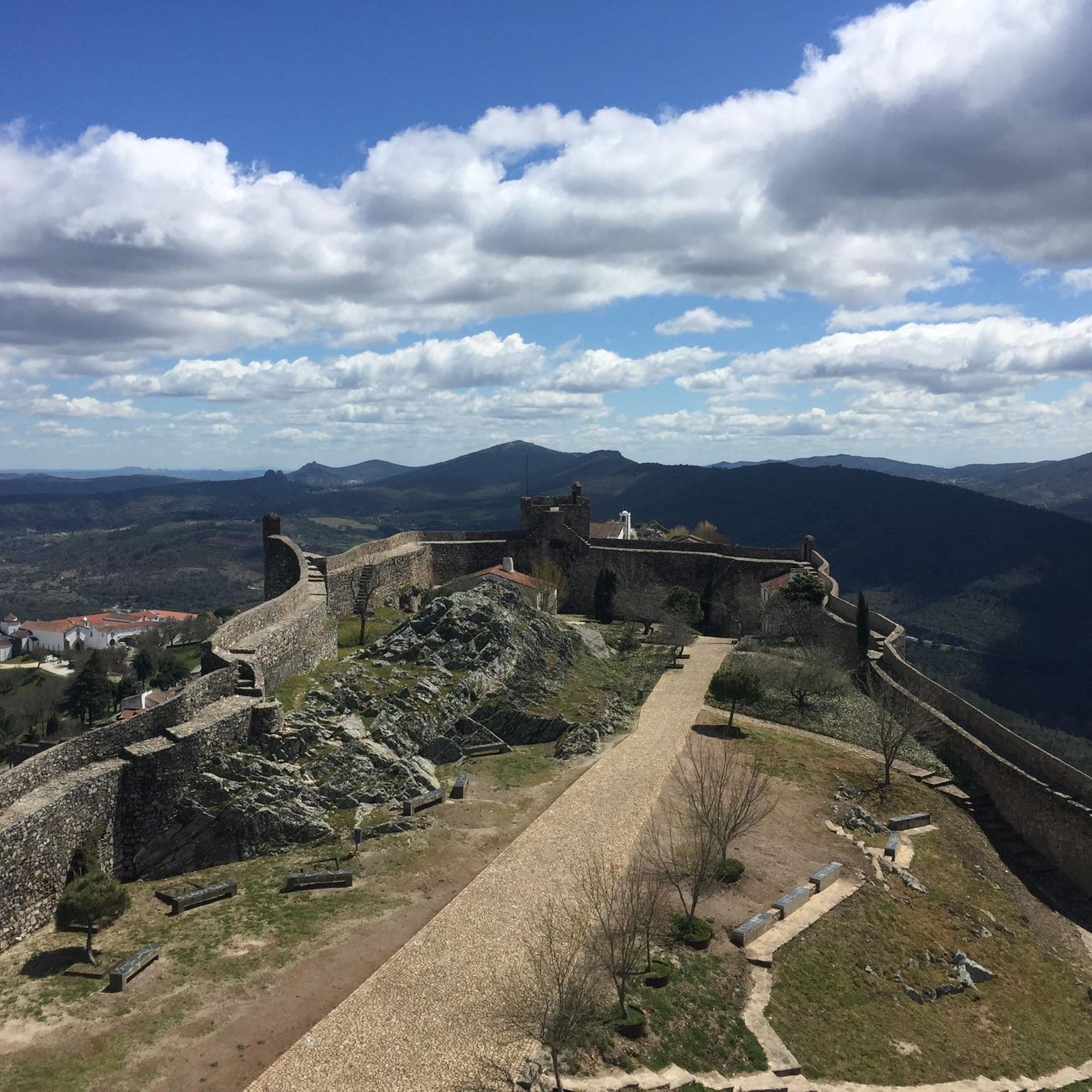
Far in the northeast of Alentejo lies Castelo de Vide, just a few kilometers from the border with Spain. The town is often called Cidade branca (white city), which is primarily due to the pretty whitewashed houses of the town. The highlight of the town (besides its great location in the Parque Natural da Serra de São Mamede) is the 14th-century Castelo de São Roque. From the castle, you have a fantastic view of the old town. Other sights in Castelo de Vide include the old Jewish quarter with the oldest synagogue in Portugal and the numerous churches and chapels of the town.
1
0


If you're traveling from Marvão or Castelo de Vide to Spain, this is the highlight, so stop and enjoy it!
0
0

The castle was founded by King D. Dinis in 1290, with the aim of defending the Alentejo border. Originally, it had an imposing structure with a double ring of walls, twelve towers and eight gates. Over the centuries, it lost part of its structure to the growth of the city, but it remains a National Monument. The Keep is the best-preserved part of the original complex. Inside, there is a museum that you can visit.
1
0
Imposing building in which the Centro de Dia senior center is located
2
0
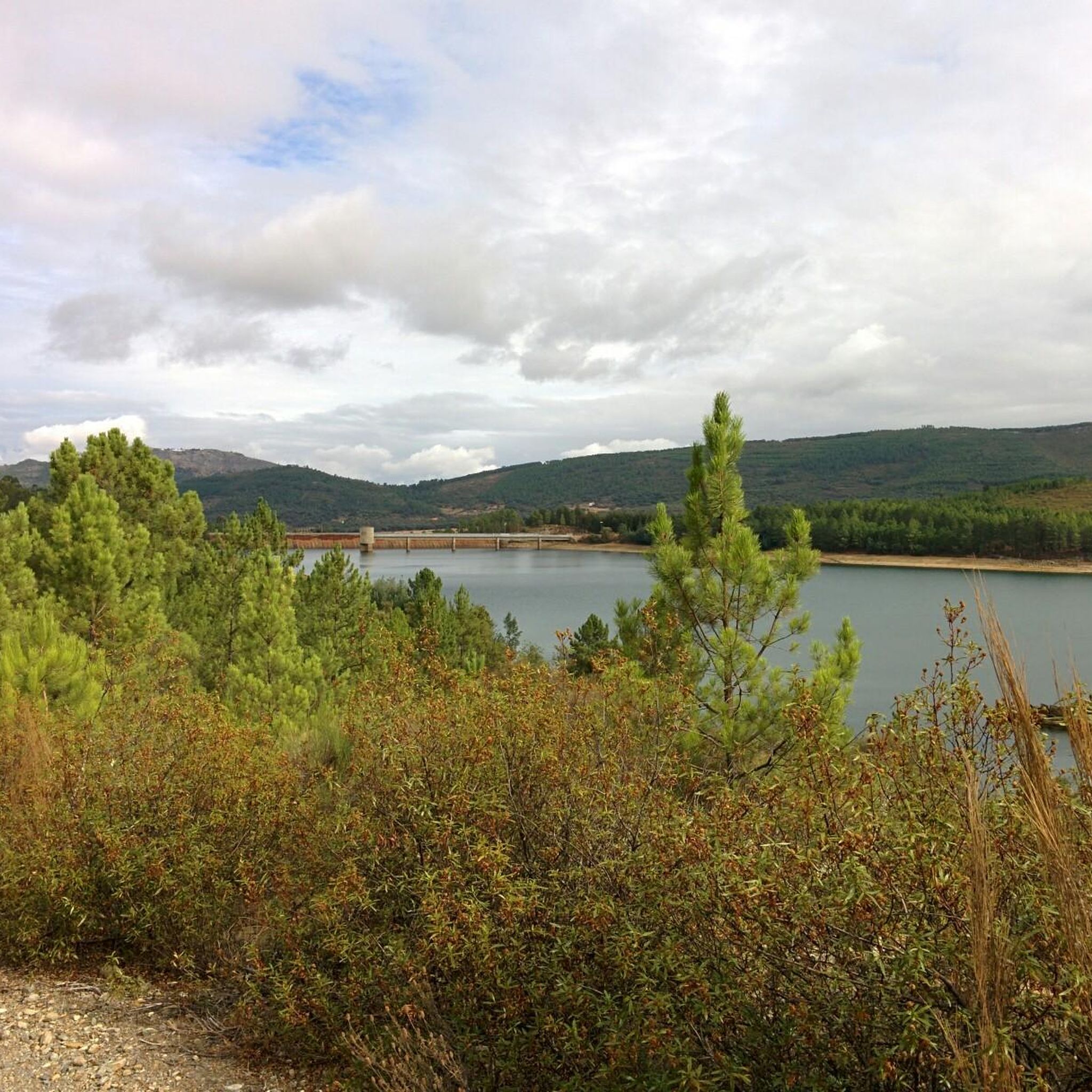
The (former) river beach of Portagem is a charming spot at the foot of the Marvao mountain. In summer, when temperatures in Alentejo can rise above 40°C, it offered a refreshing escape into the cool, dammed waters of the Rio Sever. There's now a modern outdoor swimming pool across the street. A real shame, really.
2
0

Portalegre is a historic town in the Serra de São Mamede near the Spanish border, known for its medieval strategic role and rich religious and architectural heritage. It became a city in the 16th century under King João III. Today, it blends baroque charm with cultural landmarks like the Tapestry Museum and José Régio’s House-Museum.
0
0
Frequently Asked Questions
How many touring cycling routes are available around Fortios?
There are nearly 40 touring cycling routes available in the area designated as Fortios on komoot. These routes are characterized by significant elevation changes and hilly terrain, offering a challenging experience for cyclists.
What is the general difficulty level of touring cycling routes in this region?
The touring cycling routes around Fortios are predominantly challenging. Out of nearly 40 routes, 23 are classified as difficult, and 15 as moderate. There are no easy routes, indicating that the area is best suited for experienced cyclists due to sustained climbs and varied terrain.
Are there any circular touring cycling routes in the Fortios area?
Yes, many routes in this region are designed as loops. For example, the Portagem Roman Bridge – Portalegre Castle loop from Portalegre is a popular circular route covering 33.5 miles (53.9 km) with substantial elevation gain. Another option is the Colorful Portalegre – Portalegre Castle loop from Portalegre, a 31.2-mile (50.2 km) trail.
What kind of scenery and landmarks can I expect to see along the cycling routes?
The routes often traverse hilly landscapes featuring historical landmarks such as castles and monasteries. You can expect to see sites like the Marvão Castle, the 16th century bridge of Portagem, and the Historic Village of Marvão. These routes offer a mix of cultural and natural scenery.
What do other touring cyclists say about the routes around Fortios?
The routes in this area are highly rated by the komoot community, with an average score of 4.4 stars from over 10 reviews. Cyclists often praise the challenging nature of the rides and the historical points of interest encountered along the way.
Are there any specific historical sites or attractions worth visiting near the cycling paths?
Absolutely. The region is rich in history. Notable attractions include the Historic Village of Marvão, the impressive Marvão Castle, and the charming town of Castelo de Vide. Many routes, such as the Flor da Rosa Monastery – Portalegre Castle loop from Portalegre, pass by significant historical structures.
What is the longest touring cycling route available in the Fortios area?
One of the longer routes is the Flor da Rosa Monastery – Portalegre Castle loop from Portalegre, which spans 36.5 miles (58.8 km) and features over 2,400 feet (733 meters) of climbing. This difficult route offers an extensive exploration of the region's landscape.
What is the shortest touring cycling route for a challenging ride?
For a shorter yet still challenging experience, consider the Bike loop from Portalegre. This difficult route is 14.9 miles (24.0 km) long but includes over 1,900 feet (590 meters) of climbing, making it a demanding ride despite its length.
Are there routes that feature both natural beauty and historical elements?
Many routes combine both. For instance, the Portalegre Castle – 16th century bridge of Portagem loop from Portalegre takes you through varied terrain while connecting two significant historical landmarks, offering a rich experience of both nature and heritage.
Is the Fortios area suitable for beginner touring cyclists?
Given the prevalence of difficult and moderate routes with significant elevation changes and sustained climbs, the Fortios area is primarily suited for experienced touring cyclists. Beginners may find the terrain very challenging.
What kind of terrain can I expect on the touring cycling routes?
The terrain around Fortios is characterized by hilly landscapes and significant elevation changes. Cyclists should be prepared for sustained climbs and descents on varied surfaces, often leading through rural areas and past historical sites.
Most popular attractions around Fortios

Get inspired with the komoot mobile app


Explore more
Browse the best Cycling routes in other regions.
