The best cycling routes around Prazeres
3.6
(7)
61
riders
4
rides
Touring cycling around Prazeres, located in the rural southwest of Madeira, offers diverse terrain for cyclists. The region features a blend of mountainous landscapes, green valleys, and expansive nature trails, with significant elevation changes. Cyclists can experience varied inclines, from coastal routes with panoramic Atlantic Ocean views to challenging climbs into the interior. Roads often traverse quiet forest areas, providing a scenic backdrop for rides.
Best touring cycling routes around Prazeres
- The most popular touring cycling route is Chão da…
Last updated: July 3, 2026
5.0
(1)
10
riders
51.7km
04:27
1,830m
1,830m
Hard bike ride. Very good fitness required. Mostly paved surfaces. Suitable for all skill levels.
1.0
(2)
11
riders
45.4km
03:46
1,480m
1,480m
Hard bike ride. Very good fitness required. Mostly paved surfaces. Suitable for all skill levels.

Sign up for free
1
riders
9.54km
00:54
410m
410m
Moderate bike ride. Good fitness required. Mostly paved surfaces. Suitable for all skill levels.
4.8
(5)
32
riders
29.5km
02:11
720m
720m
Hard bike ride. Very good fitness required. Mostly paved surfaces. Suitable for all skill levels.
8
riders
33.1km
02:47
1,110m
1,110m
Hard bike ride. Very good fitness required. Mostly paved surfaces. Suitable for all skill levels.
Our route recommendations are based on thousands of hikes, rides, and runs completed by other people on komoot.
Start today with a free account
Your next adventure awaits.
Login or Signup
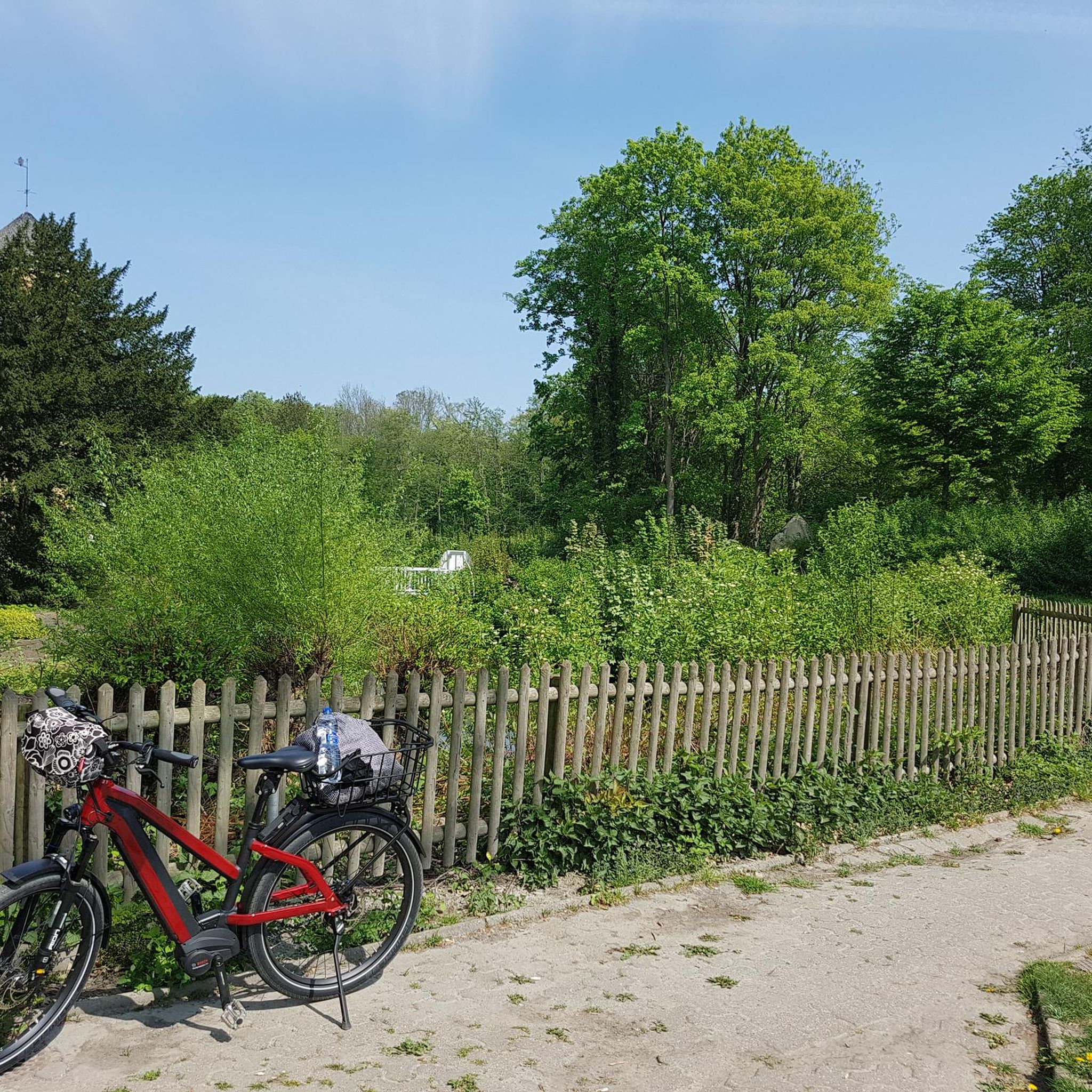
Tips from the Community

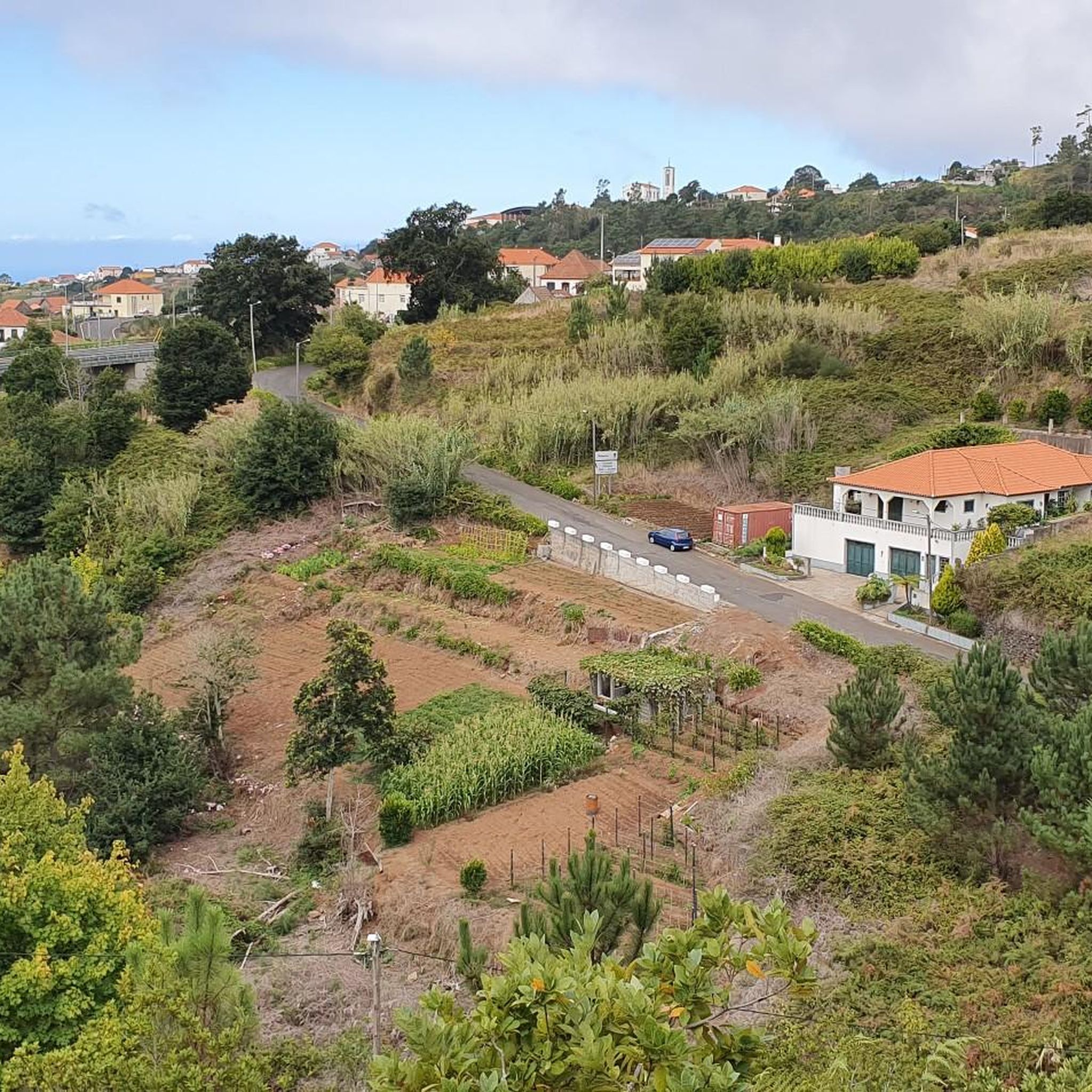
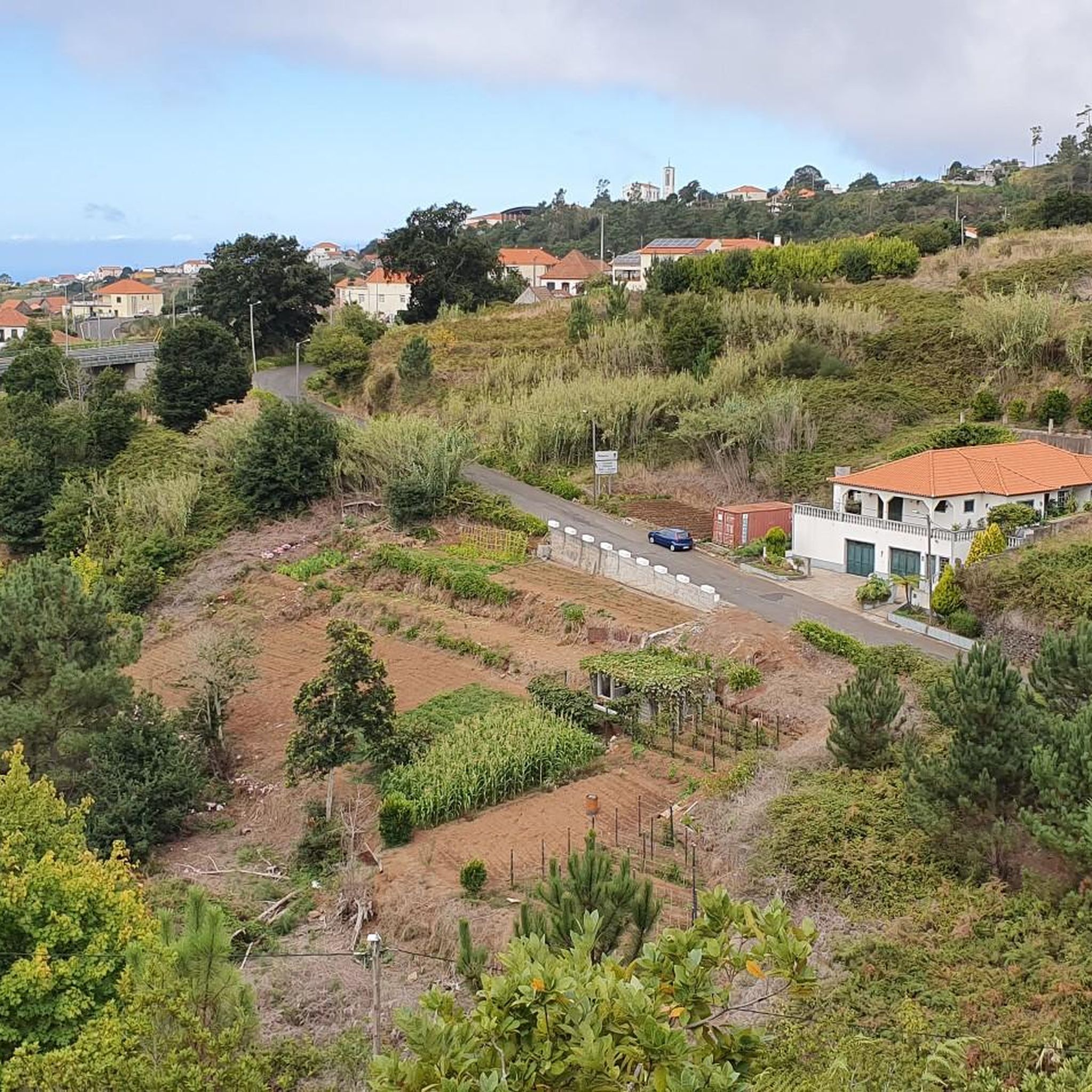
great educational garden
0
0
The educational garden can also be viewed from the outside, many chickens or corns, an emu and various other birds, there is a café in the park
0
0

Nice road with fewer cars than in other estradas regionais
2
0

A nice little place where we were particularly impressed by the small botanical garden behind the church! 😍👍 Free entry (there's a donation box inside the building), and you can support the project by purchasing the regional products on offer. There are lots of labeled plants, ducks, chickens, turtles, etc. Animal feed is available in the shop/café for €1. Delicious cakes and ☕️ are also available in the café.
1
0

A nice little place with cafes and bars.
4
1

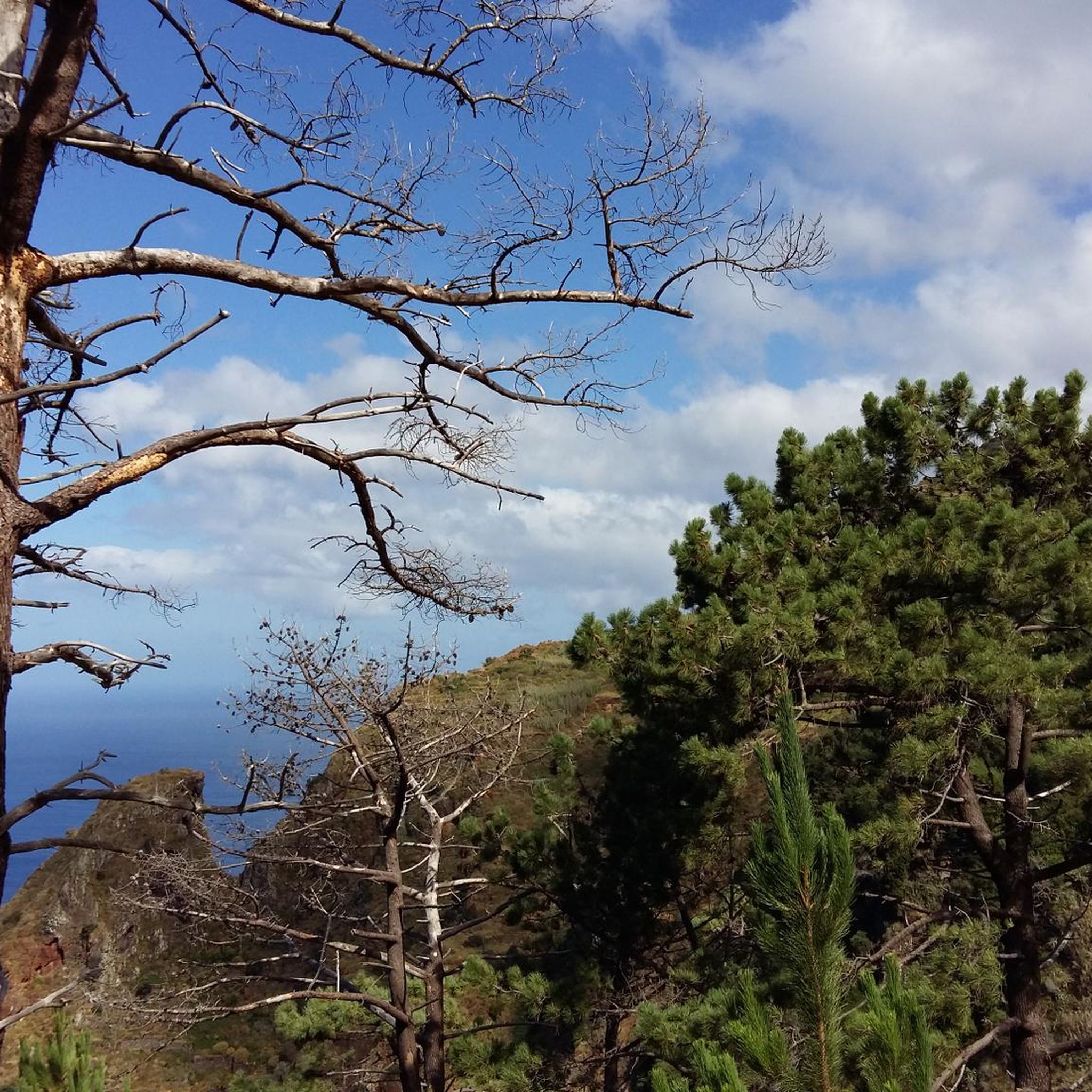
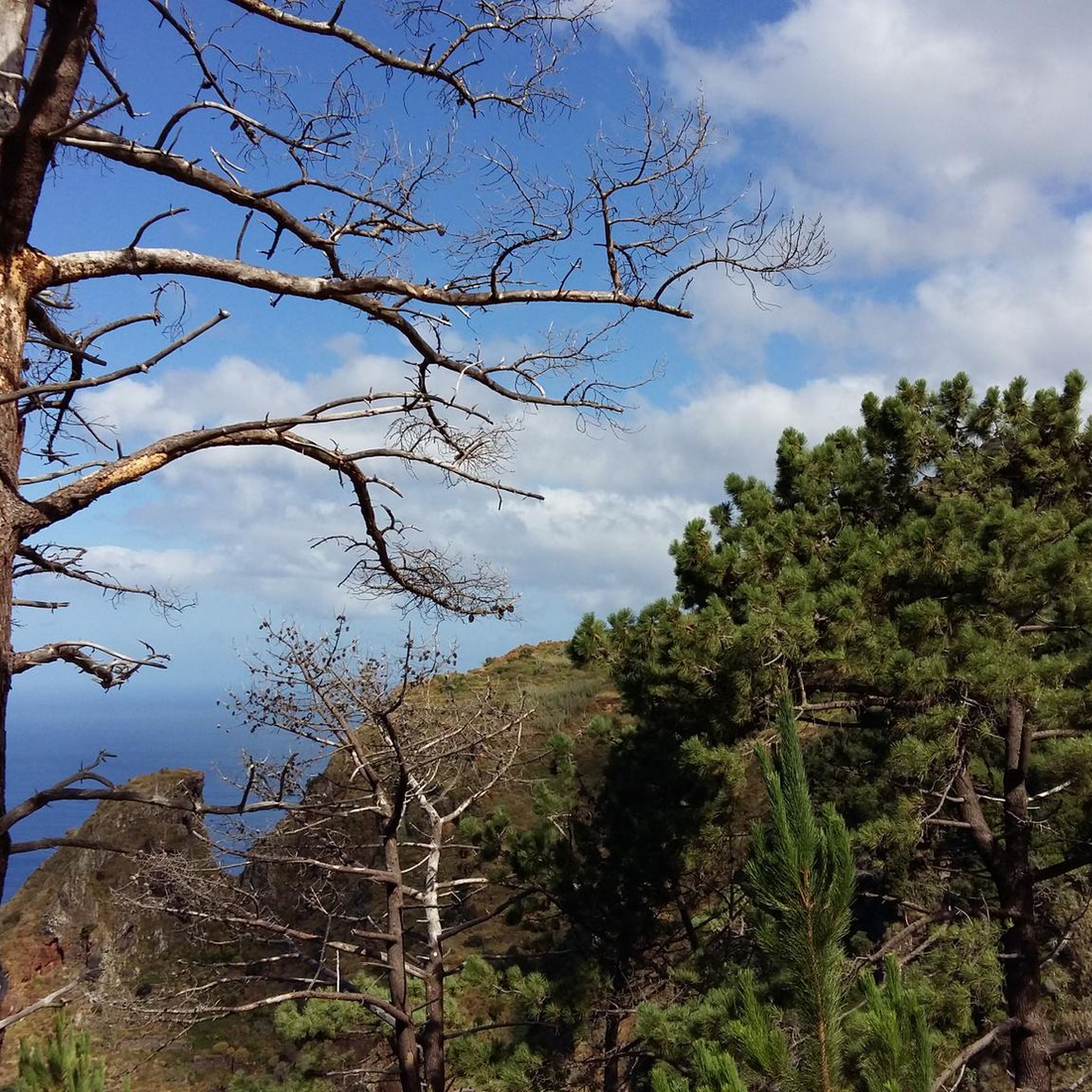
It is said to be the highest lighthouse in Portugal. Nothing special for us. The view of the cliffs that drop steeply down to the coast is great.
6
0
Frequently Asked Questions
How many touring cycling routes are available around Prazeres?
There are currently 5 touring cycling routes around Prazeres listed on komoot, offering a variety of experiences from moderate to difficult. These routes are highly rated by the komoot community, with an average score of 3.6 stars.
What kind of terrain can I expect when touring cycling in Prazeres?
Prazeres offers a diverse cycling landscape, from quiet forest roads filled with pine and eucalyptus trees to dramatic coastal vistas overlooking the Atlantic Ocean. You'll encounter varied inclines, ranging from gentle coastal rides to more challenging climbs into the mountainous interior towards the Serra do Paul. Many routes feature mostly paved surfaces, making them suitable for touring cyclists.
Are there any circular touring cycling routes in Prazeres?
Yes, there are several circular routes available. For example, the difficult From Porto Moniz to Fanal — circular route on Madeira Island is a 51.7 km trail with significant elevation gains. Another option is the Quiet Regional Road – Igreja do Amparo loop from Lombo da Rocha, which is a 32 km difficult route.
What are some notable natural attractions I can see while cycling near Prazeres?
The region around Prazeres is rich in natural beauty. You can find stunning waterfalls like 25 Fontes (25 Springs) Waterfall and Risco waterfall. The area also features natural pools such as the Porto Moniz Natural Pools, and beautiful lagoons like Viento Lagoon. Many routes offer views of the UNESCO World Heritage Laurisilva forest.
Are there any family-friendly cycling options in Prazeres?
While many routes in Prazeres feature significant elevation gains and are rated as difficult, there is a moderate route, the Chão da Ribeira Trail, which is 9.5 km long and takes about 54 minutes. This trail leads through valleys and forested areas, offering a less strenuous option. Additionally, the Prazeres Educational Farm – Estreito da Calheta loop from Calheta passes by the Quinta Pedagógica dos Prazeres, which has a mini-zoo and playground, making it a pleasant stop for families.
What is the best time of year to go touring cycling in Prazeres?
Madeira generally enjoys a mild climate year-round. However, for touring cycling, spring and autumn often provide the most comfortable temperatures and less rainfall, making them ideal for exploring the varied terrain. Summer can be warm, especially on climbs, while winter offers cooler temperatures but may have more unpredictable weather.
What do other touring cyclists enjoy the most about cycling in Prazeres?
The komoot community rates touring cycling in Prazeres highly, with an average score of 3.6 stars from over 5 reviewers. Cyclists often praise the breathtaking panoramic views over the Atlantic Ocean, the quiet forest roads, and the diverse terrain that offers both challenging climbs and scenic descents through green valleys.
Are there any specific points of interest or landmarks along the cycling routes?
Yes, several routes offer access to local attractions. The Prazeres Educational Farm – Estreito da Calheta loop from Calheta passes by the Quinta Pedagógica dos Prazeres, a charming educational farm with a mini-zoo and herb garden. Additionally, many routes offer stunning views from various viewpoints, such as the Prazeres Viewpoint, which provides vistas down to Jardim do Mar and Paul do Mar.
Can I find amenities like cafes or bike shops in Prazeres?
Prazeres has a tranquil charm with welcoming establishments offering local teas and traditional Madeiran delicacies, perfect for a break during your ride. For cycling-specific needs, there is a mountain bike shop called Joe Cycles in Prazeres, which offers rentals, guided tours, and expert advice, catering to various cycling needs.
What are the most challenging touring cycling routes in the area?
Many routes around Prazeres are rated as difficult due to significant elevation gains. The Madeira West Coast Trail: Porto Moniz to Ponta do Pargo is a particularly challenging 45.4 km path offering dramatic coastal vistas and demanding climbs. Another difficult option is the From Porto Moniz to Fanal — circular route on Madeira Island, which covers 51.7 km with substantial elevation changes.
Is it possible to combine cycling with other outdoor activities in Prazeres?
Absolutely. Prazeres serves as an excellent base for exploring other outdoor activities. The presence of the Laurisilva forest and renowned levada trails like Levada das 25 Fontes and Levada do Risco means you can enjoy scenic walks or hikes on non-cycling days. The village is also close to coastal areas like Calheta, where you can find options for whale and dolphin watching tours.
Are there any specific regional roads recommended for touring cyclists?
Yes, regional roadways like the R222 connect Prazeres to other charming villages and offer scenic cycling opportunities. Many routes utilize quiet and beautiful forest roads, providing a peaceful cycling experience away from heavy traffic. The Quiet Regional Road – Igreja do Amparo loop from Lombo da Rocha is an example of a route that highlights these regional roads.
Most popular attractions around Prazeres

Get inspired with the komoot mobile app


Explore more
Browse the best Cycling routes in other regions.
