Attractions and Places To See around Carnota - Top 20
Attractions and places to see around Carnota offer a diverse range of experiences, from natural landscapes to historical sites. This region is characterized by its coastal features and cultural landmarks. Visitors can explore various points of interest, including gardens, monuments, and scenic trails.
Best attractions and places to see around Carnota
- The most popular attractions is Bronze Sculptures of the Tagus Estuary, a man-made monument. This site offers an extensive and varied animation program.
- Another must-see spot is Constantino…
Last updated: July 1, 2026
Constantino Palha Municipal Garden
Highlight • Rest Area
Translated by Google •
Tip by

Cais da Jorna and Fishermen's Monument
Highlight • Monument
Translated by Google •
Tip by

Sign up now to discover places like this
Get recommendations on the best single tracks, peaks, & plenty of other exciting outdoor places.
Sign up for free
Marechal Carmona Bridge
Highlight (Segment) • Bridge
Translated by Google •
Tip by

Bronze Sculptures of the Tagus Estuary
Highlight • Monument
Animation program offered aimed at schools, from Monday to Friday, and for the general public, from Friday to Sunday.
Translated by Google •
Tip by

Caminho do Tejo – Esteiros and Valadas Segment
Highlight (Segment) • Trail
This segment is a dirt road best used when dry, has a couple of old gates that have open passage …
Tip by

Sign up for free to discover even more attractions around Carnota.
Sign up for free
Already have an account?
Start today with a free account
Your next adventure awaits.
Login or Signup

Tips from the Community

Constantino Palha Municipal Park is one of the main tourist attractions in Vila Franca de Xira, located next to the train station and the Tagus River. It occupies an area of 400 meters in front of the river and is considered the most charismatic garden in the city. Highlights: - Bandstand: a 19th-century bandstand is one of the park's main attractions, where cultural events frequently take place. - Lakes: the lakes are a characteristic element of the garden, adding a touch of serenity to the environment. - Playground: a fun area for children, making it a popular destination for families. - Cafeteria: offers a cozy place to relax and enjoy the river view. - Paths: the winding paths allow visitors to take pleasant walks through the garden, enjoying nature and the view of the Tagus River.
1
0


Located next to the Constantino Palha Municipal Garden, a bronze sculpture was installed next to the pier, in the riverside area of Vila Franca de Xira, in honor of the jorna workers. The work of the sculptor João Duarte was inaugurated in July 2013. This sculpture saves the memory of the men and women who gathered on the pier looking for work (la jorna which means a day of work). The farmers or their foremen arrived by boat and hired a good part of the labor for the fields of Lezíria or for the factories of the municipality.
2
0

The Constantino Palha Municipal Garden, the most charismatic in Vila Franca de Xira, is located next to the train station and stretches 400 meters along the river. Renovated in 2011, it stands out for its bandstand, lakes and terrace overlooking the river. Shaded by plane trees, ash trees and mulberry trees, it has a popular children's playground and is the stage for various events.
2
1
Cais da Jorna, located on the riverside of Vila Franca de Xira, was a meeting point for rural workers. In tribute, the City Council installed a sculpture by João Duarte representing this historical scene. The monument, opened in 2013, includes four anthropomorphic figures and a hand symbolizing the foreman. The work, although it represents workers' utensils, has a contemporary and sophisticated style.
2
1

Communal, here is an extensive and varied Animation program offered aimed at schools, from Monday to Friday, and for the general public, from Friday to Sunday.
4
1

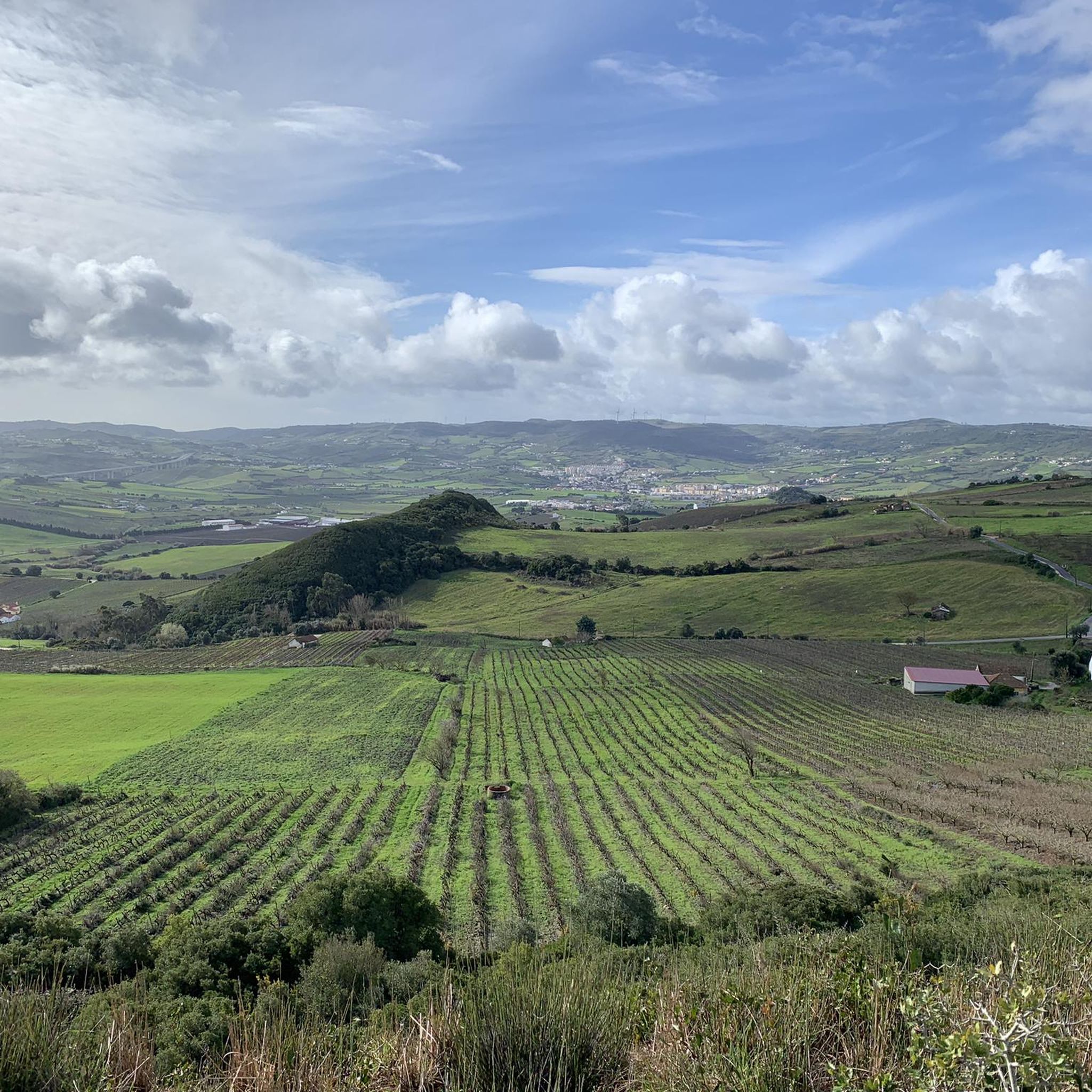
Segment of the "Caminho de Fátima" between Lisbon and Fátima. This segment is a dirt road best used when dry, has a couple of old gates that have open passage for foot traffic. Ho, and an amazing view of the Leziria.
3
0

The Marechal Carmona Bridge is a bridge in Portugal, next to Vila Franca de Xira, inaugurated on December 30, 1951, the first Portuguese bridge built to connect the two banks of the Tagus River [1]. After the opening of the 25 de Abril Bridge, more than half of the traffic on the Marechal Carmona Bridge fell. Currently, the name of the bridge, given in honor of one of the President of the Portuguese Republic of the dictatorship Óscar Carmona, has been shrouded in controversy, with several proposals for changing the name. The bridge is 1224 meters long with a central board of 524 meters divided into five spans of 104 meters and is the only one that crosses the Tagus River, which is free to cross in both directions
5
0
Frequently Asked Questions
What natural features can I explore in Carnota?
Carnota boasts diverse natural beauty. You can visit Praia de Carnota, Galicia's longest sandy beach, known for its unique ecosystem and birdwatching opportunities. Explore the majestic Monte Pindo, often called the 'Celtic Olympus,' with its distinctive rock formations and panoramic views. Don't miss the nearby Ézaro Waterfall, the only one in Europe that plunges directly into the sea, or the Marismas de Caldebarcos wetlands, ideal for observing waterfowl.
Are there historical or cultural sites to visit in Carnota?
Yes, Carnota is rich in history and culture. A must-see is the Hórreo de Carnota, one of Galicia's largest traditional granaries and a National Monument. You can also find another impressive hórreo in Lira. Explore the Open-Air Archaeological Museum, a 10 km route showcasing Bronze Age petroglyphs like A Laxe Escrita. The Cais da Jorna and Fishermen's Monument also offers a glimpse into local heritage.
What outdoor activities can I do near Carnota's attractions?
Carnota is ideal for outdoor enthusiasts. You can enjoy various activities such as hiking on Monte Pindo or along coastal trails. For more structured routes, explore the hiking trails around Carnota, which include options like the Ota Karstic Canyon Trail. There are also running trails and cycling routes available, catering to different fitness levels.
Are there family-friendly attractions in Carnota?
Absolutely! Families can enjoy the expansive Praia de Carnota for relaxing, walking, and exploring its unique ecosystem. The Constantino Palha Municipal Garden features a children's playground and lakes, making it a popular spot. The Open-Air Archaeological Museum with its petroglyphs can also be an engaging educational experience for older children.
Where can I find the best viewpoints in Carnota?
For breathtaking vistas, head to the Lira and Louredo Viewpoints, which offer stunning views of the Atlantic coastline. Monte Pindo also provides panoramic views from its summit. The Lariño Lighthouse is another excellent spot for coastal scenery and stargazing. For a different perspective, the Caminho do Tejo – Esteiros and Valadas Segment offers amazing views of the Lezíria.
What is the best time to visit Carnota?
The best time to visit Carnota largely depends on your interests. For beach activities and enjoying the Ézaro Waterfall at its most impressive (when sluices are opened), the tourist season (typically summer) is ideal. For hiking and exploring natural and archaeological sites, spring and autumn offer milder temperatures and fewer crowds. The region is also recognized for stargazing, which can be enjoyed year-round on clear nights.
Are there any unique or less-known spots in Carnota?
Beyond the main attractions, Carnota offers some unique experiences. Consider visiting the Pepe do Cuco Museum Booth for a different cultural perspective. The Marismas de Caldebarcos, located at the northern end of Carnota beach, is a haven for birdwatching and observing elusive otters. Exploring the various Bronze Age petroglyphs scattered across the mountains in the Open-Air Archaeological Museum also provides a sense of discovery.
Can I find wheelchair-accessible attractions in Carnota?
Yes, some attractions in Carnota are designed to be wheelchair-accessible. The Cais da Jorna and Fishermen's Monument is noted for its accessibility. Additionally, the Bronze Sculptures of the Tagus Estuary are also wheelchair-friendly, offering an inclusive cultural experience.
What is the significance of the Hórreos in Carnota?
The hórreos, traditional Galician granaries, are iconic symbols of the region's agricultural heritage. Carnota is home to two of the most impressive examples: the Hórreo de Carnota and the Hórreo de Lira. These structures, built on stone pillars to protect crops from rodents and moisture, showcase unique Fisterrán architectural style and are recognized as National Monuments, reflecting centuries of local tradition and ingenuity.
Where can I go stargazing in Carnota?
Carnota's remote location and minimal light pollution make it an excellent spot for stargazing. Both Praia de Carnota and the Lariño Lighthouse are recognized as fantastic locations to observe the night sky, offering clear views of constellations and celestial events.
Are there dog-friendly trails or attractions in Carnota?
Yes, for visitors with dogs, the Constantino Palha Municipal Garden is listed as dog-friendly, providing a pleasant space for walks. Many of Carnota's natural areas, including parts of Praia de Carnota and various coastal and mountain hiking trails, are also suitable for dog walking, though it's always advisable to check local regulations regarding leash requirements and protected areas.
What are the most popular attractions around Carnota?
While the region offers many highlights, visitors often enjoy the Constantino Palha Municipal Garden for its riverside setting and amenities, and the Cais da Jorna and Fishermen's Monument for its historical significance. The Bronze Sculptures of the Tagus Estuary also attract many with their extensive animation program.

Get inspired with the komoot mobile app


Explore more
Still not found the Highlight you’re looking for? See guides of the top attractions in other regions:
