Attractions and Places To See around Chainça - Top 20
Best attractions and places to see around Chainça, Portugal, include a mix of significant religious sites and historical landmarks, set within a region known for its natural parks. This locality is situated near the Leiria district, offering access to cultural experiences and natural landscapes. The area provides opportunities for exploring historical architecture and engaging with outdoor activities.
Best attractions and places to see around Chainça
- The most popular attractions is Basilica of the Most Holy Trinity (Fátima), a religious…
Last updated: July 1, 2026
Basilica of the Most Holy Trinity (Fátima)
Highlight • Religious Site
Translated by Google •
Tip by

Sanctuary of Fátima
Highlight • Religious Site
Translated by Google •
Tip by
Sign up now to discover places like this
Get recommendations on the best single tracks, peaks, & plenty of other exciting outdoor places.
Sign up for free
Chapel of the Apparitions (Capelinha das Aparições)
Highlight • Religious Site
Translated by Google •
Tip by
Church of Santa Maria da Vitória in Batalha
Highlight • Religious Site
Batalha Monastery: This stunning Gothic monastery, also known as the Mosteiro de Santa Maria da Vitória, is a UNESCO World Heritage Site and …
Translated by Google •
Tip by
Monument to the Sacred Heart of Jesus
Highlight • Monument
Translated by Google •
Tip by
Sign up for free to discover even more attractions around Chainça.
Sign up for free
Already have an account?
Start today with a free account
Your next adventure awaits.
Login or Signup


Tips from the Community

The Sanctuary of Fatima, in central Portugal, is one of the most important pilgrimage sites in the world. Basilica of Our Lady of the Rosary Neo-Baroque style, with a 65-meter tower crowned by a large cross. It houses the tombs of the three shepherd children: Lucia, Francisco, and Jacinta. Chapel of the Apparitions Marks the exact spot where the Virgin Mary appeared in 1917. An intimate space, frequently visited by pilgrims to pray and light candles. Basilica of the Holy Trinity Inaugurated in 2007, with modern architecture and a capacity for more than 8,000 people. It contrasts with the classical style of the Basilica of the Rosary. Sanctuary Esplanade Large square where Masses and processions are held, especially on May 13 and October 13.
7
0

The magnificent entrance portico of the Igreja de Santa Maria da Vitória is unique in the history of Portuguese art, a work by the Master Huguet (1402–1438). It features an elaborate iconographic ensemble comparable only to the great porticoes of European cathedrals: six apostles on each side, virgins, martyrs, popes, monks, angel figures, God, and the four evangelists...
1
0

Great, if you are in the area, you should definitely pay a visit
1
1

Good place for a coffee stop ☕
0
1
Batalha is a fascinating place to visit! Batalha Monastery: This stunning Gothic monastery, also known as the Mosteiro de Santa Maria da Vitória, is a UNESCO World Heritage Site and one of the Seven Wonders of Portugal. Igreja Matriz da Batalha: Also known as the Igreja da Exaltação de Santa Cruz, this 16th-century church is a beautiful example of Manueline architecture. Batalha Square: The heart of the city, ideal for strolling and soaking up the local atmosphere. Serras de Aire e Candeeiros Natural Park: If you love nature, this nearby park offers hiking trails and spectacular scenery. Additionally, there are many activities and tours available, such as day trips to Fátima, Nazaré, and Óbidos.
6
1

The chapel was built in 1919 in response to a request from Our Lady of the Rosary: I want a chapel to be built here in my honour. A little bigger than a niche, the chapel was born from the volunteer work of Maria dos Santos Carreira, a woman from the people who had been coming to Cova da Iria since 13 June 1917. However, before the chapel was built, there was a wooden arch built over the holm oak of the apparitions. Maria dos Santos Carreira began by clearing the undergrowth around the holm oak and decorating it with flowers and devotional ribbons. Then, with the help of her husband, she built a wall around the holm oak and erected a wooden arch. When this arch was destroyed in October 1917 and taken to Santarém (to be displayed there in a parody of a procession), the people were already leaving alms next to the holm oak. It was Maria dos Santos Carreira who carefully stored these alms. The first were 30 réis and a few pieces of fruit. But she soon had a cloth bag full of coins. The fate of the alms left in Fátima was so important that Father Manuel Nunes Formigão included it in the interrogation he conducted with Lúcia: “What did Our Lady say should be done with the money that the people deposit in Cova da Iria, near the holm oak tree?” Father Formigão asked Lúcia, who, in her response, said that these were the orders the Lady gave her: “She said that part of the money would be used for the cult and festival of Our Lady of the Rosary and the rest would be used to help build a new chapel.”
4
1
The High Cross is a monument erected on 29 August 2007 at the Sanctuary of Fátima, designed by the artist Robert Schad and measuring 34 metres in height. It was built to replace the old High Cross, which was 27 metres high and erected to mark the end of the Holy Year of 1950/1951, and which was located at the back of the prayer area, where the Basilica of the Holy Trinity is now located. It was donated to the National Sanctuary of Christ the King, in Almada.[1] It was built by the Portuguese company 'Mecanidraulica (Maia) and transported in 4 parts to Fátima. The oxidation of the corten steel, the material in which it was built, gives it an appearance that changes colour, becoming redder in dry weather and darker in the rain. A living Cross, with its own personality, just like Fátima
4
0
During this International Anniversary Pilgrimage in May 2022, the 5th anniversary of the canonization of Francisco and Jacinta Marto will be celebrated, who on May 13, 2017 became the youngest non-martyr saints of the Church. The canonization took place in Cova da Iria, during the celebrations of the Centenary of the Apparitions, presided over by Pope Francis, after a miracle attributed to Francisco and Jacinta was approved, validated by the Vatican on March 23, 2017 and announced on April 20, at the end of the Ordinary Public Consistory to vote on some Causes of Canonization, in what would be the last stage of a process that lasted 65 years. At 10:26 am on May 13, 2017, the Holy Father declared the sanctity of Francisco and Jacinta Marto at the altar of the Prayer Area, in a canonization rite that took place at the beginning of the Mass and after the formal request of the then bishop of Leiria-Fátima, D. António Marto, accompanied by the Postulator of the Cause of Canonization of Francisco and Jacinta, a moment that is remembered on the eve of the Sanctuary of Fátima.
4
1
Frequently Asked Questions
What kind of historical and cultural sites can I explore near Chainça?
The area around Chainça is rich in historical and cultural sites. A prominent example is the Main Portal of the Igreja de Santa Maria da Vitória, which is part of the UNESCO World Heritage Site, the Monastery of Batalha. This site showcases stunning Late Flamboyant Gothic and Manueline architecture. Additionally, the 16th-century Igreja Matriz da Batalha, also known as Igreja da Exaltação de Santa Cruz, is another beautiful example of Manueline architecture in the nearby town of Batalha.
Are there any significant religious sites to visit near Chainça?
Yes, Chainça is very close to one of the world's most important pilgrimage sites, the Sanctuary of Fátima. Here, you can visit the Sanctuary of Fátima itself, which includes the Basilica of Our Lady of the Rosary, the Chapel of the Apparitions, and the modern Basilica of the Most Holy Trinity, inaugurated in 2007 with seating for over 8,000 people. You can also see the Monument to the Sacred Heart of Jesus located in the Plaza Pío XII within the Sanctuary.
What natural attractions can I find around Chainça?
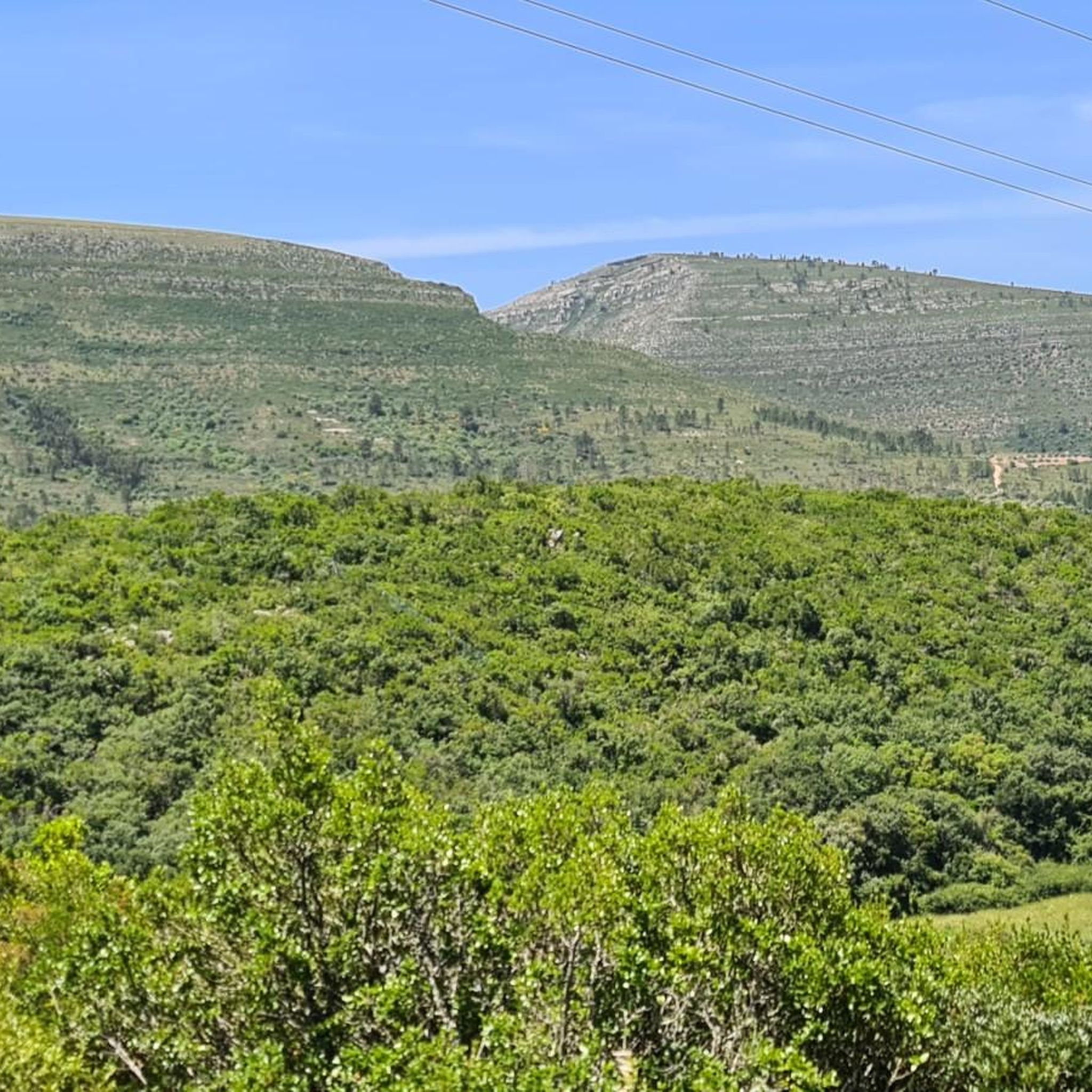
For nature enthusiasts, the nearby Parque Natural das Serras de Aire e Candeeiros offers spectacular landscapes and hiking trails. This natural park is known for its diverse flora, including oak and cork oak forests, pine, eucalyptus, and 25 species of orchids. Another notable natural feature is the Serra da Senhora do Monte, a mountainous massif near Fátima and Chainça, which provides opportunities for walking and picnicking.
Are there family-friendly attractions in the Chainça area?
Many of the major attractions around Chainça are suitable for families. The Sanctuary of Fátima, the Chapel of the Apparitions, and the Basilica of the Most Holy Trinity are all categorized as family-friendly. The Main Portal of the Igreja de Santa Maria da Vitória (Batalha Monastery) is also a great historical site for families to explore. Additionally, the Serra da Senhora do Monte features a chapel at the top with a playground and picnic area, perfect for a family outing.
What outdoor activities, like hiking or cycling, are available near Chainça?
The region around Chainça, particularly within the Serras de Aire e Candeeiros Natural Park, is excellent for outdoor activities. You can find various routes for hiking, mountain biking, and running. For specific hiking options, explore the easy hikes around Chainça. If you're into running, check out the running trails around Chainça, and for mountain biking, there are challenging MTB trails around Chainça.
Where can I find the best viewpoints near Chainça?
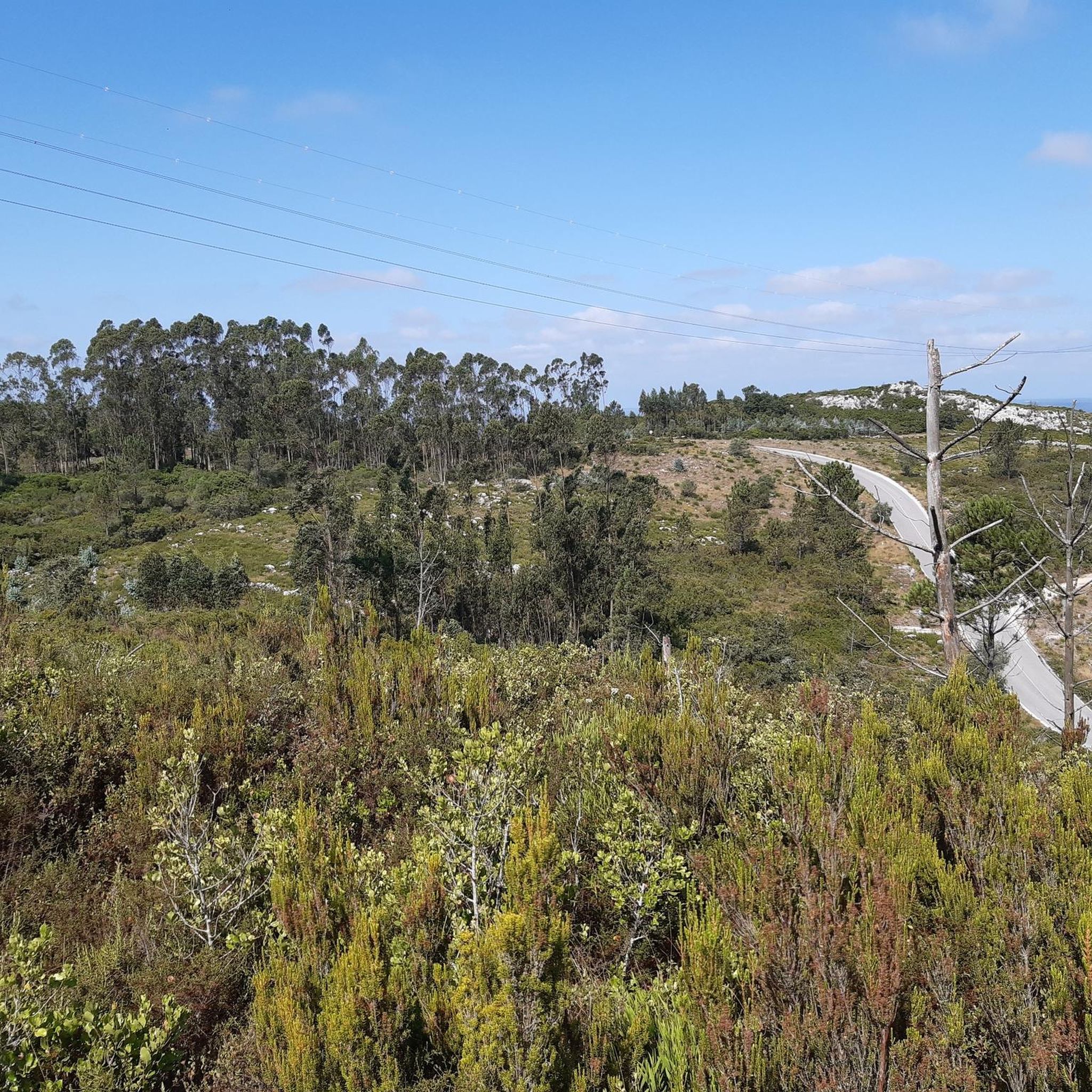
The Serra da Senhora do Monte, located near Fátima and Chainça, offers excellent viewpoints. From the Pé-da-Cabeça-Do-Bom-Dia viewpoint, visitors can enjoy expansive views that, on clear days, can even reach the Atlantic Ocean. The paved road, Estrada da Senhora do Monte (M 1250 1), also provides scenic vistas as it winds through the massif.
What is the best time of year to visit attractions around Chainça?
The region around Chainça can be enjoyed year-round, but spring (April to June) and autumn (September to October) generally offer the most pleasant weather for exploring both the historical sites and natural parks. During these seasons, temperatures are mild, making it ideal for outdoor activities like hiking and cycling, and for visiting the religious sites without the intense heat of summer or the cooler, wetter conditions of winter.
Are there any easy walking trails suitable for all abilities near Chainça?
Yes, there are several easy walking trails available. For example, you can find routes like the 'São Mamede loop from Pia do Urso' (6.3 km) or the 'Source of the Lis River – Olive Tree loop from Fontes' (3.6 km). These and other accessible options are detailed in the easy hikes around Chainça guide, perfect for a leisurely stroll.
What do visitors enjoy most about the attractions near Chainça?
Visitors particularly appreciate the blend of profound religious history and stunning natural beauty. The spiritual atmosphere of the Sanctuary of Fátima, with its various basilicas and the Chapel of the Apparitions, is often highlighted. The architectural grandeur of the Batalha Monastery, especially its intricate Main Portal, also receives high praise. Many also enjoy the tranquility and scenic trails found within the nearby natural parks.
Can I find challenging outdoor routes for experienced adventurers near Chainça?
Absolutely. For those seeking more challenging outdoor experiences, there are difficult mountain biking and running routes. Examples include the 'Source of the Lis River – Javali Singletrack loop from Vale Sumo' (60 km) for MTB, or the 'São Mamede – Cabeço da Costa loop from Reguengo do Fetal' (32 km) for running. You can find more details on these and other challenging options in the MTB Trails around Chainça and Running Trails around Chainça guides.
What is the significance of the Serra da Senhora do Monte?
The Serra da Senhora do Monte is a significant mountainous massif near Fátima and Chainça, part of the Estremenho Limestone Massif. It's known for its natural beauty, offering walking paths and picnic areas, and features a chapel at its summit. Historically, it's also part of an old pilgrimage route to Fátima and is associated with local legends and annual celebrations in the freguesia of Cortes. The Pé-da-Cabeça-Do-Bom-Dia viewpoint here provides extensive panoramic views.
Are there any specific architectural styles prominent in the historical sites near Chainça?
Yes, the region is particularly noted for its Manueline architecture, a richly ornate Portuguese Gothic style. The Main Portal of the Igreja de Santa Maria da Vitória (Batalha Monastery) is a prime example, blending Late Flamboyant Gothic with Manueline elements. The Igreja Matriz da Batalha also showcases beautiful Manueline design from the 16th century.
Most popular attractions around Chainça

Get inspired with the komoot mobile app


Explore more
Still not found the Highlight you’re looking for? See guides of the top attractions in other regions:
