Attractions and Places To See around Santa Catarina - Top 20
Best attractions and places to see around Santa Catarina include a diverse range of natural and historical sites. This region offers a varied landscape, from coastal features to inland historical monuments. Visitors can explore significant cultural landmarks and unique geological formations. The area provides opportunities to experience both natural beauty and historical heritage.
Best attractions and places to see around Santa Catarina
- The most popular attractions is Chapel of Santa Ana (Capela de Sant'Ana), a religious building considered the oldest religious structure in the municipality of Caldas da Rainha. It offers unique views over the sea and the bay from its promontory location.
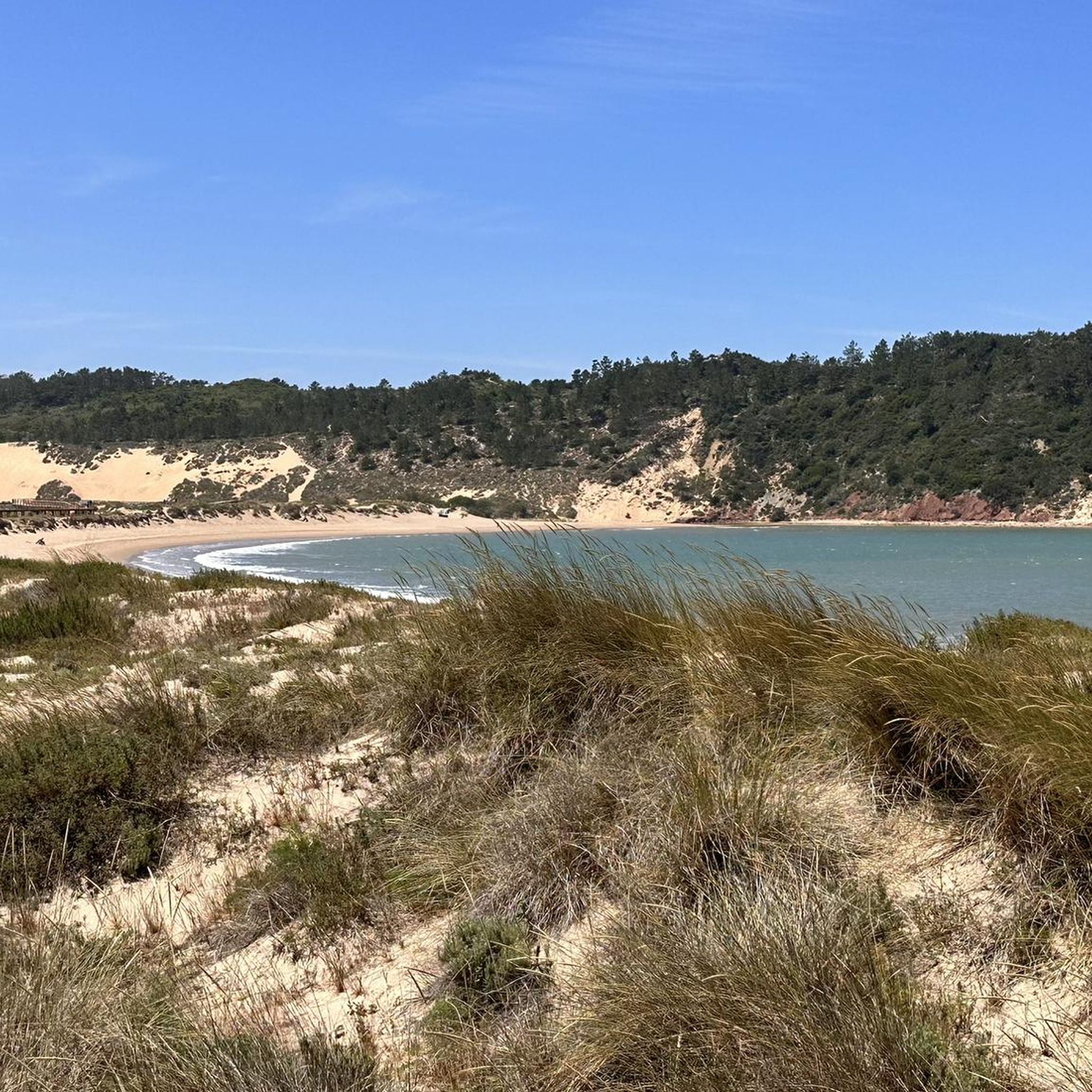
- Another must-see spot is Salir do Porto Dune, a natural monument known for being the highest dune in Portugal, reaching about 50 meters high. Visitors can enjoy panoramic views from the top and experience sliding down its slopes.
- Visitors also love Rio Maior Salt Pans, a man-made monument and historical site. These are the only inland salt pans in Portugal and remain fully operational, showcasing a traditional salt extraction process.
- Santa Catarina is known for its historical sites, natural monuments, and religious buildings. The region offers a variety of attractions to see and explore, from ancient chapels to unique geological features.
- The attractions around Santa Catarina are appreciated by the komoot community, with 46 upvotes and 40 photos shared by visitors.
Last updated: August 25, 2026
Chapel of Santa Ana (Capela de Sant'Ana)
Highlight • Religious Site
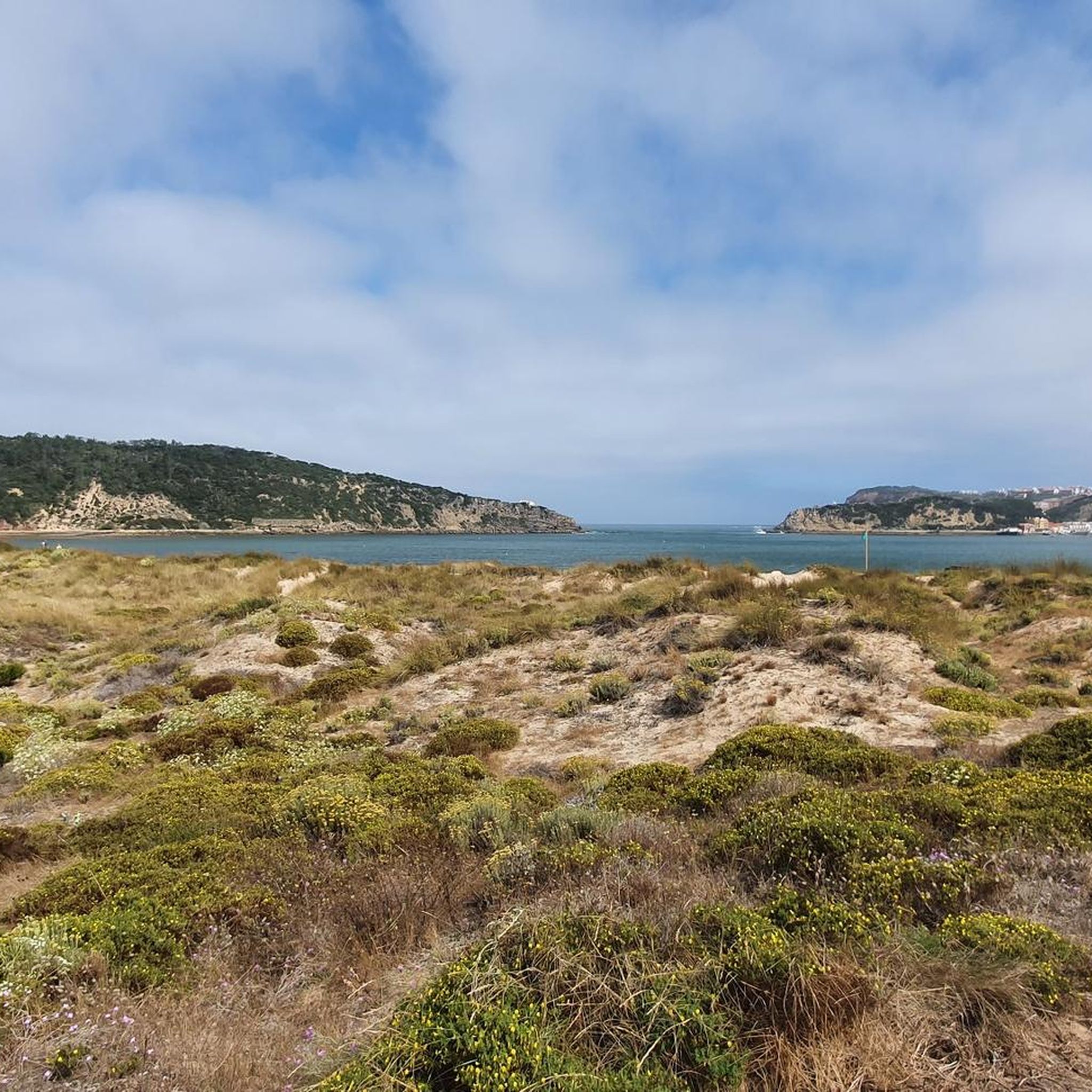
Located on the promontory of the bar of São Martinho do Porto, a remote and difficult to access place, but with a unique location and views over the sea and the bay, the chapel was built in the 12th century and is considered the oldest religious building in the municipality of Caldas da Rainha.
It is also considered a place of great sentimental and heritage value for the people of Salir. The project provides for the restoration of the chapel, which is in a considerable state of disrepair, but also for the revitalization of the environment and the possibility of reusing the space for religious events, namely pilgrimages, reviving ancient traditions.
Translated by Google •
Tip by

Salir do Porto Dune
Highlight • Natural Monument
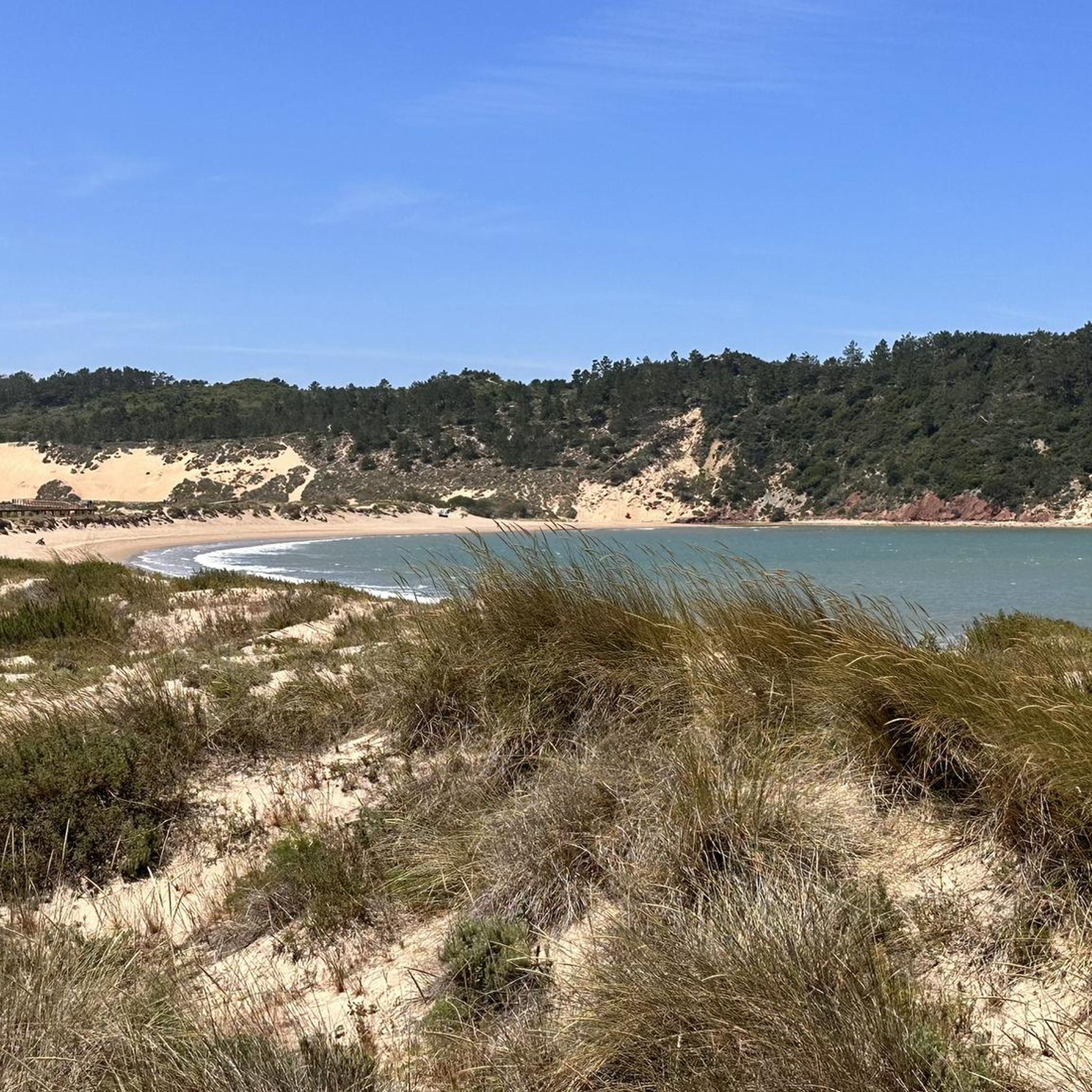
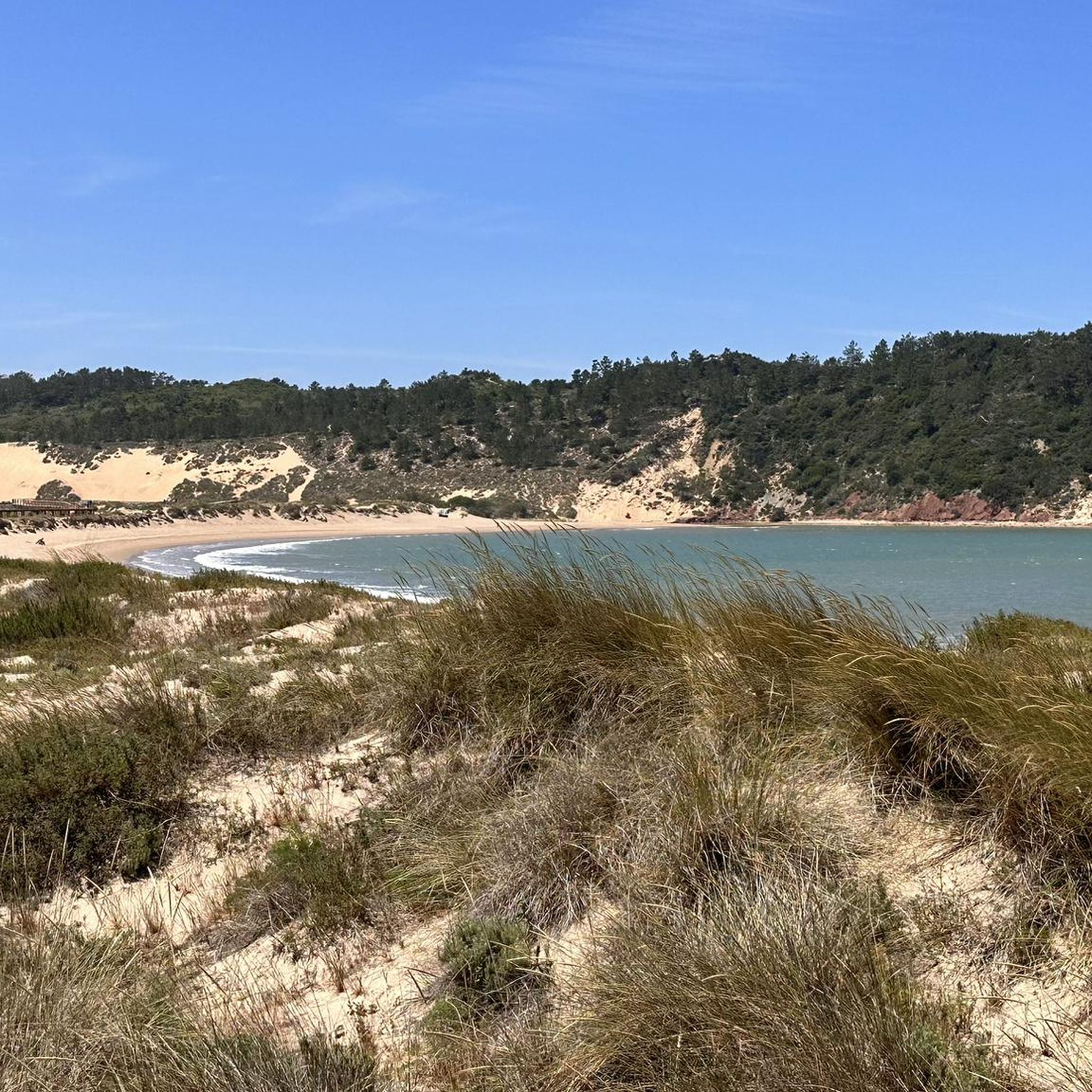
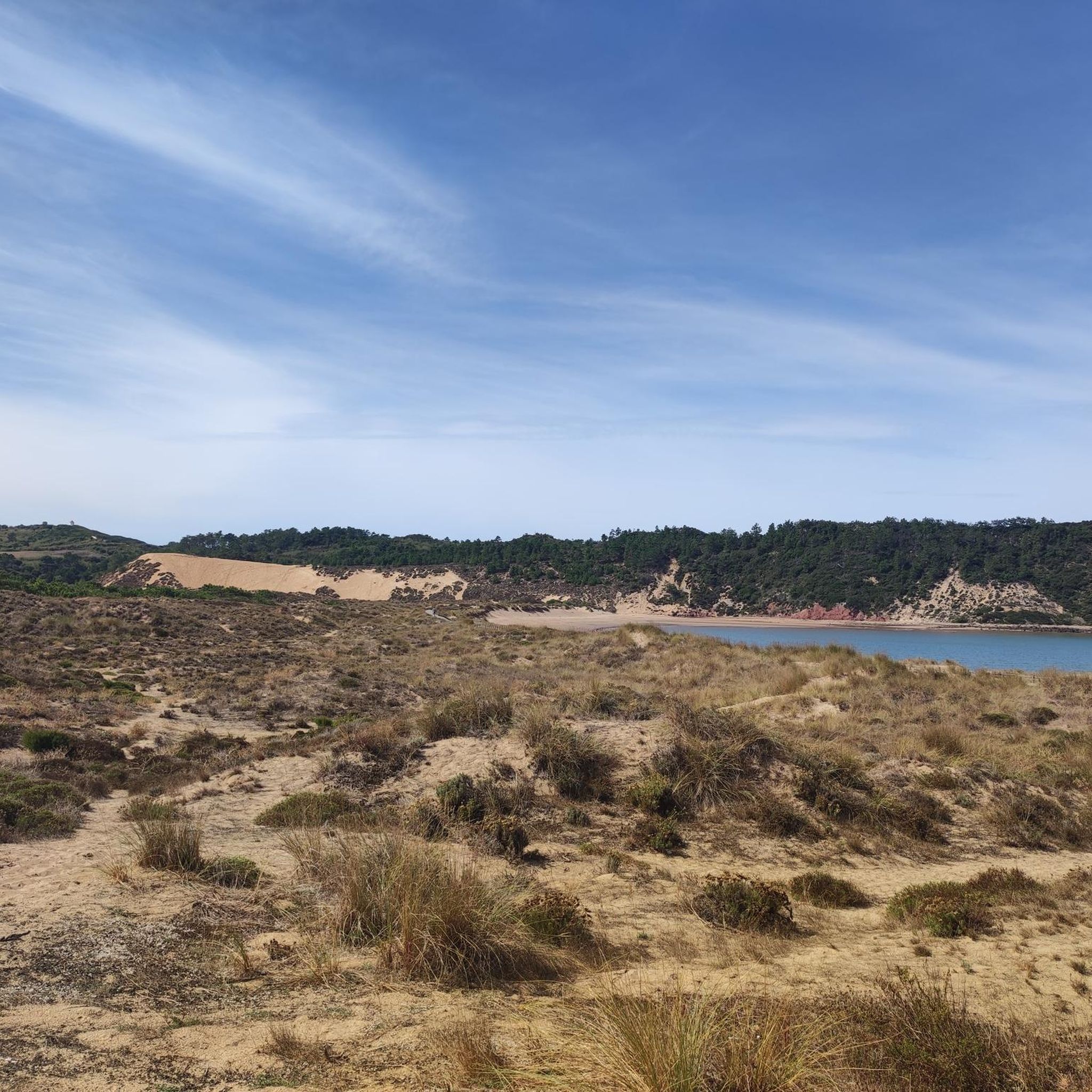
This beach is known for its huge dune about 50 meters high, the highest in Portugal.
Translated by Google •
Tip by

Sign up now to discover places like this
Get recommendations on the best single tracks, peaks, & plenty of other exciting outdoor places.
Sign up for free
Memory Arch
Highlight • Monument
On the historical aspect, it was built by the Cistercian monks, it measures 4 meters high and 3.62 meters wide. The arch has no decoration, only two inscriptions: the first, the oldest written in Latin, testifies to its creation. The second inscription refers to the reconstruction of the monument, carried out by D. Michael in 1830.
Translated by Google •
Tip by

Rio Maior Salt Pans
Highlight • Monument
Translated by Google •
Tip by

Fonte Pena da Colvina
Highlight • Natural Monument
Today it serves as a stopping point to cool off during the walk and, if you wish, you can take advantage of the place to eat whatever you have prepared at home. There is a picnic area next to the fountain.
The place name Pena da Gouvinha suggests that barbarians passed through here. Gouvinha is a personal name of Germanic origin, still documented in the 12th century as Gaudina.
Translated by Google •
Tip by
Sign up for free to discover even more attractions around Santa Catarina.
Sign up for free
Already have an account?
Start today with a free account
Your next adventure awaits.
Login or Signup

Tips from the Community

Salt is extracted from compartments – pits – made of cement or stone, of varying sizes and shallow depths, to which salt water is taken from a well through irrigation channels. Currently, the water is raised by means of a motor and distributed according to a system that is jointly accepted and respected (not always) by all the owners. The sewers, threshing floors and wooden houses for storing salt complete the set of what is called the Salt Mines of Rio Maior. According to technicians, a large and deep rock salt mine, crossed by an underground current that feeds a well, makes the water extracted from it salty, seven times saltier than that of the sea. The salt is obtained from its exposure to the sun and wind and the consequent evaporation of the water, deposited at the bottom of the pits, which is then placed in pyramid-shaped piles to dry until it is collected. The process is rudimentary and similar to that used in the salt mines on the seashore. The only difference is the picturesque valley that surrounds them, the well, the unique style of the sailors (as the men who work in the salt mines are known), the wooden houses and the country air that can be breathed.
3
0
The Pena da Gouvinha fountain used to serve the locals. There was a queue to fill the bottles, so much so that it was decided that each resident could only take eight bottles of water and would have to “give others a chance”. Today it serves as a stopping point to cool off during the walk and, if you wish, you can take advantage of the place to eat whatever you have prepared at home. There is a picnic area next to the fountain. The place name Pena da Gouvinha suggests that barbarians passed through here. Gouvinha is a personal name of Germanic origin, still documented in the 12th century as Gaudina.
3
0
On the southwest hillside of Cabeço Gordo, almost coinciding with the administrative boundaries between Porto de Mos municipalities and Alcobaça, the Memory Arc it was built, probably in the late sixteenth and early seventeenth century and was restored in 1830, by King Miguel, as shown in one of its inscriptions. The bow, perfectly round, has only two inscriptions, one in Latin almost imperceptible, due to stone erosion, registered in 1758 and composed by Friar Bernardo de Brito, in the beginning of the seventeenth century at the behest of Alcobaça Monastery Abbot. According to tradition, that History denies, the monument was built by the monks of the Cistercian Order, for marking the land donated by the Portuguese first King Afonso Henriques. However, its construction only intended to give material evidences of the vow of D. Afonso Henriques, invented by Alcobaça chroniclers.
1
0

This spot offers a magnificent panorama of the coast and a 360 degree view. On the historical aspect, it was built by the Cistercian monks, it measures 4 meters high and 3.62 meters wide. The arch has no decoration, only two inscriptions: the first, the oldest written in Latin, testifies to its creation. The second inscription refers to the reconstruction of the monument, carried out by D. Michael in 1830.
1
0

Salir do Porto has a river beach, on the bank of the Tornada River, which flows into the bay of São Martinho do Porto. Salir beach is famous for its sand dune about 50 meters high. Once the largest in Europe, the Salir Dune stands out in the dune landscape of São Martinho Bay. The core of the Dune is partly made up of red sandstone, a vestige of an older dune – a fossil dune. There are other rock beaches in the coastal area that are locally called Quebradas. It was in the Ruins of the artisanal Customs House of Salir that the caravels that participated in the discoveries and conquests were built during the reigns of D. Afonso V and D. João II. The extinct parish was made up of the towns of Salir do Porto, Casais de Salir do Porto and Bouro.
0
0
I recommend the route here... It has a superb landscape
0
0
Located on the promontory of Barra de São Martinho do Porto, a remote and difficult to access place, but with a unique location and view over the sea and the bay, the chapel was built during the 12th century and is considered the oldest religious building from the municipality of Caldas da Rainha. It is also seen as a place of great sentimental and heritage value for the population of Salir.
1
0

Climbing up the sand dune and sliding down from the top is the highlight for everyone
3
0
Frequently Asked Questions
What natural attractions can I explore around Santa Catarina?
The most prominent natural attraction is the Salir do Porto Dune, which is the highest dune in Portugal, offering panoramic views and a wide sandy beach. You can also enjoy the coastal views from the promontory where the Chapel of Santa Ana is located.
Are there historical sites to visit in the Santa Catarina area?
Yes, the region is rich in history. You can visit the Chapel of Santa Ana, considered the oldest religious building in the municipality of Caldas da Rainha, dating back to the 12th century. Another significant historical site is the Rio Maior Salt Pans, the only inland salt pans in Portugal, which have been operational since at least 1177. The Memory Arch also stands as a historical monument with inscriptions from its past.
What are some family-friendly activities available?
Families will enjoy the Salir do Porto Dune, where visitors often slide down its slopes. The Rio Maior Salt Pans offer an educational experience showcasing traditional salt extraction. Additionally, Fonte Pena da Colvina provides a pleasant picnic area.
Can I go hiking near these attractions?
Absolutely! There are several hiking opportunities. You can find easy hikes like the 'Shallow Stream loop from São Martinho do Porto' or the 'Salir do Porto Dune – São Martinho do Porto Beach loop from Salir do Porto'. For more options, explore the Easy hikes around Santa Catarina guide or the general Hiking around Santa Catarina guide for a wider range of difficulties.
Are there any unique natural landmarks in the region?
Yes, the Salir do Porto Dune is a unique natural monument, recognized as the highest dune in Portugal, reaching about 50 meters high. It offers a distinctive landscape and recreational opportunities.
Where can I find scenic views around Santa Catarina?
For breathtaking views, head to the Chapel of Santa Ana, which offers unique vistas over the sea and the bay from its promontory. The Salir do Porto Dune also provides panoramic views from its summit. Additionally, the Memory Arch offers a magnificent panorama of the coast and a 360-degree view.
What is special about the Rio Maior Salt Pans?
The Rio Maior Salt Pans are unique because they are the only inland salt pans in Portugal and remain fully operational. They showcase a traditional salt extraction process from a well fed by an underground current, seven times saltier than seawater, making for a fascinating historical and cultural experience.
Is there a good spot for a picnic?
Yes, Fonte Pena da Colvina is an excellent spot for a picnic. It features a dedicated picnic area, and some visitors mention it even has a BBQ spot, making it ideal for a relaxing stop during your walk.
What do visitors enjoy most about the Salir do Porto Dune?
Visitors particularly enjoy climbing to the top of the Salir do Porto Dune for the great views and the fun experience of sliding down its slopes. It's considered a highlight for many, offering both scenic beauty and a playful activity.
Are there mountain biking trails in the area?
Yes, mountain biking enthusiasts can find trails around Santa Catarina. Options include routes like 'Memory Arch – Eco-Track of Porto de Mós loop from Benedita' or 'Salir do Porto Dune – Miradouro do Cruzeiro loop from Benedita'. You can find more detailed routes in the MTB Trails around Santa Catarina guide.
What is the significance of the Chapel of Santa Ana?
The Chapel of Santa Ana holds significant historical and sentimental value. Built in the 12th century, it is considered the oldest religious building in the municipality of Caldas da Rainha. Located on a promontory, it offers unique views over the sea and the bay, and restoration efforts aim to preserve its heritage and allow for religious events like pilgrimages.
Are there easy hiking options for beginners?
Yes, beginners can enjoy several easy hiking routes. Examples include the 'Shallow Stream loop from São Martinho do Porto' and the 'Fonte Pena da Colvina – Abandoned Guard House loop from Associação do Gaio'. These routes are generally shorter and have an easy difficulty grade, perfect for a leisurely walk. More options are available in the Easy hikes around Santa Catarina guide.
Most popular attractions around Santa Catarina

Get inspired with the komoot mobile app


Explore more
Still not found the Highlight you’re looking for? See guides of the top attractions in other regions:
