The best walks and hikes around Monchique
4.3
(3724)
13,429
hikers
101
hikes
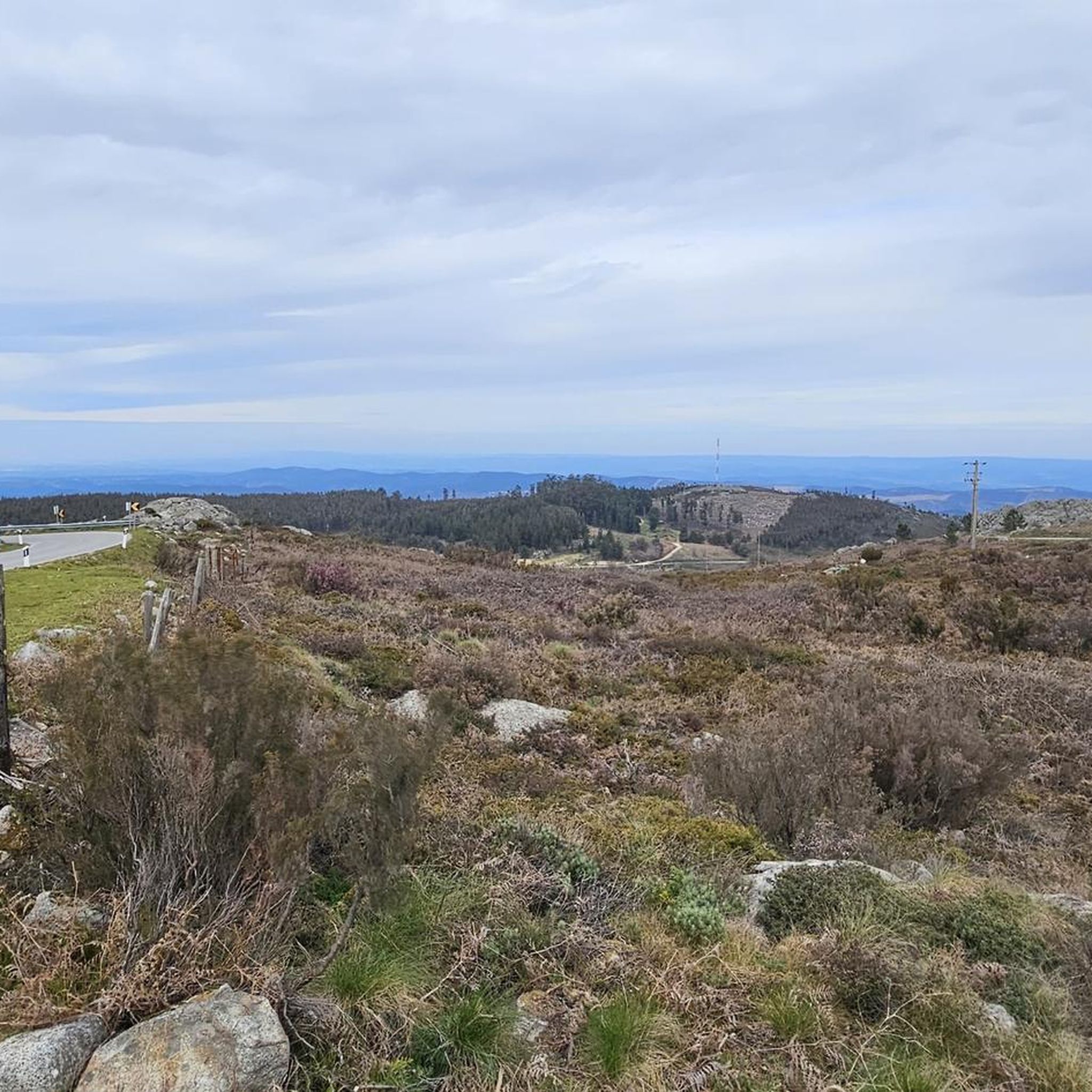
Hiking around Monchique offers a distinct experience in the Serra de Monchique mountain range, characterized by its elevated terrain and lush, green landscapes. The region features two prominent peaks, Fóia (902 meters) and Picota (774 meters), which provide expansive views. Hikers can explore diverse forests, including ancient cork oak and eucalyptus groves, alongside valleys and terraced slopes. Natural springs are also a notable feature of the area.
Best hiking trails around Monchique
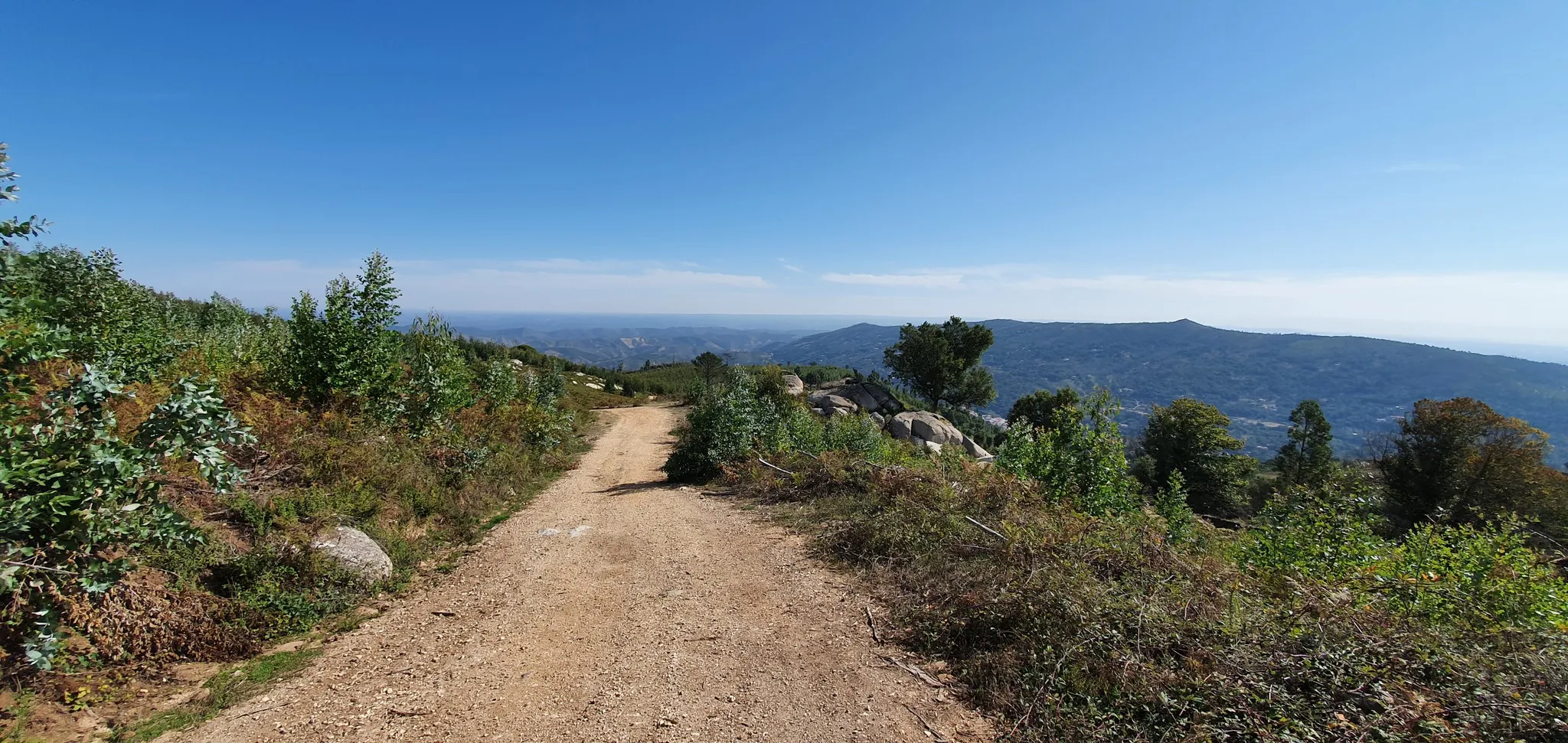
- The most popular hiking route is From Monchique to Fóia — circular route, a 6.7 miles (10.8 km) trail that takes 3 hours 26 minutes to complete. This moderate path ascends to Fóia, offering panoramic views across the Algarve.
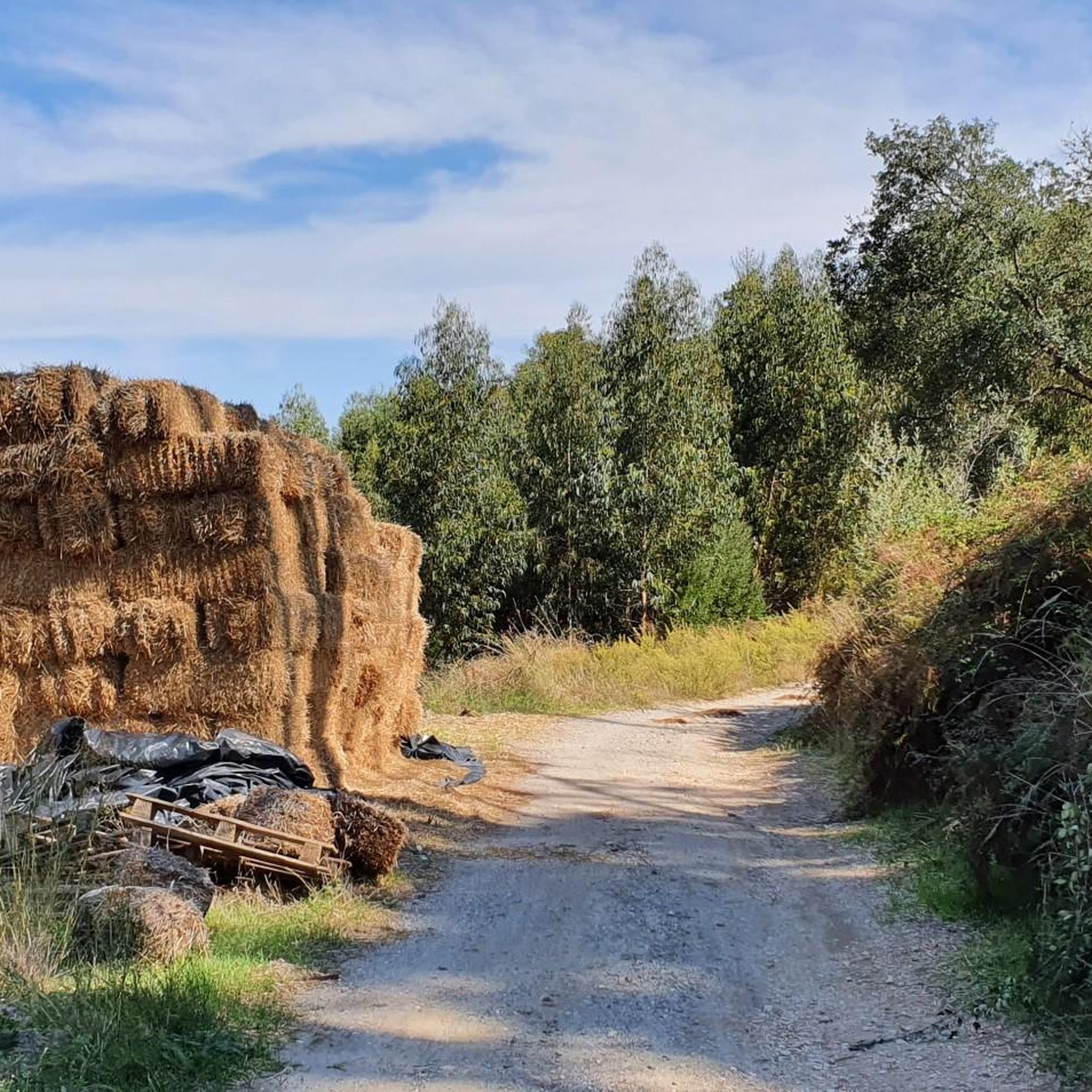
- Another top favourite among local hikers is Monumental Trees — circular route in Monchique, an easy 2.6 miles (4.3 km) path. This trail leads through areas with diverse flora and ancient trees.
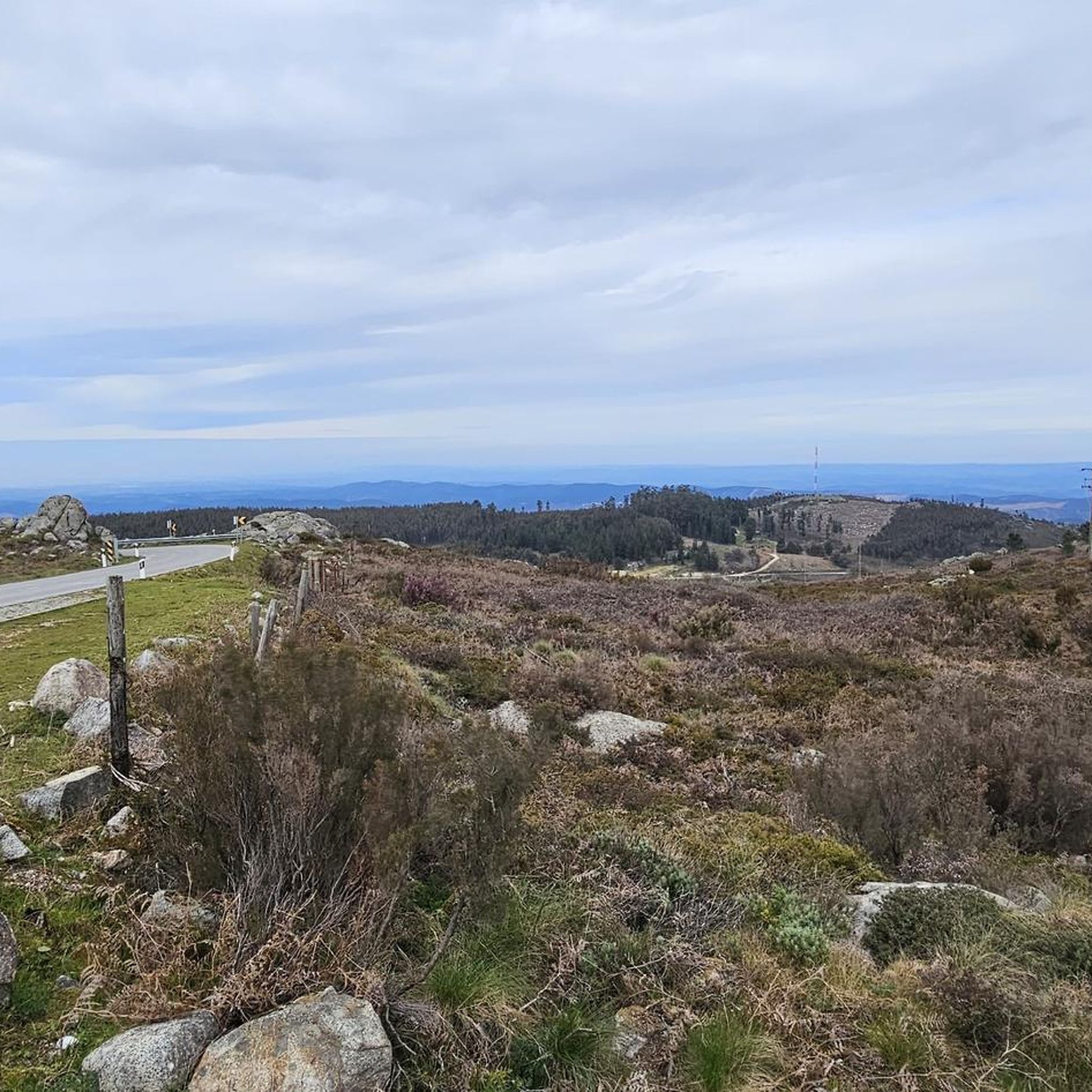
- Local hikers also love the Rota da Geologia — circular route in Monchique, a 10.1 miles (16.3 km) trail leading through varied terrain, often completed in about 4 hours 47 minutes.
- Hiking around Monchique is defined by mountainous terrain, diverse forests, and natural springs. The network offers options for different ability levels, from easy strolls to challenging endurance routes.
- The routes in Monchique are highly rated by the komoot community with an average score of 4.4 stars from over 2,000 reviews. More than 7,000 hikers have used komoot to explore Monchique's varied terrain.
Last updated: August 23, 2026
3.8
(139)
473
hikers
10.8km
03:27
440m
440m
Moderate hike. Good fitness required. Mostly accessible paths. Sure-footedness required.
4.0
(27)
114
hikers
4.26km
01:15
130m
120m
Easy hike. Great for any fitness level. Easily-accessible paths. Suitable for all skill levels.

Sign up for free
4.6
(15)
56
hikers
16.3km
04:47
460m
460m
Moderate hike. Good fitness required. Mostly accessible paths. Sure-footedness required.
4.5
(219)
825
hikers
11.0km
03:41
540m
540m
Moderate hike. Good fitness required. Easily-accessible paths. Suitable for all skill levels.
3.5
(4)
20
hikers
3.14km
00:53
60m
70m
Easy hike. Great for any fitness level. Easily-accessible paths. Suitable for all skill levels.
Get access to more routes and recommendations from other explorers.
Sign up for free
Already have an account?
Our route recommendations are based on thousands of hikes, rides, and runs completed by other people on komoot.
Start today with a free account
Your next adventure awaits.
Login or Signup
Other adventures around Monchique

Tips from the Community

At the top of the Monchique mountain range rises Foia, the highest point in the Algarve, at 902 meters altitude. Its antennas mark the summit where the sky seems closest and, on clear days, the view reaches the Atlantic. Up here, the wind blows freely and the view is simply unforgettable.
2
0
Founded in 1631 by Pêro (or Pedro) da Silva, nicknamed "Mole," who later became Viceroy of India, the Convent of Our Lady of Exile now rests in ruins, shrouded in legend and silence. It is said to have originated from a promise made at sea, and that its founder brought back from India a small ivory image, still kept as a relic. Even abandoned, the convent retains the charm of the place where it was built: among trees and views that seem to embrace the entire mountain range.
2
0
The dirt track winds through a serene valley, where ancient terraces still shape the hillside and the sound of pasture echoes between stone walls. These terraces, shaped over centuries, are veritable agricultural staircases, a patient work that transformed the mountain range and remains today as a living testament to the harmony between man and the mountain.
1
0

Some chestnut trees in Monchique are hundreds of years old, with enormous trunks and a majestic appearance. They are often living testaments to the region's traditional agricultural landscape.
4
0
In the Algarve, especially around Monchique, cork oaks (Quercus suber), a tree species typical of southern Portugal, grow in abundance. These trees are important to the Portuguese economy because their bark can be harvested every nine years to make cork – Portugal is the world's largest producer. Cork oak forests also form a valuable ecosystem that contributes to biodiversity and soil conservation. You can often recognize old trees by their bare, reddish-brown trunks with a date inscribed on them.
5
1
In the Algarve, especially around Monchique, cork oaks (Quercus suber), a tree species typical of southern Portugal, grow in abundance. These trees are important to the Portuguese economy because their bark can be harvested every nine years to make cork – Portugal is the world's largest producer. Cork oak forests also form a valuable ecosystem that contributes to biodiversity and soil conservation. You can often recognize old trees by their bare, reddish-brown trunks with a date inscribed on them.
8
0
The Convento de Nossa Senhora do Desterro, also known as the Monastery of Our Lady of Desterro, is a historic monastery in Monchique, Portugal. It was founded in 1631 by Pero da Silva, who later became Viceroy of India. The monastery complex includes a chapel, a cloister, outbuildings and a garden
5
0

Frequently Asked Questions
How many hiking trails are available in Monchique?
Monchique offers a wide variety of hiking experiences, with over 100 routes available. These range from easy strolls to more challenging endurance routes, catering to different fitness levels.
Are there easy hiking options in Monchique?
Yes, Monchique has numerous easy hiking options. For example, the Monumental Trees — circular route in Monchique is an easy 2.6-mile (4.3 km) path that leads through areas with diverse flora and ancient trees. Another easy option is the Árvores Monumentais - Vila 1 — circular route in Monchique, which is just over 3 km long.
What kind of terrain can I expect on Monchique's hiking trails?
Monchique's hiking trails are characterized by mountainous terrain, diverse forests, and natural springs. You'll traverse picturesque valleys, green hillsides, and traditional terraced slopes, often through ancient cork oak and eucalyptus groves.
Can I find panoramic viewpoints on Monchique's trails?
Absolutely. Monchique is home to Fóia, the highest point in the Algarve, and Picota, the second highest. Both offer breathtaking panoramic views. On clear days, from Fóia Summit, you can see across the entire Algarve coastline and even into the Alentejo region. Picota Summit also provides impressive 360-degree views, encompassing the Atlantic Ocean.
Are there any thermal springs or water features to visit?
Yes, Monchique is known for its natural springs. The thermal village of Caldas de Monchique Thermal Baths is a notable spot where mineral-rich waters emerge. You can relax at the spa after a hike and experience its historical and therapeutic waters. For more information, you can visit visitmonchique.pt.
What natural features or landmarks can I see while hiking in Monchique?
Beyond the stunning peaks of Fóia and Picota, you can explore ancient Cork oak groves in Monchique, eucalyptus forests, and areas with diverse flora. The Barranco do Demo Walkway is a newly developed wooden walkway with a suspension bridge, making a beautiful valley accessible.
Are Monchique's hiking trails suitable for families with children?
Many trails in Monchique are suitable for families. The region offers a range of difficulties, including easy strolls that are perfect for younger hikers. The diverse flora and natural features provide an engaging environment for children to explore.
Can I bring my dog on the hiking trails in Monchique?
Monchique's natural environment is generally welcoming for dogs. However, it's always recommended to keep your dog on a leash, especially in areas with wildlife or near livestock, and to carry water for them. Always check local signage for any specific restrictions on individual trails.
Are there circular hiking routes in Monchique?
Yes, Monchique offers many well-marked circular routes, making exploration convenient. Popular examples include the From Monchique to Fóia — circular route and the Rota da Geologia — circular route in Monchique.
What is the best time of year to hike in Monchique?
Monchique offers a refreshing contrast to the coastal Algarve, with cooler mountain air. Spring (late March to June) is particularly beautiful, with diverse plant life, including the endemic *adelfeira* displaying purple flowers. Autumn (September to November) also provides pleasant temperatures and vibrant foliage. Summers can be warm, but the higher elevation offers some respite from coastal heat.
Is public transport available to reach Monchique's hiking trails?
While Monchique village is accessible by public transport, reaching specific trailheads within the Serra de Monchique might require a car or local taxi services. It's advisable to check local bus schedules if you plan to rely on public transport for trail access.
What do other hikers enjoy most about hiking in Monchique?
The komoot community highly rates hiking in Monchique, with an average score of 4.4 stars from over 2,000 reviews. Hikers often praise the region's untouched countryside, diverse ecosystems, and the stunning panoramic views from peaks like Fóia and Picota.
Are there challenging hikes for experienced trekkers in Monchique?
Yes, Monchique provides challenging routes for experienced trekkers. The ascent to Fóia, for instance, involves significant elevation gain. The Fóia Trail (PR3 MCQ) is a popular circular trail that offers sea views and passes through areas with unique flora, providing a good challenge.
Most popular routes around Monchique
Most popular attractions around Monchique

Get inspired with the komoot mobile app


Explore more
Browse the best Hikes in other regions.
