The best road cycling routes around Cantar-Galo
4.8
(34)
1,283
riders
67
rides
Road cycling routes around Cantar-Galo are situated within the Serra da Estrela Natural Park, offering a diverse and challenging terrain. The region is characterized by rugged mountains, deep valleys, and high-altitude plateaus, providing significant elevation gains for road cyclists. Routes often traverse traditional granite villages and varied landscapes, from forested sections to open, rock-strewn mountain environments.
Best road cycling routes around Cantar-Galo
- The most popular road cycling route is Serra da Estrela – Torre (Serra da Estrela) loop from Covilhã…
Last updated: May 12, 2026
5.0
(2)
81
riders
101km
06:02
2,400m
2,400m
Hard road ride. Very good fitness required. Mostly well-paved surfaces and easy to ride.
5.0
(2)
55
riders
48.1km
02:21
680m
680m
Moderate road ride. Good fitness required. Mostly well-paved surfaces and easy to ride.

Sign up for free
44
riders
50.6km
03:22
1,300m
1,290m
Hard road ride. Very good fitness required. Some segments of this route may be unpaved and difficult to ride.
4.0
(1)
48
riders
79.9km
03:42
910m
910m
Hard road ride. Very good fitness required. Mostly well-paved surfaces and easy to ride.
42
riders
21.0km
01:33
650m
650m
Moderate road ride. Good fitness required. Mostly well-paved surfaces and easy to ride.
Get access to more routes and recommendations from other explorers.
Sign up for free
Already have an account?
Our route recommendations are based on thousands of hikes, rides, and runs completed by other people on komoot.
Start today with a free account
Your next adventure awaits.
Login or Signup

Tips from the Community


Cântaro Magro is one of the "commonplaces" of the Serra da Estrela mountain range, whose summit rises to 1928 m altitude, deserving a visit at any time of year. Viewed from west to east, its silhouette resembles a pitcher. In summer, its rocky face is interrupted by small terraces of soil, where some of the rarest botanical jewels of the mountain range grow. In winter, it is covered in snow and ice which, as they melt, form ephemeral waterfalls. These recall the overflowing liquid from the pitchers carried on the heads of women when, in the past, they went to the fountains. #CISE #VisitSeia #ParqueNaturaldaSerradaEstrela
0
0

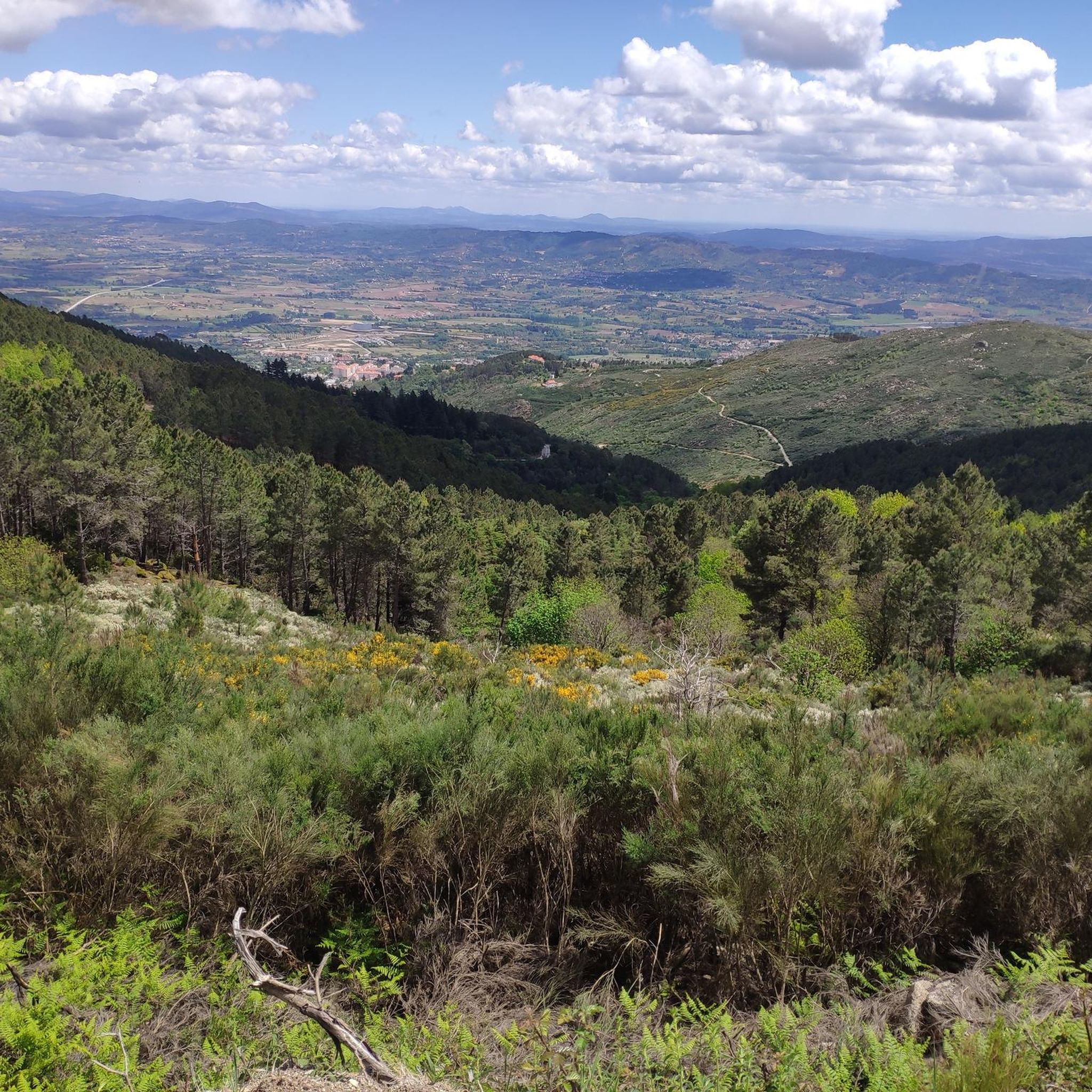
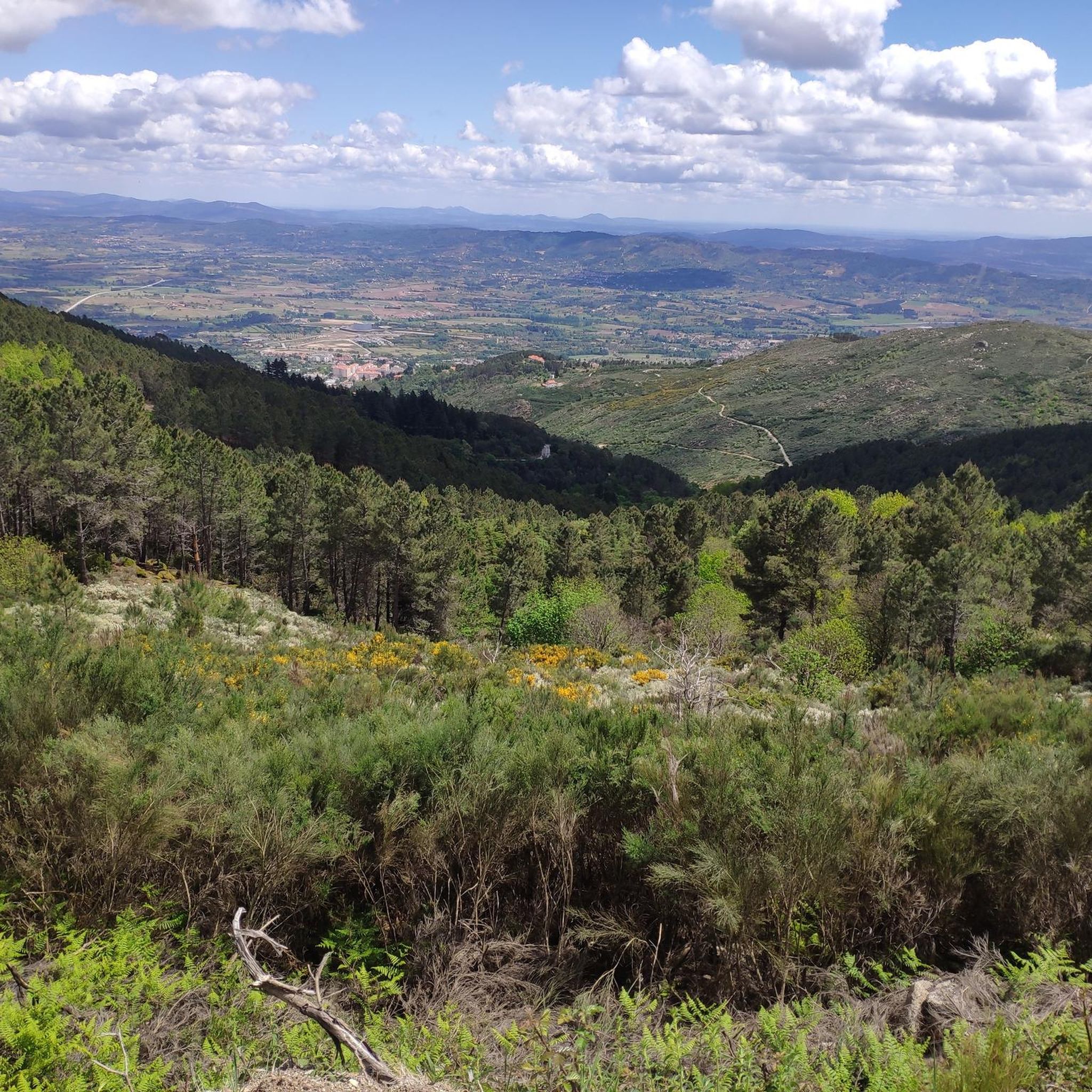
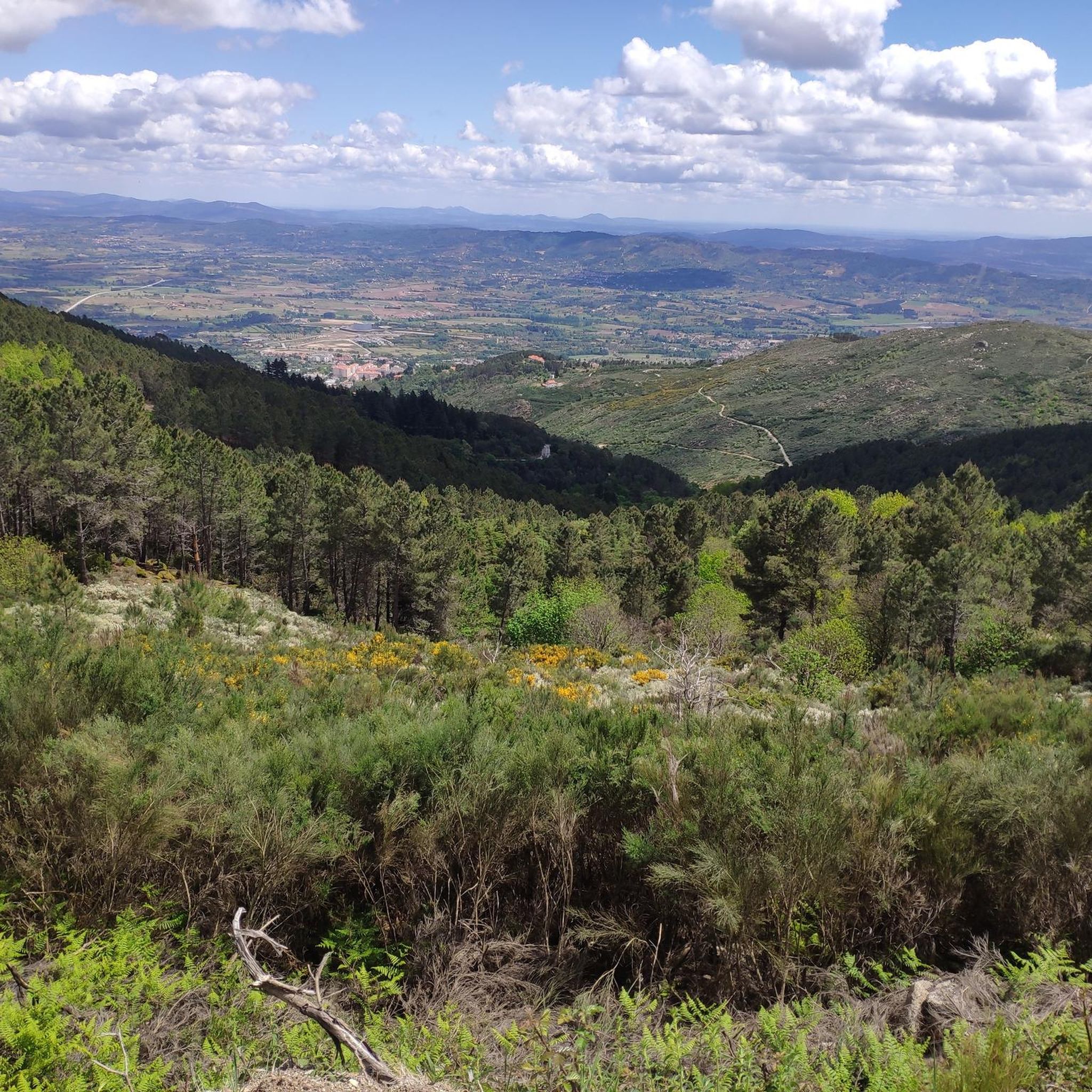
Offering breathtaking views of the southeastern slopes of the Serra da Estrela, Cova da Beira, and the charming city of Covilhã, the Varanda dos Carqueijais, which rises 1,130 meters above sea level, is a stunning suspended viewpoint, magnificently perched in the heart of the surrounding natural landscape. The suspended walkway was the best way to provide an excellent experience for visitors, creating a kind of amphitheater, a balcony overlooking the inspiring natural landscape. This viewpoint is an integral part of the viewpoint route, developed by the Municipality of Covilhã, with the aim of promoting the region's natural heritage.
0
0

goodbye vegetables 😔
0
0

Valhelhas was born among verdant hills, sheltered in the sunny Zêzere valley. Today, it's synonymous with perfect summer: one of the largest river beaches in Beira Interior, with crystal-clear waters, generous shade, and all the support for leisurely days. But the village of this "small valley," a translation of Vallicula, its Roman name, holds more than just freshness: from the 16th-century pillory to the Philippine Bridge, passing through chapels, a church, and the ruins of the old castle, every corner tells a piece of history. And, of course, there are flavors worth the trip in any season: goat, Guarda sausages, Zêzere trout, requeijão (curd cheese), and the unmistakable Serra da Estrela cheese.
1
0

The Serra da Estrela Natural Park is something truly special. This 1,000-square-kilometer park, spread across six municipalities, was the first and currently the largest protected natural park in Portugal. It is home to the highest point on the Portuguese mainland, the country's only ski slope, the source of two important rivers, and a fascinating, alpine-like landscape formed by glaciers.
5
1

At exactly 1993 meters above sea level, Torre is the highest point in mainland Portugal, where the only ski resort is located. The landscape on the upper plateau of the Serra da Estrela is like a sprinkling of granite rocks over low scrub and patches of snow and ice, which the sun threatens to melt soon in the summer and which always returns the following winter. In winter, it sometimes becomes inaccessible.
6
0
Frequently Asked Questions
How many road cycling routes are available around Cantar-Galo?
The Cantar-Galo area, within the Serra da Estrela Natural Park, offers a wide selection of road cycling routes. There are over 60 routes available, catering to various skill levels and preferences.
What is the typical terrain like for road cycling in Cantar-Galo?
Road cycling in Cantar-Galo is characterized by rugged mountains, deep valleys, and high-altitude plateaus. You'll encounter significant elevation gains, winding through diverse landscapes from forested sections to more treeless, rock-strewn mountain environments. The region's unique glacial morphology, with its steep walls and moraine deposits, adds to the challenging and scenic rides.
What kind of difficulty levels can I expect on road cycling routes here?
The routes around Cantar-Galo offer a range of difficulties. You'll find 39 difficult routes for experienced cyclists, 27 moderate options, and at least one easier route, ensuring there's something for every skill level. For a challenging ride, consider the Serra da Estrela – Torre (Serra da Estrela) loop from Covilhã, which features a significant ascent to the highest point in mainland Portugal.
When is the best time of year to go road cycling in Cantar-Galo?
The best time for road cycling in Cantar-Galo, especially at higher altitudes, is typically from late spring to early autumn (May to October). During these months, the weather is generally more stable, and the mountain passes are clear of snow, offering optimal conditions for tackling the challenging climbs and enjoying the panoramic views.
Are there any circular road cycling routes in the area?
Yes, many of the road cycling routes around Cantar-Galo are designed as loops, allowing you to start and finish at the same point. For example, the Jardim do Lago – Mural A Farrapeira loop from Covilhã is a popular moderate circular route offering varied scenery.
What natural features or landmarks can I see while road cycling around Cantar-Galo?
While road cycling, you can encounter several natural features and landmarks. Highlights include the iconic Torre (Serra da Estrela Summit), the stunning Hidden cascade at Poço do Inferno, and the impressive Cântaro Magro. You can also experience the unique glacial morphology, such as the Rock Passage in the Serra da Estrela Natural Park.
Are there any specific viewpoints along the road cycling routes?
Absolutely. The region is known for its breathtaking vistas. You can find stunning viewpoints such as the View of the Zêzere Glacial Valley and the View of Vale Glaciar do Zêzere from Caminho dos Poios, offering panoramic perspectives of the dramatic landscapes.
Are there options for parking near the road cycling routes in Cantar-Galo?
Yes, towns like Covilhã, which serves as a popular starting point for many routes, offer parking options. Many routes begin or pass through villages where you can typically find places to park your vehicle before heading out on your ride. It's advisable to check specific starting points for designated parking areas.
Is public transport accessible for cyclists in the Cantar-Galo region?
While the mountainous terrain makes extensive public transport challenging, major towns like Covilhã, near Cantar-Galo, are generally accessible by bus or train. However, options for transporting bicycles on public transport within the Serra da Estrela Natural Park can be limited, so planning ahead is recommended if you intend to use public transport for parts of your journey.
Are there any bike-friendly places to eat or stay in Cantar-Galo or nearby?
The region, including Cantar-Galo and nearby towns like Covilhã and Manteigas, is accustomed to outdoor enthusiasts. You'll find various accommodations, cafes, and restaurants that welcome cyclists. Many traditional villages along the routes offer local eateries where you can refuel and experience Portuguese hospitality.
Are there challenging road cycling routes for experienced riders?
Cantar-Galo is renowned for its challenging road cycling. The Serra da Estrela boasts numerous climbs, with 39 difficult routes available. A prime example is the Unhais da Serra Ascent – View of Unhais da Serra loop from Covilhã, a demanding trail leading through mountainous terrain with significant ascents.
What about easier road cycling routes for beginners or less experienced riders?
While the region is known for its challenging terrain, there are also options for less experienced riders. There is at least one easy route available, and 27 moderate routes that can be suitable for those looking for a less strenuous ride while still enjoying the beautiful scenery. These routes often traverse picturesque valleys and traditional villages.
Most popular attractions around Cantar-Galo

Get inspired with the komoot mobile app


Explore more
Browse the best Road cycling routes in other regions.
