Attractions and Places To See around Osterholz-Scharmbeck - Top 20
Attractions and places to see around Osterholz-Scharmbeck feature a diverse landscape of historical sites, natural waterways, and cultural venues. The region is characterized by its extensive moorlands, river systems like the Wümme, and historical structures. Visitors can explore a variety of environments, from cycling paths along the Weser to tranquil nature reserves. This area provides opportunities for outdoor activities and insights into local heritage.
Best attractions and places to see around Osterholz-Scharmbeck
- The most popular attractions is Weser Cycle Path…
Last updated: October 9, 2026
Wümme bend in Blockland
Highlight • River
Translated by Google •
Tip by

Kuhsiel Lock
Highlight • Structure
Translated by Google •
Tip by

Sign up now to discover places like this
Get recommendations on the best single tracks, peaks, & plenty of other exciting outdoor places.
Dammsiel Lock
Highlight • Monument
Translated by Google •
Tip by

Weser Cycle Path near Lemwerder
Highlight (Segment) • Cycleway
Translated by Google •
Tip by

New Wümme Bridge in Lilienthal
Highlight • Bridge
Translated by Google •
Tip by

Sign up for free to discover even more attractions around Osterholz-Scharmbeck.
Already have an account?
Start today with a free account
Your next adventure awaits.
Popular around Osterholz-Scharmbeck
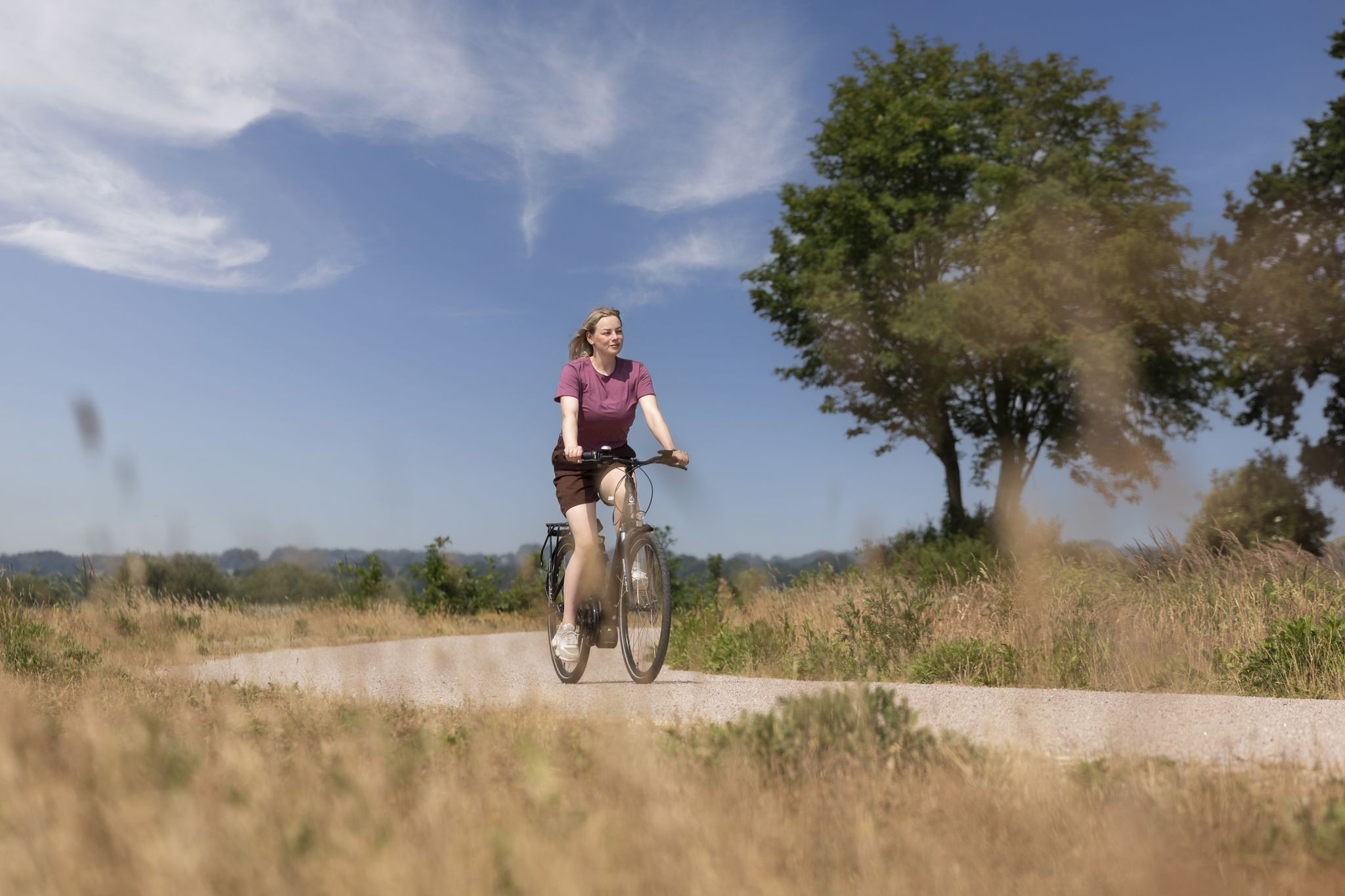
The most beautiful cycling routes in Bremen's Cultureland Teufelsmoor
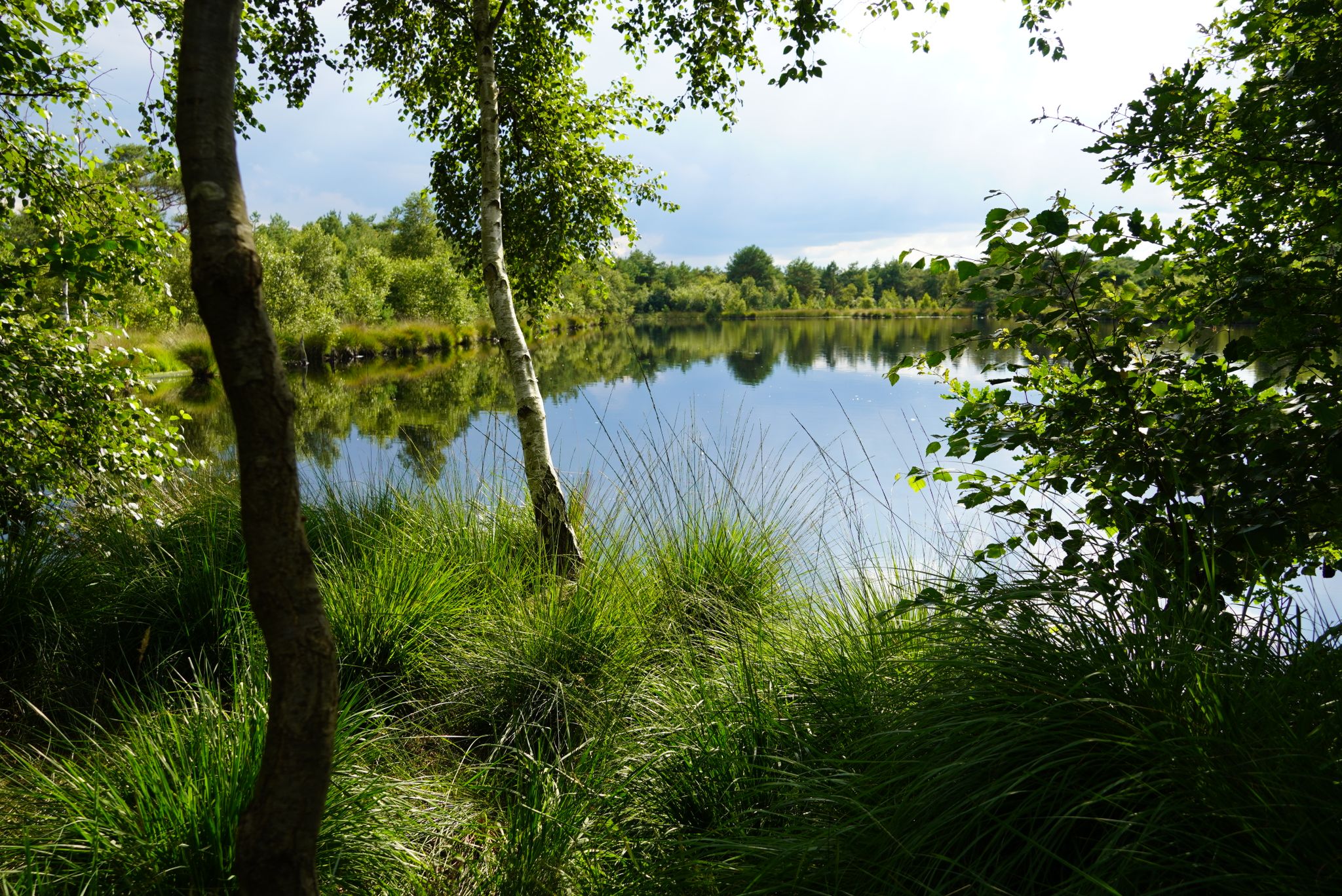
Beliebte Wanderungen im Kulturland Teufelsmoor bei Bremen
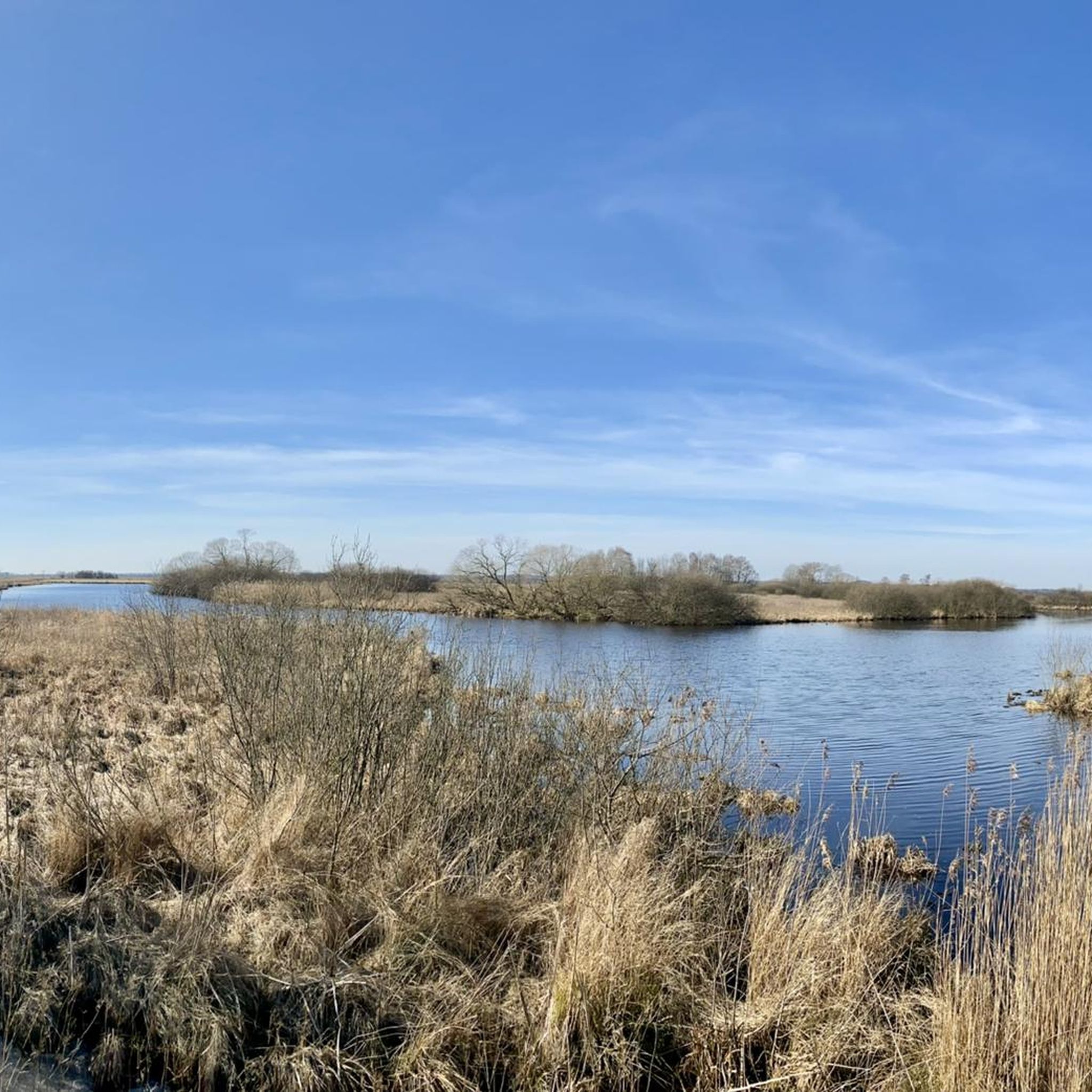
Cycling around Osterholz-Scharmbeck
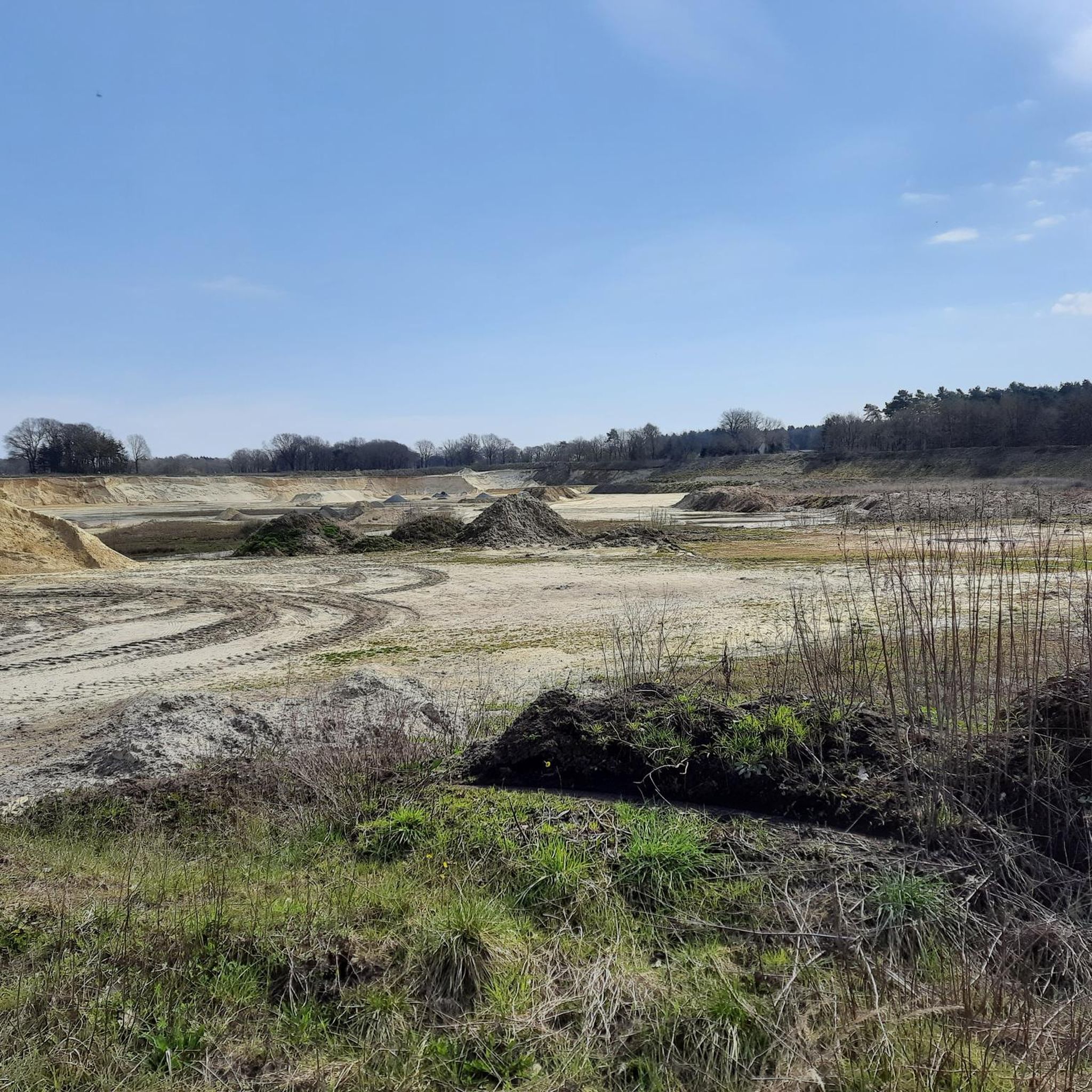
Hiking around Osterholz-Scharmbeck
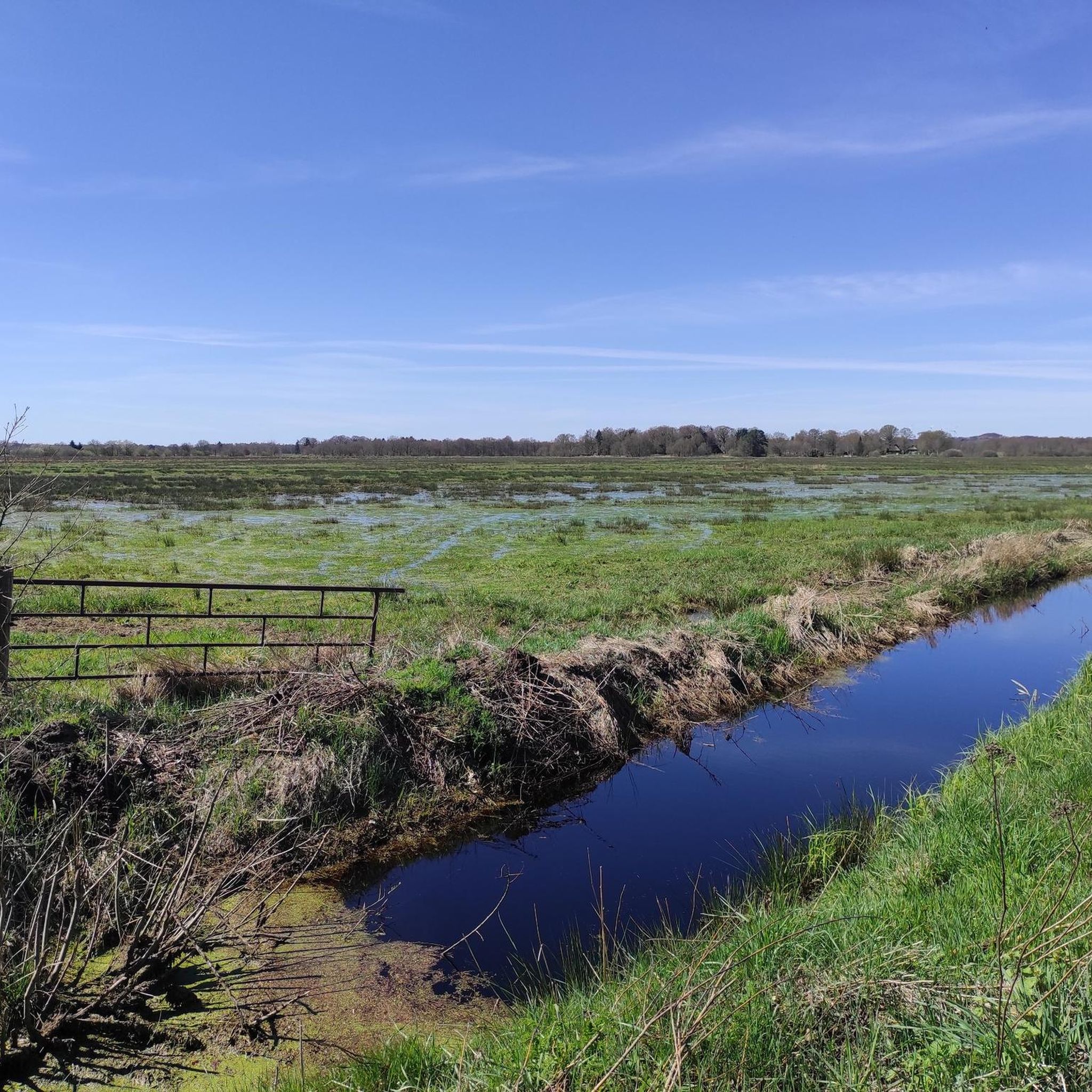
Running Trails around Osterholz-Scharmbeck
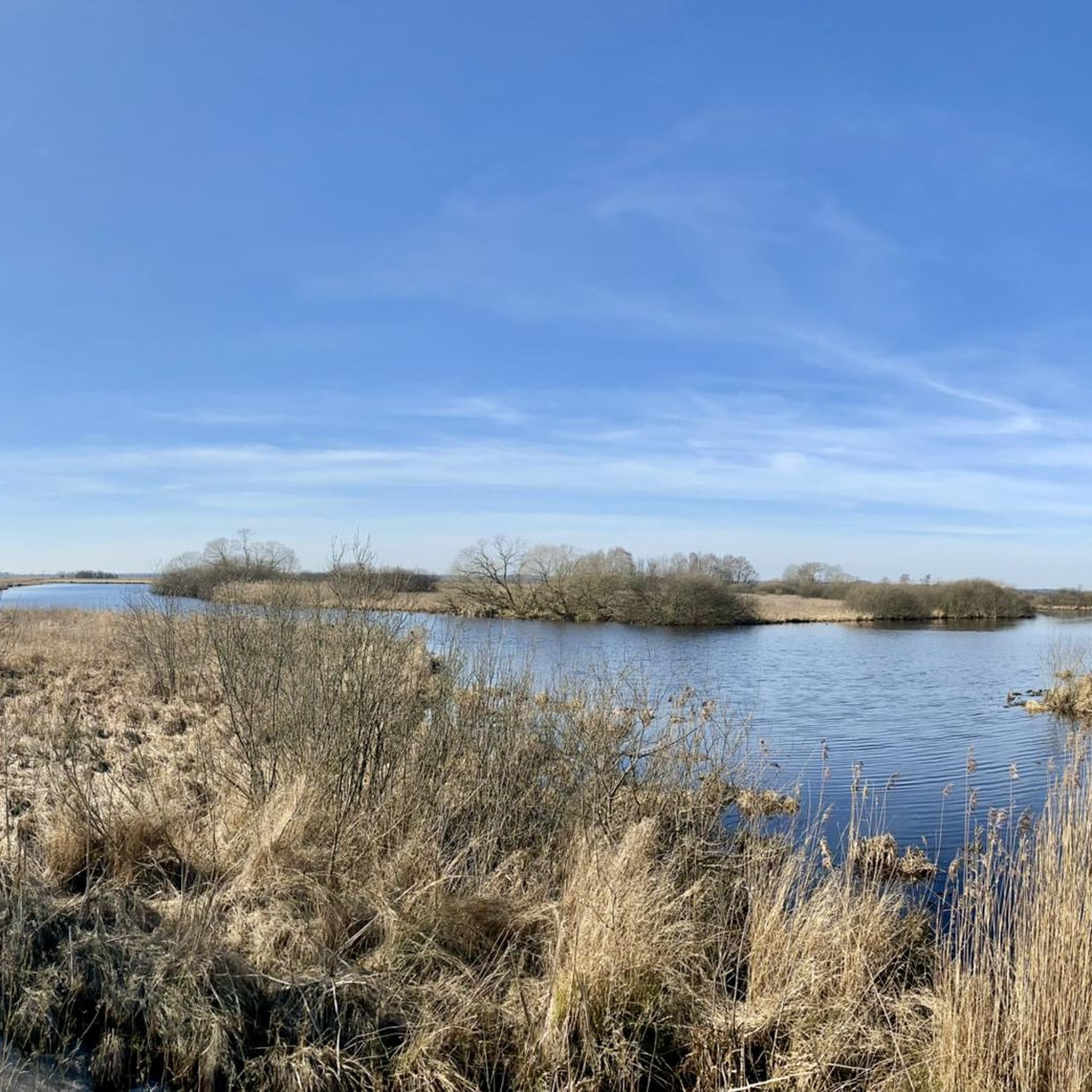
Road Cycling Routes around Osterholz-Scharmbeck
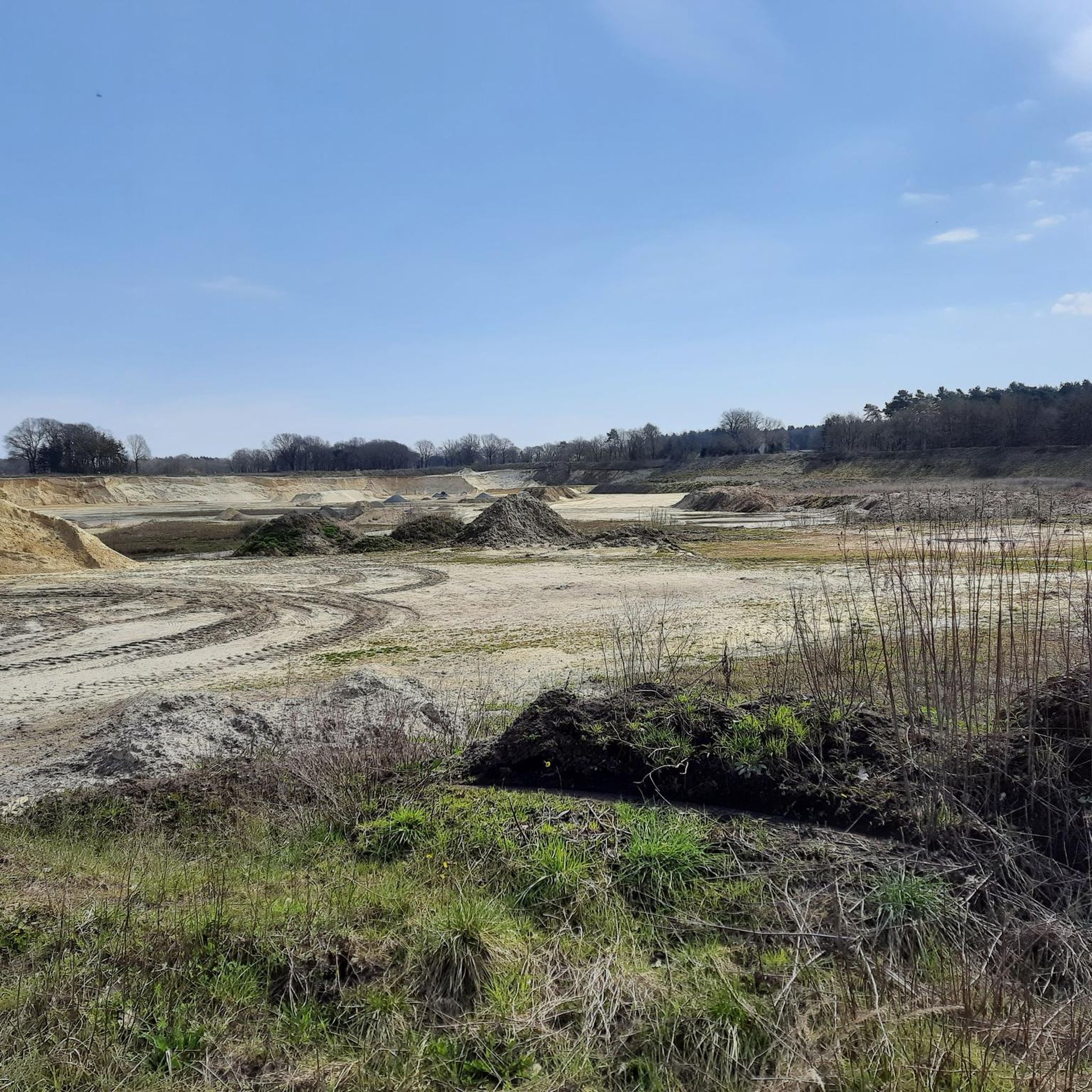
MTB Trails around Osterholz-Scharmbeck

Gravel biking around Osterholz-Scharmbeck

Tips from the Community

Nice to ride the bike!
4
0

The Wümme is a 121-kilometer-long river in northern Germany that flows through the federal states of Lower Saxony and Bremen. Its source is in the Lüneburg Heath, and it eventually flows into the Lesum, which in turn flows into the Weser. The Wümme partially marks the border between Lower Saxony and Bremen and is the main tributary of the Lesum. Together with the Lesum, the Wümme reaches a total length of 131.2 kilometers. The Wümme flows through several towns and villages, including Lauenbrück, Scheeßel, Rotenburg an der Wümme, Ottersberg, Fischerhude, Lilienthal and Bremen. It is known for its clean water quality and the picturesque landscapes along its course, which are characterized by wide meadows and floodplains.
3
0

Telescopeium Lilienthal Observatory
3
0

Small idyllic river, flows into the Lesum, then further into the Weser and North Sea.
4
0

Nice view of the Wümme.
3
0

Here the Jan-Reimers-Weg crosses the Wümme
1
0

The New Wümm Bridge crosses the river at this point and connects Bremen with Lower Saxony - the border actually runs right along the middle of the river.
3
0
Frequently Asked Questions
What natural landscapes can I explore in Osterholz-Scharmbeck?
Osterholz-Scharmbeck offers diverse natural landscapes. You can explore the vast Hammeniederung and Teufelsmoor Nature Park, ideal for cycling, hiking, and boat trips. The Ohlenstedter Quellseen provide idyllic spots for swimming. For picturesque river views, visit the Wümme bend in Blockland, a popular cycling route. Hidden idyllic ponds can be found at Heidhofer Teiche, and the Scharmbecker Bach flows through the town as part of an experience trail.
Are there good hiking or cycling routes in the area?
Yes, the region is excellent for both hiking and cycling. The Weser Cycle Path near Lemwerder offers scenic views directly along the Weser river. The Wümme bend in Blockland is another highly favored cycling spot. For more structured routes, you can find various options, including MTB Trails, Road Cycling Routes, and Running Trails around Osterholz-Scharmbeck.
Where can I find viewpoints with scenic vistas?
For expansive views, visit the Aussichtsturm Postwiesen, which is particularly impressive during winter when migratory birds rest on the flooded meadows. Another excellent spot is the Linteler Weiden Observation Tower, a 10-meter-high tower offering impressive views of the Hamme lowlands and opportunities for birdwatching.
What historical sites or cultural attractions are there to visit?
Osterholz-Scharmbeck boasts several historical and cultural sites. Explore the Klosterviertel (Monastery Quarter) with the Romanesque St. Marien Church. The impressive Gut Sandbeck, a Weser Renaissance manor house, serves as a cultural hub hosting various events. Don't miss the Mühle von Rönn (Rönn Mill), a double-storied Dutch windmill with a mill café, or the historically significant Kuhsiel Lock, which has facilitated boat traffic since the Middle Ages.
Is there a museum complex in Osterholz-Scharmbeck?
Yes, the Museumsanlage Osterholz (Osterholz Museum Complex) is located within the former economic courtyard of the Benedictine monastery. It features four distinct museums: the Norddeutsche Vogelmuseum (North German Bird Museum), the Torfkahnmuseum (Peat Barge Museum), a Mitmachmuseum (Hands-on Museum), and the Heimatmuseum (Local History Museum). The Norddeutsche Vogelmuseum is unique in the German-speaking area, showcasing North European birdlife. You can find more information at vogelmuseum-museumsanlage-ohz.de.
Are there family-friendly attractions or activities?
Many attractions in Osterholz-Scharmbeck are family-friendly. The Museumsanlage Osterholz includes a Mitmachmuseum (Hands-on Museum). The Tiergarten Ludwigslust is a popular and accessible wildlife park. Outdoor activities like cycling along the Wümme bend in Blockland or exploring the Teufelsmoor Nature Park with traditional peat barge tours are also great for families.
What are some dog-friendly outdoor options?
The natural areas around Osterholz-Scharmbeck offer many dog-friendly options. The Hammeniederung and Teufelsmoor Nature Park provide vast spaces for walks. The Wümme bend in Blockland is also noted as dog-friendly, offering wide views for you and your pet to enjoy.
Are there opportunities for swimming in nature?
Yes, during warmer days, the Ohlenstedter Quellseen (Ohlenstedt Spring Lakes) provide idyllic opportunities for swimming and enjoying the natural surroundings.
What are some winter activities available?
In winter, the region offers unique experiences. The Aussichtsturm Postwiesen and the Linteler Weiden Observation Tower become prime spots for observing migratory birds in the flooded meadows. The serene landscapes of the Teufelsmoor Nature Park are also beautiful for winter walks or cycling, weather permitting.
What do visitors enjoy most about Osterholz-Scharmbeck?
Visitors particularly enjoy the scenic cycling routes, such as the Weser Cycle Path near Lemwerder, praised for its excellent condition and beautiful views. The Wümme bend in Blockland is also a favorite for its wide views and peaceful atmosphere, especially during quieter times. The blend of historical landmarks and tranquil natural settings, like the moorlands and river systems, is highly appreciated.
Can I learn about peat harvesting and natural regeneration in the area?
Yes, you can learn about peat harvesting and natural regeneration at the Kleines Haus im Moor (Small House in the Moor), located in Teufelsmoor. It serves as a meeting point for nature lovers and a starting point for exploring re-wetted peat extraction areas.
Most popular routes around Osterholz-Scharmbeck
Most popular attractions around Osterholz-Scharmbeck

Get inspired with the komoot mobile app


Explore more
Still not found the Highlight you’re looking for? See guides of the top attractions in other regions:
