Attractions and Places To See around Mozelos - Top 20
Attractions and places to see around Mozelos, a town in Santa Maria da Feira, Portugal, include historical sites, natural reserves, and coastal features. The area is characterized by its proximity to the coast and its ancient history, evidenced by Roman remains. Visitors can explore a mix of cultural landmarks and natural landscapes. Mozelos offers opportunities for outdoor activities, including cycling and walking trails.
Best attractions and places to see around Mozelos
- The most popular attractions is Chapel of Senhor da…
Last updated: May 4, 2026
Chapel of Senhor da Pedra (Chapel of the Lord of the Rock)
Highlight • Religious Site
Translated by Google •
Tip by

Senhor da Pedra Chapel
Highlight • Religious Site
Translated by Google •
Tip by

Sign up now to discover places like this
Get recommendations on the best single tracks, peaks, & plenty of other exciting outdoor places.
Sign up for free
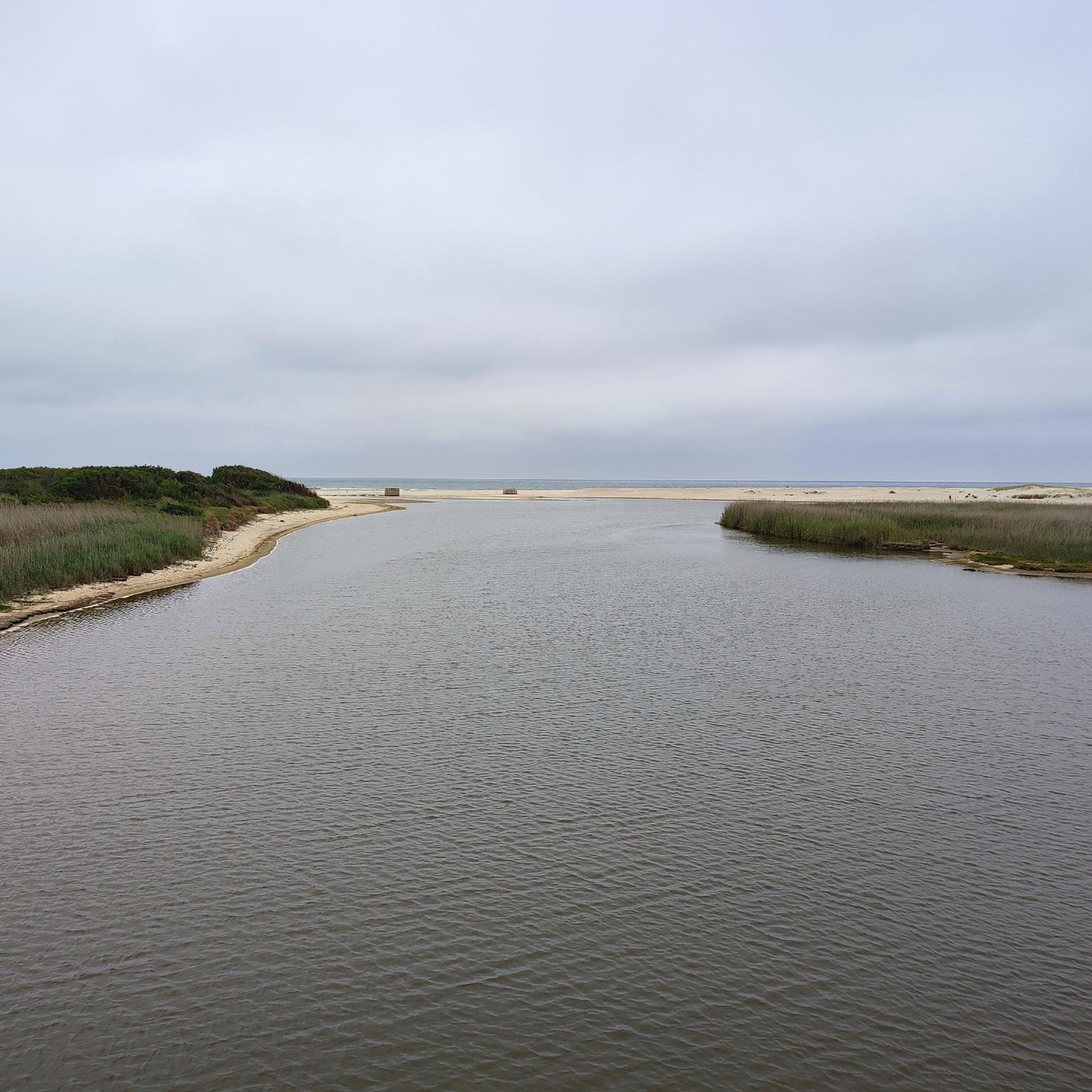
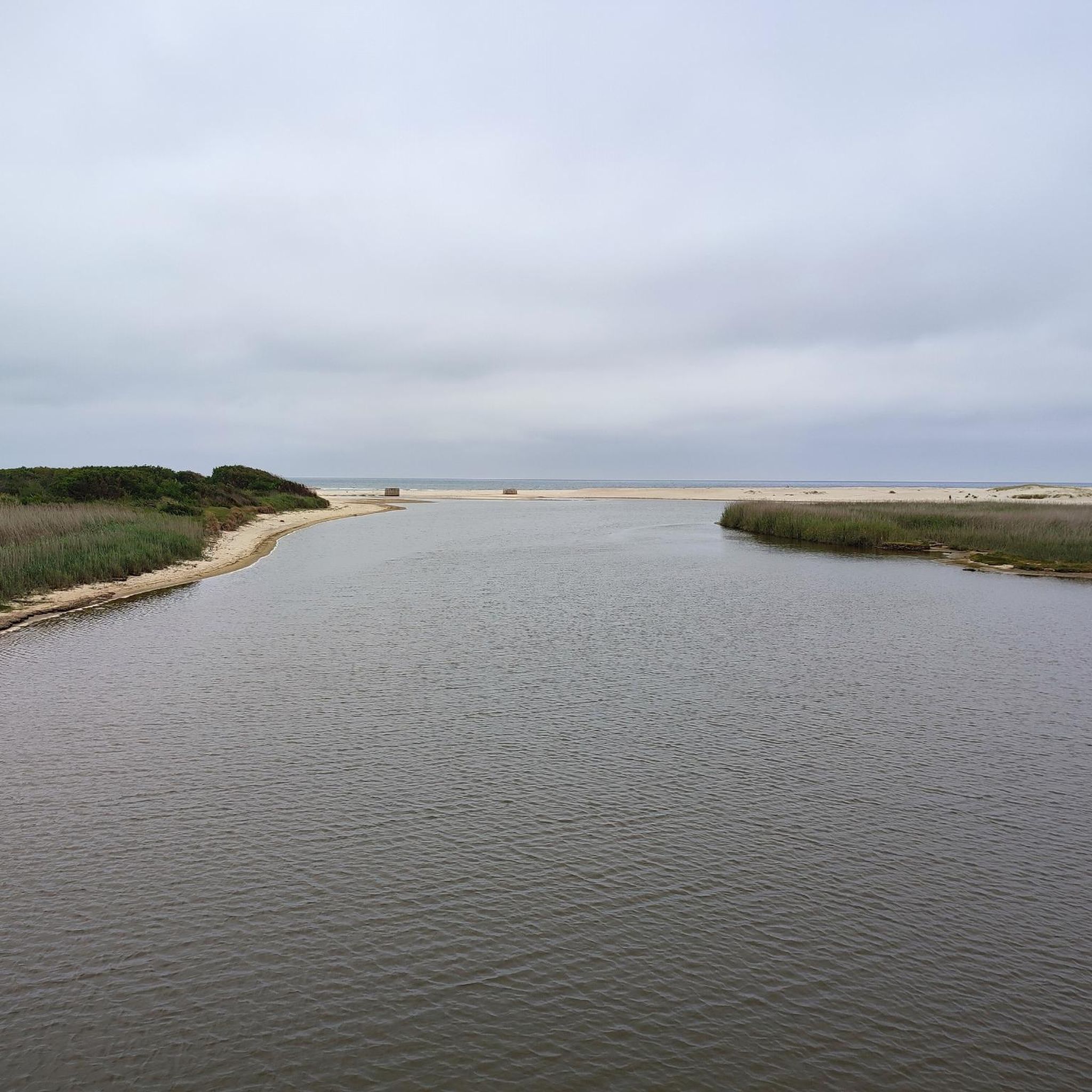
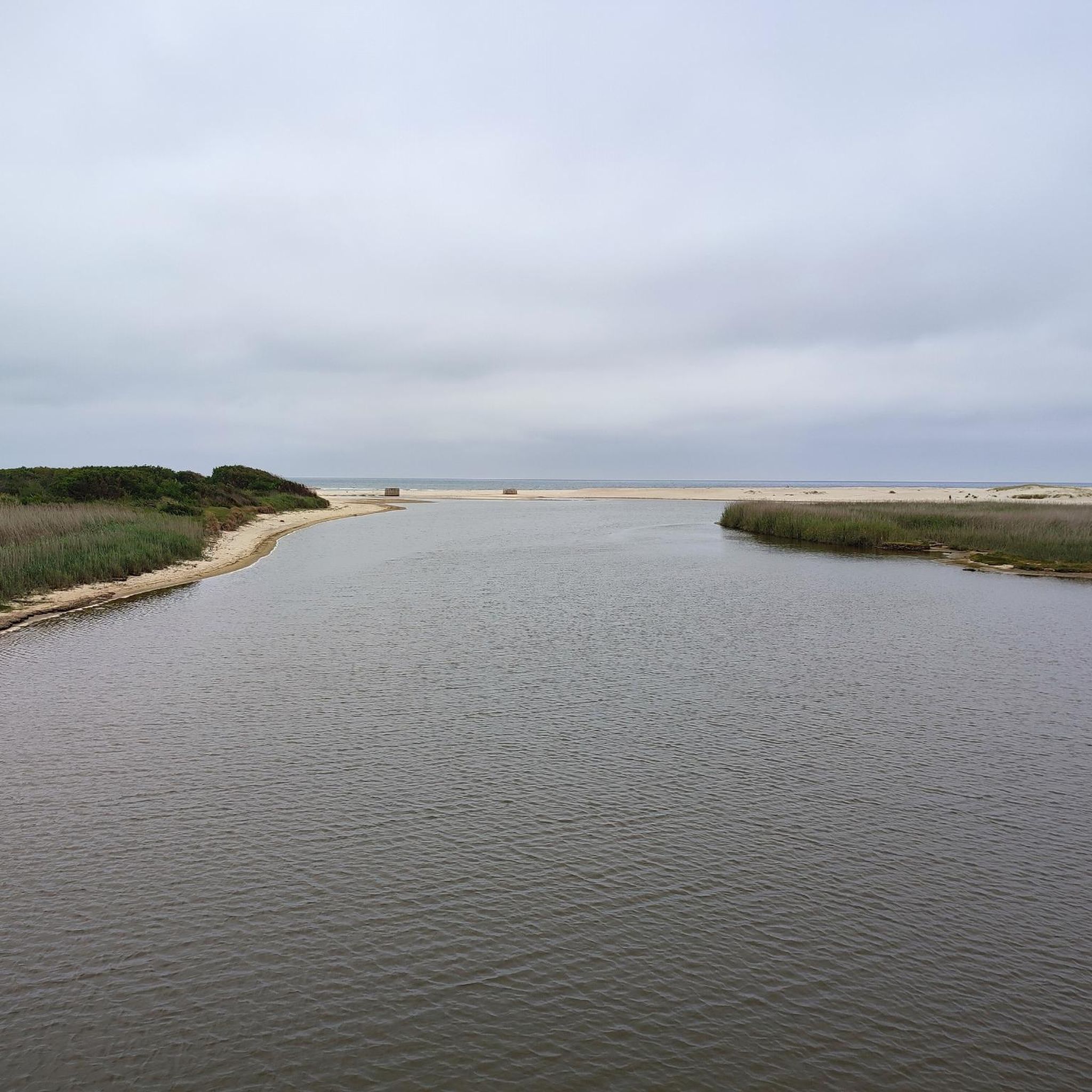
Barrinha de Esmoriz Nature Reserve
Highlight • Lake
Wonderful circuit; to drive well with children. With beach access.
Translated by Google •
Tip by

Aguda Dunes Park
Highlight • Beach
Translated by Google •
Tip by

Praia da Barrinha
Highlight • Beach
Tip by

Sign up for free to discover even more attractions around Mozelos.
Sign up for free
Already have an account?
Start today with a free account
Your next adventure awaits.
Login or Signup


Tips from the Community

Cool view of a beautiful house
1
0

The Capela do Senhor da Pedra is one of Portugal's most iconic and photogenic chapels, located on a rocky promontory on Miramar Beach in Vila Nova de Gaia, about a 20-minute drive from downtown Porto.
1
0

I recommend it very beautiful
1
0

Stunning chapel on the beach – what is often overlooked is that this rock was a sacred place for worship for generations before christianity / catholicism built here. There is a real presence and energy about this place. Visit in the early morning to avoid the crowds, and enjoy a moment of quiet. Sunset is pretty much always busy here.
1
1

In the coastal village of Miramar, in Gulpilhares, Vila Nova de Gaia, stands a small chapel built on top of a rock, facing away from the sea. Small but monumental, fragile but strong, unreal and yet true, that is the beautiful Capela do Senhor da Pedra. Looking from afar, it seems as if the Atlantic will swallow it up on the first stormy night, but three centuries have passed since its construction, and it remains standing firm. Perhaps it is because of the rock on which it stands - a place of worship for over two thousand years. As the inscription on the tile mosaic framed at the entrance to the chapel attests, the giant stone originally housed a pagan temple, possibly Celtic. When Christianity arrived in Portugal, efforts were made to Christianise the territory and free it from its pagan roots. The site where the Capela do Senhor da Pedra now stands was then chosen to "reclaim" the land from heretics, but despite the conversion to the Christian faith, secret ceremonies linked to pagan worship still take place on full moon nights. It is said that it is common to find melted candles left by neo-pagan worshippers on the rocks and sand next to the chapel, but I did not see any.
0
0

The chapel was built later in 1673, causing the original nature cult to be eradicated by Christianity
8
0
It is believed that the origin of the cult in the Capela do Senhor da Pedra can have its origins in an ancient pagan cult, of a naturalistic nature, of pre-Christian people, whose gods were worshiped in full nature, after they were later converted to Christianity . Source Wikipedia
8
0

The beach with the most extraordinary scenery near Porto is the Praia do Senhor da Pedra in the small coastal town of Arcozelo. In 2015 it was voted the most beautiful beach in Europe. This huge sandy beach in the very north of Praia de Miramar owes its name to the Senhor da Pedra chapel with its hexagonal floor plan, which was built on rocks in the middle of the beach. The beach, which has good infrastructure, is usually very busy (we were alone there). Every year there is a large pilgrimage in honor of Senhor da Pedra, which begins on the Sunday of the Most Holy Trinity (a movable holiday in June) and lasts three days.
4
0
Frequently Asked Questions
What historical sites can I visit around Mozelos?
Mozelos offers a glimpse into its past with sites like the Chapel of Senhor da Pedra, a unique religious building constructed in 1673 on a rock, believed to have ancient pagan origins. Additionally, the area features remnants of a Roman road near its church, highlighting its ancient history.
Are there natural parks or reserves to explore near Mozelos?
Yes, you can explore several natural areas. The Aguda Dunes Park is an extensive coastal natural park with trails along the beach and inland roads, showcasing dunes formed by sand and wind. Further afield, the Barrinha de Esmoriz Nature Reserve is a coastal lagoon of brackish water, known for its wooden plank paths and birdlife, including migratory birds in the fall.
What cycling opportunities are available around Mozelos?
Cyclists can enjoy the Atlantic Cycle Path and the Dunes of Ovar, an excellent paved section of the EuroVelo 1 trail. This path is pleasantly shaded by pine trees and offers access to dunes and beaches. For more road cycling options, you can find various routes, including easy to difficult loops, in the Road Cycling Routes around Mozelos guide.
Are there family-friendly attractions in the Mozelos area?
Many attractions around Mozelos are suitable for families. The Chapel of Senhor da Pedra and the Senhor da Pedra Chapel are both considered family-friendly. Natural areas like the Barrinha de Esmoriz Nature Reserve and the Aguda Dunes Park offer easy walks and exploration for all ages. The Atlantic Cycle Path is also a great option for family bike rides.
Where can I find hiking trails near Mozelos?
You'll find a variety of hiking trails near Mozelos, particularly along the coast and in natural reserves. The Aguda Dunes Park offers boardwalk trails along the beach. For more detailed routes, including moderate and easy options like the 'Rio Uíma Waterfall – Ponte de Santiago loop', explore the Hiking around Mozelos guide.
What makes the <a href="https://www.komoot.com/highlight/3238970" target="_blank" rel="noopener">Chapel of Senhor da Pedra</a> unique?
The Chapel of Senhor da Pedra is unique due to its striking location directly on a rock on the beach. Built in 1673, it stands on a site believed to have been a place of worship for over two millennia, with origins potentially tied to ancient pagan cults. At high tide, the chapel is completely surrounded by the sea, creating a spectacular sight. It also hosts a large annual pilgrimage in June.
Can I find accessible trails or attractions in Mozelos?
While specific accessibility details for all attractions are not always available, many natural parks and cycle paths feature paved or boardwalk sections. For instance, the Barrinha de Esmoriz Nature Reserve has wooden plank paths, and the Atlantic Cycle Path is a paved route, which may offer easier access for some visitors.
What do visitors particularly enjoy about the attractions near Mozelos?
Visitors frequently praise the unique scenery, especially at the Chapel of Senhor da Pedra, noting its beauty at both low and high tides. The natural areas like the Barrinha de Esmoriz Nature Reserve are appreciated for their well-maintained paths and suitability for walks or bike rides with children. The Atlantic Cycle Path is loved for its shaded sections through pine trees and access to dunes and beaches.
Are there any cultural events or programs in Mozelos?
Yes, the local parish council organizes 'Mozelos em Cultura,' a cultural program that includes various activities. One notable event is a Rock Festival held at Parque do Murado, which typically takes place from late May to early June.
What are the best times of year to visit Mozelos for outdoor activities?
Given the coastal and natural attractions, late spring (late May to early June) and early autumn are generally excellent times to visit Mozelos. The weather is usually pleasant for outdoor activities like cycling and hiking, and you might also catch local cultural events like the Rock Festival during late spring.
Are there running trails available near Mozelos?
Yes, there are several running trails in the vicinity of Mozelos. You can find routes ranging from moderate to difficult, such as the 'Espinho Beach – Fishermen's Beach loop' or the 'Running loop from Esmoriz'. More options are detailed in the Running Trails around Mozelos guide.
Can I bring my dog on trails and to attractions in Mozelos?
While specific dog-friendly policies vary by location, many outdoor trails and natural parks in Portugal are generally welcoming to dogs, especially if kept on a leash. For instance, the natural areas like Barrinha de Esmoriz Nature Reserve and the Aguda Dunes Park are often suitable for walks with dogs. Always check local signage for any restrictions.
Most popular attractions around Mozelos

Get inspired with the komoot mobile app


Explore more
Still not found the Highlight you’re looking for? See guides of the top attractions in other regions:
