Attractions and Places To See around gmina gmina gmina Nidzica - Top 20
Best attractions and places to see around gmina gmina gmina Nidzica blend rich history, cultural heritage, and natural beauty. This region in Poland offers a variety of sites, from ancient landmarks to picturesque landscapes. Visitors can explore historical architecture, delve into local traditions, and experience nature reserves. The area is characterized by its Gothic castles, historic churches, and significant natural features like river sources and glacial erratics.
Best attractions and places to see around gmina gmina gmina Nidzica
- The most…
Last updated: July 15, 2026
Bishop's Trail – Gate of Warmia
Highlight • Historical Site
Starting with Cardinal Stanisław Hozjusz, the Polish bishops of Warmia coming to assume their rule were solemnly greeted in the …
Translated by Google •
Tip by

Nidzica Castle
Highlight • Castle
Translated by Google •
Tip by

Sign up now to discover places like this
Get recommendations on the best single tracks, peaks, & plenty of other exciting outdoor places.
Sign up for free
Bishop’s Route
Highlight • Trail
Translated by Google •
Tip by

Church in Orzechowo
Highlight • Religious Site
Translated by Google •
Tip by

Łyński Młyn
Highlight • Cafe
Tip by

Sign up for free to discover even more attractions around gmina gmina gmina Nidzica.
Sign up for free
Already have an account?
Start today with a free account
Your next adventure awaits.
Login or Signup
Popular around gmina gmina gmina Nidzica
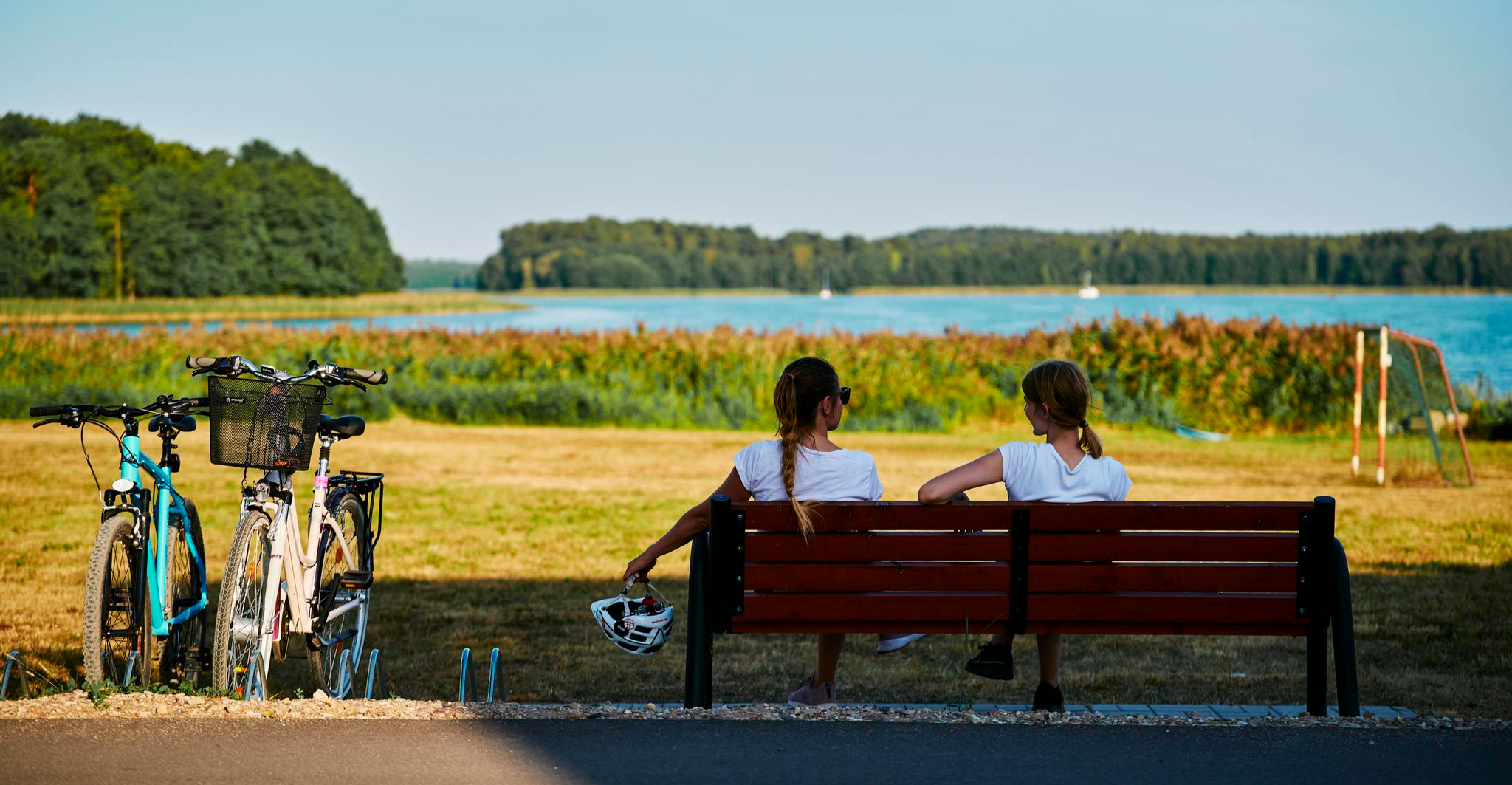
Outdoor Poland Part 2 – Warmia and Masuria
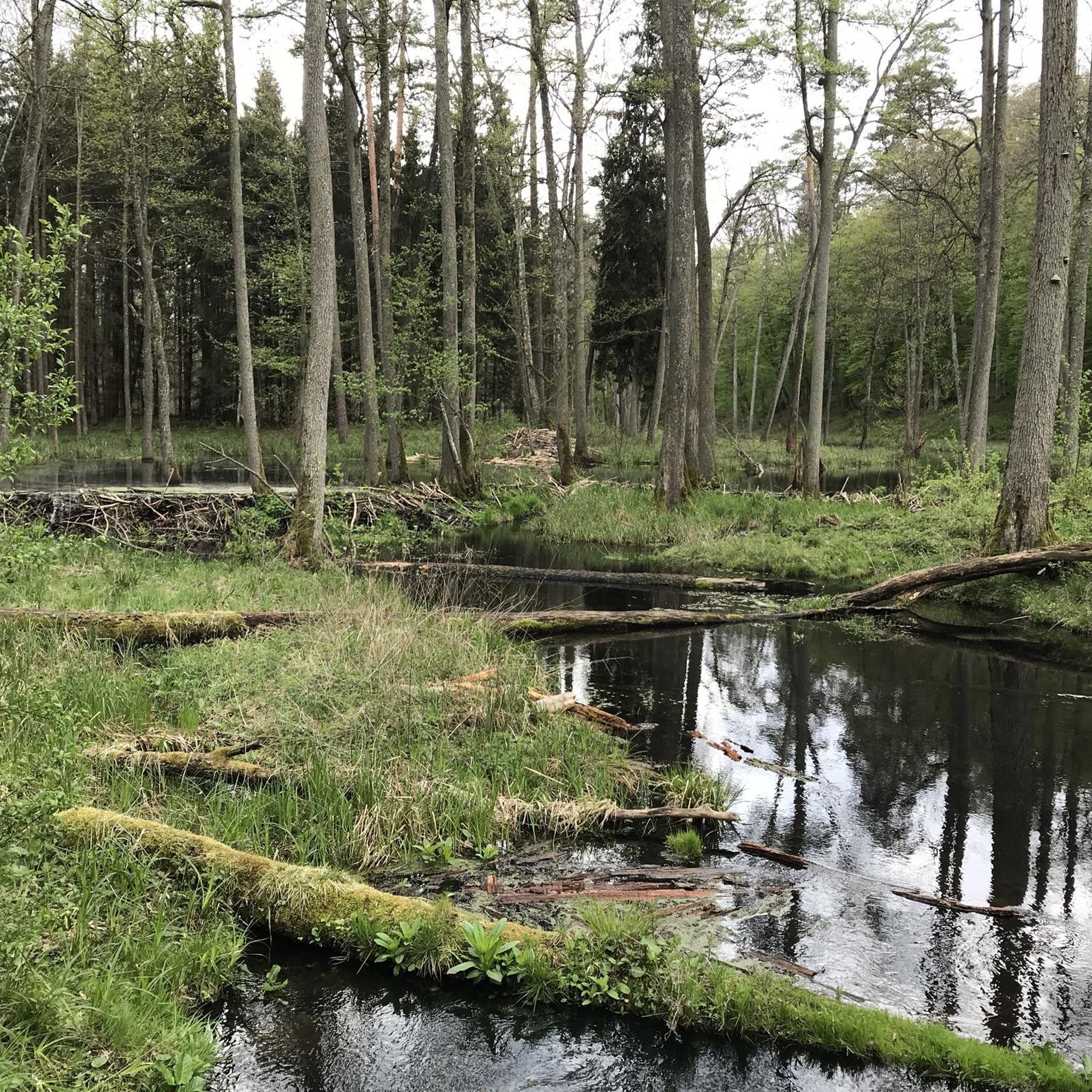
Cycling around gmina gmina gmina Nidzica
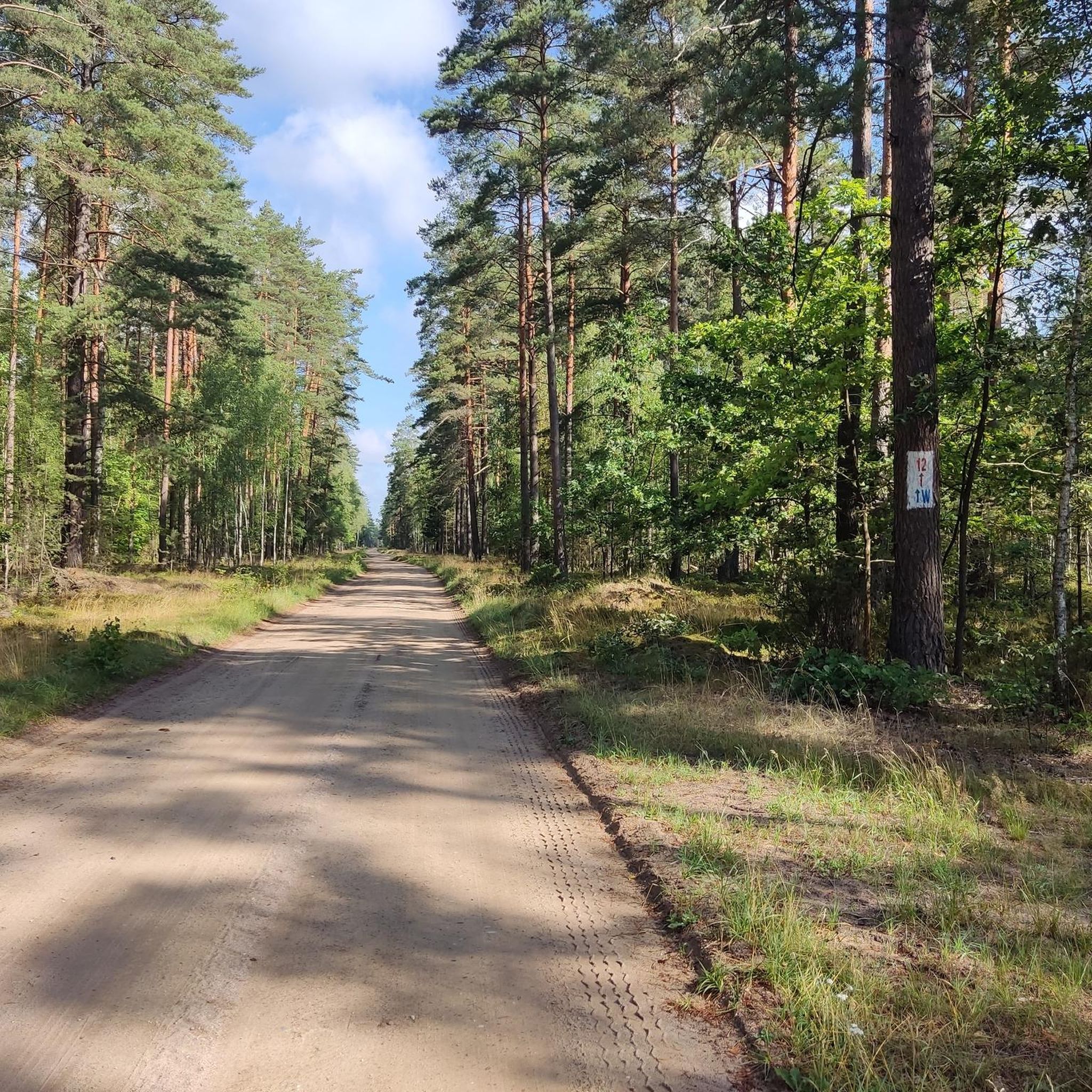
Road Cycling Routes around gmina gmina gmina Nidzica
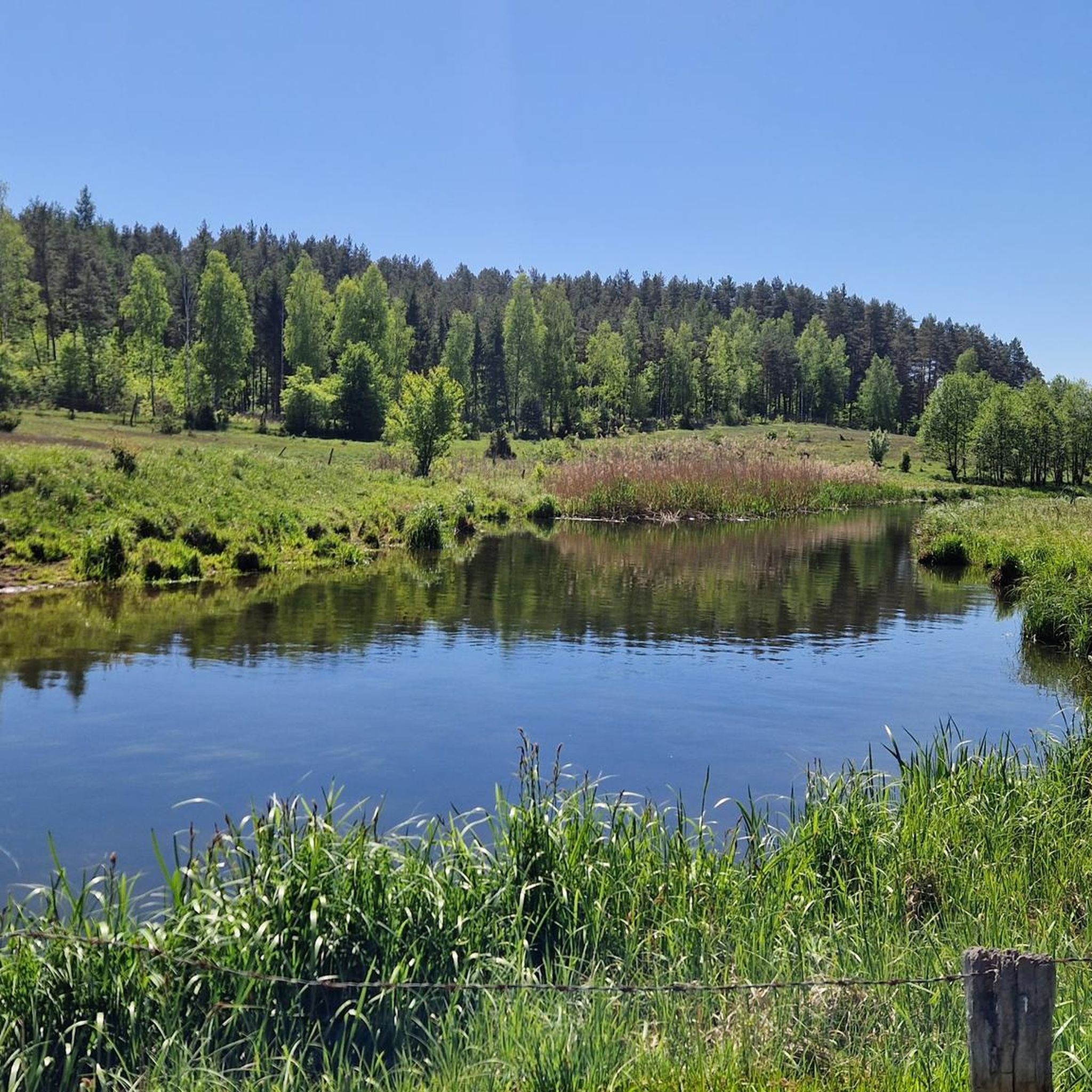
MTB Trails around gmina gmina gmina Nidzica

Gravel biking around gmina gmina gmina Nidzica
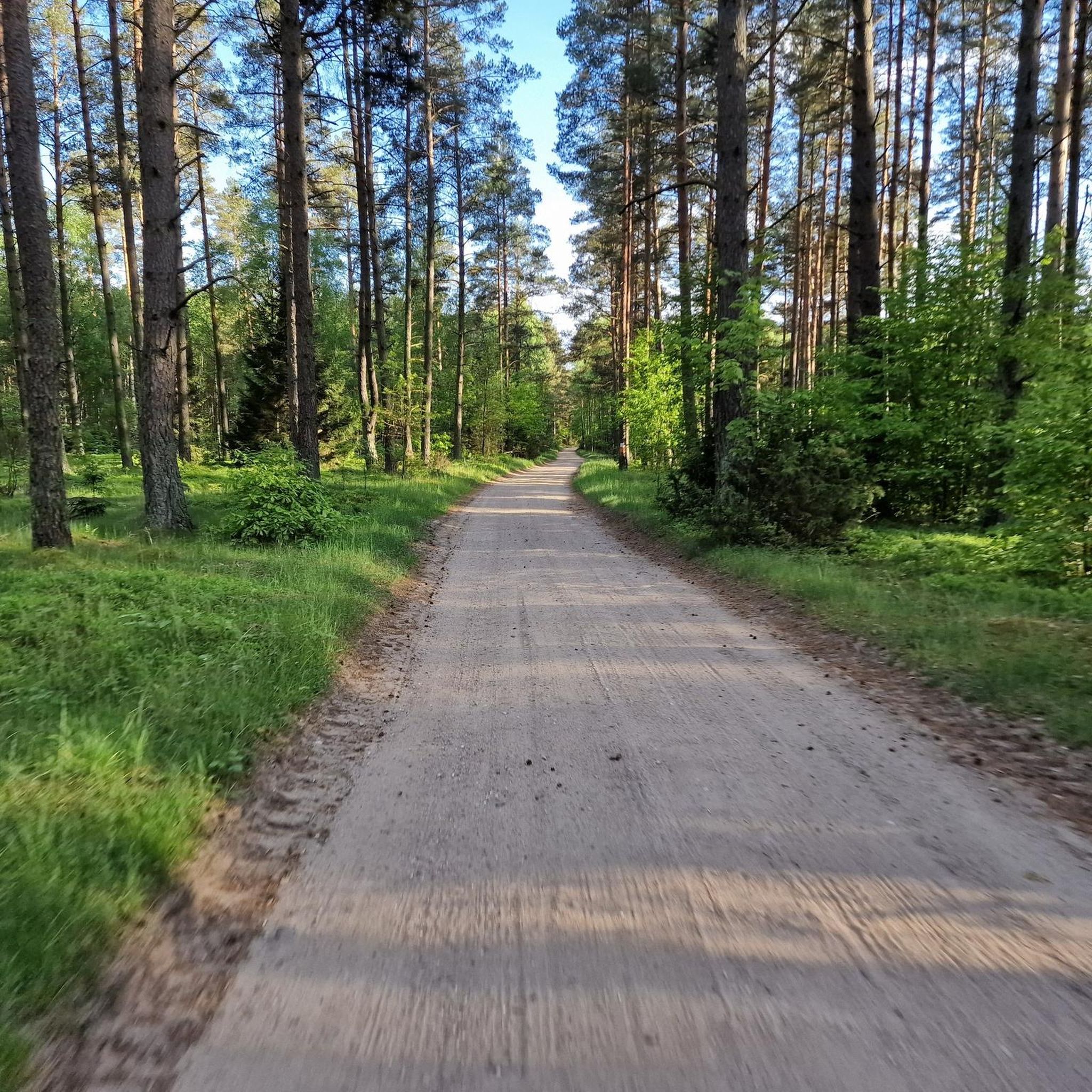
Hiking around gmina gmina gmina Nidzica
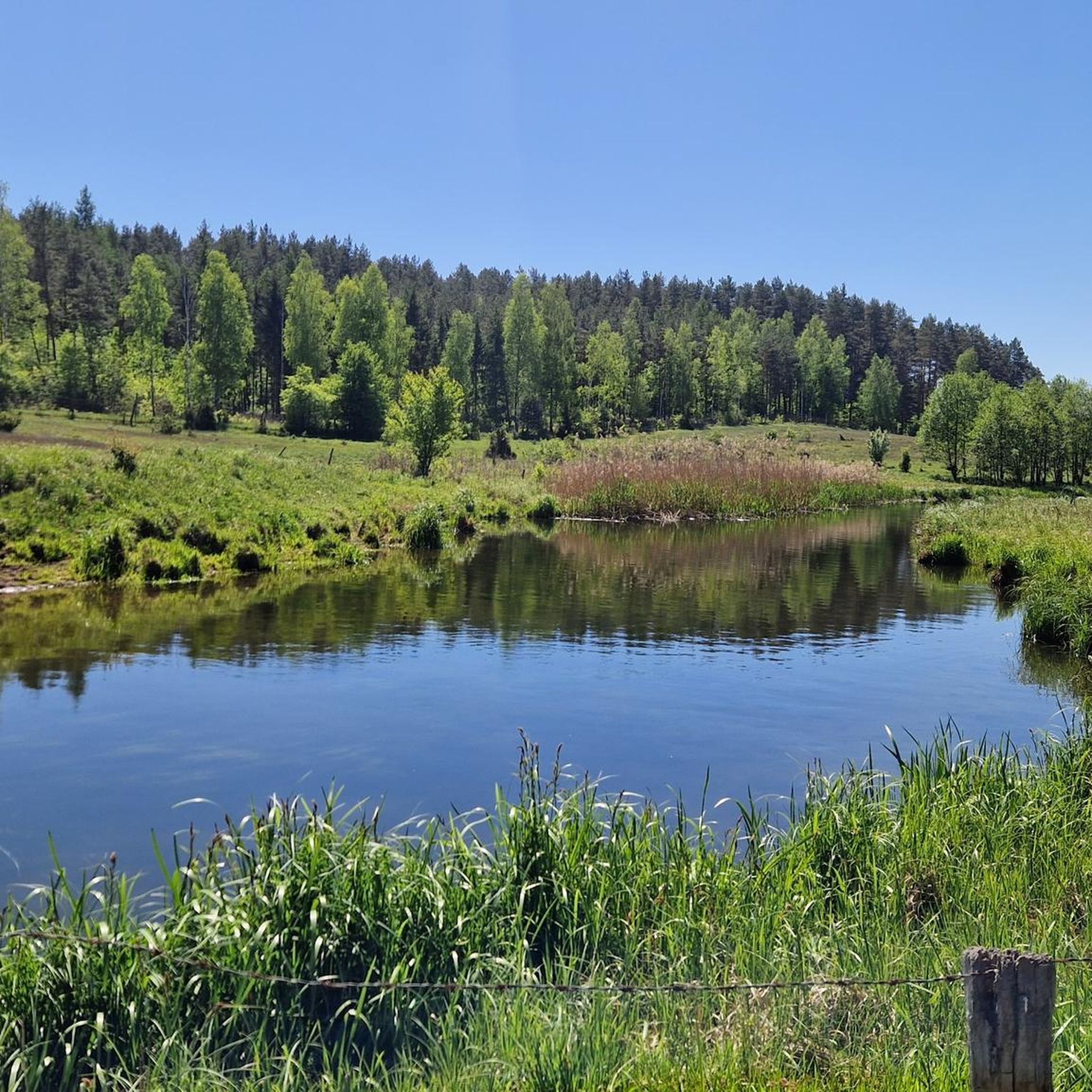
Running Trails around gmina gmina gmina Nidzica
Other adventures around gmina gmina gmina Nidzica

Tips from the Community

The historic Church of St. John the Baptist, dating from 1913, stands in a village that had existed since 1570. In the 1950s, during the construction of a center for socialist dignitaries in Łańsk, the eviction of the "inconvenient" village began. In 1977, the last residents were forced to leave. The village was demolished, leaving only the church, rectory, and forester's lodge.
0
0

The construction of the castle began around 1398, the main western wing was completed in 1405, and the remaining works were completed in the spring of 1409[1]. The Teutonic procurator resided there. On July 12, 1410, on his way with his army into the depths of the Teutonic state, the undefended castle was occupied by Polish troops. During the Hunger War in 1414, the castle was besieged by Polish knights and captured on July 6 after an eight-day siege. In 1454, the castle was occupied by the pro-Polish Prussian Confederation and in February 1455, it was handed over to Czech mercenaries led by Jan Kolda of Žampach, who repelled the invasion of the Teutonic troops on April 28[2]. In 1517, the outer bailey was expanded and fortified. In 1784, the outer bailey burned down. In 1812, the castle was devastated by French troops. In the years 1828-1830 the castle was rebuilt into a court and prison. In the winter of 1945, Soviet troops bombarded the castle, which remained a ruin until its reconstruction in 1961-1965.
0
0
Nidzica Castle – was built at the beginning of the 15th century in the Gothic style as the seat of the Teutonic prosecutor.
0
0

First, some information about visiting, namely it is closed on Mondays. The construction of the castle began around 1370, and in 1409, a Teutonic prosecutor was already residing there. On July 12, 1410, on the way with an army into the depths of the Teutonic state, the undefended castle was occupied by Polish troops. During the Hunger War in 1414, the castle was besieged by Polish knights and captured on July 6 after an eight-day siege. In 1454, the castle was occupied by the pro-Polish Prussian Confederation. In February 1455, it was handed over to Czech mercenaries led by Jan Kolda of Žampach, who repelled the invasion of the Teutonic troops on April 28. In 1517, the castle's outer bailey was expanded and fortified. In 1784, the outer bailey burned down. The castle was damaged most by French soldiers, who were stationed here intermittently in the years 1806–1812. The building, devastated by the Napoleons, was saved from total ruin by the court counselor Ferdynand Tymoteusz Gregorovius, an effective initiator of the reconstruction (1828–1830) of the medieval fortress to serve as a courthouse, private apartments and a prison. However, Gregorovius stipulated that the people of Nidzica should build him a monument. The monument was built only more than seventy years after the castle was rebuilt. The monument is located in the castle park. In 1945, the castle was not so lucky – it was bombed by the Russians and burned down, losing its ceilings and part of the walls. However, the decision was quickly made to rebuild it. In 1949, the building was cleared of rubble, and three years later, the first security works began. The full restoration of the monument, including the conservation of the preserved paintings in the chapel and refectory, began in 1961 and was completed in 1965, after which it was ceremonially handed over to local cultural and social institutions. Currently, the castle serves as the city's center of business, culture and entertainment. It houses: the Museum of the Nidzica Region with an ethnographic and historical exhibition, the Nidzica Cultural Center, the Knights' Brotherhood of the Nidzica Commandery, the Hieronim Surpski Author's Gallery, a sculpture studio and a city library. There is also a hotel and a restaurant here. Admission to the outer bailey and the courtyard of the high castle is free, to the museum it is paid. The complex is surrounded by a dense 19th-century park. https://zamek-nidzica.pl/historia-zamku-2/
3
0

Starting with Cardinal Stanisław Hozjusz, Polish bishops from Warmia who came to take over their rule were ceremoniously welcomed in the area of the villages of Przykop and Bałdy and in the parish church in Butryny[1]. Here, the Bishop's Route leading from Warsaw to Lidzbark Warmiński crossed the border of Ducal Prussia (Masuria) and the diocese through the Gates of Warmia.
0
0
Starting with Cardinal Stanisław Hozjusz, Polish bishops from Warmia who came to take over their rule were ceremoniously welcomed in the area of the villages of Przykop and Bałdy and in the parish church in Butryny[1]. Here, the Bishop's Route leading from Warsaw to Lidzbark Warmiński crossed the border of Ducal Prussia (Masuria) and the diocese through the Gates of Warmia.
0
1

The gates of Warmia in Bałdy and the Bishop's Route. Starting with Cardinal Stanisław Hozjusz, the Polish bishops of Warmia coming to assume their rule were solemnly greeted in the area of the villages of Przykop and Bałdy and in the parish church in Butryny. Here, the Bishop's Route leading from Warsaw to Lidzbark Warmiński crossed the border of Ducal Prussia (Masuria) and the diocese through the Gates of Warmia. The last celebration of welcoming the new Reverend Lord in the area of Butryn took place on May 12, 1767, when Bishop Ignacy Krasicki arrived in Warmia. In memory of the former ceremonial visits of church superiors to Warmia, the historic Bishop's Route was reconstructed in Bałdy.
0
0

Frequently Asked Questions
What historical sites are a must-see in Gmina Nidzica?
You should definitely visit Nidzica Castle, a monumental Gothic fortress from the 14th century that now houses a museum, cultural center, and more. Other significant historical sites include the Bishop's Trail – Gate of Warmia and the broader Bishop’s Route, which mark historical passages. The historic Church in Orzechowo, dating from 1913, also offers a glimpse into the region's past.
Are there any natural attractions or reserves to explore in Gmina Nidzica?
Yes, the region boasts several natural highlights. The Sources of the Łyna River Nature Reserve is a picturesque valley with numerous streams forming the beginning of the Łyna River, accessible with car parks, stairs, and bridges. You can also find the Tartar Stone, the largest glacial erratic in Masuria, near the village of Tatary. For wildlife, the Orłowo European Pond Turtle Reserve is Poland's oldest facility dedicated to protecting this species. Additionally, Jezioro Dłużek, Jezioro Jemiołowo, and Jezioro Szkotowskie offer scenic lake views.
What kind of outdoor activities can I do near the attractions in Gmina Nidzica?
Gmina Nidzica offers various outdoor activities. For hiking, you can explore routes like the 'Łyński Młyn – Floodplains of the Łyna Springs loop' or the 'Church in Kurki loop'. Find more hiking options at Hiking around gmina gmina gmina Nidzica. Cyclists can enjoy MTB trails such as the 'Road to Łańsk – Forest Cross loop' or the 'Bridge over the Omólew River – Beach at Natać Mała loop'. Discover more MTB routes at MTB Trails around gmina gmina gmina Nidzica. There are also running trails available, including the 'View of the Meadow loop from Litwinki' and the 'Running loop from Nidzica'. More running routes can be found at Running Trails around gmina gmina gmina Nidzica.
Are there any family-friendly attractions in Gmina Nidzica?
Many attractions in Gmina Nidzica are suitable for families. Nidzica Castle is a great option, offering historical exploration and a museum. The Potter Village in Kamionka provides unique experiences, fairs, and ceramic products, preserving old crafts. The Sources of the Łyna River Nature Reserve is also family-friendly, with accessible paths for exploring nature. Additionally, the Łyński Młyn features a cafe and small shop, making it a pleasant stop during a family outing.
Where can I learn about the local culture and traditions of the Nidzica region?
To delve into local culture, visit the Museum of the Nidzica Region, located within Nidzica Castle. It features ethnographic and historical exhibitions. The Potter Village (Wieś Garncarska) in Kamionka is another excellent place to experience old crafts and traditions, offering unique activities and ceramic products. You can also explore the historic churches, such as the Church of the Immaculate Conception of the Blessed Virgin Mary and St. Wojciech, and the Evangelical-Augsburg Church of the Holy Cross, which house valuable sacred art.
What are some unique historical buildings besides Nidzica Castle?
Beyond the castle, you can explore Klasztorek, a Gothic defensive building that was once part of the city's fortifications. The neoclassical Town Hall, built in 1842, now hosts the Municipal Office and a Tourist Information Point. The Former Brewery, established in 1868, is a historic industrial building. You can also find fragments of the old city's defensive walls and the Monument of Władysław Jagiełło in Nidzica.
Are there any specific trails for hiking or cycling that highlight the region's history?
Yes, there are several themed trails. General Samsonov's Trail, approximately 80 km long, focuses on World War I cemeteries and military remnants. The Tatar Trail, about 45 km long, allows you to learn about legends of the Tatar invasion and see the Tartar Stone. These trails offer a blend of historical insight and outdoor activity.
What do visitors enjoy most about the attractions in Gmina Nidzica?
Visitors particularly appreciate the rich history and well-preserved architecture, especially at Nidzica Castle, which is described as a vibrant center of culture and entertainment. The historical significance of sites like the Bishop's Trail – Gate of Warmia also resonates with many. The blend of historical exploration with natural beauty, such as the accessible Sources of the Łyna River, is frequently highlighted.
Is there a good place to stop for refreshments or souvenirs near the natural attractions?
Yes, Łyński Młyn is an excellent spot. It features a cafe, a small shop with souvenirs, and toilets. It's conveniently located near the Sources of the Łyna River Nature Reserve, making it a perfect place to pause and refresh during your exploration of the natural features.
What is the significance of the Łyński Mill?
The Łyński Młyn is a historic mill dating back to 1387, located at the beginning of the Łyna River. It was originally used for grinding grain and later for groats. Today, it is owned by the University of Warmia and Mazury and serves as a pleasant stop with a cafe and souvenir shop, especially for those visiting the nearby Łyna Springs.
Are there any specific churches worth visiting for their historical or architectural value?
Absolutely. The Church of the Immaculate Conception of the Blessed Virgin Mary and St. Wojciech, dating back to the 14th century, was integrated into the city's defensive system and showcases a blend of Gothic and Neo-Renaissance styles. The Evangelical-Augsburg Church of the Holy Cross, built in Neo-Gothic style between 1858 and 1860, is also notable for its valuable sacred art from southern Masuria, including 15th-century altar paintings and wood carvings.
Most popular routes around gmina gmina gmina Nidzica
Most popular attractions around gmina gmina gmina Nidzica

Get inspired with the komoot mobile app


Explore more
Still not found the Highlight you’re looking for? See guides of the top attractions in other regions:
