Attractions and Places To See around Bojadła - Top 20
Best attractions and places to see around Bojadła include historical architecture and natural features in western Poland, east of Zielona Góra. The region is characterized by its significant palace complex and its location near the Oder River. Visitors can explore historical sites and enjoy the natural landscape. The area offers opportunities for outdoor activities such as hiking and cycling.
Best attractions and places to see around Bojadła
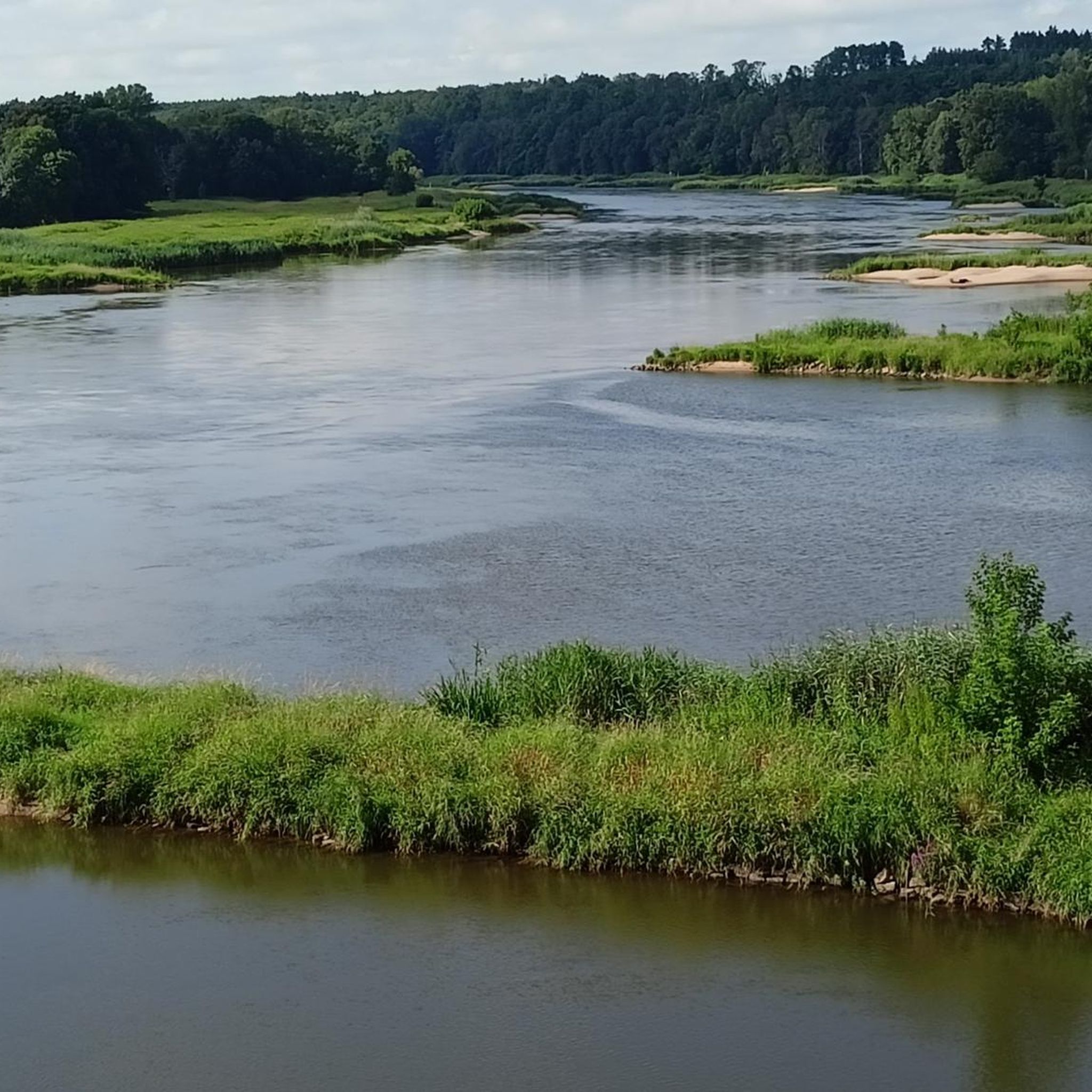
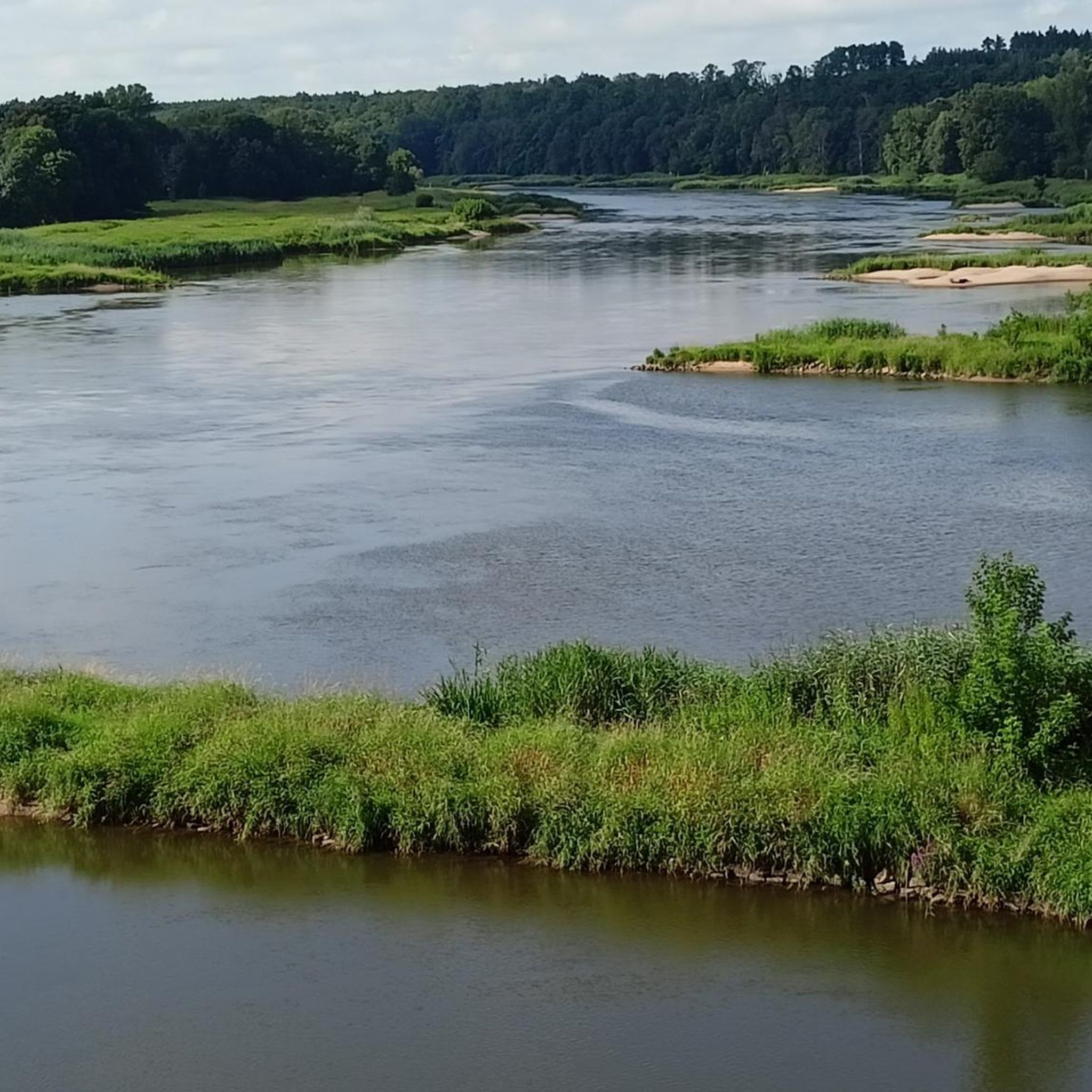
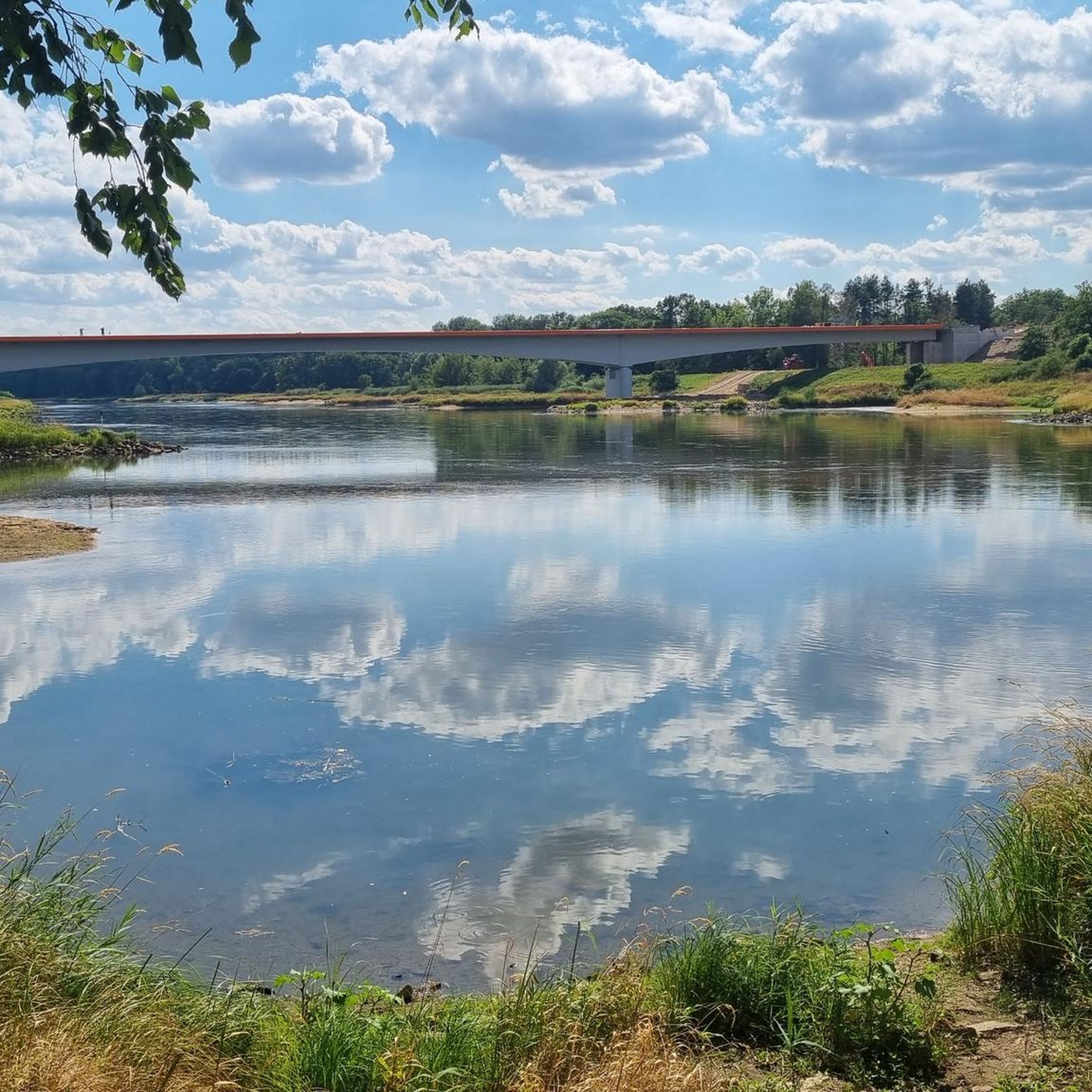
- The most popular attraction is Stany Railway Bridge over the Oder River,…
Last updated: August 25, 2026
Stany Railway Bridge over the Oder River
Highlight • Bridge
Translated by Google •
Tip by

Lipiny Odrzańskie Railway Station
Highlight • Monument
Translated by Google •
Tip by

Sign up now to discover places like this
Get recommendations on the best single tracks, peaks, & plenty of other exciting outdoor places.
Sign up for free
Windmill in Poland
Highlight • Monument
Translated by Google •
Tip by
Konotop Railway Station Buildings
Highlight • Monument
The history of the Konotop station (formerly Konradsthal) begins with the construction of the …
Translated by Google •
Tip by
End of Kolej na Rower Rail Trail
Highlight • Cycleway
Old railway line to Wolstzyn.
More information: kolejnarower.pl
Translated by Google •
Tip by

Sign up for free to discover even more attractions around Bojadła.
Sign up for free
Already have an account?
Start today with a free account
Your next adventure awaits.
Login or Signup

Tips from the Community

Delicious coffee and cake!
0
0

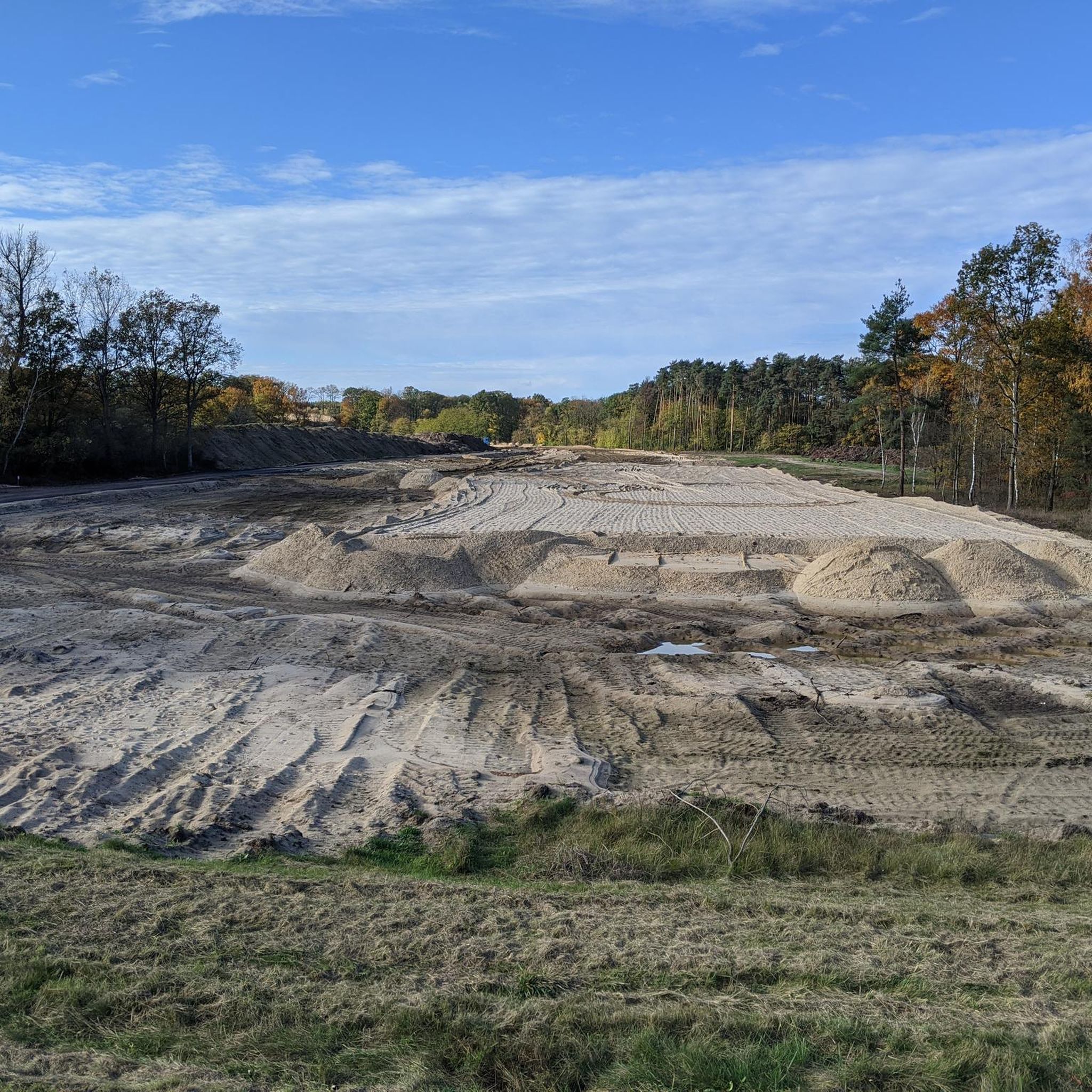
It looks bad. No information that it's the end and what's next. About 4 km past the town of Kolsko in the middle of nowhere. I had a quiet hope to reach Wolsztyn, and indeed I did, but via the national road no. 315. For a moment there is still a path through the forest to the town of Świętno, but no longer asphalt.. In the other direction towards Stypułowa, I reached the town, the settlement of Rudno and lost the marking. Later a storm and the trip was over. Through Nowa Sól, it sometimes leads along a cycle path through the city..
0
0

Poland is not immediately associated with windmills. Most people think of countries like the Netherlands and Spain much faster. - But in pre-industrial times, they were spread all over Europe in flat, windy areas. They not only look pretty, but also remind us of the traditional craft of the miller. - I really like these functional structures from a bygone era.
0
0

Overall, it's a shame for Wielkopolska not to have completed such a beautiful route
1
0

Former railway station on railway line no. 371 Wolsztyn - Żagań. Currently rebuilt into the Environmental Education Center,
0
0

It was recently renovated and recognized for its attractiveness. Windmills in such good condition are now quite rare.
0
0

The windmills are relatively new, and one is broken. More important is the nice guesthouse right across the street, which sells delicious ice cream and drinks and offers a lovely place to linger.
0
0

Attraction on the ddr route
0
0
Frequently Asked Questions
What historical sites can I visit around Bojadła?
The region is rich in history. You can explore the magnificent Baroque and Rococo Castle in Zabor, which has a storied past including ownership by Hermina, the second wife of Wilhelm II Hohenzollern. Don't miss the Przytok Palace, a smaller manor house with a history dating back to 1597. Additionally, the Stany Railway Bridge over the Oder River, built in 1905, offers a glimpse into industrial heritage with its neo-Gothic watchtowers.
Are there any unique architectural attractions in the area?
Absolutely. The Bojadła Palace complex itself is a prime example of Frederickian Rococo architecture, featuring a two-story structure, side wings, and a large banquet hall. The two Baroque guardhouses at the palace gate, built between 1734 and 1735, are also notable. The Stany Railway Bridge over the Oder River stands out with its distinctive neo-Gothic brick watchtowers.
What outdoor activities are available near Bojadła?
The area around Bojadła is excellent for outdoor enthusiasts. You can enjoy gravel biking, mountain biking, and hiking. For gravel biking, explore routes like the 'Szutroza - Route of Lubuskie Vineyards' or 'Lake Sławskie – Municipal Park in Sława loop'. If you prefer mountain biking, consider the 'Żelazny Vineyard – Zabór Palace loop' or 'Stany Railway Bridge – Gazebo with benches loop'. For easy hikes, try the 'Joanna Observation Tower loop' or 'Wanderer's Bench – Natural Monument loop'. You can find more details and routes in the Gravel biking around Bojadła, MTB Trails around Bojadła, and Easy hikes around Bojadła guides.
Are there any family-friendly attractions in Bojadła?
Yes, several attractions are suitable for families. The Stany Railway Bridge over the Oder River, now part of a bicycle trail, is great for a family bike ride or walk. The Lipiny Odrzańskie Railway Station, a restored historical building, now serves as an education center and a resting place for cyclists, offering a pleasant stop for families.
What natural features can I explore in the Bojadła region?
Bojadła is situated on the right bank of the Oder River, offering scenic views and opportunities for riverside activities. The Palace Park, originally an ornamental garden from the early 18th century, provides a beautiful green space for leisurely strolls. The wider region also features areas popular for hiking and cycling, allowing you to immerse yourself in the natural landscape.
Can I visit the Bojadła Palace complex?
The Bojadła Palace complex is undergoing reconstruction efforts by a foundation. A permanent exhibition showcasing the history and architecture of the palace is available to visitors on the ground floor. The surrounding Palace Park, with its 18th-century layout, is also a significant feature to explore.
What is the significance of the railway stations in the area?
The railway stations around Bojadła are significant historical landmarks. The Lipiny Odrzańskie Railway Station, established in 1876, has been beautifully restored and now functions as an education center and a resting spot for cyclists. The Konotop Railway Station Buildings represent a historical railway junction from 1905, with an inactive section of one line now adapted into a bicycle path, promoting active tourism.
Are there any viewpoints or scenic spots?
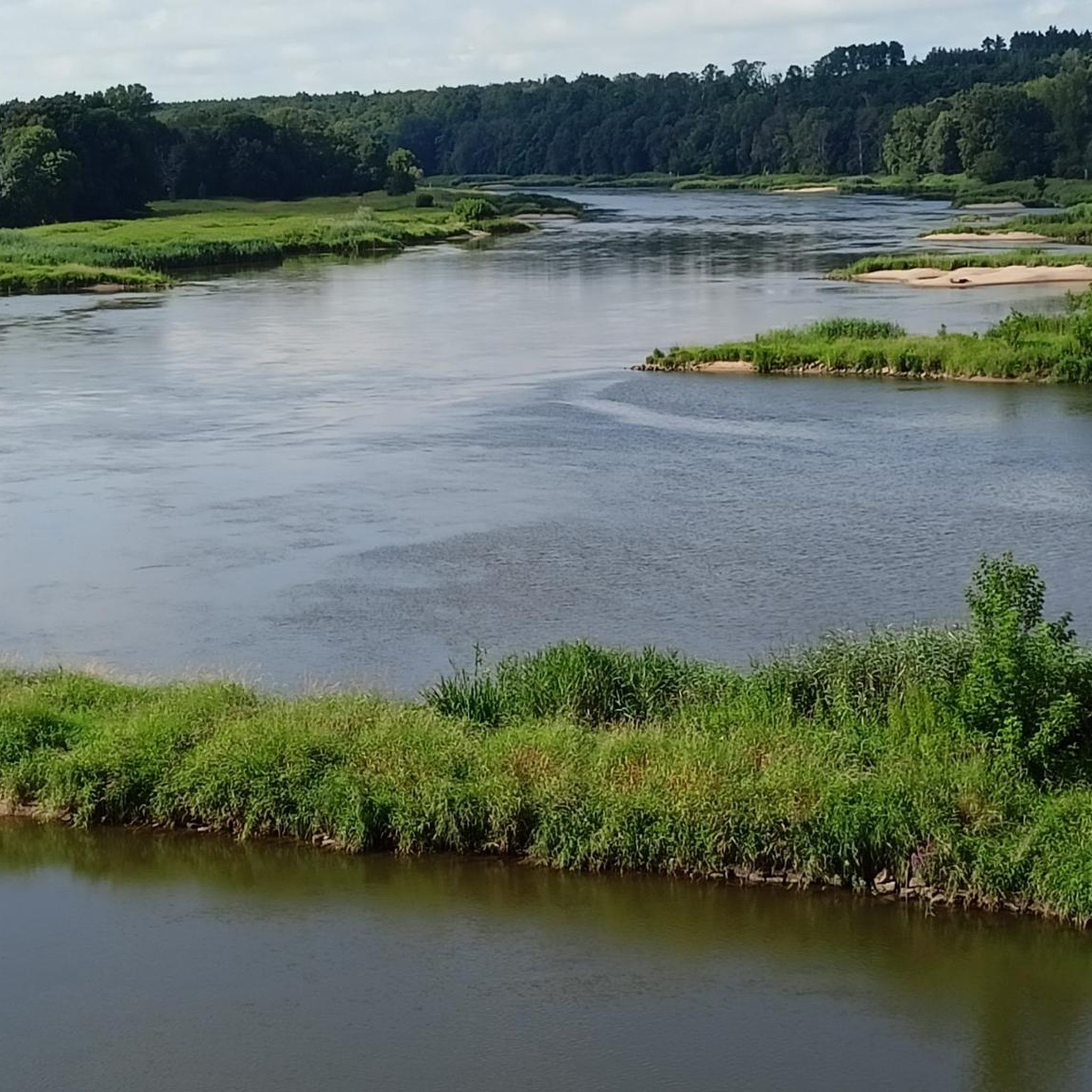
The Stany Railway Bridge over the Oder River offers excellent views of the Oder. It has designated spots where you can stop and admire the river and surrounding landscape. The Palace Park also provides picturesque settings within the Bojadła complex.
What is the best time to visit Bojadła for outdoor activities?
While specific seasonal data isn't provided, regions with rivers and historical sites like Bojadła are generally best enjoyed during the spring, summer, and early autumn months. These seasons offer pleasant weather for cycling, hiking, and exploring the palace grounds and other outdoor attractions.
What do visitors enjoy most about the attractions around Bojadła?
Visitors particularly appreciate the historical significance and transformation of sites like the Stany Railway Bridge over the Oder River, noting its interesting history and new incarnation as part of a bicycle trail. The restored Lipiny Odrzańskie Railway Station is also highly regarded as a beautiful and well-maintained resting place for cyclists. The blend of historical architecture and opportunities for active tourism is a major draw.
Are there any other cultural or recreational points of interest nearby?
Beyond the main attractions, the region offers other points of interest. The Church of St. Theresa of the Child Jesus in Bojadła, a half-timbered church built between 1757 and 1758, is a notable religious site. For those interested in local produce, the Lubuskie Center for Vinemaking provides insights into the region's winemaking traditions. The Chalkos Yacht Club also offers recreational opportunities, likely connected to water sports on nearby bodies of water.
Are there any accessible attractions for visitors with mobility considerations?
The Stany Railway Bridge over the Oder River is noted as being wheelchair accessible, making it a good option for visitors with mobility considerations to enjoy the views and the cycling path.
Most popular attractions around Bojadła

Get inspired with the komoot mobile app


Explore more
Still not found the Highlight you’re looking for? See guides of the top attractions in other regions:
