Attractions and Places To See around Susiec - Top 20
Best attractions and places to see around Susiec are found in the Roztocze region of Poland, known for its diverse natural landscapes and historical sites. The area features river valleys with cascades, dense forests, and significant historical landmarks. Susiec offers a range of points of interest for those exploring the natural and cultural heritage of the region.
Best attractions and places to see around Susiec
- The most popular attractions is Zamoyski Paper Mill Ruins, a man_made_monument that represents a…
Last updated: July 15, 2026
Zamoyski Paper Mill Ruins
Highlight • Monument
Translated by Google •
Tip by

Church of Saint Stanislaus the Bishop and Martyr in Górecko Kościelne
Highlight • Religious Site
Its history dates back to the 17th century and is associated with the cult of St. Stanislaus, bishop and martyr, …
Translated by Google •
Tip by

Sign up now to discover places like this
Get recommendations on the best single tracks, peaks, & plenty of other exciting outdoor places.
Sign up for free
Chapel on the Water (Kaplica na Wodzie)
Highlight • Religious Site
Translated by Google •
Tip by

St. Roch Chapel
Highlight • Religious Site
Translated by Google •
Tip by

Czartowe Pole Nature Reserve
Highlight • Forest
Translated by Google •
Tip by
Sign up for free to discover even more attractions around Susiec.
Sign up for free
Already have an account?
Start today with a free account
Your next adventure awaits.
Login or Signup
Popular around Susiec



Tips from the Community


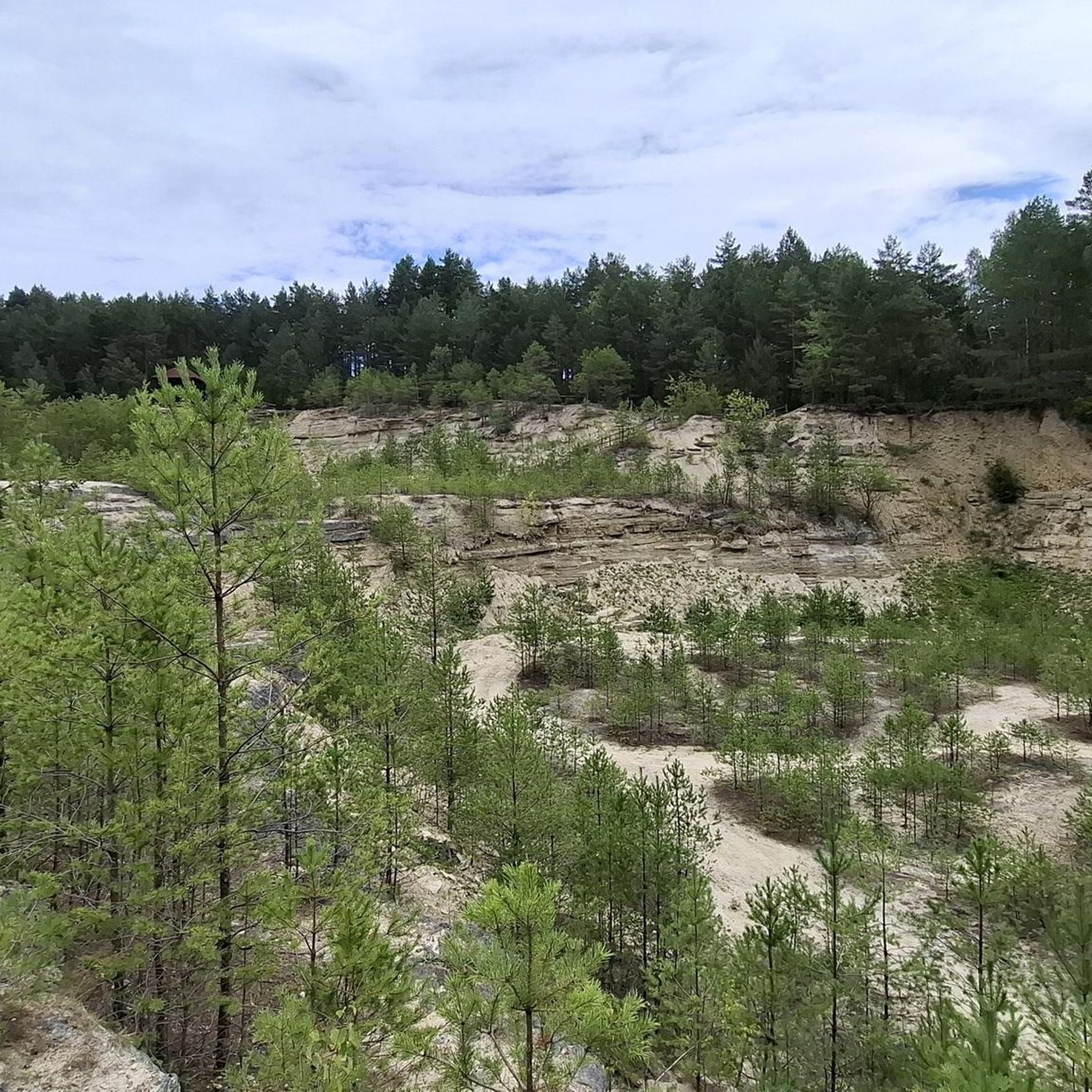
The Czartowe Pole Reserve is one of the most picturesque parts of Roztocze, located on the Sopot River, on the border of the Józefów and Susiec communes. It delights with the natural landscape of the valley with numerous water rapids, steep slopes covered with forest and rare plants. In the area you will see the ruins of the 17th-century Zamoyski paper mill and symbolic graves of partisans. The reserve is open to tourists - a nature trail about 1 kilometer long with wooden footbridges leads through it. Right next to it is the Green Velo parking place with shelters and stands where you can attach a bike.
2
0

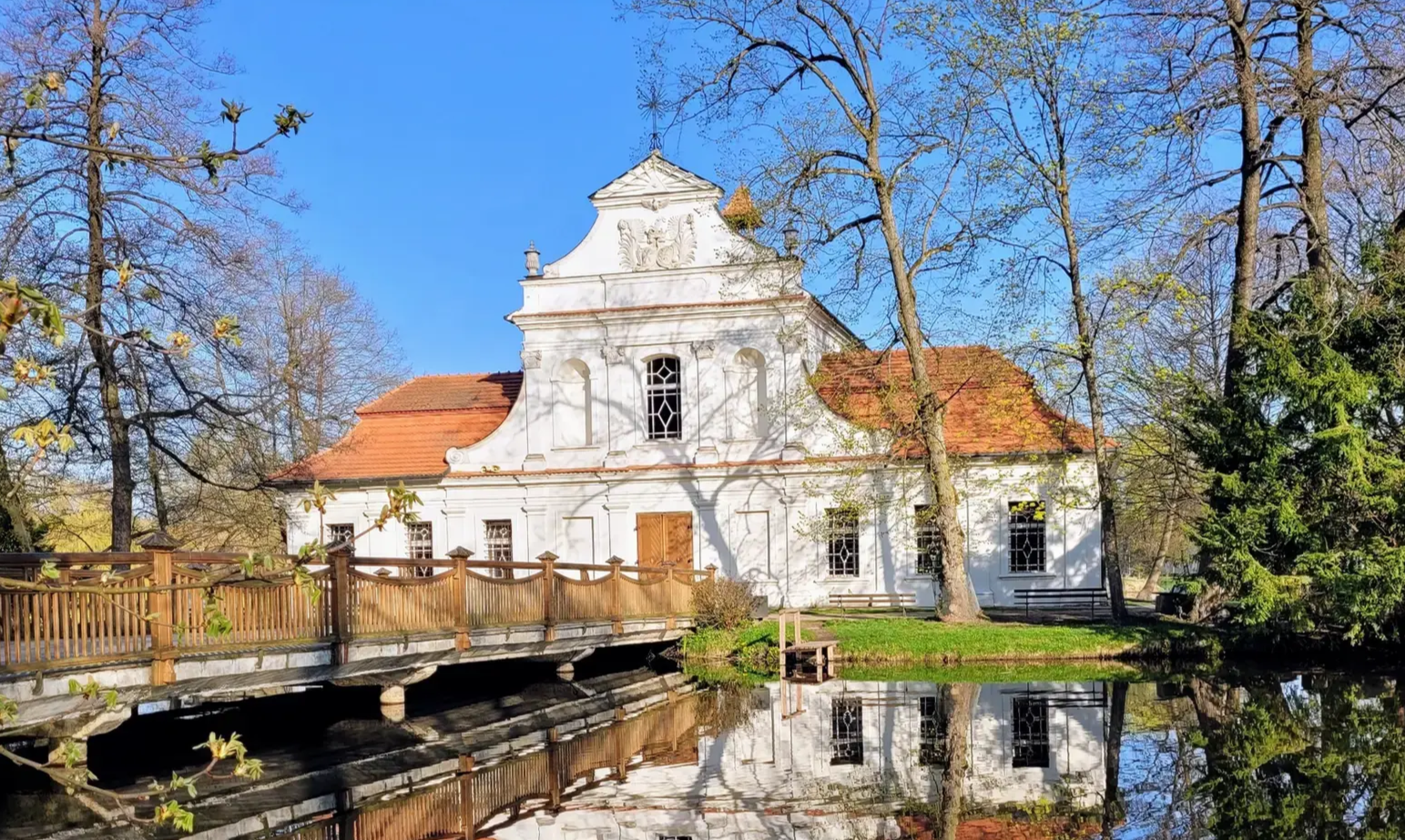
The first wooden chapel was built in this place in 1668 from the foundation of Marcin Zamoyski, the Lviv Sub-Stole, later the Grand Treasurer of the Crown. From 1688 to 1886 under the administration of the Franciscans. In 1720, it was re-endowed by Tomasz Józef Zamoyski, the starost of Grodecki and Płoskirów, probably with the simultaneous construction of a new church or the expansion of the original chapel. It was burned down by the Swedes in the 18th century. The current church was built in 1768 from the foundation of Jan Jakub Zamoyski, later the voivode of Podolia. In 1778, it was consecrated by Bishop Melchior Jan Kochnowski. Extended on the northern side in the years: 1897-8. Thoroughly renovated before 1930, and in 1975 the roof was renovated.
0
0
The chapel from 1943 is located in the Saint Roch Reserve and is a place of pilgrimage for many believers who pray for healing. The most ardent walk around the chapel on their knees. Such great fame of this place comes from historical accounts that during the plague, Marysieńka Sobieska ordered a chapel to be built over the springs and a painting of St. Roch, the patron saint of people with infectious diseases, to be placed in it. Regardless of whether you believe in the magical properties of this place, it is undoubtedly worth visiting due to the natural values and beauty of the forest in the Krasnobród Landscape Park.
0
0

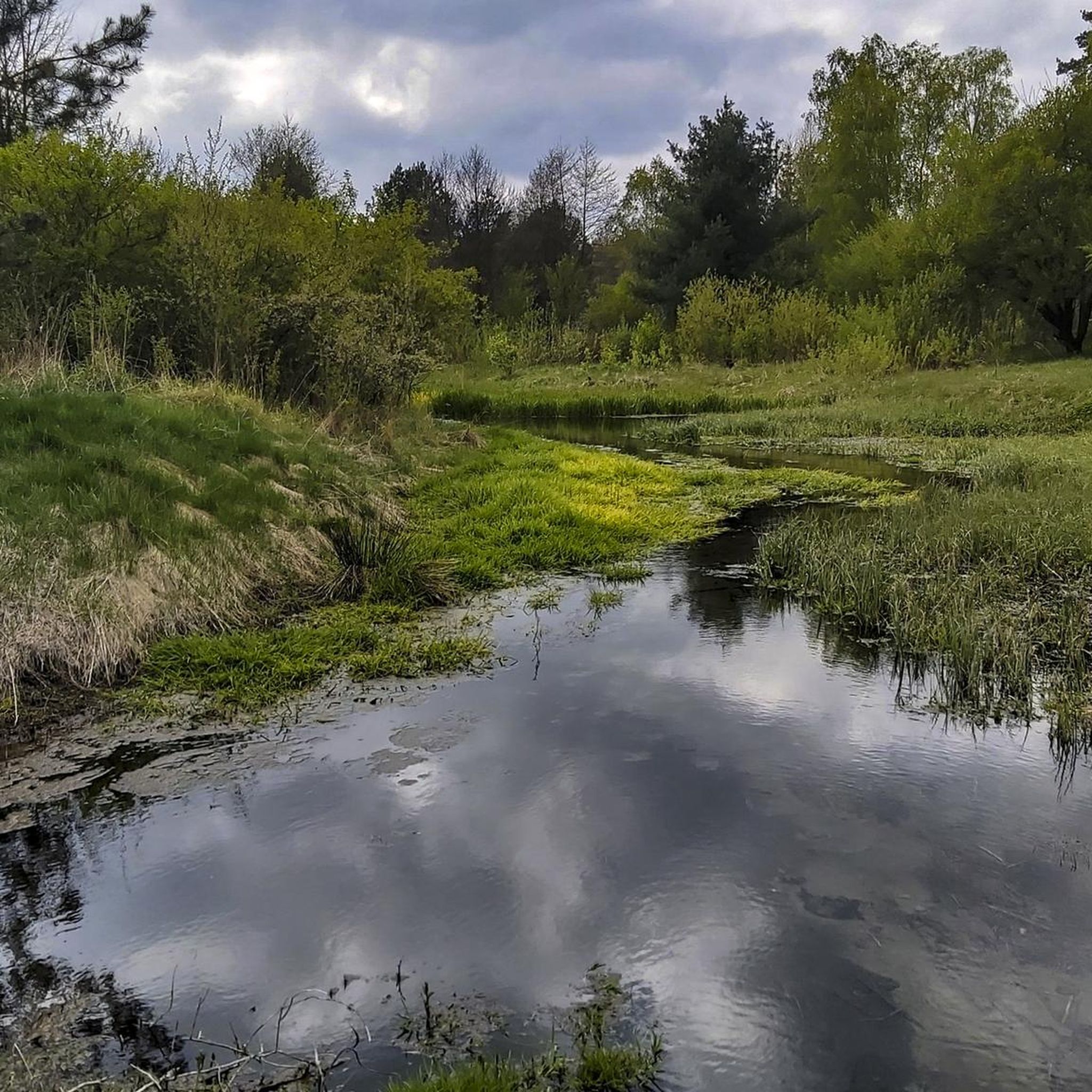
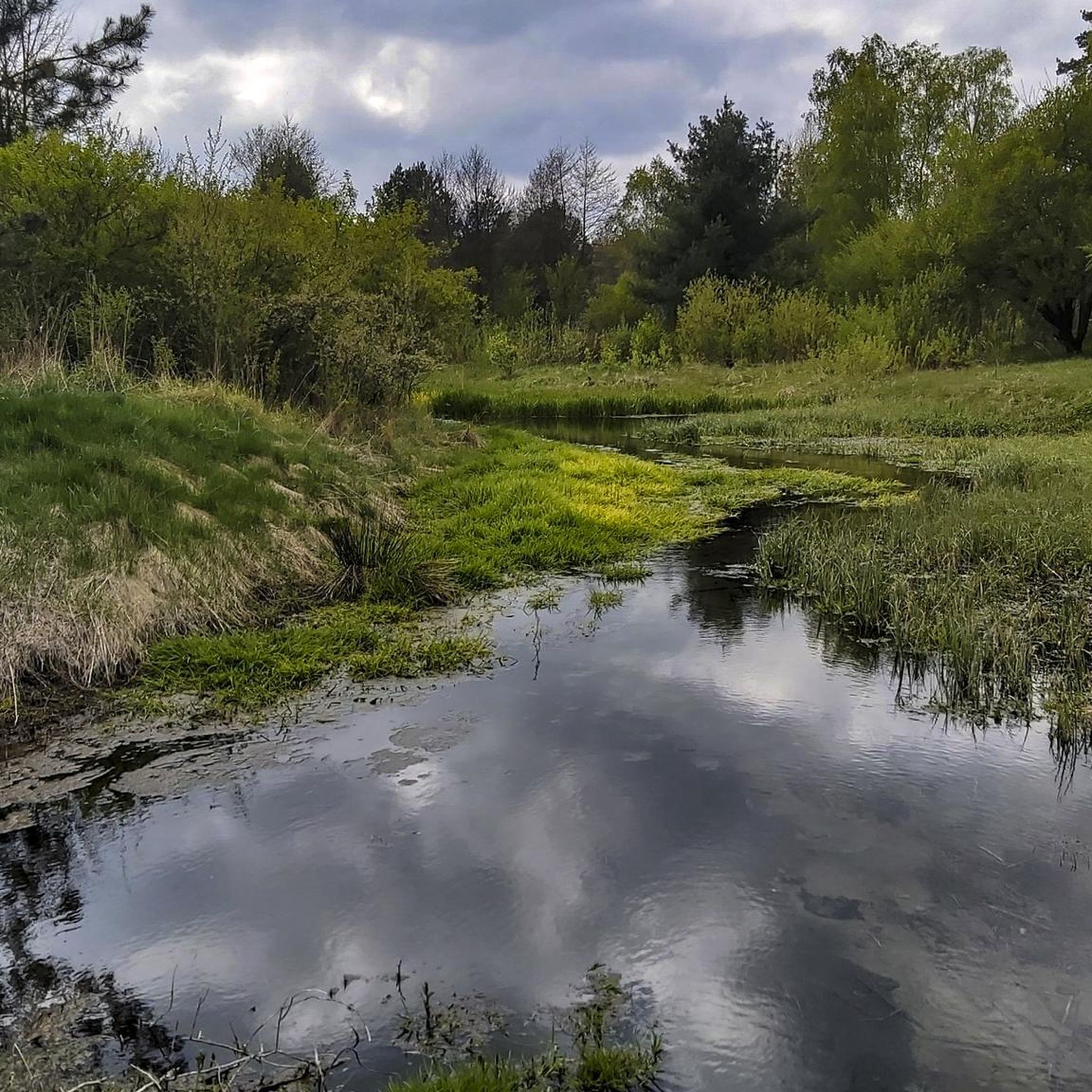
The Czartowe Pole Reserve was established in 1958. It covers an area of approximately 80.5 ha. The name of the reserve comes from a forest clearing about which it was said that "only devils roamed there." The reserve covers a several-kilometer long section of the picturesque Sopot River valley. In this section there is a whole series of waterfalls, which, combined with a large decline in the bed, makes Sopot resemble a swift mountain stream. The sandy islands that form between the jagged river rapids add even more charm to this unique river. The specific shape of the river bottom and clean water provide excellent living conditions for graylings and brown trouts. A major attraction of the reserve are the ruins of a historic paper mill standing on the outskirts of a clearing that was the property of the Zamość Estate. It was established in the first half of the 18th century and was one of the largest plants in the Kingdom of Poland. Nine types of paper were produced here, including: packaging, printing, office and stamping. During the plant's heyday, the paper produced here accounted for 80% of all paper production in the Lublin Governorate. The paper mill used the power of Sopot's river current, but the proximity of the river also had its disadvantages - the buildings and machines were destroyed by floods several times and required renovation works. Ultimately, a fire in 1883 contributed to the collapse of the paper mill. Reconstruction of the plant turned out to be unprofitable due to the enormous damage. The paper mill fell into ruin, and the local "fiends", suspected of causing the flood and fire, finally had a clearing to themselves. A 1.4 km long nature and educational trail runs through part of the reserve. Along the path, in addition to attractions such as the river gorge, rich vegetation and the ruins of a paper mill, there are also places related to the fight for Poland's independence. You can see an obelisk commemorating the stay of soldiers from the Sanitary Officer Cadet School who stayed here on summer maneuvers in 1931, and a commemorative stone from 1936 placed in the place where the scouts set up their camps. At the partisan cemetery there are symbolic graves of the famous "Mishka Tatar" and "Korsarz", who died defending local residents against repression by the Germans.
1
0
The ruins are the remains of a once large industrial plant of the Zamość estate built in the 18th century. In the years of the Duchy of Warsaw and the Kingdom of Poland, the plant was leased by Lejbuś Kahan, and then Cała Wax - the owner of the Hebrew printing house in Józefów. In the 1830s, approximately 4,000 reams of paper were produced here, which constituted 80% of the total production in the Lublin Governorate. Over 9 types of paper, including wrapping, printing, office and stamp paper. Paper was made by hand, mainly from rags. An interesting fact is that it contained a watermark - the lord's monogram or the Zamoyski family's coat of arms. It is one of the largest plants in the Kingdom of Poland. He used the power of the Sopot River flowing down. The collapse of the paper mill was directly caused by floods in 1849 and 1870 and a fire in 1883, after which the reconstruction of the plant became unprofitable due to the enormous damage.
0
0
The chapel from 1943 is located in the Saint Roch Reserve and is a place of pilgrimage for many believers who pray for healing. The most ardent ones walk around the chapel on their knees. Such great fame of this place comes from historical records that during the plague, Marysienka Sobieska ordered a chapel to be built over the springs and a painting of St. Roch, patron saint of people suffering from infectious diseases. Regardless of whether you believe in the magical properties of this place, it is undoubtedly worth visiting due to the natural values and beauty of the forest in the Krasnobrodzki Landscape Park.
3
0

A great place for an effortless walk
0
0
Frequently Asked Questions
What historical sites can I explore around Susiec?
The region is rich in history. You can visit the Zamoyski Paper Mill Ruins, a significant 17th-century industrial plant located within the Czartowe Pole Reserve. Other historical religious buildings include the 17th-century Church of Saint Stanislaus the Bishop and Martyr in Górecko Kościelne and the unique Chapel on the Water (Kaplica na Wodzie), dating back to a 1640 apparition.
Are there any natural reserves or scenic spots for nature lovers?
Absolutely! The Czartowe Pole Nature Reserve is a must-see, known for its picturesque Sopot River valley with numerous rapids and forested slopes. Another highlight is the Rezerwat przyrody Nad Tanwią (Tanew River Nature Reserve), often called 'Szumy' (Whispers) due to its small waterfalls. You can also find the Wodospad na Jeleniu (Waterfall on the Jeleń River), the largest waterfall in the area.
What are the best places for panoramic views in the Susiec area?
For breathtaking panoramic views of the undulating fields and forests of Central Roztocze, climb the Susiec Observation Tower. Additionally, Wapielnia, the highest elevation in Central Roztocze, offers impressive vistas of the surrounding landscape. The Kamieniołom w Nowinach (Quarry in Nowiny) also features a viewing platform.
Are there family-friendly attractions or activities suitable for children?
Yes, several attractions are suitable for families. The Church of Saint Stanislaus the Bishop and Martyr in Górecko Kościelne and the Chapel on the Water (Kaplica na Wodzie) are both listed as family-friendly. The Czartowe Pole Nature Reserve has a nature trail with wooden footbridges, which can be an engaging walk for children. Park im. Sylwestra Chęcińskiego in Susiec is also ideal for family picnics and relaxation, with children's play areas and an educational path.
What kind of hiking trails are available around Susiec?
Susiec offers a variety of hiking trails for different skill levels. You can find easy walks like the 'Jeleń Waterfall – Nad Tanwią Nature Reserve loop' or the 'Zamoyski Paper Mill Ruins – Sopot Stream loop'. For more moderate challenges, consider the 'Szlak Szumów' (Whisper Trail) which is about 17 kilometers long, or the 'Loop Rezerwat Czartowe Pole'. You can find more details and routes in the Easy hikes around Susiec guide and the Hiking around Susiec guide.
Can I go cycling or mountain biking near Susiec's attractions?
Yes, the area around Susiec is great for cycling. There are several gravel biking routes, including the 'Krasnobród Reservoir – Echo Ponds Beach loop' and the 'Singletrack Józefów – Tanew River at Borowe Młyny loop'. You can explore these and other routes in the Gravel biking around Susiec guide.
Are there any unique cultural landmarks or monuments in Susiec?
Beyond historical sites, Susiec features the whimsical Monument of Kargul and Pawlak, dedicated to iconic characters from a Polish film, whose director was born in Susiec. You can also find the 'Susiec Roztocze' Sign, a Hollywood-style sign perfect for a commemorative photo, and discover old wooden water mills in Susiec, Rybnica, and Wólka Łosiniecka.
What do visitors enjoy most about the attractions around Susiec?
Visitors particularly appreciate the tranquility and natural beauty of the area. For instance, the Zamoyski Paper Mill Ruins are noted for being a 'beautiful place for quiet and peaceful walks' without crowds. The St. Roch Chapel is valued for its natural setting and the beauty of the surrounding forest, regardless of its pilgrimage significance.
Are there any religious pilgrimage sites in the region?
Yes, the St. Roch Chapel, located in the Krasnobród Landscape Park, is a significant pilgrimage site where believers pray for healing. Its history is tied to a plague and a painting of St. Roch. The Church of Saint Stanislaus the Bishop and Martyr in Górecko Kościelne also holds authentic relics of St. Stanislaus.
Where can I find water activities or relaxation spots near Susiec?
The Majdan Sopocki Reservoir (Zalew w Majdanie Sopockim) is a beautiful water body offering opportunities for relaxation and various water activities. The Tanew River Nature Reserve, with its 'Szumy' (whispers) and cascades, also provides scenic spots along the water.
Are there any attractions that are wheelchair accessible?
Yes, the Church of Saint Stanislaus the Bishop and Martyr in Górecko Kościelne is listed as wheelchair accessible, making it a suitable option for visitors with mobility needs.
What is the best time of year to visit Susiec for outdoor activities?
The Roztocze region, including Susiec, is beautiful throughout the warmer months, typically from spring to early autumn (April to October), when the weather is most favorable for hiking, cycling, and exploring natural reserves like Czartowe Pole and Nad Tanwią. During these periods, the landscapes are lush, and outdoor activities are most enjoyable.
Most popular routes around Susiec
Most popular attractions around Susiec

Get inspired with the komoot mobile app


Explore more
Still not found the Highlight you’re looking for? See guides of the top attractions in other regions:
