Attractions and Places To See around Puławy - Top 20
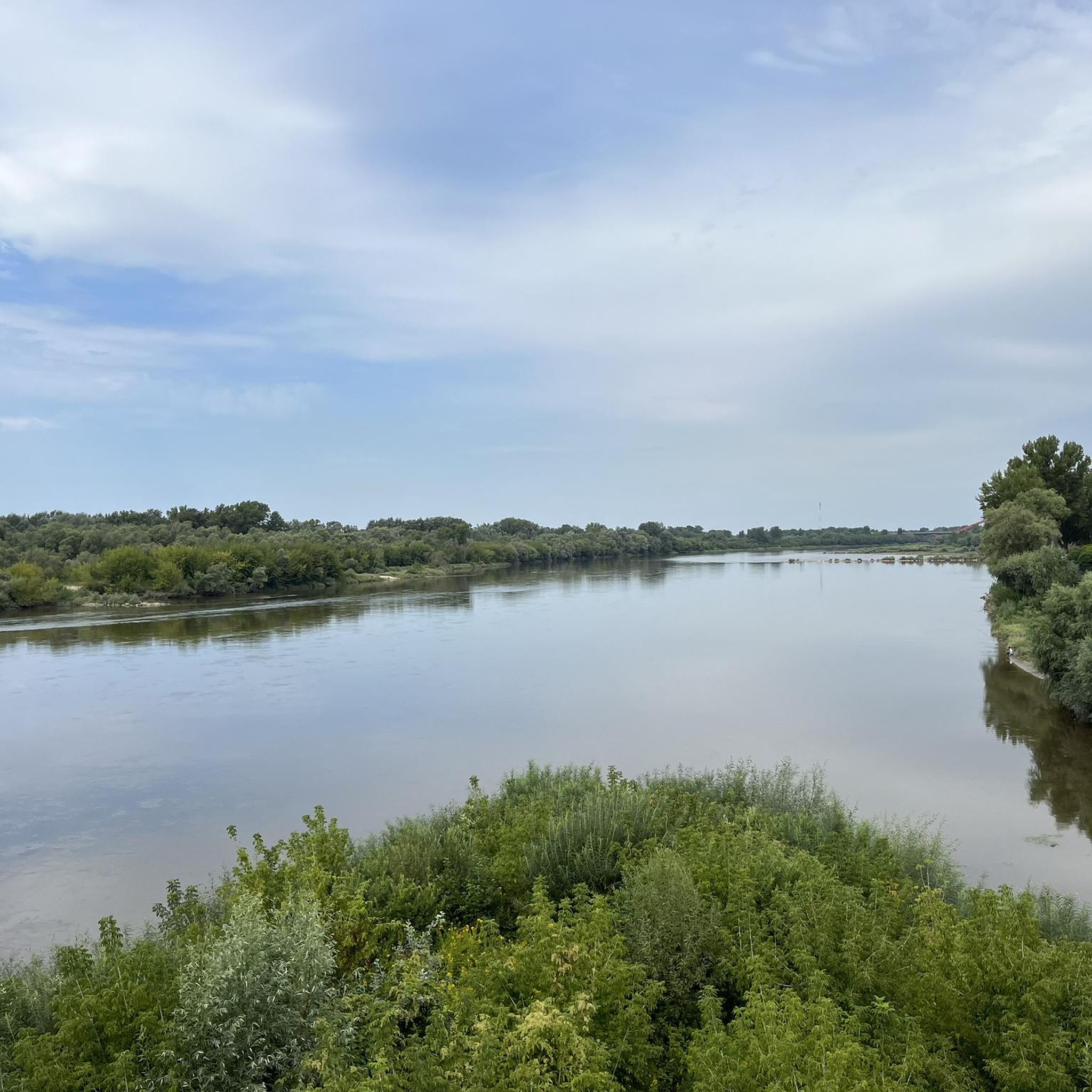
Attractions and places to see around Puławy include historical landmarks, cultural sites, and natural features. Situated at the confluence of the Vistula and Kurówka Rivers, Puławy is known for its rich cultural and historical significance, often referred to as the "Polish Athens." The region features the expansive Czartoryski Palace complex and the picturesque Lesser Polish Gorge of the Vistula. Visitors can explore a variety of sites, from historic castles to significant natural landscapes.
Best attractions and places to see around Puławy
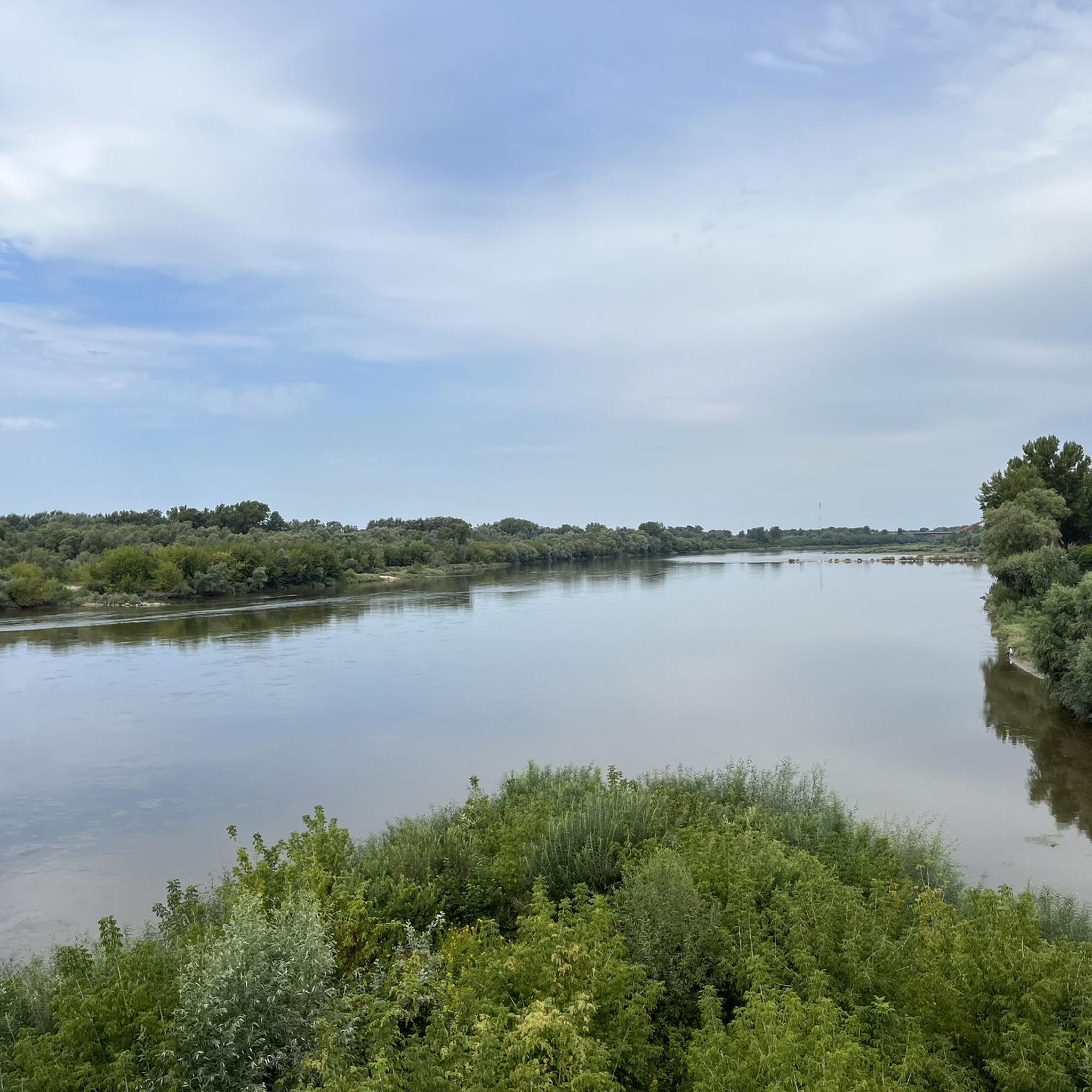
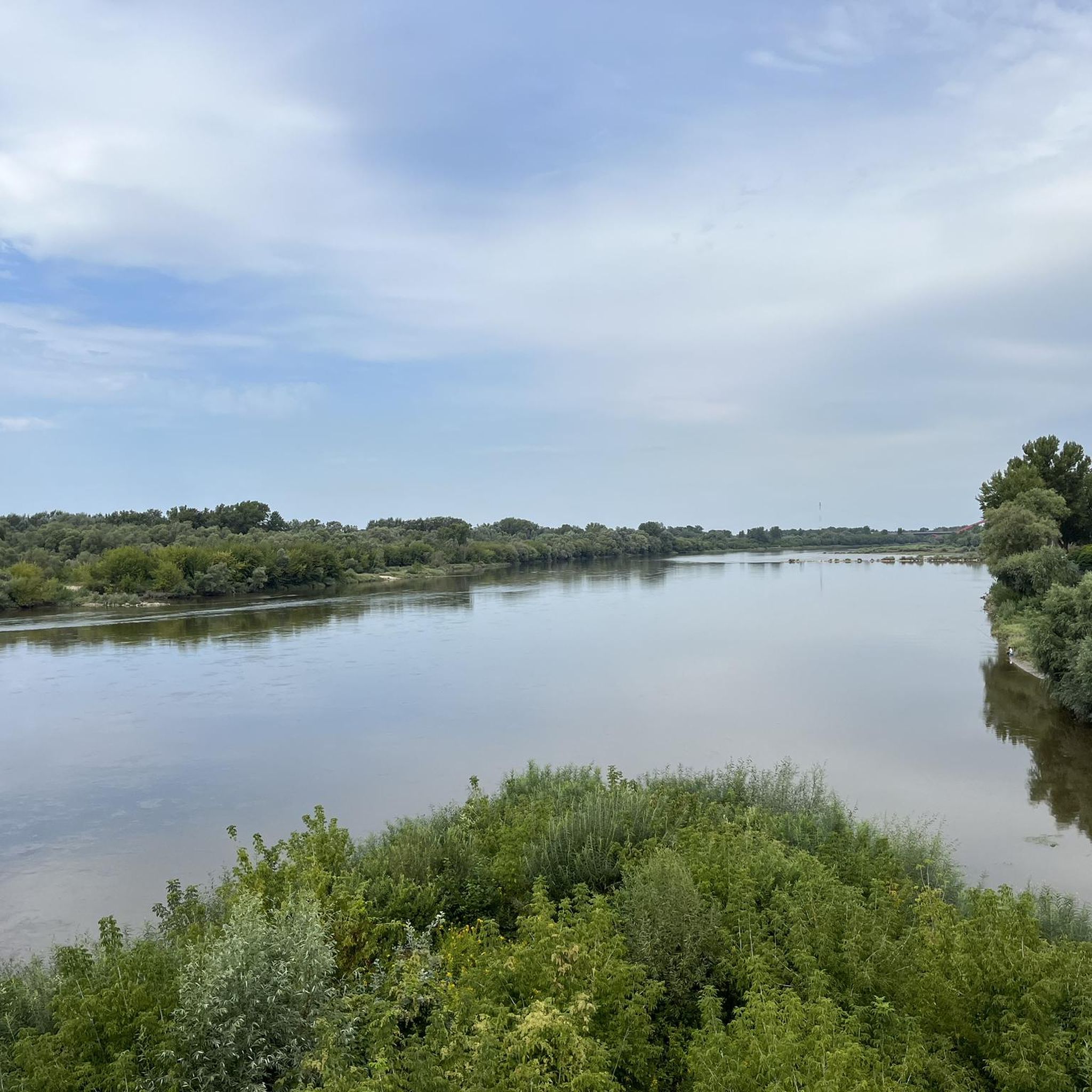
- The most popular attractions is Kazimierz–Janowiec Ferry, a ferry that crosses the Vistula River. It provides a way to travel between Kazimierz and Janowiec, operating regularly.
- Another must-see spot is Historic well on the Market Square in Kazimierz Dolny, a man-made monument located in the center of Kazimierz market. This 19th-century well is a recognizable symbol of the town, offering drinkable water.
- Visitors also love Lower castle, a castle ruin dating from the 13th and 14th centuries. It offers views of the Vistula River.
- Puławy is known for its historical sites, castles, and natural river landscapes. The region offers a variety of attractions to see and explore, from ancient ruins to significant cultural monuments.
- The attractions around Puławy are appreciated by the komoot community, with more than 120 upvotes and 40 photos shared across 6 highlights.
Last updated: August 25, 2026
Kazimierz–Janowiec Ferry
Highlight • Structure
The ferry pulls itself across the water on a wire rope.
Translated by Google •
Tip by

Historic well on the Market Square in Kazimierz Dolny
Highlight • Monument
The city with about 3,600 inhabitants is picturesquely located on the breakthrough of the Vistula from the Lublin and the Lesser Polish highlands. Because of the trade routes that were bundled there, the settlement soon became an important merchant town in the 12th century, in which many Jewish families also settled. Magnificent palaces were built in the late Middle Ages and Renaissance. The rule of the Swedes and the turmoil of the Thirty Years' War made the city impoverished, so much of the old substance was preserved. Today the old town on a terrace over the Vistula is a little gem.
A little tip: In the middle of the market place under a wooden shoring, you can fill up fresh drinking water free of charge 🤗
Translated by Google •
Tip by

Sign up now to discover places like this
Get recommendations on the best single tracks, peaks, & plenty of other exciting outdoor places.
Sign up for free
Lower castle
Highlight • Castle
Translated by Google •
Tip by
Janowiec Castle
Highlight • Castle
All attempts to rebuild the extensive castle came to nothing. In 1928 the Warsaw archaeologist Leon Kozłowski bought the castle. His reconstruction plans were halted by World War II. Even in the socialist era, Kozłowski remained the owner because the state had no interest in the property. In 1975 the chateau was bought by the Muzeum Nadwiślańskie in Kazimierz Dolny. The building has been renovated since 1988. The concept is to leave a substantial part of the building in ruins, while the other part is to be meticulously restored (Wikipedia).
The castle is open for tours and special events.
Translated by Google •
Tip by
Norowy Dół Gorge
Highlight (Segment) • Gorge
The history of the ravine is associated with the Nor family (or Nur family), which was mentioned in the Kazimierz Dolny city book as early as 1555. Their lands stretched in the area of the ravine, and in 1633 Stefan Nur purchased an oak grove. Names related to the Nory/Nury family appeared regularly in city records until the end of the 18th century, and the ravine and the street leading through it are still called Norowy Dół.
In the past, at the mouth of the ravine, there was an important nodal point of port facilities on the Vistula. The ravine is also an example of natural erosion, which had a destructive effect on human activity, including destroying roads and reducing the area of arable fields. Classes related to gully erosion are often held here.
Translated by Google •
Tip by

Sign up for free to discover even more attractions around Puławy.
Sign up for free
Already have an account?
Start today with a free account
Your next adventure awaits.
Login or Signup


Other adventures around Puławy

Tips from the Community

The ferry doesn't work, but you can cross by boat,
0
0

The ferry operates during the high tourist season, provided the water level is high enough to allow for crossing. When planning a route that includes a ferry crossing, it's worth having a "Plan B."
0
0

beautiful view over the Weichse valley
0
0

The ferry operates from 8:00 to 18:00 during the summer, and 8:00 to 17:00 for the rest of the year, so plan your trips accordingly to avoid missing the last ride.
0
0

On a Monday morning in December, there is a chance for less crowds. Overall, a cult place. A strong hit on a market day. A must 🔥🔥🔥
1
0

Theoretically last courses at 17.50
0
0

The castle in Kazimierz Dolny is a complex of defensive fortifications from the 13th and 14th centuries, located on Castle Hill. The castle consists of two main parts: the upper castle (also known as the "Baszta" or Łokietek's Tower) and the lower castle. The upper castle is a defensive bergfried tower from the turn of the 13th and 14th centuries, erected at the height of the Vistula River crossing. The tower, with a height of up to 20 meters, originally served as a guardhouse, providing control over the crossing and the collection of customs duties. In later years, it served as a navigation beacon. The entrance to the tower is located six meters above ground level, and its lower storey housed a dungeon. The lower castle was built on the orders of Casimir the Great in the 1340s and was part of a larger defensive complex. Initially built in the Gothic style, built of limestone, it had thick walls and wooden internal buildings. In the 15th century, during the time of the Grot family, the castle was expanded, including a two-storey residential wing and a defensive tower. In the 16th century, the castle underwent another reconstruction in the Renaissance style, thanks to the Firlej family, who added an attic and built the southern wing. During the Swedish Deluge (1655) and a fire in 1663, the castle was seriously damaged. In the 18th century, during the reign of August II the Strong, plans for reconstruction in the palace style were not realized due to the civil war. As a result of further destruction and destruction by the Austrian authorities in 1806, the castle fell into ruin. The castle witnessed historical events, including the Battle of Kazimierz Dolny in 1831 during the November Uprising. In the years 1958-1960, archaeological research was carried out, and the castle was secured and made available to tourists. Today, it is a tourist attraction, preserving the form of a permanent ruin.
1
0
The lower castle in Kazimierz Dolny was built in the mid-14th century on the initiative of Casimir the Great as a Gothic structure. Built of local limestone, it was originally an oval in shape surrounded by massive perimeter walls. It mainly served an administrative function and supported the development of trade on the Vistula. In the 15th century, expanded by the Grot family, it gained new residential wings, a tower and a moat. In the 16th century, during the Firlejs' times, the castle was rebuilt in the Renaissance style according to the design of Santi Gucci, adding, among other things, attics. Destroyed by the Swedes and Rákóczi's troops in the 17th century, it eventually fell into ruin. In the 18th century, there were plans to rebuild it in the palace style, but this did not happen. In the 19th century, it was the site of uprisings, and in the 20th century it was secured as a permanent ruin and opened to the public.
2
0
Frequently Asked Questions
What historical landmarks can I explore in Puławy?
Puławy is rich in history, particularly with the Czartoryski Palace Complex, a Baroque-Classicist palace surrounded by an extensive English landscape garden. Within this complex, you can also find the Temple of the Sibyl, which housed Poland's first museum, and the Gothic House, built with stones from Spain and Italy. The Roman Gate, modeled on the Arch of Titus, is also part of the park.
Are there any notable natural features or parks to explore in Puławy?
Yes, the expansive 30-hectare Czartoryski Park, surrounding the Czartoryski Palace, is a significant natural attraction perfect for pleasant walks. Puławy is also situated at the confluence of the Vistula and Kurówka Rivers, and the picturesque Lesser Polish Gorge of the Vistula is nearby, offering scenic river landscapes.
What cultural sites are available in Puławy?
The Muzeum Czartoryskich w Puławach, located within the Czartoryski Palace complex, is a key cultural site. It was the first museum established on Polish lands, founded by Princess Izabela Czartoryska in 1801, and holds a significant collection.
What attractions are available in the wider Puławy region, beyond the city center?
The charming town of Kazimierz Dolny is a significant tourist destination located pictorially on the Vistula, frequently mentioned alongside Puławy. Here you can find the Kazimierz–Janowiec Ferry, the Historic well on the Market Square, and the ruins of the Lower castle. Additionally, the Janowiec Castle, a Renaissance castle from the 16th century, is also nearby.
What outdoor activities can I do near Puławy's attractions?
The Puławy region offers various outdoor activities. You can find numerous road cycling routes, such as the 'Czartoryski Palace in Puławy – Kazimierz Dolny Market Square loop'. There are also running trails like the 'Pod Winnicą 189 loop' and hiking opportunities, including the 'Forest Path – Forest Path loop'. For more details on these routes, visit the Road Cycling Routes around Puławy, Running Trails around Puławy, and Hiking around Puławy guides.
Are there good hiking trails around Puławy?
Yes, there are several hiking trails around Puławy. Options range from moderate paths like the 'Forest Path – Forest Path loop' to more challenging routes such as the 'Forest Path – Gorge loop'. Many trails offer scenic views of the Vistula River and the surrounding natural landscapes. You can find more information and specific routes in the Hiking around Puławy guide.
Can I find cycling routes in the Puławy area?
Absolutely. The Puławy area is well-suited for cycling, with routes like the 'Czartoryski Palace in Puławy loop' and the 'Ruins – Kazimierz Dolny Market Square loop'. These routes vary in difficulty from easy to moderate. For detailed maps and more options, check out the Road Cycling Routes around Puławy guide.
How can I get to attractions like Kazimierz Dolny from Puławy?
Kazimierz Dolny is easily accessible from Puławy. One unique way to travel between Kazimierz and Janowiec (which is near Puławy) is by taking the Kazimierz–Janowiec Ferry across the Vistula River. Public transport options are also available to connect Puławy with Kazimierz Dolny.
Are there family-friendly attractions in the Puławy region?
Many attractions in the Puławy region are suitable for families. The Czartoryski Park offers open spaces for children to enjoy. The Kazimierz–Janowiec Ferry is also considered family-friendly. Additionally, the nearby Magiczne ogrody is a highly-rated attraction that caters to families.
Are there dog-friendly places or trails around Puławy?
While specific dog-friendly designations for all attractions are not always available, the extensive Czartoryski Park and many of the hiking and walking trails around Puławy are generally suitable for walks with dogs, provided they are kept on a leash and owners clean up after them. Always check local regulations for specific sites.
What is the best time of year to visit Puławy?
Puławy can be enjoyed throughout the year, but the spring and summer months (May to September) are ideal for exploring the outdoor attractions, parks, and river activities when the weather is mild and pleasant. Autumn also offers beautiful scenery, especially in the parks.
Where can I find scenic viewpoints in the Puławy area?
For scenic views, the ruins of the Lower castle in Kazimierz Dolny offer a great perspective of the Vistula River. The Janowiec Castle also provides elevated views of the surrounding landscape. Additionally, the Hill of Three Crosses in Kazimierz Dolny is a well-known viewpoint.
What do visitors enjoy most about the attractions around Puławy?
Visitors particularly appreciate the historical significance and picturesque settings. The Historic well on the Market Square in Kazimierz Dolny is loved for its charm and the legend that drinking from it ensures a return to Kazimierz. The Lower castle is noted for its impressive ruins and great views of the Vistula. The Kazimierz–Janowiec Ferry is highlighted as a fast and attractive way to travel between towns.
Most popular routes around Puławy
Most popular attractions around Puławy

Get inspired with the komoot mobile app


Explore more
Still not found the Highlight you’re looking for? See guides of the top attractions in other regions:
