Attractions and Places To See around Biszcza - Top 20
Best attractions and places to see around Biszcza include a blend of natural beauty and historical sites situated on the Tarnogród Plateau. The region features the clean Tanew River and extensive forests, offering opportunities for outdoor activities. Biszcza is known for its tranquil landscapes and cultural landmarks, providing a variety of experiences for visitors.
Best attractions and places to see around Biszcza
- The most popular attraction is Bike Path Through Uroczyska Puszczy Solskiej Forest, a cycle way that offers…
Last updated: July 15, 2026
Exaltation of the Holy Cross Church, Huta Krzeszowska
Highlight • Religious Site
diecezja.zamojskolubaczowska.pl/parafie/parafia-podwyzoszenia-krzyza-swietego-huta-krzeszowska
Translated by Google •
Tip by

Church of the Holy Trinity and Assumption of the Blessed Virgin Mary in Biłgoraj
Highlight • Religious Site
Translated by Google •
Tip by

Sign up now to discover places like this
Get recommendations on the best single tracks, peaks, & plenty of other exciting outdoor places.
Sign up for free
Bike Path Through Uroczyska Puszczy Solskiej Forest
Highlight (Segment) • Cycleway
Translated by Google •
Tip by

St. Paraskeva Greek Catholic Church (1906), Dąbrowica
Highlight • Religious Site
In 1948, the church was taken over by the Roman Catholic Church. It serves …
Translated by Google •
Tip by

Memorial to the Victims of the 1937 Peasants' Strike in Majdan Sieniawski
Highlight • Monument
The difficult situation in the countryside in the pre-war period meant that members of the …
Translated by Google •
Tip by
Sign up for free to discover even more attractions around Biszcza.
Sign up for free
Already have an account?
Start today with a free account
Your next adventure awaits.
Login or Signup
Tips from the Community

A monument commemorating the victims of the 1937 peasant strike, in which 15 people died. The difficult situation in the countryside in the pre-war period meant that members of the Peasant Party, led by their leader Wincenty Witos, were harassed and imprisoned for defending their rights. This forced Witos to leave Poland. This did not discourage the peasants of Majdan, who remained in constant contact with their leader and, after he and the Peasant Party Congress decided to introduce the Peasant Strike (August 16-25, 1937), implemented it in their area. On the last day of the strike, as a large gathering of peasants prepared to submit a petition to the state authorities, tragedy struck. The Blue Police used firearms against them. Fifteen people died on the spot, including a small child. To commemorate this event, on the 50th anniversary in August 1987, a monument depicting a man with raised arms protecting a mother and her dying child was erected at the site of the tragedy, by the road in the center of the village. Source: http://wikimapia.org/6619676/pl/Pomnik-ku-czci-ofiar-strajku
0
0
Church of St. Paraskeva – a historic Greek Catholic church located in Dąbrowica, built in 1906. In 1948, the church was taken over by the Roman Catholic Church. It serves as a branch church of St. Michael the Archangel of the Kolonia Polska parish. The church is an example of brick church architecture, created as a result of searching for a Ukrainian national style based on classical patterns. Source: https://pl.wikipedia.org/wiki/Cerkiew_św._Paraskewy_w_Dąbrowica
1
0

Parish church, dedicated to the Exaltation of the Holy Cross, built in 1766 from the foundation of Teresa Zamoyska, née Michowska, voivode of Lublin. Restored and enlarged in 1882 (extended), the current polychrome from that time. In 1949, the roof covering was changed from shingles to sheet metal. Oriented. Wooden, log construction, boarded, on a stone foundation with a shingled apron. Rectangular, four-bay nave, with a single-bay chancel closed on three sides, with a sacristy and a treasury on the north and south sides. By the nave on the west side, a spacious women's gallery with a porch, probably from 1882, a second porch on the south. Inside, apparent barrel vaults supported by three pairs of columns, between which arcade openings. Profiled chancel beam with a Baroque crucifix from the 18th century. Choir supported on two pillars, with a parapet projecting diagonally on the sides. Original roof truss preserved. Gable roofs with three ridges with a turret for a bell above the nave, once covered with shingles, currently covered with sheet metal; above the sacristy and the treasury, lecterns, slightly raised.
0
0
The place where the church is currently located has served religious functions since the foundation of Biłgoraj, i.e. since the second half of the 16th century. Initially, a Calvinist church was built here. It was built at the inspiration of the Gorajski family of the Korczak coat of arms. Around 1700, a wooden Catholic church was built in the place of the previous Protestant church, which was given the title of the Assumption of the Blessed Virgin Mary. In 1732, thanks to the efforts of the then parish priest, Father Jan Kanty Mroczkowski, construction of the currently existing brick church began. The temple was built as a building in the Baroque style and replaced the previous wooden church. The investment was completed in 1755.
0
0

A beautiful wooden church from the 18th century. https://diecezja.zamojskolubaczowska.pl/parafie/parafia-podwyzoszenia-krzyza-swietego-huta-krzeszowska
0
0

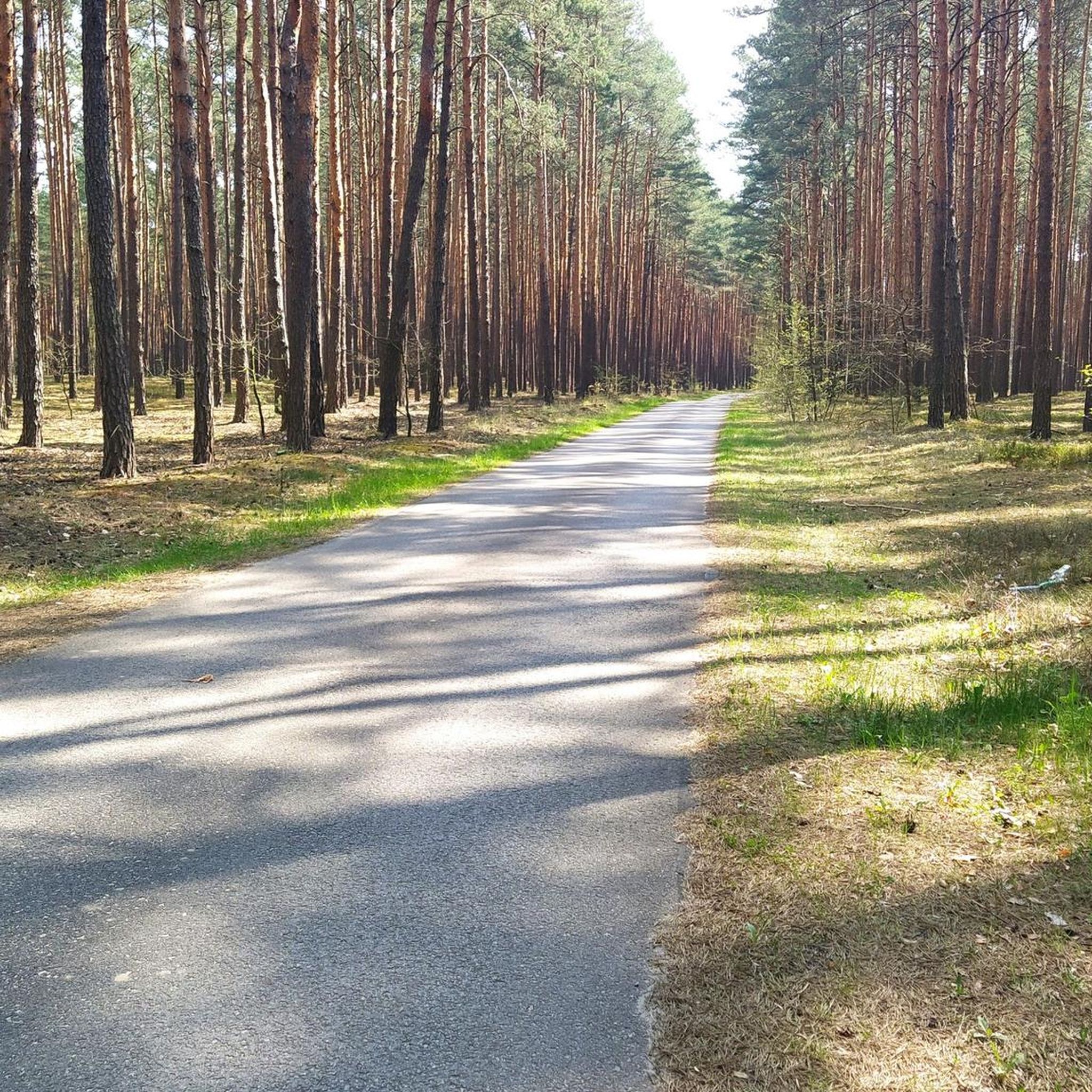
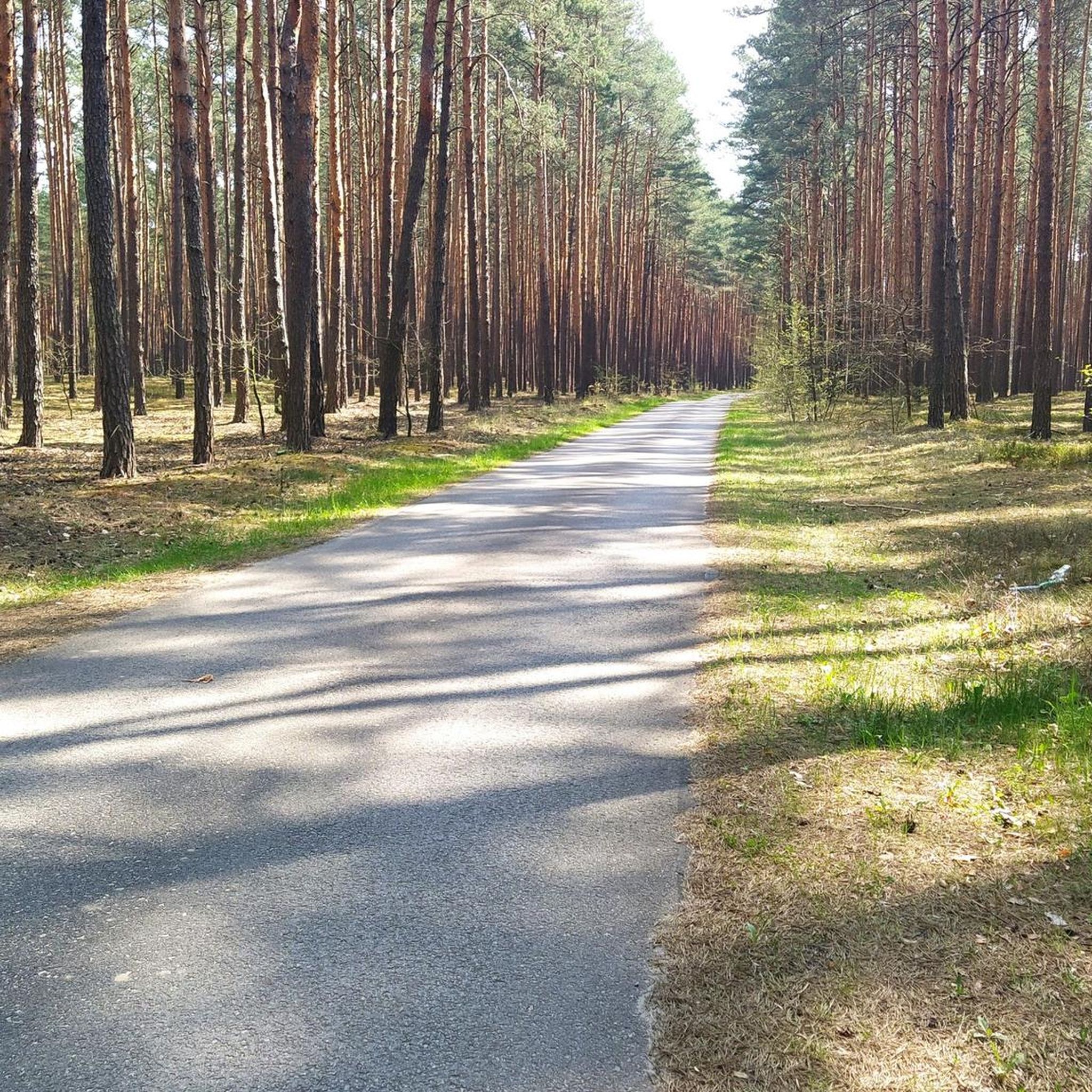
The first two kilometers from Tereszpol, cruel stones and sand, but then ok. Great connection to Bilgoraj. From Edwardów to Bilgoraj brand new asphalt but already with cars (very little traffic)
0
0
Frequently Asked Questions
What natural features can I explore around Biszcza?
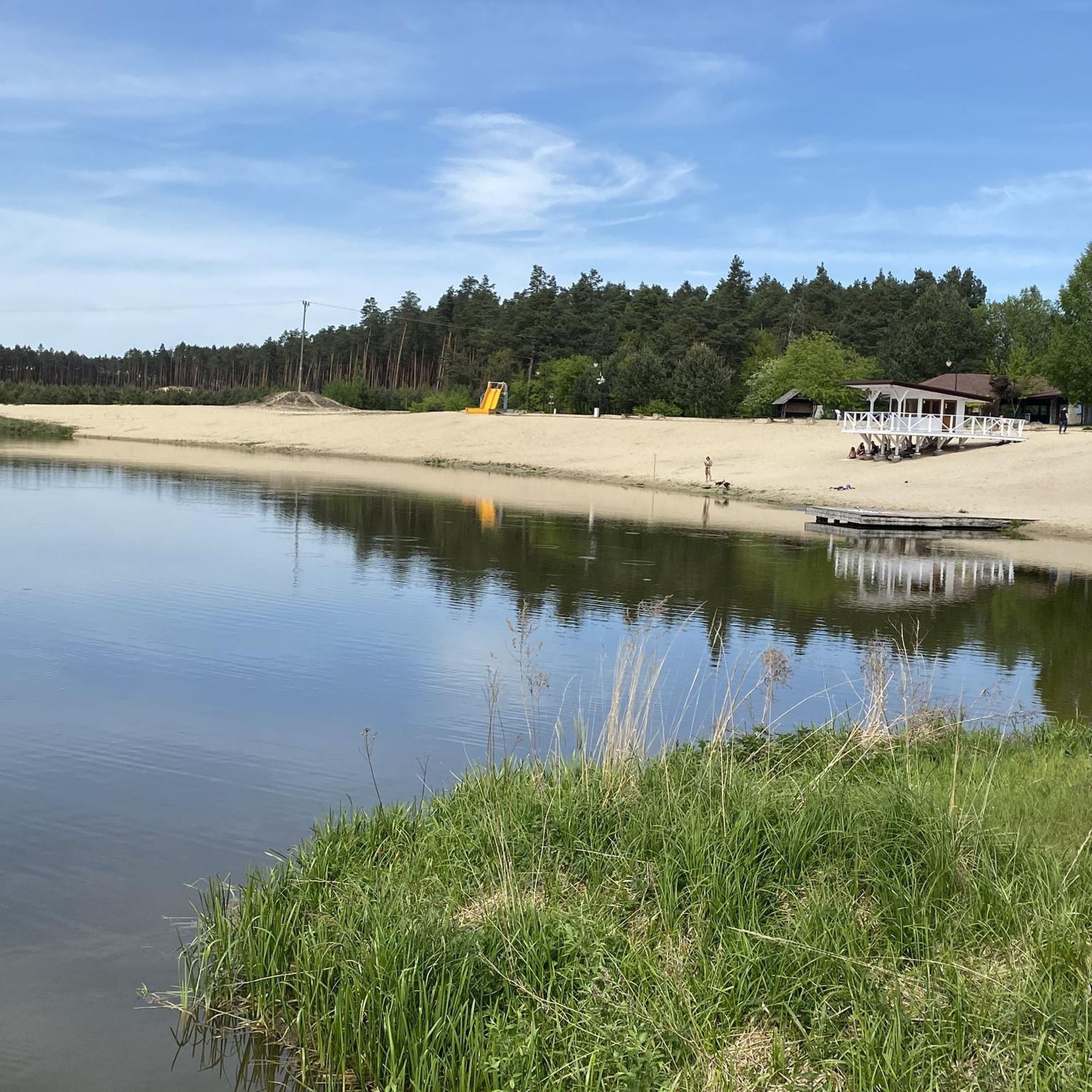
Biszcza is rich in natural beauty. You can enjoy the pristine Tanew River, known for its clean waters and scenic valley, perfect for kayaking and walks. The Bike Path Through Uroczyska Puszczy Solskiej Forest offers a chance to immerse yourself in extensive forests, ideal for nature observation and recreational cycling. Additionally, the Biszcza-Żary Water Reservoir provides a modern bathing area with a sandy beach for swimming and water sports.
Are there historical or cultural sites to visit in the Biszcza area?
Yes, Biszcza has several significant historical and cultural sites. You can visit the Exaltation of the Holy Cross Church, Huta Krzeszowska, an 18th-century wooden church with unique Baroque features. Another notable site is the Memorial to the Victims of the 1937 Peasants' Strike in Majdan Sieniawski, commemorating a historical event. The region also features other historic churches, roadside chapels, and memorial sites reflecting its past.
What outdoor activities are available near Biszcza's attractions?
The area around Biszcza is excellent for outdoor activities. You can go cycling on routes like the Bike Path Through Uroczyska Puszczy Solskiej Forest, which connects to Biłgoraj. The Tanew River is perfect for kayaking and fishing. The Biszcza-Żary Water Reservoir offers swimming, sunbathing, and water bike rentals. For more structured routes, you can explore various cycling and running trails. Find more options on the Cycling around Biszcza, Gravel biking around Biszcza, and Running Trails around Biszcza guide pages.
Are there family-friendly attractions or activities in Biszcza?
Absolutely! Biszcza is well-suited for families. The Biszcza-Żary Water Reservoir is a central point for summer recreation, offering a sandy beach, swimming, and water sports, often with family animations. The extensive forests provide opportunities for family walks, mushroom picking, and berry gathering. Historic sites like the Exaltation of the Holy Cross Church, Huta Krzeszowska and the Witos Memorial Cross in Majdan Sieniawski are also categorized as family-friendly.
What is the best time to visit Biszcza for outdoor activities?
Biszcza is an ideal destination for outdoor activities, especially during the warmer months. The summer is perfect for enjoying the Biszcza-Żary Water Reservoir for swimming and water sports, and for kayaking on the Tanew River. Spring and autumn offer pleasant temperatures for cycling and hiking through the forests and along the river valley, with beautiful seasonal scenery.
Can I find accessible attractions in Biszcza?
Yes, some attractions in Biszcza are designed to be accessible. For example, the Memorial to the Victims of the 1937 Peasants' Strike in Majdan Sieniawski is noted as wheelchair accessible, allowing a wider range of visitors to experience this historical site.
Where can I go cycling around Biszcza?
Biszcza offers various cycling opportunities. The Bike Path Through Uroczyska Puszczy Solskiej Forest is a popular cycle way with varied terrain, connecting to Biłgoraj. There are also local bike paths around the Biszcza-Żary Reservoir and the Tanew River, as well as forest roads suitable for recreational cycling. For more detailed routes, check the Cycling around Biszcza guide.
Are there any significant monuments or memorials in the area?
Yes, Biszcza is home to several memorial sites. The Memorial to the Victims of the 1937 Peasants' Strike in Majdan Sieniawski commemorates a tragic event in the region's history. Additionally, the Witos Memorial Cross in Majdan Sieniawski honors a significant Polish leader. Other sites include a chapel in Bukowina, serving as a collective grave for 1863 Insurgents, and a plaque on the Biszcza Commune Office commemorating the pacification of villagers in 1943.
What do visitors enjoy most about the attractions around Biszcza?
Visitors particularly appreciate the blend of natural beauty and historical depth. The tranquil landscapes, especially along the Tanew River and within the extensive forests, offer a peaceful escape. The well-maintained cycling paths, like the Bike Path Through Uroczyska Puszczy Solskiej Forest, are highly rated for their varied terrain and connection to other areas. The historical churches and monuments provide a rich cultural experience, allowing visitors to connect with the region's past.
Can I go swimming in Biszcza?
Yes, you can go swimming in Biszcza. The Biszcza-Żary Water Reservoir is a popular spot with a sandy beach and tourist infrastructure, making it ideal for swimming and other water activities during the summer months.
Are there opportunities for hiking or walking trails near Biszcza?
Biszcza offers numerous opportunities for hiking and walking. You can explore forest roads, walking paths, and Nordic walking routes through the commune's extensive green spaces. There are also educational nature trails with informational boards. For more detailed routes, you can check the Running Trails around Biszcza guide, which includes various walking and running options.
Most popular routes around Biszcza

Get inspired with the komoot mobile app


Explore more
Still not found the Highlight you’re looking for? See guides of the top attractions in other regions:
