Attractions and Places To See around Malczyce - Top 20
Best attractions and places to see around Malczyce include a blend of historical sites and natural features. Situated on the Oder River in Lower Silesian Voivodeship, Poland, the area offers opportunities for cultural exploration and outdoor activities. Visitors can explore historical landmarks and enjoy the natural landscapes. The region provides a variety of points of interest for those seeking both history and nature.
Best attractions and places to see around Malczyce
- The most popular attractions is Cistercian Abbey in Lubiąż, a historical site that is one of the largest monastic complexes in Central Europe. Its history dates back to the 11th century, with significant Baroque architecture from its 17th and 18th-century reconstruction.
- Another must-see spot is Lubiąż–Wołów Bike Path, a cycle way known for its good surface and pleasant surroundings. This path is suitable for road biking and family cycling.
- Visitors also love Prochowice Castle, a castle with origins dating back to 1259. The castle has undergone various expansions and restorations, reflecting centuries of regional history.
- Malczyce is known for its historical sites, religious buildings, and outdoor trails. The area offers a variety of attractions to see and explore, from ancient abbeys to scenic bike paths.
- The attractions around Malczyce are appreciated by the komoot community, with more than 20 photos and 20 upvotes.
Last updated: May 4, 2026
Cistercian Abbey in Lubiąż
Highlight • Historical Site
The Cistercian Abbey in Lubiąż is one of the largest and most important monastic complexes in Central Europe.
The beginnings of monastic settlement in Lubiąż date back to the 11th century, when the Benedictines probably had their establishment here. However, the real development of the monastery began with the arrival of the Cistercians in 1163 from Pforta in Thuringia. They were brought by Duke Bolesław the Tall, who gave them lands in Lubiąż. The Cistercians, known for their diligence and management skills, quickly developed the monastery estates, establishing farms, fish ponds and mills. The abbey became an important economic, cultural and religious centre in Silesia.
During the Middle Ages, Lubiąż was one of the richest and most influential Cistercian monasteries in Europe. Its abbots played a significant role in the political and ecclesiastical life of the region. Valuable manuscripts were created here, craftsmanship developed, and the monastery library gathered rich collections.
The period of the Hussite Wars in the 15th century brought significant destruction and decline to the abbey. The monastery was burned and plundered, and the number of monks decreased significantly. Rebirth occurred in the second half of the 15th century and lasted through the 16th century, but on a smaller scale than during the period of glory.
The real rebirth and Baroque reconstruction of the abbey took place in the 17th and 18th centuries. Monumental buildings were built at that time, such as an impressive church, library, refectory and abbots' palace.
With the secularization of the monastic property in Prussia in 1810, the Lubiąż Abbey was dissolved. The monastery property was taken over by the Prussian state, and the buildings served various functions - from a psychiatric hospital, through warehouses, to barracks. Many valuable works of art and books were dispersed or destroyed.
After World War II, Lubiąż found itself within the borders of Poland. The condition of the buildings was dramatic – the monastery was neglected, devastated and gradually fell into ruin.
Only in recent decades have intensive conservation and revitalization works been undertaken. Since 1989, the management of the abbey has been taken over by the Lubiąż Foundation, which, together with the Ministry of Culture and National Heritage and EU funds, is conducting extensive renovation works. Thanks to this, it is gradually regaining its former glory and is being made available to visitors.
Currently, the Cistercian abbey in Lubiąż is one of the greatest tourist attractions in Lower Silesia and a testimony to the rich history of the region.
Translated by Google •
Tip by

Prochowice Castle
Highlight • Castle
From 1562 Field Marshal Hans von Oppersdorff and Fabian von Schönaich were the owners. He had the east wing and the south gate expanded. After 1594 Parchwitz was a secondary residence of the Dukes of Legnica.
In the Thirty Years' War the castle was severely damaged in 1642 and restored from 1658 under Duchess Anna Sophia von Liegnitz. After the line of dukes had ended, the castle fell to the emperor in 1675 and became the seat of a sovereign domain. After 1820 the castle was privately owned again. Count Erdmann Sylvius von Pückler had a landscape park created in 1835. In the possession of Count Kurt von Strachwitz, the castle was renovated from 1905.
At the end of the Second World War the castle was damaged and later rebuilt. From 1990 the castle was privately owned and fell into disrepair. The castle was only restored after a change of ownership.
Translated by Google •
Tip by

Sign up now to discover places like this
Get recommendations on the best single tracks, peaks, & plenty of other exciting outdoor places.
Sign up for free
St. Andrew's Church
Highlight • Religious Site
Showing Translation
Tip by

Church of the Sacred Heart of Jesus
Highlight • Religious Site
Translated by Google •
Tip by

Lubiąż–Wołów Bike Path
Highlight (Segment) • Cycleway
Translated by Google •
Tip by

Sign up for free to discover even more attractions around Malczyce.
Sign up for free
Already have an account?
Start today with a free account
Your next adventure awaits.
Login or Signup

Tips from the Community


The abbey grounds are accessible, allowing you to explore every nook and cranny. The abbey itself can also be explored inside. I highly recommend it 😀👍
0
0

A pleasant section, with plenty to see, though there are a few pointlessly placed speed bumps along the way. The route ends strangely at this point, with a blockade at the entrance to the forest section, bearing a sign that says "No entry except for emergency services." After "bypassing the blockade," we continue along a pleasant single-track forest track to Lubiąż.
0
0
A Brief History of the Cistercian Abbey in Lubiąż The Cistercian Abbey in Lubiąż is one of the largest and most important monastic complexes in Central Europe. The beginnings of monastic settlement in Lubiąż date back to the 11th century, when the Benedictines probably had their establishment here. However, the real flourishing of the monastery began with the arrival of the Cistercians in 1163 from Pforta in Thuringia. They were brought by Duke Bolesław the Tall, who gave them lands in Lubiąż. The Cistercians, known for their diligence and management skills, quickly developed the monastery estates, establishing farms, fish ponds and mills. The abbey became an important economic, cultural and religious centre in Silesia. During the Middle Ages, Lubiąż was one of the richest and most influential Cistercian monasteries in Europe. Its abbots played a significant role in the political and ecclesiastical life of the region. Valuable manuscripts were created here, craftsmanship developed, and the monastery library gathered rich collections. The period of the Hussite Wars in the 15th century brought considerable destruction and the decline of the abbey. The monastery was burned down and plundered, and the number of monks decreased significantly. A revival took place in the second half of the 15th century and lasted through the 16th century, but on a smaller scale than during the period of glory. The real revival and Baroque reconstruction of the abbey took place in the 17th and 18th centuries. Monumental buildings were built at that time, such as an impressive church, library, refectory and abbots' palace. With the secularization of the monastic property in Prussia in 1810, the Lubiąż Abbey was dissolved. The monastery property was taken over by the Prussian state, and the buildings served various functions - from a psychiatric hospital, through warehouses, to barracks. Many valuable works of art and books were dispersed or destroyed. After World War II, Lubiąż found itself within the borders of Poland. The condition of the buildings was dramatic – the monastery was neglected, devastated and gradually fell into ruin. It was only in recent decades that intensive conservation and revitalization work was undertaken. Since 1989, the management of the abbey was taken over by the Lubiąż Foundation, which, together with the Ministry of Culture and National Heritage and EU funds, is conducting extensive renovation work. Thanks to this, it is gradually regaining its former glory and is being made available to visitors. Currently, the Cistercian abbey in Lubiąż is one of the greatest tourist attractions in Lower Silesia and a testament to the rich history of the region.
2
0
A Brief History of the Cistercian Abbey in Lubiąż The Cistercian Abbey in Lubiąż is one of the largest and most important monastic complexes in Central Europe. The beginnings of monastic settlement in Lubiąż date back to the 11th century, when the Benedictines probably had their establishment here. However, the real development of the monastery began with the arrival of the Cistercians in 1163 from Pforta in Thuringia. They were brought by Duke Bolesław the Tall, who gave them lands in Lubiąż. The Cistercians, known for their diligence and management skills, quickly developed the monastery estates, establishing farms, fish ponds and mills. The abbey became an important economic, cultural and religious centre in Silesia. During the Middle Ages, Lubiąż was one of the richest and most influential Cistercian monasteries in Europe. Its abbots played a significant role in the political and ecclesiastical life of the region. Valuable manuscripts were created here, craftsmanship developed, and the monastery library gathered rich collections. The period of the Hussite Wars in the 15th century brought significant destruction and decline to the abbey. The monastery was burned and plundered, and the number of monks decreased significantly. Rebirth occurred in the second half of the 15th century and lasted through the 16th century, but on a smaller scale than during the period of glory. The real rebirth and Baroque reconstruction of the abbey took place in the 17th and 18th centuries. Monumental buildings were built at that time, such as an impressive church, library, refectory and abbots' palace. With the secularization of the monastic property in Prussia in 1810, the Lubiąż Abbey was dissolved. The monastery property was taken over by the Prussian state, and the buildings served various functions - from a psychiatric hospital, through warehouses, to barracks. Many valuable works of art and books were dispersed or destroyed. After World War II, Lubiąż found itself within the borders of Poland. The condition of the buildings was dramatic – the monastery was neglected, devastated and gradually fell into ruin. Only in recent decades have intensive conservation and revitalization works been undertaken. Since 1989, the management of the abbey has been taken over by the Lubiąż Foundation, which, together with the Ministry of Culture and National Heritage and EU funds, is conducting extensive renovation works. Thanks to this, it is gradually regaining its former glory and is being made available to visitors. Currently, the Cistercian abbey in Lubiąż is one of the greatest tourist attractions in Lower Silesia and a testimony to the rich history of the region.
2
0

Auxiliary Church of the Sacred Heart of the Lord Jesus The church was built as an Evangelical church in the years 1864-1867, restored in 1962. Single-nave with a transept, chancel in the form of a pentagonal apse and a square four-storey tower, octagonal storey. Brick, lined with red facing with horizontal light stripes, on a stone plinth, buttressed. The gables of the nave above the chancel and transept are stepped with an attic and blind arcades. The roof of the nave and transept is gabled, the chancel is five-sloped, the tower is conical, covered with sheet metal. Crowning frieze, pointed arch openings. Neo-Gothic brick portals in the entrances. In the southern entrance in the transept above the door there is a bas-relief of Christ Teaching. On the third floor of the tower there is a clock, the fourth is topped with sharp gables separated by square pillars protruding above the roof. Interior furnishings from the 19th and 20th centuries. In front of the church there is a chapel with a figure of the Sacred Heart of the Lord Jesus in a display case placed on a pedestal of a monument to the villagers who died in World War I. A laurel wreath is engraved on the granite pedestal. Source: https://polska-org.pl/547860,Szczepanow,Kosciol_Najswietszego_Serca_Pana_Jezusa.html
0
0


Perfect for road biking and cycling with the family.
1
0
Frequently Asked Questions
What historical sites can I visit around Malczyce?
The region is rich in history. You can explore the impressive Cistercian Abbey in Lubiąż, one of Central Europe's largest monastic complexes with Baroque architecture. Also, visit Prochowice Castle, which dates back to 1259 and reflects centuries of regional history. Other notable historical religious buildings include St. Andrew's Church, one of the oldest preserved churches in Lower Silesia, and the Neo-Gothic Church of the Sacred Heart of Jesus.
Are there any natural attractions or scenic spots in Malczyce?
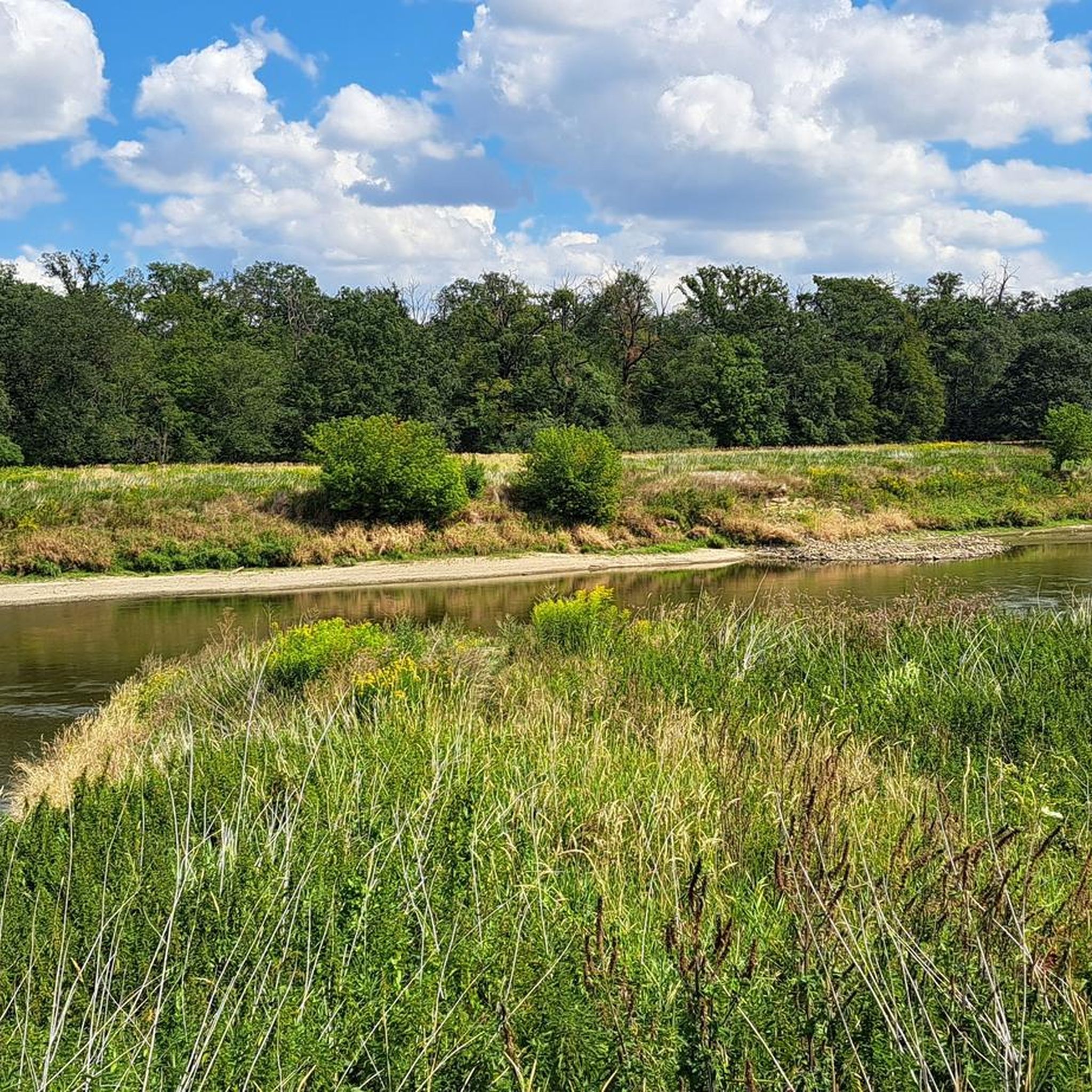
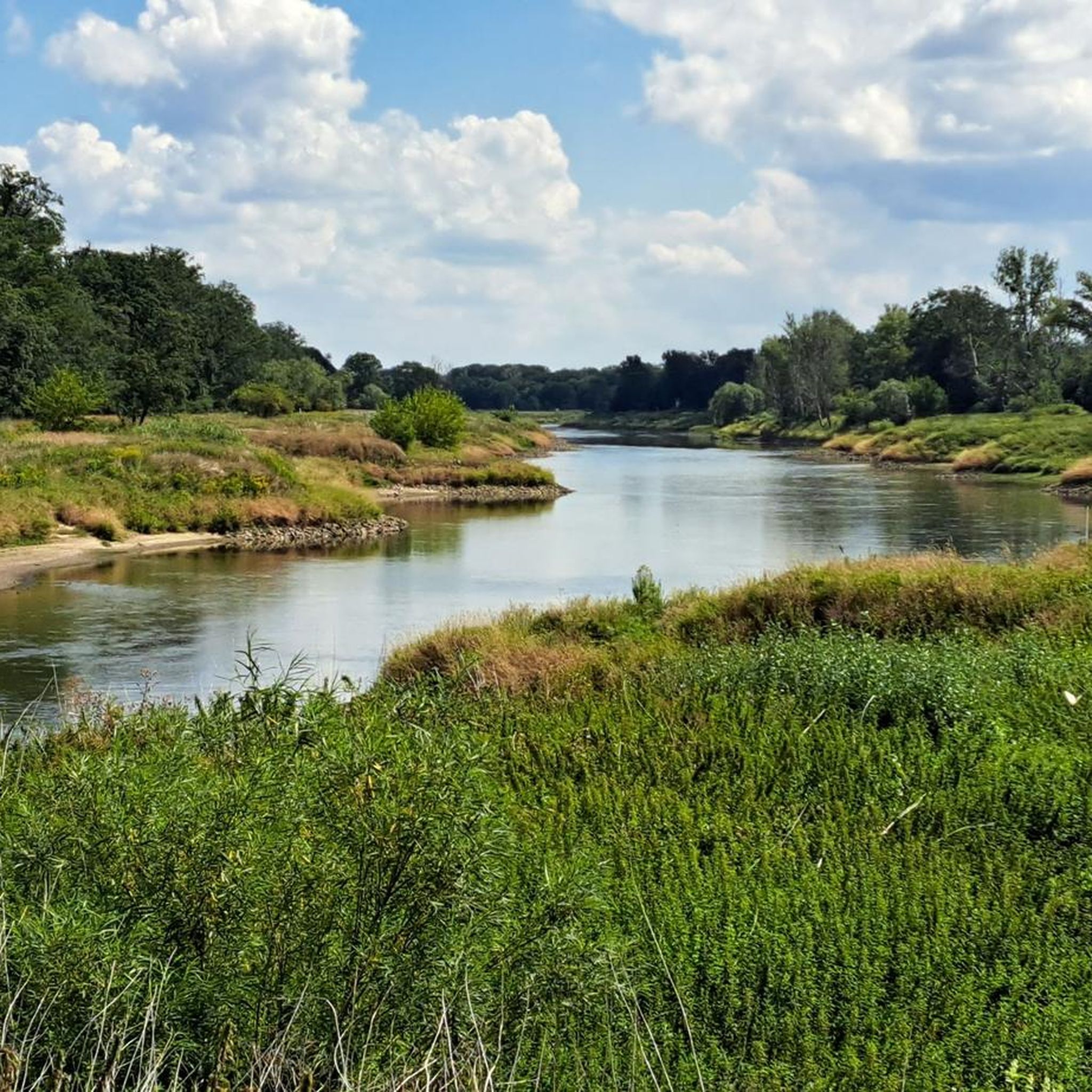
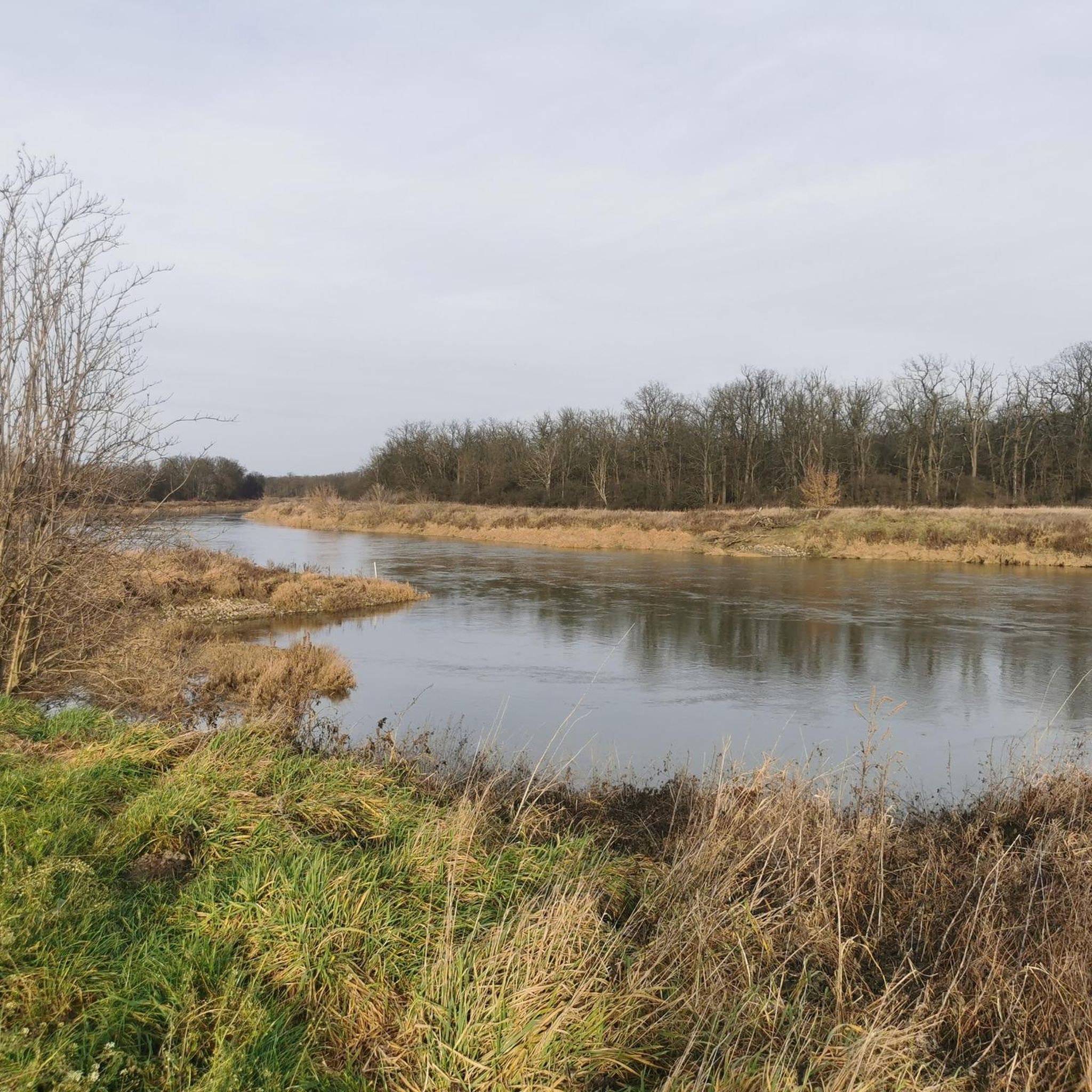
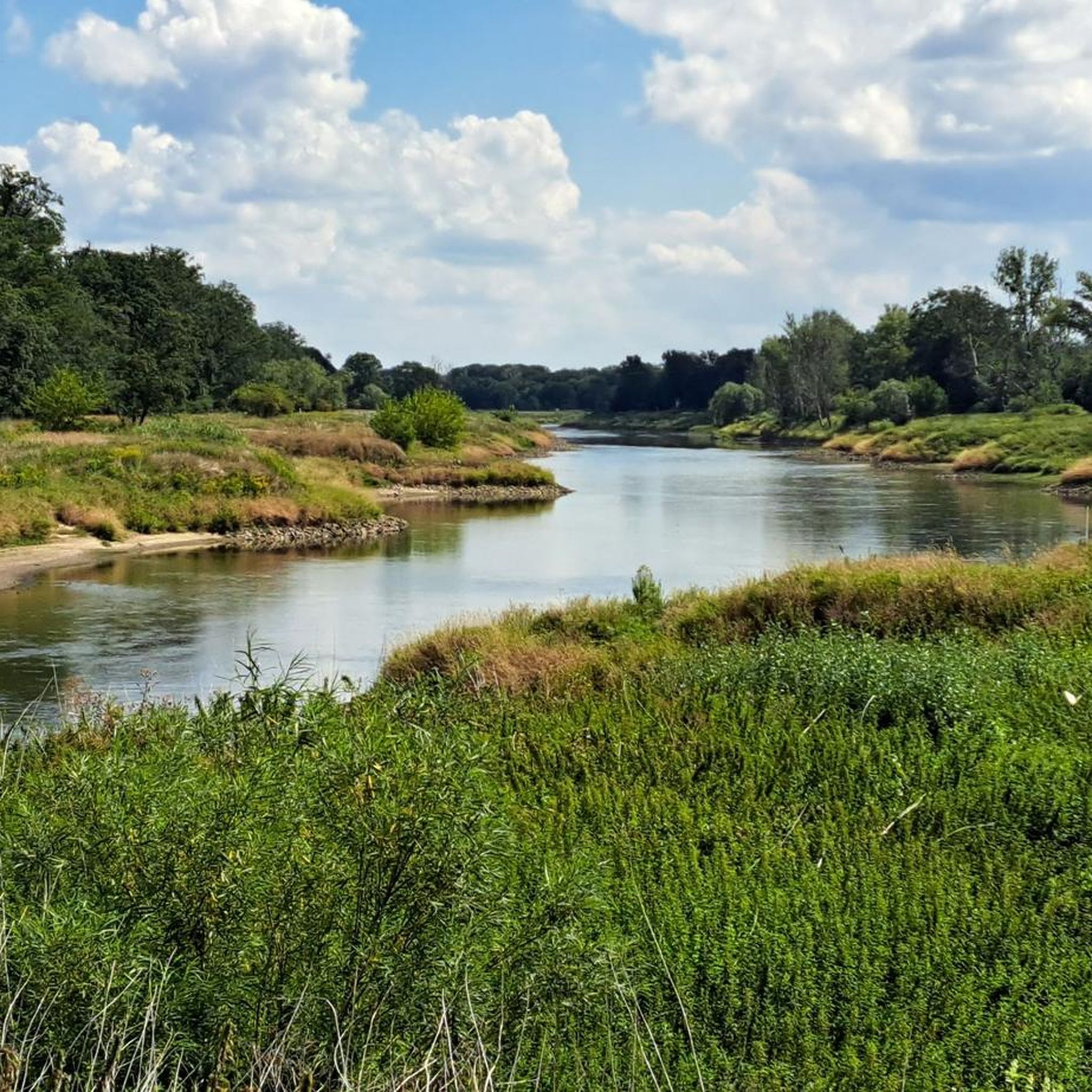
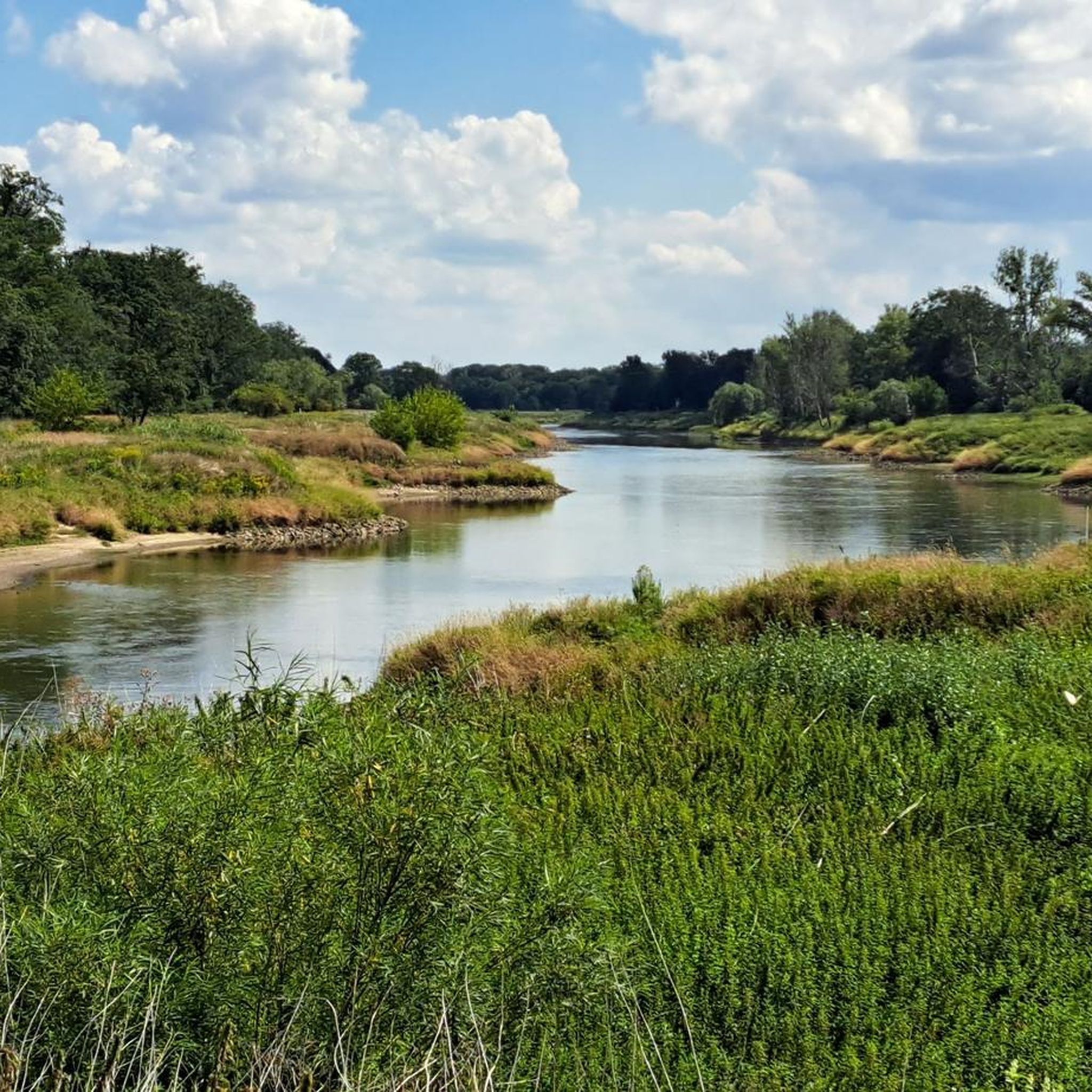
Malczyce is situated on the Oder River, offering picturesque views and opportunities for walks along the riverbank. You can observe the mouth of the Średzka Woda, where a ferry once operated. The area also features a commemorative stone made of Strzegom granite, marking the highest water levels of the Oder River, especially during the 'flood of the century'.
What outdoor activities are available around Malczyce?
The area around Malczyce is ideal for outdoor enthusiasts. You can enjoy cycling on the Lubiąż–Wołów Bike Path, known for its good surface and pleasant surroundings, suitable for road biking and family cycling. There are also numerous forest and riverside hiking and cycling trails. For more detailed routes, explore guides like Cycling around Malczyce or Gravel biking around Malczyce.
Are there family-friendly attractions in the Malczyce area?
Yes, the Cistercian Abbey in Lubiąż is considered family-friendly, offering an educational and impressive historical experience. Additionally, the Lubiąż–Wołów Bike Path is perfect for family cycling due to its smooth surface and pleasant environment.
When is the best time to visit Malczyce attractions?
Malczyce is particularly pleasant to visit from spring to early autumn. During these months, the parks and gardens are lush, and the weather is generally favorable for exploring both historical sites and engaging in outdoor activities along the Oder River and on the various trails.
Are there any ruins or industrial heritage sites to see?
Yes, the monumental Ruins of the Cellulose Factory stand as a testament to the region's industrial past. Established in 1911, it was once a significant economic hub, and its remains offer a unique glimpse into the area's history.
What kind of cycling routes are available near Malczyce?
You'll find a variety of cycling routes. The Lubiąż–Wołów Bike Path is excellent for road biking and family rides. For those interested in off-road adventures, there are gravel biking options, including routes like the 'Cistercian Monastery in Lubiąż – Cistercian Abbey in Lubiąż loop' or the 'Gravel Path Along the River'. More routes can be found in the Cycling around Malczyce guide.
Can I find running trails around Malczyce?
Yes, there are several running trails in the vicinity. You can explore routes such as the 'Jastrzębiec loop from Środa Śląska' or various running loops starting from Środa Śląska or Klasztor Cystersów w Lubiążu. For a comprehensive list, check the Running Trails around Malczyce guide.
What is the significance of the Orthodox Church of the Annunciation of the Blessed Virgin Mary?
The Orthodox Church of the Annunciation of the Blessed Virgin Mary in Malczyce is a unique neo-Gothic church, originally an evangelical church designed by Hans Poelzig. Its distinctive architecture, inspired by Silesian wooden building traditions, features three levels of windows. After WWII, it was converted into an Orthodox church and houses an iconostasis from the Lublin region.
Are there any palaces or historical residences nearby?
Yes, the Palace in Rachów, located in the nearby village of Rachów within the Malczyce commune, is a 19th-century two-story palace that was restored between 2009 and 2012. It offers a glimpse into the region's aristocratic past.
What do visitors enjoy most about the attractions around Malczyce?
Visitors particularly appreciate the blend of historical depth and natural beauty. The grandeur of the Cistercian Abbey in Lubiąż and the historical significance of Prochowice Castle are often highlighted. The well-maintained Lubiąż–Wołów Bike Path is also a favorite for its pleasant surroundings and suitability for various cycling levels.
Can I learn more about the history of Malczyce and the surrounding region?
Yes, the historical sites like the Cistercian Abbey in Lubiąż and Prochowice Castle offer deep insights into the region's past. The Orthodox Church of the Annunciation and the Ruins of the Cellulose Factory also tell stories of Malczyce's cultural and industrial heritage. For broader historical context, you can refer to resources like Wikipedia's page on Malczyce.

Get inspired with the komoot mobile app


Explore more
Still not found the Highlight you’re looking for? See guides of the top attractions in other regions:
