Attractions and Places To See around Kępno - Top 8
Best attractions and places to see around Kępno include historical landmarks, religious sites, and natural features. Situated on the Niesób River in the Greater Poland Voivodeship, Kępno boasts a history dating back to the 13th century. The town's location in the Wieruszów Upland provides a blend of urban and natural exploration opportunities. Its multicultural past contributes to its character.
Best attractions and places to see around Kępno
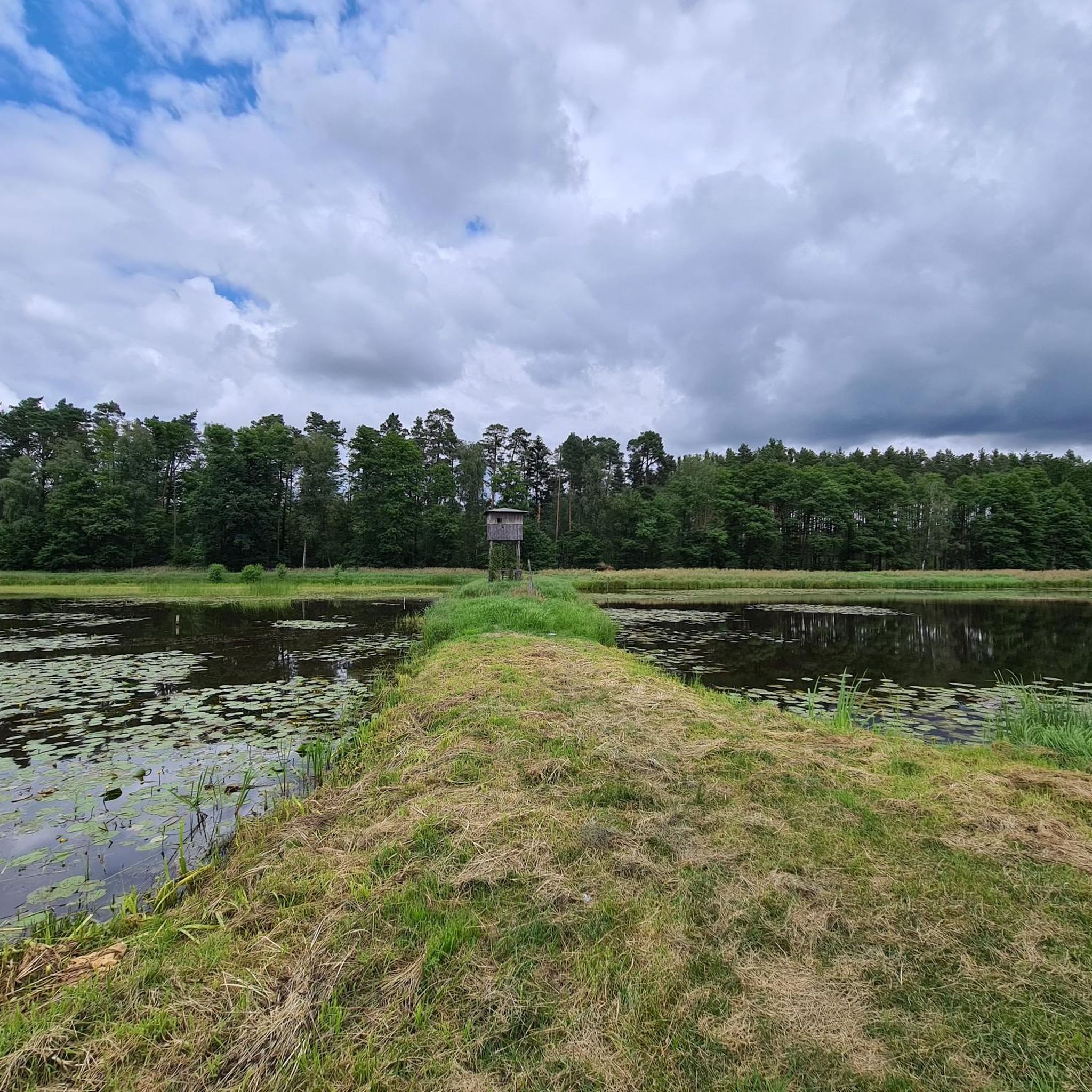
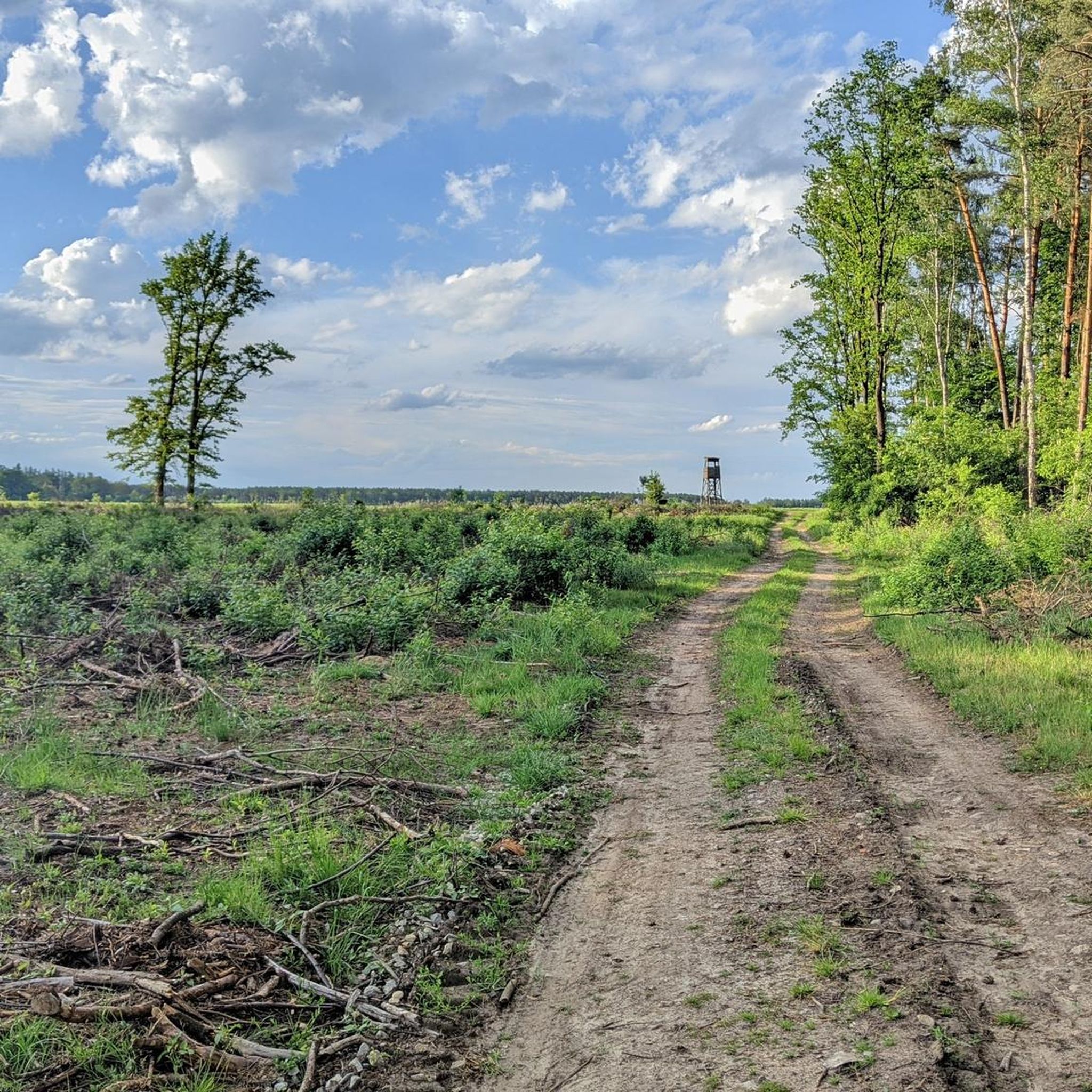
- The most popular attractions is Beaver Dams on the Pratwa, a natural monument that offers easy access near the Ciecierzyn-Miechowa road. This site provides a natural element for outdoor enthusiasts.
- Another must-see spot is Chapel of St. Hedwig of Silesia, a religious building erected where Saint Jadwiga stopped in 1229. Visitors can explore this historical site, noting that there is no asphalt road leading directly to it.
- Visitors also love Woskowice Małe Palace, a man-made monument built around 1800 and reconstructed in a Neo-Gothic style in 1912. This palace now houses a Center for Drug Addiction Treatment.
- Kępno is known for its historical landmarks, religious buildings, and natural sites. The area offers a variety of attractions to see and explore, from town squares to wooden churches and natural river features.
- The attractions around Kępno are appreciated by the komoot community, with 8 highlights featuring photos and more than 20 upvotes.
Last updated: July 1, 2026
Kępno Town Square and Swan Fountain
Highlight • Settlement
Translated by Google •
Tip by

Beaver Dams on the Pratwa
Highlight • Natural Monument
Translated by Google •
Tip by

Sign up now to discover places like this
Get recommendations on the best single tracks, peaks, & plenty of other exciting outdoor places.
Sign up for free
Wooden Church in Miechowa
Highlight • Religious Site
Translated by Google •
Tip by
St. Martin's Church, Kępno
Highlight • Religious Site
Translated by Google •
Tip by
Chapel of St. Hedwig of Silesia
Highlight • Religious Site
Translated by Google •
Tip by

Woskowice Małe Palace
Highlight • Monument
Translated by Google •
Tip by
St. Giles Church
Highlight • Religious Site
Translated by Google •
Tip by

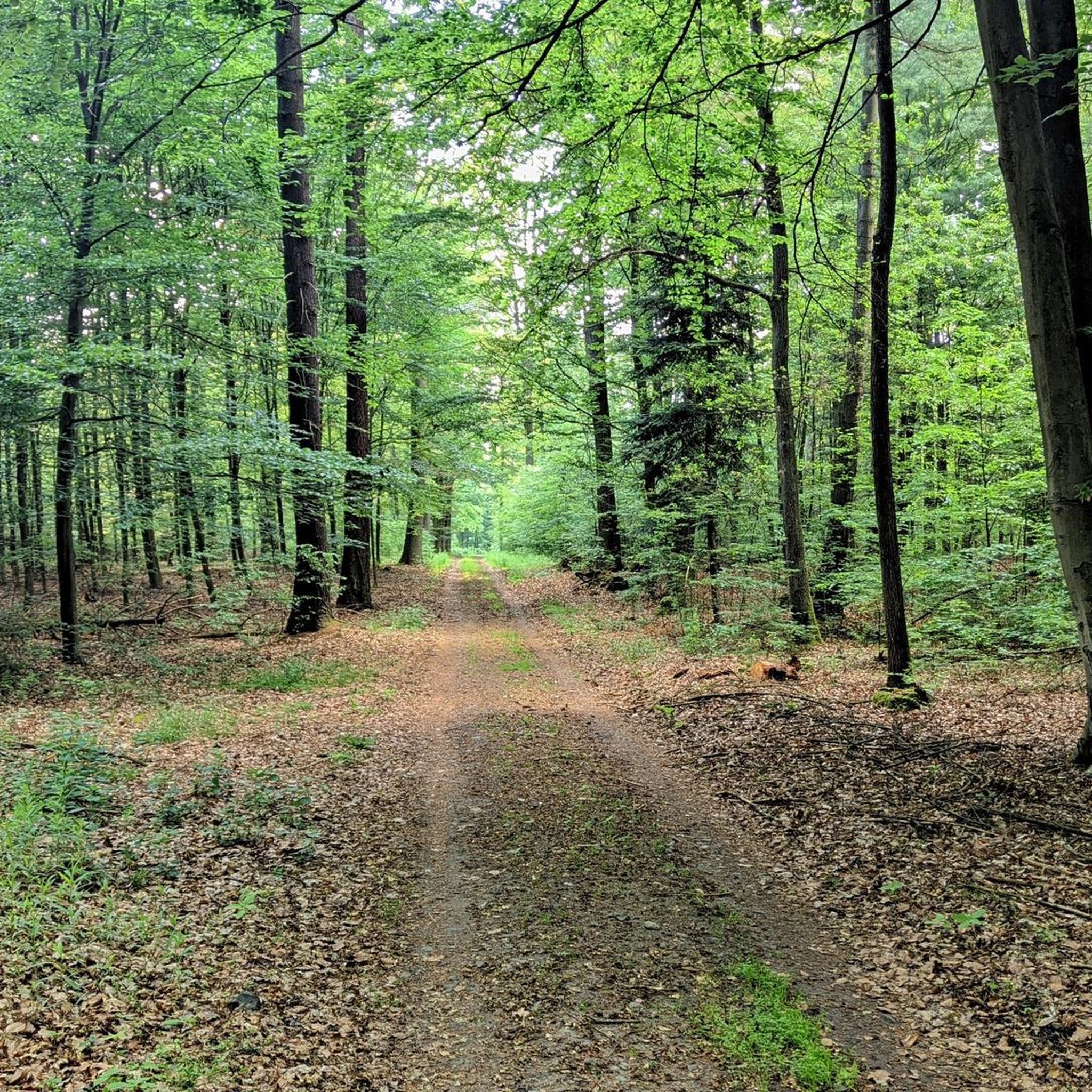
Cherry Avenue.
Highlight (Segment) • Natural
Translated by Google •
Tip by
Strzelce Palace
Highlight • Castle
Interesting information: polskiezabytki.pl/m/obiekt/8158/Strzelce
Translated by Google •
Tip by

Start today with a free account
Your next adventure awaits.
Login or Signup

Tips from the Community

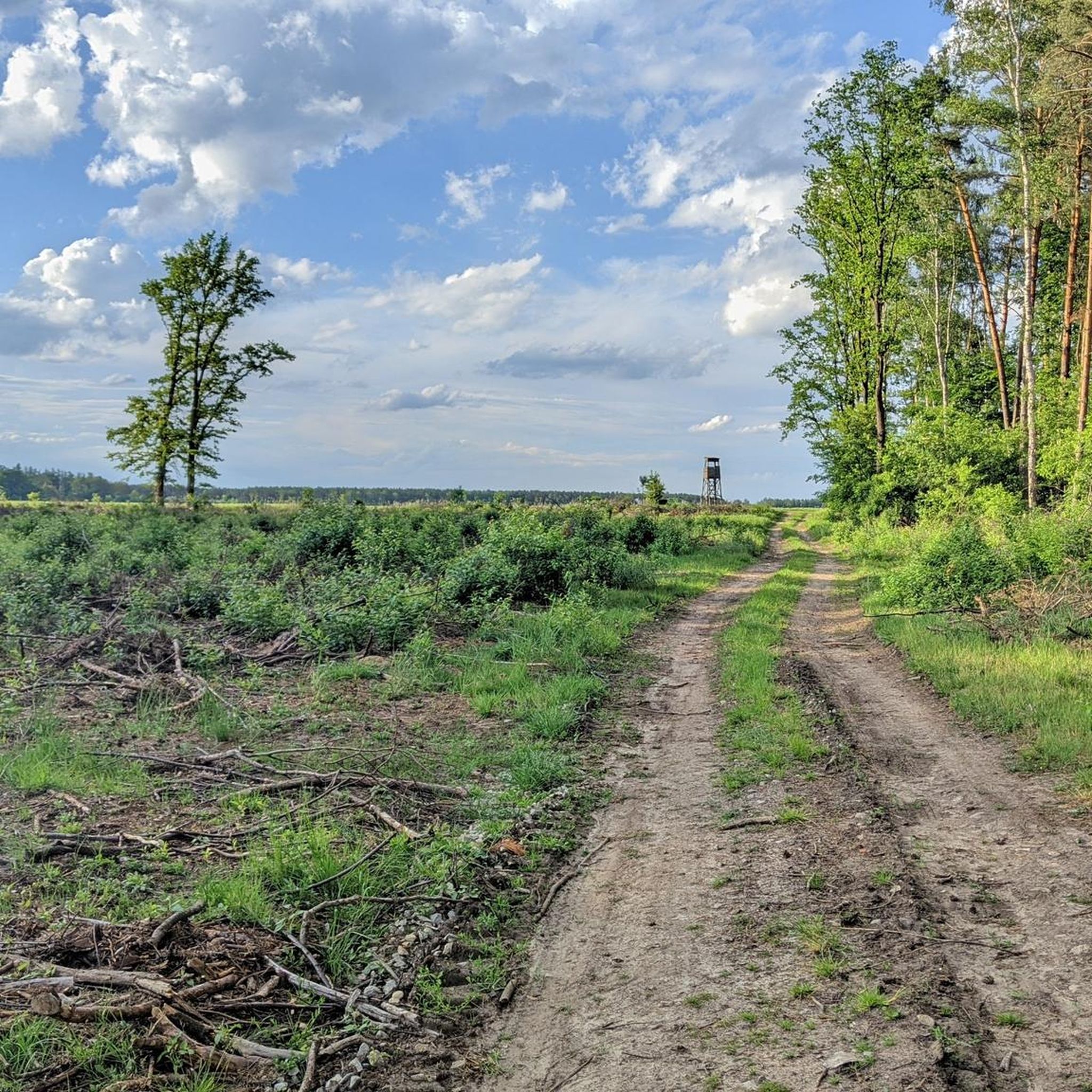
A gravel road leads closer to the castle. However, it is inhabited. Interesting information: http://www.polskiezabytki.pl/m/obiekt/8158/Strzelce/
0
0

The Church of St. Giles in Siemianice is a neo-Romanesque church from the mid-19th century, funded by Count Piotr Szembek. The building is distinguished by its austere but elegant architecture with characteristic arcade friezes and corner turrets. The interior contains three altars with original paintings from 1858 and the tomb of the founder's family under the presbytery.
2
0

The church in the neo-baroque style from 1911. The church was designed by the architect Roger Sławski. The temple is modeled on the former monastery church of the Holy Apostles Peter and Paul in Krotoszyn at the request of the founder, priest Alojzy Grzybowski. On October 15, 1911, the bishop Edward Likowski consecrated the church.
0
0

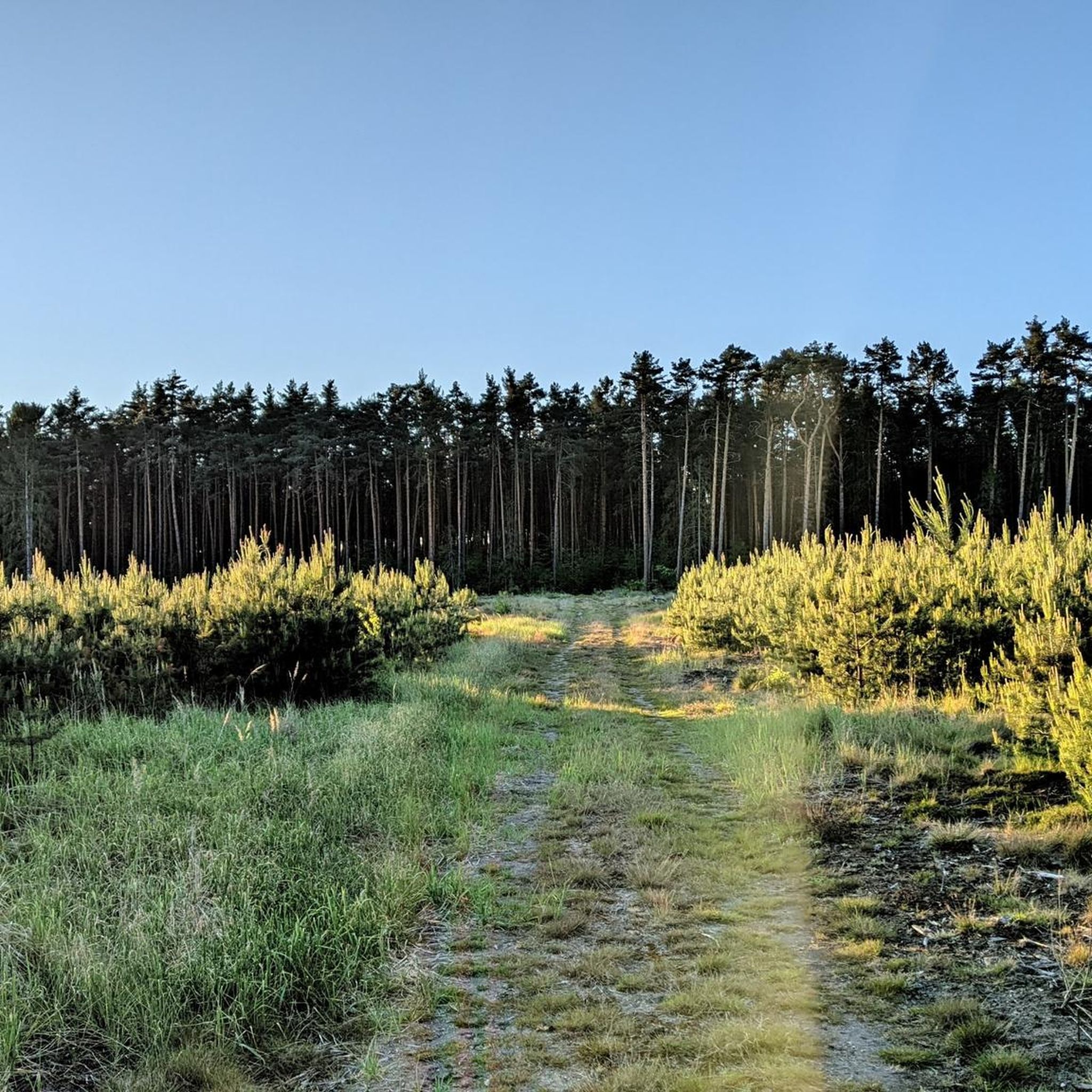
Beautiful at any time of year
0
0
The church was built as a chapel in 1529. In 1628, it was rebuilt on the initiative of Baltazar von Frankenberg, the owner of nearby Prózce, Ciecierzyn and Miechowa. At that time, a nave was added to the chapel, which was adapted to serve as a presbytery. In subsequent years, a half-timbered porch was added. Most likely, in 1753, a tower with a pillar structure was built, which was covered with a late Baroque dome with a lantern[3]. In the mid-16th century, the church was taken over by the Evangelicals and remained in their possession until 1945. After the end of World War II, it returned to the Catholics. The church was renovated in the years: 1753, 1911, 1941, 1958, 1997, 1998, 1999 and 2005–2006. In the 1980s, the shingles were replaced, and in the 1990s, new plasters were applied to the walls of the presbytery and sacristy, and a concrete screed was made. In 2008, the church was a laureate of the national competition "Zabytek studniany"
1
0
I recommend travelling during the fruiting season - around the beginning of June
0
0
Frequently Asked Questions
What historical landmarks can I explore in Kępno?
Kępno offers several historical landmarks. The heart of the town is the Market Square, featuring interesting tenement houses and a classical-style Town Hall. You can also visit the Kępno Town Square and Swan Fountain. Another significant site is the Historic Synagogue, dating from 1814-1815, which now serves as a cultural center with interactive exhibits.
Are there any significant religious sites to visit around Kępno?
Yes, Kępno and its surroundings are home to several notable religious buildings. These include the Neo-Baroque St. Martin's Church, known for its elaborate interior, and the historic Evangelical Church of Augsburg Confession. Further afield, you can find the Chapel of St. Hedwig of Silesia, erected where Saint Jadwiga stopped in 1229, and the Neo-Romanesque St. Giles Church in Siemianice.
What natural attractions are there for outdoor enthusiasts near Kępno?
For those who enjoy nature, the Beaver Dams on the Pratwa are a very attractive natural place with easy access near the Ciecierzyn-Miechowa road. The town is also situated on the Niesób River (Samica), providing a natural element to the landscape. Additionally, the Kępno Landscape Park just outside town offers hiking trails and scenic overlooks, and Skoraszewice Lake provides opportunities for fishing and boating.
Can I find family-friendly activities or places in Kępno?
Many attractions in Kępno are suitable for families. The Kępno Town Square and Swan Fountain is a pleasant area for a stroll. Natural spots like the Beaver Dams on the Pratwa and the Municipal Park are great for outdoor exploration. The Cherry Avenue is also a family-friendly trail.
Where can I experience the local culture and history of Kępno?
To delve into Kępno's culture and history, visit the "Tadeusz-Piotr Potworowski" Kępno Land Museum on Kwiatowa Street, which houses rich collections in archaeology, history, and ethnography. The Kępno Cultural Center also hosts exhibitions and workshops. The Historic Synagogue offers interactive exhibits on the town's past, reflecting its multicultural heritage.
Are there opportunities for hiking near Kępno?
Yes, there are several hiking opportunities around Kępno. You can find various trails, including easy loops like the "Okrąglak – Sosna Żółta loop from Stradomia Dolna" or the "Zalew Stradomia loop from Stradomia Wierzchnia." For more details and routes, explore the Hiking around Kępno guide.
What cycling routes are available around Kępno?
Kępno offers several cycling routes suitable for various skill levels. You can find easy loops such as the "Historic Fire Station in Kępno – Kępno Railway Station loop from Kępno" or the "Municipal Park in Kępno – Historic Fire Station in Kępno loop from Baranów." For a comprehensive list of routes, check out the Cycling around Kępno guide.
What is the significance of the Wooden Church in Miechowa?
The Wooden Church in Miechowa is a historic religious building, originally built as a chapel in 1529. It has undergone several reconstructions and renovations over the centuries, reflecting changes in architectural styles and religious affiliations. It's noted for its enduring charm and historical resilience.
Can I visit the Woskowice Małe Palace?
The Woskowice Małe Palace, built around 1800 and reconstructed in a Neo-Gothic style in 1912, is a notable historical monument. It currently houses a Center for Drug Addiction Treatment. While the building itself is significant, its primary function means public access might be limited to its exterior and the surrounding five-hectare park, which is recognized as a natural monument.
What do visitors particularly enjoy about the natural sites around Kępno?
Visitors appreciate the easy access and natural beauty of sites like the Beaver Dams on the Pratwa. The green spaces, such as the Municipal Park with its concealed medieval burg-city, offer peaceful retreats. The scenic views and opportunities for outdoor activities like hiking and cycling are also highly valued by the komoot community.
Are there any archaeological sites in the Kępno region?
Yes, the Lusatian Culture Cemetery - Górka Wiatrakowa is an archaeological site near Kępno, offering insights into the ancient Lusatian culture that once thrived in the region. Additionally, the Municipal Park in Kępno contains a concealed conical castle-city (grodzisko), which was once a medieval burg-city, providing another layer of historical depth.
What are some unique architectural sites in Kępno?
Beyond the churches and the Market Square, the Kępno Railway Station stands out as a unique historic object from the second half of the 19th century. It's sometimes referred to as a "double-deck" railway station, one of the few in Europe, showcasing distinctive engineering and design from its era. The Main Post Office, a red brick building, also highlights a specific period in Kępno's history.
Most popular routes around Kępno

Get inspired with the komoot mobile app


Didn’t find what you were looking for?
Are you keen on exploring more awesome places nearby? Browse our guides:
Explore more
Still not found the Highlight you’re looking for? See guides of the top attractions in other regions:
