Attractions and Places To See around powiat gnieźnieński - Top 20
Best attractions and places to see around powiat gnieźnieński, a region in central-western Poland, offers a blend of historical significance and natural landscapes. Known as the "cradle of the Polish state," it features Gniezno, Poland's first capital, surrounded by lakes and moraine hills. The area is rich in cultural sites, including ancient churches and museums, alongside historical landmarks. Visitors can explore a diverse landscape shaped by its early medieval heritage and natural beauty.
Best attractions and places to see around powiat gnieźnieński
- The most popular attractions is Gniezno market, a market square that serves as the heart of Gniezno's old town. It is a vibrant area with historic townhouses and various eateries.
- Another must-see spot is Gniezno Cathedral (Archcathedral Basilica of the Assumption of the Blessed Virgin Mary and St. Adalbert), a religious building considered one of Poland's most significant. It houses the tomb of Saint Adalbert and features the 12th-century bronze Gniezno Doors.
- Visitors also love St. Martin's Wooden Church in Pawłowo, a religious building constructed in 1762. It is an interesting example of traditional wooden church architecture in the region.
- powiat gnieźnieński is known for its historical sites, religious buildings, and natural features like lakes. The region offers a variety of attractions to see and explore, from ancient palaces to ethnographic parks.
- The attractions around powiat gnieźnieński are appreciated by the komoot community, with more than 100 upvotes and over 60 photos shared across various highlights.
Last updated: August 25, 2026
Gniezno market
Highlight • Settlement
Translated by Google •
Tip by

Translated by Google •
Tip by

Sign up now to discover places like this
Get recommendations on the best single tracks, peaks, & plenty of other exciting outdoor places.
Sign up for free
Niechanowo Palace
Highlight • Historical Site
pl.wikipedia.org/wiki/Pa%C5%82ac_w_Niechanowie
Translated by Google •
Tip by

St. Martin's Wooden Church in Pawłowo
Highlight • Religious Site
Translated by Google •
Tip by
Wielkopolski Ethnographic Park in Dziekanowice
Highlight • Historical Site
Translated by Google •
Tip by
Cottage Under the Linden Trees
Highlight • Historical Site
It is often called "Gierkówka" by the locals, because it was here that Edward Gierek, Piotr Jaroszewicz, Andrzej Komorowski came for hunting trips and during the "Polagra" agricultural fairs. In addition to important figures from the world of politics, it also hosted esteemed figures from the world of culture, including Urszula Sipińska, Maryla Rodowicz and the Mazowsze band.
The Olender farmstead that is Chata pod lipami is entered in the register of monuments, which makes it a national heritage. The farmstead consists of: an old wooden cottage from 1813 with a thatched roof, a brick farm building dating back to the interwar period and the youngest wooden barn from the early 1970s.
Translated by Google •
Tip by

Brzeski Manor in Królewiec
Highlight • Historical Site
(polskiezabytki.pl)
Translated by Google •
Tip by
Statue of Zbój Maciej from Modliszewo
Highlight • Monument
/tupowstalapolska.pl - trail of myths and legends of the Gniezno district/
Translated by Google •
Tip by
St. Michael the Archangel Wooden Church and Lutomsky Family Chapel, Grzybowo
Highlight • Religious Site
In the church cemetery there is a cemetery chapel built in 1936-1938 (according to the register of monuments in 1930) in a style imitating early Romanesque buildings, intended for the tomb of the Lutomski family, the owners of Grzybów.
Translated by Google •
Tip by
Arcugowo Palace
Highlight • Castle
zabytek.pl/pl/obiekty/arcugowo-zespol-palacowo-parkowy
Translated by Google •
Tip by
Sign up for free to discover even more attractions around powiat gnieźnieński.
Sign up for free
Already have an account?
Start today with a free account
Your next adventure awaits.
Login or Signup
Popular around powiat gnieźnieński
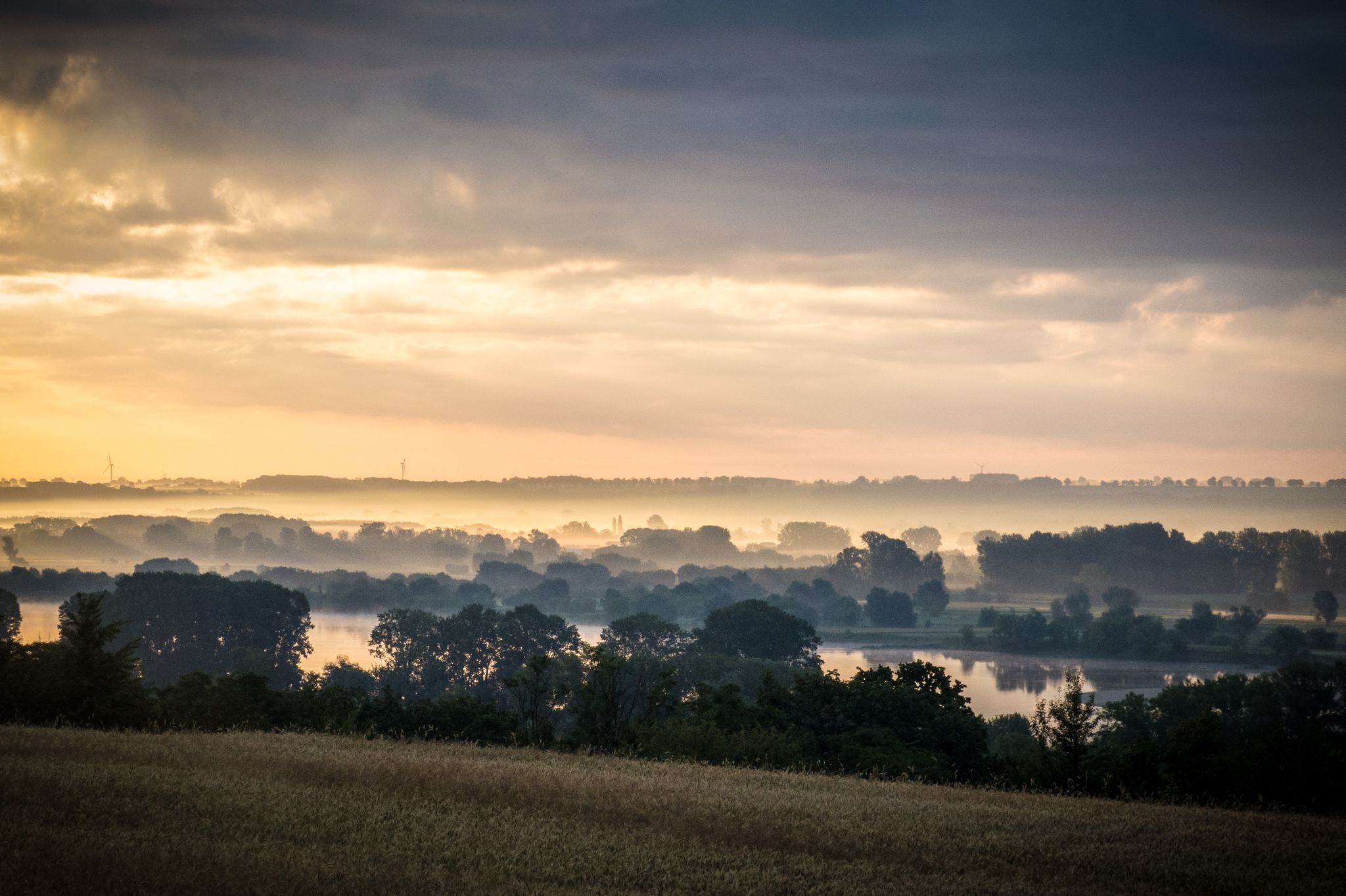
EuroVelo 9 – The Amber Route from the Baltic to Adriatic Sea
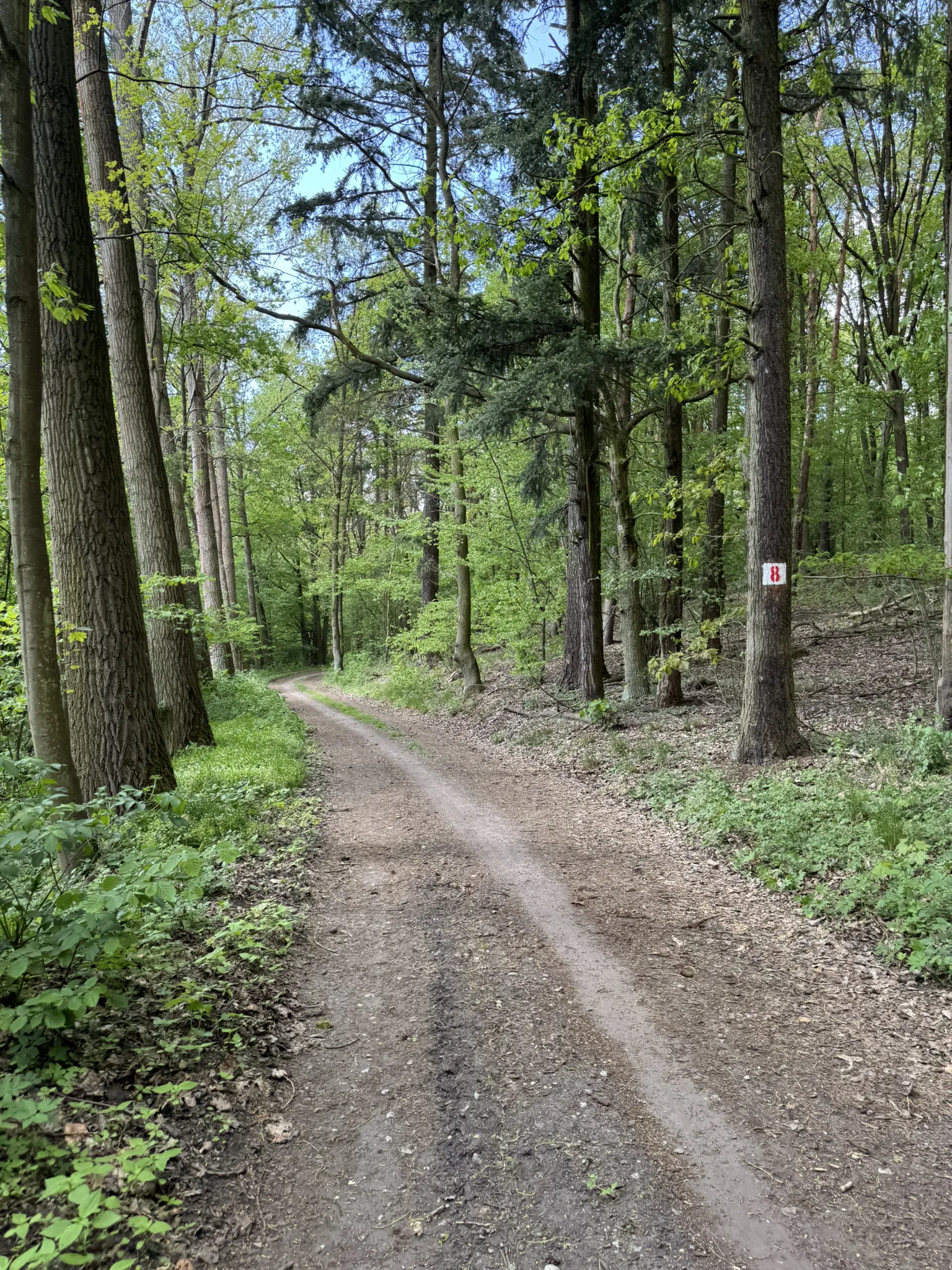
Piast Bicycle Route - by bicycle through the cradle of the Polish state
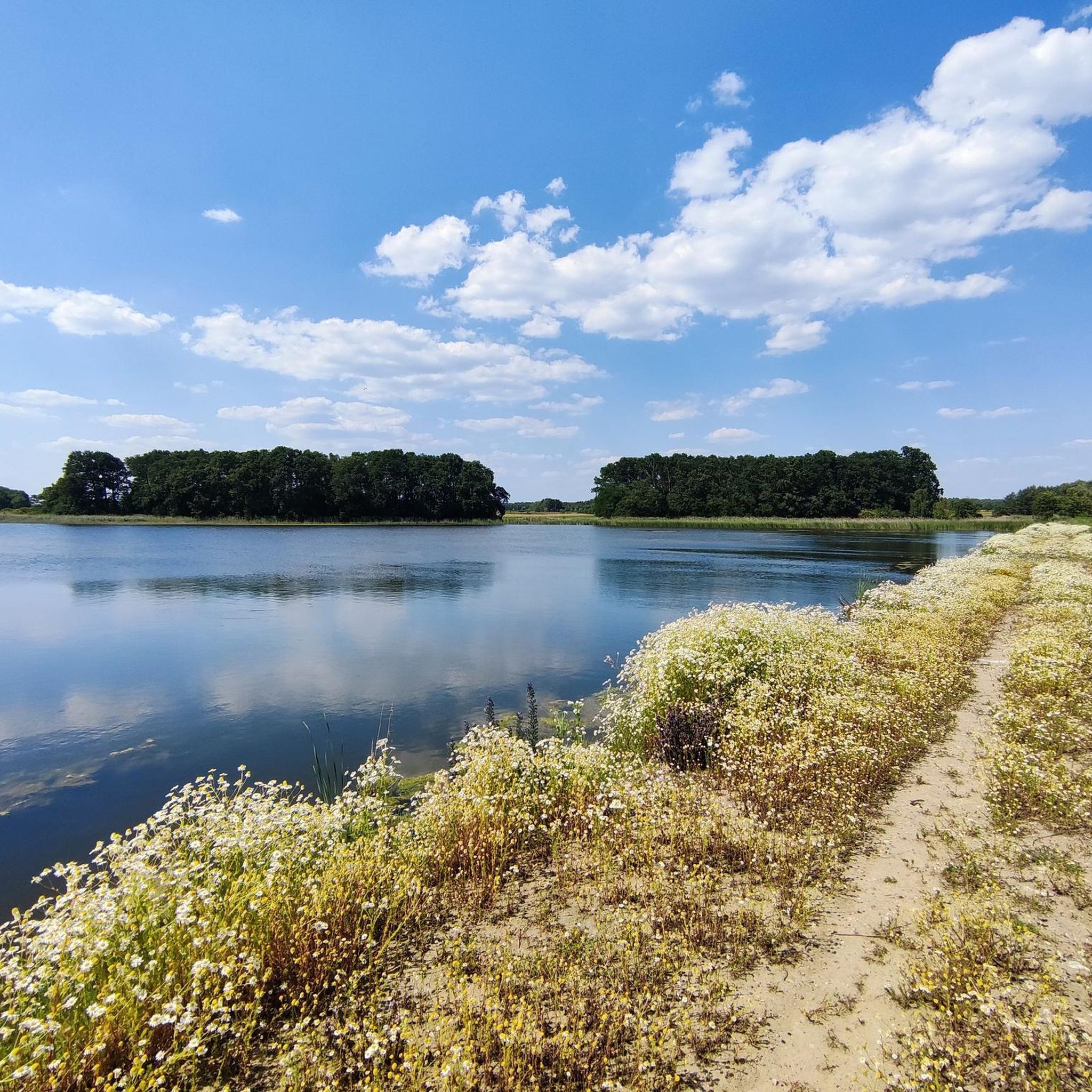
Cycling around powiat gnieźnieński
Hiking around powiat gnieźnieński
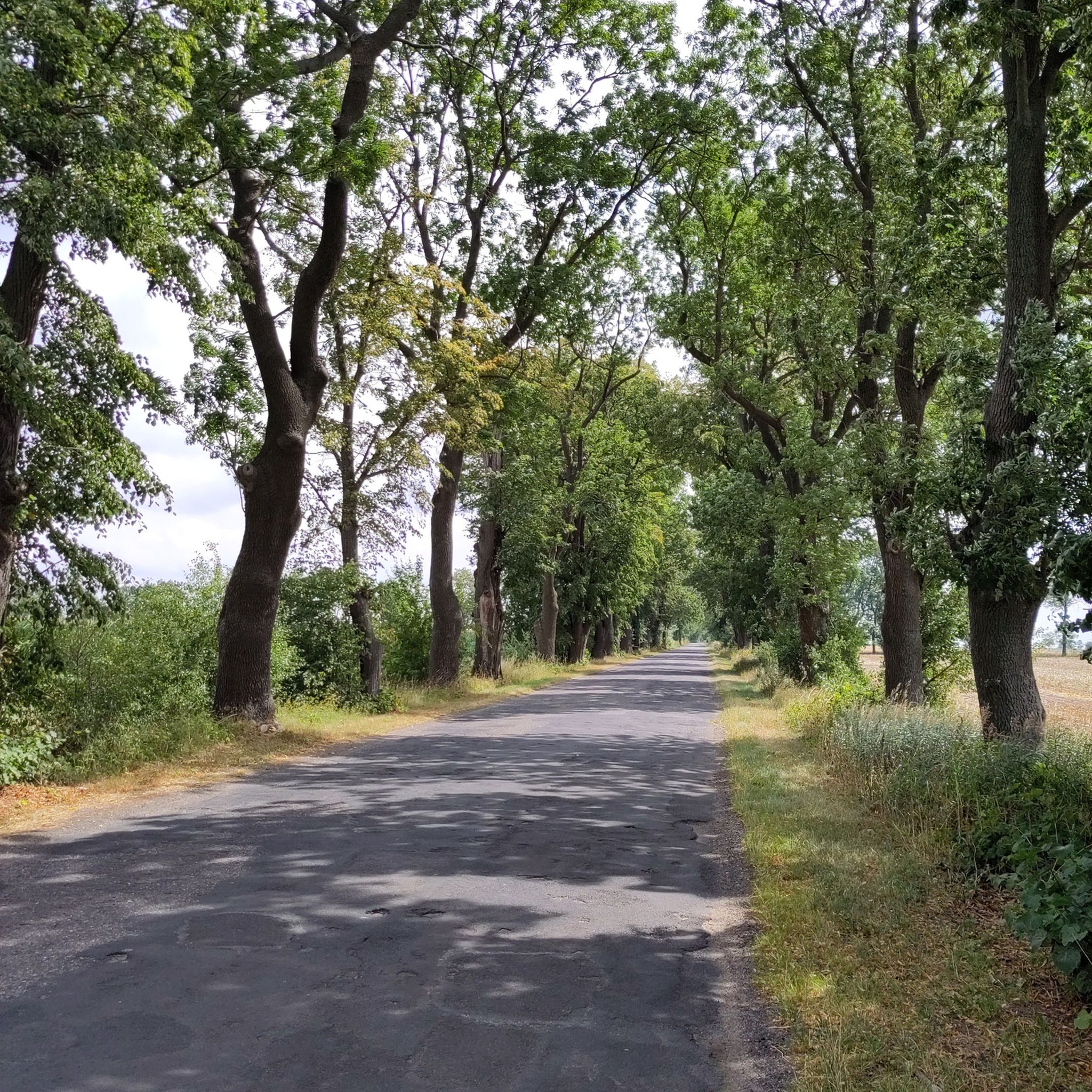
Road Cycling Routes around powiat gnieźnieński
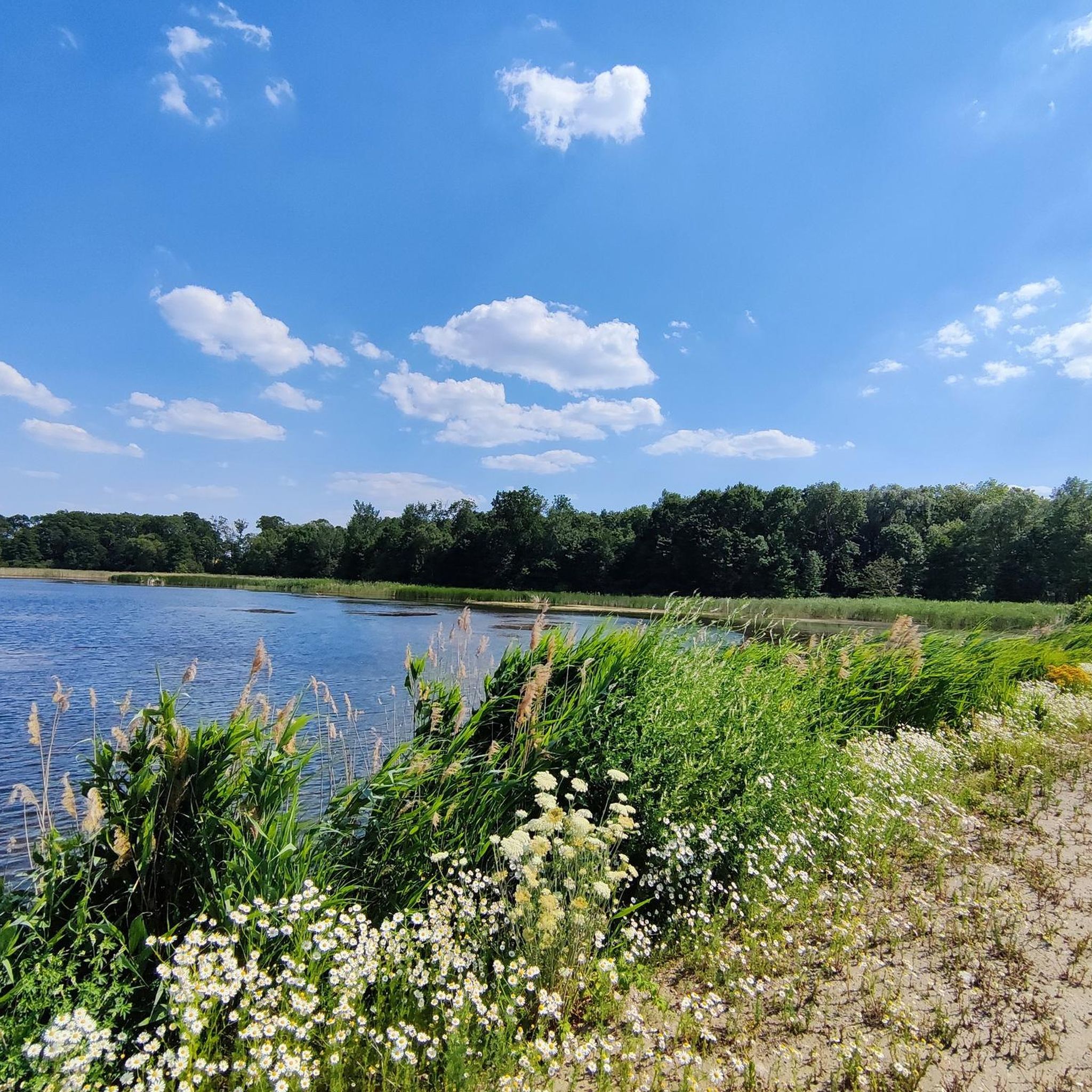
Running Trails around powiat gnieźnieński
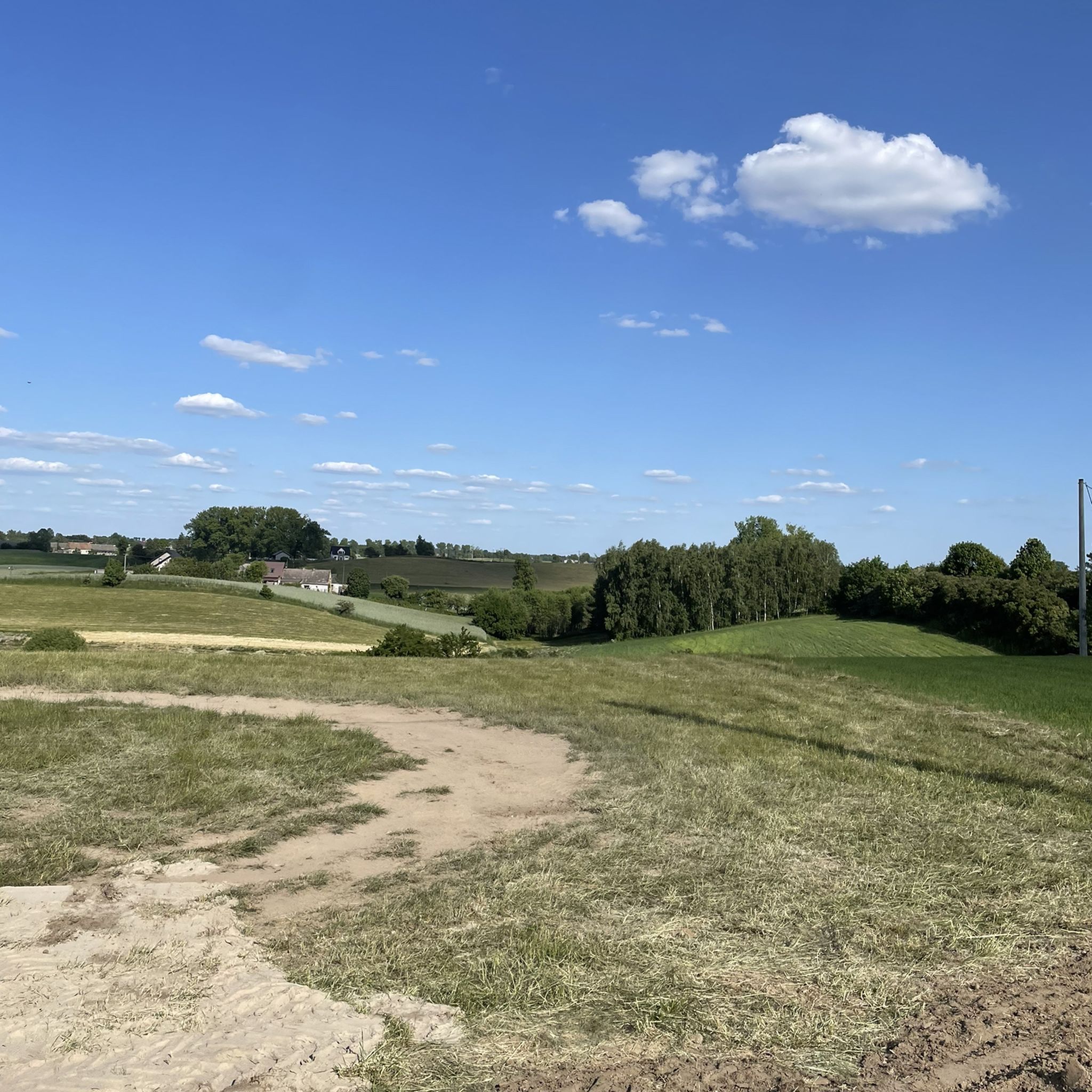
MTB Trails around powiat gnieźnieński
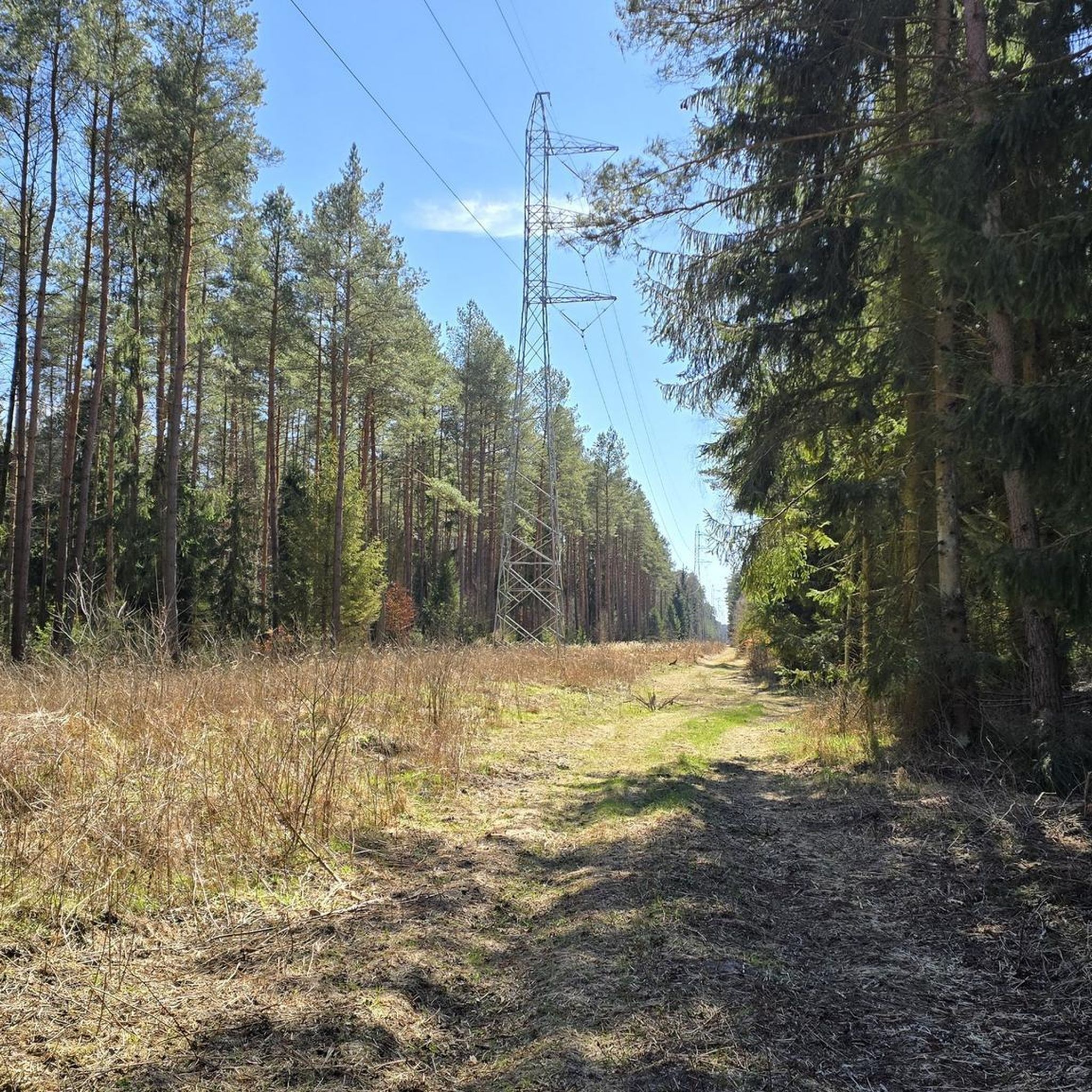
Gravel biking around powiat gnieźnieński


Tips from the Community

On the night of August 19-20, 2026, the historic building caught fire, causing the wooden attic to collapse onto the next level of the building. The roof was almost completely destroyed. The building, located on the outskirts in a sparsely populated area, had been empty and unsecured for several years - it was easy to enter. Authorities do not rule out arson.
0
0

Gniezno Cathedral is considered one of the most important religious buildings in Poland. Since the 15th century, the church has served as both the seat of the Archbishop of Gniezno and the Primate of Poland. The Gniezno Double Doors, made of bronze, are of great significance on a European scale.
2
0

The Market Square is located in the Old Town on Panieński Hill, one of Gniezno. After a devastating fire in 1819 that destroyed most of Gniezno, the square was rebuilt according to new urban planning that created a spatial axis between the cathedral and the evangelical church, with only two original medieval buildings surviving. Today the cobblestone square features a fountain inaugurated in 2014, and during winter months it hosts a 10-12 meter Christmas tree and an ice rink that has operated since 2008.
2
0
A Gothic archcathedral located on Lech Hill, serving as the burial place of Saint Adalbert and the site of five royal coronations since 1000 AD. Known as the "Mother of Polish Churches," it has been the seat of Polish primates and was designated as a minor basilica in 1931. The cathedral houses the famous Gniezno Doors, bronze doors from around 1175 that depict scenes from Saint Adalbert's life.
2
0

Marzec Ice Cream Studio - true handmade work. I recommend it!
1
0

Chata pod Lipami in Burem is a place located in the buffer zone of the Czerniejewskie Forests. It is often called "Gierkówka" by the locals, because it was here that Edward Gierek, Piotr Jaroszewicz, Andrzej Komorowski came for hunting trips and during the "Polagra" agricultural fairs. In addition to important figures from the world of politics, it also hosted esteemed figures from the world of culture, including Urszula Sipińska, Maryla Rodowicz and the Mazowsze band. The Olender farmstead that is Chata pod lipami is entered in the register of monuments, which makes it a national heritage. The farmstead consists of: an old wooden cottage from 1813 with a thatched roof, a brick farm building dating back to the interwar period and the youngest wooden barn from the early 1970s.
1
0
Manor built at the turn of the 19th and 20th centuries. In 1891, Erazm Brzeski of Bończa coat of arms (1846-1928), the initiator of the construction of the current manor in Królewiec, purchased the farm from Baron Graeve. In the interwar period, Królewiec still belonged to the Mierzewo manor area, and its owner was one of Erazm Brzeski's sons - Jan. After the outbreak of World War II, the village was taken over by the Germans, who named it Königsdorf. After the war, it became the property of the Polish State Treasury. A State Agricultural Farm was established on the site of the former farm, which was legally liquidated in the 1990s. Currently, the manor stands empty and in ruins. (polskiezabytki.pl)
1
0
Frequently Asked Questions
What historical sites can I explore in powiat gnieźnieński?
The region is rich in history, often called the "cradle of the Polish state." You can visit the iconic Gniezno Cathedral, a significant religious building and national symbol. Other notable historical sites include the Niechanowo Palace, a brick Classicist building from 1785, and the Wielkopolski Ethnographic Park in Dziekanowice, an open-air museum showcasing the region's architectural heritage. Don't miss Ostrów Lednicki, an island believed to be the true birthplace of the Polish nation.
Where can I learn about the origins of the Polish state?
To delve into the origins of the Polish state, visit the Museum of the Origins of the Polish State in Gniezno, which features archaeological finds and exhibits on early medieval Poland. The Gniezno Cathedral on Lech Hill is also a crucial site, believed to be where the Polish state originated and where the first five Polish kings were crowned. Ostrów Lednicki, an island nearby, is also considered a significant location in Poland's early history.
Are there any unique religious buildings to visit in the area?
Yes, beyond the prominent Gniezno Cathedral, you can discover the charming St. Martin's Wooden Church in Pawłowo, an interesting example of traditional wooden church architecture from 1762. Another wooden church, St. Michael the Archangel in Grzybowo, also offers a glimpse into the region's sacral heritage. Gniezno also features the Gothic Holy Trinity Church with its distinctive tower and "millennium clock."
What natural attractions can I find in the Gniezno region?
The Gniezno region is known for its beautiful natural landscapes, particularly its lakes. The city of Gniezno itself is nestled among several lakes, including Jelonek, Winiary, and Świętokrzyskie. Lake Jelonek is perfect for tranquil strolls. The Gniezno Lakeland area offers a diverse landscape of moraine hills and periglacial lakes. For a popular beach and holiday resort, visit Plaża Skorzęcin. The Lednicki Landscape Park, very close to Gniezno, also protects unique natural elements.
Are there opportunities for outdoor activities like cycling or mountain biking near these attractions?
Absolutely! The powiat gnieźnieński region offers numerous routes for outdoor enthusiasts. For cycling, you can explore trails like the Lednica red trail or the Czerniejewski yellow trail, both starting from Gniezno. If you prefer mountain biking, consider routes such as the Singletrack by Lake Uli or the Modrze loop. You can find more details and routes on the komoot guide for Cycling around powiat gnieźnieński or MTB Trails around powiat gnieźnieński.
What are some family-friendly attractions in powiat gnieźnieński?
Families will enjoy the Gniezno market, where children can spot playful bronze rabbit statues along the Royal Trail. The Wielkopolski Ethnographic Park in Dziekanowice is an open-air museum that offers an engaging look at traditional village life. The Museum of the Origins of the Polish State in Gniezno also provides an hour-long audio-visual performance that can be captivating for older children. Additionally, the lakes in the region, like Plaża Skorzęcin, offer recreational activities suitable for families.
What do visitors enjoy most about the attractions in powiat gnieźnieński?
Visitors frequently praise the historical significance and well-preserved heritage of the region. The Gniezno market is appreciated for its vibrant atmosphere, historic townhouses, and numerous eateries, making it a pleasant stop. The Gniezno Cathedral is highlighted for its architectural grandeur, historical importance, and the impressive Gniezno Doors. Many also enjoy the tranquil environment of the lakes and the unique charm of the wooden churches like St. Martin's Wooden Church in Pawłowo.
Are there any unique cultural experiences or museums in the area?
Beyond the Museum of the Origins of the Polish State, you can explore the Wielkopolska Ethnographic Park in Dziekanowice, an open-air museum that preserves and displays architectural objects and artifacts from the Wielkopolska region. The Gniezno Archdiocese Museum houses one of Poland's richest cathedral treasuries, with a lavish collection of ecclesiastical items. For a unique industrial heritage experience, visit the Gniezno Locomotive Depot, dating back to 1875, featuring a large roundhouse and old train cars.
Can I find any hidden gems or less crowded spots near Gniezno?
For a less crowded experience, consider exploring the smaller wooden churches such as St. Michael the Archangel Wooden Church in Grzybowo, which offers a peaceful glimpse into local history. The Cottage Under the Linden Trees (Chata pod Lipami) in Burem, an Olender farmstead from 1813, is a registered monument with a rich history, often overlooked by larger crowds. Exploring the historic streets of Gniezno's Old Town beyond the main square can also reveal charming, quieter corners.
What is the Royal Trail in Gniezno?
The Royal Trail (Trakt Królewski) is a unique walking path through Gniezno's Old Town. It's an engaging way to explore the city's history, featuring monuments of Polish kings and delightful bronze rabbit statues. This trail connects many of the city's historical points of interest, offering a pleasant and informative stroll through the heart of Poland's first capital.
Are there any viewpoints in powiat gnieźnieński?
For panoramic views of Gniezno and its surroundings, you can climb the tower of the Gniezno Cathedral. This offers a unique perspective of the city, including its lakes and the historic Old Town. The moraine hills within the Gniezno Lakeland area also provide elevated spots with scenic vistas of the diverse landscape.
What kind of architecture can I see in the region?
The region showcases a variety of architectural styles. The Gniezno Cathedral is a prime example of Gothic architecture. You'll also find traditional wooden church architecture, such as the St. Martin's Wooden Church in Pawłowo. The Niechanowo Palace is a significant brick Classicist building from the 18th century. Additionally, the Canon's Residential Buildings on Tumska, Laskiego, and Kolegiaty streets in Gniezno display Baroque and Late Renaissance features.
Is there a good place for a relaxing stroll in Gniezno?
Yes, for a relaxing stroll, you can enjoy Kosciuszki Park, a lovely green space in Gniezno. The area around Lake Jelonek also offers a tranquil environment perfect for walks. Additionally, the historic streets of Gniezno's Old Town, particularly the Gniezno market and the Royal Trail, provide a charming setting for a leisurely walk amidst historical buildings and monuments.
Most popular routes around powiat gnieźnieński
Most popular attractions around powiat gnieźnieński

Get inspired with the komoot mobile app


Didn’t find what you were looking for?
Are you keen on exploring more awesome places nearby? Browse our guides:
Explore more
Still not found the Highlight you’re looking for? See guides of the top attractions in other regions:
