The best cycling routes around Lurgie Loch
3.7
(20)
222
riders
41
rides
Touring cycling around Lurgie Loch offers routes through a remote and rugged landscape, characterized by dramatic scenery and a wilderness feel. The region features winding roads and tracks, often flanked by imposing mountains and hills, with shimmering lochs and blanket peat bogs. Cyclists can expect varied terrain, including both paved and unpaved surfaces, forest tracks, and gravel sections.
Best touring cycling routes around Lurgie Loch
- The most popular touring cycling route is Greenlaw to Longformarcus loop via Watch Water Reservoir…
Last updated: July 8, 2026
38.7km
02:47
480m
480m
Hard bike ride. Very good fitness required. You may need to push your bike for some segments of this route.
5.0
(3)
38
riders
49.8km
03:05
480m
480m
Hard bike ride. Very good fitness required. Mostly paved surfaces. Suitable for all skill levels.

Sign up for free
6
riders
26.0km
01:40
310m
310m
Moderate bike ride. Good fitness required. Mostly paved surfaces. Suitable for all skill levels.
1
riders
31.0km
02:01
390m
390m
Moderate bike ride. Good fitness required. Mostly paved surfaces. Suitable for all skill levels.
5.0
(2)
2
riders
58.6km
03:30
410m
410m
Moderate bike ride. Good fitness required. Mostly paved surfaces. Suitable for all skill levels.
Get access to more routes and recommendations from other explorers.
Sign up for free
Already have an account?
Our route recommendations are based on thousands of hikes, rides, and runs completed by other people on komoot.
Start today with a free account
Your next adventure awaits.
Login or Signup
Tips from the Community


The abbey was a major building featuring a rare double-cruciform plan with two crossings and two towers. It became the burial site for royalty.
0
0

this exists irl and it did not collapse when we cycled over it. it made an interesting and exciting noise as we rode across
0
0

Not actually a cycle bridge, your expected to dismount. But its fun if you don't.
0
0

From a distance, the roof of the building, which stands on a small hill, and the striking red columns shimmer through the trees. The architecture could indicate a small round temple or a pavilion. As you get closer, you can see people inside - no, there are statues placed there! "THE MUSE OF NATURE" is the title of the work of art.
0
0

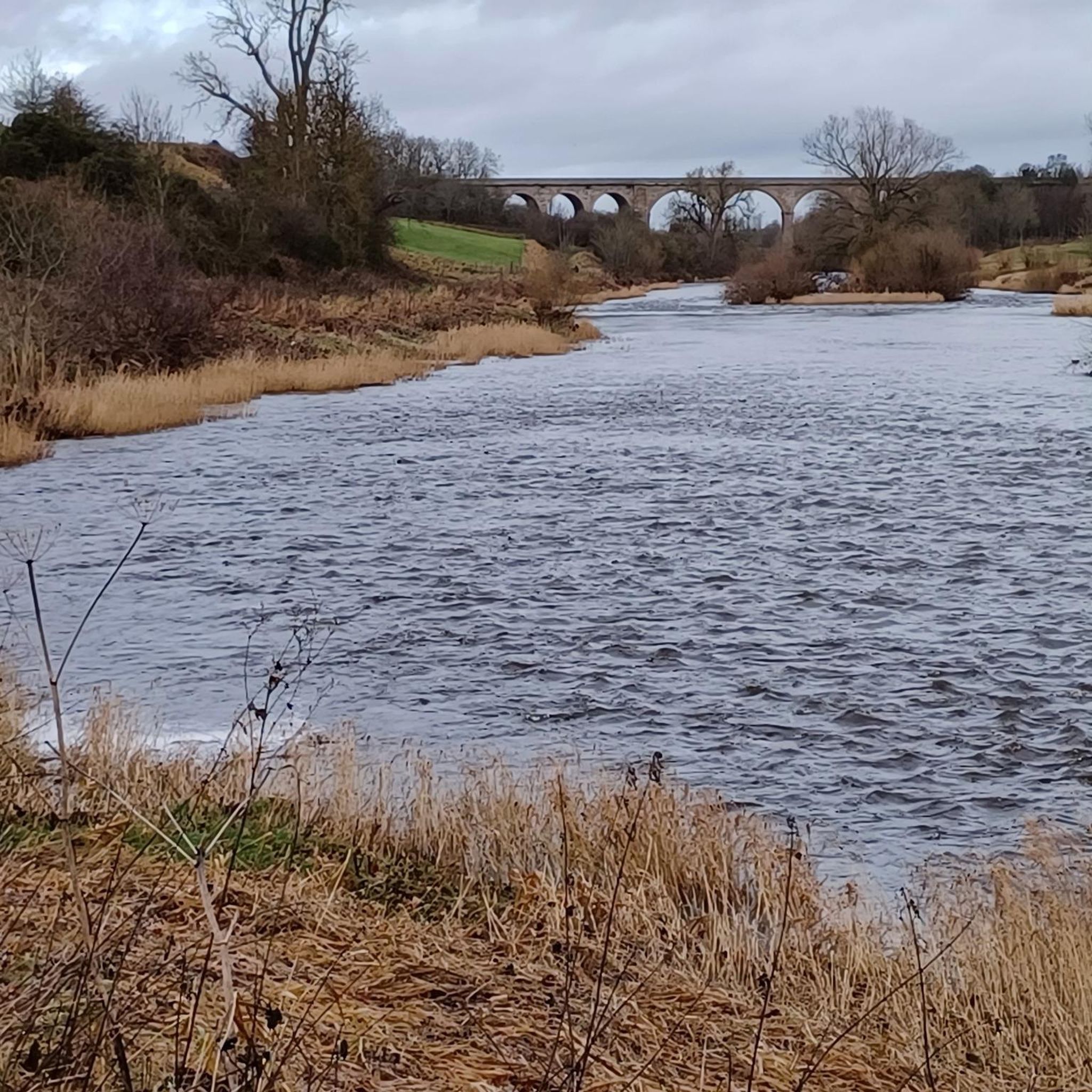
If you are visiting the Dryburgh Abbey in the Scottish Borders, you might want to cross the Dryburgh Suspension Bridge* over the River Tweed. This footbridge was first built in 1817as the first chain bridge in Scotland, but it was blown down twice and replaced by a steel wire cable suspension bridge in 1911. The bridge has a span of about 260 feet and offers scenic views of the river and the surrounding landscape. The bridge was refurbished in the early 1990s and is open to the public.
1
0

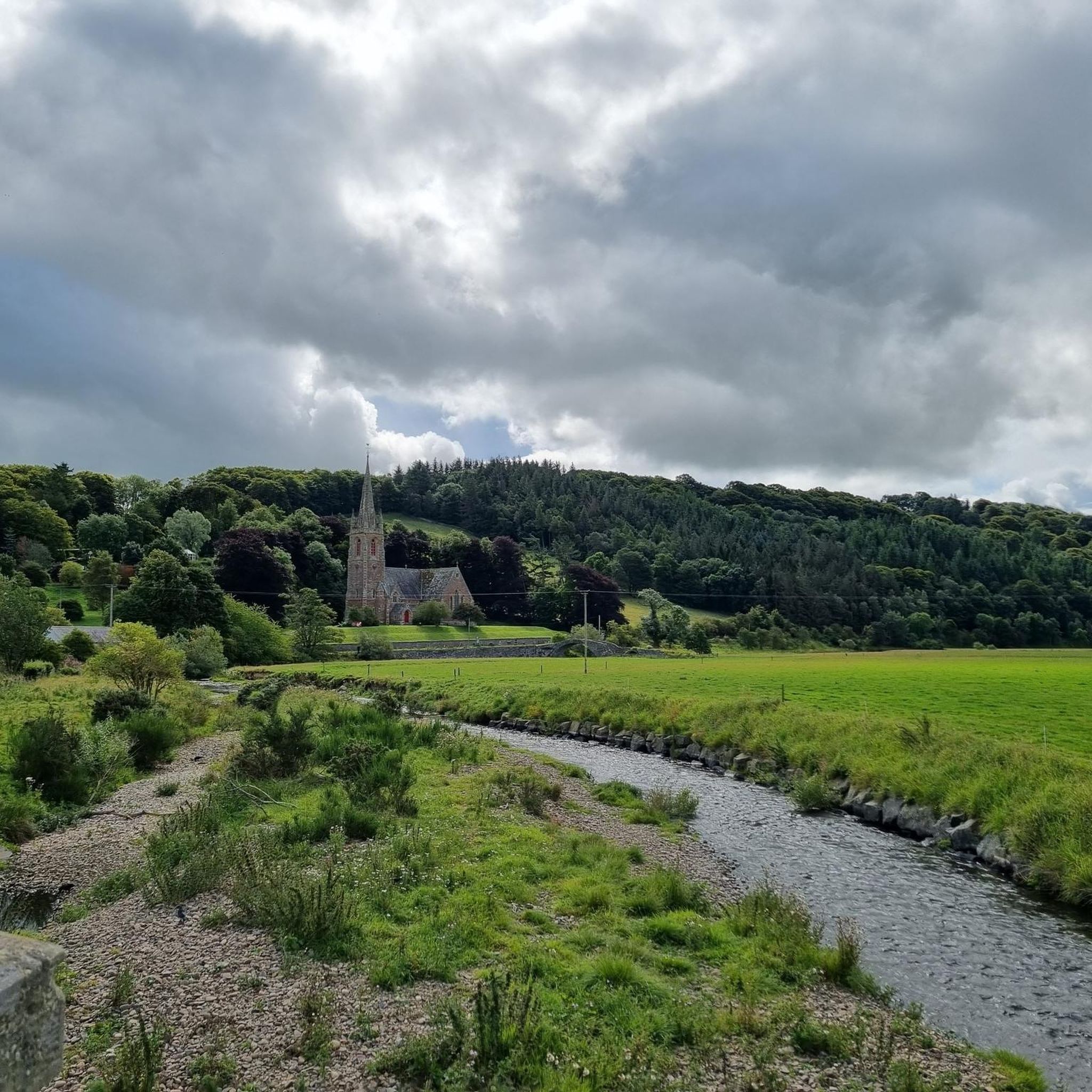
Makerstoun Kirk is a historic parish church in the Scottish Borders known for its simple yet charming architectural style It’s believed to have origins dating back to the medieval period, with parts of the current structure likely dating from the 17th century.
0
0
Hume Castle is a historic fortress located near the village of Hume. Built in the 13th century by the influential Home family, it served as a strategic defensive stronghold in a turbulent border region between Scotland and England. Today you can explore its ruins and enjoy panoramic views of the surrounding countryside.
0
0
Frequently Asked Questions
What kind of terrain can I expect on touring cycling routes around Lurgie Loch?
Touring cycling around Lurgie Loch offers a varied terrain. You can expect a mix of paved and unpaved surfaces, including forest tracks and gravel sections. The routes often feature winding roads through remote and rugged landscapes, with some sections involving steep uphill and downhill climbs. The area is characterized by dramatic scenery, including imposing mountains and shimmering lochs, and a wilderness feel.
Are there touring cycling routes for all skill levels in Lurgie Loch?
While the region is known for its challenging and remote routes, there are options for various abilities. Out of 41 touring cycling routes, 4 are considered easy, 23 are moderate, and 14 are difficult. This means both experienced cyclists seeking a challenge and those looking for a more relaxed ride can find suitable paths.
What natural features and landmarks can I see while cycling around Lurgie Loch?
The Lurgie Loch area, part of the Assynt-Coigach National Scenic Area, is rich in dramatic natural beauty. Cyclists can expect to see imposing mountains like Cùl Beag and Sgòrr Tuath, and the distinctive Stac Pollaidh. The landscape is characterized by blanket peat bog, numerous smaller lochans, rivers, heather-clad hillocks, and rocky outcrops, offering a true sense of wilderness and stunning views.
Are there any circular touring cycling routes available around Lurgie Loch?
Yes, several touring cycling routes in the Lurgie Loch area are designed as loops. For example, the Greenlaw to Longformarcus loop via Watch Water Reservoir and the Dryburgh Suspension Bridge – Melrose Abbey loop from Kelso are popular circular options, allowing you to start and finish at the same point.
Is there parking available for touring cyclists near Lurgie Loch?
Given the remote nature of the Lurgie Loch area, specific designated parking facilities for every trailhead might be limited. However, for routes starting from towns like Kelso, as seen with tours like the Floors Castle – Walled Garden at Floors Castle loop from Kelso, you would typically find parking options within or near the town centers. For more remote starting points, roadside parking might be available, but it's advisable to check specific route details on komoot for recommendations.
How accessible are the touring cycling routes around Lurgie Loch by public transport?
The Lurgie Loch area is known for its remoteness, which means public transport options might be limited compared to more urban areas. While some larger towns in the broader region may have bus services, direct access to many trailheads around the loch itself via public transport could be challenging. Planning for self-transport or checking local bus schedules for specific starting points is recommended.
When is the best time of year to go touring cycling around Lurgie Loch?
The best time for touring cycling around Lurgie Loch is generally during the warmer, drier months, typically from late spring to early autumn (May to September). During this period, you'll experience longer daylight hours and more favorable weather conditions. However, be prepared for changeable Scottish weather at any time of year. The remote nature of the area means conditions can shift quickly.
Are the touring cycling routes around Lurgie Loch suitable for families?
While the region offers a wilderness experience, some of the easier routes might be suitable for families with older, experienced children. However, many routes are rated moderate to difficult, featuring significant elevation gain and varied terrain, which might be challenging for younger children or less experienced family members. It's best to check the difficulty rating and terrain description of individual routes on komoot, such as the 4 easy routes available, before planning a family outing.
Can I bring my dog on the touring cycling routes in Lurgie Loch?
The Lurgie Loch area is a wild and natural landscape, and generally, dogs are welcome on public access routes in Scotland, provided they are kept under control. However, given the presence of livestock and wildlife in this remote region, it is crucial to keep dogs on a lead, especially during lambing season or when near farm animals. Always follow the Scottish Outdoor Access Code and be mindful of other users and the environment.
What do other touring cyclists enjoy the most about touring cycling in Lurgie Loch?
The touring cycling experience around Lurgie Loch is highly rated by the komoot community, with an average score of 3.6 stars from over 19 reviews. Cyclists often praise the stunning scenery, the sense of wilderness, and the challenging yet rewarding nature of the routes. The opportunity to immerse oneself in the remote and rugged beauty of the Assynt-Coigach National Scenic Area is a key draw for many.
Are there any cafes or pubs near the touring cycling routes for refreshments?
Due to the remote and wild nature of the Lurgie Loch area, amenities like cafes and pubs are sparse directly along many of the routes. Cyclists should plan to be self-sufficient, carrying enough food and water. You might find establishments in larger nearby settlements, but it's advisable to check their locations and opening hours in advance, especially if your route passes through or near a village.
What is the longest touring cycling route available around Lurgie Loch?
Among the listed routes, the Border Loop is one of the longer options, covering approximately 58.6 km (36.4 miles). This moderate route offers an extended journey through the region's diverse landscapes, providing a significant touring experience.
Most popular routes around Lurgie Loch

Get inspired with the komoot mobile app


Explore more
Browse the best Cycling routes in other regions.
