Attractions and Places To See in Meerdaalwoud - Top 20
Best attractions and places to see in Meerdaalwoud include a sprawling woodland located east of Brussels and south of Leuven in central Belgium. This area, together with Heverleebos and Egenhovenbos, forms the largest mixed deciduous forest in Flanders. It features ancient oaks, diverse flora, and a rich animal life, including the oldest roe deer population in Flanders. The forest also holds historical significance, with sites like the Tomberg having served as a forest court until the late 17th century.
Best…
Last updated: May 4, 2026
Ad Wouters Animal Sculptures – Brabantse Wouden National Park
Highlight • Monument
Translated by Google •
Tip by

Tomberg Summit — Bench and Gazebo
Highlight • Summit
Translated by Google •
Tip by

Sign up now to discover places like this
Get recommendations on the best single tracks, peaks, & plenty of other exciting outdoor places.
Sign up for free
Stone Well and Forest Trail in Nationaal Park Brabantse Wouden
Highlight • Natural
Translated by Google •
Tip by

Tomberg Hill and Bench
Highlight • Viewpoint
Translated by Google •
Tip by

Meerdaalwoud Forest Path
Highlight (Segment) • Trail
Tip by

Sign up for free to discover even more attractions in Meerdaalwoud.
Sign up for free
Already have an account?
Start today with a free account
Your next adventure awaits.
Login or Signup

Other adventures in Meerdaalwoud

Tips from the Community

The Hertebron is a spring in the Meerdaalbos in the southwest of the Belgian municipality of Oud-Heverlee. The spring is located southeast of Sint-Joris-Weert behind the campsite La Hetraie and approximately 500 meters southwest of the youth hostel "De Kluis", and lies at the end of the Paddenpoeldal. A wall of pebbles has been built around the spring. The water from the spring is used as drinking water and is periodically tested for quality.
0
0
De Hertebron is a spring in the Meerdaalbos, in the southwest of the Belgian municipality Oud-Heverlee. The spring is located southeast of Sint-Joris-Weert behind the campsite La Hetraie and approximately 500 meters southwest of the youth hostel "De Kluis", and is located at the end of the Paddenpoeldal. Around the spring, a low wall of pebbles has been built. The water from the spring is used as drinking water and is periodically tested for quality. The spring is located at the intersection of Kleinstraat and August Dentenneerpad.
0
0

I don't understand who creates such highlights without any knowledge of the subject. That's a source (Hertebron).
1
0

Here you already have the feeling of the Ardennes...
4
0

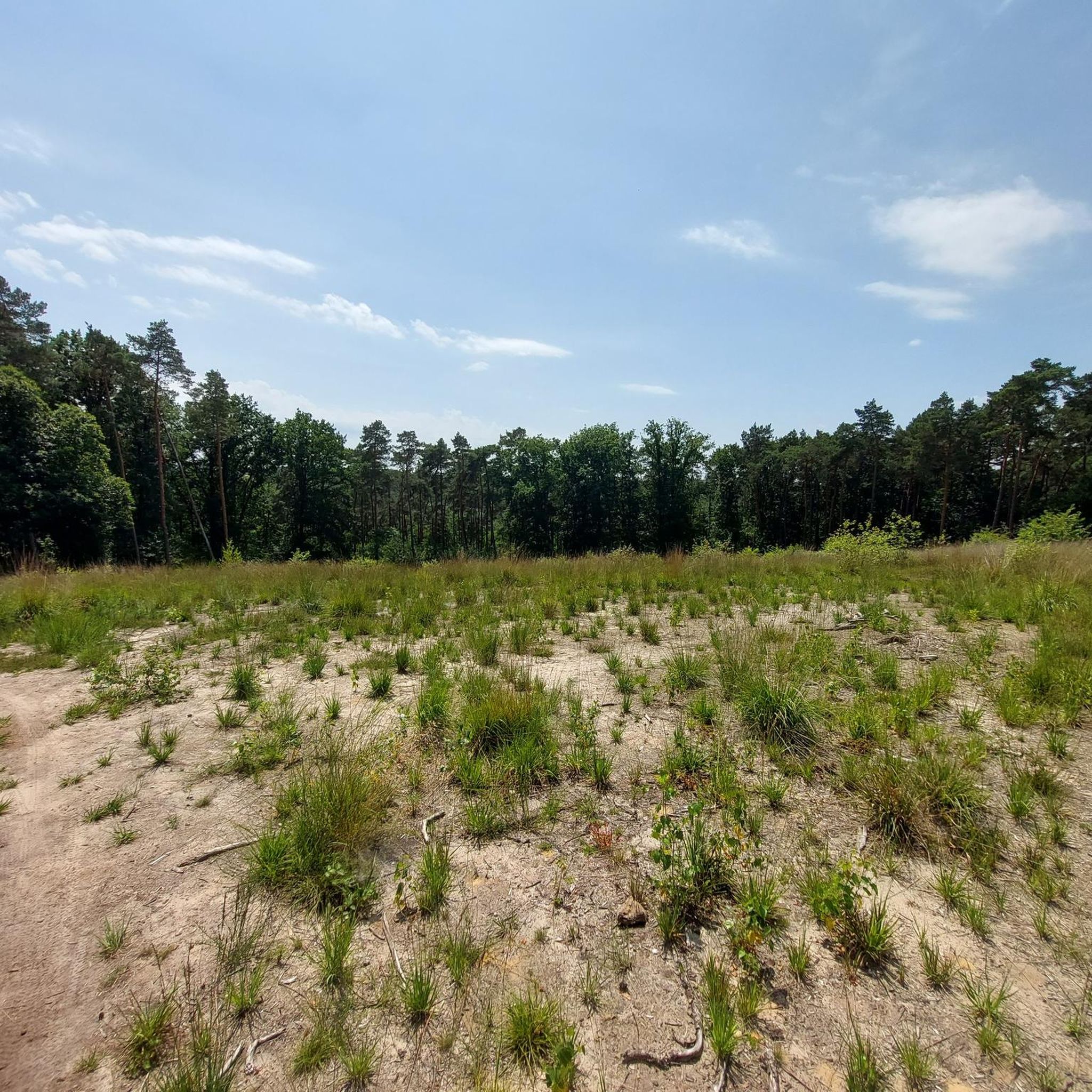
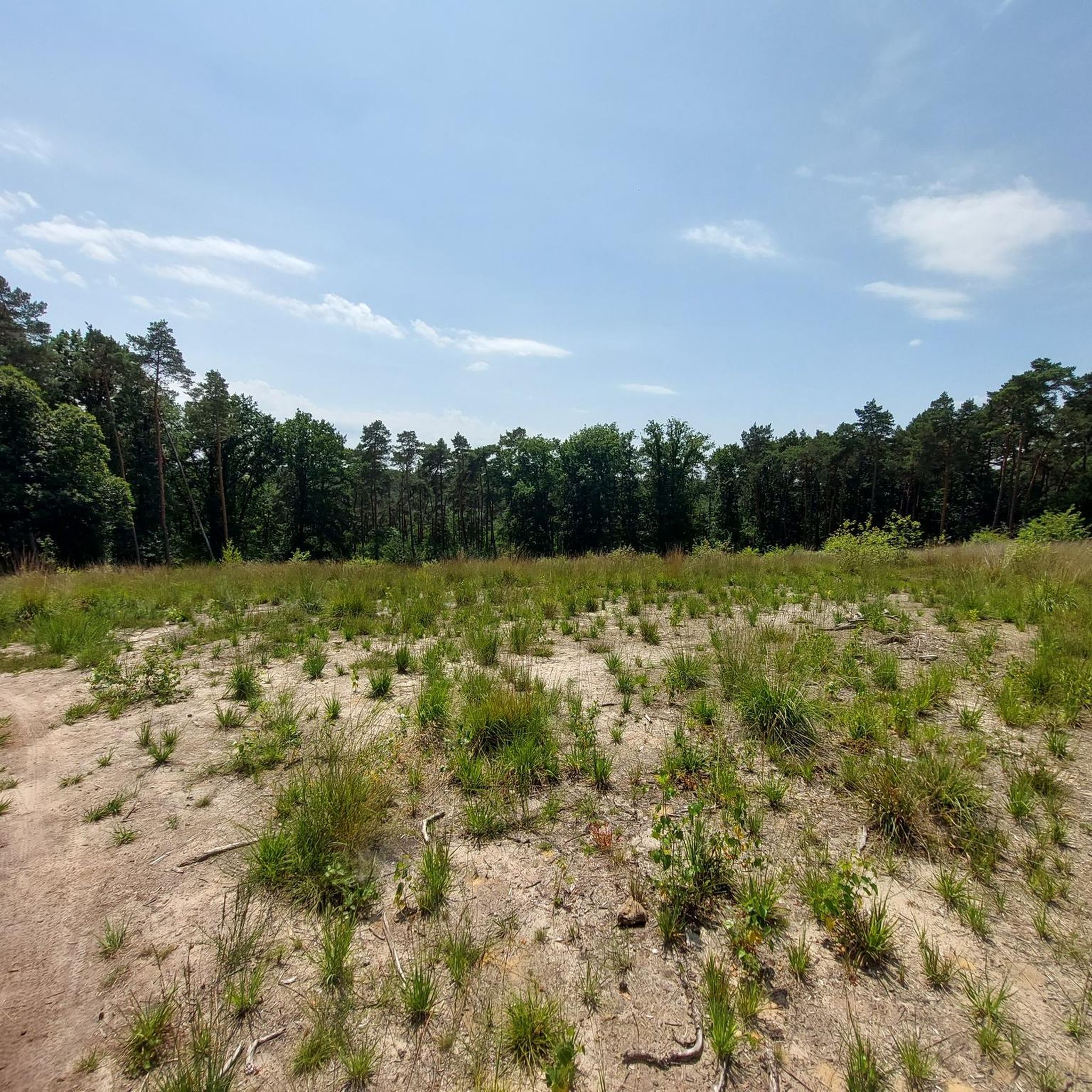
On top of the dune hill that is the Tomberg you will find a - currently partly broken - bench around an ever-growing tree where you can sit under. There is an information board and you are surrounded by heathland, a piece of grassland, sandy roads and during this period a beautiful sea of ferns.
6
0
The Tomberg is the second highest place in the forest (102 m). It is not a prehistoric burial mound (or tomb) as our ancestors thought, but a natural elevation, a dune mound that millions of years ago, together with the Mommendeel mound, actually protruded above the sea at that time. It is here that the illustrious forest court sat for hundreds of years. In the Middle Ages, every free man was in principle allowed to hunt without restriction in forests, meadows and swamps. The big exception were the free forests, the private forests of the dukes. Meerdaalwoud was such a free forest and hunting rights belonged exclusively to the Duke of Arenberg. At first the forest court was itinerant and justice was administered in the various villages. Later, a special building was erected here on the Tomberg for the court hearings. Later still, a hearing was held at Heverlee castle. The punishments were not lenient, but it is thanks to that forest justice that the forest still exists today and has not been sacrificed to the needs of the farmers and citizens in the area. The forest right came to an end with the arrival of the French in 1795. You can read this - and much more - at https://www.onroerenderfgoed.be/archeologische-fietstocht-heverlee
5
1
The Tomberg is the second highest place in the forest (102 m). It is not a prehistoric burial mound (or tomb) as our ancestors thought, but a natural elevation, a dune mound that millions of years ago, together with the Mommendeel mound, actually protruded above the sea at that time. It is here that the illustrious forest court sat for hundreds of years. In the Middle Ages, every free man was in principle allowed to hunt without restriction in forests, meadows and swamps. The big exception were the free forests, the private forests of the dukes. Meerdaalwoud was such a free forest and hunting rights belonged exclusively to the Duke of Arenberg. At first the forest court was itinerant and justice was administered in the various villages. Later, a special building was erected here on the Tomberg for the court hearings. Later still, a hearing was held at Heverlee castle. The punishments were not lenient, but it is thanks to that forest justice that the forest still exists today and has not been sacrificed to the needs of the farmers and citizens in the area. The forest right came to an end with the arrival of the French in 1795. You can read this - and much more - at https://www.onroerenderfgoed.be/archeologische-fietstocht-heverlee
7
0
The bench is partly broken, the gazebo is a bit outdated, but it remains wonderful under that tree with a view of heather and ferns. Especially at this time of year, this is a wonderful place for those who love quiet places full of ferns that strive to become the largest and have the most beautiful shades of green. Some of the small paths at the base of the hill are near small stretches of water with life. Those seeking peace and quiet come here outside busier periods to enjoy a jungle of ferns in a wonderful open space. The views from the paths below to the ferns on the hillsides demand beautiful photos.
5
0
Frequently Asked Questions
What family-friendly activities are available in Meerdaalwoud?
Meerdaalwoud offers several options for families. Children will enjoy the Ad Wouters Animal Sculptures, large wooden artworks depicting local wildlife spread throughout the forest. The De Speelberg Reception Zone also features the "Everzwijnbad" play zone with a giant forest mikado and climbable wooden structures, perfect for younger visitors.
What historical sites can I explore in Meerdaalwoud?
The Tomberg Summit is a significant historical site. This second-highest point in the forest was historically the location of a forest court until the late 17th century, and archaeological finds of flint tools suggest prehistoric human activity. Meerdaalwoud itself was also a "Free Wood" from 1406 to the 18th century, with its own independent law court.
Are there good hiking trails in Meerdaalwoud?
Yes, Meerdaalwoud is a popular destination for hiking. You can find a variety of trails, from easy strolls to more challenging routes. For detailed options, explore the Hiking in Meerdaalwoud guide, which includes routes like the moderate Mollendaal Shelter loop or easier paths such as the Narrow beech avenue loop.
Where can I find panoramic views in Meerdaalwoud?
For panoramic views of the vast forest, visit the De Torenvalk Reception Zone. This modern area features a wooden watchtower with an exhibition, offering excellent vantage points over the surrounding woodlands.
What unique natural features can I discover in the forest?
Meerdaalwoud is rich in natural features. You can find ancient oaks, some over 300 years old, and diverse flora including dry heath, pine forests, and carpets of wood anemones in spring. Don't miss the Minnebron, a natural spring providing drinkable water, or the open heathland area at Tomberg Summit.
Can I go cycling in Meerdaalwoud?
Absolutely, Meerdaalwoud is well-suited for cycling, including gravel biking. The Gravel biking in Meerdaalwoud guide offers routes like the Meerdaal Forest and Heverlee Forest loop, which can be moderate to difficult depending on the starting point.
What kind of wildlife can I expect to see?
Meerdaalwoud is home to a diverse animal life. You have a good chance of spotting roe deer, especially at dusk near the forest edges or in open clearings, as the forest hosts the oldest roe deer population in Flanders. There's also a bird observation hut for spotting local avian species.
Are there any challenging trails for experienced hikers or cyclists?
Yes, for those seeking a challenge, The Long Path, Meerdaalwoud is highly recommended. This trail offers a mix of downhill, uphill single trails, and technical sections, making it ideal for experienced mountain bikers or hikers looking for varied terrain. It's known for its challenging and varied terrain.
What is the best time of year to visit Meerdaalwoud?
Meerdaalwoud is beautiful year-round, but early spring is particularly enchanting when carpets of wood anemones bloom across the forest floor. Autumn also offers stunning colors. The open heathland at Tomberg is especially lovely with heather and ferns.
Are there facilities like picnic areas or toilets available?
Yes, the De Speelberg Reception Zone is well-equipped with picnic facilities and toilets, making it a convenient stop for visitors. It's designed as an "epicenter for the pure forest experience".
What is the Arboretum Heverleebos and is it near Meerdaalwoud?
The Arboretum Heverleebos is adjacent to Meerdaalwoud and features a wide variety of trees and shrubs, including impressive sequoia trees planted in 1961 that reach 28 meters in height. It's a great place to explore diverse tree species right next to the main forest.
Are there any easy hiking routes for beginners or casual walkers?
Yes, Meerdaalwoud offers several easy hiking routes. You can find options in the Easy hikes in Meerdaalwoud guide, such as the Narrow beech avenue loop or the Bivouac Zone De Steenberg loop, which are suitable for beginners and those looking for a relaxed walk.
Most popular routes in Meerdaalwoud
Most popular attractions in Meerdaalwoud

Get inspired with the komoot mobile app


Explore more
Still not found the Highlight you’re looking for? See guides of the top attractions in other regions:
