Attractions and Places To See in Heinzenberg - Top 20
Best attractions and places to see in Heinzenberg encompass two distinct regions: Heinzenberg in Rhineland-Palatinate, Germany, and Heinzenberg in Graubünden, Switzerland. The German region features historical ruins and outdoor activities, while the Swiss area is characterized by alpine landscapes, traditional villages, and extensive hiking opportunities. This diverse geography offers a range of experiences from historical exploration to natural beauty. The area provides numerous trails and natural features for outdoor enthusiasts.
Best attractions and places to see in Heinzenberg
- The most…
Last updated: July 2, 2026
Late Roman fort on the Urft
Highlight • Historical Site
Translated by Google •
Tip by

Urft Valley Trail
Highlight (Segment) • Trail
Translated by Google •
Tip by

Sign up now to discover places like this
Get recommendations on the best single tracks, peaks, & plenty of other exciting outdoor places.
Sign up for free
Römerweiher
Highlight • Lake
Translated by Google •
Tip by

Woodland Music Picnic Shelter
Highlight • Rest Area
Translated by Google •
Tip by

Breakfast Beech
Highlight • Natural Monument
Translated by Google •
Tip by

Sign up for free to discover even more attractions in Heinzenberg.
Sign up for free
Already have an account?
Start today with a free account
Your next adventure awaits.
Login or Signup

Tips from the Community

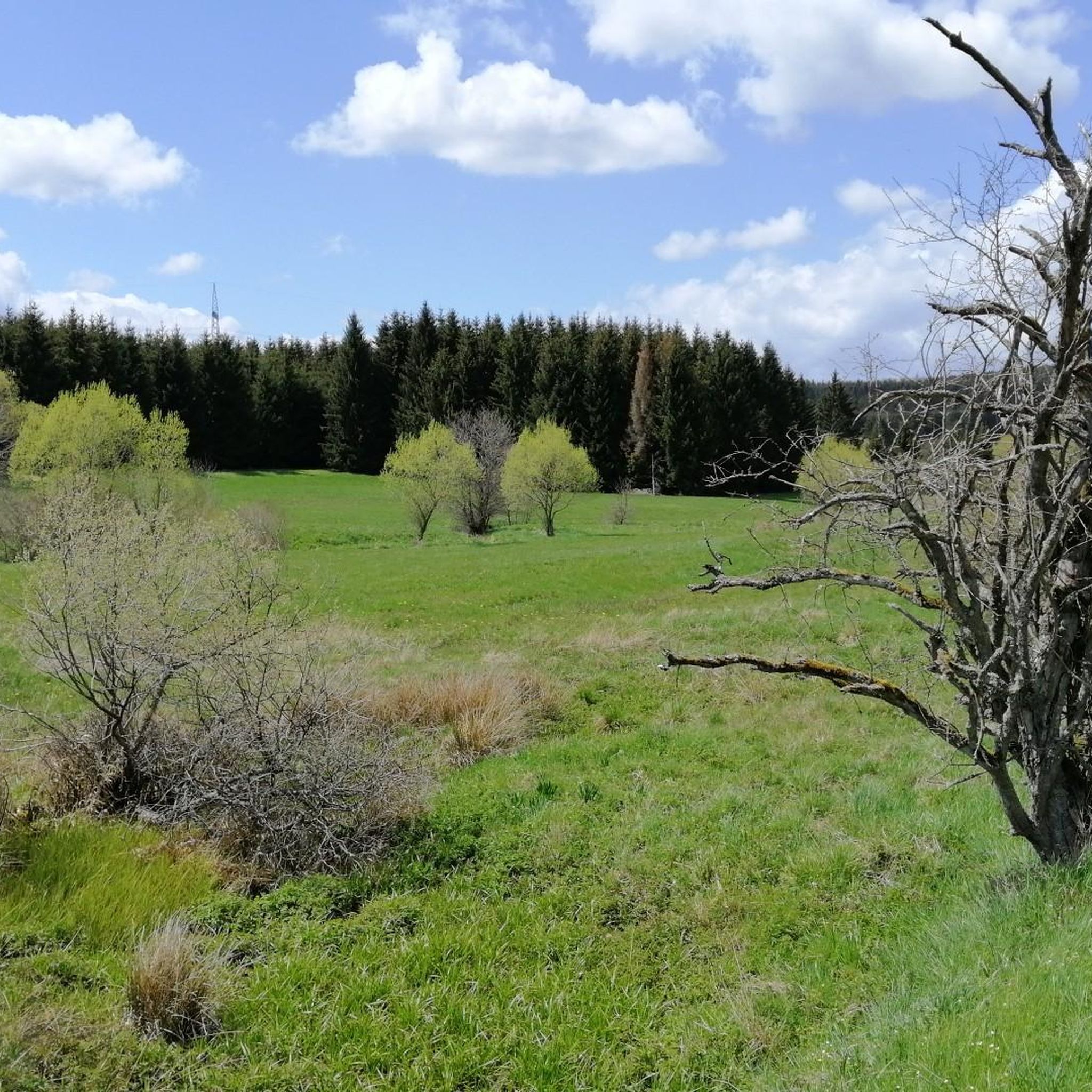
The Breakfast Beech was originally a striking group of three beech trees near Nettersheim in the Eifel region, which sadly no longer exists in its original form. This group of beech trees probably got its name from hikers or forestry workers who traditionally rested there and ate their breakfast. The group of trees became known nationwide because it withstood the severe hurricane Wiebke in 1990, even though large areas of forest were destroyed in the surrounding area. However, the three mighty beech trees fell in 2017. A new tree, often described as a copper beech, was planted in its place to preserve the memory of this special place. The Breakfast Beech is now best known as the namesake of the popular Eifel Loop, the Breakfast Beech, a moderately difficult circular hiking trail with a length of approximately 13 to 14 kilometers. The hike usually starts at the Eifel Nature Center in Nettersheim and leads hikers through a region steeped in history and scenic beauty. Along the route, hikers pass relics of a 19th-century lime kiln, including lime kilns and a limestone quarry. A significant highlight of the hike is the Nettersheim Archaeological Landscape Park, where visitors can discover traces of the Romans. This is where the temple complex of the so-called Görresburg is located, where protective and matronly deities were once worshipped. The hiking route also leads through the Schleifbachtal nature reserve, touches the Roman pond on the Urft River, and repeatedly offers expansive panoramas of the Eifel. The entire tour combines nature experiences, forest trails, and the discovery of Roman history in the Eifel.
0
0

A very nice tour. Suitable for a regular mountain bike or gravel bike. Before Blankenheim train station, there's a section where you have to be careful and it's a bit more difficult to navigate because it's quite narrow. However, the entire route is also suitable for handbikers.
1
0

The Breakfast Beech was a mighty group of beech trees that defied Hurricane Wiebke in 1990. The storm destroyed a large portion of the surrounding forest. By 1993, a total of 23 hectares of mixed forest consisting of common beech, sessile oak, ash, alder, hornbeam, and Douglas fir had been reforested. Unfortunately, in 2017, the beech group had to be felled for safety reasons. A young copper beech was planted in its place as a replacement. Source: https://www.outdooractive.com/mobile/de/route/wanderung/eifelschleife-fruehstuecksbuche-gemeinde-nettersheim-/41641196/
0
0

Now, in April 2025, it seems someone has driven across the road with a Gruber. There are horrible ruts and rough gravel to navigate. Not fun.
2
0

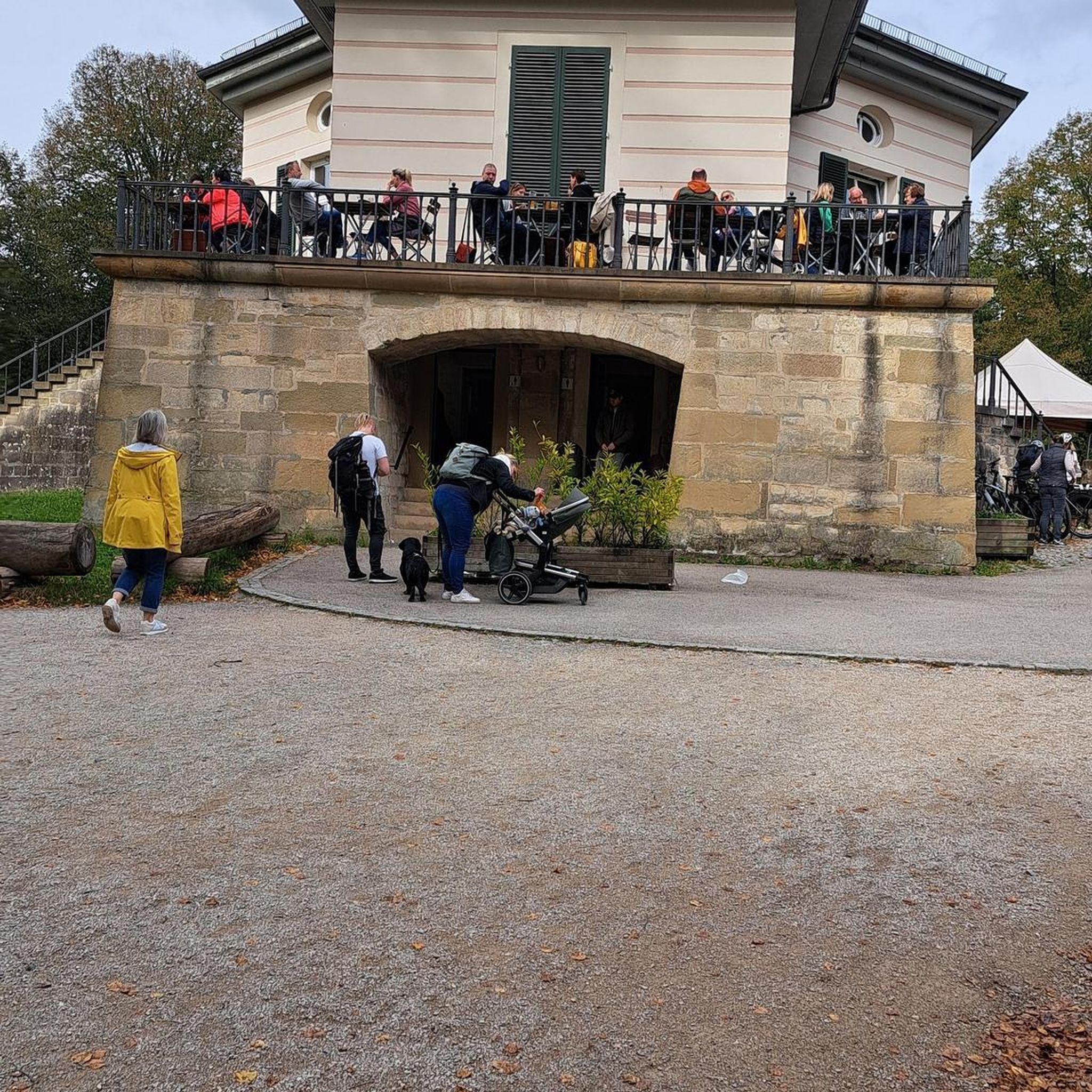
Nice rest area even with a terrace on the lake.
8
0

Super fast, finest gravel, slightly downhill - it rocks...🥳😅
2
0

Really great place and shade in summer
3
0

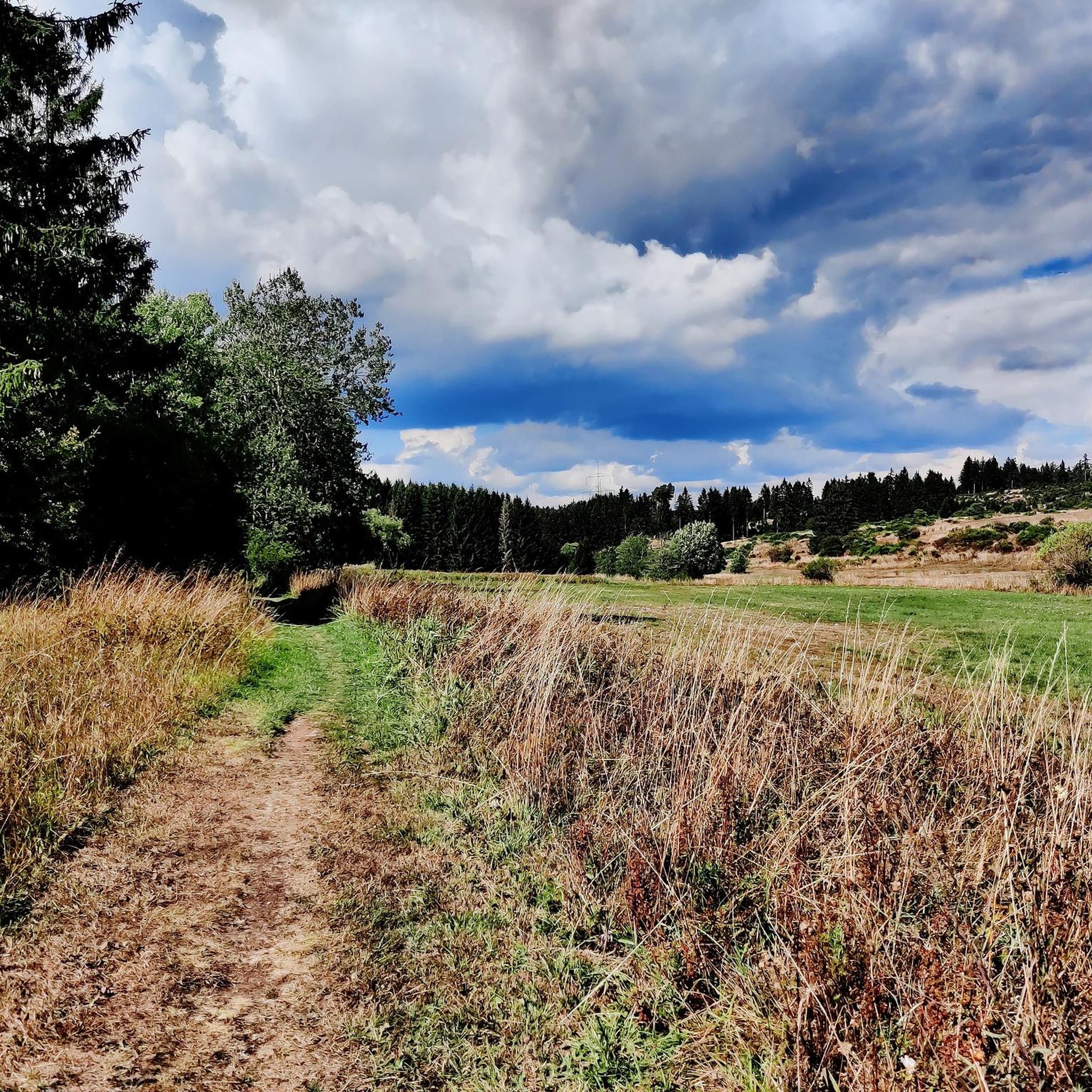
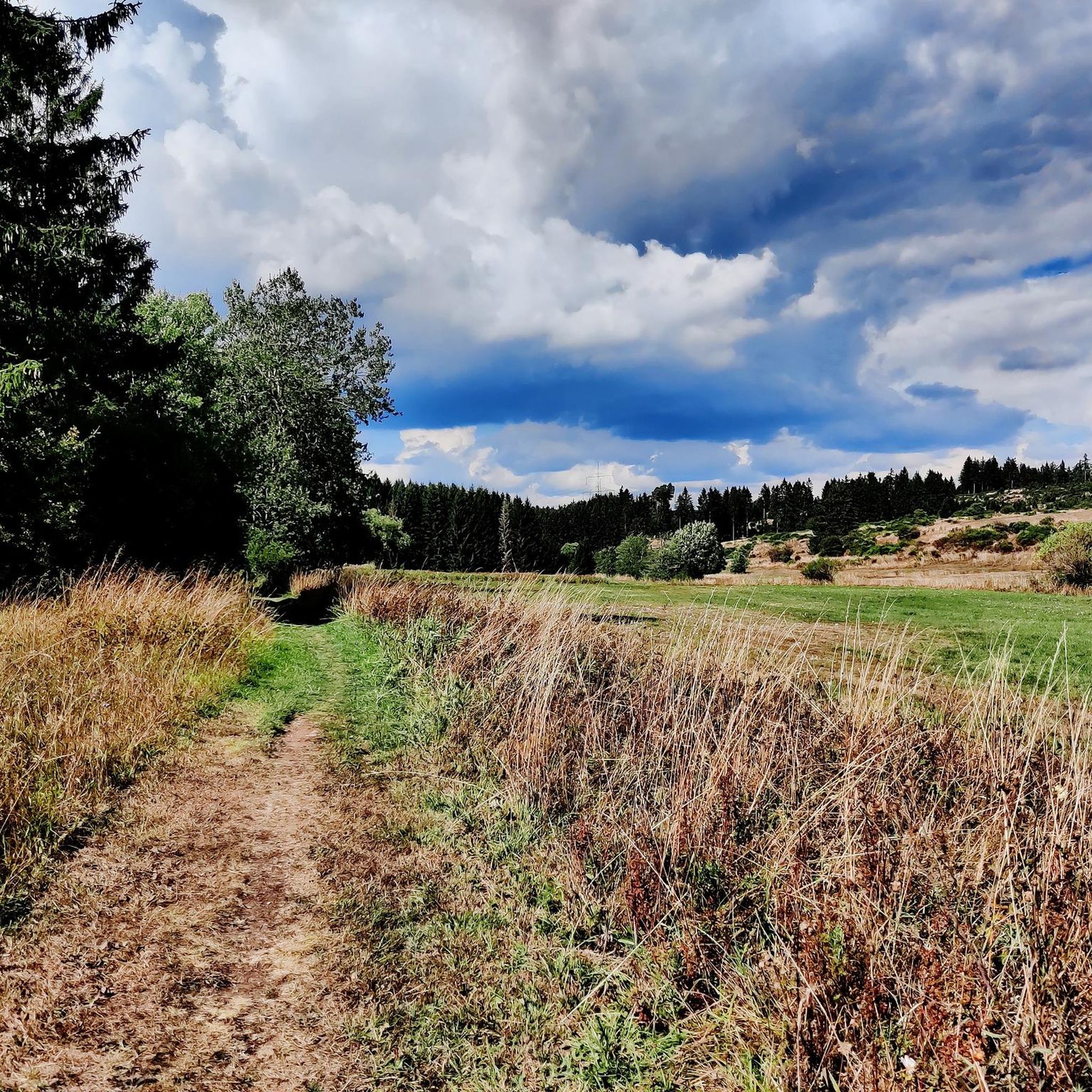
A beautiful path through nature, away from roads.
1
0
Frequently Asked Questions
What historical sites can I visit in Heinzenberg?
Heinzenberg offers a rich history across both its German and Swiss regions. In Germany, explore the visible foundation walls of the Late Roman fort on the Urft, which once controlled traffic at the Urft Bridge. Other notable ruins include Castle Heinzenberg Ruin, Koppenstein Tower and Ruins (offering panoramic views from its keep), Schmidtburg Castle Ruins (on the Soonwaldsteig trail), and Hellkirch Ruins. In the Swiss Heinzenberg, you can visit the remnants of Heinzenberg Castle Ruins near Präz, an extensive complex founded around 1200.
What natural attractions and viewpoints are there in Heinzenberg?
The region boasts diverse natural beauty. In the German Heinzenberg, you can find the idyllic Römerweiher, a pond with a rest area, and the Breakfast Beech, a significant natural monument. The Urft Valley Trail offers expansive views of the Eifel forests. Other natural spots include the tranquil Swing Bench by the Pond in Hahnenbachtal, the Nahe-Skywalk, and the Barfusspfad Bad Sobernheim. In the Swiss Heinzenberg, enjoy the scenic Heinzenberg Mountain Lakes like Patrutg Lake and Bischolsee, and the dramatic Viamala Gorge nearby. The Glaspass also offers stunning panoramic views.
Are there family-friendly attractions in Heinzenberg?
Yes, Heinzenberg has several family-friendly options. The Late Roman fort on the Urft is an engaging historical site for all ages. The Römerweiher provides a peaceful setting with a rest area. The Woodland Music Picnic Shelter is a fun spot where children can create music with tonewoods. In the Swiss region, the Natural Ice Rink Oberurmein (seasonal) and an Outdoor Kart Track offer active fun. The 'A moving mountain' and 'Field Names Trail' in Tschappina also provide unique experiences for families.
What outdoor activities can I do near these attractions?
Heinzenberg is excellent for outdoor enthusiasts. You can enjoy cycling on routes like the 'Nettersheim Town Centre – Urft Valley Trail loop' or the 'Ahr Cycle Route'. For hiking, there are easy trails such as the 'Genfbach Valley – Café at the Roman Spring loop' and the 'Woodland Music Picnic Shelter – Römerweiher loop'. More challenging mountain hikes include the 'Schafbachtal Shelter – Schafbachtal loop'. The Swiss Heinzenberg is particularly known for hiking, cycling, and trail running, with breathtaking views. In winter, the Ski Resort Tschappina/Urmein offers skiing and snowboarding, and the gentle slopes are perfect for snowshoeing. Find more routes at Cycling in Heinzenberg, Easy hikes in Heinzenberg, and Mountain Hikes in Heinzenberg.
Are there any cultural experiences in Heinzenberg?
Yes, the region offers cultural insights. In the German Heinzenberg, the Rheinland-Pfalzisches Freilichtmuseum (Open Air Museum) provides a glimpse into regional culture. The Dorfstraße 3 features a listed timber-framed house from the 19th century. In the Swiss Heinzenberg, explore traditional Walser culture in Tschappina, the highest-lying community, with its scattered farms. Sarn is a typical farming village with a well-preserved authentic core, including a 1686 Protestant church and old farms. The Cultural Archive Cazis and the Tower Clock Museum also offer unique cultural perspectives.
What do visitors enjoy most about Heinzenberg's attractions?
Visitors frequently praise the scenic beauty and tranquility. For instance, the Urft Valley Trail is loved for its fine gravel path and the expansive views of the Eifel forests, described as 'balm for the soul'. The Römerweiher is appreciated as an 'idyllic pond with a rest area and platform'. The Woodland Music Picnic Shelter is noted as a 'nice resting place that invites us to linger'.
What is the best time of year to visit Heinzenberg?
The best time to visit Heinzenberg depends on your preferred activities. For hiking, cycling, and exploring historical sites, spring through autumn (April to October) offers pleasant weather. The Swiss Heinzenberg is particularly popular for hiking and trail running during these months. For winter sports enthusiasts, the Swiss Heinzenberg's Ski Resort Tschappina/Urmein is ideal from December to March, and the Natural Ice Rink Oberurmein is typically open from Christmas until early March.
Are there any unique or hidden gems in Heinzenberg?
Beyond the main attractions, Heinzenberg holds some unique spots. In the German region, the Swing Bench by the Pond in Hahnenbachtal offers a tranquil, lesser-known spot to relax. The Schmidtburg Castle Ruins allow for camping within the castle foundations at an official trekking site, providing a unique overnight experience. In the Swiss Heinzenberg, the 'A moving mountain' and 'Field Names Trail' in Tschappina offer distinctive local experiences, and the well-preserved traditional village of Sarn provides a glimpse into authentic rural life.
Can I find places to rest or picnic along trails in Heinzenberg?
Yes, there are several designated spots for rest and picnics. The Römerweiher features an idyllic pond with a rest area and platform. The Woodland Music Picnic Shelter is a well-regarded resting place. The Breakfast Beech also has a bench and a small refuge. In the Swiss Heinzenberg, the Heinzenberg Castle Ruins near Präz have a well-equipped rest area with a fireplace, seating, and a fountain.
What kind of terrain can I expect on hiking trails in Heinzenberg?
The terrain in Heinzenberg varies significantly between the two regions. In the German Heinzenberg, trails like the Urft Valley Trail feature fine gravel paths, suitable for cycling and walking. Other areas might involve forest paths around historical ruins. In the Swiss Heinzenberg, you'll encounter alpine landscapes with trails ranging from gentle slopes, ideal for snowshoeing, to more challenging paths with breathtaking views of striking peaks, suitable for hiking, cycling, and trail running. The region is known for being sunny, rock-free, and avalanche-safe in its ski areas.
Are there any specific historical events associated with Heinzenberg?
Heinzenberg has a deep historical past. The German region's Castle Heinzenberg Ruin dates back to 1159 and has been in ruins since a fire in 1452, with the Lords of Heinzenberg playing a significant role as vassals. The Late Roman fort on the Urft highlights the region's Roman presence, controlling goods traffic. In the Swiss Heinzenberg, the castle ruins near Präz were likely founded around 1200 by the barons of Vaz, indicating medieval feudal history. The Walser community of Tschappina has been part of the German-speaking communities of Canton Graubünden for centuries, reflecting a long cultural heritage.
Most popular routes in Heinzenberg
Most popular attractions in Heinzenberg

Get inspired with the komoot mobile app


Explore more
Still not found the Highlight you’re looking for? See guides of the top attractions in other regions:
