Attractions and Places To See in Stadtwald Hofheim - Top 20
Best attractions and places to see in Stadtwald Hofheim include a mix of natural landscapes, historical sites, and recreational areas. This region, characterized by its extensive forest environment, offers numerous viewpoints and opportunities for outdoor activities. Visitors can explore various trails and discover significant cultural landmarks within the Stadtwald Hofheim forest, making it an appealing destination for recreation and exploration.
Best attractions and places to see in Stadtwald Hofheim
- The most popular attractions is Meisterturm and Forest Inn, a…
Last updated: October 5, 2026
Meisterturm, Hofheim
Highlight • Monument
Climbing the tower is not for …
Translated by Google •
Tip by

Gundel Trail
Highlight • Trail
Translated by Google •
Tip by

Sign up now to discover places like this
Get recommendations on the best single tracks, peaks, & plenty of other exciting outdoor places.
Hofheim Hill Chapel
Highlight • Religious Site
Translated by Google •
Tip by

Hofheim Wildlife Park
Highlight • Structure
Translated by Google •
Tip by

Kapellenberg Pine Grove
Highlight • Forest
Translated by Google •
Tip by

Sign up for free to discover even more attractions in Stadtwald Hofheim.
Already have an account?
Start today with a free account
Your next adventure awaits.
Popular around Stadtwald Hofheim
#GoFurther – discover the views of Germany!
Experience nature and culture — hiking in Germany’s Taunus region
Hiking in Stadtwald Hofheim
Cycling in Stadtwald Hofheim
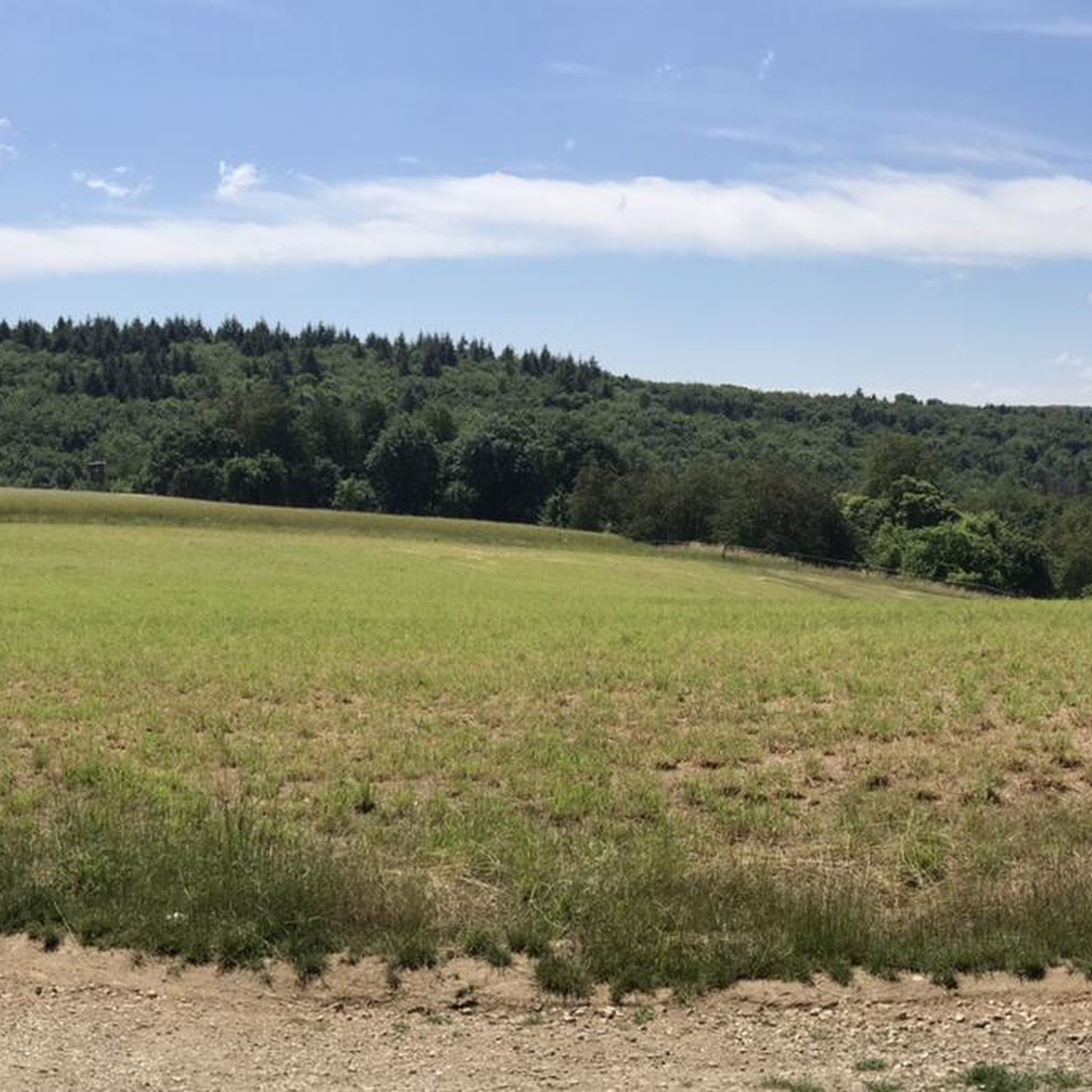
Road Cycling Routes in Stadtwald Hofheim
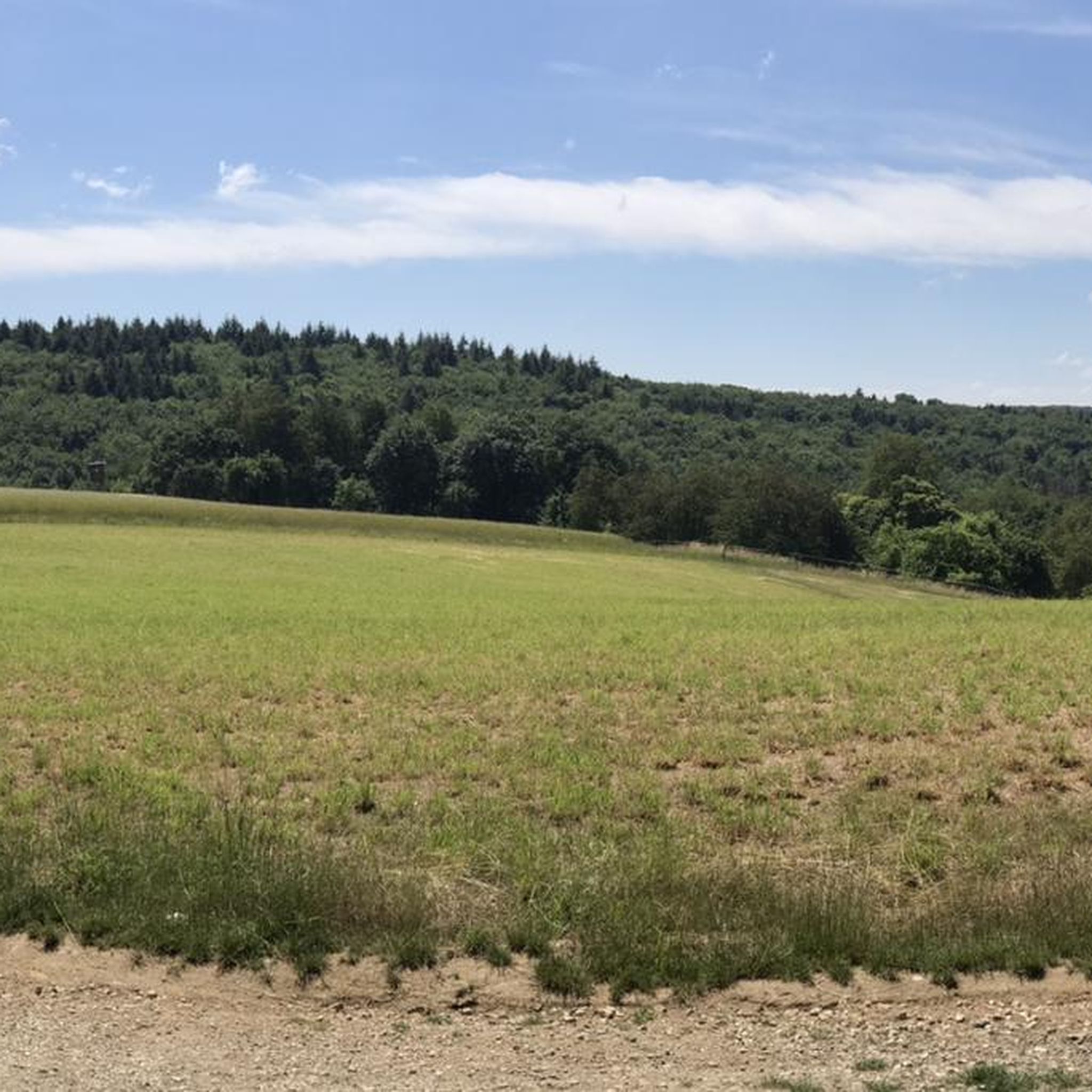
MTB Trails in Stadtwald Hofheim
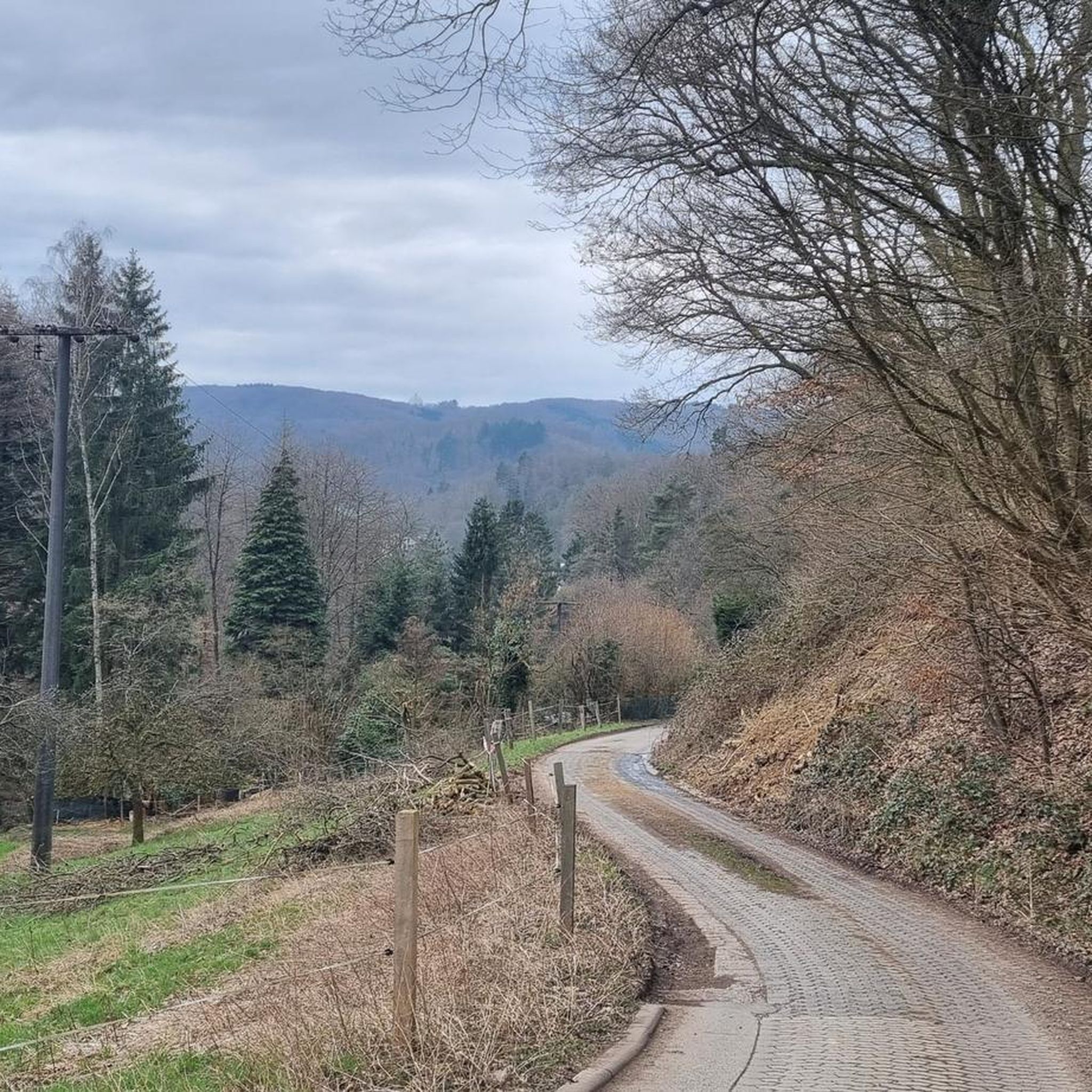
Running Trails in Stadtwald Hofheim
Gravel biking in Stadtwald Hofheim
Mountain Hikes in Stadtwald Hofheim


Tips from the Community

From the Meisterturm tower, you have a magnificent panoramic view of the entire Rhine-Main region, the Taunus mountains, and the surrounding area. Truly beautiful! 🤩
13
2
This forest, dubbed the northernmost pine forest in Europe (though I'm not an expert, I'd guess it's *Pinus pinea*), was probably a mistake. In the 19th century, the Kapellenberg hill was reforested, and these pines were planted on its barren, rocky southern slope. The city's 1878 accounts mention 11,500 young *Pinus* saplings – without specifying them further. Did *Pinus pinea* sound much more like a pine tree to the buyer than *Pinus sylvestris*? In any case, the Mediterranean plants seem to thrive here, attracting many a surprised glance from passersby.
13
1
11
1
The listed chapel, a landmark of Hofheim, is visible from afar (e.g., from the A66 motorway). Its impressive history was commemorated in 2016 with an exhibition and a book at the Hofheim City Museum, marking the 350th anniversary of the vow made there. The quotations in this text are taken from that book. Following the horrors of the Thirty Years' War (1618-1648), another catastrophe claimed victims among the population: the plague. In 1665, it was brought up the Rhine from Cologne to Mainz and spread – primarily via market ships – to Frankfurt and, from 1666 onward, to Flörsheim. Soon, other towns in the Main Valley were also affected. Hofheim was an exception. After the threat became tangible, particularly due to plague deaths in Zeilsheim and Flörsheim, Pastor Johannes Gleidner led the people of Hofheim in a procession to the "Rabberg" hill on June 3, 1666 (Ascension Day). As one of his later successors, Antonius Hilf, described in 1864, the procession, accompanied by penitential hymns, proceeded "up the vine-covered slope." Young men carried banners, the cross, and the canopy, beneath which four virgins carried an image of Mary. At the top, Gleidner asked if they would like to name the mountain "Carmelberg" (Carmel Mountain), build a chapel there, and vow to "make several pilgrimages there each year." Afterward, the people "fell to their knees, deeply moved," and made the vow—at which point, at that very moment, the bells of the parish church below began to ring. When further plague victims appeared in Wicker, Weilbach, Eppstein, Fischbach, Hochheim, Flörsheim, Eddersheim, Castel, Mainz, Frankfurt, and Zeilsheim, Gleidner led the communities of Hofheim and Marxheim up the mountain again on July 2, 1666 (the Feast of the Visitation). Pilgrims from surrounding villages joined the pilgrimage, and Gleidner renewed "the vow, made known to him by everyone, that if God would avert the afflictions of the plague, he would build a chapel on this site to His glory and to the praise of the Blessed Virgin Mary." Hofheim was spared from the plague, and in May 1667, work began on preparing the timber for the half-timbered structure. The chapel was consecrated on September 29th. One hundred years later, the church had become too small, and a new, larger one had to be built. By this time, a "pilgrimage tourism" had developed around the chapel, which was also a "thorn in the side" of the local priest. The new stone building was more than twice the size of the old chapel: 27.90 meters long, 12.60 meters wide, and 13.20 meters high. A gallery provided additional seating capacity. From 1774 onwards, silent prayer services were permitted, as the chapel was not consecrated until ten years later (1784). ```
12
1
The Meisterturm is a 30.8-meter[1] (approximately 37 meters including the antenna) high observation tower in Hofheim am Taunus. It is located at 292 meters above sea level[2] on the wooded Kapellenberg hill northwest of the town. Today, it only rises a few meters above the surrounding trees. However, it offers a complete panoramic view: to the south over the Rhine-Main region, and on a clear day as far as the Odenwald forest; to the north, the Taunus mountain range, including the Großer Feldberg.
12
0
Beautiful animal enclosure, with wild boars and fallow deer on the edge and in the courtyard.
15
0
Frequently Asked Questions
What are some popular viewpoints in Stadtwald Hofheim?
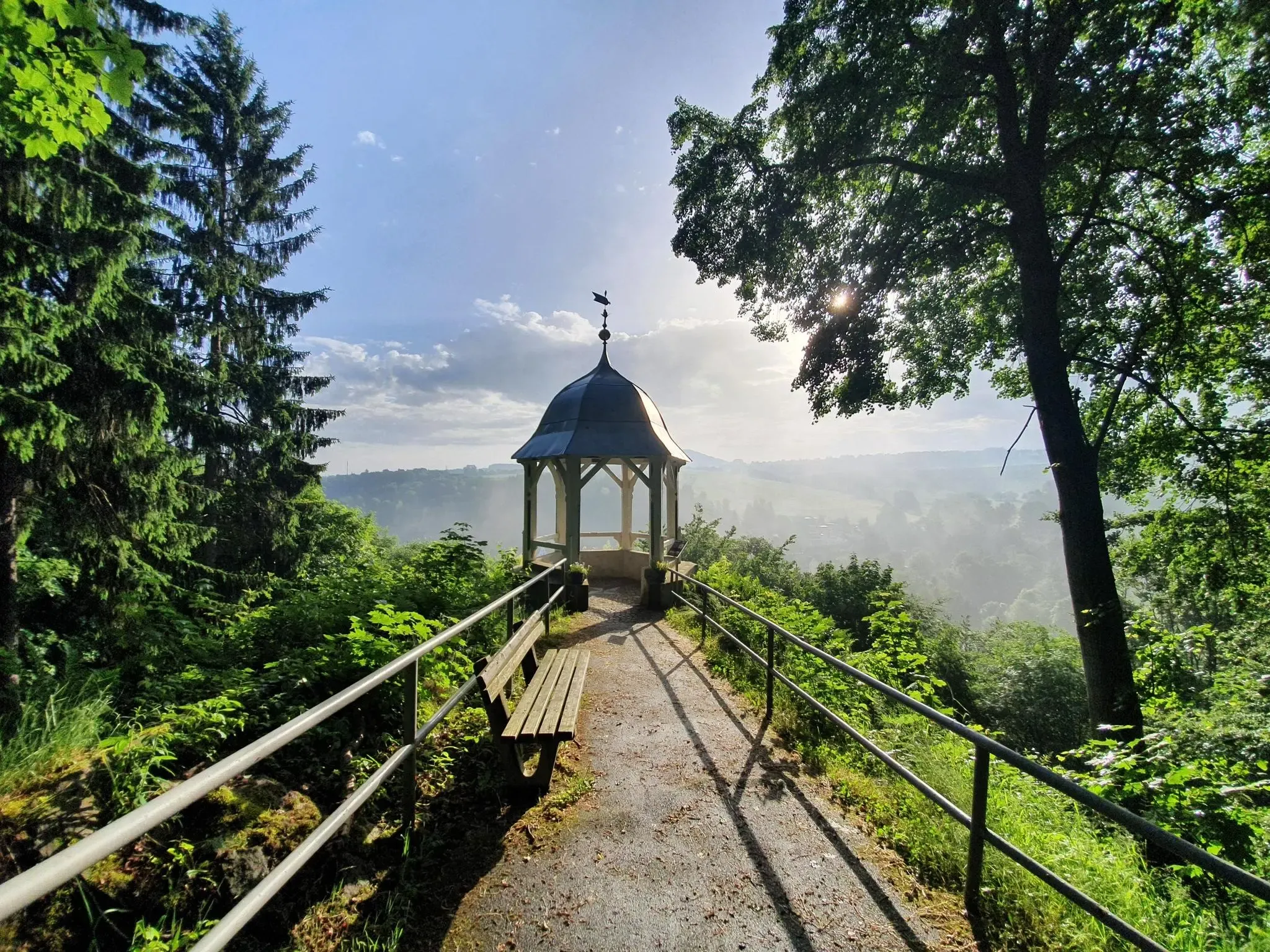
Stadtwald Hofheim offers several excellent viewpoints. The Meisterturm, Hofheim, a watchtower, provides panoramic views over the Rhine-Main plain and the Taunus mountains. The Hofheim Hill Chapel also serves as a viewpoint, accessible via 128 steps or an alternative path. Additionally, the Kapellenberg Pine Grove offers scenic views and a unique natural setting.
Are there historical sites to visit in Stadtwald Hofheim?
Yes, Stadtwald Hofheim features significant historical sites. The Hofheim Hill Chapel is a listed chapel with a rich history dating back to 1666, built after a vow during the plague. The Meisterturm, Hofheim, while primarily an observation tower, is also a historical man-made monument.
What natural features can I explore in Stadtwald Hofheim?
The region is characterized by its forest environment. You can explore the unique Kapellenberg Pine Grove, which offers a distinct natural atmosphere. The Gundel Trail provides a pleasant path through the forest, allowing you to enjoy pure nature.
Are there family-friendly attractions in Stadtwald Hofheim?
Absolutely. The Hofheim Wildlife Park is a popular family-friendly spot where you can observe deer and wild boar without an entry fee. The Meisterturm, Hofheim, Hofheim Hill Chapel, and Kapellenberg Pine Grove are also considered family-friendly and offer recreational opportunities.
What kind of hiking trails can I find in Stadtwald Hofheim?
Stadtwald Hofheim offers a variety of hiking trails, ranging from easy to challenging. You can find numerous routes that take you through the forest, past historical sites, and to scenic viewpoints. For more details on specific routes, including distances and difficulty, explore the easy hikes in Stadtwald Hofheim or mountain hikes in Stadtwald Hofheim guides.
Are there easy hiking routes suitable for beginners in Stadtwald Hofheim?
Yes, Stadtwald Hofheim has several easy hiking routes perfect for beginners or those looking for a relaxed walk. Examples include the Hofheim Hill Chapel – Kapellenberg Pine Grove loop (6.6 km) or the Hofheim Wildlife Park – Cohausen Temple loop (4.9 km). You can find more options in the easy hikes in Stadtwald Hofheim guide.
Are there options for mountain biking or gravel biking in Stadtwald Hofheim?
Yes, the area around Stadtwald Hofheim is suitable for both mountain biking and gravel biking. There are various routes, such as the Pine Forest at Kapellenberg loop (21 km, moderate difficulty) for gravel biking. For more detailed routes and their difficulty levels, refer to the gravel biking in Stadtwald Hofheim guide.
What do visitors enjoy the most about Stadtwald Hofheim?
Visitors particularly appreciate the panoramic views from the Meisterturm, extending over the Rhine-Main plain. The family-friendly atmosphere of the Hofheim Wildlife Park and the historical significance of the Hofheim Hill Chapel are also highly valued. Many enjoy the peaceful, natural environment found on trails like the Gundel Trail.
Are dogs allowed on trails and at attractions in Stadtwald Hofheim?
While specific regulations can vary, generally, dogs are welcome on most forest trails in Stadtwald Hofheim, provided they are kept on a leash. For attractions like the Hofheim Wildlife Park, it's advisable to check local signage or specific rules regarding pets before your visit.
Are there less crowded trails or hidden gems in Stadtwald Hofheim?
While popular spots like the Meisterturm can attract visitors, the extensive forest area of Stadtwald Hofheim offers many paths where you can enjoy nature in peace, especially during weekdays. Exploring some of the less-trafficked sections of the Gundel Trail or other forest paths can lead to a more secluded experience.
What is the best season to visit Stadtwald Hofheim?
Stadtwald Hofheim is enjoyable year-round. Spring brings lush greenery and blooming flora, while autumn offers vibrant fall colors, making it ideal for hiking. Summer is perfect for outdoor activities, and even in winter, the forest can be beautiful, especially after a snowfall, though some paths might be slippery.
Are there cafes or restaurants near Stadtwald Hofheim attractions?
While the guide focuses on attractions, the area around Stadtwald Hofheim, particularly in Hofheim am Taunus, offers various dining options. You'll find cafes and restaurants in the town center, which is easily accessible from the forest's edges, perfect for a meal or refreshment after exploring.
Most popular routes in Stadtwald Hofheim
Most popular attractions in Stadtwald Hofheim

Get inspired with the komoot mobile app


Explore more
Still not found the Highlight you’re looking for? See guides of the top attractions in other regions:
