The best walks and hikes in Noitzscher Heide
4.5
(1046)
3,844
hikers
23
hikes
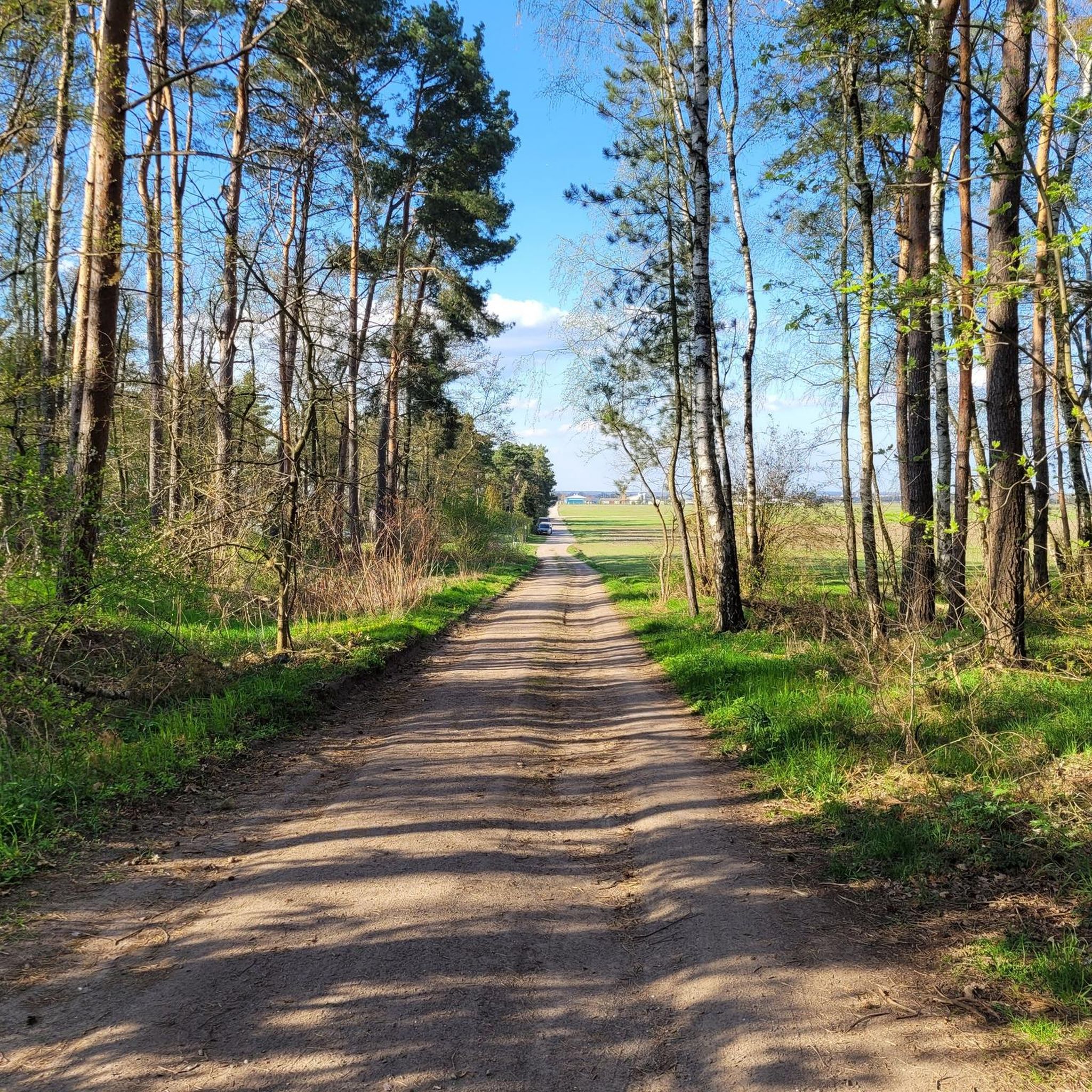
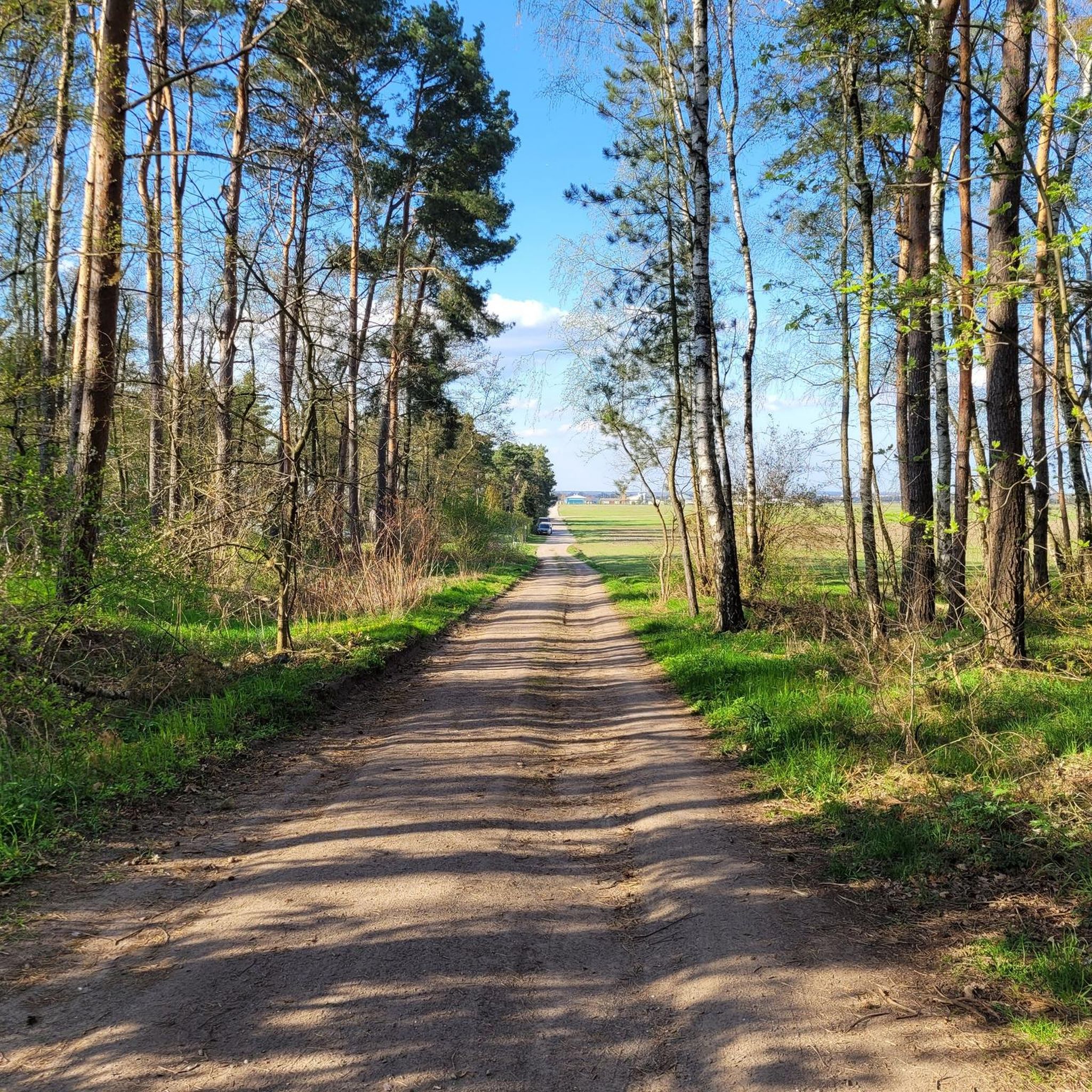
Hiking in Noitzscher Heide offers a diverse landscape characterized by heathlands, mixed forests, and gently rolling hills. The region, part of the Dübener Heide Nature Park, features tranquil clearings, moorlands, and small forest lakes. Its topography was shaped by the Ice Age, providing varied terrain for outdoor activities. The area also includes parts of the natural river landscape between the Mulde and Elbe rivers.
Best hiking trails in Noitzscher Heide
- The most popular hiking route is Kaffeehaus Shelter – Noitzscher…
Last updated: July 10, 2026
4.7
(3)
6
hikers
4.78km
01:13
10m
10m
Easy hike. Great for any fitness level. Easily-accessible paths. Suitable for all skill levels.
3.0
(2)
5
hikers
Easy hike. Great for any fitness level. Easily-accessible paths. Suitable for all skill levels.

Sign up for free
2
hikers
18.1km
04:35
40m
40m
Moderate hike. Good fitness required. Easily-accessible paths. Suitable for all skill levels.
5.0
(1)
4
hikers
Easy hike. Great for any fitness level. Easily-accessible paths. Suitable for all skill levels.
3.7
(3)
8
hikers
5.67km
01:26
10m
10m
Easy hike. Great for any fitness level. Easily-accessible paths. Suitable for all skill levels.
Get access to more routes and recommendations from other explorers.
Sign up for free
Already have an account?
Our route recommendations are based on thousands of hikes, rides, and runs completed by other people on komoot.
Start today with a free account
Your next adventure awaits.
Login or Signup

Tips from the Community

Hohenprießnitz Castle is a Baroque castle complex located in the Hohenprießnitz district of Zschepplin in the Nordsachsen district of Saxony. It was used by the Saxon Academy for Teacher Training and was sold to a private owner in 2011.[1] It is rented out for exclusive celebrations and events.[2] Source: https://de.wikipedia.org/wiki/Schloss_Hohenprie%C3%9Fnitz
1
0
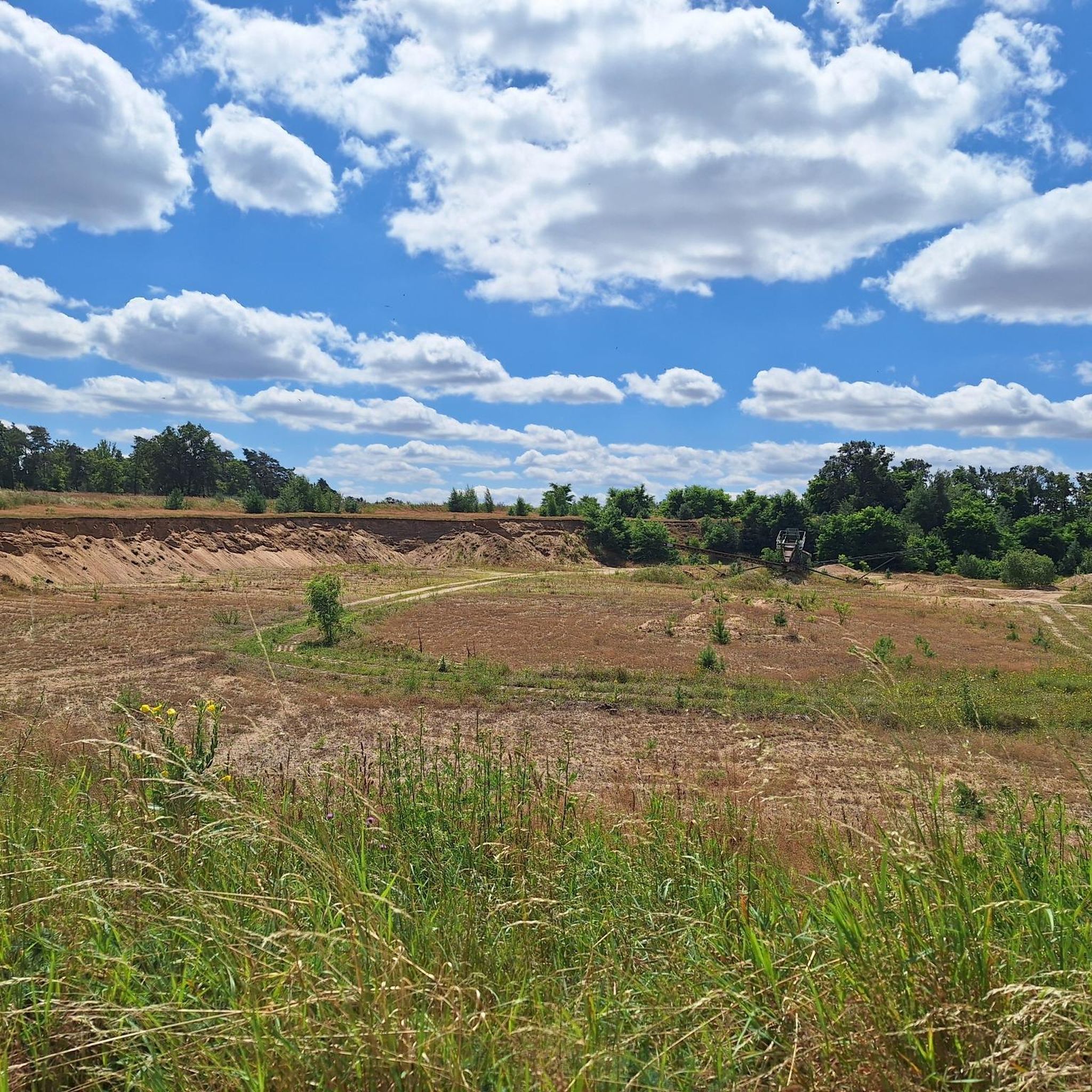
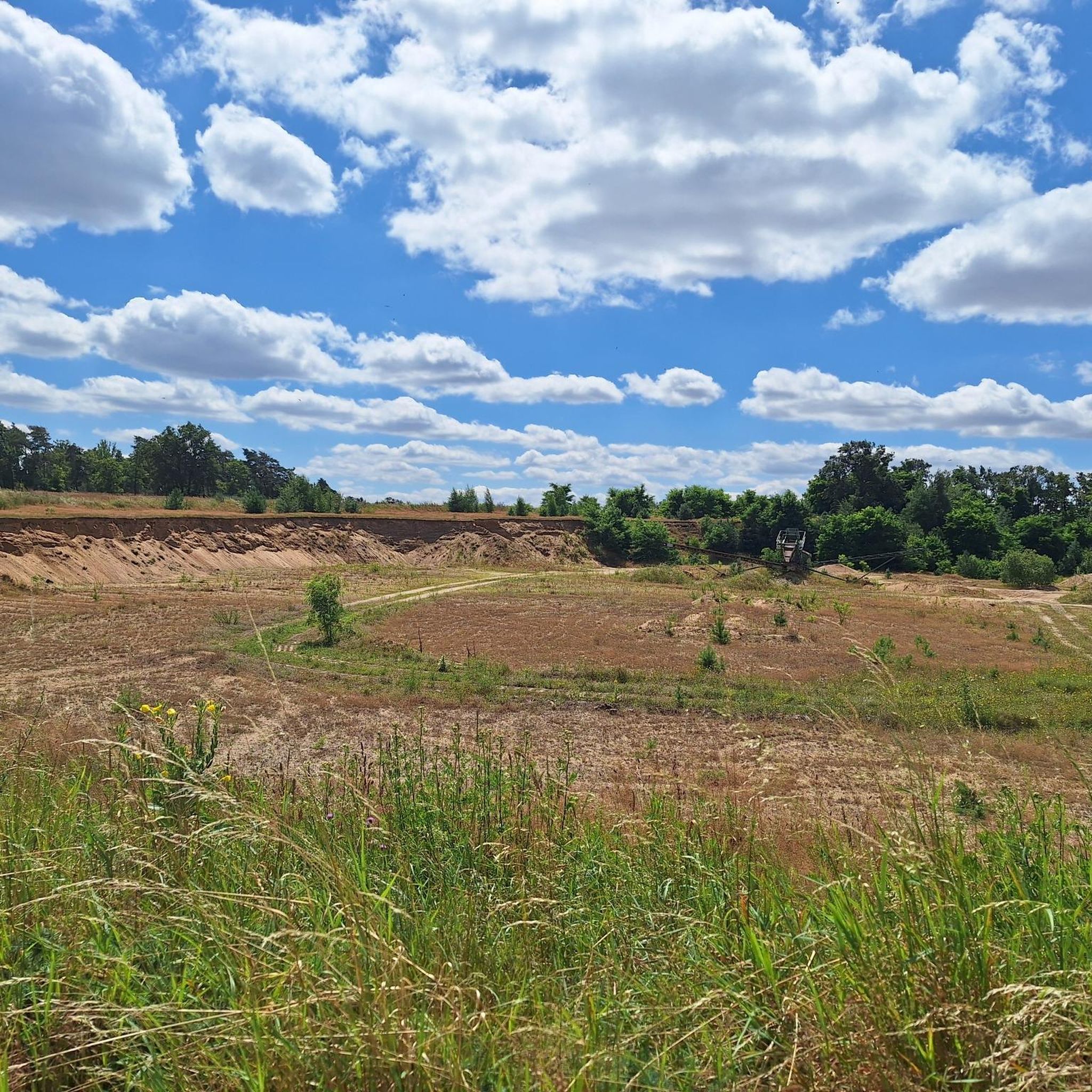
Location: Badrina, North Saxony Purpose: Inland fisheries, flood control Construction period: 1985–1986 Commissioning: 1989 The Schadebach 2 reservoir is located in North Saxony, very close to the Düben Heath. It is named after the Schadebach stream, which the reservoir impounds. It was built in the mid-1980s primarily for fish farming and the irrigation of agricultural land. To this day, the Schadebach 2 reservoir remains a fishing water and also serves as a flood control reservoir. The design of the Schadebach 2 reservoir was unique at the time: It was the first reservoir in Saxony with a thermoplastic core seal. The core seal was formed first, and then the dam was built around it. An additional sealing strip extends approximately fifty meters into the reservoir basin. Source: https://www.wasserwirtschaft.sachsen.de/TS_Schadebach_2.html
1
0

Nice place to rest, but without a roof 💃
0
0
As early as 977 there was a royal estate here, which Otto II donated to the episcopal church in Merseburg in that year. Later, not far from there, there was a manor house in the village, which was owned by various noble families one after the other. The manor house that stands there, which has now been structurally very altered, was built in 1677–78 by Christian von Klengel (1629–93), who had acquired the manor in 1675; the project was probably provided by his brother, the Saxon chief architect Wolf Caspar von Klengel. The castle, which stands not far from the former manor, is now a three-winged baroque complex based on French models, and was essentially built as a completely new building around 1702–1704 under Anton Albrecht Freiherr von Imhoff, who had acquired the property in 1699.[2] It is assumed that he hired the master builder Hermann Korb from his hometown of Wolfenbüttel for the work.[3][4] The weather vane on the middle tower cap bears the year 1699. The varied, three-winged structure is baroque, the two stair towers with the slanted windows are additions from a much later period. The covered gable of the somewhat oversized central projection, however, has a typical design language, as used by Korb. The octagonal open roof turrets with onion domes, like the side wings, were also built in the Hohenthal era, i.e. after 1724. In that year, the wealthy Leipzig merchant and war supplier Peter Hohmann acquired the castle, who was ennobled in 1717 and thus founded the Hohenthal family. The Counts of Hohenthal, who were active in Hohenprießnitz to varying degrees, owned the estate until it was expropriated in 1945. Above the portal is the Hohenthal-Pourtalès alliance coat of arms from 1894 (for the married couple Moritz Count of Hohenthal and Rosa, née Countess of Pourtalès). There is also a Hohenthal alliance coat of arms in the gable field. Hohenprießnitz belonged to the Electorate of Saxony or Royal Saxon Office of Eilenburg until 1815.[5] As a result of the decisions of the Congress of Vienna, the town became part of Prussia and in 1816 was assigned to the Delitzsch district in the Merseburg administrative district of the Province of Saxony, to which it belonged until 1952.[6] In the course of the second district reform in the GDR in 1952, Hohenprießnitz was annexed to the Eilenburg district in the Leipzig district, which was incorporated into the Delitzsch district in 1994.[7] On January 1, 1999, Hohenprießnitz was incorporated into Zschepplin.[8] The Bavarian entrepreneur Konrad Obermüller acquired the castle in 2011 and inaugurated the renovated main building in 2014.[9][10] Source https://de.wikipedia.org/wiki/Hohenprie%C3%9Fnitz
5
0
Frequently Asked Questions
How many hiking trails are available in Noitzscher Heide?
Noitzscher Heide offers a network of over 20 hiking trails. These routes cater to various preferences, with 14 easy trails, 8 moderate trails, and 1 more challenging option, ensuring there's something for every hiker.
What kind of landscapes will I encounter while hiking in Noitzscher Heide?
You'll experience a diverse landscape shaped by the Ice Age, featuring picturesque heathlands, mixed and deciduous forests, and tranquil clearings. The area also includes moorlands, small forest lakes, and parts of the natural river landscape between the Mulde and Elbe rivers.
Are there family-friendly hiking trails in Noitzscher Heide?
Yes, Noitzscher Heide is well-suited for families. Many of the 14 easy trails are accessible and offer gentle terrain. For example, the Kaffeehaus Shelter – Noitzscher Hütte loop from Noitzsch is an easy 3.0-mile (4.8 km) route that explores local woodlands and heath, perfect for a family outing.
Can I bring my dog on the hiking trails in Noitzscher Heide?
Yes, dogs are generally welcome on the hiking trails in Noitzscher Heide, which is part of the Dübener Heide Nature Park. It's always recommended to keep your dog on a leash, especially in areas with wildlife or near other hikers, to ensure a pleasant experience for everyone.
What are some interesting natural features or landmarks to see along the trails?
Hikers can discover various points of interest. The Noitzscher Hütte and Kaffeehaus Shelter are popular spots. The region also features moorlands, small forest lakes, and the Red Bank, a reddish steep bank near the Mulde river, offering scenic views and peaceful walks.
Are there any circular hiking routes available?
Many of the trails in Noitzscher Heide are designed as circular routes, allowing you to start and end at the same point. Examples include the Sand Quarry – Schadebach II Dam loop from Noitzsch, which offers views of water features, and the longer Noitzscher Hütte – Hohenprießnitz Castle loop from Rotes Haus.
What is the best time of year to go hiking in Noitzscher Heide?
Noitzscher Heide offers beautiful hiking experiences throughout the year. Spring brings blooming flora, summer provides lush green forests, and autumn transforms the landscape with vibrant colors. Even in winter, the quiet, snow-dusted heathlands and forests offer a serene hiking experience.
What kind of wildlife might I spot while hiking?
The diverse habitats of Noitzscher Heide support a rich variety of wildlife. You might encounter various bird species, including cranes, ospreys, and storks. Traces of deer, hares, wild boar, and even wolves can be found. Beavers are also present in the wider Dübener Heide Nature Park, particularly along the Hammerbach valley.
Where can I find parking for the hiking trails?
Specific parking areas are available at common trailheads. The "Red House" restaurant in Noitzscher Heide itself serves as a well-known starting point for explorations and often has parking facilities. For routes like the Grünes Haus Bus Stop – Picnic Area loop from Noitzsch, you might find parking near public transport stops or designated picnic areas.
What do other hikers enjoy most about Noitzscher Heide?
The area is highly rated by the komoot community, with an average score of 4.5 stars from over 780 reviews. Hikers often praise the region's diverse landscapes, from heathlands to dense forests, and the tranquil atmosphere. The well-maintained trails and opportunities for wildlife observation are also frequently highlighted.
Are there any longer, more challenging routes for experienced hikers?
While many trails are easy to moderate, there is at least one difficult route for those seeking a greater challenge. The Sommerfeld Post Mill – Muldearm Fishing Waters loop from Rotes Haus is a demanding 12.9-mile (20.8 km) trail that takes approximately 5 hours 15 minutes to complete, offering a more extensive exploration of the region.
Most popular routes in Noitzscher Heide
Most popular attractions in Noitzscher Heide

Get inspired with the komoot mobile app


Explore more
Browse the best Hikes in other regions.
