The best cycling routes in Noitzscher Heide
4.5
(2624)
8,333
riders
287
rides
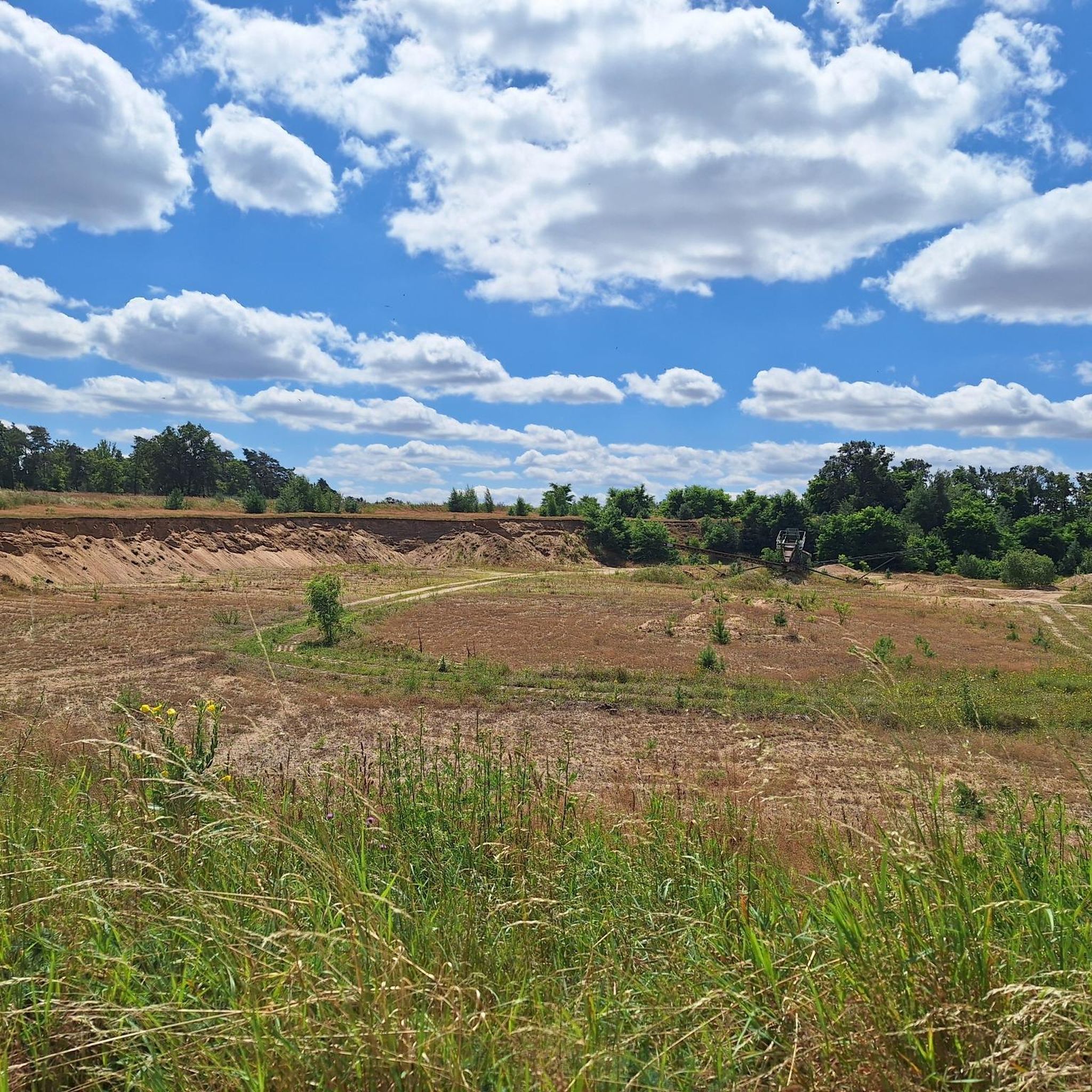
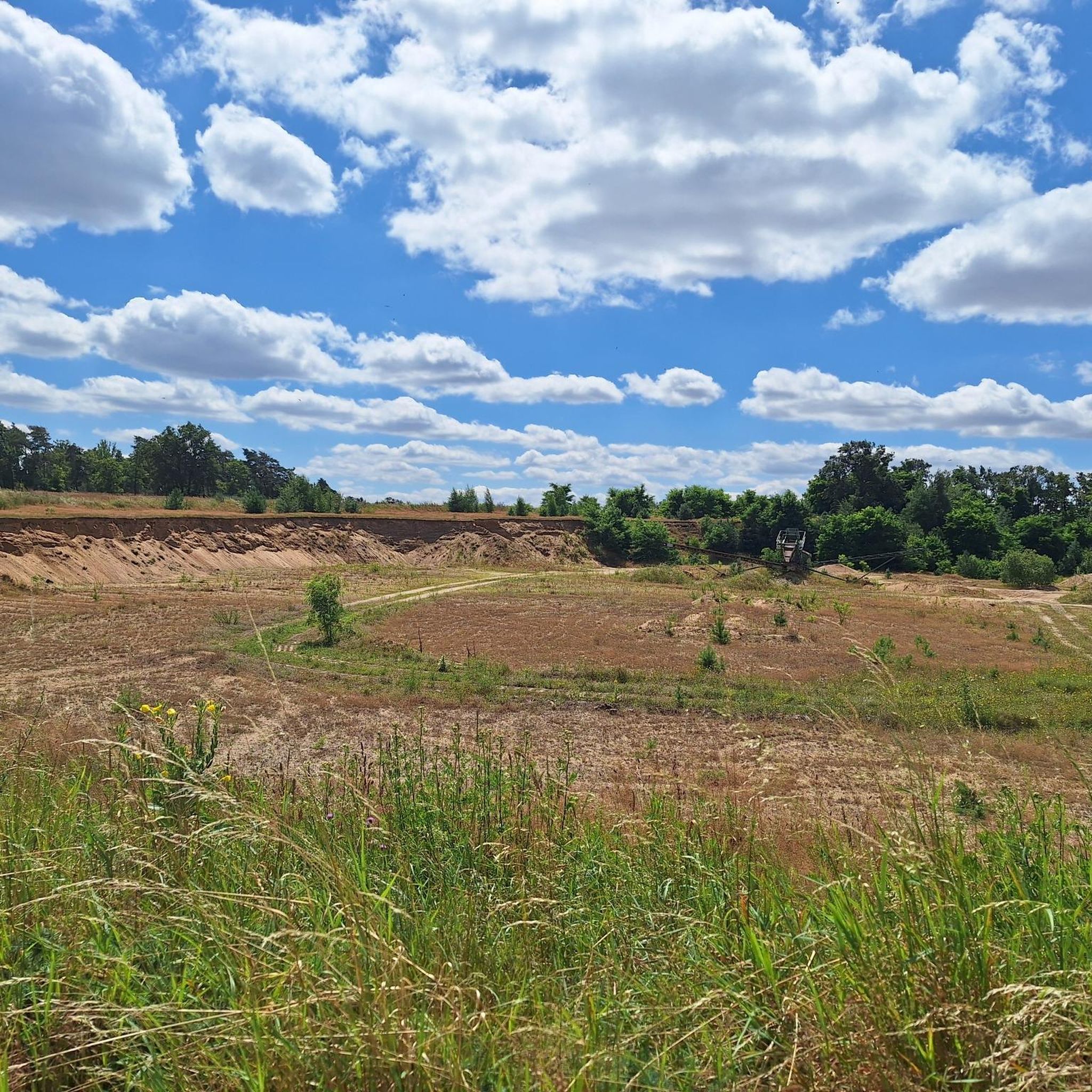
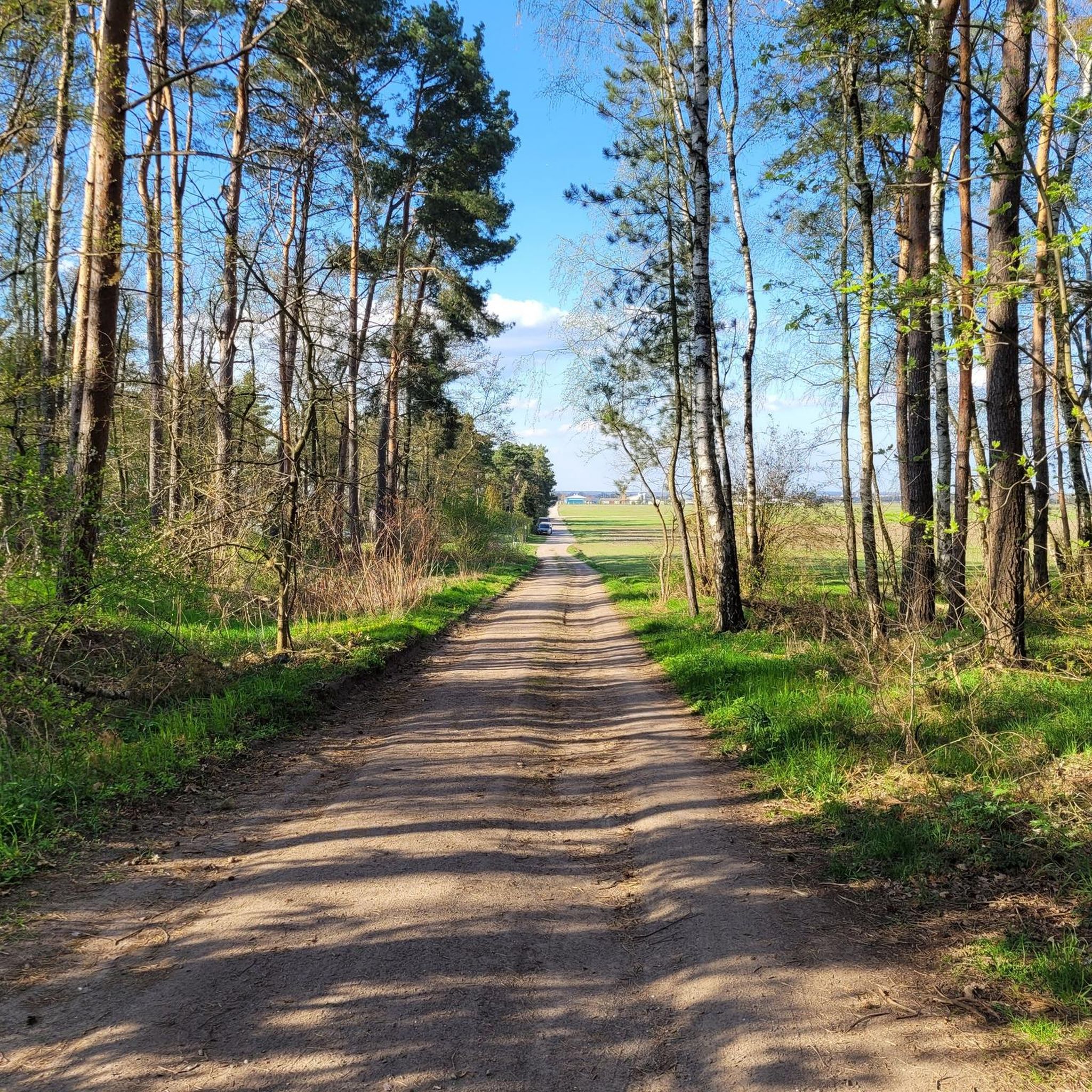
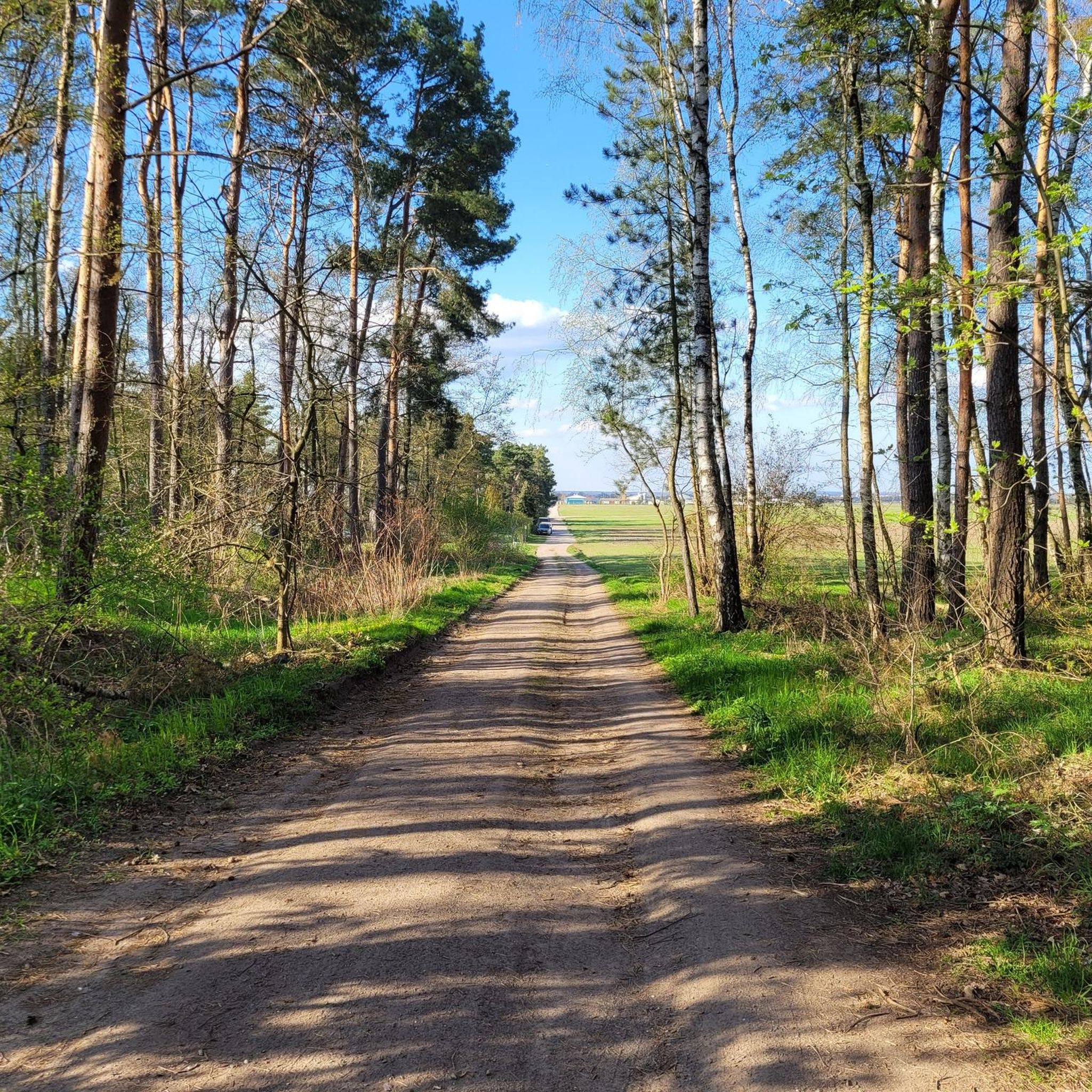
Touring cycling routes in Noitzscher Heide traverse a diverse landscape of expansive heather fields, mixed woodlands, and deciduous forests. The region, situated north of Leipzig, features quieter clearings, moorlands, and small forest lakes, providing varied scenery. Topography is generally flat with gentle hills, making it suitable for a range of cycling abilities. This area is part of the Dübener Heide Nature Park, characterized by wide moorlands and Germany's largest mixed forest.
Best touring cycling routes in Noitzscher Heide
- The most…
Last updated: July 10, 2026
4.6
(11)
35
riders
35.1km
02:04
60m
60m
Moderate bike ride. Good fitness required. Mostly paved surfaces. Suitable for all skill levels.
4.2
(5)
7
riders
17.3km
01:11
40m
40m
Easy bike ride. Great for any fitness level. Mostly paved surfaces. Suitable for all skill levels.

Sign up for free
2
riders
24.1km
01:41
40m
40m
Easy bike ride. Great for any fitness level. Mostly paved surfaces. Suitable for all skill levels.
1
riders
18.9km
01:05
40m
40m
Easy bike ride. Great for any fitness level. Mostly paved surfaces. Suitable for all skill levels.
5.0
(1)
2
riders
41.8km
02:37
90m
90m
Hard bike ride. Good fitness required. You may need to push your bike for some segments of this route.
Get access to more routes and recommendations from other explorers.
Sign up for free
Already have an account?
Our route recommendations are based on thousands of hikes, rides, and runs completed by other people on komoot.
Start today with a free account
Your next adventure awaits.
Login or Signup

Tips from the Community

Unfortunately, the castle and its outbuildings are in a dilapidated state and cordoned off with construction fences. The castle park is also largely left to its own devices. A shame! But the area can still be explored well by bike, and even better with an MTB.
0
0

Definitely worth seeing
2
0
The village of Seelhausen was buried in 1987 during the expansion of the Goitzsche open-cast mine. The Seelhausen Lake was created by flooding the remaining open-cast mine pit. It lies west of Löbnitz, south of Bitterfeld, and north of Delitzsch, in the Central German Lake District. From the end of July 2000, the lake was filled with water from the Mulde River via a pipeline at a rate of 1 m³/s[1] until the pipeline was destroyed by the Elbe River flood in 2002. Since then, the lake has been fed by the Lober-Leine Canal. According to the LMBV (Lausitz and Central German Mining Company), 96% of the planned water level had been reached by March 2004. The flooding work was completed in 2005.[1] A beach area has since been built at the flooding site, and further development of the lake as a recreational area is planned. The larger Goitzsche Lake lies northwest of the Seelhausen Lake. The lake district also includes Lake Paupitzsch, Lake Holzweißig, Lake Ludwig, Lake Neuhaus, and Lake Zöckeritz with Essigloch and Lake Auensee. The total surface area of all lakes in the former Goitzsche open-cast mine is estimated at 24 square kilometers. Lake Seelhausen is a former open-cast mine lake with a water level of 78 meters above sea level. Its storage capacity is 74 million cubic meters, with a surface area of 622 hectares. Source: https://de.wikipedia.org/wiki/Seelhausener_See
2
0
Lake Seelhausen is a former open-cast mining lake of approximately 622 hectares, formed from the former Rösa lignite mine (part of the Goitzsche). It lies mostly in the German state of Saxony and partly in Saxony-Anhalt. Source: https://de.wikipedia.org/wiki/Seelhausener_See
2
0
Beautiful rest area on the lakeside path
4
0
Small rest area by the Mulde backwater
5
0
More information about the history can be found at https://de.wikipedia.org/wiki/Schloss_Schnaditz
4
0
First Mentions (1115–1237) Wiprecht of Groitzsch (1115) A legendary mention from the year 1115, in which Count Wiprecht of Groitzsch is said to have attempted to conquer the moated castle Castrum Sneuditz, is not substantiated.[1] Source: https://de.wikipedia.org/wiki/Schloss_Schnaditz
5
0
Frequently Asked Questions
How many touring cycling routes are available in Noitzscher Heide?
Noitzscher Heide offers a wide selection of touring cycling routes, with over 300 options available. These routes cater to various skill levels, including over 170 easy, 90 moderate, and 30 difficult trails.
What kind of terrain can I expect when cycling in Noitzscher Heide?
The terrain in Noitzscher Heide is generally flat with gentle hills, making it suitable for a range of cycling abilities. You'll cycle through diverse landscapes including expansive heather fields, mixed woodlands, deciduous forests, quiet clearings, moorlands, and small forest lakes. While many routes feature paved surfaces, some sections may be unpaved, offering a varied experience.
Are there any family-friendly cycling routes in Noitzscher Heide?
Yes, the generally flat topography and well-maintained paths make Noitzscher Heide an excellent destination for family-friendly cycling. Many of the over 170 easy routes are suitable for families looking for a leisurely ride. For example, the Mulde Bridge in Bad Düben – View of Bad Düben loop from Wellaune is an easy 17.3 km path offering scenic views.
What natural features and landmarks can I see along the cycling routes?
Noitzscher Heide is rich in natural beauty and interesting landmarks. You can explore expansive heather fields, mixed woodlands, and small forest lakes. Key points of interest include the charming Noitzscher Hütte, a resting place amidst the heath forest, and the Noitzscher Hut in Heidewald Nature Reserve. The region is also part of the Dübener Heide Nature Park, known for its wide moorlands and Germany's largest mixed forest.
Are there any circular cycling routes available?
Yes, Noitzscher Heide offers numerous circular routes that allow you to experience the varied landscapes. An example is the Seelhausener Lake – View of Seelhausener Lake loop from Wellaune, a moderate 35.1 km trail that provides views of Seelhausener Lake. Another option is the easy Wölkau Castle – Mühlteich Schönwölkau loop from Rotes Haus, which takes you through varied forest and open landscapes.
What do other touring cyclists say about their experience in Noitzscher Heide?
The touring cycling routes in Noitzscher Heide are highly rated by the komoot community, with an average score of 4.5 stars from over 2,400 reviews. Over 8,300 touring cyclists have explored the area, often praising the diverse scenery, well-maintained paths, and the peaceful atmosphere of the woodlands and heather fields.
Can I connect to other major cycling paths from Noitzscher Heide?
Yes, cyclists can connect to the Mulde Cycle Path, which runs past the large Goitzsche Lake. This connection offers opportunities to extend your tour and explore additional recreational activities like swimming, as well as view interesting industrial architecture.
What is the best time of year to go touring cycling in Noitzscher Heide?
The diverse landscapes of Noitzscher Heide, with its heather fields and mixed woodlands, make it appealing throughout the warmer months. Spring and autumn offer pleasant temperatures and beautiful scenery, with blooming heather in late summer. While specific seasonal data isn't provided, the generally flat terrain makes it accessible for cycling for a good portion of the year.
Are there any challenging routes for experienced touring cyclists?
Yes, for those seeking a more challenging ride, Noitzscher Heide offers about 30 difficult routes. An example is the Gruna Ferry House – Gruna Ferry loop from Wellaune, a 42.1 km route with more significant elevation changes, providing a good workout for experienced riders.
Where can I find places to rest or eat along the routes?
The region offers several spots for a break. The Noitzscher Hütte is a charming hut and resting place amidst the heath forest. The Rotes Haus (Red House) is a well-known restaurant that also serves as an excellent starting point for exploring the area. Additionally, the Kaffeehaus Shelter provides another convenient stop.
Is Noitzscher Heide easily accessible by public transport or car?
Noitzscher Heide is situated approximately 30 km north of Leipzig, making it easily accessible. While specific public transport details for starting points are not provided, its proximity to Leipzig suggests good regional connections. For those traveling by car, the Rotes Haus is mentioned as a good starting point, implying parking availability.
What kind of wildlife might I encounter while cycling?
As part of the Dübener Heide Nature Park, Noitzscher Heide is home to diverse wildlife. Cyclists might spot deer and hares, and there are even traces of wild boar and wolves. Birdwatchers can also appreciate the varied birdlife, including species like the Black Woodpecker, European Golden Oriole, and Montagu's Harrier.
Most popular routes in Noitzscher Heide
Most popular attractions in Noitzscher Heide

Get inspired with the komoot mobile app


Explore more
Browse the best Cycling routes in other regions.
