Attractions and Places To See around Rosedale East Side - Top 20
Best attractions and places to see around Rosedale East Side are situated within the North York Moors National Park in North Yorkshire, England. This region features vast heather moorland, scenic valleys, and the River Seven, providing a backdrop for outdoor activities. The area combines natural features with significant historical and cultural sites, including remnants of its 19th-century iron-ore industry and picturesque villages.
Best attractions and places to see around Rosedale East Side
- The most popular attractions is Mallyan Spout Waterfall, a natural monument and waterfall that is the tallest waterfall in the North York Moors, with a 70 feet (21 m) vertical drop. This epic site has captivated visitors since Victorian times, though the path can be technical.
- Another must-see spot is Bank Top Iron Kilns, a historical site and man-made monument. These crumbling kilns, chimneys, and other ruins are a testament to Rosedale's significant 19th-century iron-ore extraction industry.
- Visitors also love Hutton-le-Hole Village Green and Stream, a settlement with a unique village green and a stream running through it. Often considered one of the prettiest villages in the North York Moors National Park, it offers easy access to moorlands.
- Rosedale East Side is known for its waterfalls, historical sites, and charming villages. Visitors can explore a variety of attractions, from natural monuments to industrial heritage and scenic settlements.
- The attractions around Rosedale East Side are appreciated by the komoot community, with 183 upvotes and 127 photos shared by explorers.
Last updated: August 27, 2026
Mallyan Spout Waterfall
Highlight • Natural Monument
Tip by

Bank Top Iron Kilns
Highlight • Historical Site
Bank Top was where all the ironstone came for processing and transport. There would have been a railway, processing works, houses, plus more at this spot in the mid-19th century. Today, the crumbling kilns, chimneys and other ruins here are testament to a bygone industry. You get some breathtaking views at Bank Top, too.
Tip by
Sign up now to discover places like this
Get recommendations on the best single tracks, peaks, & plenty of other exciting outdoor places.
Sign up for free
Urra Moor – Highest Point of the North York Moors
Highlight (Segment) • Summit
Other than fellow walkers, there's a chance you'll bump into archaeologists up on the moor. This specific area is home to a number of prehistoric remains, including barrows and carved stones, some with cup and ring carvings.
Tip by

Beggar's Bridge
Highlight • Historical Site
Thomas used to ford the river to meet his young sweetheart, Agnes, the daughter of a wealthy squire. Her father thought Thomas too poor for his daughter and disapproved. Determined to seek his fortune at sea, he set sail from Whitby. Though on the day he departed Glaisdale, the Esk was in spate and he was unable to kiss Agnes goodbye.
When he returned years later as a wealthy man, Thomas married Agnes and built this bridge in tribute to her and so that no future lovers would be separated by the river. Today, the bridge is Grade II-listed.
Tip by

Hutton-le-Hole Village Green and Stream
Highlight • Settlement
The tree in the rather unusual green in the middle of the village (with a stream running through it!) has a bench under it, and it's a lovely place to sit if you're taking a break here.
Tip by

Sign up for free to discover even more attractions around Rosedale East Side.
Sign up for free
Already have an account?
Start today with a free account
Your next adventure awaits.
Login or Signup
Popular around Rosedale East Side
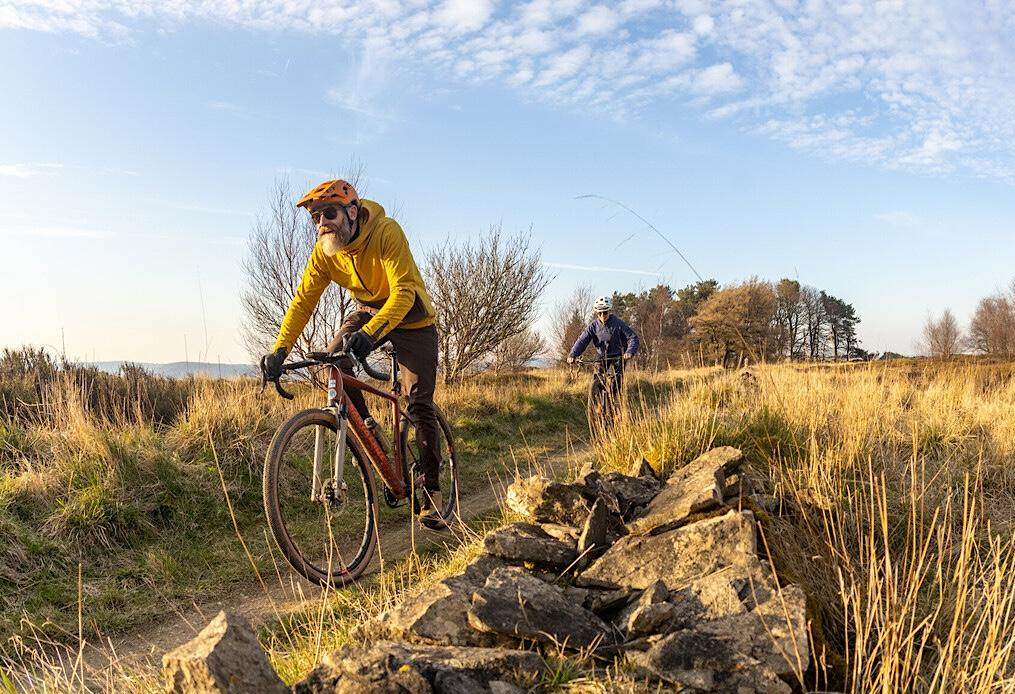
North York Moors Gravel and Explorer Routes
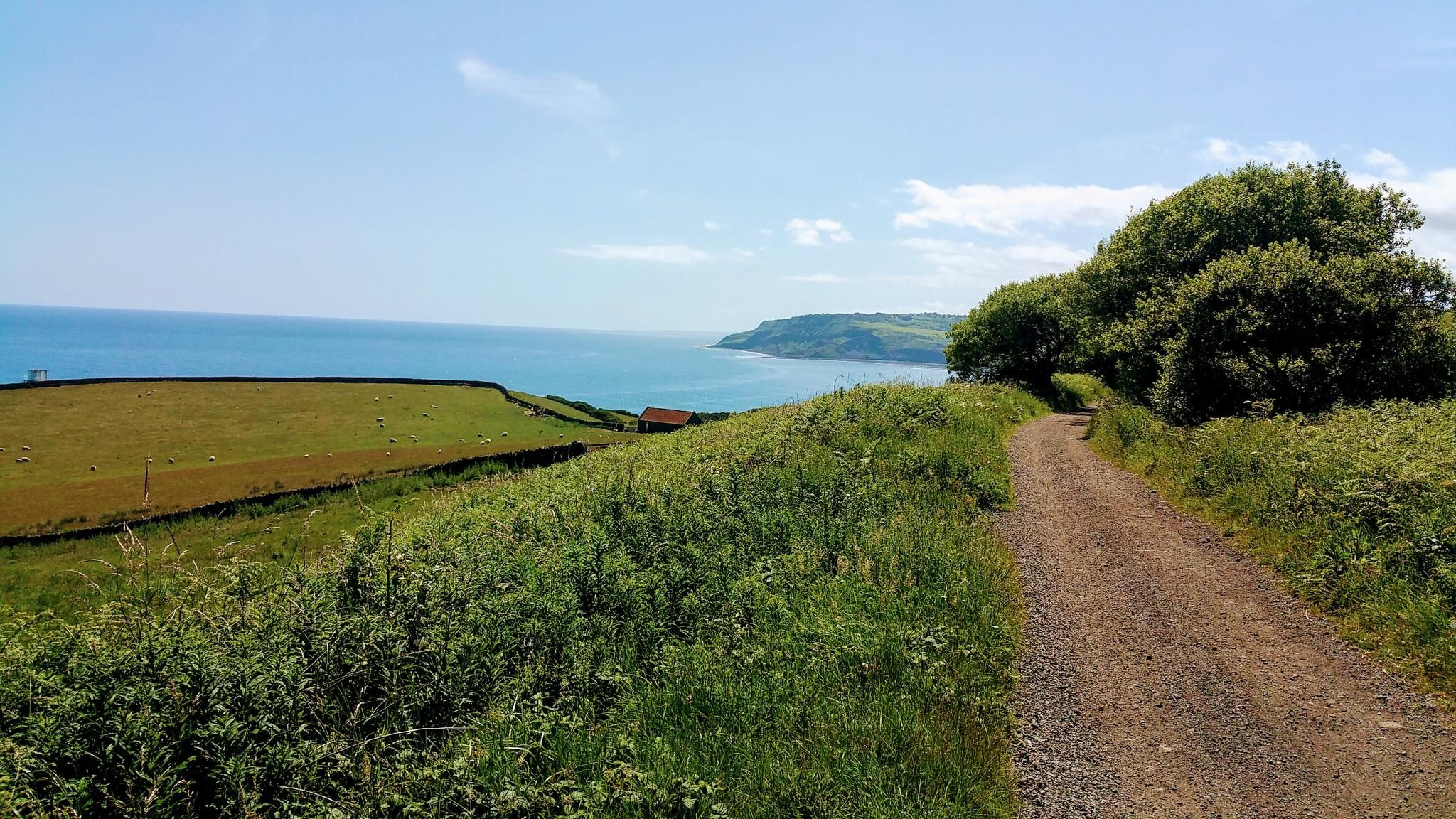
Gravel Cycling in North York Moors National Park
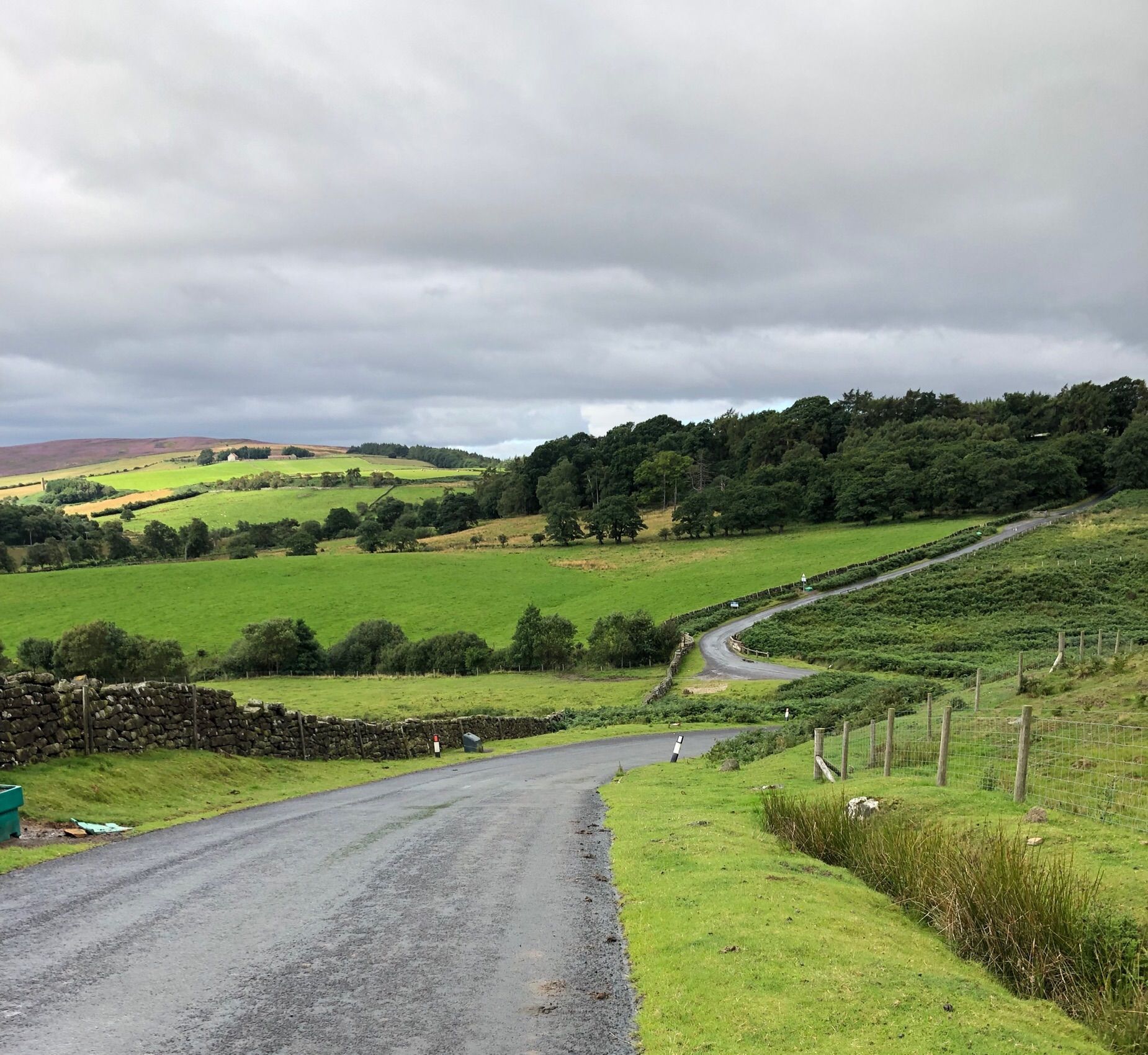
Road Cycling in North York Moors National Park
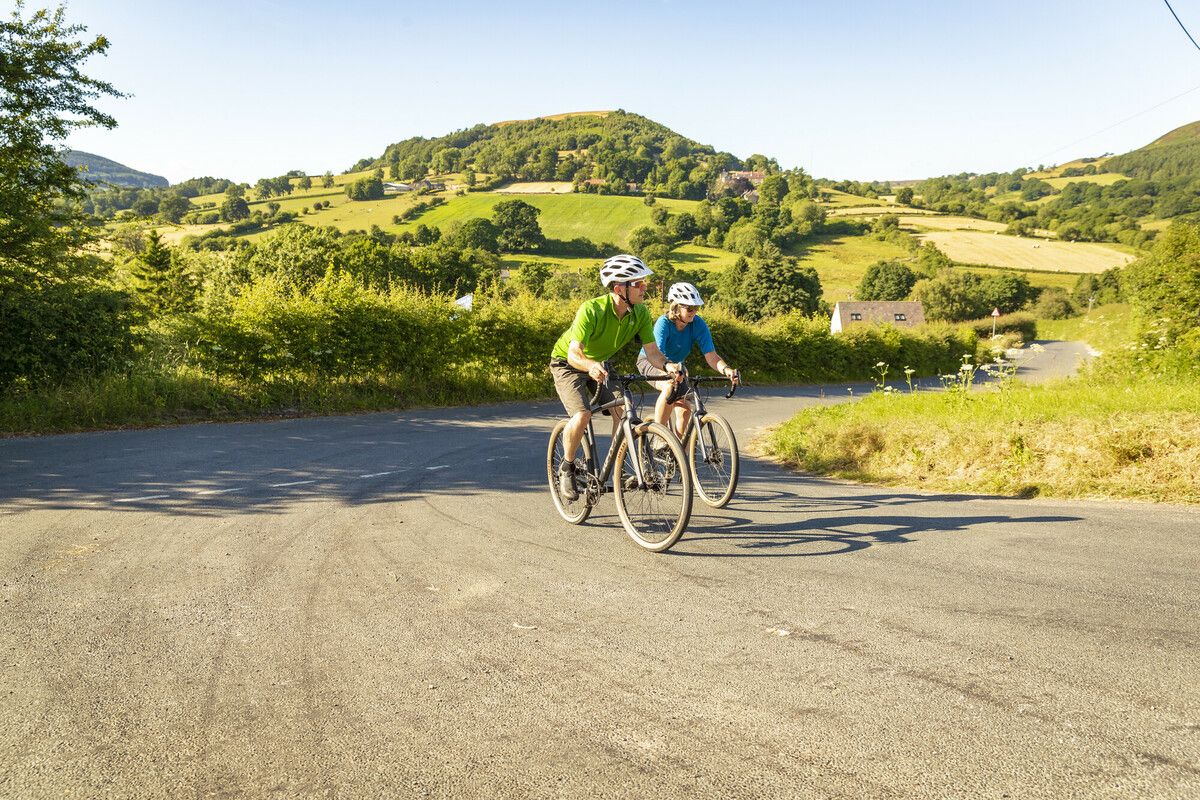
North York Moors National Park Cycle Routes
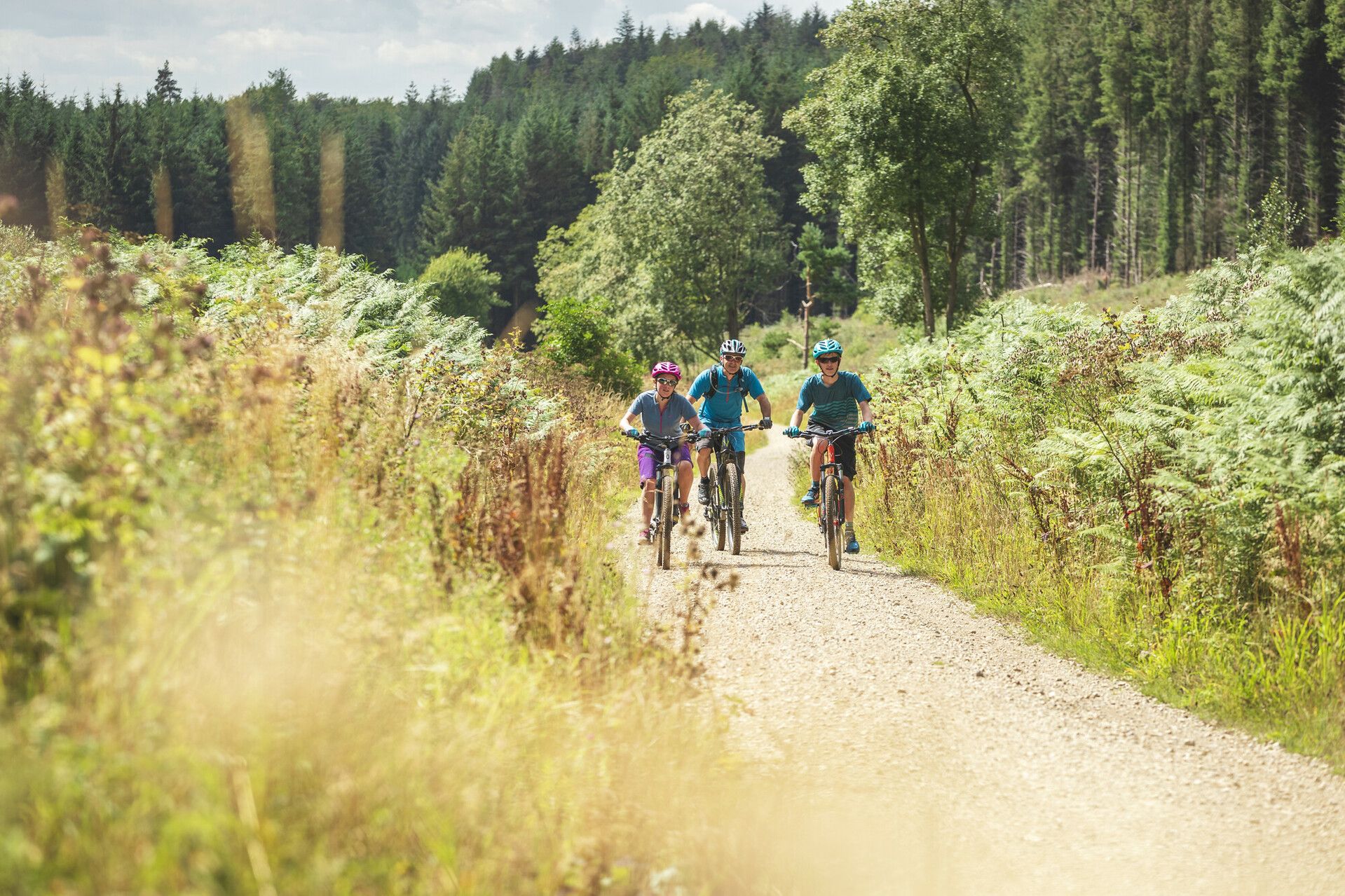
Moor to Sea – exploring the North York Moors National Park
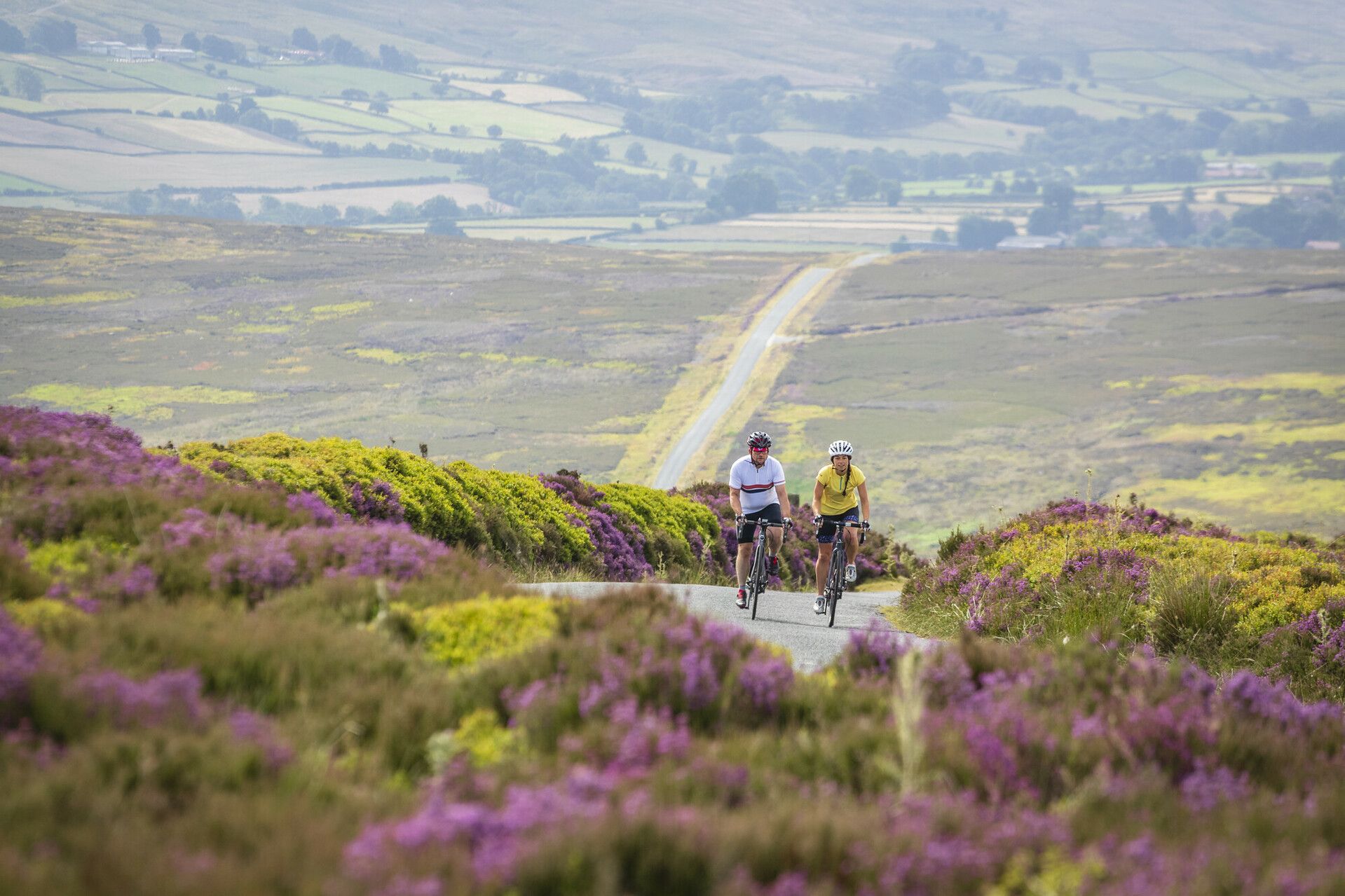
North York Moors Cycleway
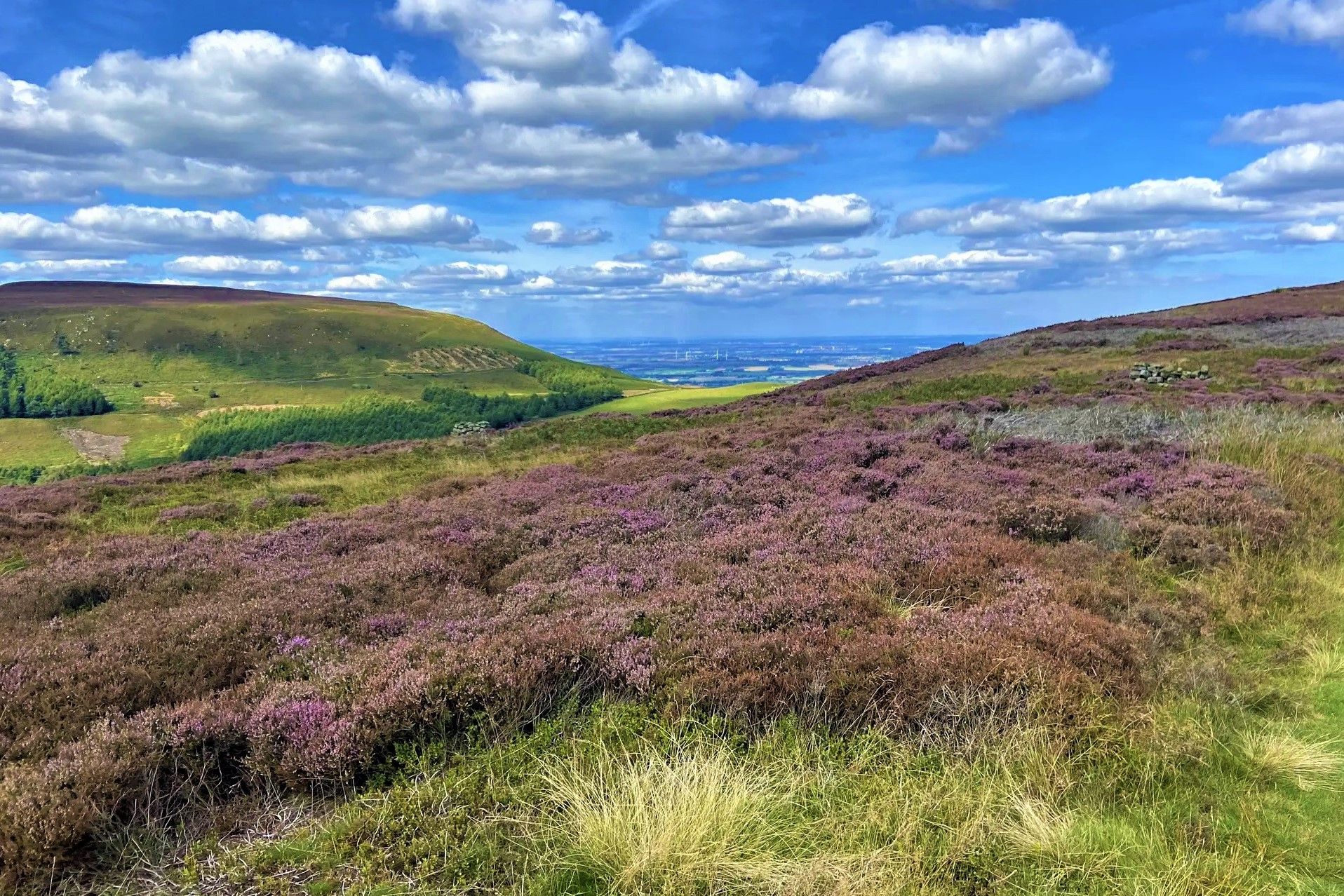
Purple heather, golden sand and classic hiking – North York Moors
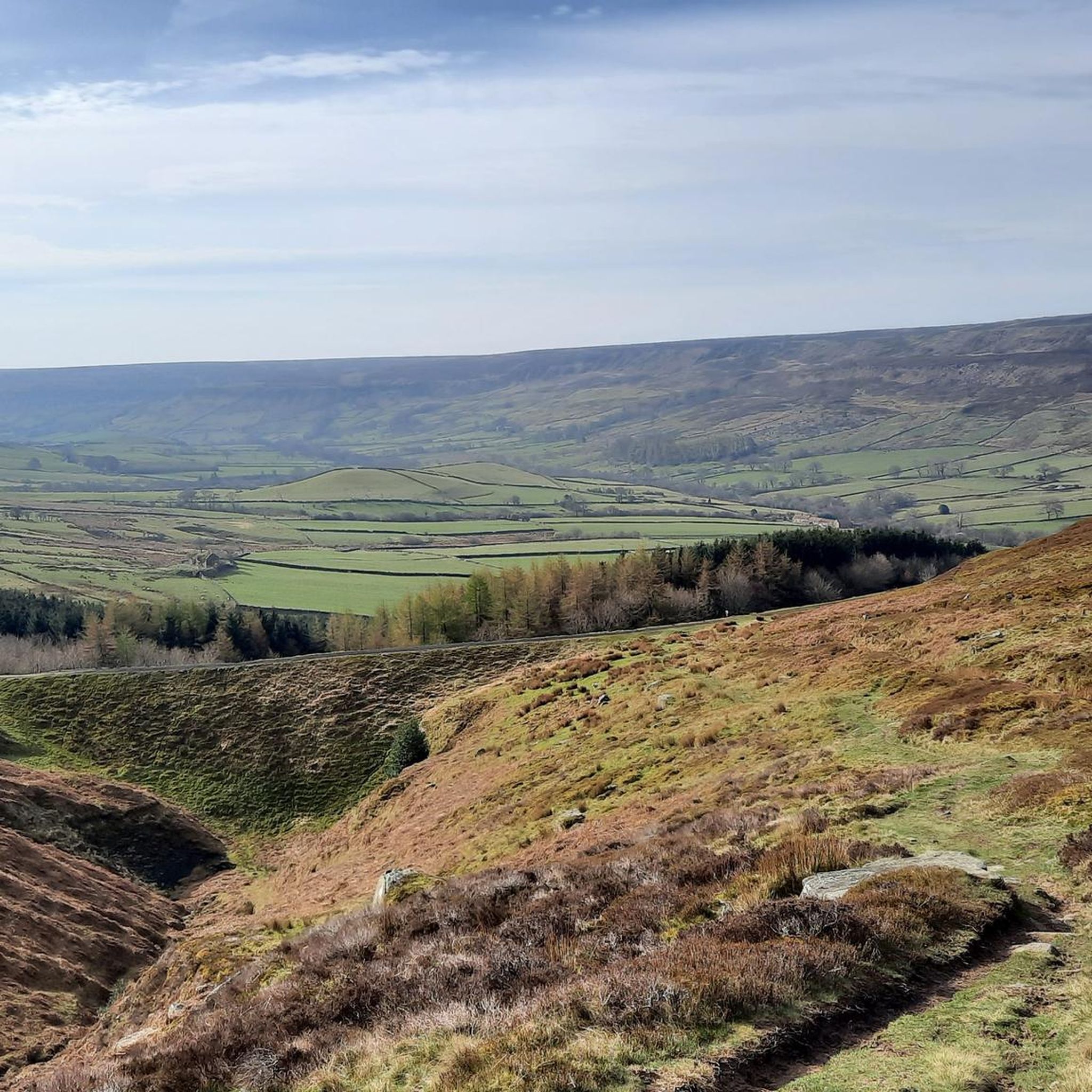
Hiking around Rosedale East Side
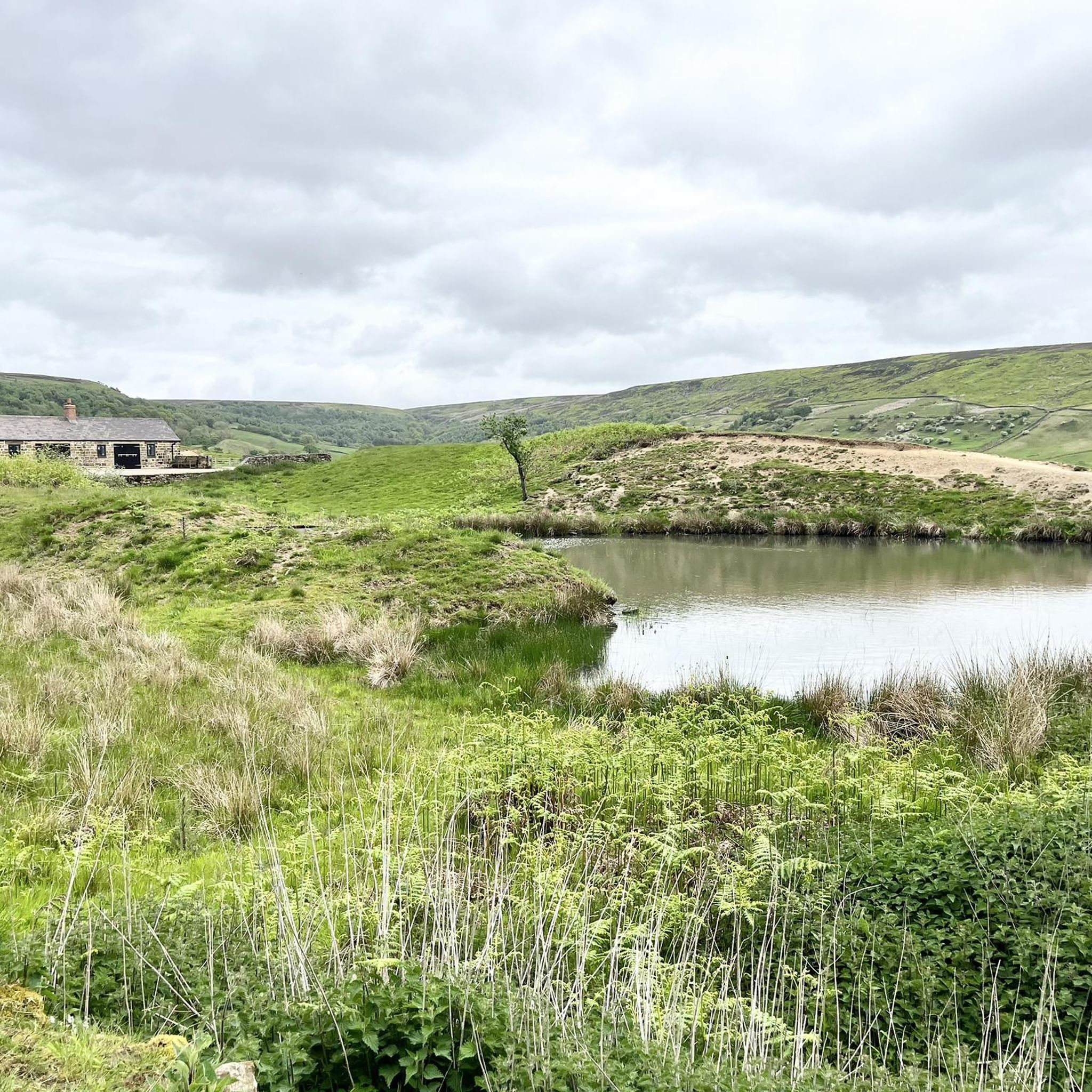
Cycling around Rosedale East Side
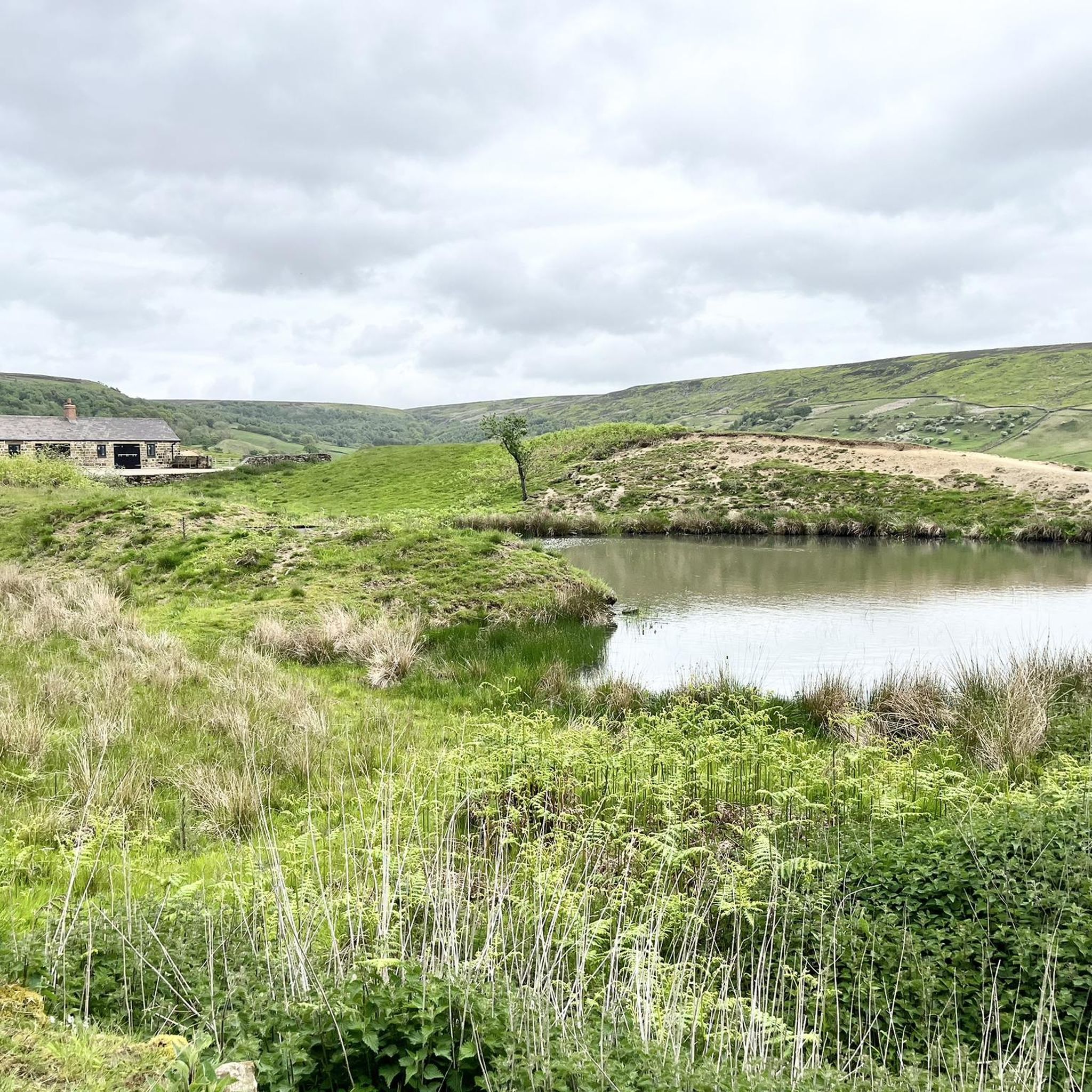
MTB Trails around Rosedale East Side
Other adventures around Rosedale East Side


Tips from the Community

Apparently regarded by the Victorians as "ill-planned and untidy", but now quite possibly one the most picturesque Moors villages, Hutton-le-Hole is a very popular starting point for hikes. Fairly sizeable car park just on the eastern side of the village off the road to Lastingham. Lots more info available at https://en.wikipedia.org/wiki/Hutton-le-Hole, https://www.yorkshire.com/hutton-le-hole/?srsltid=AfmBOoqlQxZoMrKrxFTMhz3S7ZTijB3NKHNKMKO3WYru-vDGGmjNYk2Q, https://www.northyorkmoors.org.uk/places-to-go/hutton-le-hole-lastingham-appleton-le-moors
0
0
Urra Moor is fairly large and criss-crossed with several walking routes, some more popular than others. As a result, there are great panoramic views to be had in all directions. https://en.wikipedia.org/wiki/Urra_Moor
1
0
Whilst this waterfall is relatively accessible, as others point out it is a bit of a scramble, with the rocks still quite slippery and treacherous in the height of summer, as they are permanently in the shade and damp. In summer, the valley that the track to the waterfall runs through provides welcome respite from the heat of the day.
1
0

In 1619, a packhorse bridge called Beggar’s Bridge was constructed over the River Esk by Thomas Ferris, the son of a local moorland sheep farmer. The bridge’s history is intertwined with a romantic legend about Thomas and his sweetheart, Agnes Richardson. Allegedly, Thomas used to wade through the river to meet Agnes secretly since her father disapproved of their relationship due to Thomas’s lack of wealth. Thomas sought his fortune on the high seas to win her father’s approval. However, on the eve of his departure, he could not cross the river to bid farewell to his beloved due to the river’s flood. Thomas swore an oath that he would build a bridge in that very spot one day. Years later, having returned to Glaisdale, a wealthy man and married Agnes, Thomas fulfilled his promise by constructing Beggar’s Bridge.
0
0

Urra Moor / Round Hill is the highest moor in the North York Moors at 1,490 feet / 454m
0
0
From Landofiron.org.uk: This landscape was utterly transformed during Rosedale’s Victorian ‘iron rush’ when Bank Top was a centre for the processing and transport of ironstone. Mining began in 1856, with ironstone hewn from nearby Hollins Mines and hauled by a steam winding engine up an inclined tramway to Bank Top. Vast quantities of ore – over 300,000 tonnes a year – were then processed in giant kilns, before being carried by moorland railway to blast furnaces in County Durham and Teesside. The Bank Top site also included coal depots, railway workers’ cottages and an engine shed. Production at Hollins peaked quickly and in 1885 the mines were abandoned, having largely exhausted their iron reserves in just 29 years.
1
0

Interesting ruins, great hikes with great views possible. This vastness is crazy
0
0
The beautiful 70 ft high Mallyan Spout waterfall is the tallest one in the North York Moors National Park. It is not recommended for anyone with mobility issues as it involves scrambling over rocks.
0
0
Frequently Asked Questions
What natural features can I explore in Rosedale East Side?
Rosedale East Side, nestled within the North York Moors National Park, offers stunning natural beauty. You can visit Mallyan Spout Waterfall, the tallest waterfall in the North York Moors with a 70-foot drop. The area is also characterized by the serene River Seven, which flows through the valley, and the vast heather moorland. For panoramic views, head to Blakey Ridge, and explore the delightful narrow side valley of Dundale Griff, known for its historical traces and resident Highland Cows.
What historical sites can I visit in Rosedale East Side?
The region is rich in history. Explore the Bank Top Iron Kilns, crumbling ruins that stand as a testament to Rosedale's significant 19th-century iron-ore extraction industry. Another notable historical site is Beggar's Bridge, a romantic arched structure over the River Esk with a storied past dating back to 1619. You can also see the historic Old Ralph and Young Ralph wayside crosses, with Young Ralph Cross serving as the North York Moors National Park's emblem.
Are there family-friendly attractions or activities in Rosedale East Side?
Yes, Rosedale East Side offers several family-friendly options. The Hutton-le-Hole Village Green and Stream is a picturesque spot, often considered one of the prettiest villages in the North York Moors, perfect for a relaxed visit. The nearby Ryedale Folk Museum in Hutton-le-Hole provides an engaging insight into the area's history and rural life, which can be interesting for all ages. Many of the walking trails are also suitable for families, depending on their length and difficulty.
What outdoor activities and trails are available in Rosedale East Side?
Rosedale East Side is a haven for outdoor enthusiasts. You can find numerous trails for various activities. For running, explore routes like the 'Daleside Road and Rosedale East Mines loop' or the 'Sheriff's Pit – Abbey Tea Rooms loop'. Cyclists can enjoy routes such as the 'Moor to Sea Cycle Network: Rosedale Abbey to Dalby' or the challenging 'Rosedale Chimney Bank Climb'. Gravel biking options include the 'Hutton-le-Hole village – Blakey Bank Summit loop'. You can find more details on these routes in the Running Trails, Gravel Biking, and Cycling guides for Rosedale East Side.
When is the best time to visit Rosedale East Side?
The best time to visit Rosedale East Side largely depends on your interests. Spring, particularly around Easter, is ideal for seeing the wild daffodils blooming in the adjacent Farndale Valley. Summer offers pleasant weather for hiking and exploring the moorlands. Autumn brings beautiful colors to the landscape. While the path to Mallyan Spout Waterfall can be technical and potentially slippery, it is captivating year-round. Always check local weather conditions before your visit.
Are there any challenging trails or viewpoints in the area?
Yes, Rosedale East Side offers several challenging options. The path to Mallyan Spout Waterfall can be technical in places, requiring sturdy shoes. For cyclists, the Rosedale Chimney Bank is known as one of the steepest roads in the UK, providing a challenging ascent and impressive views. Blakey Ridge, located to the north-west, also stands over 1,300 feet (400 m) above sea level, offering panoramic vistas across the moorland.
What is Rosedale Abbey Village known for?
Despite its name, Rosedale Abbey is a charming village, not an abbey, built around the site of a former Cistercian Priory. It serves as the main settlement in the valley and is known for hosting the annual Rosedale Show, which attracts thousands of visitors. It's a great base for exploring the surrounding moorlands and historical sites.
Can I learn about the local history and culture in Rosedale East Side?
Absolutely. Beyond the industrial heritage of the Bank Top Iron Kilns, you can delve into rural life at the Ryedale Folk Museum in nearby Hutton-le-Hole. The village of Lastingham also features a historic Norman crypt at its church. These sites offer a glimpse into the rich past and traditions of the North York Moors.
Are there any unique natural phenomena to see?
Beyond the dramatic Mallyan Spout Waterfall, the region is famous for the Farndale Valley, which transforms into a carpet of wild daffodils during Easter time, offering a spectacular natural display. The vast heather moorlands themselves are a unique natural feature, especially when in bloom.
What do visitors enjoy most about Rosedale East Side?
Visitors frequently praise the breathtaking views and the sense of history. The 'epic' sight of Mallyan Spout Waterfall is a highlight for many. The crumbling ruins of the Bank Top Iron Kilns offer a fascinating glimpse into the past, complemented by 'breathtaking views' from the site. The charm of Hutton-le-Hole Village Green and Stream is also highly appreciated, with many considering it one of the prettiest villages in the National Park.
Are there options for food and drink near the attractions?
Yes, several villages in the area offer places to eat and drink. Hutton-le-Hole, for instance, has a good pub and cafes. Rosedale Abbey Village also provides amenities. Additionally, the Cropton Brewery, a local establishment, offers award-winning real ales and daily brewery tours for those interested in local craft beverages.
What is the Former Rosedale Ironstone Railway Path?
The Former Rosedale Ironstone Railway Path is a network of hiking and cycling trails that follow the lines of the old mineral railway. These paths offer scenic views across the dale and provide an immersive way to experience the area's industrial heritage, passing by sites like the Bank Top Iron Kilns.
Most popular routes around Rosedale East Side
Most popular attractions around Rosedale East Side

Get inspired with the komoot mobile app


Explore more
Still not found the Highlight you’re looking for? See guides of the top attractions in other regions:
