The best road cycling routes around Rosedale West Side
4.6
(41)
1,527
riders
63
rides
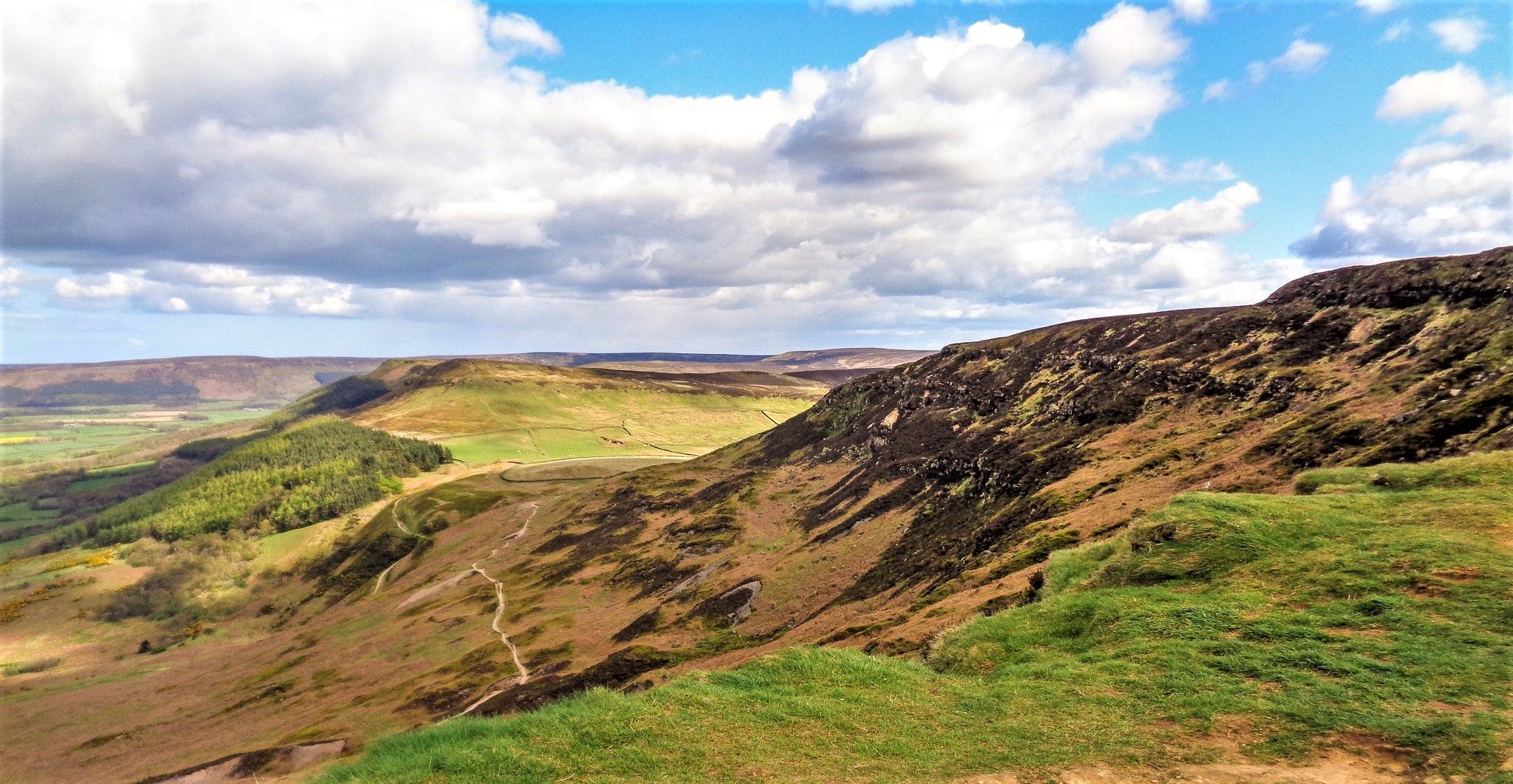
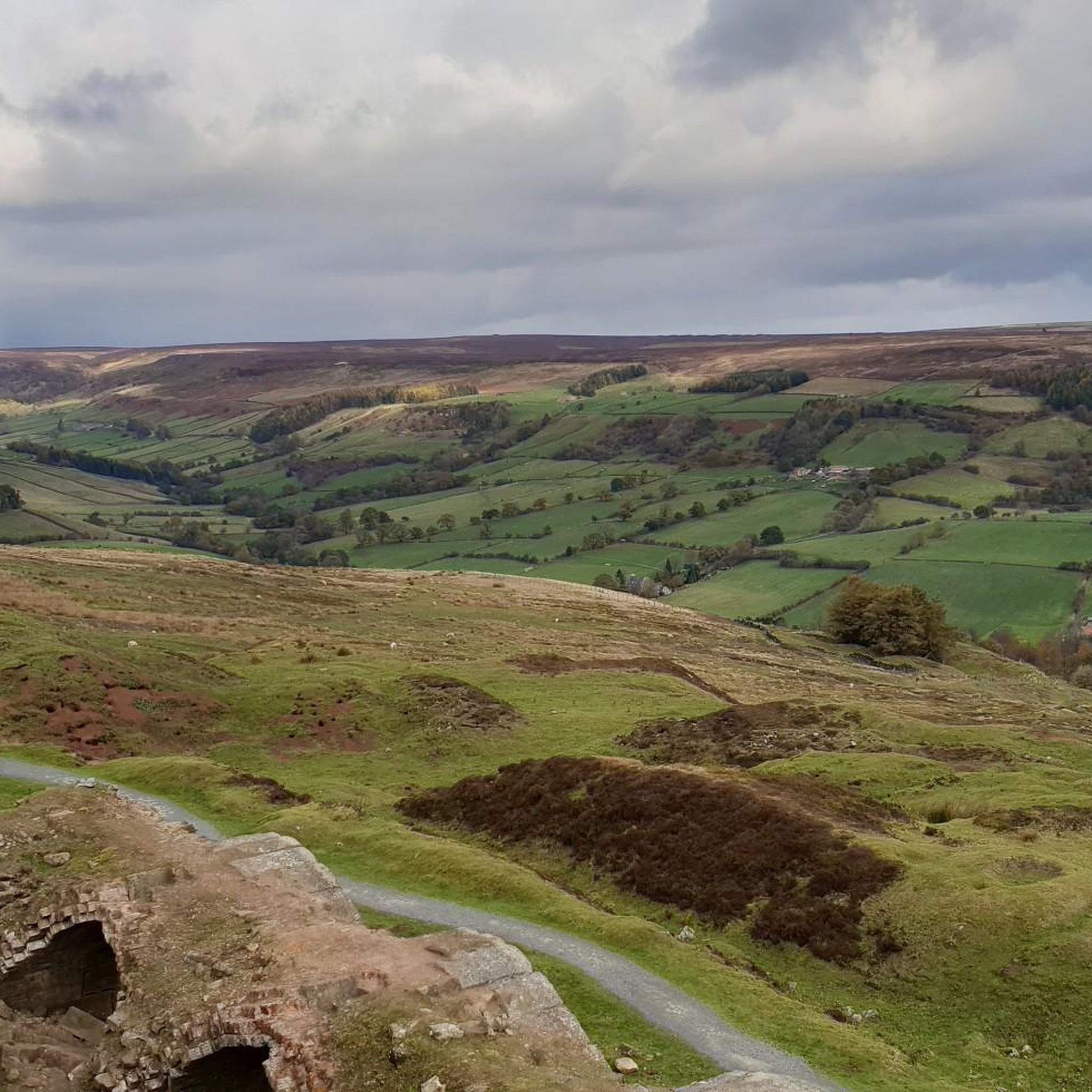
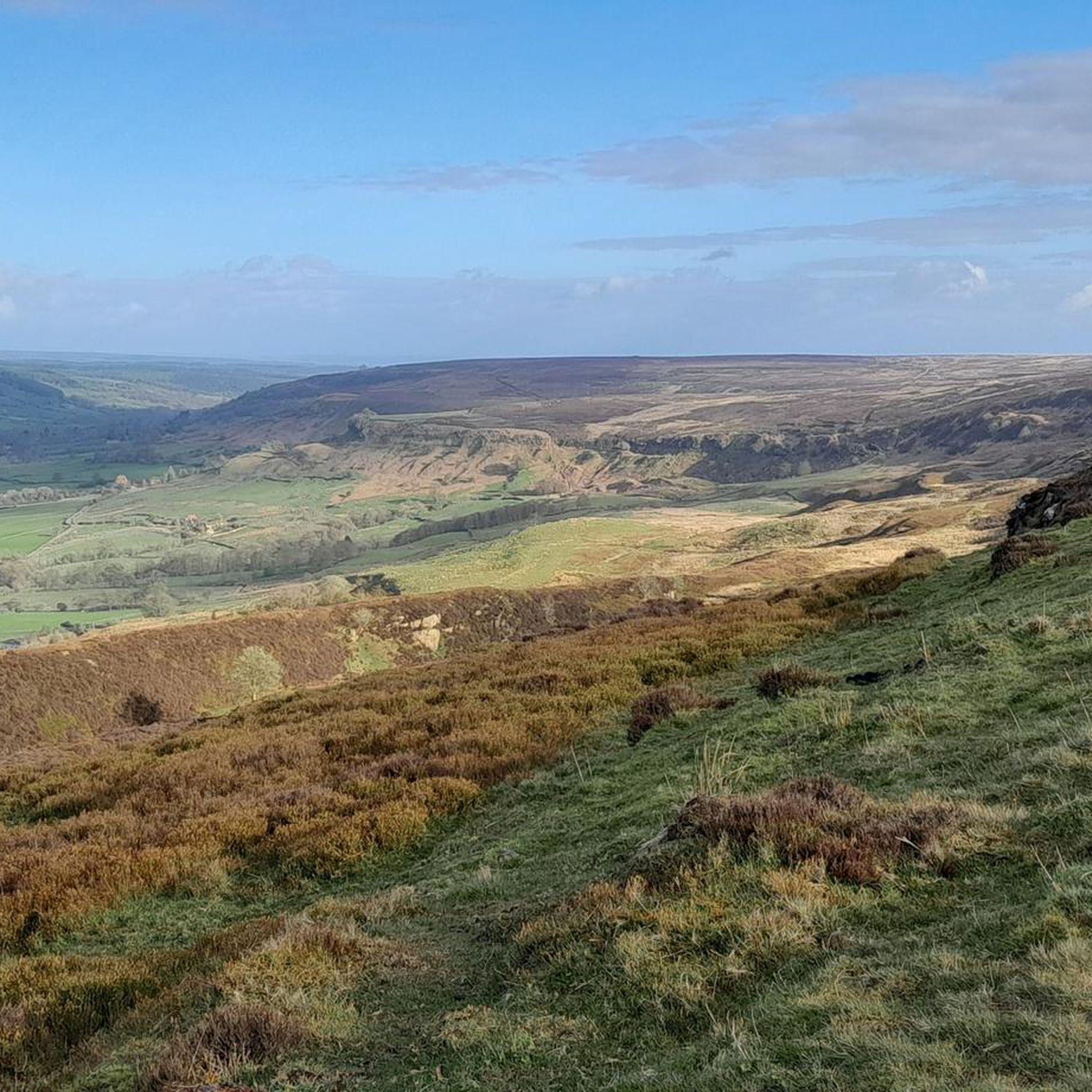
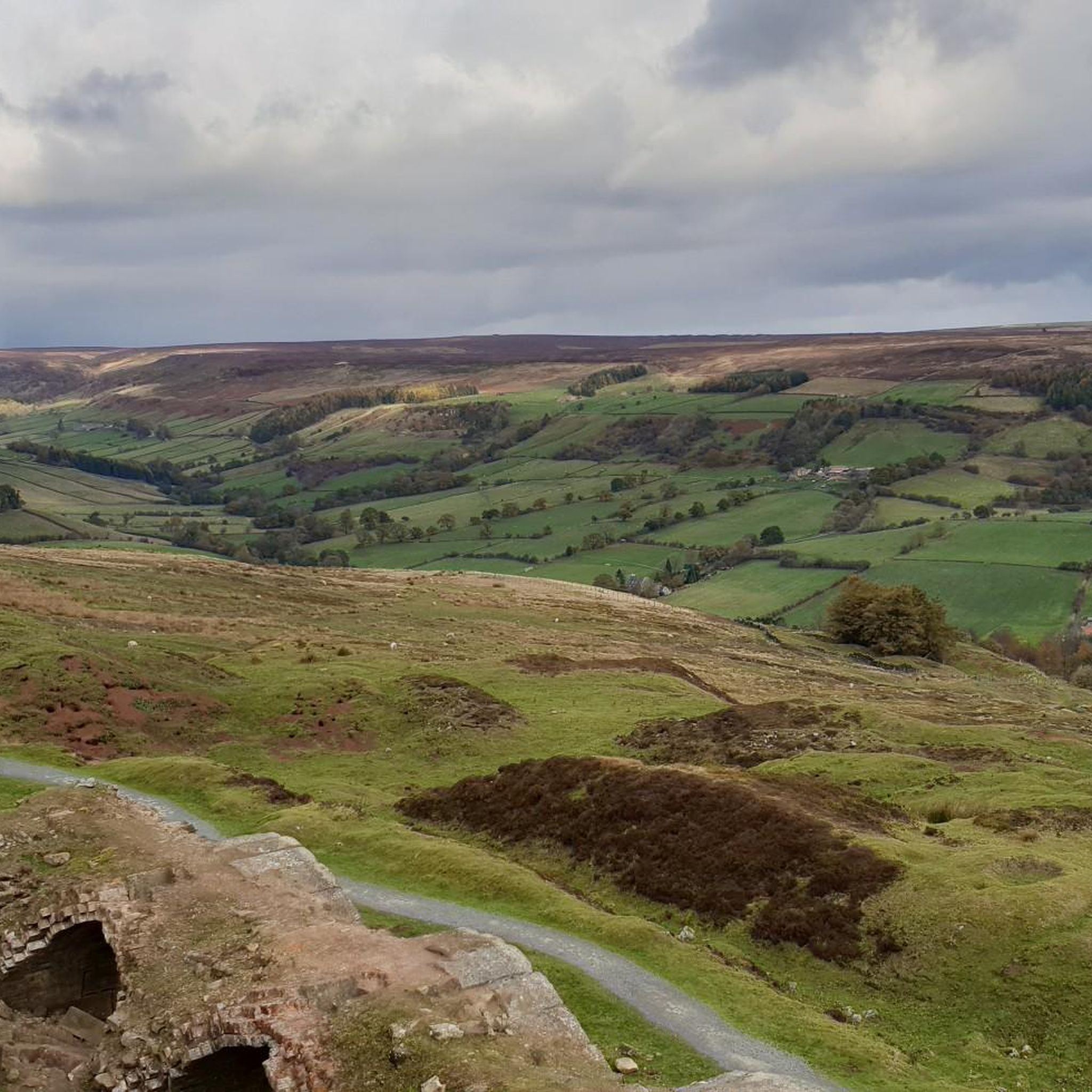
Road cycling around Rosedale West Side offers varied terrain within the North York Moors National Park. The region is defined by expansive heather moorland, deep valleys, and historic iron workings. Cyclists encounter a mix of country roads and challenging climbs, including notable ascents like Rosedale Chimney Bank. The landscape provides both scenic routes through natural beauty and opportunities to explore remnants of its industrial past.
Best road cycling routes around Rosedale West Side
- The most popular road cycling route is…
Last updated: September 1, 2026
2
riders
18.6km
00:49
160m
260m
Easy road ride. Great for any fitness level. Mostly well-paved surfaces and easy to ride.
5.0
(3)
33
riders
50.0km
02:47
850m
860m
Moderate road ride. Good fitness required. Mostly well-paved surfaces and easy to ride.

Sign up for free
21
riders
41.3km
02:12
700m
700m
Moderate road ride. Good fitness required. Mostly well-paved surfaces and easy to ride.
16
riders
75.0km
03:49
1,110m
1,110m
Hard road ride. Very good fitness required. Mostly well-paved surfaces and easy to ride.
10
riders
26.7km
01:19
390m
390m
Moderate road ride. Good fitness required. Mostly well-paved surfaces and easy to ride.
Get access to more routes and recommendations from other explorers.
Sign up for free
Already have an account?
Our route recommendations are based on thousands of hikes, rides, and runs completed by other people on komoot.
Start today with a free account
Your next adventure awaits.
Login or Signup
Other adventures around Rosedale West Side

Tips from the Community

Each of the sacred monuments that you repeatedly encounter – despite all the differences in their external design – has a common concern: The cross that rises here not only wants to attract the viewer's gaze, but – and this is primarily – to make him think of God. Not only in theological books, but even in secular literature, God's voice is often represented, and this is even often the case in crime novels. For example, Ellis Peters set the series of novels about the Benedictine 'Brother Cadfael', which is set in 12th-century England, in the surroundings of a monastery. In "The Virgin in the Ice" it says: "And yet life, clinging to faith, the tenacious struggle with fate had to go on, the land had to be cultivated year in, year out. Plough and harrow must not rest, and one had to take care of sowing and harvesting the fruits of the earth as much as here, in the monastery and church, of sowing and harvesting souls." I wish the viewer here in front of the cross a good thought for his soul.
0
0

Whitby Harbour is a historic and bustling port at the mouth of the River Esk in North Yorkshire, offering a various attractions, shops, and dining places.
0
0

Head on out to either of the 2 main piers and experience an epic sunrise or sunset!
0
0

Nice spot to fuel up with a view. Cakes simple sandwiches and drinks. Friendly staff
0
0

Graze on the Green cafe, excellent food
0
0

The monument includes a standing cross, Listed Grade II, used as a boundary marker and known as Fat Betty or the White Cross. It stands on Danby Moor at the junction of three parishes whose boundaries were fixed during the medieval period. It is on the north side of a minor road to Rosedale 510m to the east of the cross known as Young Ralph. On the north side of the base is the date 1919 cut in the stone. On the west side is an inscription BS IB 1953. Neither inscription bears on a date for this monument. There is also an OS benchmark on the west face. The cross has been repeatedly whitewashed over the years in accordance with the practice of the Downe Estate on which it stands. The cross has been set up on Danby Moor to mark the meeting of the old parishes of Danby, Westerdale and Rosedale. It also marks the side of an old road down to Rosedale from the cross called Young Ralph. The road is mentioned in a 13th century charter from Guisborough.
1
0
Wayside crosses are one of several types of Christian cross erected during the medieval period, mostly from the 9th to 15th centuries AD. In addition to serving the function of reiterating and reinforcing the Christian faith amongst those who passed the cross and of reassuring the traveller, wayside crosses often fulfilled a role as waymarkers, especially in difficult and otherwise unmarked terrain. The crosses might be on regularly used routes linking ordinary settlements or on routes having a more specifically religious function, including those providing access to religious sites for parishioners and funeral processions, or marking long-distance routes frequented on pilgrimages. Over 350 wayside crosses are known nationally, concentrated in south west England throughout Cornwall and on Dartmoor where they form the commonest type of stone cross. A small group also occurs on the North York Moors. The wayside cross and boundary marker known as Young Ralph survive complete even though previously broken and repaired. The cross marks the highest point on the old road from Keldholme in the south of the moors to Castleton in the north. It also marks the boundary of the Wapentake of Pickering Lyth. It has been adopted as the symbol of the North York Moors National Park and has been a listed monument since 1938.
2
0

Free e-bike charging and repari station.
0
0
Frequently Asked Questions
How many road cycling routes are available around Rosedale West Side?
There are over 60 road cycling routes in the Rosedale West Side area, offering a diverse range of experiences. These include 13 easy routes, 33 moderate routes, and 20 difficult routes, catering to various skill levels.
What kind of terrain can I expect on road cycling routes in Rosedale West Side?
Road cycling in Rosedale West Side, situated within the North York Moors National Park, features varied terrain. You'll encounter expansive heather moorland, scenic valleys, and challenging climbs, including the notable Rosedale Chimney Bank. Routes often follow country roads and offer views of historic iron workings.
Are there challenging road cycling routes for experienced cyclists in Rosedale West Side?
Yes, Rosedale West Side is known for its challenging climbs, such as the formidable Rosedale Chimney Bank. For a significant test, consider the Blakey Bank Summit – Whitby Harbour loop from The Lion Inn, a difficult 75 km route with over 1,100 meters of elevation gain, leading through moorland and towards the coast.
Are there any easy or family-friendly road cycling options in Rosedale West Side?
For an easier ride, the Rosedale Abbey to Pickering — North York Moors Cycleway is an excellent choice. This 18.6 km route follows a section of the North York Moors Cycleway and is considered easy, making it suitable for a more relaxed outing.
What are some notable landmarks or attractions I might see along the road cycling routes?
As you cycle, you can explore remnants of the region's industrial past, such as the Bank Top Iron Kilns. For stunning views, routes often pass by viewpoints like Dundale Griff or lead towards high points like Urra Moor – Highest Point of the North York Moors.
Are there circular road cycling routes available in Rosedale West Side?
Yes, many routes in the area are designed as loops. For example, the Keys Beck Road – Pry Hills Lane loop from Rosedale Abbey is a moderate 50 km circular path featuring significant elevation gain through the Rosedale area.
What is the best time of year to go road cycling in Rosedale West Side?
The North York Moors, including Rosedale West Side, are particularly beautiful during late summer and early autumn when the heather is in bloom, offering vibrant purple landscapes. Spring and early summer also provide pleasant conditions, though weather can be unpredictable year-round. Always check forecasts before heading out.
Where can I find places to eat or stay near the cycling routes?
Rosedale Abbey village offers amenities for visitors. Additionally, the remote Blakey Ridge is home to The Lion Inn, a historic pub that provides food, drink, and accommodation, offering breathtaking views over the Rosedale and Farndale valleys.
What do other road cyclists enjoy most about road cycling in Rosedale West Side?
The area is highly rated by the komoot community, with an average score of 4.7 stars from over 30 reviews. Reviewers often praise the stunning heather moorland scenery, the variety of routes from easy to challenging, and the opportunity to explore the unique landscape of the North York Moors.
Are there any long-distance road cycling routes that pass through Rosedale West Side?
Yes, the North York Moors Cycleway, a 171-mile figure-of-eight loop, traverses the region, with a section connecting Osmotherley to Rosedale Abbey. This provides opportunities for longer rides and multi-day tours, allowing you to experience the diverse landscapes of heather moorland, hidden valleys, and coastlines.
Is public transport available to access road cycling routes in Rosedale West Side?
Access to Rosedale West Side and the North York Moors by public transport can be limited, especially to more remote starting points. It's advisable to research local bus services to Rosedale Abbey or nearby towns like Pickering, which may offer connections, but direct access to all trailheads might require personal transport.
Where can I park my car when visiting Rosedale West Side for cycling?
Parking is typically available in and around Rosedale Abbey village. For routes starting from other points, such as The Lion Inn on Blakey Ridge, dedicated parking facilities are usually provided. Always check for specific parking information for your chosen route's starting point.
Most popular routes around Rosedale West Side
Most popular attractions around Rosedale West Side

Get inspired with the komoot mobile app


Explore more
Browse the best Road cycling routes in other regions.
