Top 5 Castles around Plenmeller With Whitfield
Best castles around Plenmeller With Whitfield include a mix of Roman forts and medieval strongholds, offering a journey through centuries of history. This region, close to Hadrian's Wall, features diverse architectural styles from ancient Roman fortifications to 14th-century tower houses. These sites provide insights into the area's past, from border protection to Roman military life. The historical landscape around Plenmeller With Whitfield is rich with significant archaeological remains and impressive ruins.
Best castles around Plenmeller With Whitfield
- The most popular…
Last updated: May 6, 2026
Thirlwall Castle Ruins
Highlight • Historical Site
Tip by

Roman Vindolanda Fort and Museum
Highlight • Historical Site
Translated by Google •
Tip by

Sign up now to discover places like this
Get recommendations on the best single tracks, peaks, & plenty of other exciting outdoor places.
Sign up for free
Ruins of Staward Peel
Highlight • Gorge
Tip by

Vindolanda Roman Fort Ruins
Highlight • Structure
Tip by

Epiacum Roman Fort (Whitley Castle)
Highlight • Historical Site
Tip by
Start today with a free account
Your next adventure awaits.
Login or Signup
Popular around Plenmeller With Whitfield
Tips from the Community

🏛️ Vindolanda Fort is one of the most fascinating Roman archaeological sites in Britain. Built around 85 AD and rebuilt nine times, Vindolanda was an important military stronghold before and during the construction of Hadrian's Wall. The highlight of the discovery were the Vindolanda Tablets – wooden tablets containing personal letters, shopping lists, and even birthday party invitations. They are the oldest handwritten documents in Britain. On site, you'll see the remains of forts, bathhouses, barracks, and a Roman village (vicus), replicas of Roman buildings and sections of Hadrian's Wall, and a modern museum with thousands of artifacts: shoes, toys, weapons, jewelry, and more. 🍵 Visitor facilities: Café, shop, guided tours, and listening posts with explanations.
11
0


This tower was positioned at a strategic defensive point atop the River Allen as it passes through Steward Gorge, within the current National Trust property of Allen Banks & Staward Gorge. The origins of this tower date back to the early 14th century, and since then, it has endured over time to its current ruined state, being listed as Grade II.
1
0

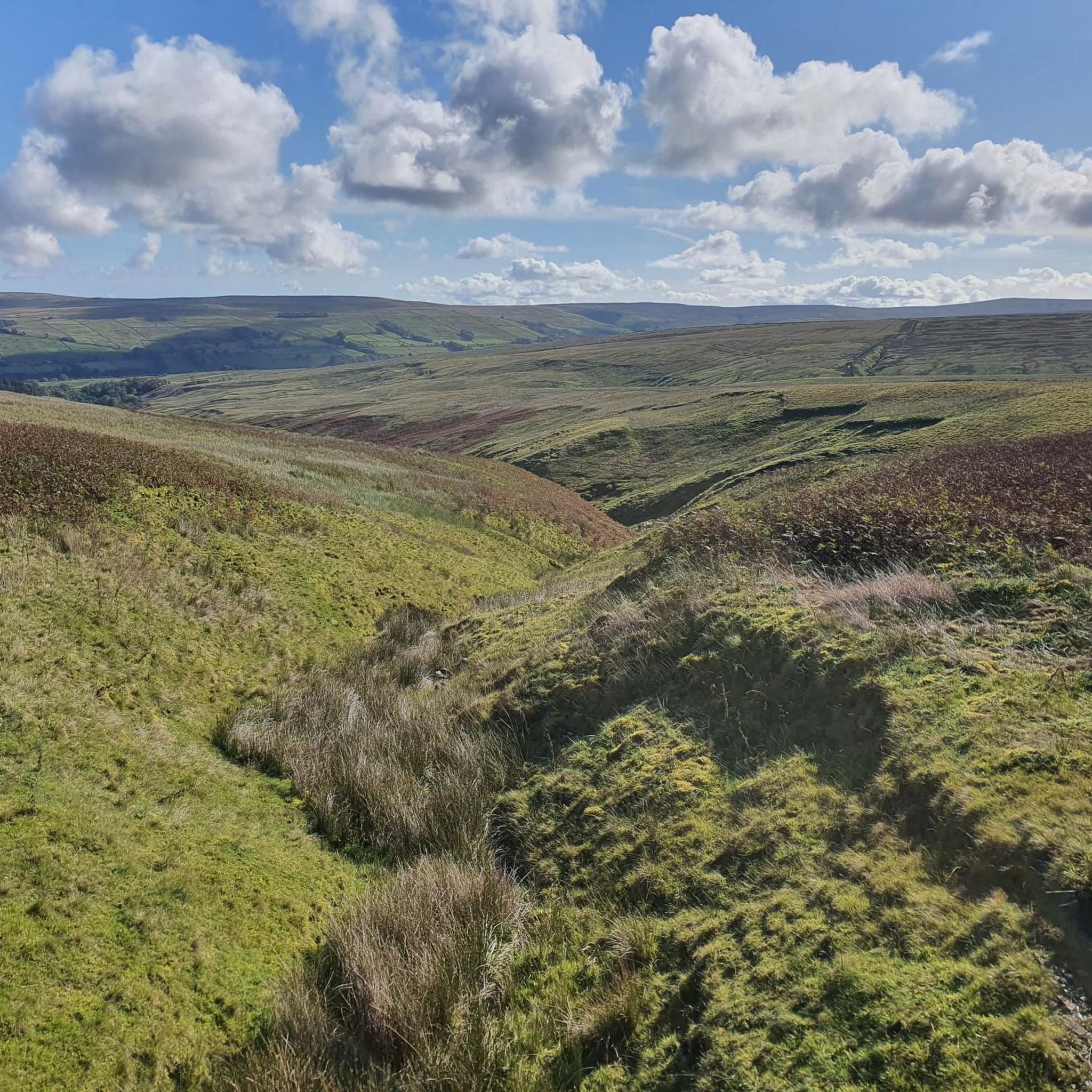
The ruins of Staward Peel, are situated on top of a hill which over looks the River Allen as it flows through Staward Gorge.
0
0

Vindolanda was a Roman fort that was occupied from the late 80s AD to the early 5th century AD. It is one of the best-preserved Roman forts in England, and has been the site of extensive archaeological excavations. The excavations have uncovered a wealth of artifacts, including weapons, armor, tools, and pottery. They have also revealed the remains of the fort's buildings, including the barracks, headquarters, and bathhouse. One of the most significant discoveries at Vindolanda is the Vindolanda tablets. These are a collection of wooden tablets that were written on by the soldiers and civilians who lived at the fort. The tablets contain a wide range of information about everyday life at Vindolanda, including letters, invitations, and shopping lists. The Vindolanda tablets are a unique and valuable source of information about Roman life on Hadrian's Wall. They provide us with a glimpse into the world of the Roman soldiers and civilians who lived and worked at the fort. Vindolanda is a popular tourist destination, and the museum on site houses a collection of artifacts from the fort, including the Vindolanda tablets. The museum also has a number of interactive exhibits that teach visitors about the history of the fort and the life of the Romans on Hadrian's Wall.
0
0

Vindolanda lies just to the south of the curtain wall of Hadrian's Wall and has a very different ‘feel’ to other sites along the Wall. It lies upon the first Roman frontier in the north – The Stanegate Road and in a stunning landscape which lets your imagination really connect with its past. You will probably visit Vindolanda by walking or running along this road to reach the fort and museum. Although first built by the Roman army before Hadrian’s Wall Vindolanda became an important construction and garrison base for the Wall, a Hadrian’s Wall fort in its own right. During this time Vindolanda was demolished and completely re-built no fewer than nine times. Each re-build, each community, leaving their own distinctive mark on the landscape and archaeology of the site.
0
0
Originally built in the 12th century, and later strengthened using stones from nearby Hadrian’s Wall, Thirlwall Castle began to fall into disrepair in the 17th century. The site is protected by Grade I listed building and Scheduled Ancient Monument status. In 1999, Northumberland National Park Authority acquired a 99-year lease on Thirlwall Castle and 10 hectares of adjacent woodland. This is a great historic vista for the eyes for passing runners and why don't you come back for a picnic in the grounds when your not huffing and puffing so much.
1
0
Remarkable Roman Vindolanda Fort is one of Europe’s most important Roman archaeological sites. The site itself comprises nine forts built on top of each other. Soldiers from all over the Roman Empire, including Belgium, Germany and France were stationed here. The visible stone fort dates to the third century and the impressive remains include the fort walls, the headquarters building, the Commanding Officer’s house, granaries and barracks. The remains of the extramural settlement lie just outside of the fort walls. Buildings line a main street including houses, shops, a tavern and a bathhouse.
2
0
Frequently Asked Questions
What types of historical sites can I expect to find near Plenmeller With Whitfield?
The area around Plenmeller With Whitfield offers a rich blend of historical sites, ranging from ancient Roman forts to medieval tower houses and ruined castles. You'll find extensive Roman fortifications like Roman Vindolanda Fort and Museum and Housesteads Roman Fort, alongside medieval strongholds such as Thirlwall Castle Ruins and the remains of Bellister Castle.
Are there any medieval castles I can visit near Plenmeller With Whitfield?
Yes, several medieval castles and their ruins are accessible. Thirlwall Castle Ruins, built with stones from Hadrian's Wall, is free to enter and offers a picturesque historical setting. Blenkinsopp Castle, a fire-damaged 19th-century mansion incorporating a 14th-century tower house, also has accessible ruins. While Bellister Castle's mansion is privately tenanted, its 13th and 14th-century ruins are visible within National Trust parkland.
Which Roman forts are particularly notable near Plenmeller With Whitfield?
Two of the most significant Roman forts are Roman Vindolanda Fort and Museum and Housesteads Roman Fort. Vindolanda is one of Europe's most important archaeological sites, with visible remains of nine forts built atop each other, including barracks, bathhouses, and a museum. Housesteads is renowned as the most complete Roman fort in Britain, offering well-preserved barrack blocks and spectacular views from Hadrian's Wall.
What makes Thirlwall Castle Ruins a unique place to visit?
Thirlwall Castle Ruins is unique because it was constructed during the 12th century using stones directly from the nearby Hadrian's Wall. It served as a crucial stronghold during the Anglo-Scottish border wars. Today, it's a freely accessible, picturesque ruined site that allows visitors to connect with centuries of history and is an excellent spot for a picnic.
What can I expect to see at Roman Vindolanda Fort and Museum?
At Roman Vindolanda Fort and Museum, you can explore the extensive remains of nine Roman forts built sequentially, including fort walls, a headquarters building, the commanding officer's house, granaries, and barracks. Outside the fort, you'll find an extramural settlement with houses, shops, a tavern, and a bathhouse. The site also features a modern museum housing thousands of artifacts, including the famous Vindolanda Tablets, which are ancient handwritten documents.
Are there family-friendly castles or historical sites in the area?
Yes, Roman Vindolanda Fort and Museum is particularly family-friendly, offering interactive exhibits and a vivid glimpse into Roman life. The extensive ruins and museum provide an engaging experience for all ages. Vindolanda Roman Fort Ruins is also categorized as family-friendly, allowing children to explore the ancient structures.
What outdoor activities or routes are available near these castles?
The area around Plenmeller With Whitfield, especially near the castles, offers various outdoor activities. You can find numerous running trails, such as the 'Thirlwall Castle to Walltown Quarry loop from Halfwhistle' or routes exploring the South Tyne Valley. For gravel biking and mountain biking, there are trails like the 'Great North Trail: Haltwhistle Loop' and routes extending into Kielder Forest. You can explore more options on the Running Trails around Plenmeller With Whitfield, Gravel biking around Plenmeller With Whitfield, and MTB Trails around Plenmeller With Whitfield guide pages.
Are there any less-known or 'hidden gem' historical sites worth exploring?
Beyond the major Roman forts and medieval castles, you might consider visiting Epiacum Roman Fort (Whitley Castle). Built concurrently with Hadrian's Wall, it controlled access along the Maiden Way and guarded lead and silver mines. While less frequently visited than Housesteads or Vindolanda, its unique history and remote setting offer a different perspective on Roman frontier life. Unthank Hall, though extensively remodelled, also incorporates an ancient 16th-century Pele tower.
What is the best time of year to visit the castles and historical sites?
The best time to visit the castles and historical sites near Plenmeller With Whitfield is generally during the spring, summer, and early autumn months (April to October). During these periods, the weather is typically milder, making outdoor exploration more comfortable. Many sites are exposed to the elements, so good weather enhances the experience. Winter visits are possible, but some facilities might have reduced hours, and paths can be muddy or icy.
Are there facilities like cafes or pubs near these historical sites?
Yes, some sites offer facilities. For instance, Roman Vindolanda Fort and Museum has a café and shop on site. Near Blenkinsopp Castle, the Blenkinsopp Castle Inn, which was once the stable block, is recommended for its rustic decor and homemade food. For other sites, you'll find pubs and cafes in nearby towns like Haltwhistle, which is a good base for exploring the region.
Can I bring my dog to these historical sites or on nearby walks?
Many outdoor historical sites and walking trails in the Northumberland area are dog-friendly, especially those in open parkland or along public footpaths. For specific sites like Thirlwall Castle Ruins, which is free to enter and set in open land, dogs are generally welcome if kept on a lead. However, it's always best to check individual site policies for Roman forts or privately managed properties, as restrictions may apply to indoor areas or archaeological zones.
What are the parking options when visiting castles and Roman forts in the area?
Parking availability varies by site. Major attractions like Housesteads Roman Fort and Roman Vindolanda Fort and Museum typically have dedicated visitor car parks, though fees may apply. For sites like Thirlwall Castle Ruins, parking might be available in nearby lay-bys or small designated areas. It's advisable to check specific site information or local guides for the most up-to-date parking details before your visit.
Most popular routes around Plenmeller With Whitfield
Most popular attractions around Plenmeller With Whitfield

Get inspired with the komoot mobile app


Explore more
Looking for the best castles somewhere else? Discover other guides around Plenmeller With Whitfield:
