Top 14 Castles around Heinrichsthaler Forst
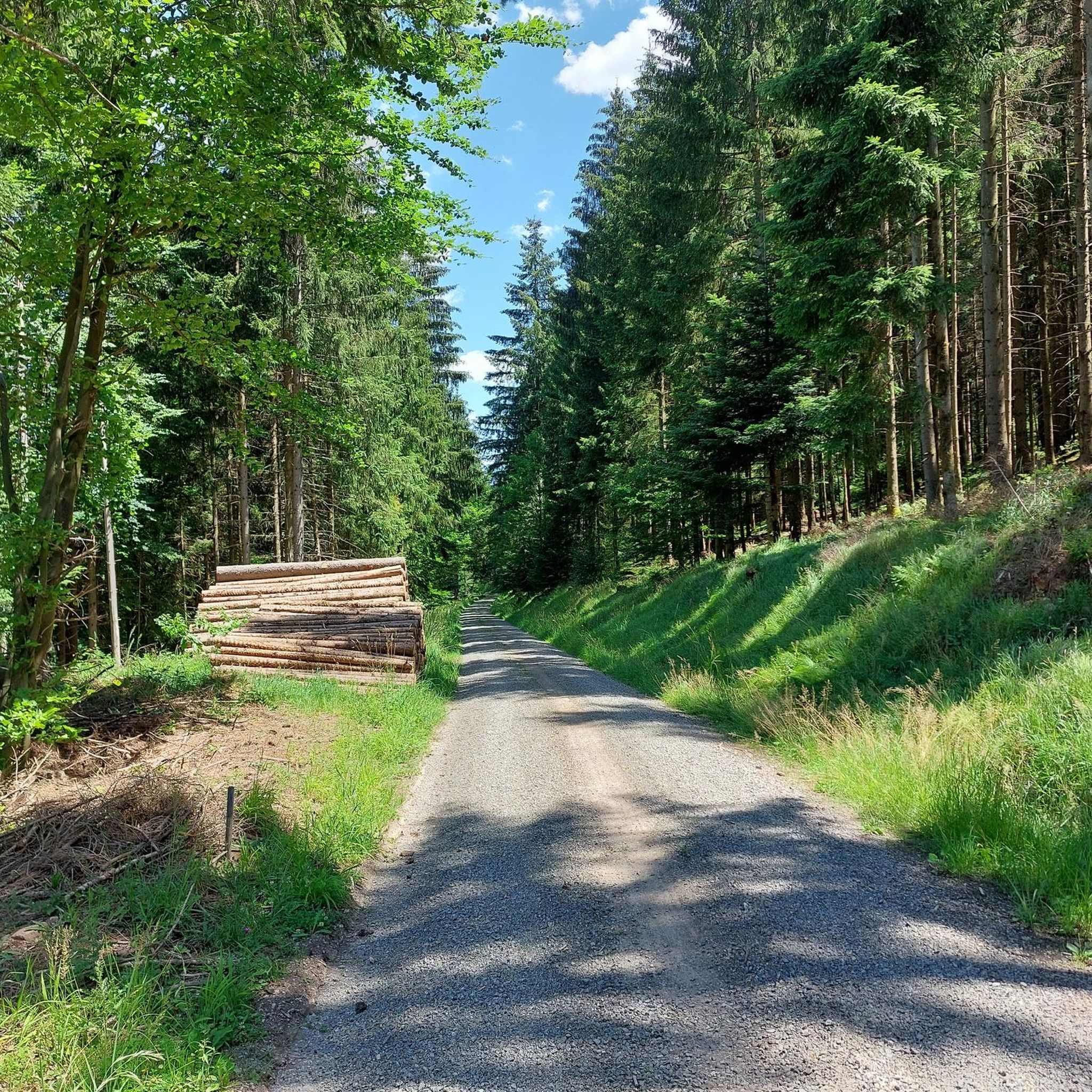
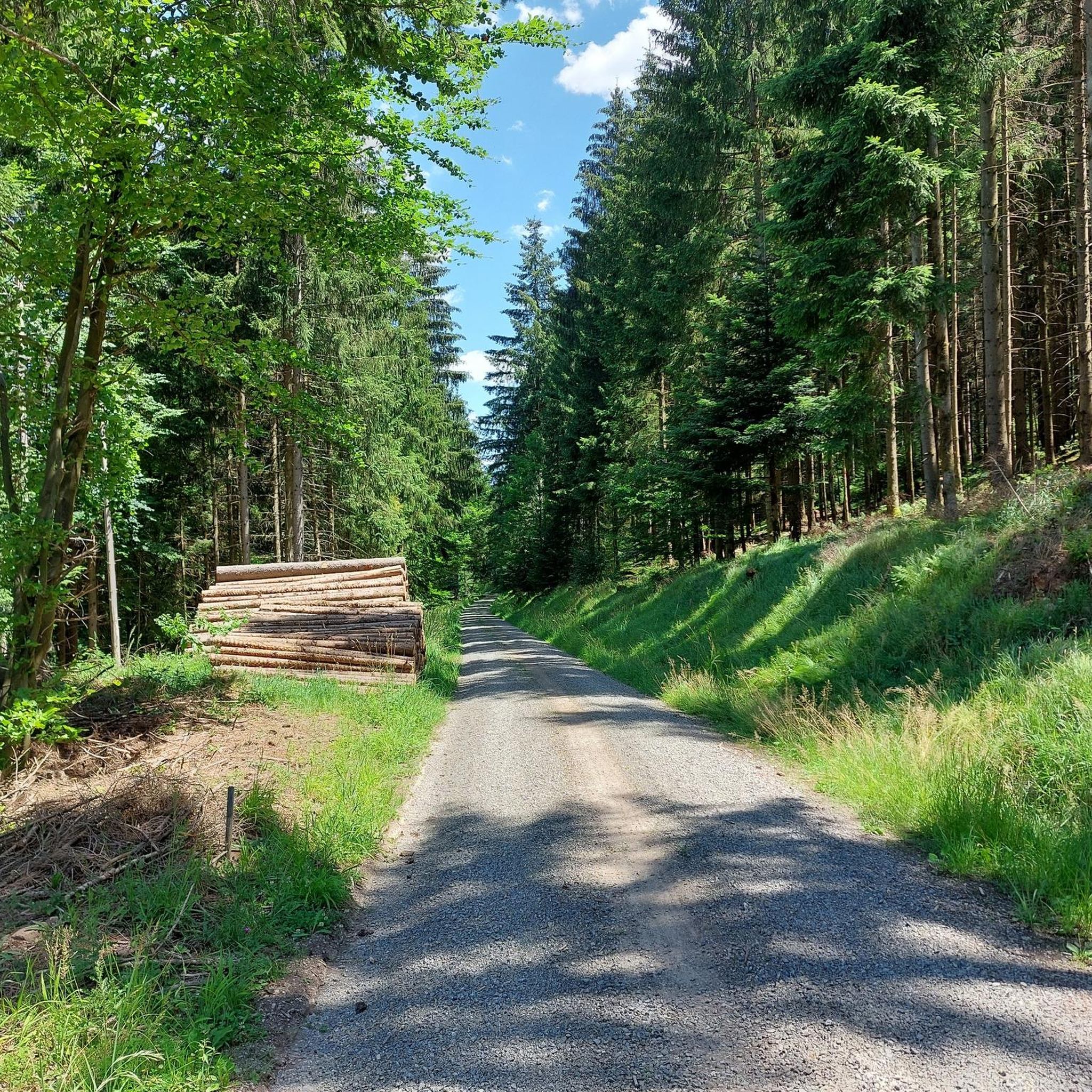
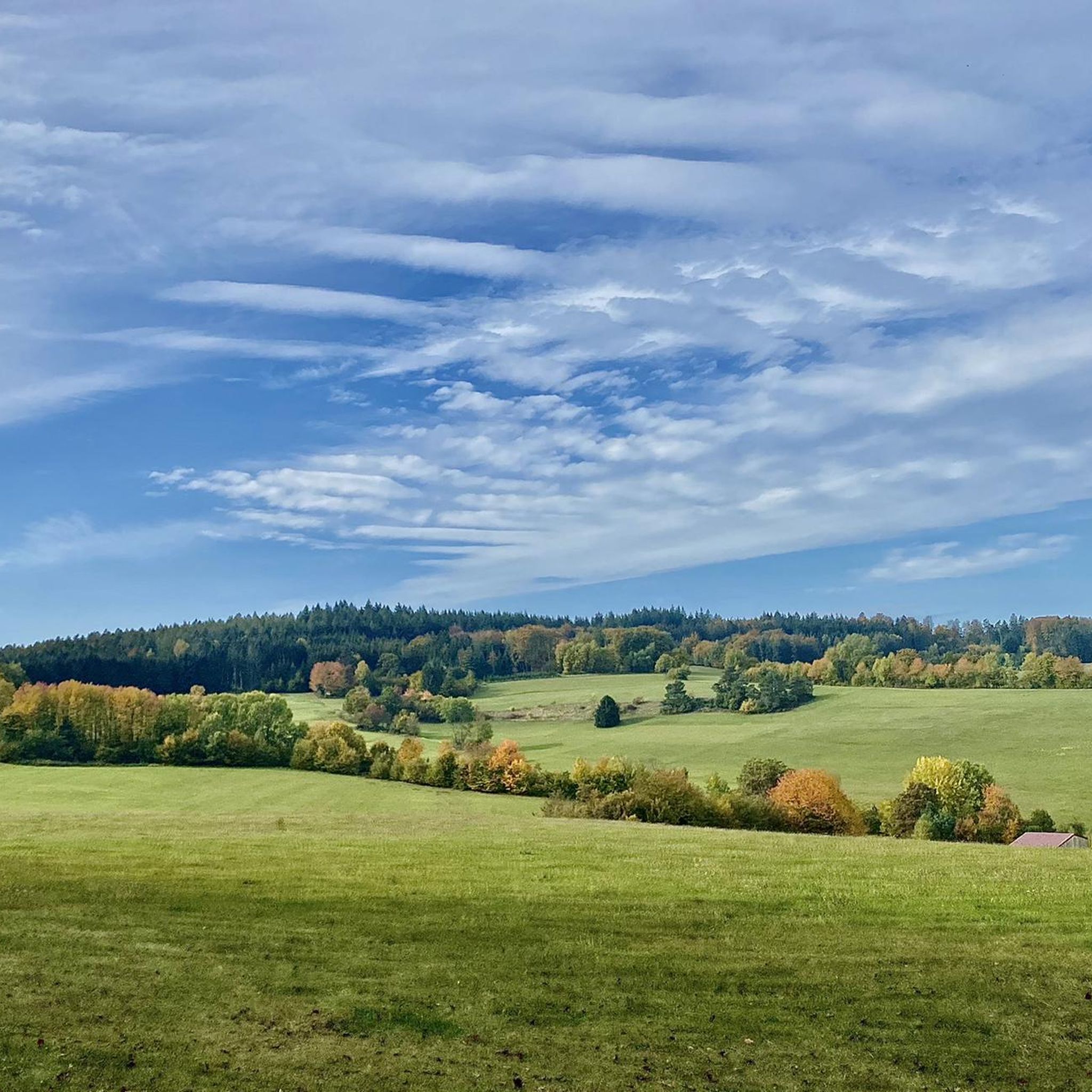
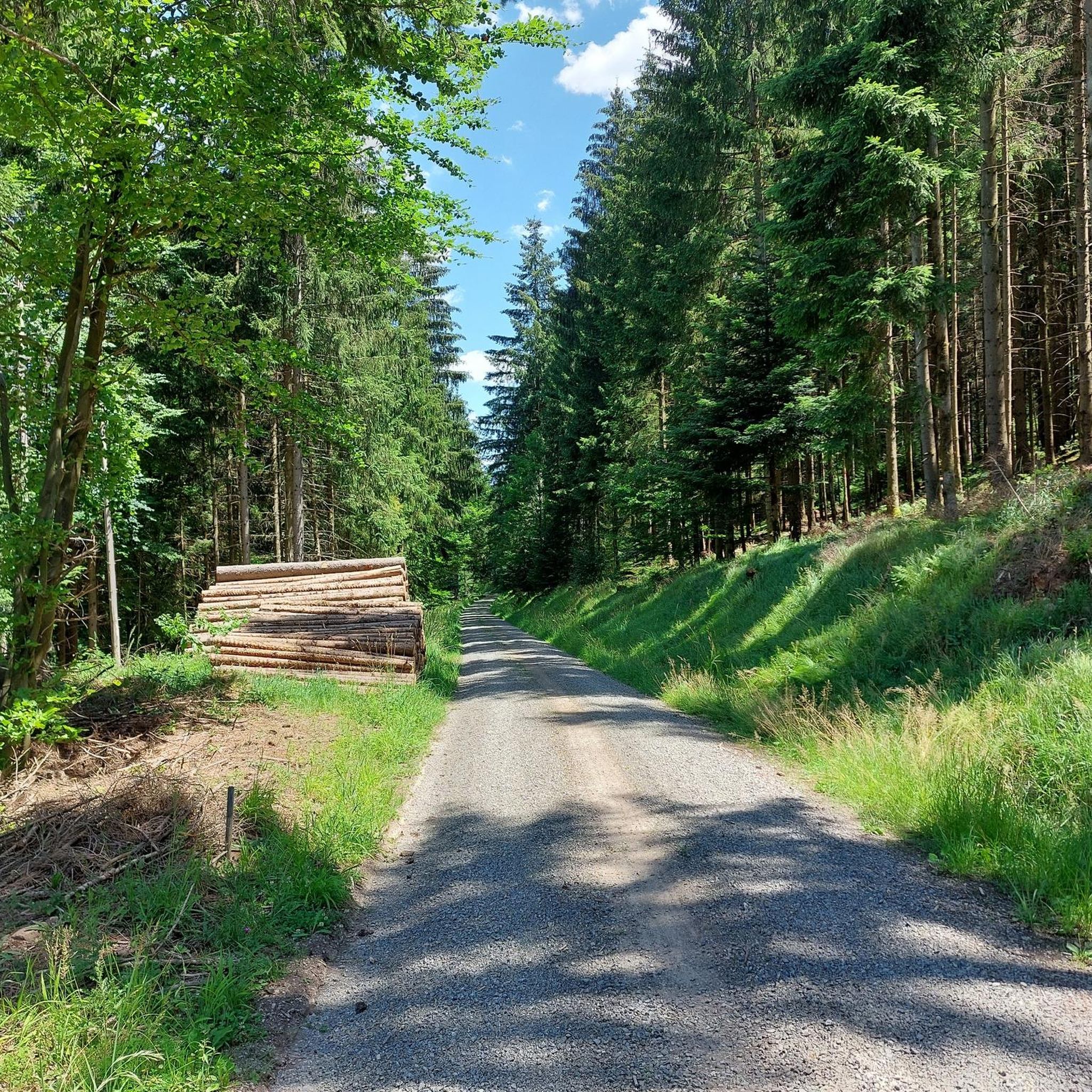
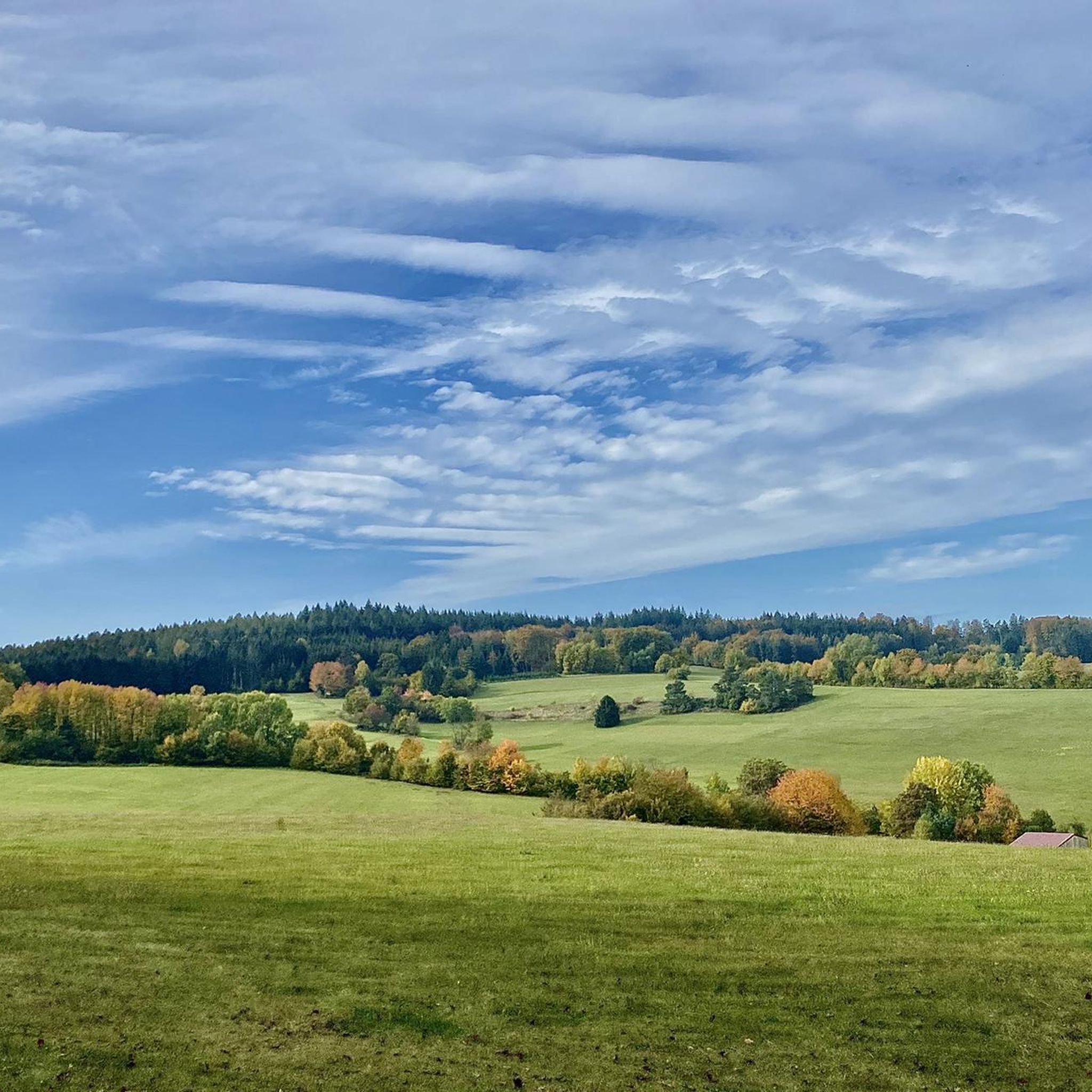
Best castles around Heinrichsthaler Forst are found within the Spessart region, an area characterized by its dense forests and historical significance. Heinrichsthaler Forst itself is a forested, unpopulated area in Bavaria, Germany, known for its natural landscape. The region offers a blend of natural beauty and cultural landmarks, making it suitable for outdoor exploration. Visitors can discover various historical sites nestled within this natural environment.
Best castles around Heinrichsthaler Forst
- The most popular castles is Miniature castle at the Feldkahl…
Last updated: July 1, 2026
Schöllkrippen Castle
Highlight • Castle
Translated by Google •
Tip by

Miniature castle at the Feldkahl spring
Highlight • Structure
Translated by Google •
Tip by

Sign up now to discover places like this
Get recommendations on the best single tracks, peaks, & plenty of other exciting outdoor places.
Sign up for free
Ruins of the Birklergrund Glassworks
Highlight • Historical Site
Translated by Google •
Tip by

Wiesen Castle
Highlight • Castle
Translated by Google •
Tip by

Electoral Palace Hotel Weyberhöfe
Highlight • Castle
Translated by Google •
Tip by

Sign up for free to discover even more castles around Heinrichsthaler Forst.
Sign up for free
Already have an account?
Start today with a free account
Your next adventure awaits.
Login or Signup
Tips from the Community

The castle is privately owned
1
0

Wiesen Castle was built in 1597 by Wolfgang von Dalberg, Elector of Mainz. Since the castle is privately owned, it is unfortunately not open to the public.
2
0
Beautiful complex in the forest behind the swimming pool.
2
0

Wiesen Castle At first glance, Wiesen's traffic situation seems unfavorable, but two state roads cross here. In the late Middle Ages, around 1400, Wiesen was even at the junction of two important supra-regional traffic routes, on Birkenhainer Strasse and Eselsweg. In Wiesen, on the site of the current castle, there was a castle belonging to the Counts of Rieneck, who controlled both of these high-altitude traffic routes from here. The forests and valleys around Wiesen were then dominated by glass production and the glass trade. The current building of the castle was probably built next to the church in the late 16th century. The former Mainz castle and its outbuildings, together with the church, form a slightly elevated, picturesque group of buildings on the edge of the actual village center. The importance of the castle lies in its excellent location in the townscape and its special significance for local history as a bearer of tradition from the old story of the village's founding. During excavations in the castle, Gothic stove tiles were also discovered. They are called Tannenberg type tiles after Tannenberg Castle on the Bergstrasse. Tiles of this type were manufactured in Dieburg from the middle of the 14th century and traded along the Main as far as Holland. The fragments suggest that the lord of the castle in Wiesen - formerly from Rieneck - owned a stove around 1400, the equipment of which reveals a high standard of living. However, the good piece was not only intended to serve as optimal room heating, but above all to impress guests with the proud display of wealth. Source: Information board at the site
4
0
Weiberhof Castle, which is located in the Sailauf district of Weiberhof and today houses the "Kurfürstliche Schlosshotel Weyberhöfe", dates back to the first of four hunting lodges that were built in the Spessart by the electors of Mainz. It is located at the starting and finishing point of several historical Spessart crossings, namely on the Lohrer Straße or Mainzer Straße, which was also called the Kurfürstenweg and reached the Spessart heights via Steiger, on the Römerweg over the Untersailaufer Höhe and the Engländer in the direction of Orb and on the route via Keilberg, the Posthalterkreuz and Rohrbrunn to Esselbach and Lengfurt. Werner von Eppstein built this hunting lodge "castrum vivarum" in 1265, where he died in 1284. It was probably a stone tower with outbuildings and a zoo, as the name vivarum suggests. It was destroyed in the Margraviate War of 1552 and the hunting lodge was rebuilt in 1557 under Elector Daniel Brendel of Homburg. Over the centuries, the “vivarum” became “vivar”, “wiber”, “weiber” and later also “weyber”. In 1681, Michael Sickenberger from Großkrotzenburg settled in the Weyber estate as a tenant and later farmer. He ran a sheep farm there and became “hereditary owner of the Weiberhof”; his sons and their descendants also held this office until the 19th century. On Paul Pfinzing’s Spessart map from 1562/1594, Weiber is shown with a house. Coats of arms carved in stone remind us that the property was the seat of the Centgraf of the “Cent vorm Spessart”. Source: Wikipedia
2
0
It is definitely in the higher price range. Whether it is worth it is something everyone has to decide for themselves.
1
0
Somewhat unexpectedly, I found myself standing in front of the “mini castle”. It is a complete castle, with everything you would expect from a castle.
3
0

The old boundary stones here at the “sea of government of the past and present” are particularly worth a look
14
0
Frequently Asked Questions
What types of castles can I expect to find around Heinrichsthaler Forst?
The region offers a diverse range of historical structures, including traditional castles like Rothenbuch Castle, ruins such as the Ruins of the Birklergrund Glassworks, and even unique creations like the Miniature castle at the Feldkahl spring.
Are there family-friendly castles to visit in the area?
Yes, several sites are suitable for families. The Miniature castle at the Feldkahl spring is a lovingly maintained, intricate structure that children often enjoy. Rothenbuch Castle and Schöllkrippen Castle are also categorized as family-friendly, offering historical insights in a welcoming environment.
What historical insights can I gain from visiting these sites?
You can explore the foundation walls of the 18th-century Ruins of the Birklergrund Glassworks, where information boards detail the history of glass production in the Spessart forest. Wiesen Castle, a former hunting lodge built in 1597, offers a glimpse into late medieval and early modern architecture.
Can I visit Wiesen Castle, and what should I know about it?
Wiesen Castle is a privately owned former hunting lodge. While generally not accessible, it can be visited on specific days, such as the Day of the Monument. It's worth checking local event listings for these opportunities.
Are there hiking opportunities near the castles around Heinrichsthaler Forst?
Absolutely. The Spessart region is excellent for hiking. Rothenbuch Castle serves as a central starting point for many hiking trails. You can find various routes, from easy to moderate, in the Hiking around Heinrichsthaler Forst guide.
What cycling routes are available near the castles?
The area offers numerous cycling opportunities. You can explore routes like the 'View of Rothenfels Castle – Old Main Bridge Lohr loop' or the 'Wetland in the Spessart Nature Park – Glücksweg Heigenbrücken loop'. More details and routes can be found in the Cycling around Heinrichsthaler Forst guide.
Are there any unique or 'hidden gem' castles in the region?
The Miniature castle at the Feldkahl spring is a unique and lovingly crafted site that stands out from traditional castles. It's a testament to local dedication and offers a charming, unexpected discovery.
What do visitors particularly enjoy about the castles and historical sites in this area?
Visitors appreciate the intricate details and dedication put into sites like the Miniature castle at the Feldkahl spring. The historical significance of places like the Ruins of the Birklergrund Glassworks, with its informative displays, is also highly valued. The blend of natural beauty and cultural landmarks makes for a rewarding experience.
Is there a restaurant or accommodation available at any of the castles?
Rothenbuch Castle features a restaurant and hotel. While these are considered upper-class establishments, they offer dining and lodging options directly within a historic castle setting.
What is the best time of year to visit the castles around Heinrichsthaler Forst?
The Spessart region is beautiful year-round. Spring and autumn offer pleasant temperatures for exploring and hiking, with vibrant foliage in the fall. During winter, Rothenbuch Castle hosts an award-winning Christmas market, transforming the village into a fairytale setting, especially with snow.
Are there any mountain biking trails near the castles?
Yes, the Heinrichsthaler Forst area provides several mountain biking opportunities. Trails like the 'Wiesbüttsee – Aubach Lakes loop' offer moderate to difficult rides through the scenic forest. You can find more routes and details in the MTB Trails around Heinrichsthaler Forst guide.
What natural features can be found near these historical sites?
The castles are nestled within the dense forests of the Spessart region. For example, the Miniature castle at the Feldkahl spring is located near a natural spring and within a forest setting. The Ruins of the Birklergrund Glassworks are also situated deep within the forest, highlighting the historical industry's connection to natural resources.
Most popular routes around Heinrichsthaler Forst
Most popular attractions around Heinrichsthaler Forst

Get inspired with the komoot mobile app


Explore more
Looking for the best castles somewhere else? Discover other guides around Heinrichsthaler Forst:
