Attractions and Places To See around Biebergemünd - Top 20
Best attractions and places to see around Biebergemünd are found within the picturesque Bieber and Kinzig valleys in the Hessian Spessart region. This area offers a diverse range of historical landmarks, natural beauty, and cultural experiences. Visitors can explore extensive forests, river valleys, and sites reflecting the region's mining past and ancient history.
Best attractions and places to see around Biebergemünd
- The most popular attractions is Haseltal Trail (Flowtrail Bad Orb), a mtb_park that is 2.6 kilometers long with…
Last updated: July 6, 2026
Bad Orb Graduation House
Highlight • Monument
Above all, these old graduation towers are …
Translated by Google •
Tip by

Kinzig Floodplains
Highlight • River
Translated by Google •
Tip by

Sign up now to discover places like this
Get recommendations on the best single tracks, peaks, & plenty of other exciting outdoor places.
Sign up for free
Rodfeldturm Observation Tower
Highlight • Viewpoint
Translated by Google •
Tip by

Haseltal Trail (Flowtrail Bad Orb)
Highlight (Segment) • MTB Park
Translated by Google •
Tip by
Kinzigtal Cycle Path
Highlight • Cycleway
Translated by Google •
Tip by

Sign up for free to discover even more attractions around Biebergemünd.
Sign up for free
Already have an account?
Start today with a free account
Your next adventure awaits.
Login or Signup
Popular around Biebergemünd
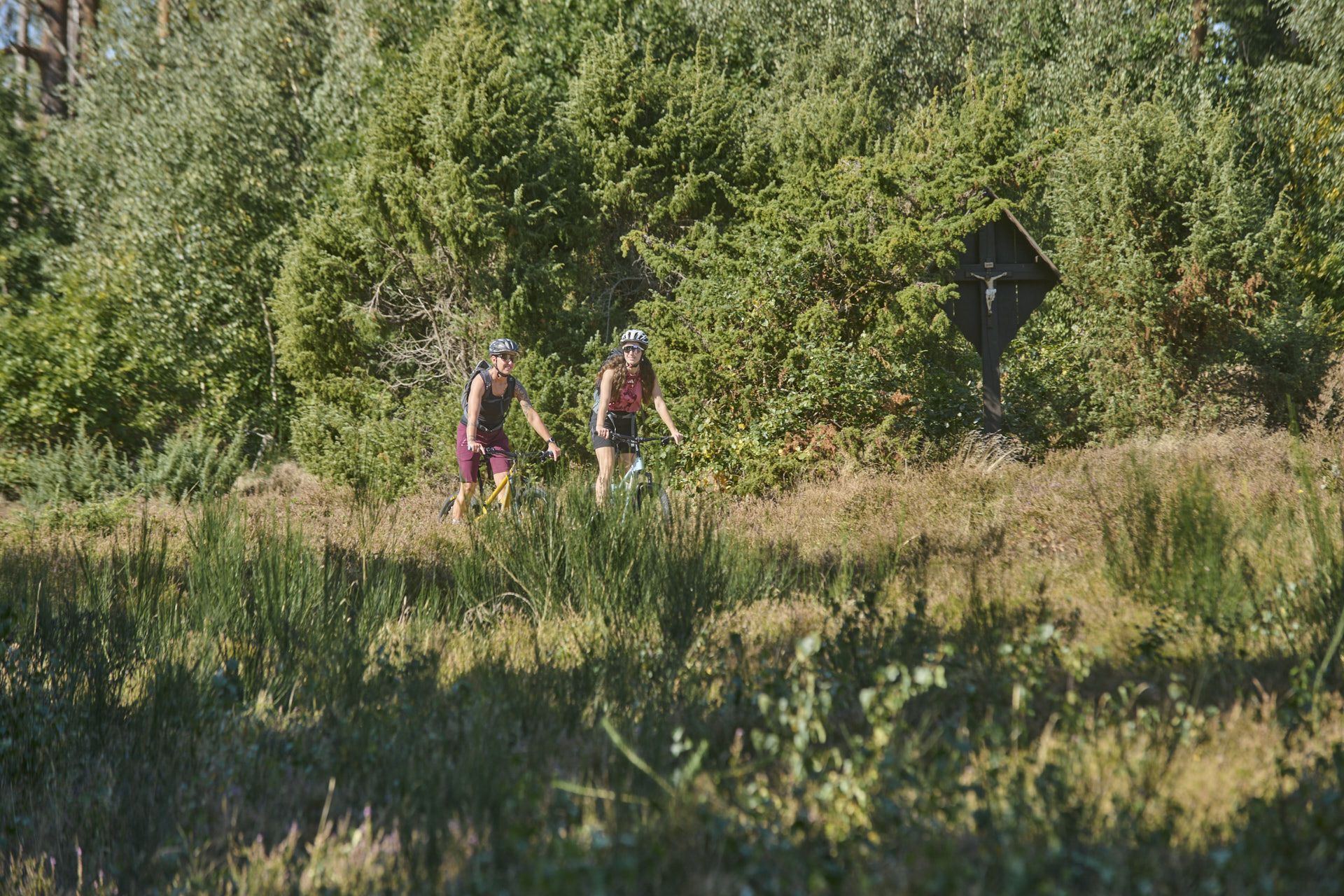
Nature, trails and local cuisine – MTB in the Spessart
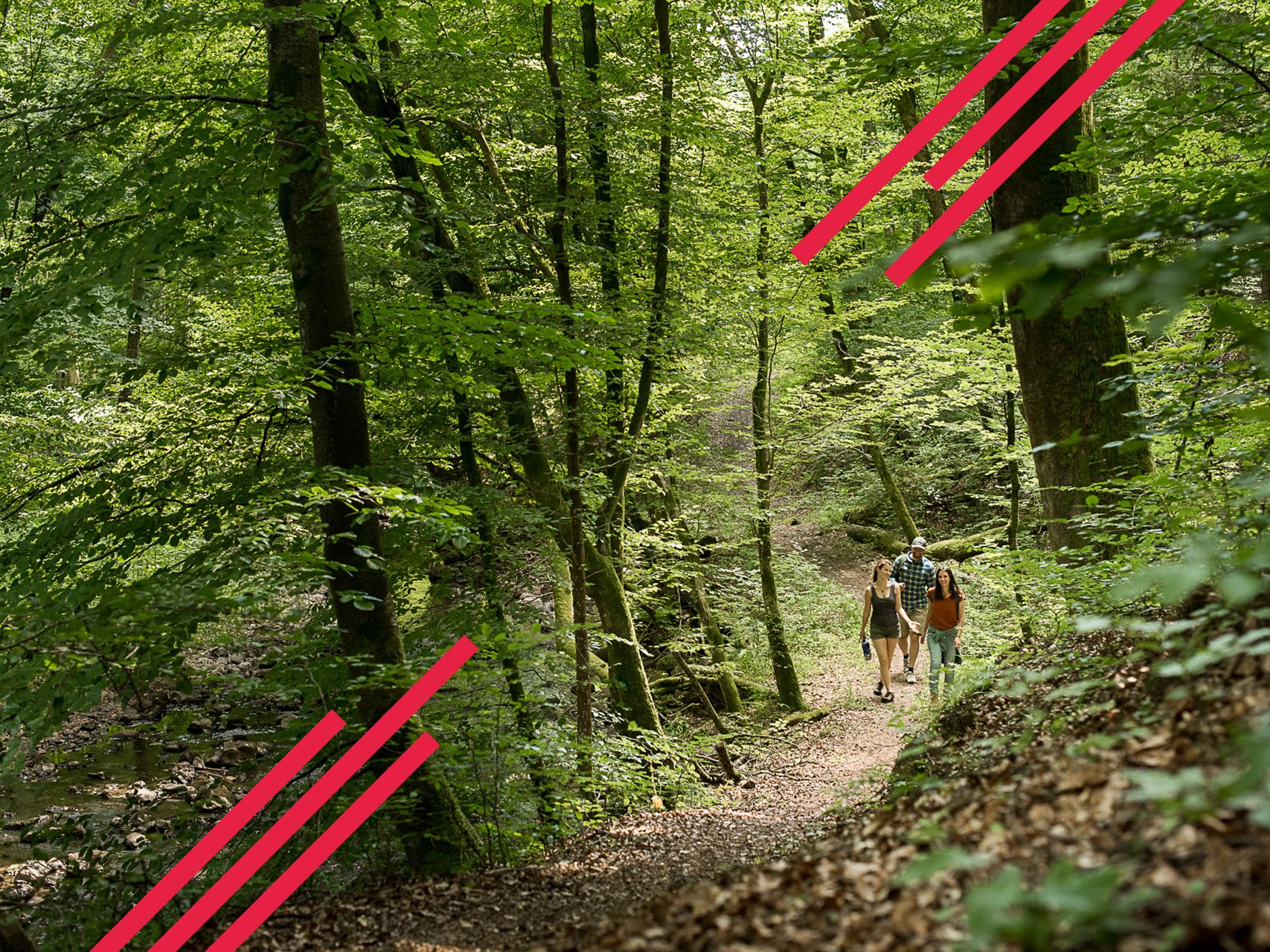
Relaxed hiking in the Spessart – short trails of discovery
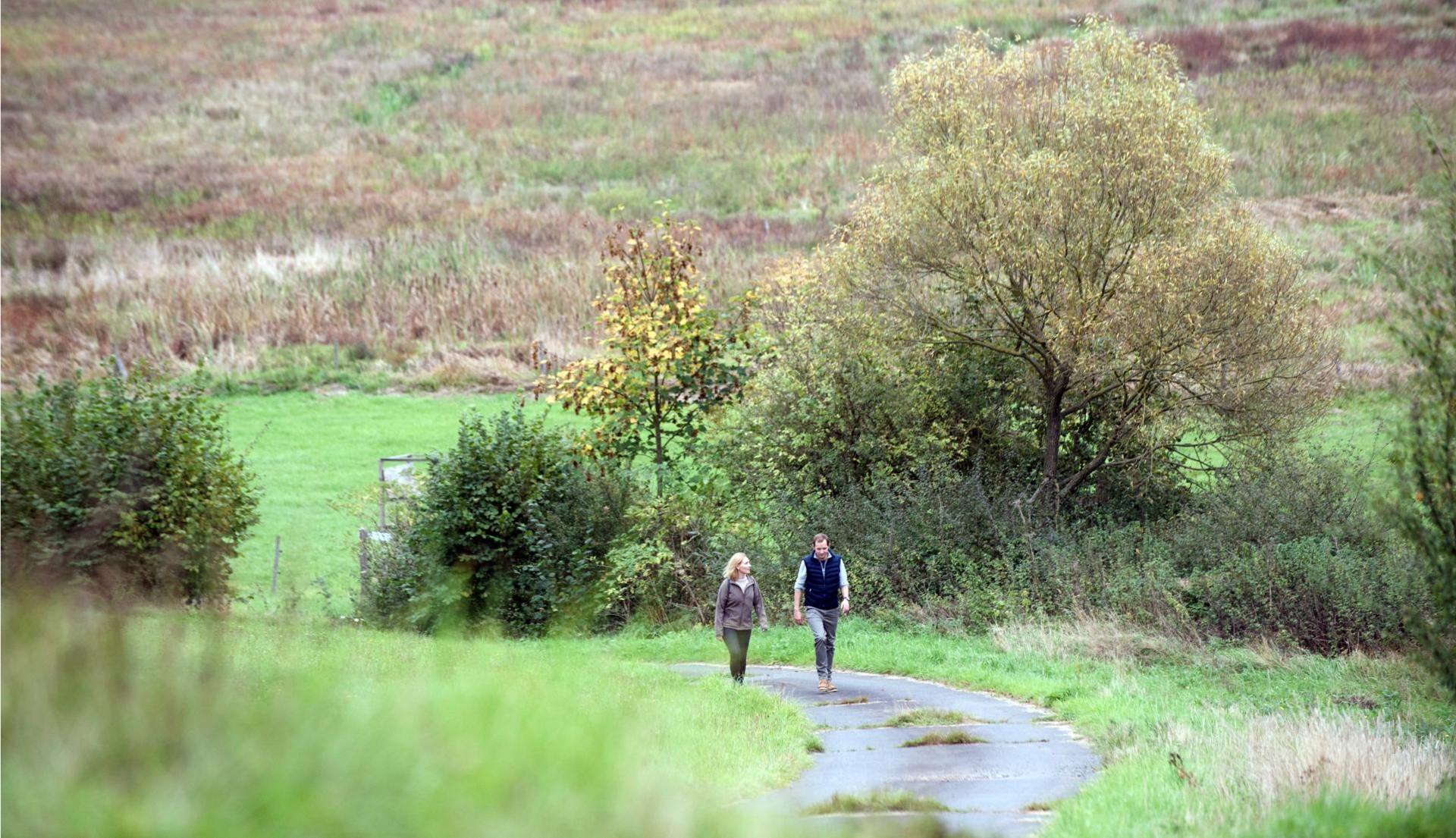
Pleasure hiking in the Spessart: trails that taste as good as they look
Endless forests, flowing trails – MTB in Germany’s Spessart region
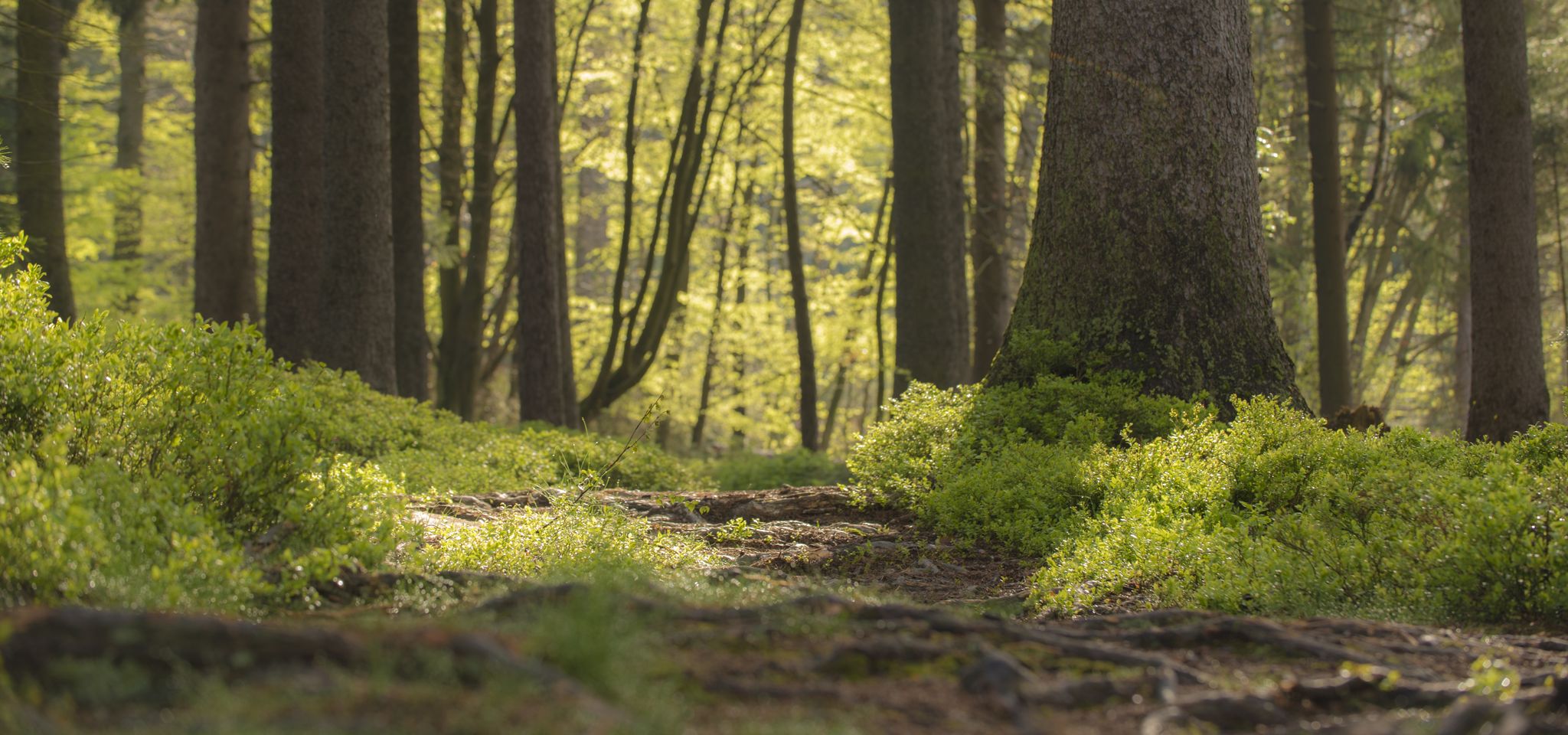
Mountain biking in the Spessart – Awesome trails in Germany
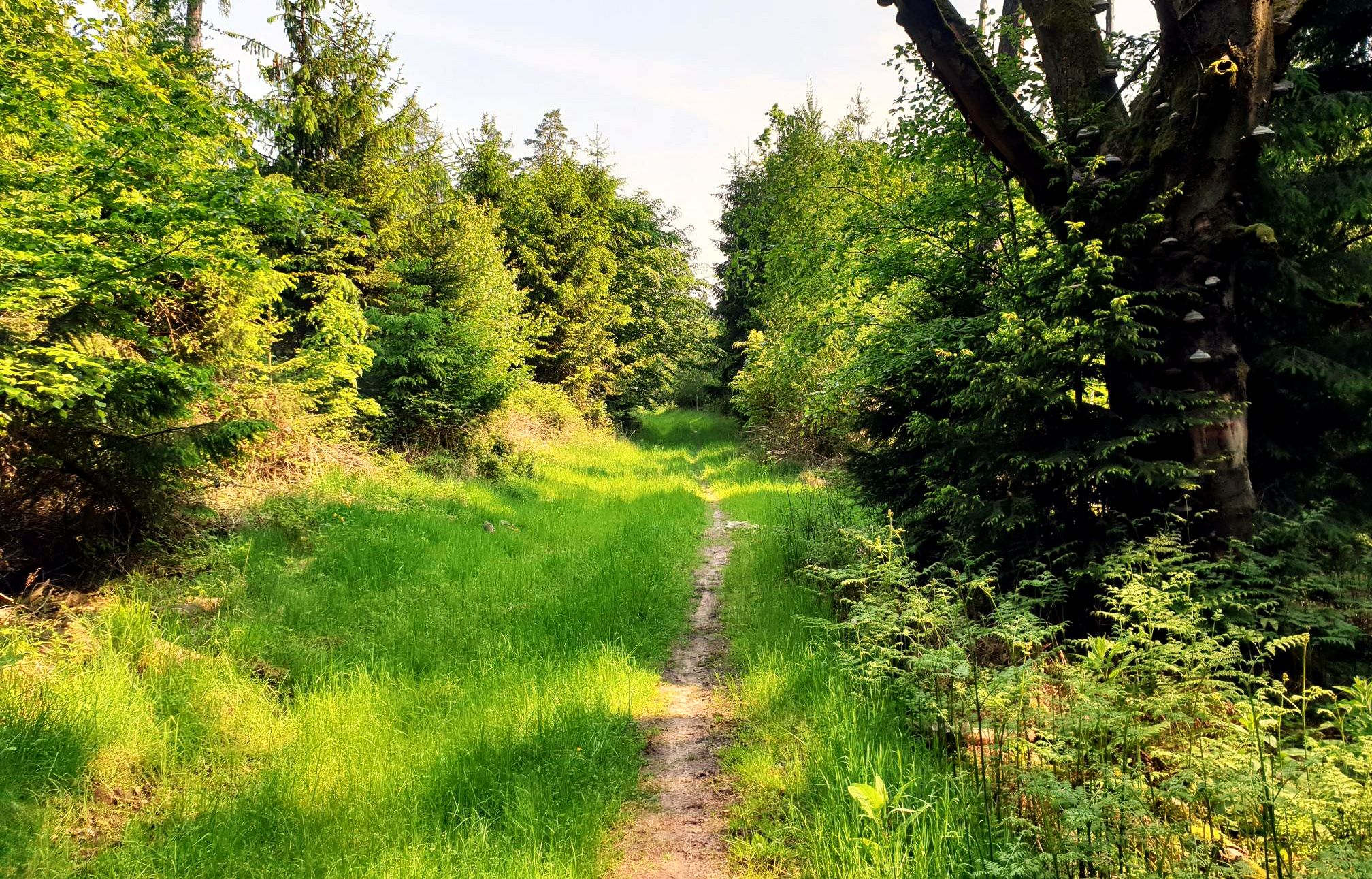
Mountain biking in the Spessart – Awesome trails in Germany
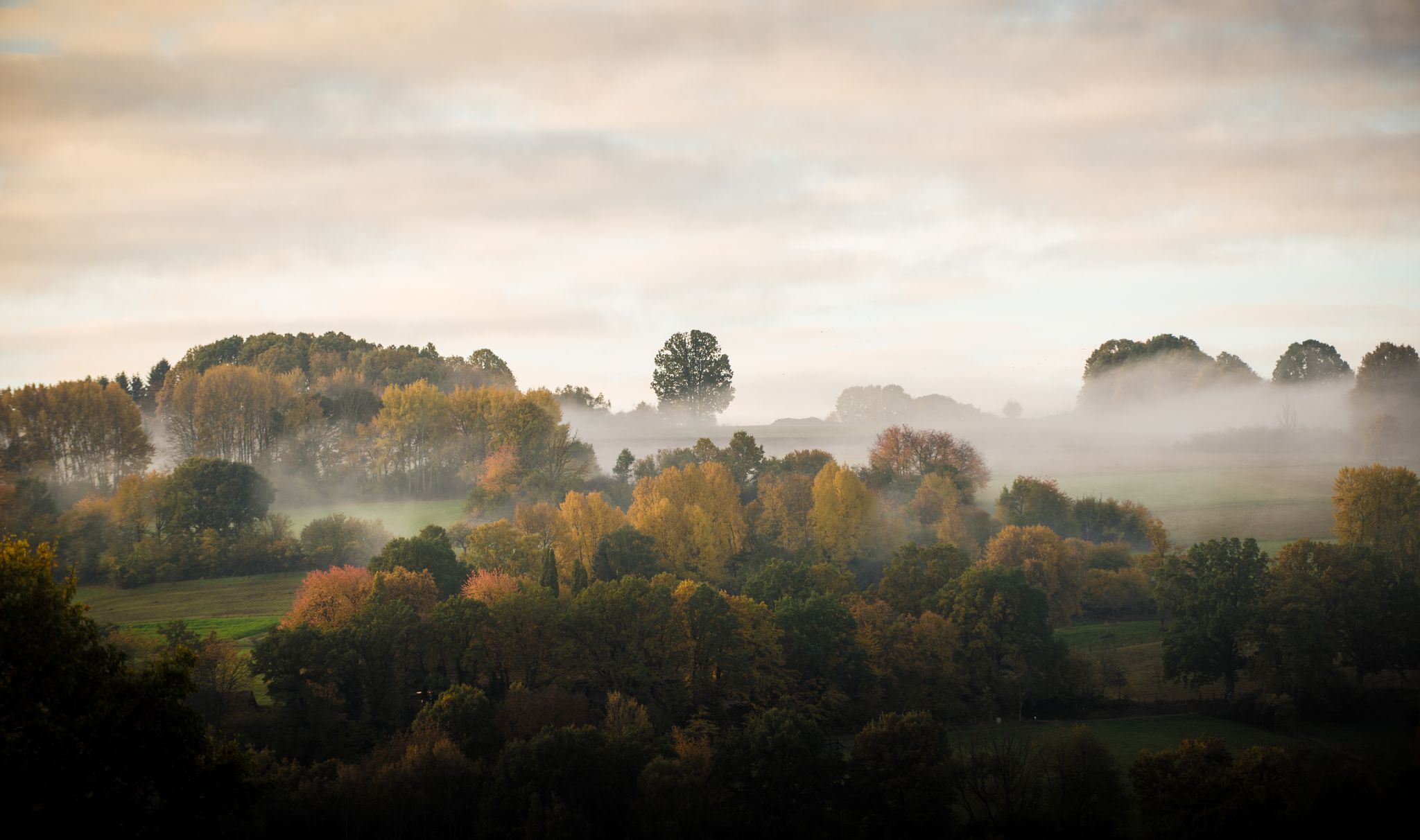
Die schönsten Herbstwanderungen im Spessart
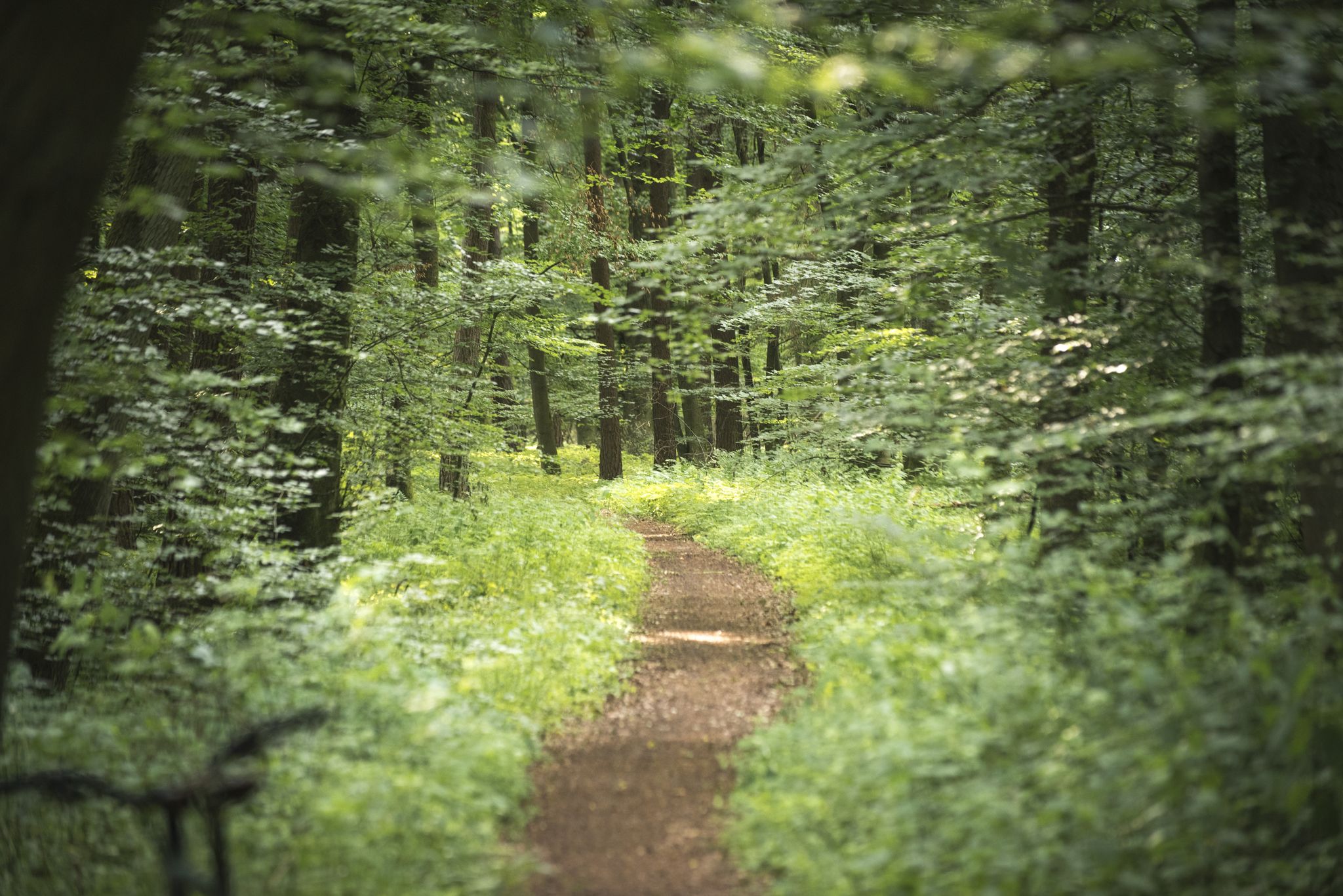
Die schönsten Premium-Spazierwanderwege im Hessischen Spessart
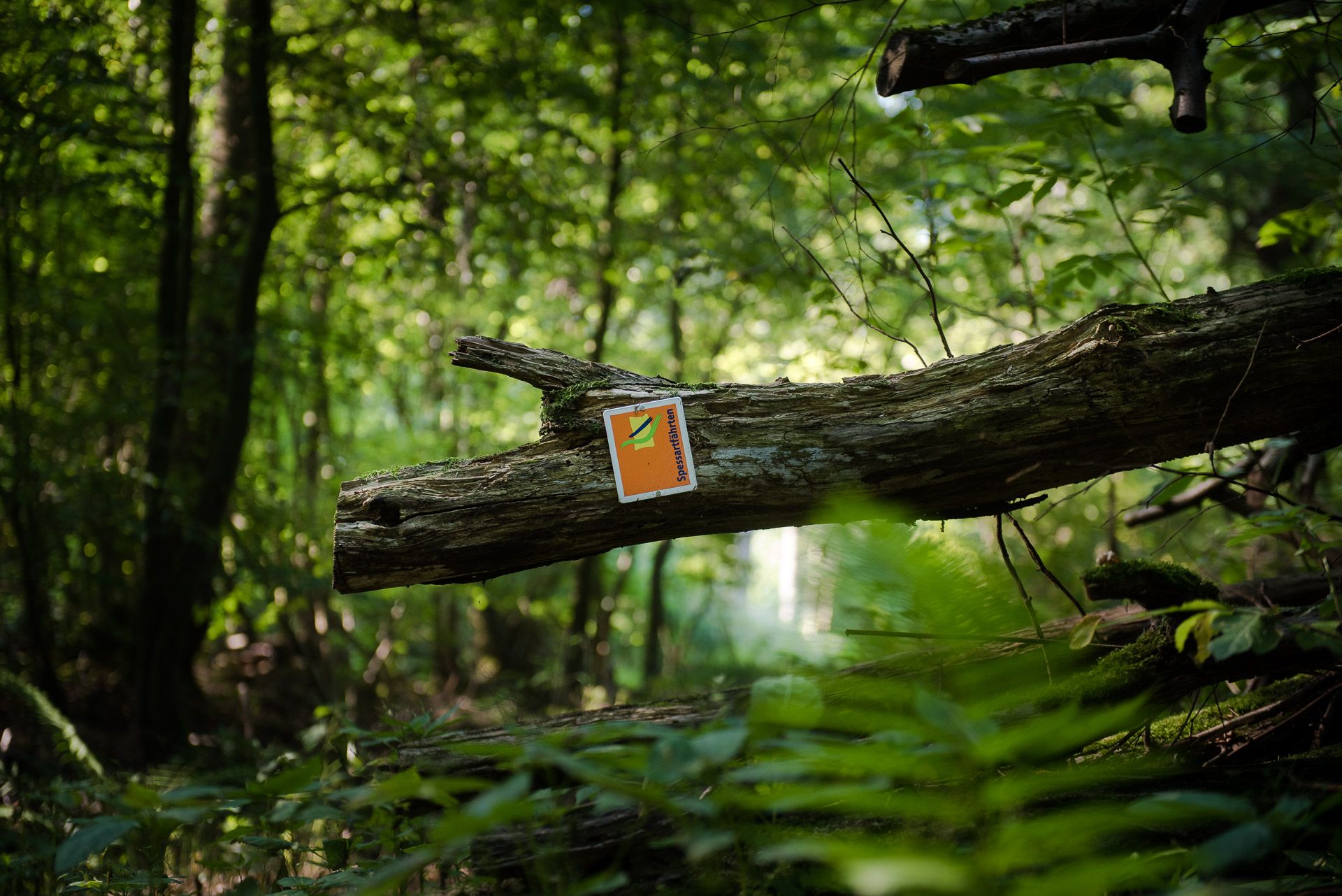
Die Spessartfährten: Sanfte Tageswanderungen durch den hessischen Spessart
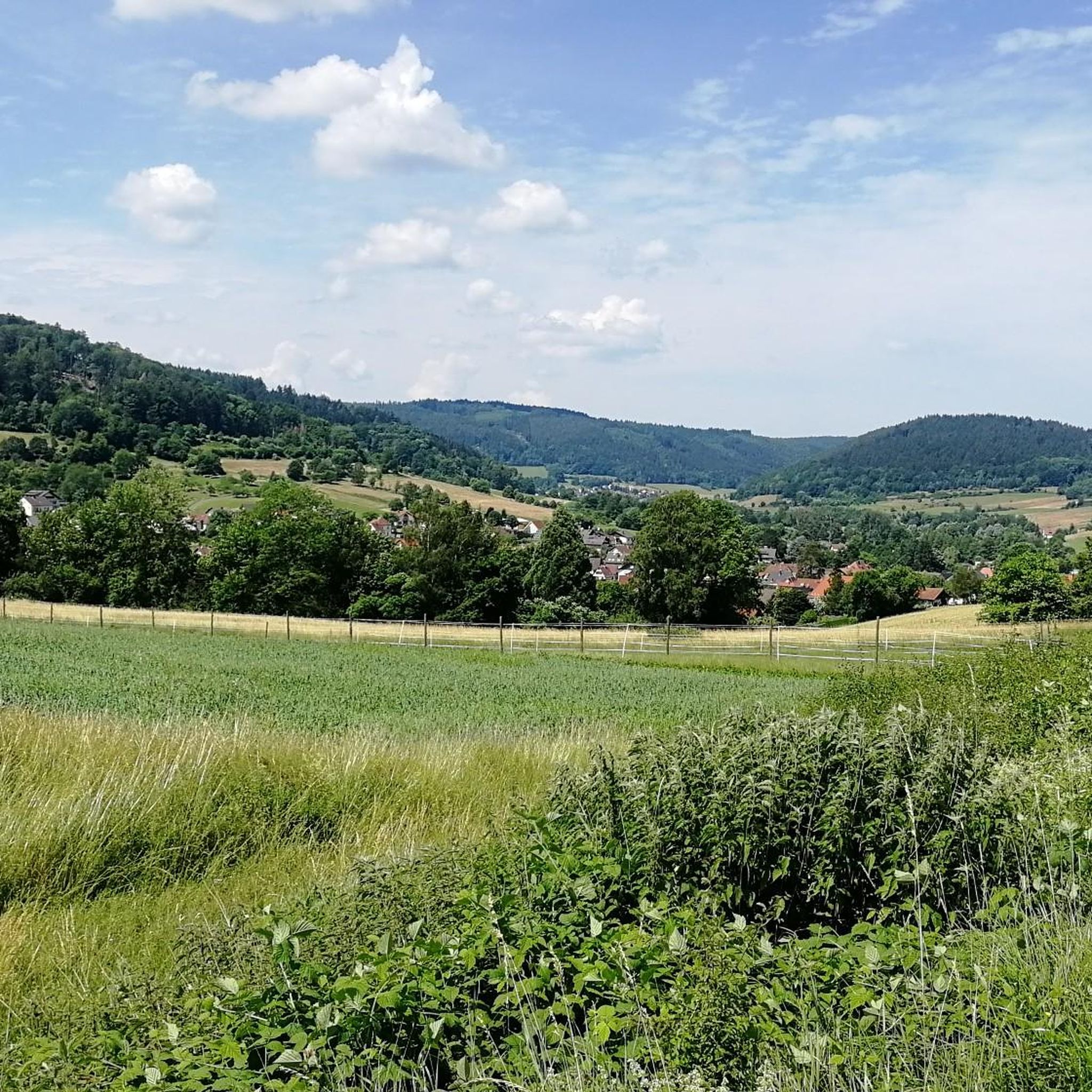
Hiking around Biebergemünd
Other adventures around Biebergemünd

Tips from the Community

Even invites you to swim on hot days ;)
1
0

Storks can often be observed!
1
0

The Kinzig is a river approximately 86 kilometers long. It rises in Sterbfritz, flows southwest through the Main-Kinzig district of Hesse, and flows into the Main from the right in Hanau. The Kinzig is a second-order river in low mountain ranges. It overcomes an elevation of 301 meters and has a bed gradient of 3.5 per thousand. The Kinzig's catchment area covers 1,058 square kilometers, and the calculated mean discharge (MQ) at the mouth of the Kinzig is 10.97 cubic meters per second. The Kinzig was first documented in 796 as "iuxta fluvium Kincihen." In 815, the name was written as "Chinzicha," around 900 as "Kincicha"/"Kinzicham," in 1364 as "Kinzige," in 1584 as "Kintzig," in 1607 as "Bintz," in 1681 as "Kintz," in 1716 as "Kins," in 1769 as "Kinzing," and in 1802 as "Kinzig." In the river's headwaters, there was the now-defunct village of Kinzig, mentioned in 815 as "Chirizichheimero." The village and river were often confused by monastery scribes at that time with "Chizzicha" (now Bad Kissingen), both of which were described as being located in the Saalegau. The name presumably derives from the ancient Celtic *ku̯anti̯o- meaning "flat hill, valley." The name was therefore derived from the mountainous region from which the Kinzig flows. Source: Wikipedia
2
0
The Kinzig is a river approximately 86 kilometers long. It rises in Sterbfritz, flows southwest through the Main-Kinzig district of Hesse, and flows into the Main from the right in Hanau. The Kinzig is a second-order river in low mountain ranges. It overcomes an elevation of 301 meters and has a bed gradient of 3.5 per thousand. The Kinzig's catchment area covers 1,058 square kilometers, and the calculated mean discharge (MQ) at the mouth of the Kinzig is 10.97 cubic meters per second. The Kinzig was first documented in 796 as "iuxta fluvium Kincihen." In 815, the name was written as "Chinzicha," around 900 as "Kincicha"/"Kinzicham," in 1364 as "Kinzige," in 1584 as "Kintzig," in 1607 as "Bintz," in 1681 as "Kintz," in 1716 as "Kins," in 1769 as "Kinzing," and in 1802 as "Kinzig." In the river's headwaters, there was the now-defunct village of Kinzig, mentioned in 815 as "Chirizichheimero." The village and river were often confused by monastery scribes at that time with "Chizzicha" (now Bad Kissingen), both of which were described as being located in the Saalegau. The name presumably derives from the ancient Celtic *ku̯anti̯o- meaning "flat hill, valley." The name was therefore derived from the mountainous region from which the Kinzig flows. Source: Wikipedia
3
0

The R3 cycle path is a great cycle path in the Kinzig Valley. Most sections have a very good asphalt surface. The signage is also great.
4
1
It is a great place to cycle all year round.
3
0

The Kinzig is also used by the brave (not just children) to cool down. Very romantic.
4
0

It's nice to have a cycle path next to the motorway, but you don't have to. But the problem remains throughout the Kinzigtal that there are hardly any quiet corners due to the ICE route and the A66.
10
0
Frequently Asked Questions
What natural attractions can I explore around Biebergemünd?
Biebergemünd is rich in natural beauty, nestled in the picturesque Bieber and Kinzig valleys. You can explore the extensive Spessart forest, which offers diverse flora and fauna. To the south, discover the rare Wiesbüttmoor, a hanging bog, and the artificial Wiesbüttsee. The Kinzig Floodplains also provide idyllic moments with plenty of nature.
Are there historical sites to visit in Biebergemünd?
Yes, Biebergemünd boasts several historical sites. The Mauritius Chapel on the Burberg is a medieval landmark. You can also visit the St. Johannes Nepomuk Church in Kassel or the St. Peter and Paul Church in Wirtheim. For a deeper dive into ancient history, explore the "Kelten im Kasselgrund" Cultural Hiking Trail, which leads to the "Alteburg," a former Celtic refuge castle dating back to approximately 2500 BC.
What kind of outdoor activities are available in the Biebergemünd area?
The region is ideal for various outdoor activities. You can enjoy extensive hiking on the Spessartbogen Premium Hiking Trail or one of the many other marked circular and long-distance trails. Cycling and mountain biking are also popular, with attractive routes throughout the municipality. The Kinzig River offers opportunities for canoeing, and there are fishing ponds, tennis courts, and a motocross track for other recreational pursuits.
Are there family-friendly attractions or activities in Biebergemünd?
Absolutely! Biebergemünd is well-suited for families. The Bad Orb Graduation House is a unique and healthy experience for all ages, creating a salty air environment. The Kinzig Floodplains offer flat terrain for easy walks. Additionally, the municipality features a heated outdoor swimming pool and two Kneipp facilities for recreation. The local lore about child miners inspiring Snow White's dwarves can also be an interesting story for older children.
Where can I find good viewpoints around Biebergemünd?
For panoramic views, head to the Rodfeldturm Observation Tower. From its summit, you can see as far as the Taunus mountains and Ronneburg Castle. It offers excellent vistas of the surrounding landscape, including Freigericht and the Wetterau.
What are some unique cultural trails in Biebergemünd?
Biebergemünd offers distinctive cultural trails that blend history with nature. The "Die Bieberer Acht" Cultural Trail includes a geopath that guides visitors through the region's natural history and significant mining historical sites in the upper Biebertal valley. Another is the "Kelten im Kasselgrund" Cultural Hiking Trail, which explores Celtic history around the ancient "Alteburg" refuge castle.
Can I go cycling or mountain biking near Biebergemünd?
Yes, Biebergemünd is a great destination for cycling and mountain biking. The area provides attractive routes for both. For mountain bikers, the Haseltal Trail (Flowtrail Bad Orb) is a popular choice, offering 2.6 kilometers of varied terrain with waves, jumps, and berms. You can find many more routes in the MTB Trails around Biebergemünd guide.
What is the best time of year to visit Biebergemünd for outdoor activities?
Biebergemünd is enjoyable throughout the year, but for outdoor activities like hiking and cycling, spring through autumn (roughly April to October) offers the most pleasant weather. During these months, the Spessart forest is vibrant, and the trails are in excellent condition. The heated outdoor swimming pool is also open during the warmer months for recreation.
Are there any interesting museums in Biebergemünd?
Yes, the Biebergrund Museum provides fascinating insights into the mining history of Bieber. This museum reflects a significant aspect of the region's past, showcasing how mining shaped the local culture and landscape.
What are the options for hiking around Biebergemünd?
Biebergemünd is a hiker's paradise, with the Spessartbogen Premium Hiking Trail and approximately 400 km of other marked circular and long-distance trails. Popular routes include the Wiesbuettmoor and Flörsbacher Panorama, and the Kassel Hirschbach Trail. You can discover more options and detailed routes in the Hiking around Biebergemünd guide.
Are there places to eat or rest during my explorations?
Yes, you'll find options for refreshment. The Bavarian Schanz Inn is a popular and rustic restaurant, known as the highest tavern in the Spessart, offering a great rest point for various tours. The area also has various cafes and restaurants in its districts.
How can I experience the mining history of the region?
To delve into the region's mining history, visit the Biebergrund Museum, which offers detailed insights. Additionally, the "Die Bieberer Acht" Cultural Trail is a geopath that specifically guides visitors through mining historical sites in the upper Biebertal valley, allowing you to explore the remnants and stories of this significant past.
What makes the Bad Orb Graduation House a significant attraction?
The Bad Orb Graduation House is a remarkable 158-meter-long and 18-meter-high structure built in 1806. It's a plant for salt production where brine passes through brushwood, creating a healthy, salty air environment similar to a marine climate. It serves as an outdoor inhalatory and is considered a significant cultural asset, even ranking highly in regional popularity contests.
Most popular routes around Biebergemünd
Most popular attractions around Biebergemünd

Get inspired with the komoot mobile app


Explore more
Still not found the Highlight you’re looking for? See guides of the top attractions in other regions:
