Attractions and Places To See around Bad Soden-Salmünster - Top 20
Best attractions and places to see around Bad Soden-Salmünster include a blend of historical landmarks, natural landscapes, and wellness facilities. This town in Hesse, Germany, is situated between the Spessart and Vogelsberg regions, offering diverse outdoor activities. Visitors can explore medieval castle ruins, historic old towns, and thermal brine baths. The area also features natural highlights like the Kinzig River and its reservoir, providing opportunities for recreation.
Best attractions and places to see around Bad Soden-Salmünster
- The most popular attractions…
Last updated: July 20, 2026
Bad Orb Graduation House
Highlight • Monument
Above all, these old graduation towers are …
Translated by Google •
Tip by

Kinzig Reservoir
Highlight • Lake
Translated by Google •
Tip by

Sign up now to discover places like this
Get recommendations on the best single tracks, peaks, & plenty of other exciting outdoor places.
Sign up for free
Kinzig Floodplains
Highlight • River
Translated by Google •
Tip by

Kinzigtal Cycle Path
Highlight • Cycleway
Translated by Google •
Tip by

Haseltal Trail (Flowtrail Bad Orb)
Highlight (Segment) • MTB Park
Translated by Google •
Tip by
Sign up for free to discover even more attractions around Bad Soden-Salmünster.
Sign up for free
Already have an account?
Start today with a free account
Your next adventure awaits.
Login or Signup
Popular around Bad Soden-Salmünster
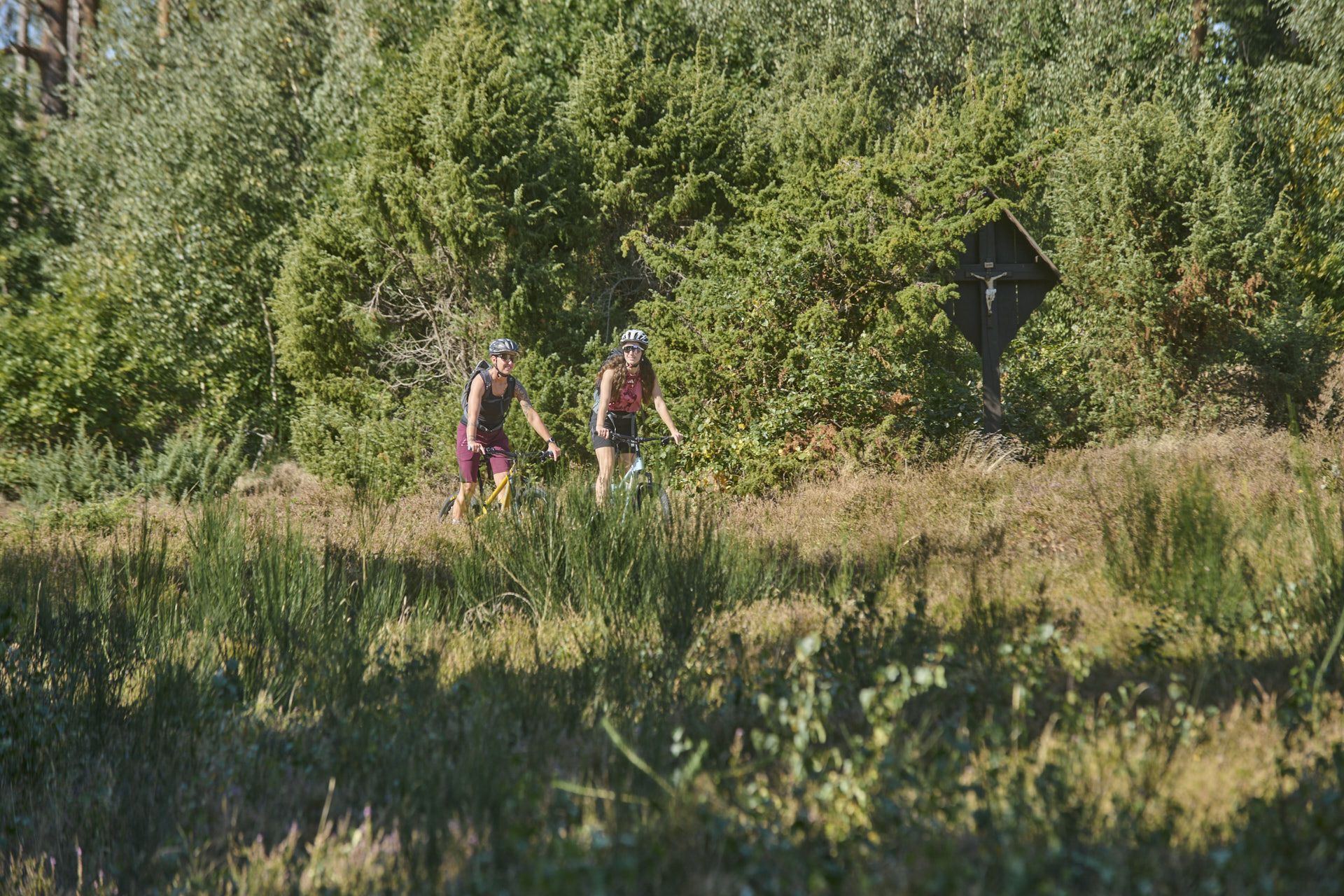
Nature, trails and local cuisine – MTB in the Spessart
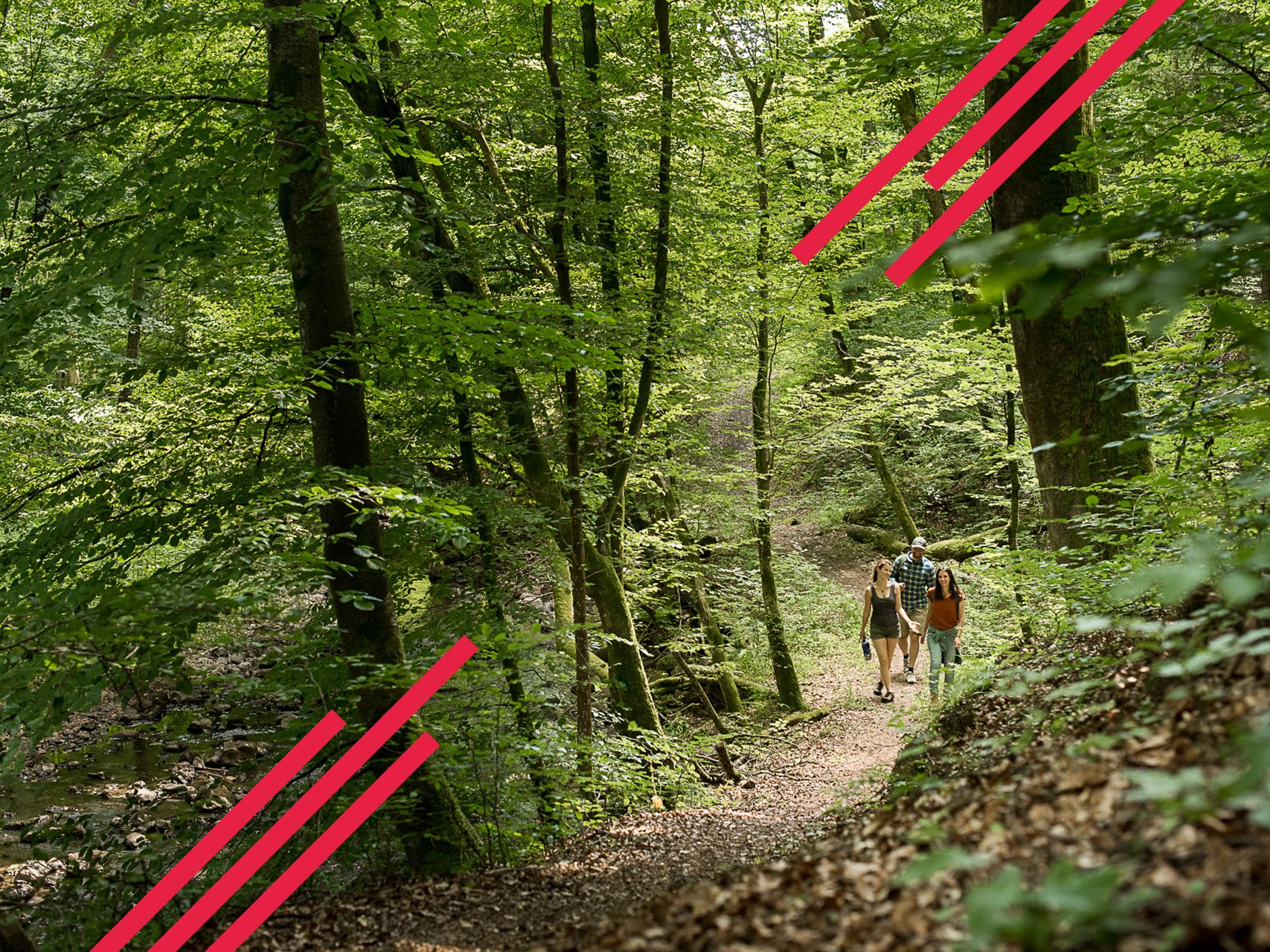
Relaxed hiking in the Spessart – short trails of discovery
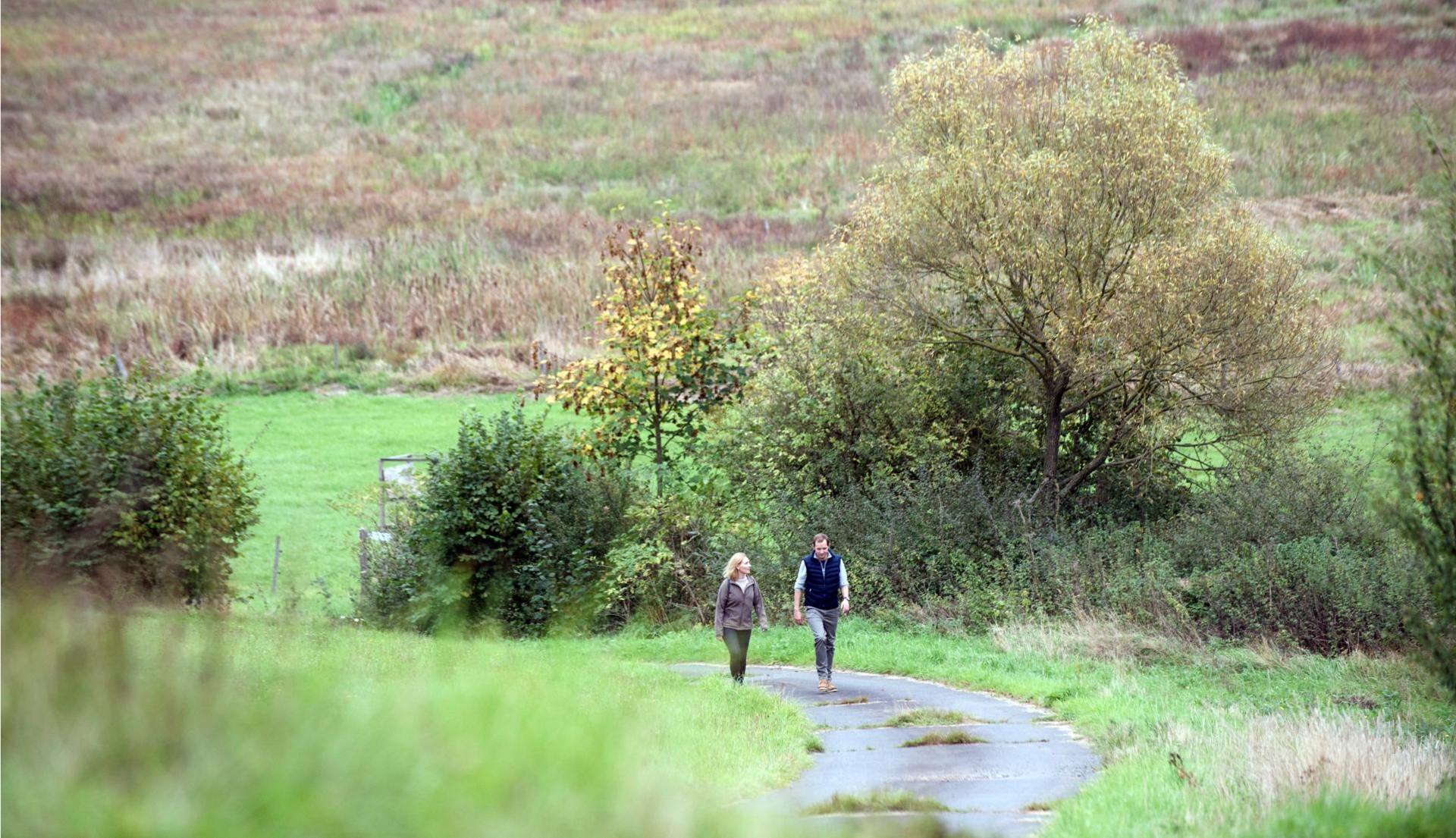
Pleasure hiking in the Spessart: trails that taste as good as they look
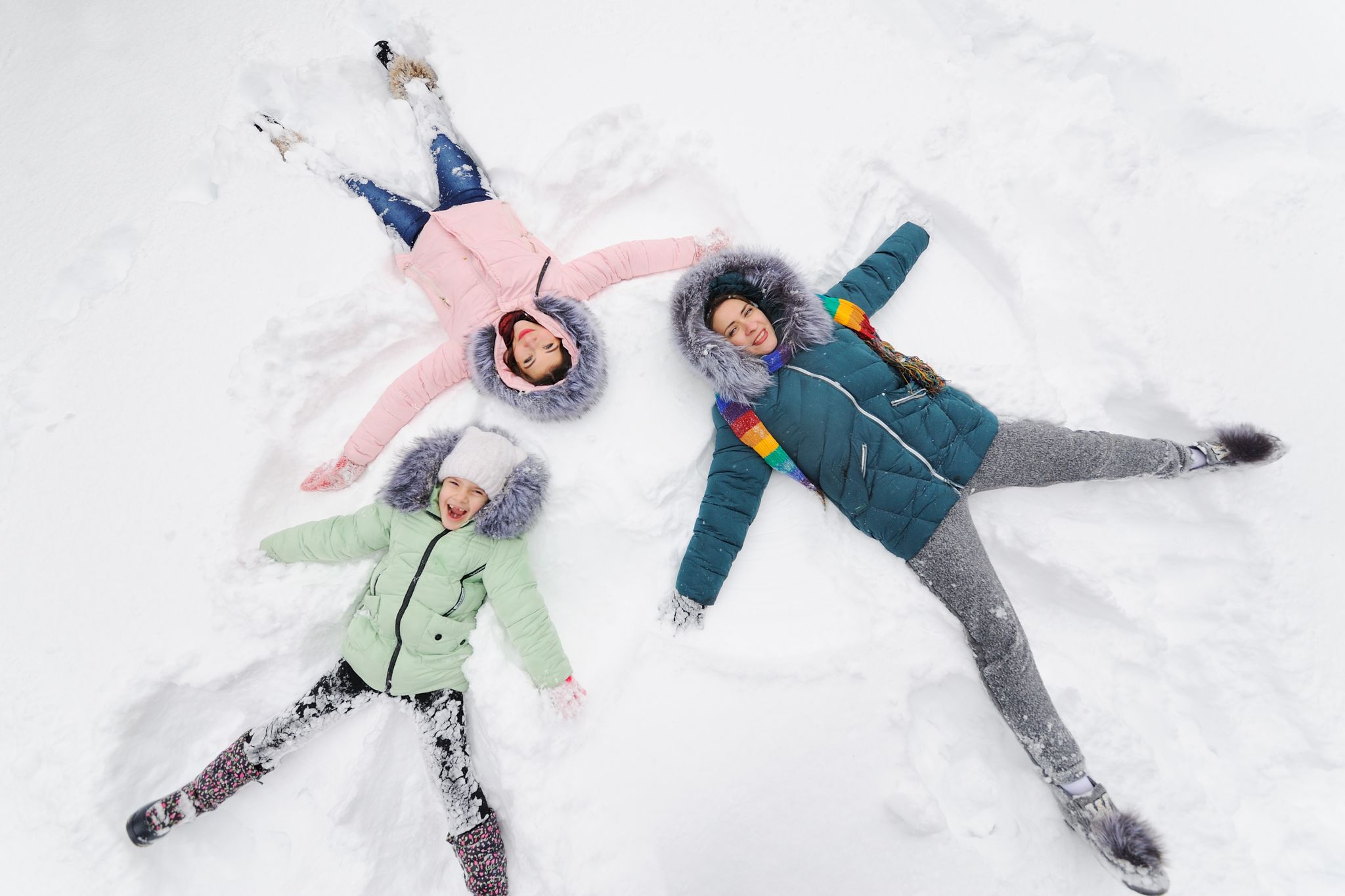
Winter adventures by public transport – hikes for the whole family
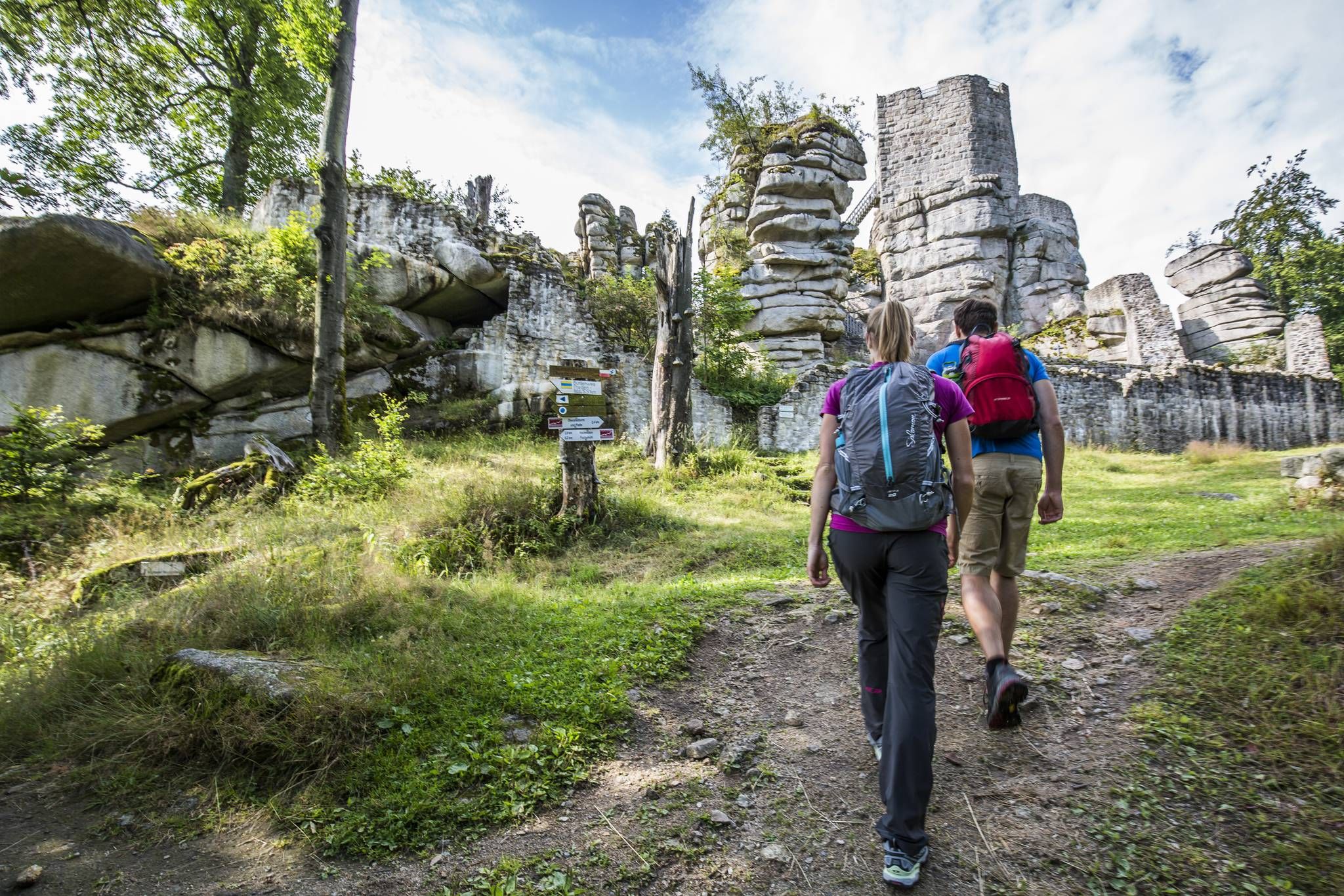
Thousands of kilometres of hiking fun – long-distance hiking trails in Bavaria
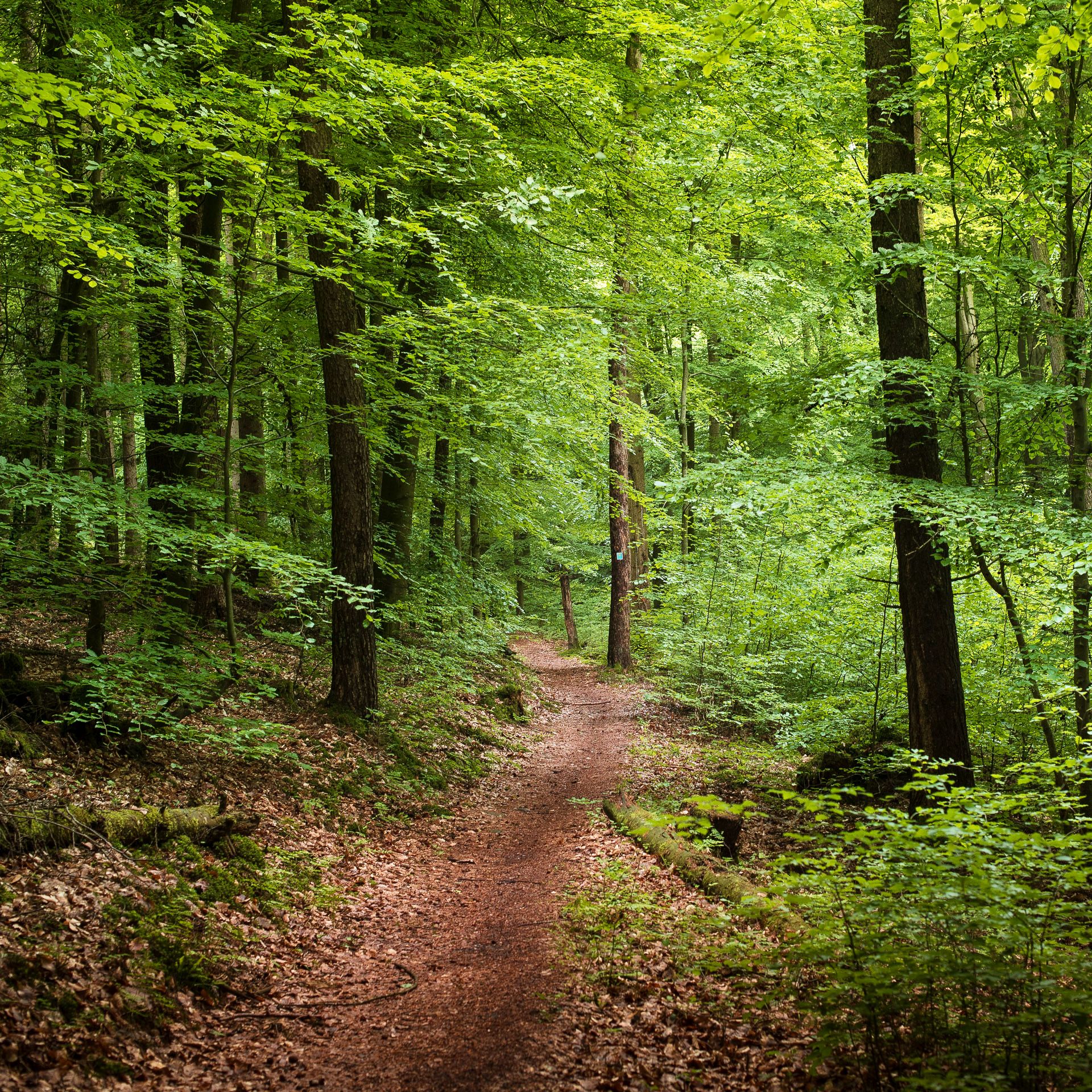
Endless forests, flowing trails – MTB in Germany’s Spessart region
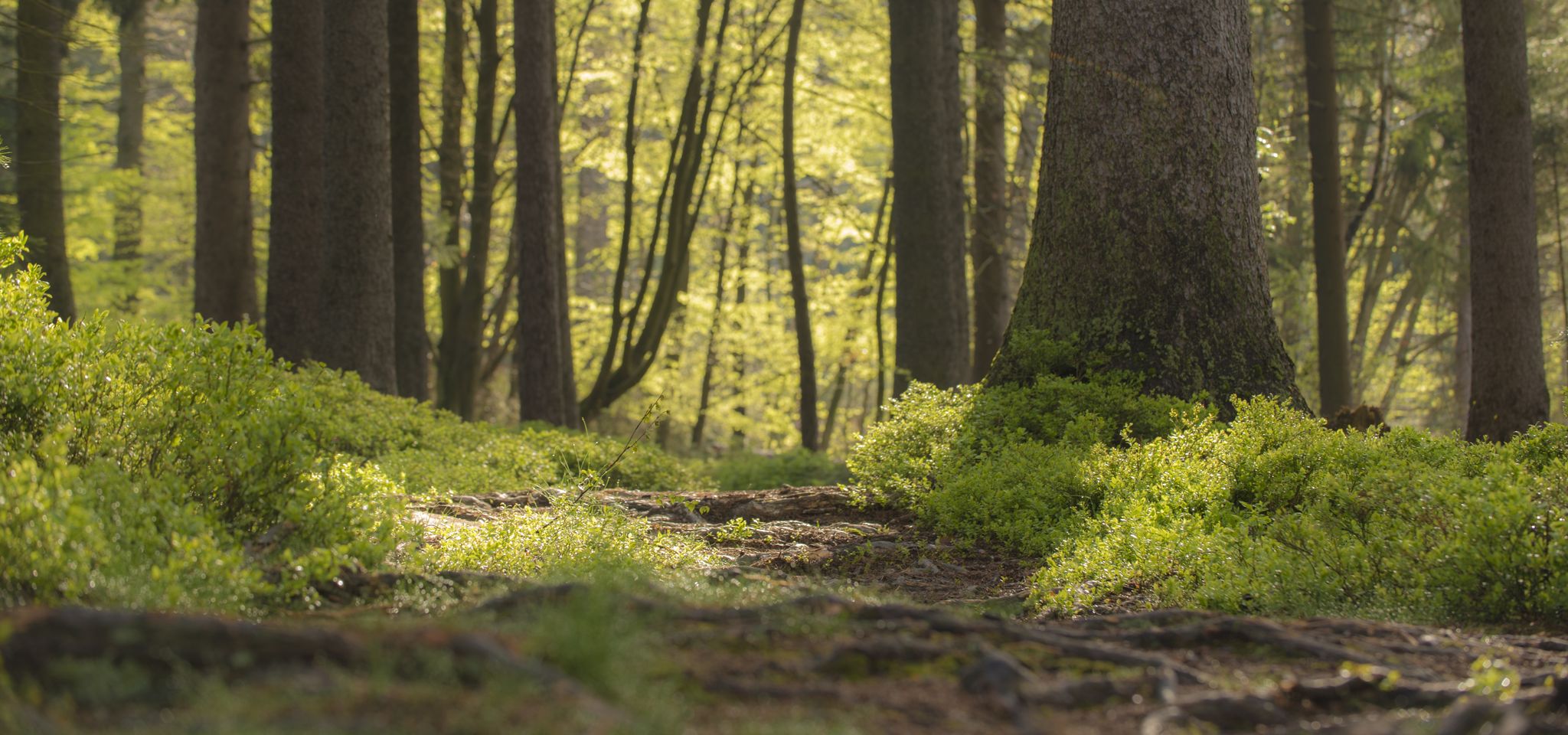
Mountain biking in the Spessart – Awesome trails in Germany
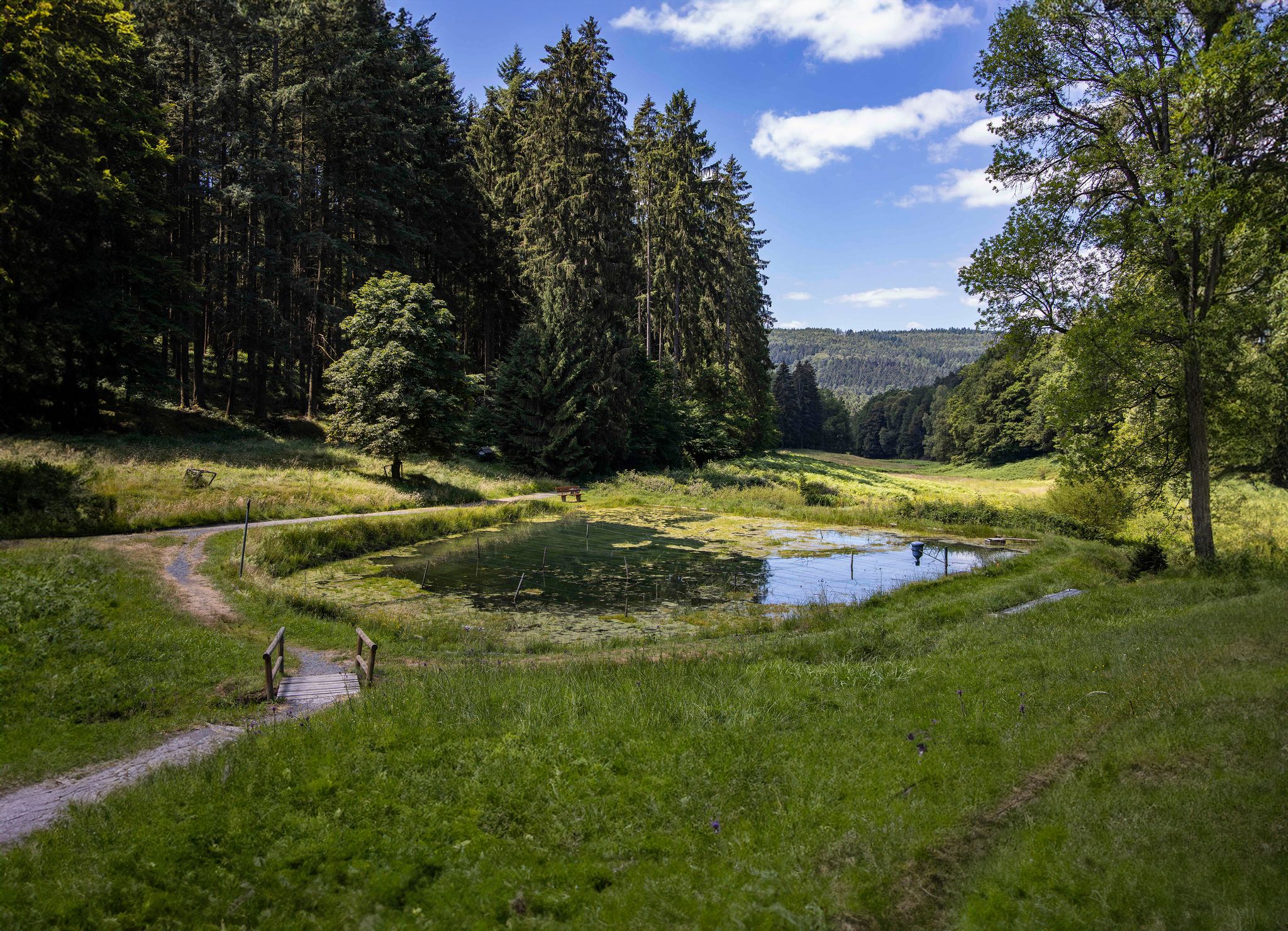
Hike through one of Germany’s greatest forests – Spessart 3
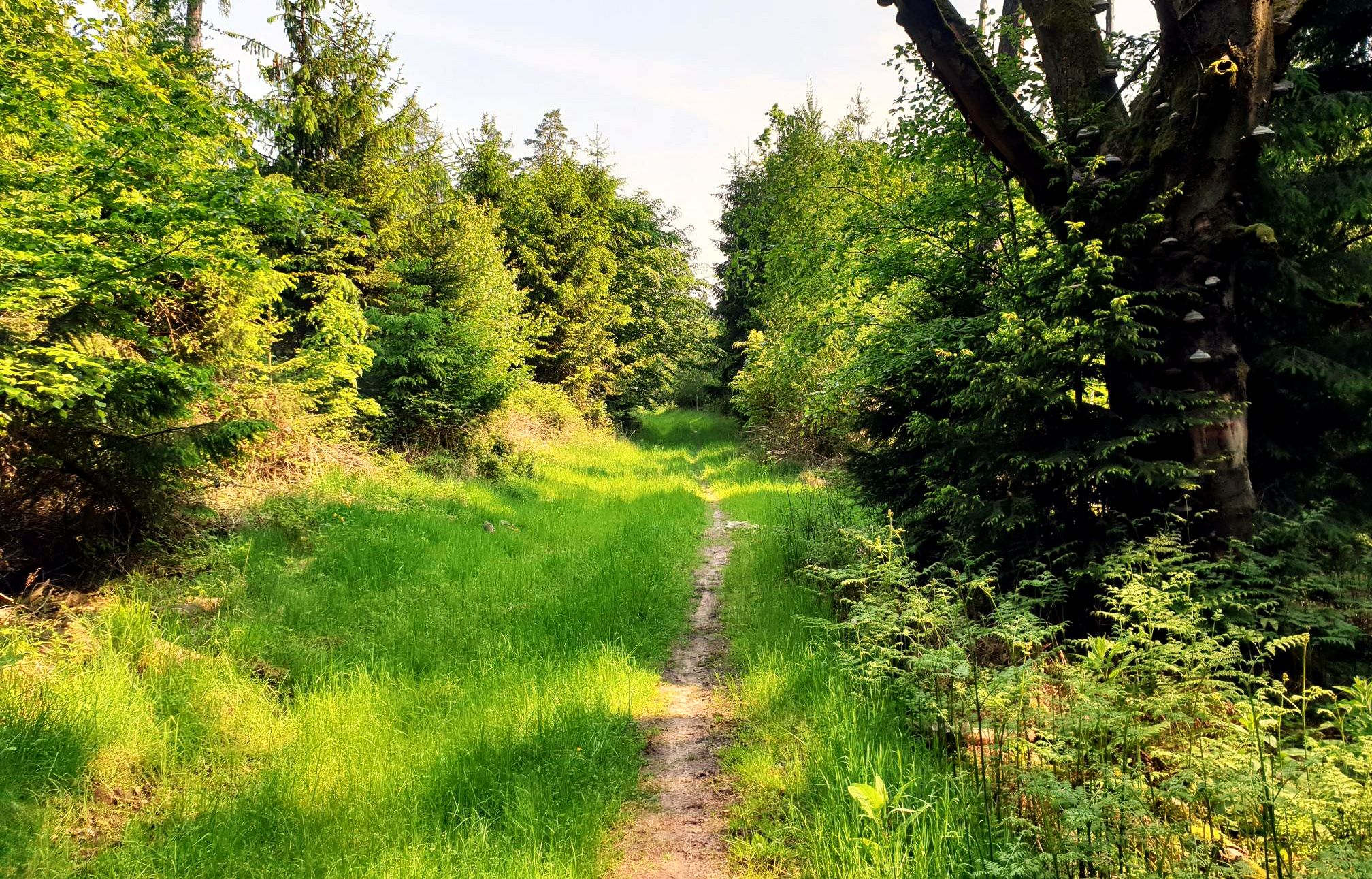
Mountain biking in the Spessart – Awesome trails in Germany

Wandern auf dem Spessartweg 3
Other adventures around Bad Soden-Salmünster


Tips from the Community

Even invites you to swim on hot days ;)
1
0

Storks can often be observed!
2
0

The Kinzig is a river approximately 86 kilometers long. It rises in Sterbfritz, flows southwest through the Main-Kinzig district of Hesse, and flows into the Main from the right in Hanau. The Kinzig is a second-order river in low mountain ranges. It overcomes an elevation of 301 meters and has a bed gradient of 3.5 per thousand. The Kinzig's catchment area covers 1,058 square kilometers, and the calculated mean discharge (MQ) at the mouth of the Kinzig is 10.97 cubic meters per second. The Kinzig was first documented in 796 as "iuxta fluvium Kincihen." In 815, the name was written as "Chinzicha," around 900 as "Kincicha"/"Kinzicham," in 1364 as "Kinzige," in 1584 as "Kintzig," in 1607 as "Bintz," in 1681 as "Kintz," in 1716 as "Kins," in 1769 as "Kinzing," and in 1802 as "Kinzig." In the river's headwaters, there was the now-defunct village of Kinzig, mentioned in 815 as "Chirizichheimero." The village and river were often confused by monastery scribes at that time with "Chizzicha" (now Bad Kissingen), both of which were described as being located in the Saalegau. The name presumably derives from the ancient Celtic *ku̯anti̯o- meaning "flat hill, valley." The name was therefore derived from the mountainous region from which the Kinzig flows. Source: Wikipedia
2
0
The Kinzig is a river approximately 86 kilometers long. It rises in Sterbfritz, flows southwest through the Main-Kinzig district of Hesse, and flows into the Main from the right in Hanau. The Kinzig is a second-order river in low mountain ranges. It overcomes an elevation of 301 meters and has a bed gradient of 3.5 per thousand. The Kinzig's catchment area covers 1,058 square kilometers, and the calculated mean discharge (MQ) at the mouth of the Kinzig is 10.97 cubic meters per second. The Kinzig was first documented in 796 as "iuxta fluvium Kincihen." In 815, the name was written as "Chinzicha," around 900 as "Kincicha"/"Kinzicham," in 1364 as "Kinzige," in 1584 as "Kintzig," in 1607 as "Bintz," in 1681 as "Kintz," in 1716 as "Kins," in 1769 as "Kinzing," and in 1802 as "Kinzig." In the river's headwaters, there was the now-defunct village of Kinzig, mentioned in 815 as "Chirizichheimero." The village and river were often confused by monastery scribes at that time with "Chizzicha" (now Bad Kissingen), both of which were described as being located in the Saalegau. The name presumably derives from the ancient Celtic *ku̯anti̯o- meaning "flat hill, valley." The name was therefore derived from the mountainous region from which the Kinzig flows. Source: Wikipedia
4
0

The R3 cycle path is a great cycle path in the Kinzig Valley. Most sections have a very good asphalt surface. The signage is also great.
5
1
It is a great place to cycle all year round.
3
0

The Kinzig is also used by the brave (not just children) to cool down. Very romantic.
4
0

It's nice to have a cycle path next to the motorway, but you don't have to. But the problem remains throughout the Kinzigtal that there are hardly any quiet corners due to the ICE route and the A66.
11
0
Frequently Asked Questions
What historical sites can I explore in Bad Soden-Salmünster?
Bad Soden-Salmünster offers a rich history to explore. You can visit the impressive ruins of Burg Stolzenberg, a medieval hill castle, or the Huttenschloss, a Gothic building now serving as an open-air theater. The historic old town of Salmünster, with its half-timbered houses and the prominent Pfarr- und Klosterkirche St. Peter und Paul, also provides a glimpse into the past. Don't miss the Bad Orb Graduation House, a unique man-made monument from the heyday of salt production.
Are there any wellness or spa attractions in the area?
Yes, Bad Soden-Salmünster is known for its wellness traditions. The Spessart Therme is a central attraction, offering thermal brine baths, a Dead Sea Salt Grotto, and a 4-star sauna. You can also experience the therapeutic benefits of the Kurpark Bad Soden, which features the König-Heinrich-Sprudel natural brine spring and a small graduation tower that enriches the air with beneficial salt particles.
What natural features can I enjoy around Bad Soden-Salmünster?
The region boasts beautiful natural landscapes. The Kinzig Reservoir offers a 6.5 km circular path for nature lovers, along with pedal boat rentals during warmer months. You can also explore the Kinzig Floodplains for serene river views. The town is ideally situated for exploring the surrounding Spessart and Vogelsberg regions, known for their dense forests, rolling hills, and numerous rivers.
Are there family-friendly activities available?
Absolutely. Many attractions are suitable for families. The Kinzig Reservoir is great for walks and pedal boating. The Bad Orb Graduation House offers a unique experience with its healthy salty air. Additionally, the Walderlebnispfad (forest adventure path) and Wildpark (wildlife park) located above the spa town provide a relaxing nature experience for all ages.
What cycling opportunities are there near Bad Soden-Salmünster?
Cycling enthusiasts will find plenty to enjoy. The Kinzigtal Cycle Path is a well-developed route running along the Kinzig valley. For more options, you can explore various cycling routes around the area, such as the 'Kinzig Reservoir – Schlüchtern Abbey loop' or the 'Kinzigtal Cycle Path – Kinzig Floodplains loop'. Find more details on these and other cycling tours at the Cycling around Bad Soden-Salmünster guide.
Where can I go hiking around Bad Soden-Salmünster?
Bad Soden-Salmünster is a great starting point for hiking. You can find trails like the 'Merneser Jossatal with a food break' or the 'Bad Sodener Waldgeflüster'. The region's location between the Spessart and Vogelsberg offers diverse routes, including sections of the Spessartbogen and Spessartwege. Discover more hiking trails in the Hiking around Bad Soden-Salmünster guide.
Are there mountain biking trails in the area?
Yes, mountain biking is a popular activity. The Haseltal Trail (Flowtrail Bad Orb) is a notable MTB park, 2.6 kilometers long with various elements like waves, jumps, and banked turns, suitable for those with basic mountain biking skills. For additional routes, check out the MTB Trails around Bad Soden-Salmünster guide, which includes routes like 'Tour 10: Duathlon loop – MTB in the Spessart Mountains'.
What is the Heimatmuseum Bad Soden-Salmünster about?
The Heimatmuseum Bad Soden-Salmünster, housed in a former farmstead within Salmünster's old town, vividly portrays life around 1900. It also showcases the history and work of the Franciscans in Salmünster, offering insights into the local culture and past.
Can I play golf in Bad Soden-Salmünster?
Yes, the Golf-Club Spessart offers an 18-hole golf course located in the Alsberg neighborhood, providing scenic views while you play.
What is the best time to visit Bad Soden-Salmünster for outdoor activities?
The region is generally pleasant for outdoor activities from spring through autumn. The Kinzig Reservoir offers pedal boat rentals from May to September, indicating good conditions during these months. Spring and early autumn provide comfortable temperatures for hiking and cycling, while summer is ideal for water-based activities.
What do visitors enjoy most about the attractions in Bad Soden-Salmünster?
Visitors frequently appreciate the diverse range of experiences, from the health benefits of the Bad Orb Graduation House, where the salty air is compared to a holiday at the sea, to the well-maintained Haseltal Trail for mountain biking. The scenic beauty of the Kinzig Reservoir and the peacefulness of the Kinzig Floodplains are also highly rated for their natural charm and recreational opportunities.
Most popular routes around Bad Soden-Salmünster
Most popular attractions around Bad Soden-Salmünster

Get inspired with the komoot mobile app


Explore more
Still not found the Highlight you’re looking for? See guides of the top attractions in other regions:
