Attractions and Places To See in Cusco - Top 20
Best attractions and places to see in Cusco include a blend of ancient Incan heritage and Spanish colonial influences. The region, historically the capital of the Inca Empire, features significant archaeological sites and impressive colonial architecture. Visitors can explore a diverse range of landmarks, cultural sites, and natural features both within the city and its surrounding areas. Cusco offers a variety of experiences for those interested in history and exploration.
Best attractions and places to see in Cusco
- The most…
Last updated: July 17, 2026
Plaza de Armas of Cusco
Highlight • Historical Site
Translated by Google •
Tip by

Cusco Cathedral
Highlight • Religious Site
Translated by Google •
Tip by
Sign up now to discover places like this
Get recommendations on the best single tracks, peaks, & plenty of other exciting outdoor places.
Sign up for free
Hatun Rumiyoc Street and the Twelve-Angled Stone
Highlight • Historical Site
The wisdom of the Incas is reflected in numerous architectural monuments that have withstood the onslaught of time, …
Translated by Google •
Tip by
Qorikancha (Temple of the Sun)
Highlight • Historical Site
Tip by

Sacsayhuamán Archaeological Site
Highlight • Historical Site
Translated by Google •
Tip by
San Francisco Square, Cusco
Highlight • Historical Site
Translated by Google •
Tip by
Sacsayhuamán
Highlight • Historical Site
Translated by Google •
Tip by
Church of the Society of Jesus (Iglesia de la Compañía de Jesús), Cusco, Peru
Highlight • Religious Site
Translated by Google •
Tip by
Tambomachay Water Temple
Highlight • Historical Site
Translated by Google •
Tip by
Loreto Street (Intik'ijllu) – Inca stone walls
Highlight • Historical Site
This site was …
Translated by Google •
Tip by
Sign up for free to discover even more attractions in Cusco.
Sign up for free
Already have an account?
Start today with a free account
Your next adventure awaits.
Login or Signup
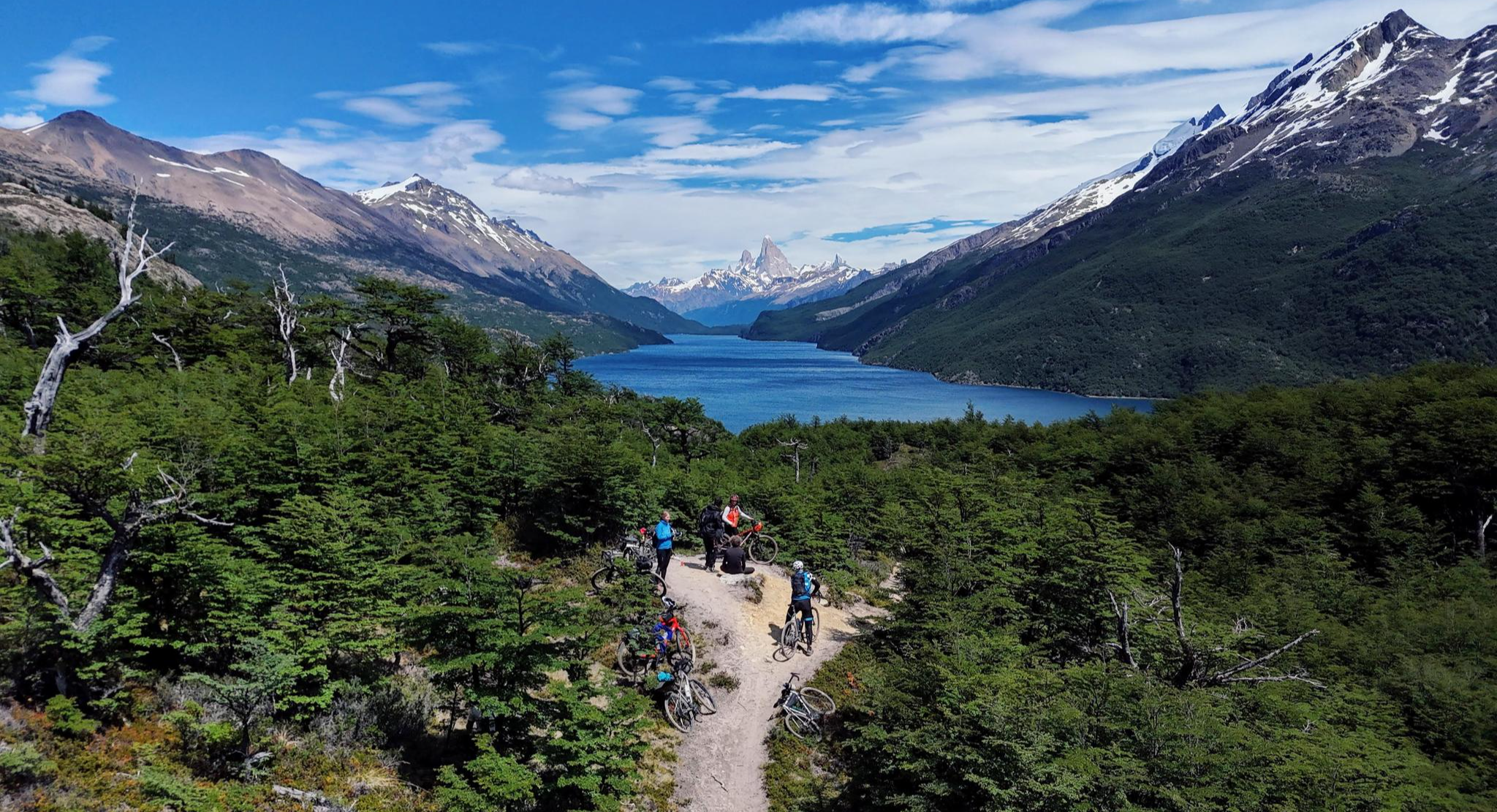
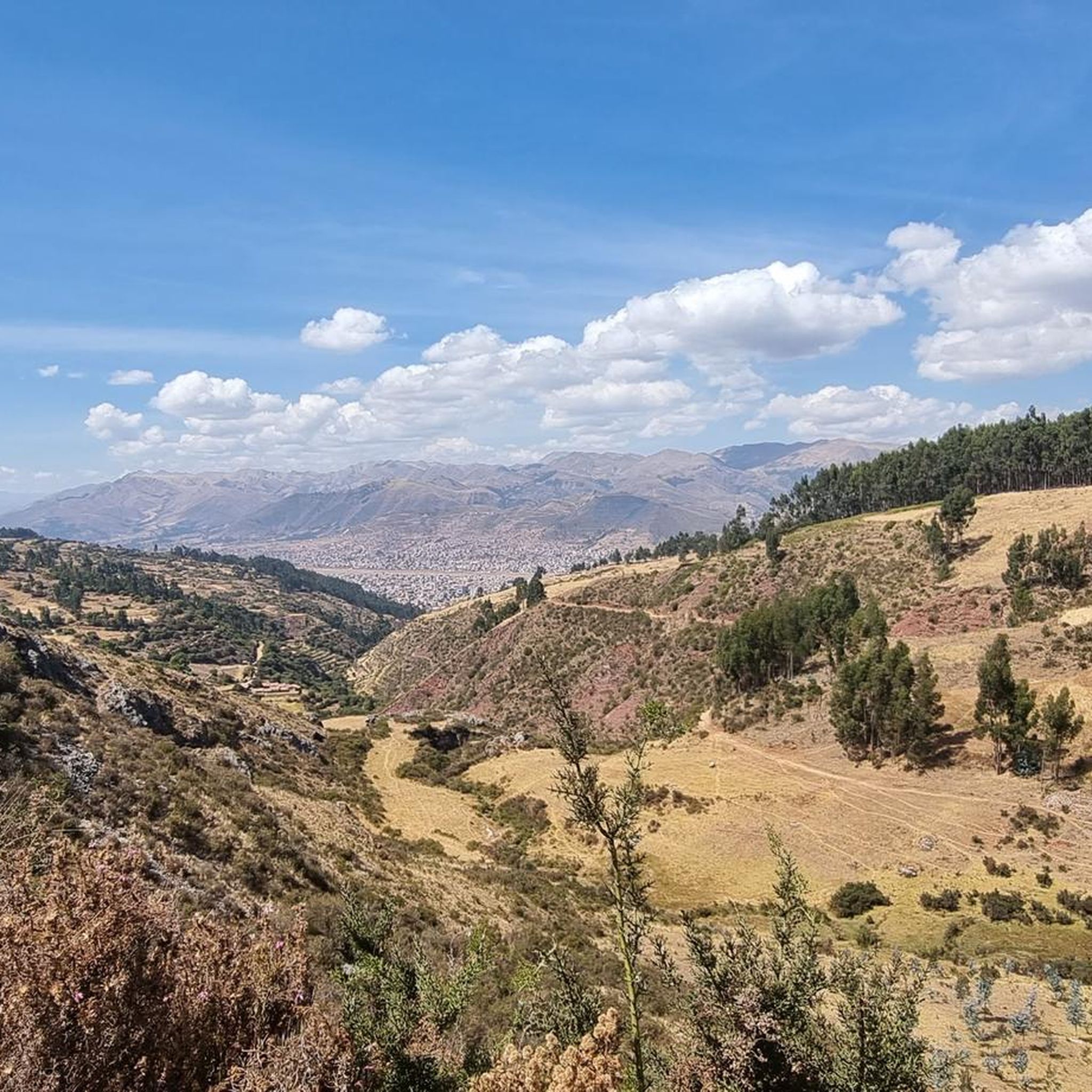
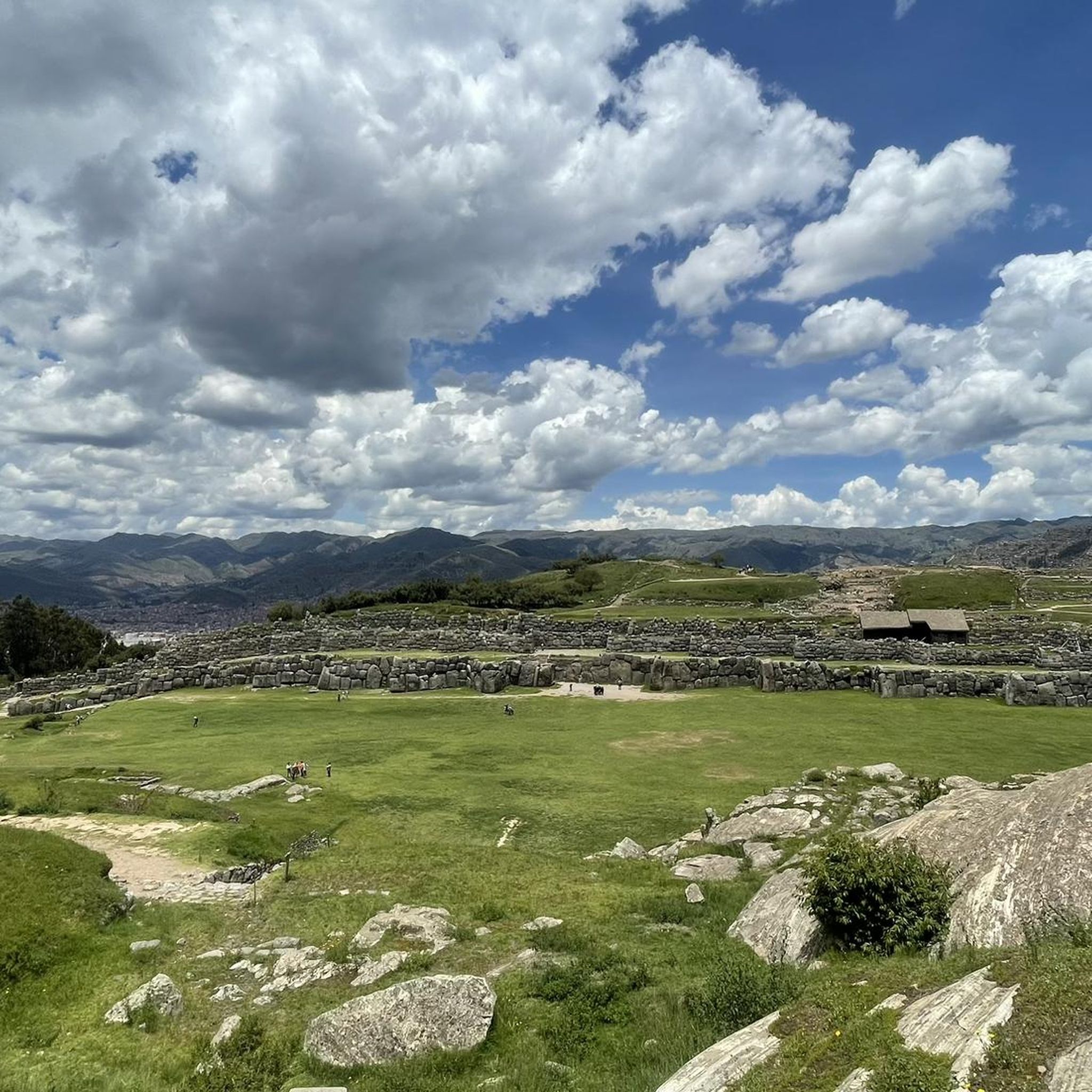
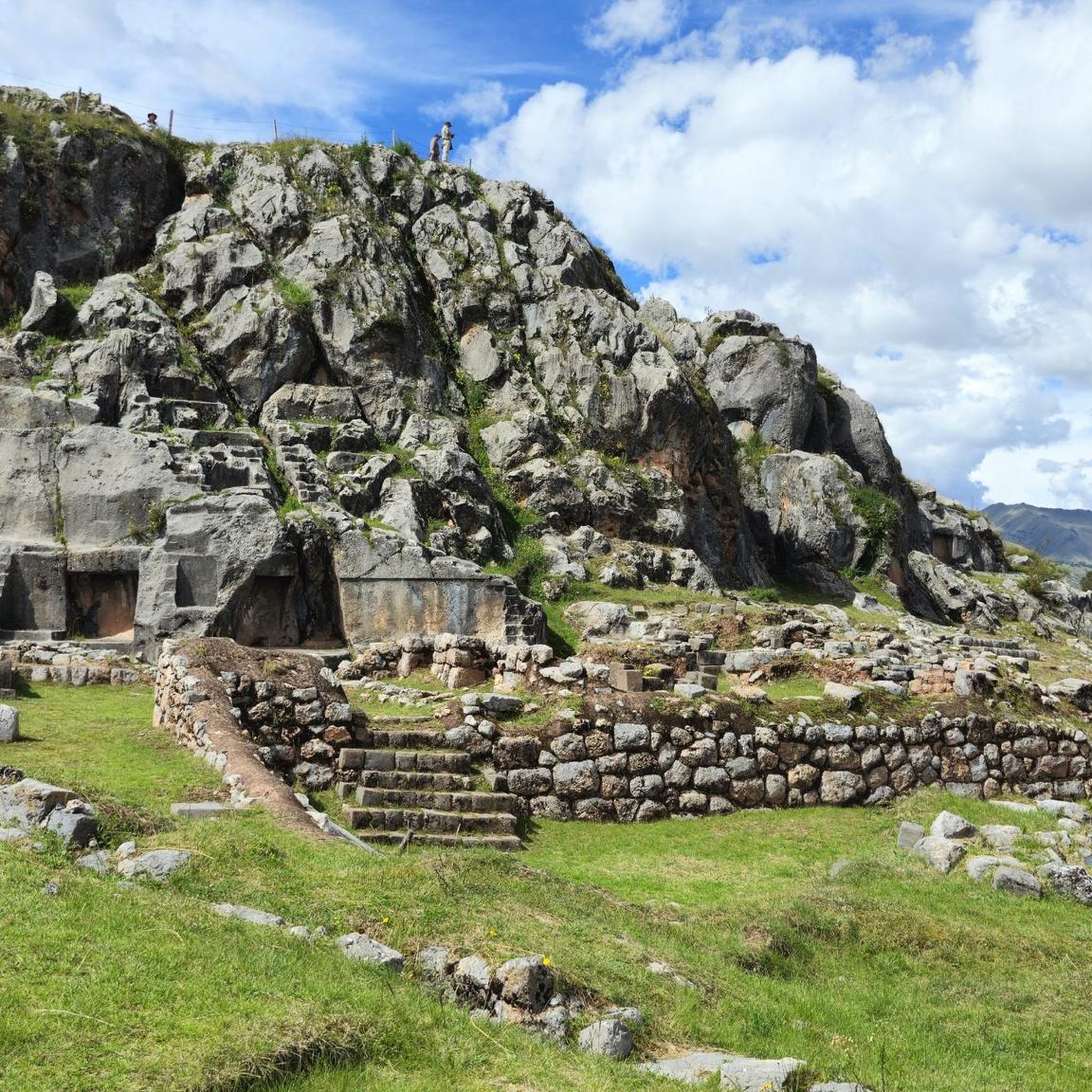
Other adventures in Cusco

Tips from the Community

Even if you are no longer allowed to photograph inside the cathedral today (or precisely because of that), visiting it is a must for anyone visiting Cusco. Countless altars in various architectural styles and materials, the different patron saints, the silver monstrance, and of course the entire architecture are admirable. The supporting walls of the nave are built from stones of a nearby Inca temple. After an earthquake, the cathedral's roof was destroyed and rebuilt in the Gothic style.
1
0

The archaeological site of Tambomachay was a place dedicated to water worship and served as a resting place for the Inca nobility. Even today, this archaeological site impresses all visitors with its complex hydraulic engineering.
3
0

Cost 70 soles to enter, only accepts cash payments. Only pay at the top of the hill not the sellers on the way.
1
0

A small but impressive facility.
1
0

Loreto Street is located in the historic center of Cusco, between the Chapel of Our Lady of Loreto and the Carrizos Portal. This privileged location makes it an ideal starting point for a tour and ideal for exploring the main tourist attractions of the city. What is fascinating, without a doubt, is the durability of the Inca Wall.
0
0
A Quechua legend says about the effect of the three small watercourses: If you drink from the watercourse on the bottom right, you will become younger; if you drink from the watercourse on the bottom left, you will have twins; and the upper watercourse is said to have a blessing.
0
0
Plaza San Francisco is considered one of the main squares in the city and is known for its colonial architecture and historical significance. The square is surrounded by several important buildings, including the Church of San Francisco, which is considered one of the most important colonial churches in Cusco.
3
0
At the heart of Cusco is Coricancha, the most important temple of the Inca Empire. Coricancha, also spelled Korikancha or Qorikancha, means "Golden Temple" in Quechua. This impressive Inca Temple of the Sun remains a key feature of the city for locals and tourists alike.
0
0
Frequently Asked Questions
What historical sites should I visit within Cusco city?
Cusco, the former capital of the Inca Empire, is rich in history. Must-visit sites include the vibrant Plaza de Armas of Cusco, the impressive Cusco Cathedral, and the ancient Qorikancha (Temple of the Sun), which showcases a unique blend of Inca and colonial architecture. Don't miss the engineering marvel of the Twelve-Angled Stone on Hatun Rumiyoc Street.
Are there any significant Inca ruins just outside Cusco city?
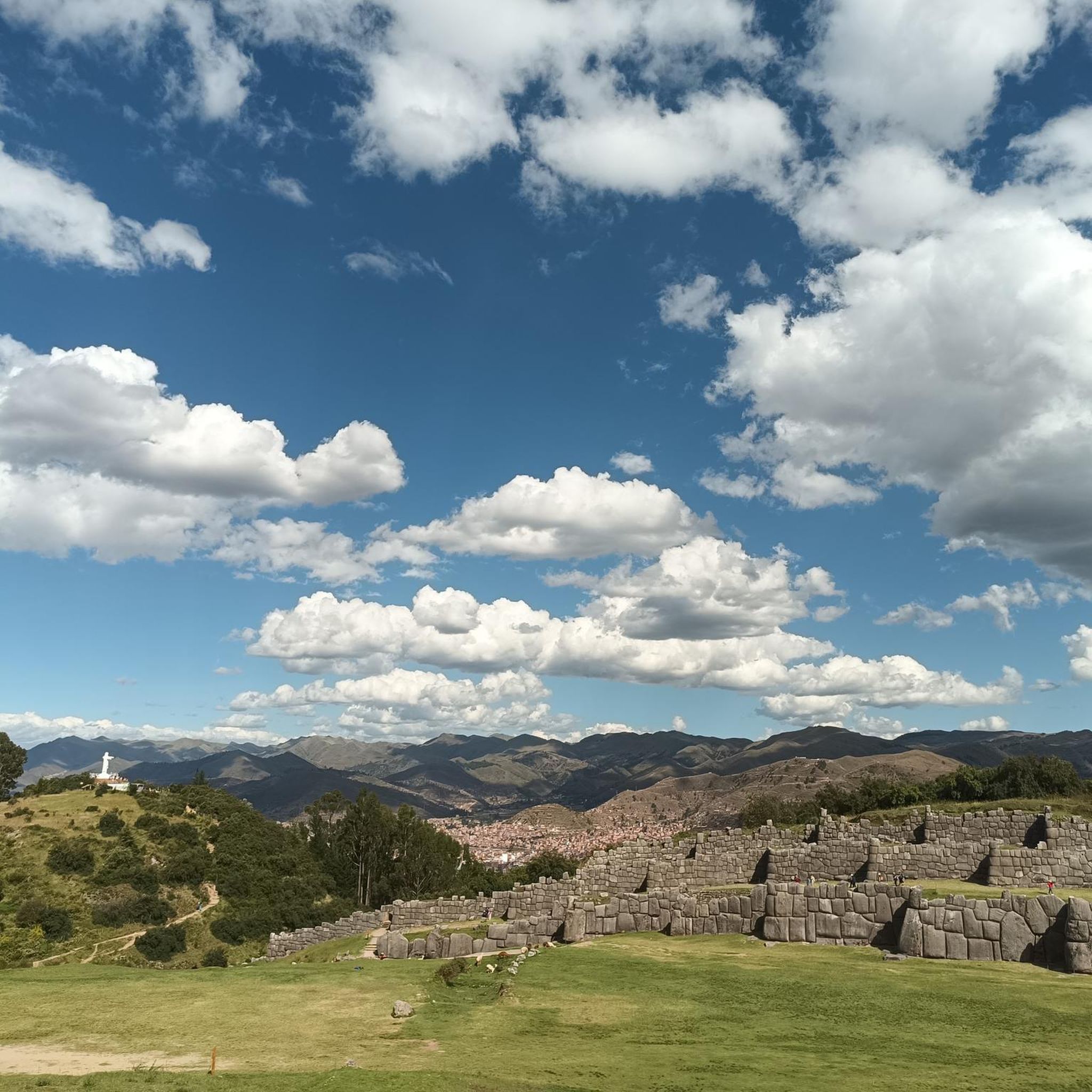
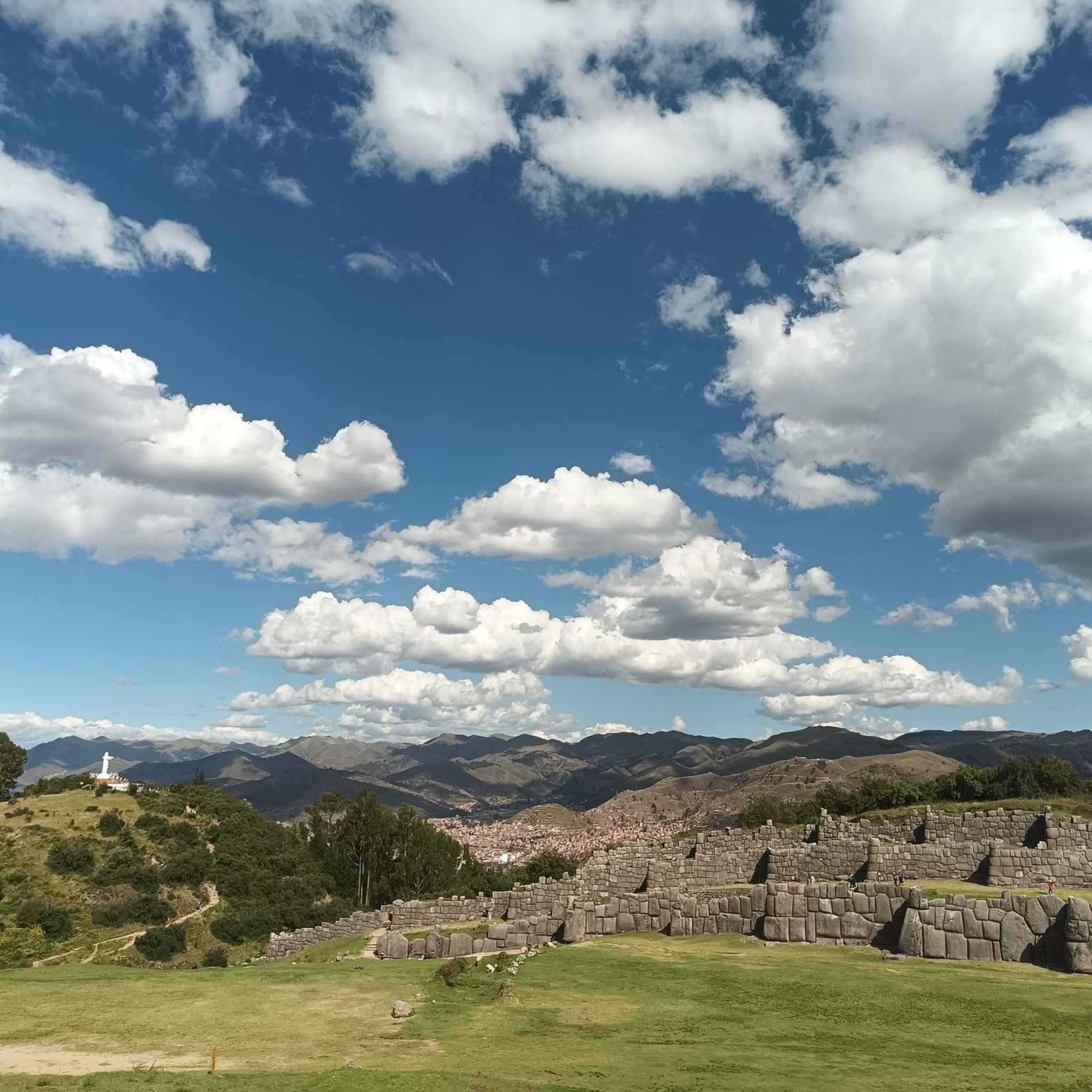
Absolutely. Just a short distance from the city, you can explore the massive Inca fortress of Sacsayhuamán Archaeological Site, known for its cyclopean walls and ceremonial significance. Nearby, you'll also find Tambomachay Water Temple, believed to be a site for ritual bathing, and Qenqo, characterized by its zigzag canals and symbolic carvings.
What are the best day trips from Cusco to explore natural features?
Cusco serves as a gateway to stunning natural wonders. Popular day trips include the surreal Rainbow Mountain (Vinicunca), known for its multicolored stripes, and the breathtaking turquoise Humantay Lake, nestled at the foot of a snow-capped peak. For a unique landscape, consider visiting the Maras Salt Mines.
What can I explore in the Sacred Valley near Cusco?
The Sacred Valley of the Incas is a region rich in Inca and colonial sites. Key attractions include the impressive Inca town and archaeological site of Ollantaytambo, the extensive Inca ruins and popular market at Pisac, and the unique circular agricultural terraces of Moray. Many tours combine these sites with a visit to the Maras Salt Mines.
How can I visit Machu Picchu from Cusco?
While not directly in Cusco, Machu Picchu is the region's most famous attraction. Most visitors travel from Cusco to Aguas Calientes (Machu Picchu Pueblo) by train, then take a bus up to the citadel. It's highly recommended to book train tickets and Machu Picchu entry permits well in advance, especially during peak season.
Are there family-friendly activities in Cusco?
Yes, many attractions in Cusco are suitable for families. The Plaza de Armas of Cusco and the San Blas Neighborhood are great for strolling and soaking in the atmosphere. Historical sites like Qorikancha (Temple of the Sun) and the Twelve-Angled Stone offer engaging history lessons. For a more active family outing, consider an easy hike around the city or a visit to the San Pedro Market for a sensory experience.
What outdoor activities can I do near Cusco's attractions?
Cusco offers numerous opportunities for outdoor enthusiasts. You can find various hiking trails, including moderate loops like the Cusco Cathedral – Sacsayhuamán loop. For cycling, there are routes like the City of Cusco – Qurikancha loop. Running trails are also popular, with options such as the Saqsaywaman loop. Many of these routes pass by or start near major historical sites.
When is the best time to visit Cusco for outdoor activities and sightseeing?
The dry season, from May to October, is generally considered the best time to visit Cusco. During these months, you can expect sunny days and less rain, which is ideal for hiking, exploring archaeological sites, and enjoying the natural landscapes like Rainbow Mountain and Humantay Lake. However, this is also peak tourist season, so expect larger crowds.
Are there easy hiking trails suitable for beginners near Cusco?
Yes, there are several easy trails. For instance, the Twelve-Angled Stone – San Francisco Square, Cusco loop is an easy 4 km hike. Many trails around the city offer gentle inclines and lead to viewpoints or smaller ruins, providing a good introduction to hiking at altitude without being overly strenuous.
What should I wear for high-altitude treks around Cusco?
For high-altitude treks, layering is key. Start with a moisture-wicking base layer, add an insulating fleece or down jacket, and a waterproof/windproof outer shell. Comfortable hiking boots with good ankle support are essential. Don't forget a hat, gloves, sunglasses, and high-SPF sunscreen, as the sun is intense at altitude. Always carry plenty of water.
How do I get around to Cusco's attractions?
Within Cusco city, many attractions like the Plaza de Armas, Cusco Cathedral, and Qorikancha are easily accessible on foot. For sites just outside the city, such as Sacsayhuamán, you can take a short taxi ride, a local bus, or join an organized tour. Public transportation is available for day trips to places like Pisac in the Sacred Valley.
What do visitors enjoy most about Cusco?
Visitors frequently praise Cusco for its rich history and the seamless blend of Inca and colonial influences. The vibrant atmosphere of the Plaza de Armas, the intricate Inca stonework seen at sites like the Twelve-Angled Stone, and the stunning views from places like Sacsayhuamán are often highlighted. The city's unique culture and the opportunity to explore ancient civilizations leave a lasting impression.
Most popular attractions in Cusco

Get inspired with the komoot mobile app


Didn’t find what you were looking for?
Are you keen on exploring more awesome places nearby? Browse our guides:
Explore more
Still not found the Highlight you’re looking for? See guides of the top attractions in other regions:
