Attractions and Places To See in Taray - Top 20
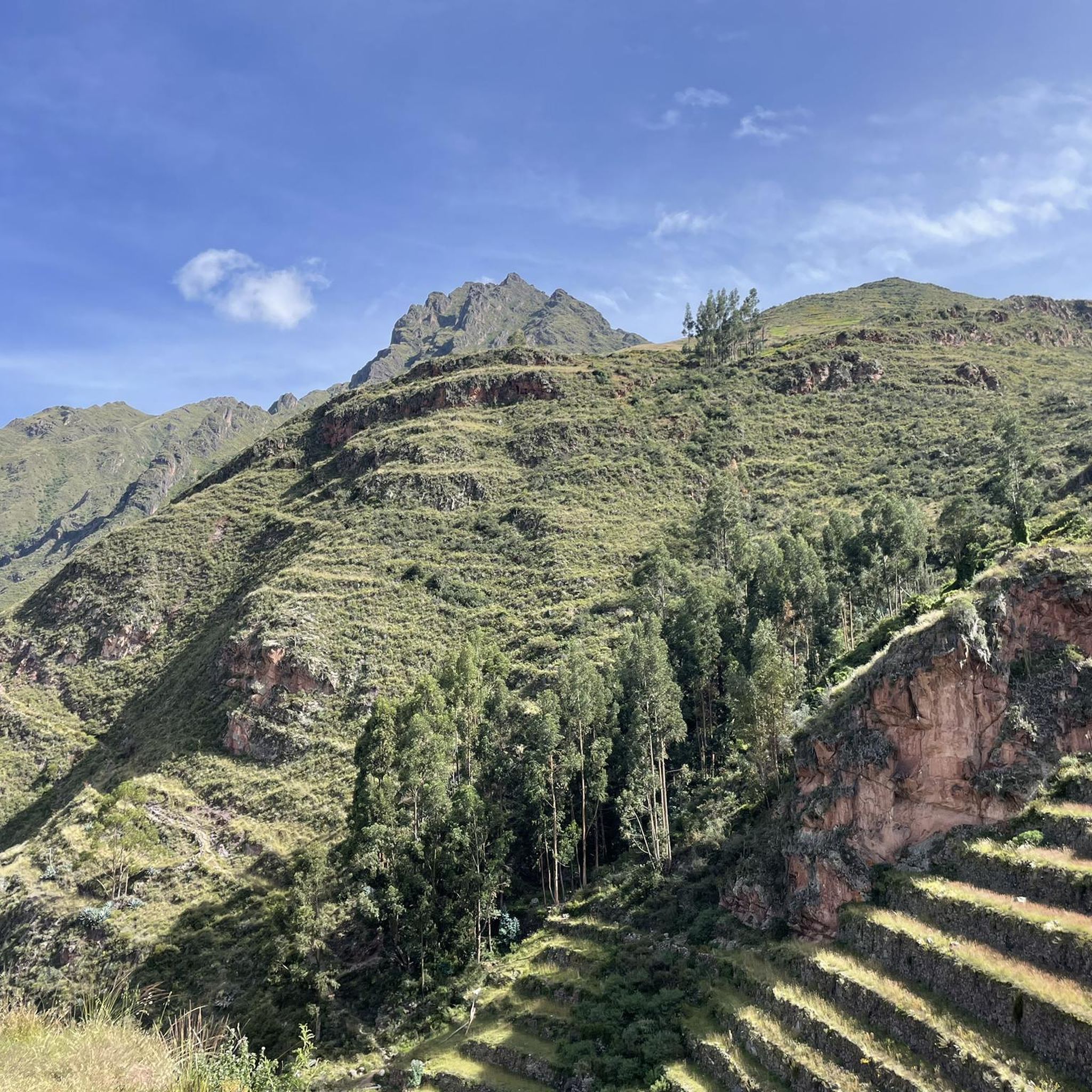
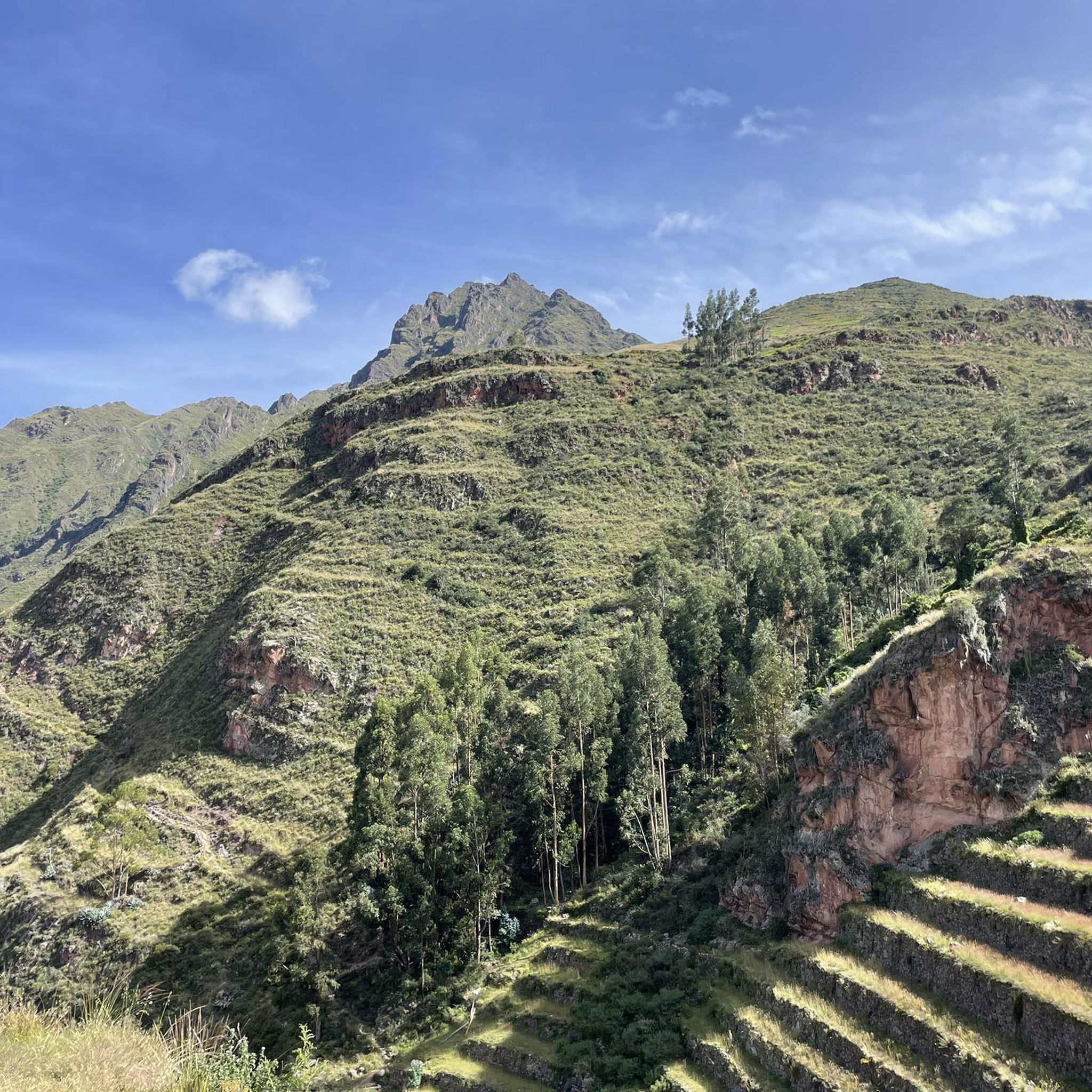
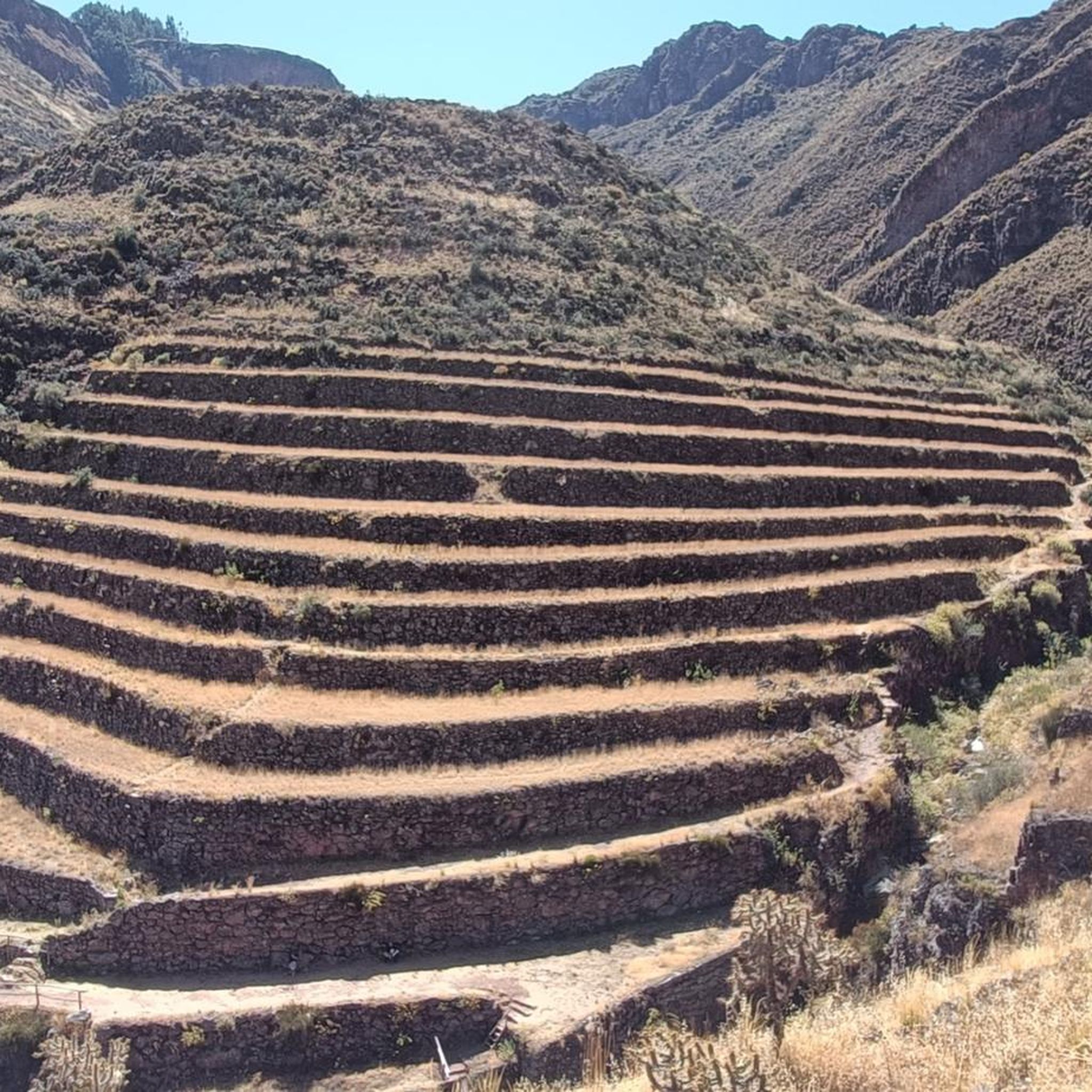
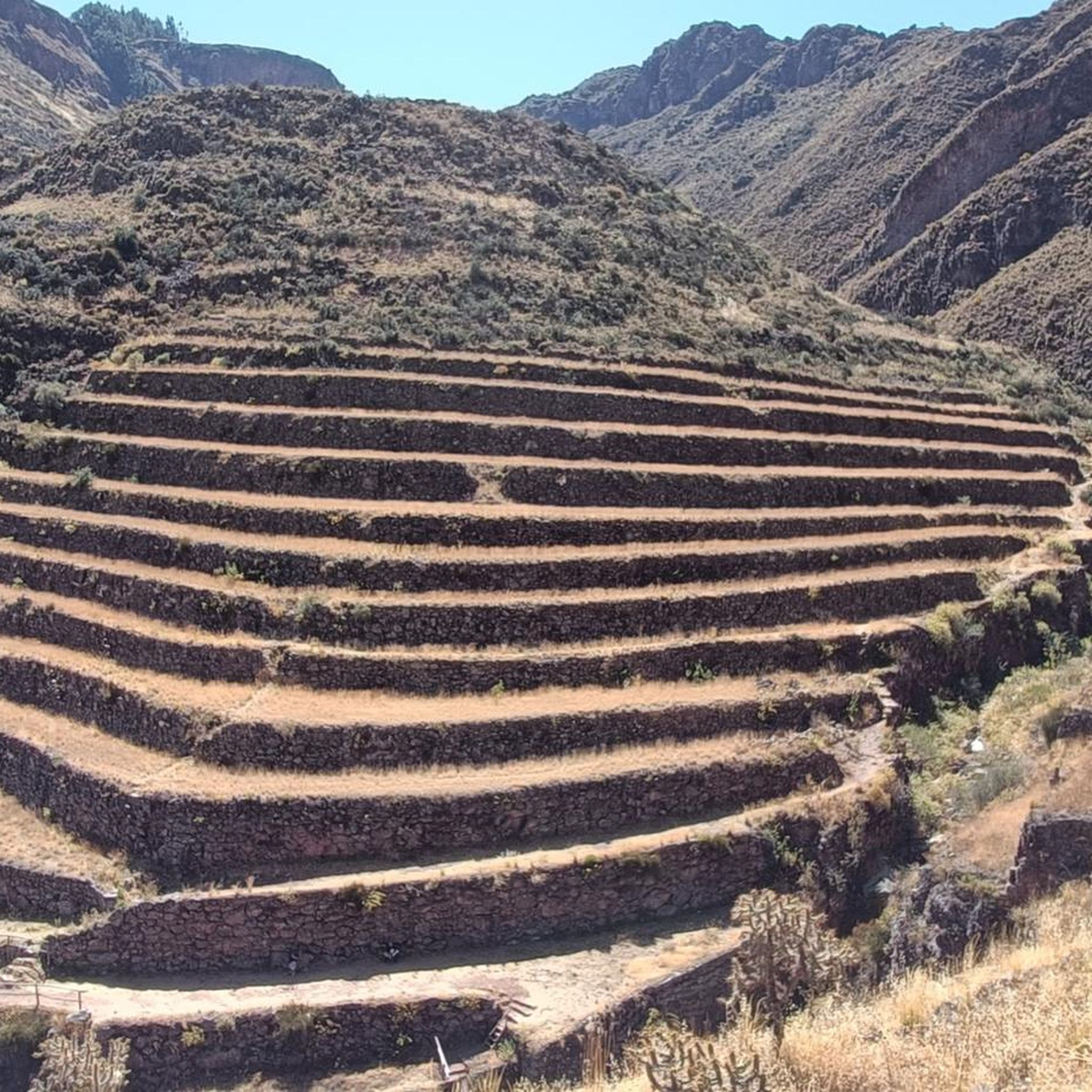
Best attractions and places to see in Taray are found within the Taray District, located in Peru's Cusco Region. This area is situated in the Sacred Valley of the Incas, characterized by its high mountains, meandering rivers, and ancient agricultural fields. Taray offers a blend of historical sites, cultural experiences, and natural viewpoints that showcase the region's rich heritage and Andean landscape. The district is primarily inhabited by indigenous Quechua people, providing opportunities to connect with local culture.
Best attractions…
Last updated: July 17, 2026
Plaza de Armas of Cusco
Highlight • Historical Site
Translated by Google •
Tip by

Cusco Cathedral
Highlight • Religious Site
Translated by Google •
Tip by
Sign up now to discover places like this
Get recommendations on the best single tracks, peaks, & plenty of other exciting outdoor places.
Sign up for free
Hatun Rumiyoc Street and the Twelve-Angled Stone
Highlight • Historical Site
The wisdom of the Incas is reflected in numerous architectural monuments that have withstood the onslaught of time, …
Translated by Google •
Tip by
Qorikancha (Temple of the Sun)
Highlight • Historical Site
Tip by

Sacsayhuamán Archaeological Site
Highlight • Historical Site
Translated by Google •
Tip by
Sign up for free to discover even more attractions in Taray.
Sign up for free
Already have an account?
Start today with a free account
Your next adventure awaits.
Login or Signup
Tips from the Community

Even if you are no longer allowed to photograph inside the cathedral today (or precisely because of that), visiting it is a must for anyone visiting Cusco. Countless altars in various architectural styles and materials, the different patron saints, the silver monstrance, and of course the entire architecture are admirable. The supporting walls of the nave are built from stones of a nearby Inca temple. After an earthquake, the cathedral's roof was destroyed and rebuilt in the Gothic style.
1
0

Cost 70 soles to enter, only accepts cash payments. Only pay at the top of the hill not the sellers on the way.
1
0

At the heart of Cusco is Coricancha, the most important temple of the Inca Empire. Coricancha, also spelled Korikancha or Qorikancha, means "Golden Temple" in Quechua. This impressive Inca Temple of the Sun remains a key feature of the city for locals and tourists alike.
0
0
The fortress of “Sacsayhuamán” (in Quechua this means contented falcon) is one of the most important archaeological complexes of the Inca Empire and is located above the city, at the gates of Cusco. When you visit the complex, you will be amazed: one stone was placed on top of the other with the utmost precision and an impressive technique.
2
0

The Cusco Cathedral is one of the most emblematic buildings of the ancient capital of the Inca Empire. Besides, it is one of the main attractions to appreciate on a walking tour in Cusco. This historical construction is also considered a Cultural Heritage of the Nation and has a combination of unique characteristics. The Cusco Cathedral is important by its Gothic, Baroque, and Renaissance styles that blend harmoniously, unique in South America. Also, by its largest deposits of colonial art representative of Cusquenian school style. The entire Cathedral houses an innumerable amount of artworks from the Cusco art school. Valuable examples of art that are worth knowing and admiring. Source: https://www.machutravelperu.com/blog/cathedral-cusco
0
0
Hatun Rumiyoq is a stone wall (green diorite) located on the street of the same name. It must have been part of the palace attributed to Inca Roca. It covers most of the Hatun-Rumiyoc street; a world-famous street because it houses the “stone of the twelve angles”, known for the perfect union of its 12 corners and sides with the stones that surround it. This wall has intersections of colonial and republican structures and currently houses the Archbishop's Palace and the Museum of Religious Art of Cusco. At this point the architects had to build a kind of platform to level the ground, since this is where the steep slope begins that leads to the traditional neighborhood of San Blas. Source: https://www.ticketmachupicchu.com/hatun-rumiyoc/
1
0
The Stone of Twelve Angles is made of a diorite formation and gained popularity due to its magnificent workmanship and border of twelve angles, which indicates a perfectionist Inca architecture, since there are no asymmetries in its joints. Source: https://es.wikipedia.org/wiki/Piedra_de_los_doce_%C3%A1ngulos
1
0
The construction of the cathedral was no small feat; it spanned nearly a century, from 1560 to 1654. This extensive period of construction, renovation and expansion explains the cathedral's eclectic architectural style. It is a living museum of architectural trends, from the Renaissance and Gothic of the Spanish to the incorporation of indigenous influences. During my first visits, photography was still allowed in the church, but now it is unfortunately prohibited.
4
0
Frequently Asked Questions
What historical sites can I explore in and around Taray?
The Taray District is rich in history, being part of the Sacred Valley of the Incas. You can visit significant Inca and colonial sites such as the Plaza de Armas of Cusco, which was the heart of the Inca Empire. Other notable historical attractions include the Qorikancha (Temple of the Sun), an ancient Inca temple, and the impressive Sacsayhuamán Archaeological Site, known for its massive stone constructions. Don't miss Hatun Rumiyoc Street and the Twelve-Angled Stone, showcasing remarkable Inca architectural precision.
Are there any religious buildings or cultural landmarks to visit?
Yes, the region features prominent religious and cultural landmarks. The Cusco Cathedral is a must-see, displaying an eclectic architectural style that reflects centuries of construction and a blend of Spanish and indigenous influences. The Qorikancha (Temple of the Sun), while primarily a historical site, also served as a crucial religious center for the Incas.
What natural viewpoints offer the best scenery in the Taray area?
The Taray Viewpoint (Mirador Taray) is a prime location offering breathtaking panoramic views of the Sacred Valley of the Incas. From here, you can see the meandering Urubamba River, ancient agricultural fields, and traditional Andean villages like Taray and Qoya, all set against a backdrop of towering mountains.
What kind of outdoor activities can I do near Taray's attractions?
The area around Taray and Cusco offers a variety of outdoor activities. You can find numerous road cycling routes, such as the 'Peruvian Hairless Dog – Pisac loop from Cuzco' or the 'Saylla, Cusco – Qurikancha loop from Wanchaq'. For running enthusiasts, there are trails like the 'Saqsaywaman – Cristo Blanco loop from Wanchaq'. Mountain biking is also popular, with routes like 'Sacsayhuamán – Qurikancha loop from San Sebastián'. You can explore more options on the dedicated guides for Road Cycling Routes in Taray, Running Trails in Taray, and MTB Trails in Taray.
Are there family-friendly attractions in the Taray region?
Yes, several attractions in the Taray region are suitable for families. The Plaza de Armas of Cusco is a great place for families to stroll and soak in the atmosphere. Both Qorikancha (Temple of the Sun) and Hatun Rumiyoc Street and the Twelve-Angled Stone offer engaging historical insights that can be interesting for all ages. Additionally, the Cochahuasi Animal Sanctuary nearby provides an opportunity to see native Andean animals.
What is the best time to visit Taray and its attractions?
The best time to visit Taray and the Sacred Valley is generally during the dry season, which runs from May to October. During these months, the weather is typically sunny with clear skies, making it ideal for exploring historical sites, enjoying panoramic views from the Taray Viewpoint, and engaging in outdoor activities.
What kind of wildlife can I spot in the Taray area?
The natural features around Taray, particularly within the Sacred Valley, offer opportunities for wildlife spotting. You might encounter native plants like ichu grass and various cacti species. Keep an eye out for Andean condors soaring overhead and vicuñas in higher altitudes. The nearby Cochahuasi Animal Sanctuary also provides a chance to see llamas, alpacas, and guanacos up close.
What do visitors enjoy most about the attractions in Taray and Cusco?
Visitors frequently praise the rich history and impressive architecture of the Inca and colonial sites. Many are amazed by the precision of Inca stonework, as seen at Hatun Rumiyoc Street and the Sacsayhuamán Archaeological Site. The vibrant atmosphere of the Plaza de Armas of Cusco and the historical depth of places like Qorikancha are also highly appreciated.
Are there any specific hiking trails near Taray suitable for beginners?
While many trails in the Sacred Valley can be challenging, there are options for various skill levels. For specific beginner-friendly hiking trails, it's best to consult local guides or detailed trail maps. However, the general area offers numerous paths that allow for leisurely walks through traditional villages and along the valley floor, providing a gentler introduction to Andean trekking. You can find more detailed running and MTB routes in the area through the Running Trails in Taray and MTB Trails in Taray guides.
What cultural experiences can I have in the Taray District?
The Taray District is primarily inhabited by indigenous Quechua people, offering authentic cultural experiences. You can explore traditional Andean villages, visit local markets to see artisan crafts, and engage with the local culture. The proximity to Pisac also means access to its famous artisan market and a deeper dive into local traditions.
How long should I plan to spend at the main attractions?
For major sites like the Plaza de Armas of Cusco, you might spend an hour or two exploring the square and its surroundings. The Cusco Cathedral and Qorikancha (Temple of the Sun) each typically require 1-2 hours for a thorough visit. The Sacsayhuamán Archaeological Site can take 2-3 hours to fully explore due to its size. For the Taray Viewpoint, allow 30 minutes to an hour to enjoy the views and take photos.
Are there any specific tips for visiting the Cusco Cathedral?
When visiting the Cusco Cathedral, be aware that photography is generally prohibited inside. The construction spanned nearly a century, resulting in an eclectic architectural style that blends Renaissance, Gothic, and indigenous influences. It's a living museum of art history, reflecting the blend of Spanish and Inca cultures.
Most popular routes in Taray
Most popular attractions in Taray

Get inspired with the komoot mobile app


Explore more
Still not found the Highlight you’re looking for? See guides of the top attractions in other regions:
