Attractions and Places To See in San Jeronimo - Top 20
Best attractions and places to see in San Jeronimo, located near Cusco, Peru, offer a deep dive into Inca and colonial history. This region is characterized by its significant historical sites, religious buildings, and ancient architectural marvels. Visitors can explore well-preserved remnants of the Inca Empire alongside impressive Spanish colonial structures. The area provides a rich cultural experience, showcasing centuries of historical development and artistic expression.
Best attractions and places to see in San Jeronimo
- The most popular attractions is…
Last updated: July 17, 2026
Plaza de Armas of Cusco
Highlight • Historical Site
Translated by Google •
Tip by

Cusco Cathedral
Highlight • Religious Site
Translated by Google •
Tip by
Sign up now to discover places like this
Get recommendations on the best single tracks, peaks, & plenty of other exciting outdoor places.
Sign up for free
Hatun Rumiyoc Street and the Twelve-Angled Stone
Highlight • Historical Site
The wisdom of the Incas is reflected in numerous architectural monuments that have withstood the onslaught of time, …
Translated by Google •
Tip by
Qorikancha (Temple of the Sun)
Highlight • Historical Site
Tip by

Sacsayhuamán Archaeological Site
Highlight • Historical Site
Translated by Google •
Tip by
Sign up for free to discover even more attractions in San Jeronimo.
Sign up for free
Already have an account?
Start today with a free account
Your next adventure awaits.
Login or Signup
Tips from the Community

Even if you are no longer allowed to photograph inside the cathedral today (or precisely because of that), visiting it is a must for anyone visiting Cusco. Countless altars in various architectural styles and materials, the different patron saints, the silver monstrance, and of course the entire architecture are admirable. The supporting walls of the nave are built from stones of a nearby Inca temple. After an earthquake, the cathedral's roof was destroyed and rebuilt in the Gothic style.
1
0

Cost 70 soles to enter, only accepts cash payments. Only pay at the top of the hill not the sellers on the way.
1
0

At the heart of Cusco is Coricancha, the most important temple of the Inca Empire. Coricancha, also spelled Korikancha or Qorikancha, means "Golden Temple" in Quechua. This impressive Inca Temple of the Sun remains a key feature of the city for locals and tourists alike.
0
0
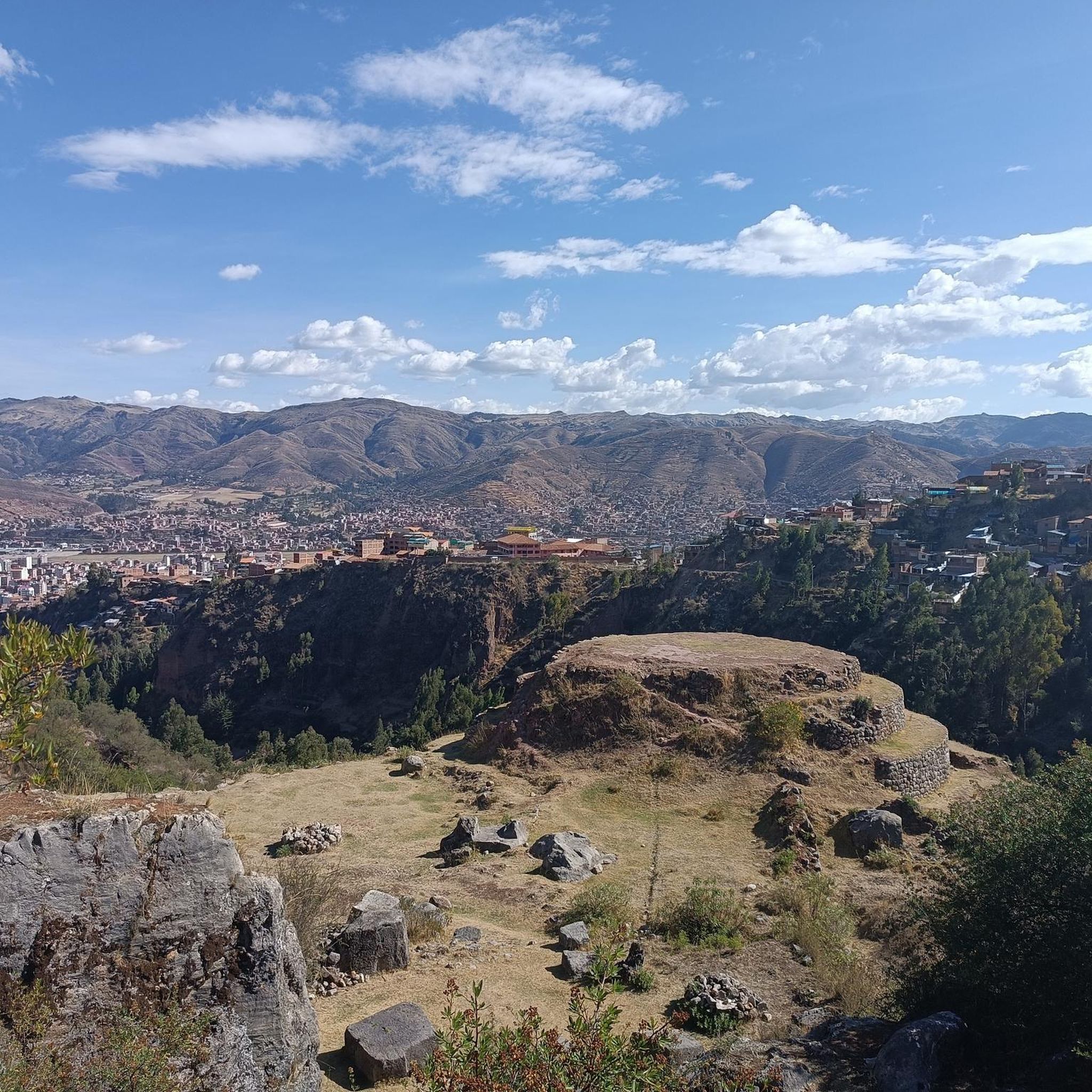
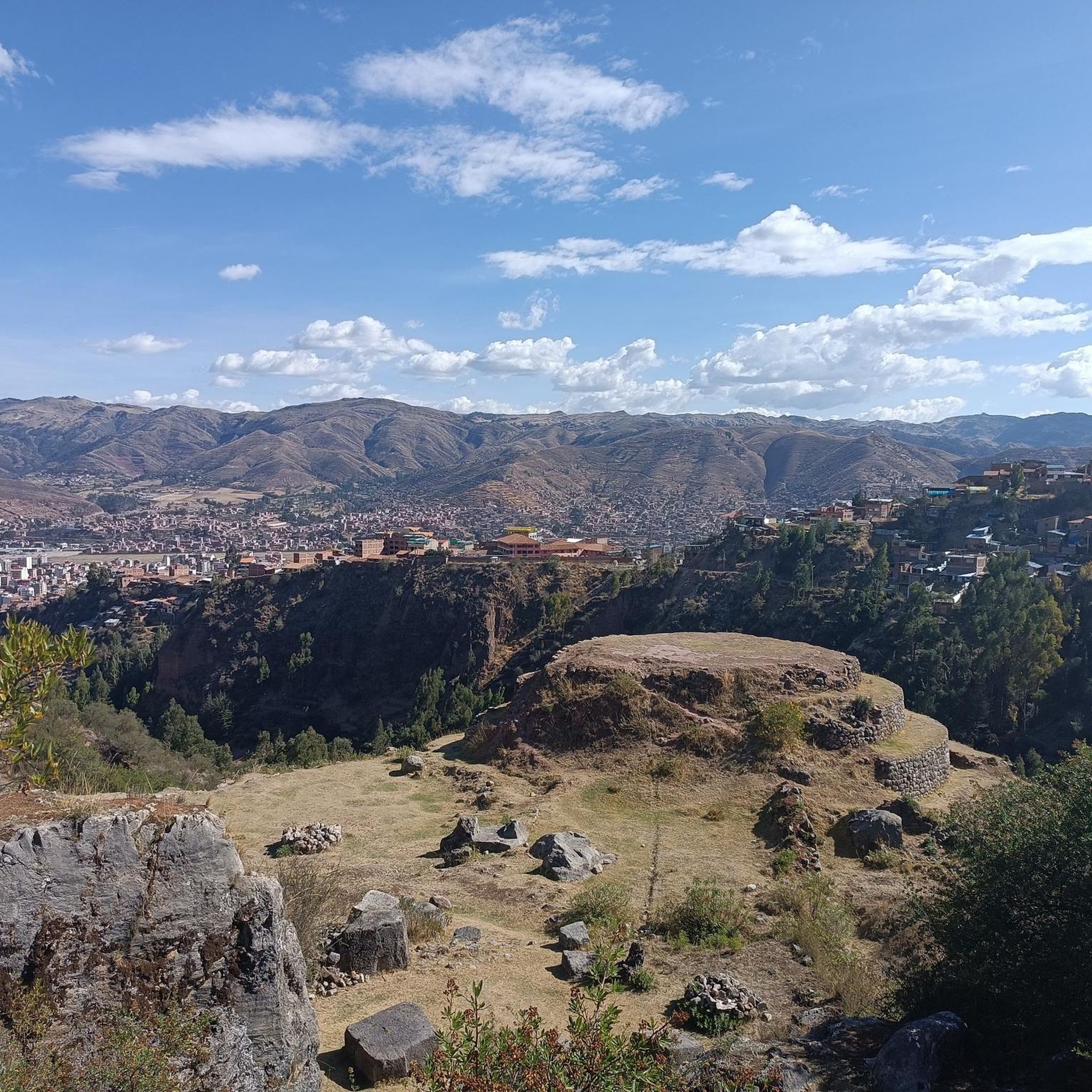
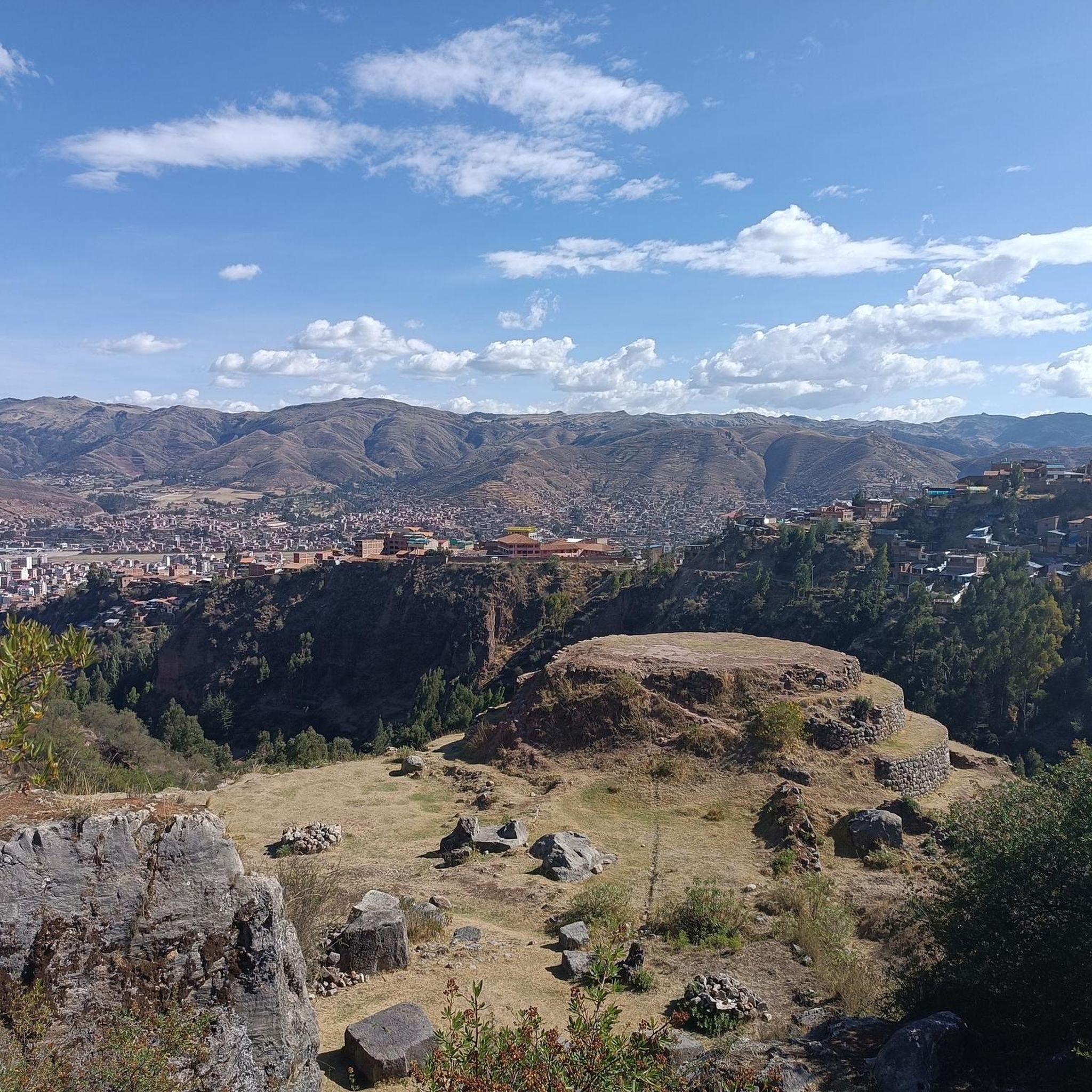
The fortress of “Sacsayhuamán” (in Quechua this means contented falcon) is one of the most important archaeological complexes of the Inca Empire and is located above the city, at the gates of Cusco. When you visit the complex, you will be amazed: one stone was placed on top of the other with the utmost precision and an impressive technique.
2
0

The Cusco Cathedral is one of the most emblematic buildings of the ancient capital of the Inca Empire. Besides, it is one of the main attractions to appreciate on a walking tour in Cusco. This historical construction is also considered a Cultural Heritage of the Nation and has a combination of unique characteristics. The Cusco Cathedral is important by its Gothic, Baroque, and Renaissance styles that blend harmoniously, unique in South America. Also, by its largest deposits of colonial art representative of Cusquenian school style. The entire Cathedral houses an innumerable amount of artworks from the Cusco art school. Valuable examples of art that are worth knowing and admiring. Source: https://www.machutravelperu.com/blog/cathedral-cusco
0
0
Hatun Rumiyoq is a stone wall (green diorite) located on the street of the same name. It must have been part of the palace attributed to Inca Roca. It covers most of the Hatun-Rumiyoc street; a world-famous street because it houses the “stone of the twelve angles”, known for the perfect union of its 12 corners and sides with the stones that surround it. This wall has intersections of colonial and republican structures and currently houses the Archbishop's Palace and the Museum of Religious Art of Cusco. At this point the architects had to build a kind of platform to level the ground, since this is where the steep slope begins that leads to the traditional neighborhood of San Blas. Source: https://www.ticketmachupicchu.com/hatun-rumiyoc/
1
0
The Stone of Twelve Angles is made of a diorite formation and gained popularity due to its magnificent workmanship and border of twelve angles, which indicates a perfectionist Inca architecture, since there are no asymmetries in its joints. Source: https://es.wikipedia.org/wiki/Piedra_de_los_doce_%C3%A1ngulos
1
0
The construction of the cathedral was no small feat; it spanned nearly a century, from 1560 to 1654. This extensive period of construction, renovation and expansion explains the cathedral's eclectic architectural style. It is a living museum of architectural trends, from the Renaissance and Gothic of the Spanish to the incorporation of indigenous influences. During my first visits, photography was still allowed in the church, but now it is unfortunately prohibited.
4
0
Frequently Asked Questions
What kind of historical sites can I explore in San Jeronimo?
San Jeronimo, near Cusco, Peru, is rich in both Inca and colonial history. You can explore significant sites like the Plaza de Armas of Cusco, which was the center of the world in Inca times and is now surrounded by colonial buildings. Other must-see historical sites include Qorikancha (Temple of the Sun), a major Inca temple, and the impressive Sacsayhuamán Archaeological Site, an Inca fortress known for its massive stone construction.
Are there any notable religious buildings to visit in San Jeronimo?
Yes, the region features prominent religious architecture. The Cusco Cathedral is a significant religious building constructed over nearly a century, showcasing an eclectic blend of Renaissance, Gothic, and indigenous architectural styles. It houses a rich collection of art history.
What unique architectural features can I find in San Jeronimo?
Beyond the grand structures, you can discover the incredible precision of Inca masonry at Hatun Rumiyoc Street and the Twelve-Angled Stone. This mythical stone, with its peculiar polygonal shape, perfectly fits with adjacent stones without mortar, symbolizing the advanced architectural and engineering skills of the Inca Empire.
What outdoor activities are available near San Jeronimo's attractions?
The area around San Jeronimo offers various outdoor activities. You can find numerous routes for road cycling, hiking, and running. For instance, there are road cycling loops like the 'Saylla, Cusco – Qurikancha loop', hiking trails such as the 'Cusco Cathedral – Sacsayhuamán loop', and running trails like the 'Saqsaywaman – Cristo Blanco loop'. You can explore more options in the dedicated guides for Road Cycling Routes in San Jeronimo, Hiking in San Jeronimo, and Running Trails in San Jeronimo.
Are there family-friendly attractions in San Jeronimo?
Many of the historical sites in San Jeronimo are suitable for families. The Plaza de Armas of Cusco and Qorikancha (Temple of the Sun) are categorized as family-friendly, offering engaging experiences for all ages to learn about Inca and colonial history. Hatun Rumiyoc Street and the Twelve-Angled Stone is also a fascinating stop for families.
What do visitors enjoy most about the attractions in San Jeronimo?
Visitors are consistently amazed by the rich history and the impressive architectural techniques of the Inca Empire. They appreciate the opportunity to step back in time at sites like the Sacsayhuamán Archaeological Site, where the sheer size and precision of the stone work are often highlighted. The historical significance and artistic details within the Cusco Cathedral also leave a lasting impression.
Can I find easy hiking trails near the main attractions?
Yes, there are hiking options for various difficulty levels. For an easier experience, consider the 'Twelve-Angled Stone – San Francisco Square, Cusco loop' which is rated as easy. This allows you to explore the city's historical core on foot. More options can be found in the Hiking in San Jeronimo guide.
What is the significance of the Plaza de Armas of Cusco?
The Plaza de Armas of Cusco holds immense historical significance as it was considered the 'center of the world' during the Inca Empire. Today, it remains a vibrant hub, surrounded by magnificent colonial buildings and prominent churches like La Catedral, making it a central point for exploring Cusco's past and present.
How long should I plan to spend at the major historical sites?
The time needed can vary, but for sites like the Cusco Cathedral or Qorikancha (Temple of the Sun), you might want to allocate 1-2 hours each to fully appreciate their history and art. For larger archaeological sites like Sacsayhuamán, plan for 2-3 hours, especially if you wish to explore the grounds thoroughly.
Are there any specific tips for visiting Qorikancha (Temple of the Sun)?
When visiting Qorikancha (Temple of the Sun), consider purchasing a tourist card, which can grant access to multiple Inca sites in Cusco. While photography was once allowed inside, it is now prohibited in certain areas, so be mindful of signage. The site's historical significance, once adorned with gilded elements, encourages visitors to imagine its past splendor.
What kind of cycling routes are available in San Jeronimo?
San Jeronimo offers a variety of road cycling routes, ranging from moderate to difficult. Examples include the 'Pumamarca – Qurikancha loop' which is a moderate 31.5 km ride, and the more challenging 'Saylla, Cusco – Qurikancha loop' spanning over 107 km. These routes provide an excellent way to experience the region's landscapes. More details can be found in the Road Cycling Routes in San Jeronimo guide.
Most popular routes in San Jeronimo
Most popular attractions in San Jeronimo

Get inspired with the komoot mobile app


Explore more
Still not found the Highlight you’re looking for? See guides of the top attractions in other regions:
